Vietnamese markets are not just places to buy things. They are where daily life unfolds. From early morning wet markets filled with the smell of herbs and fresh fish to lively night markets glowing with street food and conversation, markets reveal how Vietnam really works.
For travelers, visiting markets in Vietnam offers something that museums and landmarks cannot. Markets show habits, rhythms, and relationships. They reflect regional culture, climate, and history more honestly than any curated attraction.
Understanding Vietnam markets helps you understand the country itself.
Why markets matter in Vietnamese daily life
In Vietnam, markets are practical before they are picturesque.
Most Vietnamese households still rely on local markets for daily food shopping. Fresh ingredients are bought in small quantities, often every morning. Vendors know their customers, remember preferences, and offer advice on cooking or ripeness.
Markets are also social spaces. Neighbors meet, chat, exchange news, and maintain relationships. This social function is just as important as commerce.
For travelers, this means markets are living spaces, not performances. You are stepping into everyday life, not a tourist show.
Types of markets in Vietnam
Vietnam has many kinds of markets, each serving a different purpose.
Wet markets operate early in the morning and focus on fresh produce, meat, seafood, herbs, and household items. These are the most authentic but also the most intense for first-time visitors.
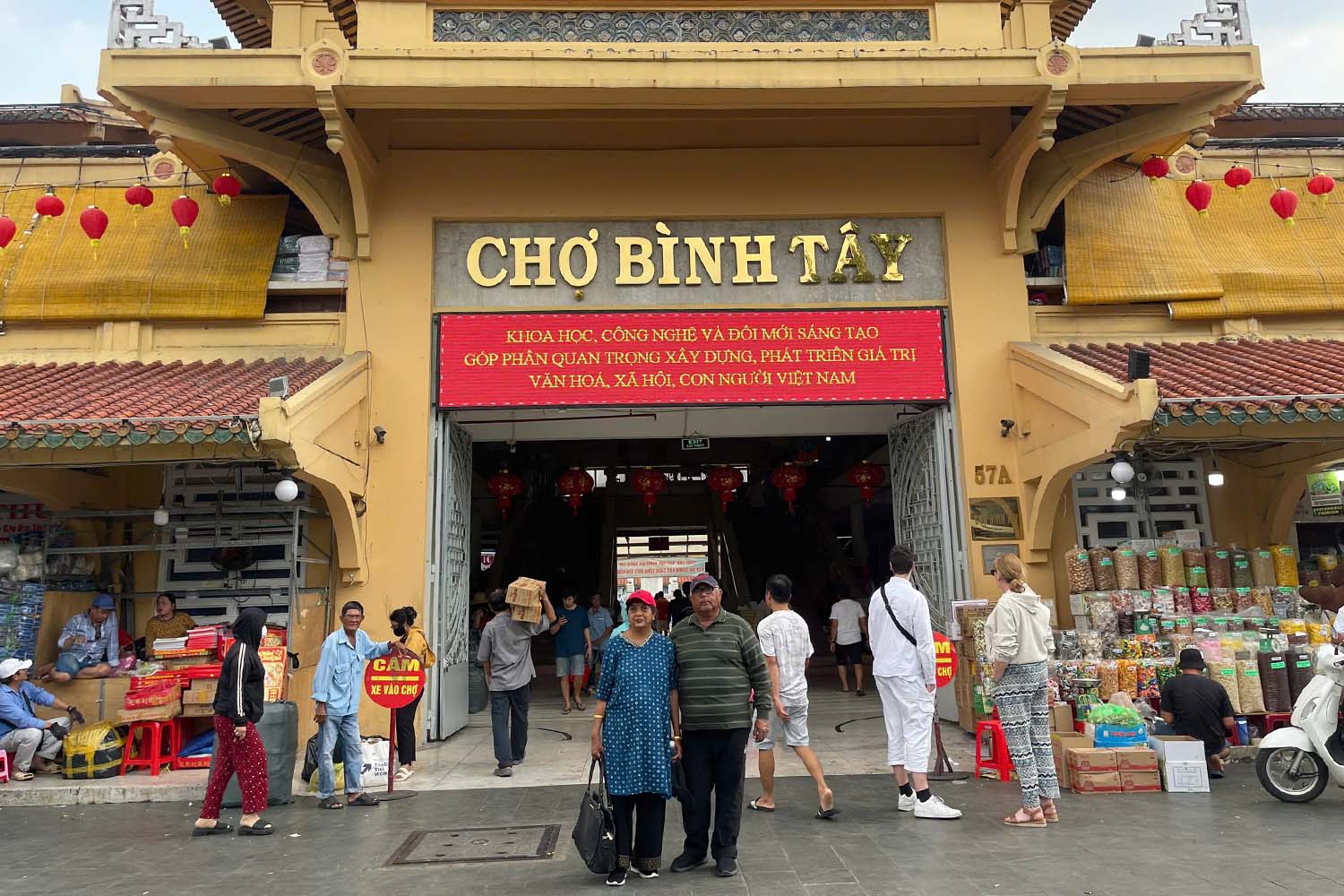
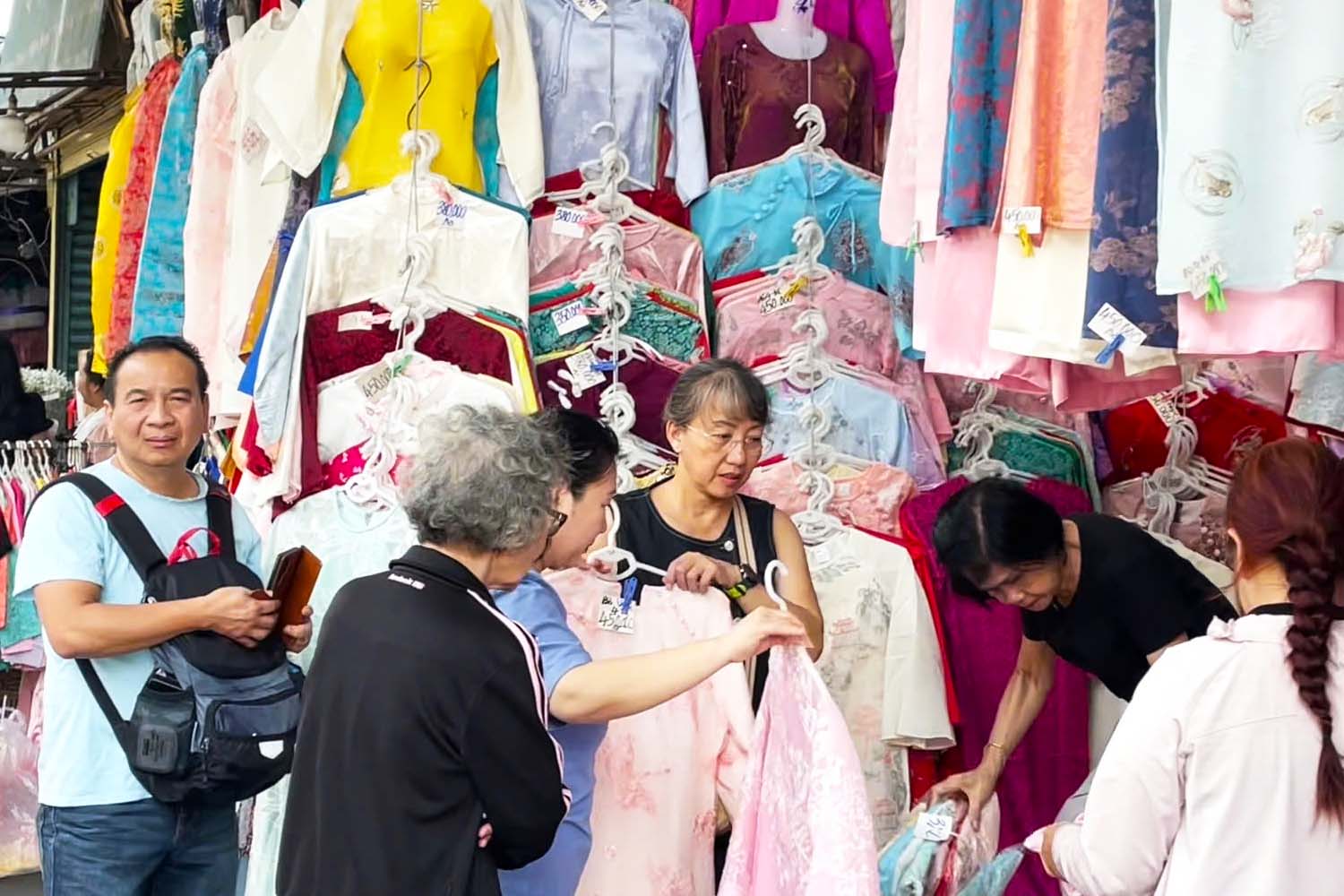
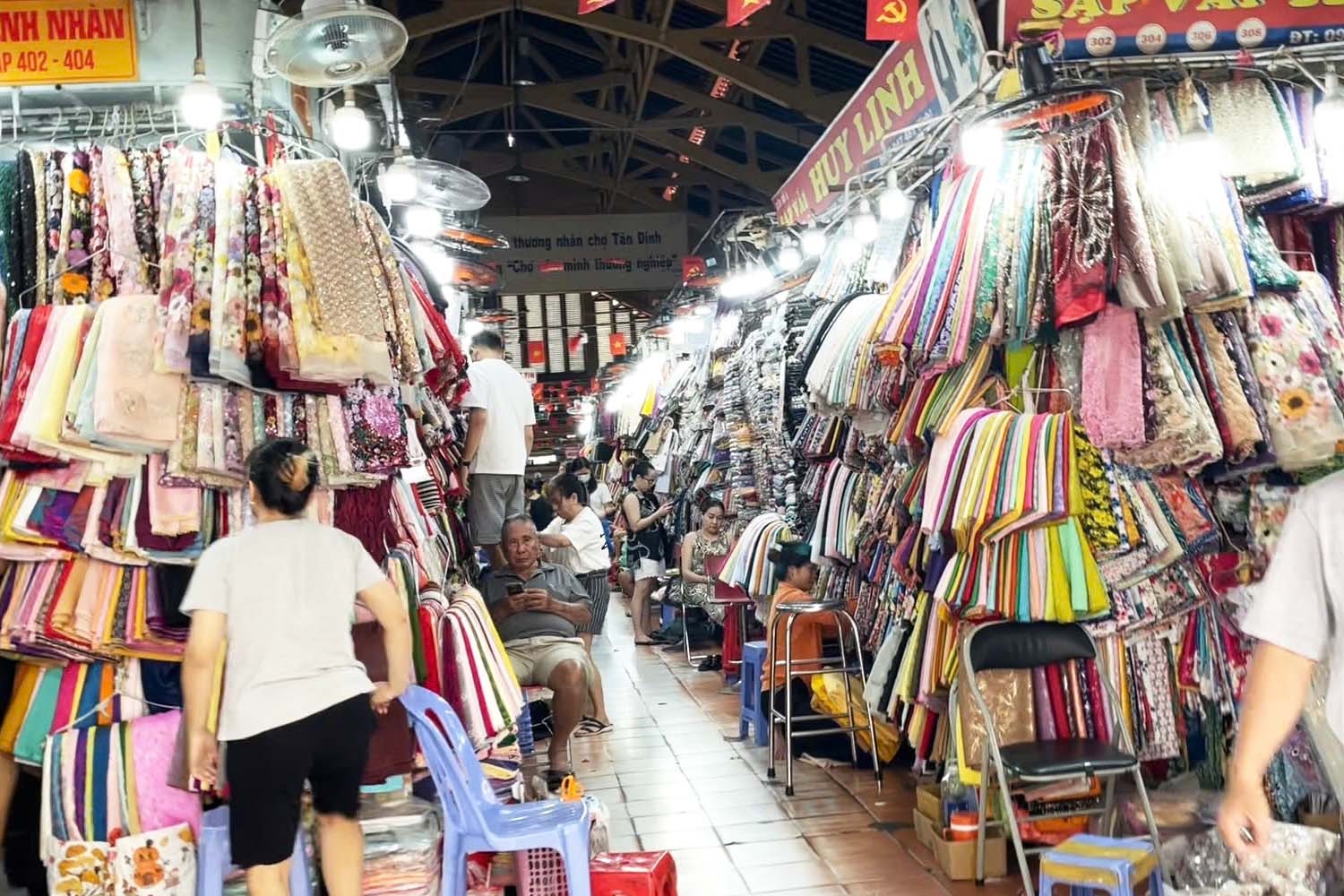
Traditional daytime markets sell clothing, fabrics, household goods, and snacks. They are busier during mid-morning and early afternoon.
Night markets focus on food, souvenirs, and casual shopping. They are more traveler-friendly and social, especially in tourist areas.
Floating markets, found mainly in the Mekong Delta, operate on rivers and canals, reflecting a water-based way of life.
Each type offers a different perspective on Vietnam.
What you will see at a typical Vietnamese market
Vietnamese markets are sensory experiences.
You will see piles of herbs stacked by hand, live fish swimming in buckets, fruits arranged by season, and vendors working quickly in small spaces. Motorbikes weave through narrow aisles. Plastic stools appear everywhere.
Sounds overlap. Vendors call out prices. Buyers negotiate. Knives chop, water splashes, radios play softly in the background.
Smells range from fresh basil and citrus to grilled meat and fermented sauces. It can feel overwhelming at first, but it quickly becomes fascinating once you slow down and observe.
Famous city markets travelers often visit
Large cities have markets that are well known to visitors.
In Ho Chi Minh City, Ben Thanh Market is the most famous. It sells everything from food and souvenirs to clothing and textiles. While tourist-oriented, it still reflects local trading culture.
In Hanoi, Dong Xuan Market is the city’s largest wholesale market. It feels more local, especially early in the day, and offers insight into northern market life.
In central Vietnam, markets in Hoi An and Da Nang blend local shopping with tourism, often becoming lively gathering places in the evening.
These markets are good starting points, but they are only part of the story.
Local neighborhood markets vs tourist markets
The biggest difference between local and tourist markets is purpose.
Local neighborhood markets exist for residents. Prices are lower, products are practical, and English is rarely spoken. These markets usually operate early and close by midday.
Tourist markets stay open longer, sell souvenirs, and expect negotiation. Prices are higher, but communication is easier.
Both have value. Tourist markets are easier to navigate, while local markets offer deeper cultural insight.
Travelers who visit both gain a more balanced understanding of Vietnam.
Market etiquette and behavior for visitors
Vietnamese markets are informal but follow unspoken rules.
Moving slowly and observing before interacting is appreciated. Vendors are busy, and respectful curiosity goes further than loud enthusiasm.
Bargaining is common for non-food items, but it should be friendly and realistic. Aggressive negotiation over small amounts can feel disrespectful.
Photography should be handled carefully. Always ask before taking close-up photos of people or their stalls.
Markets reward patience. The more relaxed you are, the more welcoming the experience becomes.
Food markets and street food culture
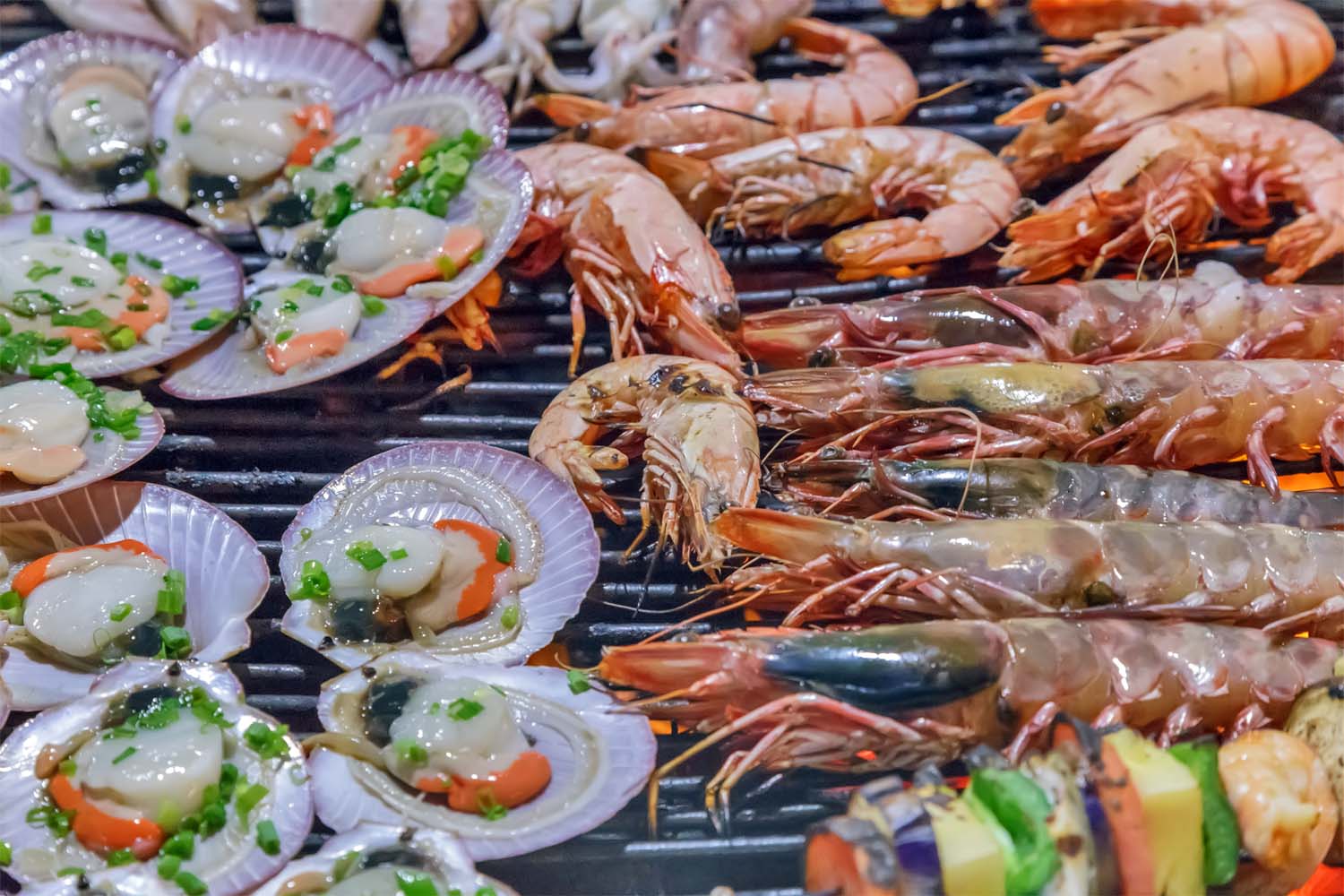
Many of Vietnam’s best meals come from markets.
Small food stalls inside or around markets serve dishes that are made daily using ingredients sold nearby. These meals are designed for locals, not adapted for visitors.
Sitting on a small stool, eating alongside market workers, is one of the most authentic food experiences in Vietnam.
Food markets also reflect regional differences. Northern flavors tend to be lighter and more restrained, while southern markets are sweeter and more abundant. Central regions balance spice and complexity.
For travelers, markets are an ideal way to understand Vietnamese cuisine in context.
Markets and seasons in Vietnam
Markets change with the seasons.
Fruit varieties shift throughout the year. Mangoes, rambutan, durian, longan, and dragon fruit appear at different times depending on region and climate.
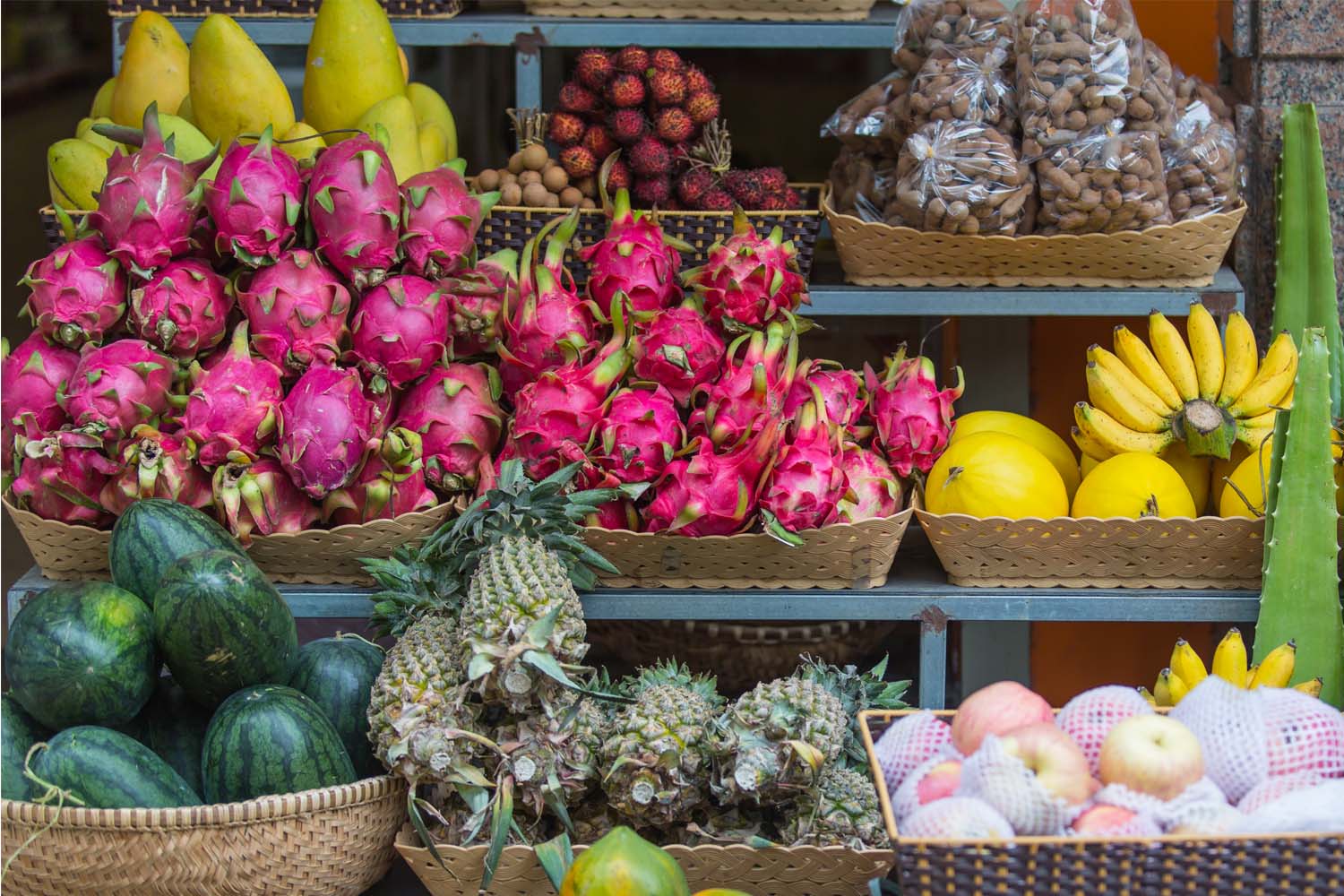
Weather also affects market rhythm. Rainy seasons bring more vegetables and greens, while dry seasons highlight preserved foods and snacks.
During Tet, markets become especially vibrant, filled with flowers, decorations, and traditional foods. Visiting a market before Lunar New Year offers insight into how families prepare for the holiday.
Why markets are one of the best places to learn about Vietnam
Markets show how Vietnam adapts.
They reveal how people manage small businesses, use limited space efficiently, and maintain social bonds. They reflect economic realities, regional identity, and daily priorities.
For travelers, markets offer learning without explanation. You observe, absorb, and slowly understand.
This is why markets often leave stronger memories than famous landmarks.
Should travelers worry about hygiene or safety?
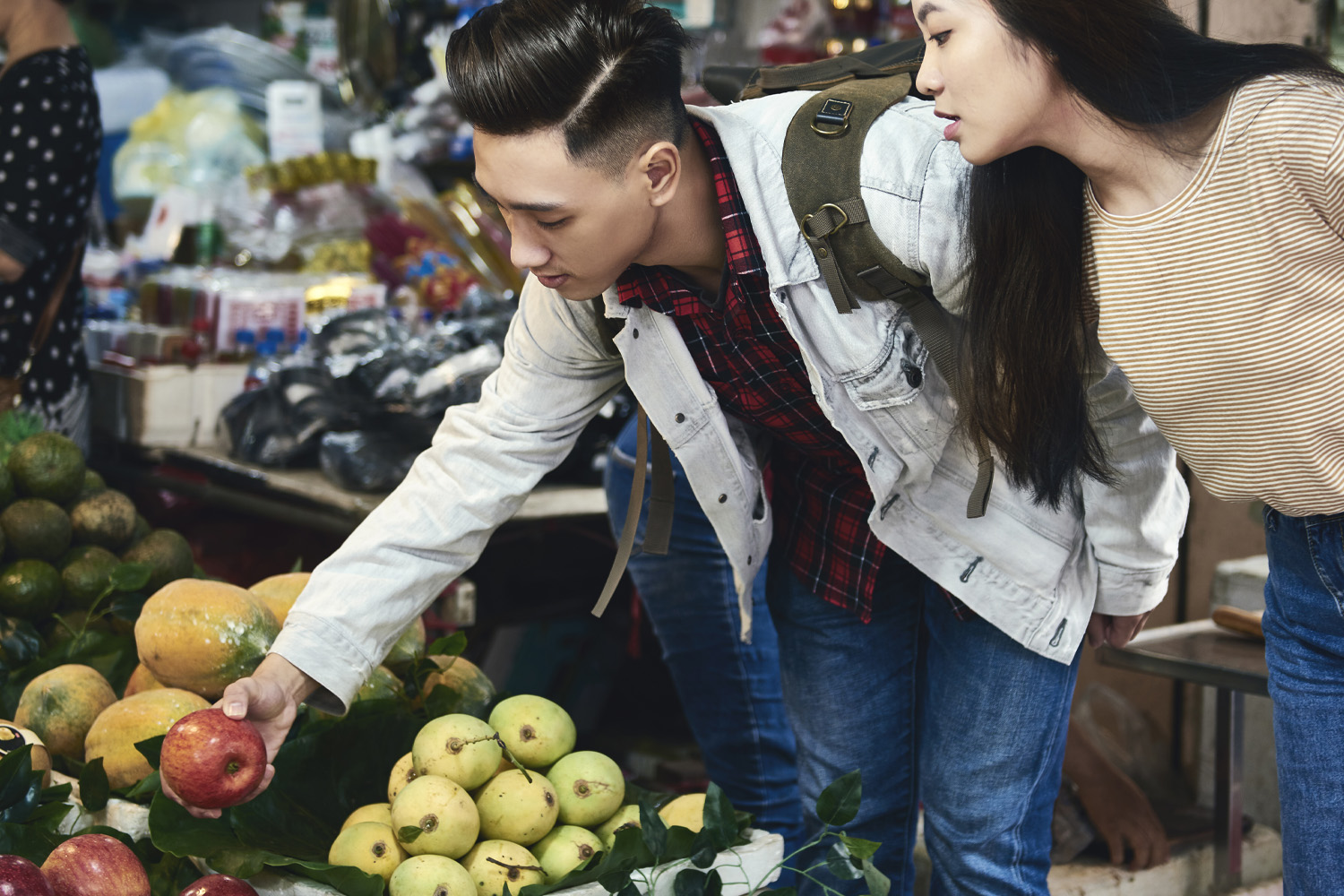
Markets are generally safe, but they are not sanitized spaces.
Fresh food is handled differently than in supermarkets, and cleanliness standards reflect local norms. Travelers should use common sense, avoid touching raw food, and choose busy food stalls.
Pickpocketing is rare but possible in crowded areas. Keeping valuables secure is enough.
Approached with awareness rather than fear, markets are welcoming and safe environments.
How markets fit into responsible travel
Spending money in markets supports local families directly.
Unlike large malls or international brands, market vendors rely on daily sales. Buying food, snacks, or small items contributes immediately to local livelihoods.
For travelers interested in responsible tourism, markets are one of the simplest ways to support communities without intermediaries.
Regional markets across Vietnam
Vietnam’s markets reflect regional culture, climate, and daily habits. Visiting markets in different parts of the country reveals how diverse Vietnam really is.
Northern Vietnam markets
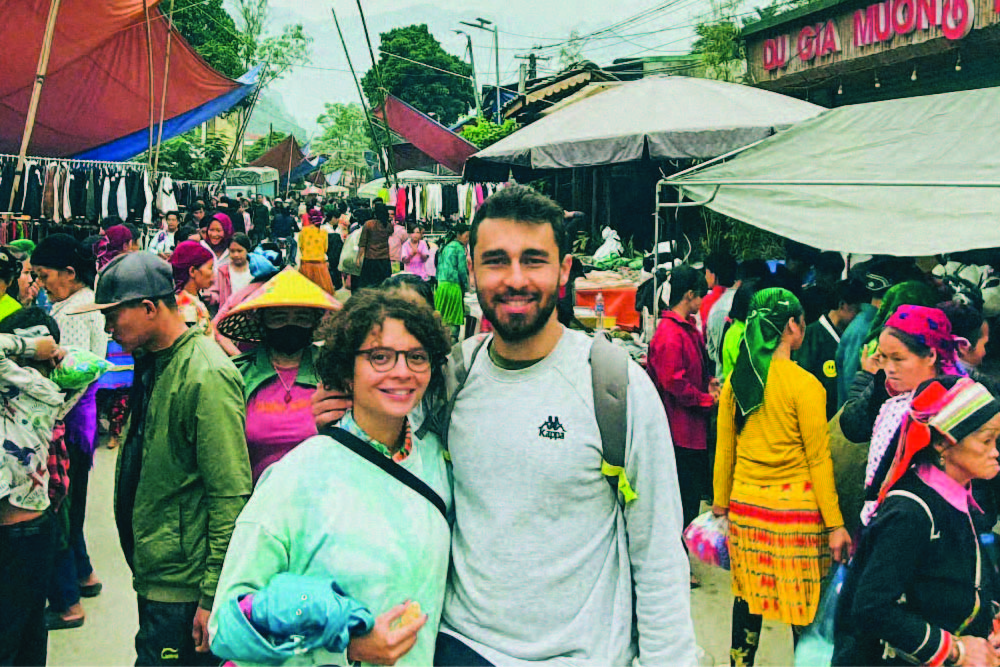
Markets in northern Vietnam tend to feel practical and restrained. Vendors focus on daily essentials rather than excess variety. Seasonal vegetables, freshwater fish, tofu, herbs, and simple household goods dominate the stalls.
In Hanoi, markets are busiest early in the morning, often before 9:00 AM. After that, activity slows as residents return home to cook. Wholesale markets supply smaller neighborhood markets, creating a layered system of trade.
Northern markets feel functional rather than festive, but this is exactly what makes them authentic. They reflect a culture shaped by colder winters and long-standing traditions of thrift and balance.
Central Vietnam markets
Markets in central Vietnam often combine local life with tourism.
In historic towns and coastal cities, markets sell fresh seafood, noodles, spices, fabrics, and snacks alongside souvenirs and street food. The pace is steady, and bargaining is more common than in the north.
Central Vietnam markets often serve as social hubs, especially in the evenings. Food stalls spill into surrounding streets, and markets become places to gather rather than just shop.
This region’s markets reflect a balance between heritage and modern tourism.
Southern Vietnam markets
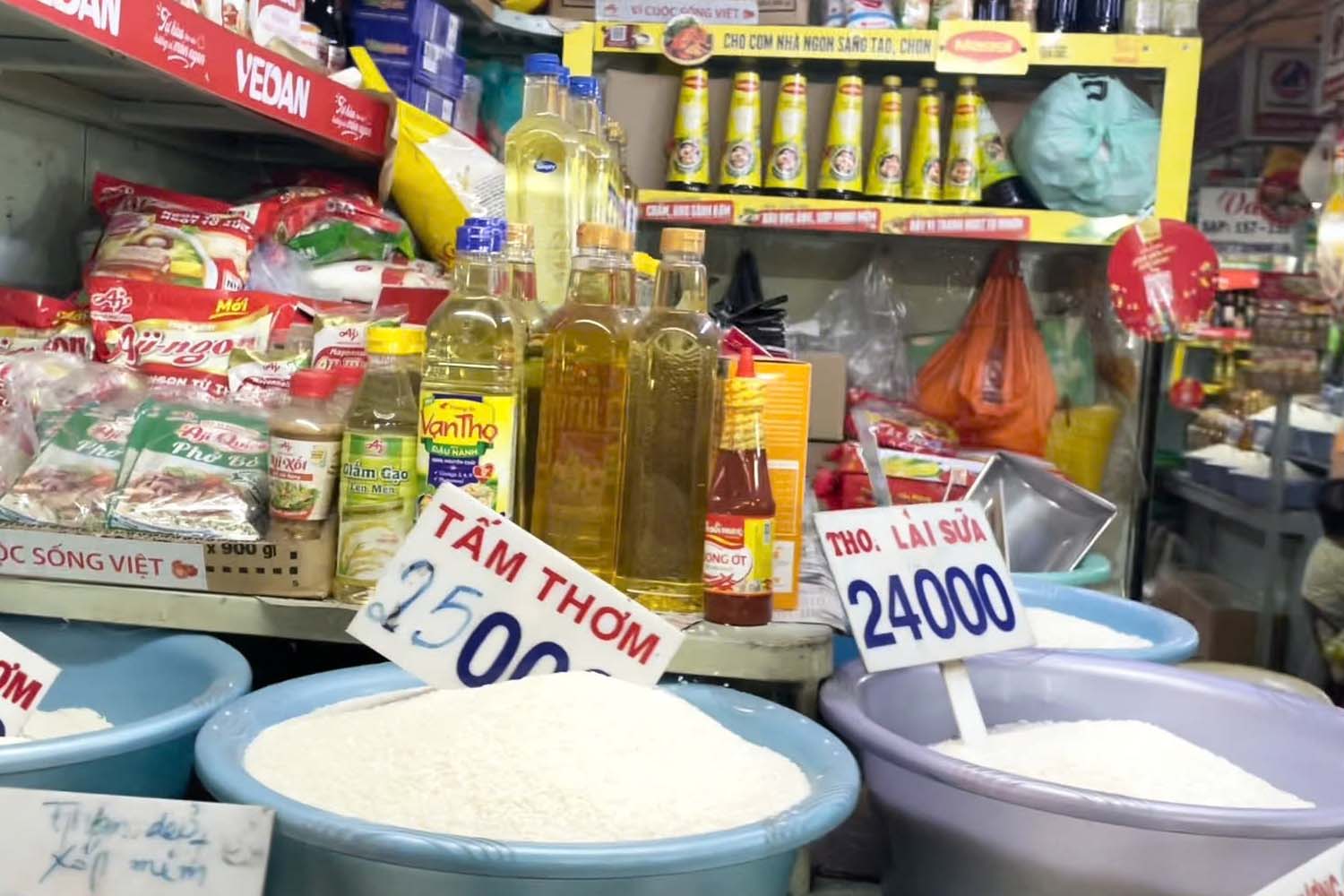
Southern Vietnam markets are energetic, colorful, and abundant.
The warmer climate allows year-round fruit production, and markets overflow with tropical produce. Vendors display large quantities, and trading feels faster and more expressive than in the north.
Markets in the south often stay open longer, sometimes until late afternoon or evening. Bargaining is common, but interactions are usually relaxed and friendly.
For many travelers, southern markets feel the most accessible due to their openness and variety.
Floating markets and river-based trade
Floating markets are among Vietnam’s most distinctive market experiences.
Found mainly in the Mekong Delta, floating markets operate on rivers rather than streets. Boats replace stalls, and trade happens directly on the water.
Vendors sell fruits, vegetables, noodles, coffee, and household goods from their boats. Each boat specializes in one or two products, advertised by hanging samples on long poles.
Floating markets are busiest early in the morning, often before sunrise. As the day progresses, activity slows, and many boats leave.
While some floating markets now cater partly to tourists, many still function as genuine trading centers for local communities.
Night markets in Vietnam
Night markets are a more recent development compared to traditional markets.
They focus on street food, souvenirs, clothing, and casual entertainment. Night markets are social spaces where locals and visitors gather to eat, walk, and relax.
Prices are usually higher than in daytime markets, but night markets are easier for travelers to navigate. English is more commonly spoken, and menus are more accessible.
Night markets offer a softer introduction to Vietnamese market culture, especially for first-time visitors.
What to buy at Vietnamese markets
Markets are best for small, practical purchases rather than expensive items.
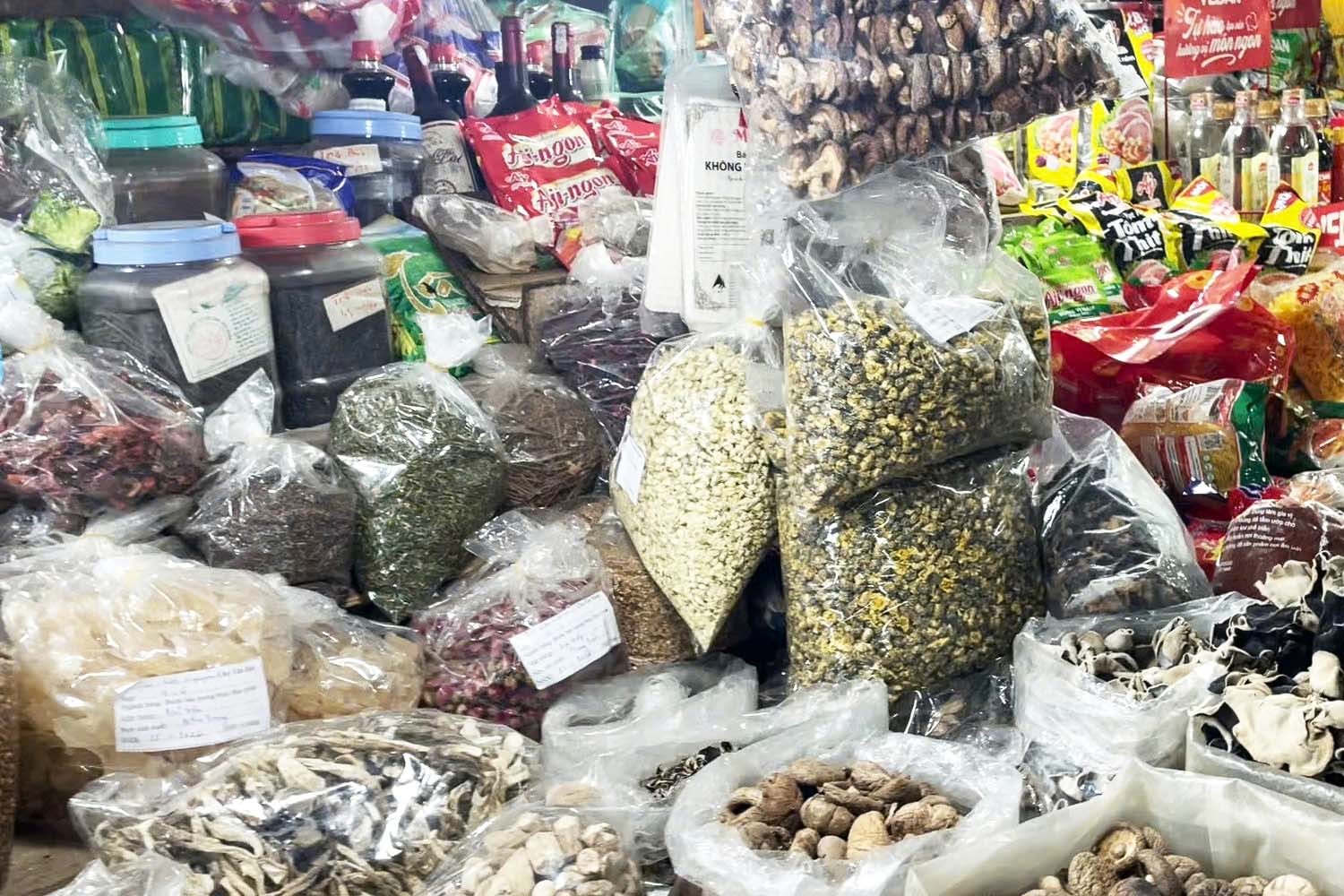
Popular items include fresh fruit, snacks, spices, dried foods, simple clothing, kitchen tools, and handmade goods. Food-related items are often the most meaningful purchases, as they reflect local taste and seasonality.
Souvenirs are available at tourist markets, but quality varies. Travelers should focus on items they genuinely like rather than buying out of obligation.
Markets are not ideal for luxury shopping, but they are perfect for discovering everyday objects used in Vietnamese life.
Bargaining tips for travelers
Bargaining is part of market culture, but it should be approached with sensitivity.
For food and daily essentials, prices are usually fixed, and bargaining is not expected. For clothing, souvenirs, and non-food items, bargaining is common.
A friendly smile, calm tone, and realistic expectations go a long way. Arguing over very small amounts can feel disrespectful, especially considering local income levels.
If the price feels unfair, it is acceptable to walk away politely.
Common market scams and how to avoid them
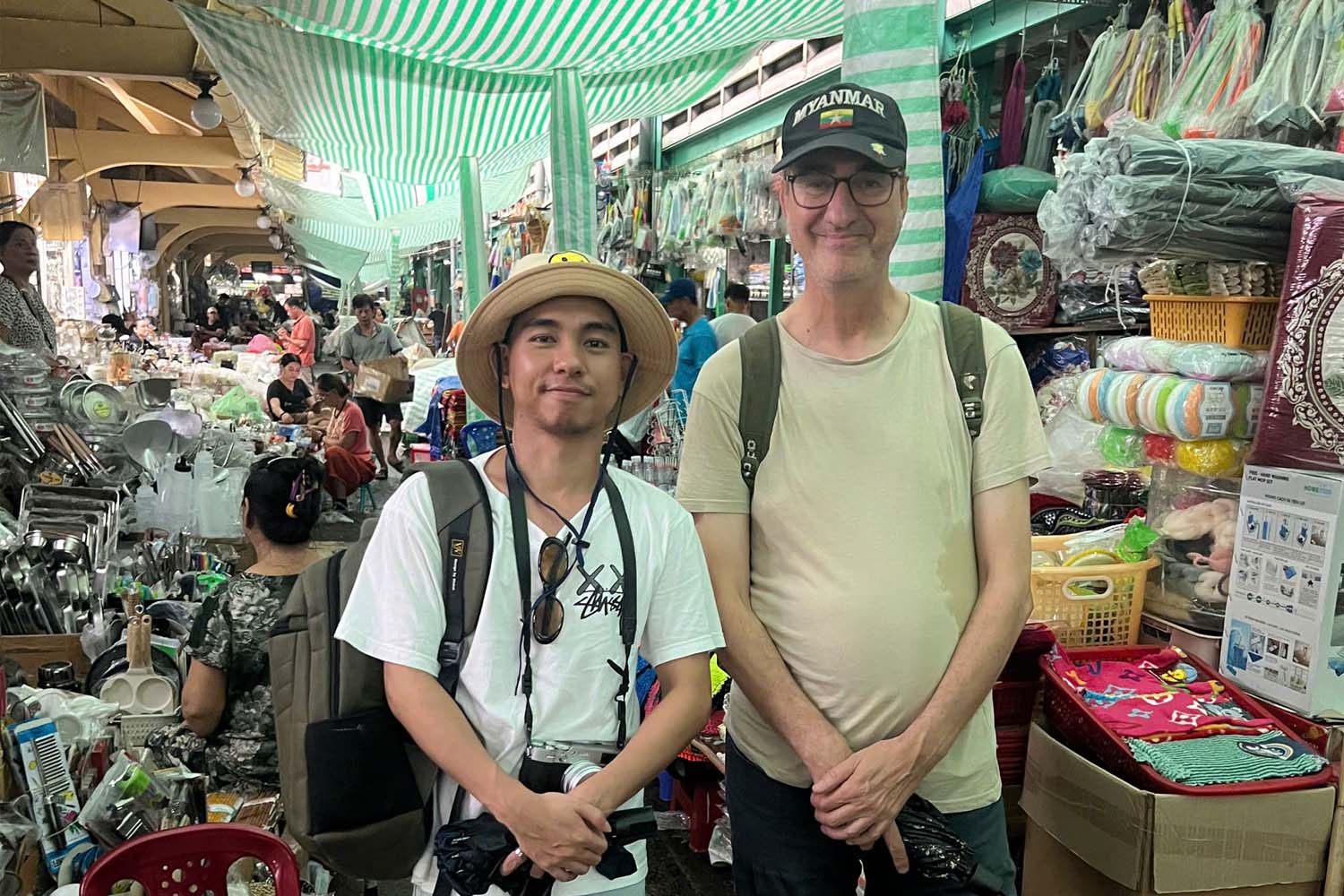
Markets in Vietnam are generally honest, but some issues can arise in tourist-heavy areas.
Prices may be inflated for visitors, especially at famous markets. Asking for prices at multiple stalls helps establish a baseline.
Occasionally, vendors may pressure visitors to buy or claim items are handmade when they are not. Staying calm and not rushing decisions reduces risk.
Pickpocketing is rare but possible in crowded night markets. Keeping valuables secure is sufficient.
Awareness, not suspicion, is the best approach.
Markets during Tet and festivals
Markets change dramatically during Tet, the Lunar New Year.
In the days leading up to Tet, markets are at their busiest. Stalls overflow with flowers, fruits, decorations, and traditional foods. The atmosphere is energetic and celebratory.
During the first days of Tet, many markets close completely as vendors return home to celebrate with family. Activity resumes gradually after the holiday.
Visiting markets before Tet offers insight into preparation and anticipation, while visiting after Tet reveals a quieter reset period.
How markets support responsible travel
Spending money at markets supports local families directly.
Market vendors are often self-employed or part of small family businesses. Buying from them contributes immediately to household income without intermediaries.
For travelers interested in responsible tourism, markets offer one of the simplest ways to participate. Even small purchases have direct impact.
This makes markets not just cultural spaces, but economic lifelines.
How to include markets in your Vietnam itinerary
Markets are best visited in the morning or early evening, depending on type.
Rather than rushing through, choose one or two markets and spend time observing. Sit down for a drink, watch transactions, and notice how people interact.
Markets do not require guides or explanations. They reward patience and attention.
Including markets in your itinerary adds depth without adding complexity.
Final thoughts on Vietnam markets
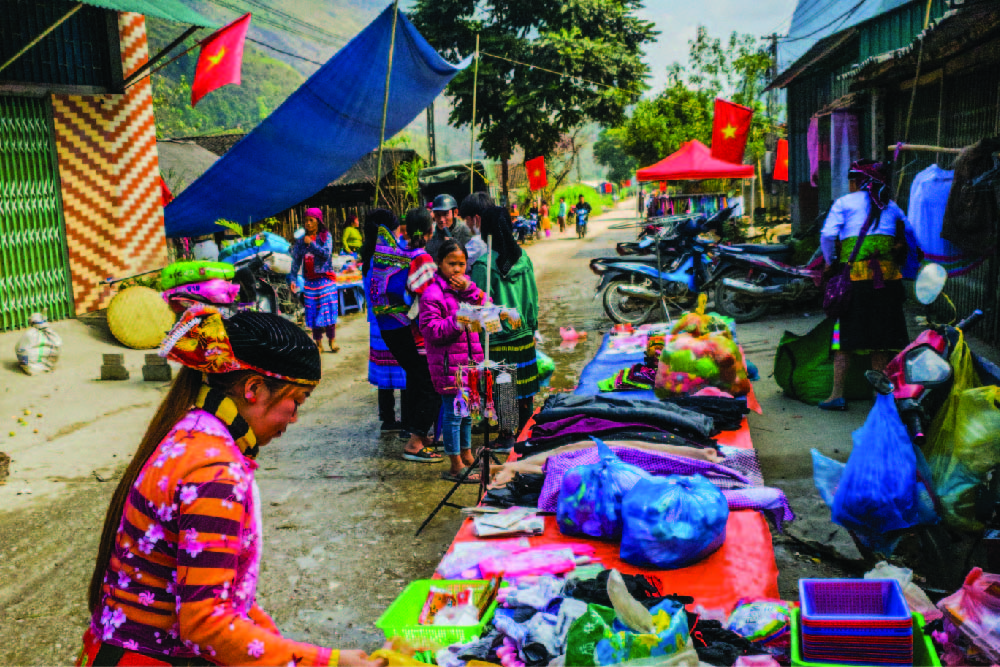
Vietnamese markets are not designed for visitors, yet they welcome them naturally.
They are places of routine rather than spectacle, shaped by habit, necessity, and community. They change daily, reflect seasons, and adapt to modern life without losing purpose.
For travelers, markets offer something rare: an unfiltered view of how people live.
If you want to understand Vietnam beyond landmarks, start with its markets.