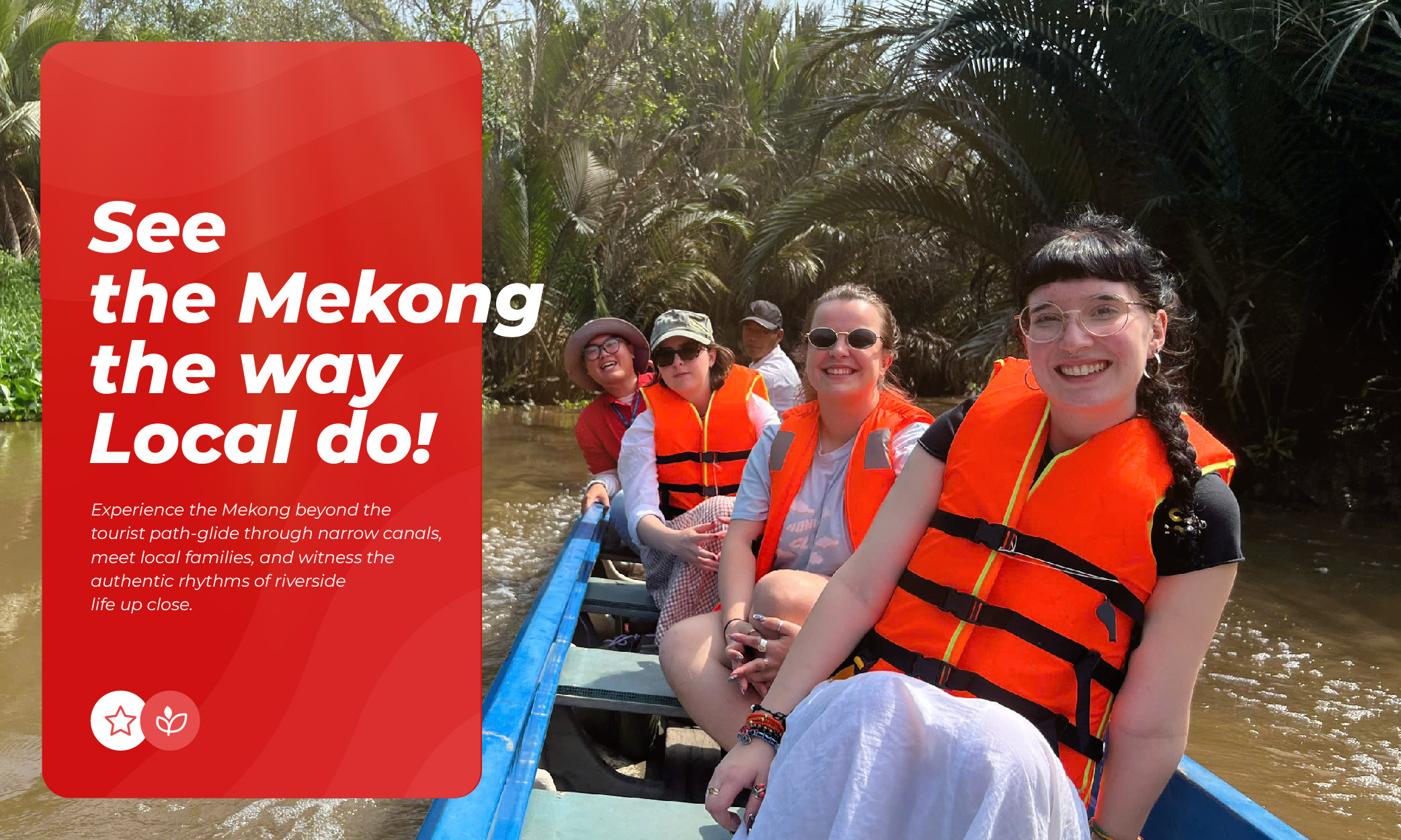
Planning your first trip to Vietnam can feel overwhelming with so many destinations, cultural considerations, and practical details to navigate. Even after extensive research and conversations with countless travelers, one might still be missing out on game-changers insights for first-time visitors.
Acknowledging your concern, we will cover everything from weather patterns and cultural etiquette to transportation logistics and regional differences, providing practical advice that helps you navigate Vietnam confidently while avoiding common tourist mistakes that can diminish your travel experience.
Essential Vietnam travel planning before you go
Vietnam visa requirements: what you need to know
Vietnam’s visa requirements vary based on your nationality, intended length of stay, and entry points. Understanding these requirements well in advance to prevent arrival complications and ensure smooth entry into the country.
Visa-free entry options: Citizens from certain countries enjoy visa-free stays ranging from 14-30 days, but these exemptions change periodically and may require specific conditions like proof of onward travel or minimum passport validity periods. Always verify current requirements with official Vietnamese consular sources rather than relying on outdated information.
E-visa applications: Vietnam’s e-visa system allows online applications for most nationalities, typically processing within 3-5 business days. The process requires uploading passport photos and completing detailed application forms, but provides convenient alternatives to embassy visits or visa-on-arrival procedures.
Visa on arrival considerations: While visa on arrival exists, it requires pre-approval letters that essentially function as e-visas with additional airport processing time. This option often costs more and involves longer airport delays compared to obtaining visas in advance.
Vietnam travel insurance: essential coverage
Vietnam’s healthcare system varies dramatically between urban centers and rural areas, making comprehensive travel insurance crucial for managing potential medical emergencies, activity-related injuries, and unexpected trip disruptions.
Medical coverage requirements: Ensure your insurance covers emergency medical evacuation to major hospitals in Hanoi or Ho Chi Minh City, as rural medical facilities may lack advanced treatment capabilities. Adventure activities like Ha Long Bay cruising, Sapa trekking, or motorcycle touring require specific coverage that many standard policies exclude.
Activity-specific considerations: Many popular Vietnam activities carry inherent risks that standard travel insurance may not cover. Motorcycle rental, cave exploration, and water sports require careful insurance review to ensure adequate protection.
Money matters: currency and payment systems
Understanding Vietnam’s monetary system, exchange rates, and payment preferences prevents common financial complications while ensuring you have appropriate payment methods for different situations and regions.
Vietnamese dong (VND) basics: Vietnam uses Vietnamese dong with exchange rates typically ranging from 23,000-25,000 VND per US dollar. Carry small denomination notes for street food, local transportation, and market purchases, as many vendors cannot provide change for large bills.
Cash versus card usage: While major cities accept credit cards at hotels, restaurants, and tourist attractions, rural areas, street food vendors, and local transportation require cash payments. ATMs are widely available in cities but scarce in remote areas, requiring cash planning for rural excursions.
Tipping culture: Tipping isn’t traditional in Vietnam, but tourist-oriented services increasingly expect tips. Small amounts (20,000-50,000 VND) are appropriate for exceptional service, while overtipping can create unrealistic expectations for other travelers.
Best time to visit Vietnam by region
North Vietnam weather: when to visit Hanoi and surroundings
North Vietnam’s four-season climate creates distinct travel periods that dramatically affect comfort levels, activity availability, and overall experience quality. Understanding these patterns helps optimize timing for specific interests and activities.
October to December: ideal North Vietnam weather: These months offer Vietnam’s most pleasant conditions with cool, dry air perfect for exploring Hanoi’s streets, taking Ha Long Bay cruises, and trekking in Sapa. Temperatures range from 15-25°C (59-77°F) with minimal rainfall and crystal-clear skies ideal for photography and outdoor activities.
January to March: cool and sometimes misty: Winter months bring cooler temperatures that may require warm clothing, particularly in mountainous areas like Sapa where temperatures can approach freezing. While generally dry, occasional drizzle and mist can affect mountain views and outdoor activities.
April to September: hot and humid with rain: Summer months feature high temperatures (25-35°C/77-95°F), increased humidity, and frequent afternoon thunderstorms. While this period offers lush green landscapes and fewer crowds, the weather can be challenging for extensive outdoor exploration.
Central Vietnam travel seasons: Hue and Hoi An timing
Central Vietnam’s unique geography creates weather patterns distinct from northern and southern regions, with wet and dry seasons that significantly impact travel experiences and activity availability.
February to August: dry season advantages: This extended dry period offers ideal conditions for exploring Hue’s imperial sites, wandering Hoi An’s ancient streets, and enjoying central Vietnam’s beaches. Temperatures remain warm but manageable (22-30°C/72-86°F) with minimal rainfall disrupting outdoor activities.
September to January: challenging wet season: Central Vietnam’s wet season brings heavy rainfall, occasional flooding, and rough sea conditions that can significantly impact transportation and outdoor activities. While accommodation prices drop and crowds thin, weather-related disruptions require flexible planning.
South Vietnam weather: Ho Chi Minh City year-round conditions
South Vietnam’s tropical climate creates relatively consistent conditions throughout the year, though wet and dry seasons still influence comfort levels and activity planning.
December to April: optimal dry season: These months offer the most comfortable conditions with lower humidity, minimal rainfall, and pleasant temperatures (24-32°C/75-90°F) perfect for exploring Ho Chi Minh City’s attractions and taking Mekong Delta tours.
May to November: manageable wet season: While rainfall increases during these months, it typically occurs in predictable afternoon patterns that allow morning and evening activities. The rain often provides welcome relief from heat while creating lush landscapes throughout the region.
Vietnam transportation: getting around the country
Domestic flights: connecting major destinations
Vietnam’s domestic flight network efficiently connects major destinations, offering time-saving alternatives to lengthy overland travel between distant regions. Understanding route options, pricing patterns, and booking strategies optimizes internal transportation.
Major route connections: Vietnam Airlines, Jetstar, and VietJet operate frequent flights between Hanoi, Ho Chi Minh City, Da Nang, and other major destinations. Booking domestic flights in advance often provides significant savings compared to last-minute purchases.
Regional airport considerations: Smaller airports serving destinations like Phu Quoc, Hue, or Haiphong may have limited flight schedules and weather-related delays. Building flexibility into itineraries accommodates potential schedule changes without disrupting entire trip plans.
Train travel: scenic routes and practical considerations
Vietnam’s railway system offers scenic travel experiences while connecting major destinations along the country’s length. Understanding route options, booking procedures, and comfort levels helps determine when train travel enhances versus complicates your itinerary.
Reunification Express: The main north-south railway connects Hanoi to Ho Chi Minh City over 30+ hours, passing through major cities and scenic countryside. While slow, this journey offers cultural experiences and landscape views unavailable through other transportation methods.
Sleeper train options: Overnight trains provide accommodation and transportation simultaneously, though comfort levels vary significantly between different classes and train operators. Booking higher classes ensures better comfort for longer journeys.
Bus travel: budget options and regional connections
Bus travel provides economical transportation throughout Vietnam, though comfort levels, safety standards, and travel times vary considerably between different operators and routes.
Open tour bus systems: Tourist-oriented bus companies offer hop-on/hop-off services connecting major destinations with reasonable comfort levels and English-speaking staff. These services cost more than local buses but provide convenience and reliability for international travelers.
Local bus considerations: Local buses offer authentic cultural experiences and minimal costs but may involve crowded conditions, language barriers, and indirect routes that significantly extend travel times.
Motorcycle rentals: freedom and safety considerations
Motorcycle rental provides ultimate flexibility for exploring Vietnam independently, though safety considerations, licensing requirements, and insurance coverage require careful evaluation before committing to this transportation method.
Ha Long Bay to Hanoi motorcycle routes: Northern Vietnam offers spectacular motorcycle touring through mountains, rice terraces, and ethnic minority villages. However, mountain roads can be challenging for inexperienced riders, particularly during wet weather conditions.
Licensing and insurance issues: Vietnamese law technically requires international driving permits for motorcycle operation, though enforcement varies. Insurance coverage for motorcycle accidents may be limited or nonexistent through standard travel policies.
Vietnam cultural etiquette: navigating social situations
Religious site behavior: temples and pagodas
Vietnam’s numerous temples and pagodas serve active religious communities while welcoming respectful visitors. Understanding appropriate behavior, dress codes, and cultural sensitivities ensures positive interactions while honoring sacred spaces.
Dress code requirements: Conservative clothing covering shoulders, legs, and midriffs shows respect for religious sites and cultural values. Removing shoes before entering main temple areas demonstrates understanding of Vietnamese spiritual customs.
Photography considerations: Many temples allow photography in public areas but restrict images near altars, during ceremonies, or in specific sacred spaces. Asking permission and observing posted restrictions prevents cultural misunderstandings.
Interaction with religious practitioners: Monks and temple caretakers often welcome respectful questions about their practices and beliefs, providing educational opportunities for culturally curious visitors. Maintaining appropriate distance and avoiding physical contact shows cultural sensitivity.
Business and social interactions
Understanding Vietnamese social hierarchies, communication styles, and relationship-building approaches facilitates smoother interactions with locals while demonstrating cultural awareness and respect.
Greeting customs: Vietnamese traditionally greet each other with slight bows and pressed palms, though handshakes are increasingly common in business and tourist contexts. Following local cues prevents awkward cultural misunderstandings.
Face-saving concepts: Vietnamese culture emphasizes maintaining dignity and avoiding public embarrassment in social interactions. Speaking quietly, avoiding confrontational behavior, and allowing graceful exits from difficult situations demonstrates cultural understanding.
Vietnam food culture: dining like a local
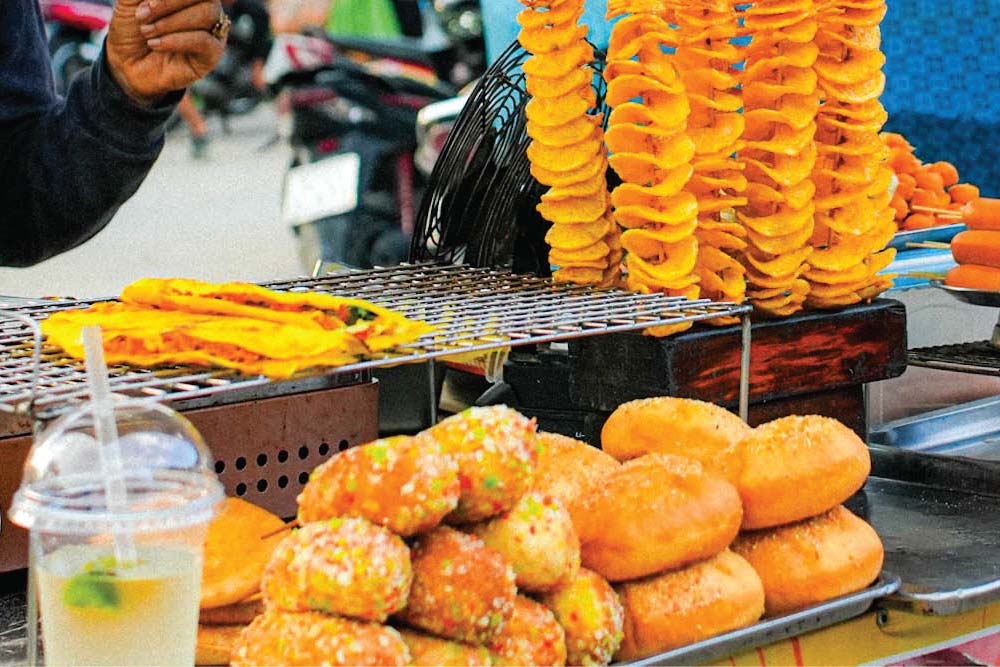
Street food navigation: safety and authentic experiences
Vietnam’s street food culture provides some of the country’s best culinary experiences, though navigating food safety, hygiene standards, and local customs requires understanding and common sense approaches.
Identifying safe street food vendors: Look for vendors with high customer turnover, visible food preparation, and locals eating at the establishment. Avoid vendors with food sitting uncovered for extended periods or those with questionable hygiene practices.
Ordering and payment systems: Many street food stalls operate with minimal English, requiring pointing, basic Vietnamese phrases, or translation apps for communication. Payment typically occurs after eating, with prices often negotiable at tourist-oriented venues.
Dietary restrictions and allergies: Communicating dietary restrictions can be challenging due to language barriers and different understanding of ingredients. Carrying written translations of your restrictions in Vietnamese prevents misunderstandings.
Restaurant dining: from local to luxury
Vietnam’s restaurant scene ranges from family-run local establishments to international luxury dining, each with different expectations, pricing structures, and service styles.
Local restaurant etiquette: Vietnamese dining often involves sharing multiple dishes, communal eating styles, and specific serving customs. Observing local behavior and following table companion examples ensures appropriate participation.
Luxury dining expectations: Upscale restaurants in major cities maintain international service standards and pricing, often with English-speaking staff and familiar dining customs for international visitors.
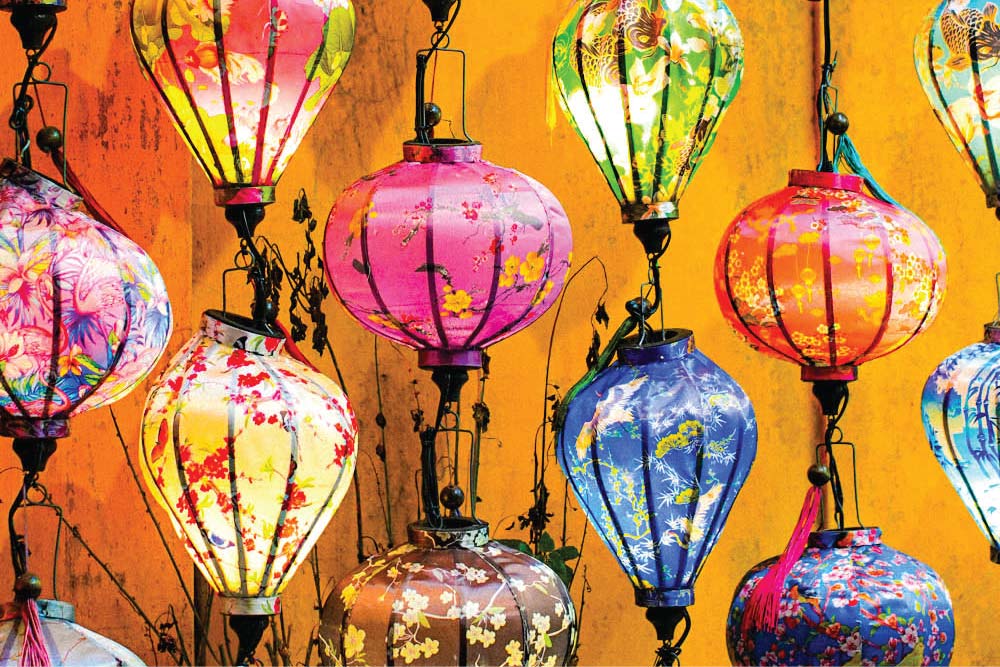
Regional differences: North, Central, and South Vietnam
Hanoi versus Ho Chi Minh City: cultural contrasts
Vietnam’s two major cities offer distinctly different experiences, cultural atmospheres, and practical considerations that influence where to spend time and what to expect from urban exploration.
Hanoi’s traditional character: Vietnam’s capital maintains stronger connections to traditional culture, slower pace of life, and more preserved historical architecture. The city’s four seasons create distinct atmospheric changes throughout the year.
Ho Chi Minh City’s dynamic energy: The southern metropolis features faster pace, more international influences, and dynamic business environment. The city’s consistent tropical climate and modern infrastructure create different lifestyle rhythms.
Language differences: While Vietnamese is spoken throughout the country, regional accents, vocabulary variations, and English proficiency levels differ between northern and southern regions.
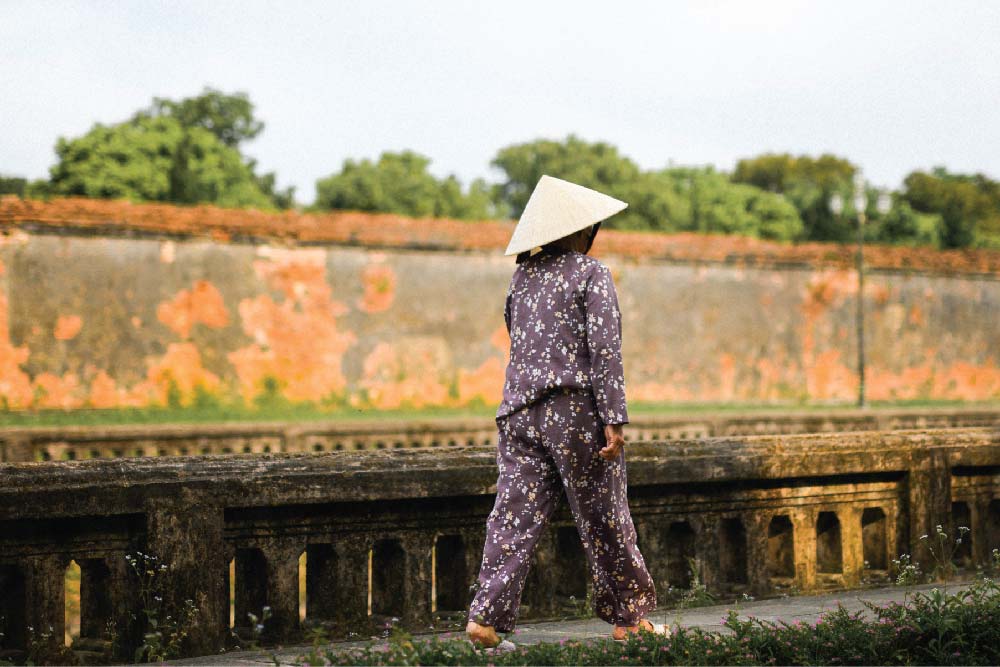
Vietnam family tours: considerations by region
Different regions offer varying advantages for family travel, with considerations including activity availability, cultural experiences, and practical logistics that affect family trip planning.
North Vietnam family activities: Hanoi offers cultural sites, parks, and educational opportunities suitable for families, while Ha Long Bay provides scenic beauty and boat experiences appealing to various ages. However, cooler weather and cultural intensity may challenge some family travelers.
Central Vietnam historical education: Hue and Hoi An provide excellent historical and cultural education opportunities for families, with walkable ancient sites and hands-on cultural activities. The region’s imperial history creates compelling storytelling opportunities for engaging children.
South Vietnam family-friendly infrastructure: Ho Chi Minh City and southern destinations often provide more familiar amenities, international food options, and family-oriented accommodations that ease travel stress for families with children.
Vietnam luxury tours: premium travel considerations
High-end accommodation expectations
Vietnam’s luxury tourism industry has evolved significantly, offering world-class accommodations and services in major destinations, though standards vary considerably between different regions and operators.
Hanoi luxury hotels: The capital offers several international luxury hotel chains and boutique properties that maintain international standards while incorporating Vietnamese design elements and cultural themes.
Ha Long Bay cruise options: Luxury cruise operators provide premium cabin accommodations, fine dining, and exclusive excursions that dramatically enhance the Ha Long Bay experience compared to budget alternatives.
Ho Chi Minh City premium properties: The southern metropolis features the country’s most extensive collection of luxury hotels, spas, and fine dining establishments that cater to discerning international travelers.
Private guide and transportation services
Premium travel experiences often benefit from private guides and transportation that provide personalized attention, cultural insights, and logistical convenience while maintaining luxury standards.
Expert local guides: Professional guides with cultural expertise, language skills, and destination knowledge enhance experiences while providing insider access to sites, restaurants, and cultural experiences unavailable to independent travelers.
Private transportation benefits: Luxury vehicles with professional drivers eliminate transportation stress while providing comfortable travel between destinations, particularly valuable for families or travelers with mobility considerations.
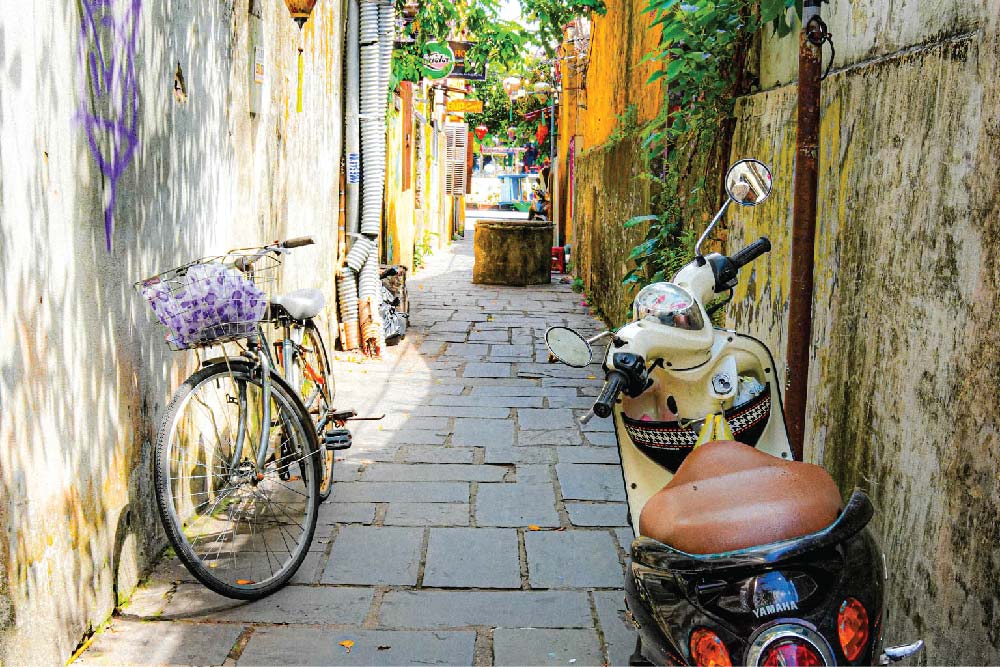
Common Vietnam travel mistakes to avoid
Overambitious itineraries: realistic time planning
Many first-time Vietnam visitors attempt to visit too many destinations within limited timeframes, resulting in rushed experiences and transportation fatigue that diminishes overall trip satisfaction.
Distance and time considerations: Vietnam’s length (over 1,000 miles) means significant travel time between northern and southern destinations. Allowing adequate time for each region prevents exhausting travel schedules.
Transportation time realities: Overland travel between distant destinations can consume entire days, while domestic flights, though faster, require additional airport time and potential delays that affect schedule flexibility.
Currency and bargaining misunderstandings
Understanding Vietnamese pricing structures, bargaining customs, and appropriate spending levels prevents overpaying while ensuring fair exchanges with local vendors and service providers.
Tourist pricing awareness: Many tourist-oriented vendors quote inflated prices expecting negotiation, while others offer fixed pricing that reflects actual value. Learning to distinguish between these situations prevents payment conflicts.
Bargaining boundaries: Appropriate bargaining typically applies to market vendors, street food, and unmetered transportation, while hotels, restaurants with posted prices, and professional services generally maintain fixed pricing structures.
Weather-related planning oversights
Failing to consider seasonal weather patterns, regional climate differences, and activity-specific conditions leads to uncomfortable experiences, cancelled activities, and suboptimal timing for specific destinations.
Packing for climate variations: Vietnam’s regional climate differences require versatile packing that accommodates cool mountain mornings, hot tropical afternoons, and potential rainy conditions depending on season and destinations.
Activity timing considerations: Certain activities like Ha Long Bay cruising, Sapa trekking, or Mekong Delta exploration are significantly affected by weather conditions that vary seasonally and regionally.
Essential packing for Vietnam travel
Climate-appropriate clothing strategies
Vietnam’s diverse climate zones and seasonal variations require strategic packing that accommodates different weather conditions while maintaining appropriate cultural sensitivity and practical comfort.
Layering systems: Northern Vietnam’s seasonal temperature variations require layering capabilities, particularly during October through March when temperatures can range from cool mornings to warm afternoons.
Tropical considerations: Lightweight, breathable fabrics work best for Vietnam’s generally hot and humid conditions, while quick-dry materials accommodate frequent laundry needs and potential rain exposure.
Cultural modesty requirements: Conservative clothing options ensure appropriate attire for religious sites, cultural interactions, and situations where modest dress demonstrates respect for local customs.
Technology and practical items
Certain technological tools and practical items significantly enhance Vietnam travel experiences while preventing common complications that can disrupt trip enjoyment.
Power adapters and charging solutions: Vietnam uses Type A, C, and G electrical outlets, requiring appropriate adapters and potentially voltage converters for certain devices. Portable charging banks provide backup power for long sightseeing days.
Translation tools: Translation apps, pocket phrasebooks, or electronic translators facilitate communication in situations where English isn’t available, particularly important for street food ordering, transportation, and emergency situations.
Health and safety items: Personal medical supplies, insect repellent, sunscreen, and water purification options provide health protection while accommodating individual medical needs that may be difficult to address locally.
Vietnam internet and communication
WiFi availability and internet access
Understanding Vietnam’s internet infrastructure, WiFi availability, and connectivity options helps maintain communication needs while managing expectations about internet speeds and accessibility.
Urban connectivity: Major cities like Hanoi and Ho Chi Minh City offer widespread WiFi availability at hotels, restaurants, and cafes, though speeds and reliability vary significantly between different providers and locations.
Rural limitations: Remote areas, mountain regions, and some islands may have limited or unreliable internet connectivity that affects communication, navigation, and information access during travel.
Local SIM cards and phone services
Local SIM cards often provide more reliable and economical communication options compared to international roaming, though understanding local providers and service options requires research and setup time.
Carrier options: Major Vietnamese carriers offer tourist SIM packages with data allowances and local calling capabilities, typically available at airports, phone shops, and tourist areas with varying coverage areas and data speeds.
Setup requirements: SIM card registration may require passport documentation and can involve language barriers at purchase locations, though tourist-oriented vendors often provide English assistance.
Conclusion: maximizing your Vietnam experience
Understanding these essential Vietnam travel insights before departure transforms potentially challenging situations into manageable aspects of an extraordinary travel experience. From weather timing and cultural etiquette to transportation logistics and regional differences, preparation enables confident navigation of Vietnam’s complexities while maximizing opportunities for authentic cultural encounters and memorable adventures.
Vietnam rewards prepared travelers with profound cultural experiences, stunning natural beauty, and warm hospitality that creates lasting memories and deep appreciation for this remarkable Southeast Asian destination.
Remember that flexibility, cultural sensitivity, and realistic expectations enhance Vietnam travel experiences while preventing common frustrations that can diminish trip satisfaction. Remember to embrace Vietnam’s complexities as part of its charm, and approach your journey with curiosity, respect, and openness to experiences.