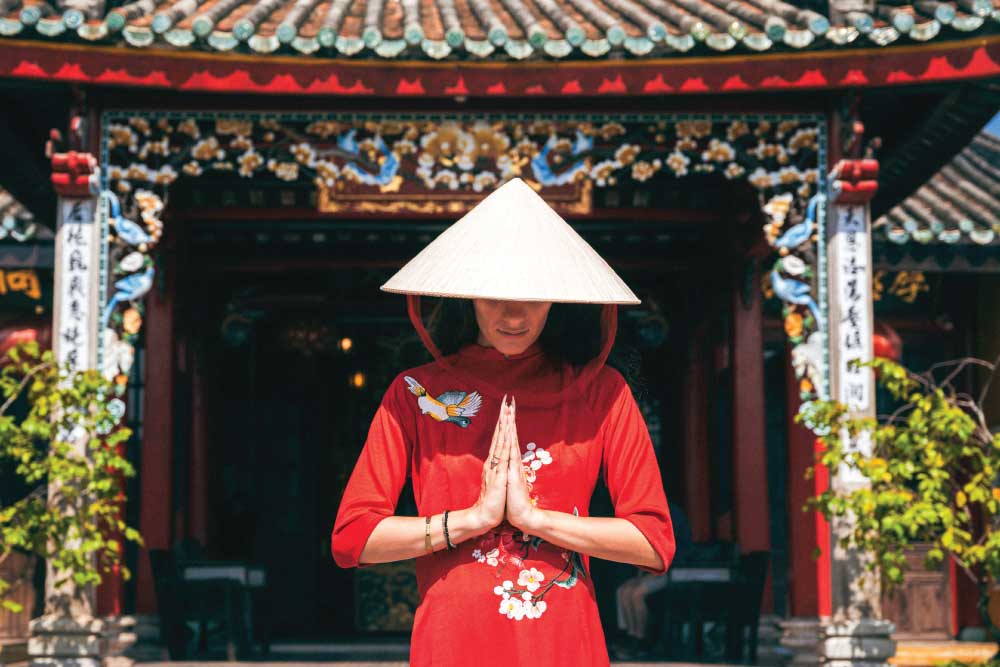
January is one of the most fascinating months to explore Vietnam because it shows the country’s three climate zones at full contrast. The north slips into its deepest winter. The central coast moves through a mild early–dry-season transition. The south settles into its most stable, warm and travel-friendly stretch of the year.
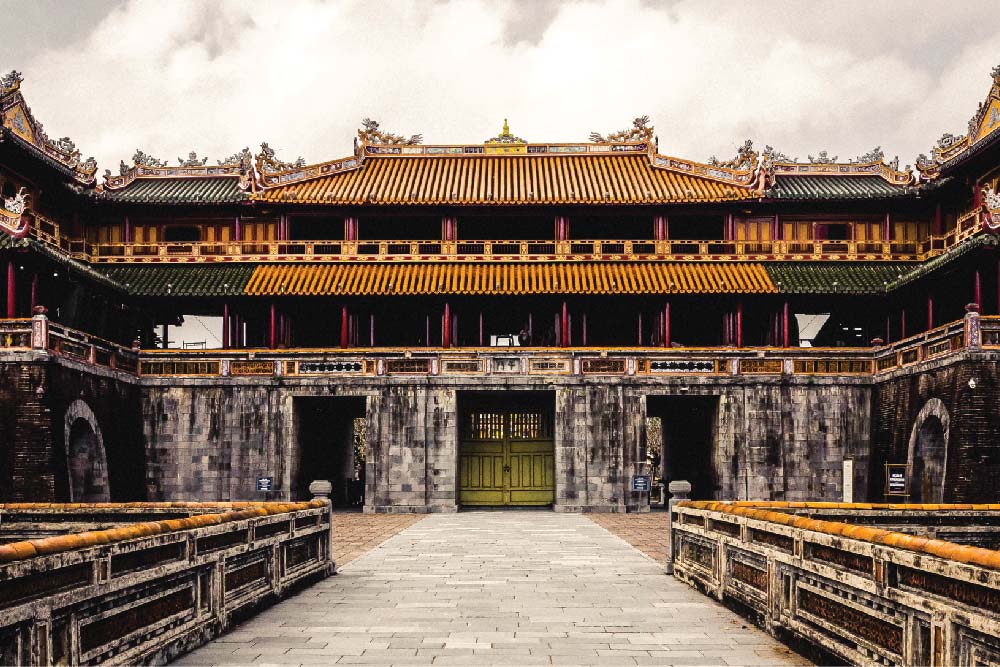
For travelers, this means you can design a route that matches your ideal temperature and style. You might chase winter fog in Ha Giang, enjoy lantern-lit evenings in Hoi An, then finish with sunny river life in the Mekong Delta. Understanding how each region behaves helps you plan a trip that feels comfortable, efficient and realistic.
Understanding Vietnam’s three-region climate in January
Vietnam stretches over 1,600 kilometers from north to south. It also combines high mountains, long coastlines and tropical lowlands. Because of this geography, Vietnam weather in January never feels the same from one region to the next.
In the north, the northeast monsoon pushes cool, dry air down from mainland China. Hanoi and the Red River Delta settle into a calm winter. Daytime temperatures rarely climb above 20°C and cold waves can push the mercury close to 10°C, or even lower at night. Mountain provinces such as Ha Giang, Lao Cai and Cao Bang feel colder again, sometimes hovering near freezing on exposed ridges.
Central Vietnam starts to recover from its stormy autumn. The worst rains are over, but the first half of January can still be cloudy or damp, especially around Hue. As the month goes on, rainfall drops and sunshine increases. Cities like Da Nang and Hoi An begin to look and feel more like the dry-season coast most travelers imagine.
The south sits firmly in the dry season. Ho Chi Minh City, the Mekong Delta and nearby beaches enjoy warm days, low humidity and almost no rain. This region offers the most predictable climate in January and is the easiest part of the country for fixed-date planning.
These contrasts are the key to building a smart route. If you want cool air and misty scenery, focus on the north. For mild conditions and coastal towns, head to the center. For guaranteed warmth and sunshine, base yourself in the south.
Northern Vietnam in January: cool, grey, and atmospheric
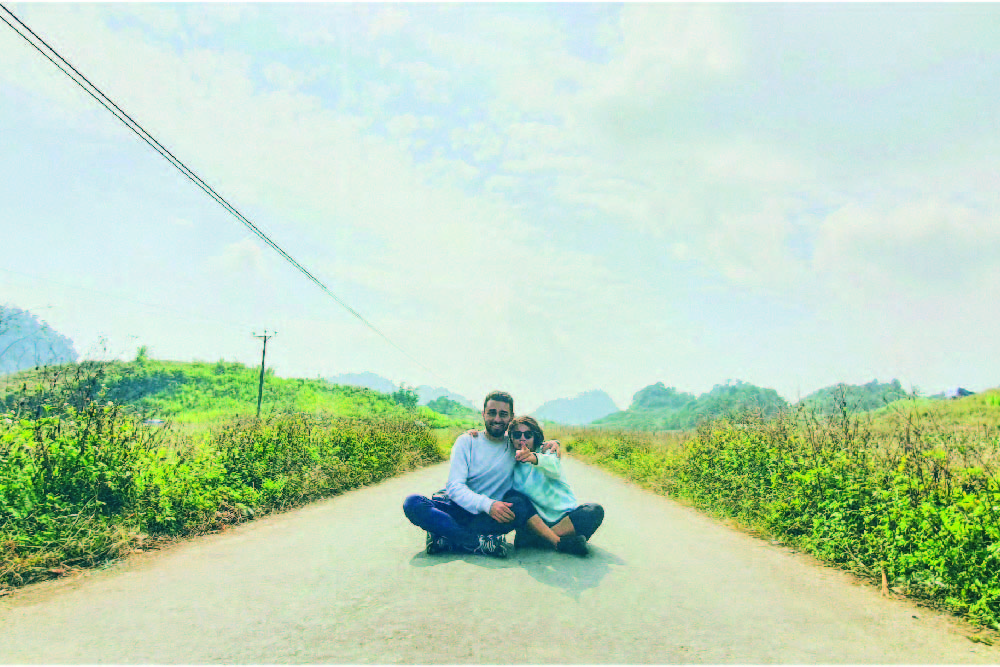
Northern Vietnam in January has a clear winter character. The air feels crisp, the light is soft and the pace of daily life slows slightly. In Hanoi and the surrounding lowlands, temperatures usually sit between 12°C and 20°C. Rainfall is low, but humidity remains high enough to create misty mornings and a damp chill.
Many first-time visitors are surprised by how cold Hanoi can feel. Buildings rarely have central heating, and wind can funnel through narrow streets. Locals wrap up in jackets, scarves and gloves for motorbike rides. Sidewalk cafés break out small heaters or blankets. Street vendors do a brisk trade in hot soy milk, steaming pho, and grilled snacks that warm people up from the inside.
The city itself looks different under winter light. Mossy walls in the Old Quarter appear darker and richer. Tree-lined boulevards in the French Quarter feel quieter. Hoan Kiem Lake is often wrapped in low mist, especially in the early morning. The mood is reflective rather than energetic, which many travelers find appealing.
Everyday travel comfort in the north
Despite the chill, sightseeing is easy. You can walk for hours through the Old Quarter without overheating. Visits to the Temple of Literature, the Imperial Citadel and Hanoi’s museums feel relaxed because you are never escaping from strong sun. A light down jacket or fleece, closed shoes and maybe a hat are usually enough for city exploring.
Conditions change once you head into the mountains. In Sapa, Ha Giang or Cao Bang, daytime temperatures can drop into single digits. Night temperatures often fall close to freezing during strong cold waves. Frost on rooftops and fields is common. Some years even bring short-lived snowfalls on high passes.

Trekking remains possible, but you need warm layers, good socks and a bit of flexibility. Fog can be thick in the morning and may take hours to clear. On clear days, though, the dry winter air creates superb visibility. Terraced fields and limestone peaks look sharp and sculpted against the sky.
If you enjoy moody winter scenery, local markets and evenings around indoor fires, northern Vietnam in January can be very rewarding. If you dislike cold, it is better to limit your time in the mountains or focus on Hanoi and Ninh Binh rather than high-altitude areas.
Central Vietnam in January: mild days and a return to sunshine
Central Vietnam—Hue, Da Nang, Hoi An and Quy Nhon—enters January in recovery mode after months of autumn rain and the occasional typhoon. The worst storms are gone, but the month still has two faces.
The first half of January can feel slightly grey and damp, especially around Hue. Light drizzle is still possible, and clouds may hang low over the hills. Temperatures, however, are comfortable. Daytime highs usually fall between 20°C and 24°C, with nights around 18°C. You can walk all day without breaking a heavy sweat.
As the month progresses, the pattern improves. Rainfall drops, the sky brightens and the coastline begins to show its dry-season personality. Sunshine becomes more common in Da Nang and Hoi An. Beach cafés reopen, riverfront promenades get busier and locals spend more time outdoors.
Da Nang and Hoi An
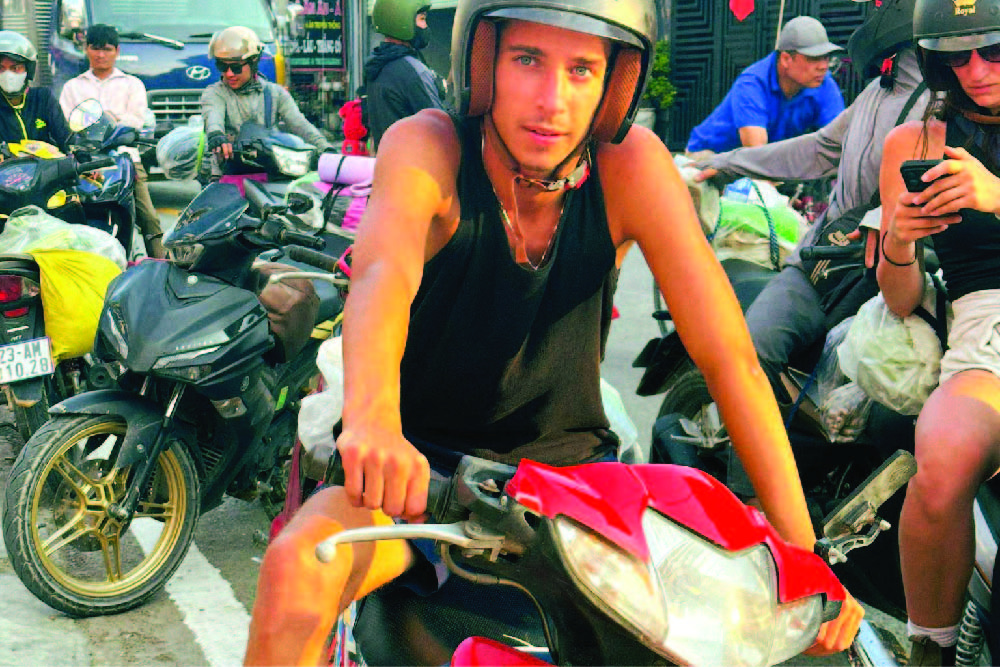
Da Nang benefits strongly from this shift. The Han River waterfront is ideal for evening strolls. Marble Mountains and the Son Tra Peninsula make great day trips when the air is clear and the temperature mild. You can climb viewpoints and explore pagodas without worrying about heatstroke.
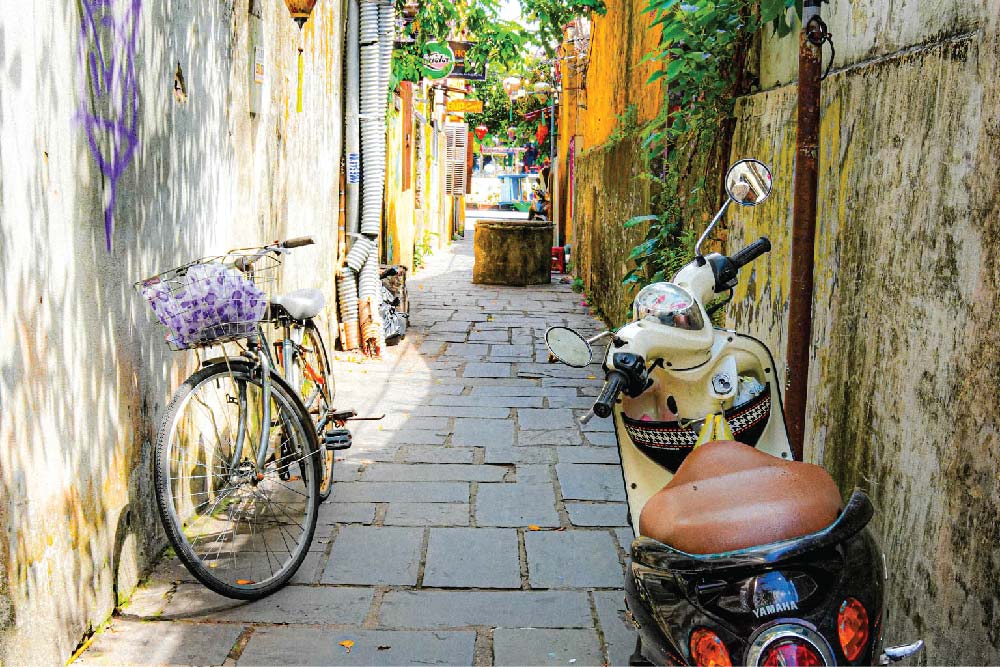
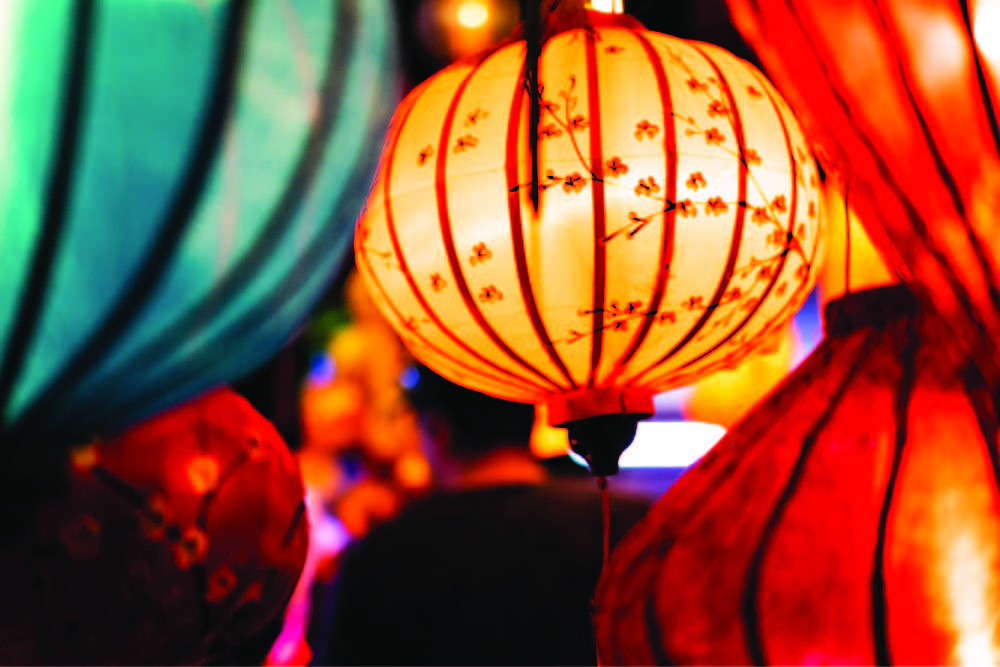
Hoi An is one of the standout destinations for Vietnam weather in January. The ancient town’s narrow streets, yellow walls and colorful lanterns look beautiful under soft winter light. You can wander all day through the old streets, stop at cafés, visit tailors and browse small galleries without rushing. Cool mornings and evenings make lantern walks and river-boat rides especially atmospheric.
Nearby beaches such as An Bang and Cua Dai gradually dry out as the month goes on. Sea conditions may still be rough in early January, but by mid-month there are usually several calm, sunny days each week. The water is cooler than in March or April, yet many travelers still enjoy a swim.
Hue and the northern central coast
Hue tends to be cooler and more overcast than Da Nang. Light rain or drizzle is still part of the picture, particularly at the start of the month. However, January is far drier than November or December, and most showers are brief. The cooler climate fits Hue’s mood. Walking through the Citadel, visiting imperial tombs or exploring pagodas along the Perfume River feels comfortable and unhurried.
Food also plays a big role in central Vietnam at this time of year. Warm noodle soups, grilled pork skewers, fresh seafood and Hue’s many steamed cakes all suit the mild air. Outdoor seating is easy to enjoy once the rain finally retreats.
Southern Vietnam in January: warm, dry and very reliable
For pure comfort and reliability, southern Vietnam is hard to beat in January. The region is deep into its dry season, so you can expect warm sunshine, low humidity and almost no rain.
In Ho Chi Minh City, mornings usually start around 22–24°C. Afternoons climb to about 30–32°C. Humidity is much lower than during the monsoon months, so the heat feels lighter and far less exhausting. Even at midday, walking between attractions is manageable for most travelers.
Ho Chi Minh City in daily life
The city’s energy seems to move outdoors. Sidewalk cafés and street-food stalls stay busy from breakfast to late at night. Nguyen Hue Walking Street fills with families and young people. Rooftop bars offer clear skyline views, and river cruises along the Saigon River run on predictable schedules.
Museums, colonial buildings and temples are all easy to visit at almost any hour because you are not dodging heavy rain or extreme heat. Neighborhood exploration becomes a pleasure rather than a chore. You can wander through Chinatown, District 3 or emerging areas in Thu Duc City without constantly seeking air-conditioned breaks.
Day trips and the Mekong Delta
January is also one of the best times for day trips from Ho Chi Minh City. In the Mekong Delta, roads are dry, canals are calm and air is warm but not steamy. You can take boat rides, cycle through small villages, visit fruit orchards or try simple farm activities without worrying about afternoon storms.
At the Cu Chi Tunnels, the combination of dry soil and moderate temperature makes walking through the forest paths much easier than in the wet season. Coastal breaks in Vung Tau or Ho Tram bring fresh sea breezes and mild beach weather. While exact sea conditions vary, sunbathing and coastal walks are usually very pleasant.
What January weather means for overall travel comfort
Taken together, these regional patterns make January one of Vietnam’s most comfortable months for travel. You avoid the extremes of both heat and rain. You also gain more certainty when planning transport and day trips.
Humidity is a key factor. In the south it drops enough that long walks, market visits and outdoor dining all feel easy. In central Vietnam it stays moderate, which keeps the air fresh without becoming sticky. Only the north keeps a damp edge, where cold air combines with higher moisture to create that familiar winter chill. Warm clothing solves most of that discomfort.
Rainfall is low across the country. Light drizzle may appear in Hanoi or Hue, but serious downpours and tropical storms are not part of the January picture. This stability means buses, trains and flights usually run on time. Scenic routes such as the Hai Van Pass or the mountain road network in Ha Giang are safer and more enjoyable when the pavement is dry.
If you want to cover a lot of ground, January is a strong choice. A north–south route by train or plane is far easier now than in typhoon season.
Landscape and scenery in January
January changes how Vietnam looks as much as how it feels. In the north, the colors soften. Rice fields rest after harvest, leaving terraces in tones of brown and gold. Lakes, rivers and limestone cliffs take on a gentle, misty quality. Photographers get atmospheric shots rather than bright postcard scenes.
Central Vietnam gradually brightens. Hue’s historic buildings look dramatic under grey skies, while Da Nang and Hoi An start to glow as sunshine returns. Beaches dry out, and rivers catch reflections of lanterns and city lights in clearer water.
The south, by contrast, is vivid. Blue skies, green palms and bright city lights dominate. In the Mekong Delta, fruit gardens, vegetable plots and rice paddies look healthy and productive under consistent sunshine. Ho Chi Minh City’s skyline appears sharp from any high rooftop viewpoint.
For travelers who enjoy variety, this mix of winter mist, coastal softness and tropical clarity can make a single trip feel like three different journeys.
Food culture in January
Weather and food are closely linked in Vietnam, and January makes that easy to see.
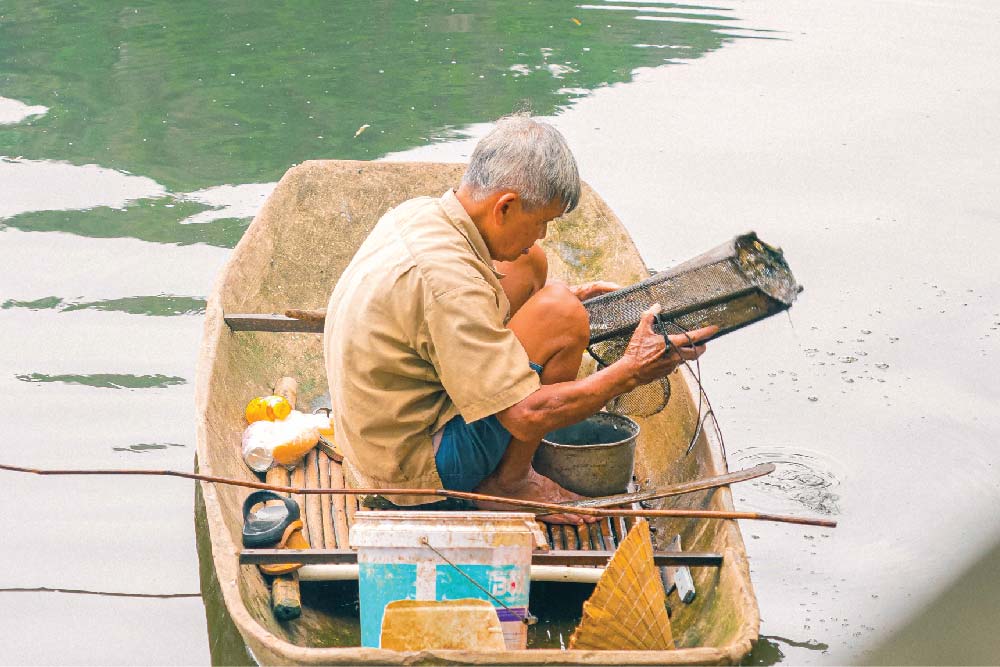
In the north, people turn to warming dishes. Bowls of pho, bun thang and bun rieu sell quickly in the chilly air. Hot soy milk, ginger tea and roasted chestnuts are common street snacks. Hotpot restaurants are busy as families gather around steaming pots on cool evenings.
Central Vietnam offers a balance of comfort and freshness. Hue’s rich noodle soups, Hoi An’s cao lầu and mì Quảng, and Da Nang’s grilled seafood all match the mild climate. You can comfortably sit outside at night markets or simple coastal restaurants without worrying about heavy rain.
The south feels like peak street-food season. Warm, dry evenings encourage people to eat outside. Streets fill with sizzling bánh xèo, plates of cơm tấm, bowls of hủ tiếu and mountains of grilled shellfish. Café culture is strong too. Open-air or balcony cafés serve phin coffee, coconut coffee and smoothies to guests who are happy to sit for hours in the soft night air.
January travel logistics, crowds and Tet preparation
From a logistics point of view, January is straightforward. Weather rarely causes delays, so domestic flights, long-distance buses and trains are usually on schedule. Road conditions are good in most regions, including mountain areas.
Crowd levels depend on two things: international tourism and the timing of Tet, Vietnam’s Lunar New Year. Early January often feels moderately busy in major destinations but not overwhelming. As Tet approaches—sometimes in late January, sometimes in early February—cities and transport hubs become livelier. Markets fill with flowers, red decorations and special foods. Families travel to visit relatives, and ticket demand rises.
During the actual Tet holiday, many shops and some attractions close for a few days. However, the build-up period before Tet can be a great time to experience local culture, especially in Hanoi and Ho Chi Minh City. Just book transport and accommodation early if your dates overlap with the festival.
What to pack for Vietnam in January

Because Vietnam weather in January varies so much by region, smart packing is important.
-
For the north: bring a warm jacket, sweater, long trousers, closed shoes, and maybe gloves and a hat if you plan to visit Sapa or Ha Giang.
-
For central Vietnam: pack light layers. Long-sleeve shirts, a light jacket and breathable trousers work well. A compact rain jacket is useful for Hue or early-month showers.
-
For the south: focus on light, breathable clothing—T-shirts, shorts, dresses and sandals. Add a thin long-sleeve layer for cool early mornings or air-conditioned spaces. Sunscreen, sunglasses and a hat are essential.
With a mix of layers, you can move easily from Hanoi’s winter air to Hoi An’s mild evenings and Ho Chi Minh City’s warm sunshine.
Final thoughts: why January is one of Vietnam’s most rewarding months
January stands out as one of the most rewarding times to experience Vietnam. The north offers calm winter streets, misty mountains and rich food culture. The center gradually shifts into bright, walkable days that suit heritage towns and coastal scenery. The south shines with warm, dry, reliable weather that supports everything from street-food exploration to Mekong Delta day trips.
Rain is low, humidity is manageable, and transport runs smoothly. You can plan complex itineraries with confidence and enjoy very different atmospheres within a single journey. Whether you are a first-time visitor or returning for a deeper look, Vietnam weather in January provides a comfortable, diverse and memorable backdrop for your trip.
Frequently Asked Questions
Is January a good month to visit Vietnam?
Yes. January is one of the best months to visit because most regions have stable, dry, travel-friendly weather.
Does Vietnam have cold weather in January?
Only in the north. Hanoi, Sapa and Ha Giang are cold, while central Vietnam is mild and the south is warm and sunny.
What is the temperature in Vietnam in January?
Northern Vietnam ranges from about 12–20°C, central Vietnam from 18–26°C and southern Vietnam from 22–32°C.
Does it rain a lot in January?
No. Rainfall is minimal in most regions, especially the south. Light drizzle can still appear in Hanoi or Hue.
Is January a good time for beaches in Vietnam?
Yes for the south (Phu Quoc, Vung Tau). Central beaches improve through the month but still vary early on.
What should I pack for Vietnam in January?
Warm layers for the north, light layers and a jacket for the center, and breathable clothing for the south.
Is Ha Long Bay good in January?
Yes, but expect cool temperatures and possible haze. Conditions are calm and cruises operate normally.
Is it possible to trek in Sapa or Ha Giang in January?
Yes, but it is cold. Bring warm clothing and expect fog or very low temperatures in high altitudes.
Is January humid in Vietnam?
Humidity is low in the south, moderate in the center and higher in the north due to cool, damp winter air.
Does Tet (Lunar New Year) happen in January?
Sometimes. If Tet falls in late January, expect busier travel, higher prices and early bookings.