
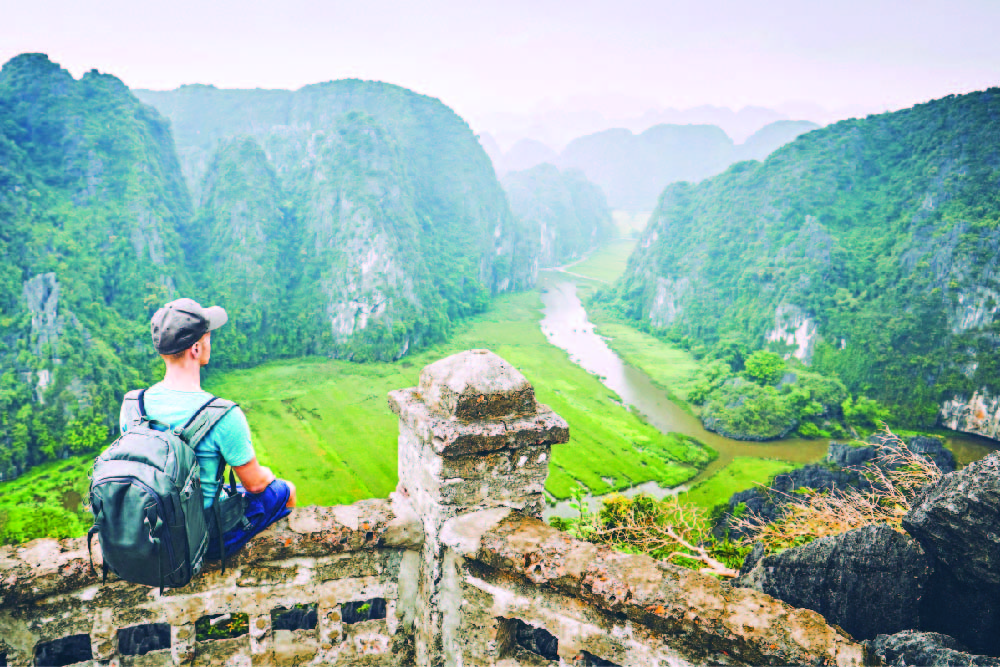
Are you planning a trip to Vietnam and wondering, what about the weather conditions right now? Then you have come to the right place. January is widely considered one of the best months to visit this beautiful Southeast Asian country, with pleasant temperatures and ideal conditions for exploration across most of our regions.
Understanding the weather in Vietnam in January is a crucial part for planning your perfect vacation. No matter if you’re a beach lover, culture enthusiast, or adventure seeker, knowing what to expect weather-wise will help you pack appropriately and choose the best destinations for your interests.
Overview of the Vietnam weather in January
Cool and dry air prevails across most regions, as winter settles into the northern parts of the country, travelers can enjoy mild temperatures that make sightseeing comfortable and enjoyable. The dry period is in full swing during this month, which means significantly less rainfall and more sunshine for your travel adventures.
January marks the peak of the dry season in central and southern Vietnam, while the north experiences its coolest temperatures of the year. This creates a unique opportunity for travelers to experience different climates within a single country trip. From the incredible, misty mountains of Sapa to the warm, tropical beaches of Phu Quoc, Vietnam offers a diverse range of weather experiences in January.
The weather in January in Vietnam attracts thousands of international tourists who want to escape harsh winters in their home countries. The combination of comfortable temperatures, minimal rainfall, and festive atmosphere makes it an ideal time for both short visits and extended travels throughout this beautiful country.
Temperature and climate patterns
The Vietnamese weather in January varies by region due to the country’s unique geography, which stretches over 1,600 kilometers from north to south. This ecological diversity creates three distinct climate zones, each offering unique weather patterns during January.
Northern Vietnam, including Hanoi, Ha Long Bay, and Sapa, experiences temperatures ranging from 15 °C to 20°C during the day. Mornings and evenings can be pretty cool, sometimes dropping to 10 degrees Celsius or lower in mountainous areas. Humidity levels typically hover around 70 percent, and occasional drizzle or fog can occur, especially in coastal areas.
Central Vietnam, encompassing popular destinations such as Hoi An, Da Nang, and Hue, experiences the most balanced weather during January. Daytime temperatures typically range from 20 to 25 degrees Celsius, with plenty of sunshine and gentle sea breezes. This region experiences minimal rainfall, making it perfect for beach activities and outdoor exploration.
Southern Vietnam, including Ho Chi Minh City, the Mekong Delta, and islands such as Phu Quoc and Con Dao, experiences warmer tropical weather. Temperatures range from 26 to 32 degrees Celsius, with high humidity levels between 80% and 85%. The weather remains consistently warm and dry, ideal for those seeking summer-like conditions in the middle of winter.
Northern Vietnam weather in January
The northern region of Vietnam experiences its winter season during January, bringing the coolest temperatures of the year. This creates a unique atmosphere quite different from the tropical climate most people associate with Southeast Asia.
Hanoi weather conditions
Hanoi, the capital city, experiences average temperatures around 17 degrees Celsius in January. Morning temperatures can drop to 13 or 14 degrees Celsius, while afternoons warm up to 20 or 21 degrees Celsius. The weather in January in Vietnam’s capital is generally dry, though occasional light drizzle can occur, especially in the early mornings.
The cool weather creates a perfect environment for exploring Hanoi’s famous street food scene. Steaming bowls of pho taste even better in the cool morning air, and the comfortable temperatures make walking through the Old Quarter more enjoyable than during the hot summer months.
Visitors should be prepared for the possibility of grey skies and occasional fog, which adds a mysterious charm to the city’s French colonial architecture and ancient temples. The cooler weather also means fewer tourists in some areas, allowing for a more authentic local experience.
Ha Long Bay experience
Ha Long Bay presents a spectacular sight during the Vietnamese weather in January, though temperatures can feel cooler on the water. Average temperatures range from 15 to 18 degrees Celsius, and the humidity of local sea breezes can make it feel even cooler.
Despite the cooler weather, January remains one of the best times to visit Ha Long Bay. The cooler temperatures mean clearer visibility, allowing for stunning photographs of the limestone karsts emerging from the emerald waters. The bay is less crowded than in peak summer months, and the mist that occasionally rolls in creates an ethereal, almost mystical atmosphere.
Overnight cruises remain popular during this time, though guests should pack warm clothing for evening on-deck activities. The cabins are typically well-heated, and hot meals served onboard taste especially delicious in the cool weather.
Sapa and mountainous regions
Sapa and other mountainous areas in northern Vietnam experience the coldest weather during January. Temperatures can drop to as low as 5 degrees Celsius or even lower at night, and frost is not uncommon in the early morning hours. Daytime temperatures usually range from 10 to 15 degrees Celsius.
The cool weather in January in Vietnam’s highlands attracts trekkers and nature enthusiasts who want to experience the famous rice terraces without the intense summer heat. The landscape takes on a different character in winter, with morning fog creating dramatic scenes as it lifts from the valleys.
Visitors to Sapa in January should pack warm clothing, including jackets, sweaters, and even gloves for early morning treks. The local ethnic minority markets continue to operate in all weather, offering a fascinating glimpse into the lives and cultures of the mountain people.
Central Vietnam weather in January
Central Vietnam experiences the most favorable weather conditions in January, making it a popular destination for both beach lovers and culture enthusiasts. The region experiences its dry season with minimal rainfall and abundant sunshine.
Hoi An ancient town
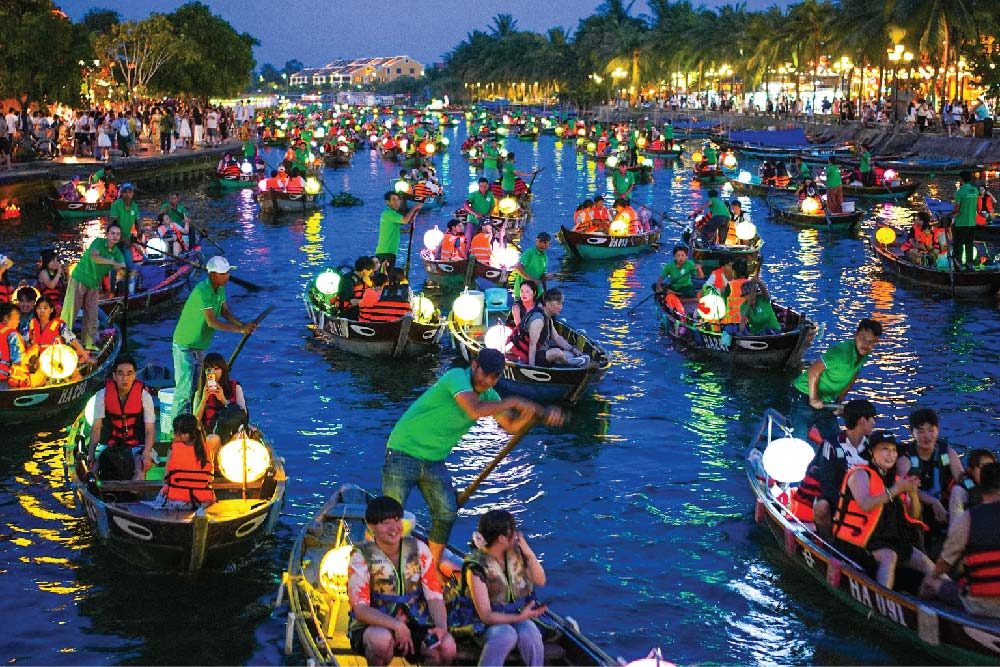
Hoi An experiences beautiful weather in January with average temperatures around 23 degrees Celsius. Days are pleasantly warm with temperatures reaching 25 to 26 degrees Celsius, while evenings cool down to a comfortable 20 degrees Celsius. The Vietnamese weather in January makes Hoi An an ideal destination for walking tours through the ancient town’s lantern-lit streets.
Rainfall is minimal during this month, with an average of only 2 to 3 rainy days per month. The low humidity, compared to the summer months, makes exploring the town’s numerous temples, assembly halls, and merchant houses much more comfortable. The Thu Bon River reflects the colorful lanterns beautifully on clear evenings, creating picture-perfect scenes.
The nearby An Bang and Cua Dai beaches offer excellent swimming conditions during January. Water temperatures hover around 23 to 24 degrees Celsius, warm enough for most swimmers. The beaches are less crowded than in summer, and the pleasant weather allows for enjoyable beach activities without the intense heat.
Da Nang coastal paradise
Da Nang benefits from excellent weather in January in Vietnam, with temperatures similar to those in Hoi An, ranging from 20 to 25 degrees Celsius. The famous My Khe Beach, often ranked among Asia’s most beautiful beaches, offers ideal conditions for swimming, surfing, and sunbathing.
The clear skies and good visibility make January an ideal time to visit the Marble Mountains and take in the panoramic views from the top. The cooler temperatures compared to summer make climbing the steps to various caves and pagodas more comfortable.
Ba Na Hills, situated in the mountains west of Da Nang, experience cooler temperatures, ranging from 15 to 18 degrees Celsius, in January. The famous Golden Bridge, with its giant stone hands supporting the walkway, looks particularly stunning against clear blue winter skies.
Hue Imperial City
Hue experiences comfortable weather in January, with average temperatures of around 22 degrees Celsius. The Vietnamese weather in January provides ideal conditions for exploring the extensive grounds of the Imperial City, visiting royal tombs, and taking boat rides along the Perfume River.
The cooler temperatures make cycling tours through the countryside more enjoyable, and the dry weather ensures that outdoor activities are rarely interrupted by rain. The morning mist that sometimes rises from the Perfume River creates an atmospheric backdrop for photographs of ancient architecture.
January is also an excellent time to sample Hue’s famous cuisine. The cooler weather makes the city’s signature spicy dishes and warming soups particularly appealing, and outdoor dining becomes more comfortable than during the hot summer months.
Phong Nha-Ke Bang National Park
The spectacular cave systems of Phong Nha-Ke Bang National Park can be explored comfortably during the weather in January in Vietnam. Temperatures range from 20 to 24 degrees Celsius, and the dry conditions mean that most caves are accessible without concerns about flooding.
Paradise Cave, one of the longest dry caves in Asia, maintains a constant cool temperature inside, making the January weather perfect for the sometimes strenuous climb to reach the entrance. Phong Nha Cave can be explored by boat on the Son River, and the clear weather provides excellent conditions for photography.
Adventure seekers can tackle multi-day expeditions into Son Doong Cave, the world’s largest cave, during January. The dry season ensures safer trekking conditions through the jungle and inside the massive cave chambers.
Southern Vietnam weather in January
Southern Vietnam maintains a tropical climate year-round, and January falls within the dry season, offering consistently warm weather that is perfect for beach activities and outdoor adventures.
Ho Chi Minh City climate
Ho Chi Minh City experiences hot and humid weather during January with average temperatures around 28 degrees Celsius. Daytime temperatures frequently reach 31 to 32 degrees Celsius, while nighttime temperatures rarely drop below 24 degrees Celsius. The weather in Vietnam in January in the city is characterized by abundant sunshine and minimal rainfall.
The dry conditions make January an excellent time to explore the city’s many attractions. Walking through the busy streets, visiting markets, and touring historical sites like the Independence Palace and War Remnants Museum are all more comfortable without the intense afternoon thunderstorms common during the rainy season.
The city’s parks and outdoor cafes become popular gathering spots in the early mornings and evenings when temperatures are slightly cooler. The Saigon River offers pleasant breezes, and sunset cruises are particularly popular during this time of year.
Mekong Delta adventures
The Mekong Delta region experiences similar weather to Ho Chi Minh City during January, with temperatures ranging from 26 to 31 degrees Celsius. The weather in January in Vietnam’s rice bowl is ideal for exploring the intricate network of waterways, floating markets, and traditional villages.
River tours are delightful during this month as the dry season means lower water levels, revealing sandy beaches along the riverbanks. The famous Cai Rang and Cai Be floating markets operate in full swing, and the dry weather allows for comfortable early morning boat trips to witness these colorful trading scenes.
Cycling tours through rice paddies and orchards are popular activities during January. The lush green landscape looks particularly vibrant after recent harvests, and the warm weather, combined with occasional breezes, makes cycling enjoyable rather than exhausting.
Phu Quoc island paradise
Phu Quoc Island offers some of the best beach weather in all of Vietnam during January. The weather in Vietnam in January on this island is characterized by daily temperatures of 27 to 30 degrees Celsius, calm seas, and almost no rainfall.
The crystal-clear waters surrounding the island provide excellent conditions for snorkeling and diving. Visibility underwater reaches its peak during January, making it possible to see colorful coral reefs and diverse marine life clearly. The calm sea conditions also mean that boat trips to smaller islands and diving sites are smooth and enjoyable.
Long Beach and other popular beaches on the island are perfect for sunbathing and swimming—the water temperature hovers around 27 degrees Celsius, warm enough for extended swimming sessions. Sunset watching from the beach becomes a daily ritual for many visitors, with clear skies providing spectacular color displays.
Con Dao islands retreat.
Con Dao Islands remain one of Vietnam’s hidden gems, and January provides excellent weather for visiting this remote archipelago. Temperatures range from 25 to 29 degrees Celsius, and the dry season ensures calm seas for the ferry or flight journey to the islands.
The weather in January in Vietnam’s Con Dao archipelago is perfect for beach activities, hiking through the national park, and diving or snorkeling. The islands’ relative isolation means fewer tourists even during peak season, offering a more tranquil beach experience.
The clear waters and calm conditions make January ideal for sea turtle watching tours. Several beaches on the islands serve as nesting sites, and the dry season provides the best conditions for observing these magnificent creatures.
What to pack for the Vietnam weather in January
Packing appropriately for the Vietnamese weather in January requires consideration of the region you plan to visit. The diverse climate zones mean that a one-size-fits-all packing list does not work for travelers exploring multiple areas.
Northern Vietnam packing essentials
For northern Vietnam, including Hanoi, Ha Long Bay, and Sapa, pack layers to accommodate temperature variations throughout the day. Long-sleeve shirts, light sweaters, and a medium-weight jacket are essential for staying warm. Jeans or long pants provide comfort during cooler mornings and evenings.
Closed-toe walking shoes are essential for city exploration and temple visits. A light scarf serves dual purposes of warmth during cool evenings and sun protection during the day. An umbrella or a light rain jacket protects against occasional drizzle.
For Sapa and mountainous regions, add warmer clothing, including a heavier jacket, thermal underwear, and possibly gloves and a warm hat. The temperature difference between day and night can be significant, and being prepared ensures a comfortable trekking experience.
Central Vietnam packing list
Central Vietnam’s pleasant weather in January requires less complicated packing. Light, breathable clothing, including t-shirts, shorts, and sundresses, works well for daytime exploration. Pack at least one light long-sleeve shirt and long pants for temple visits and cooler evenings.
Swimwear is essential for enjoying the beautiful beaches. A wide-brimmed hat and quality sunglasses protect against intense sun during midday. High SPF sunscreen should be applied regularly, as the UV index remains high even during winter months.
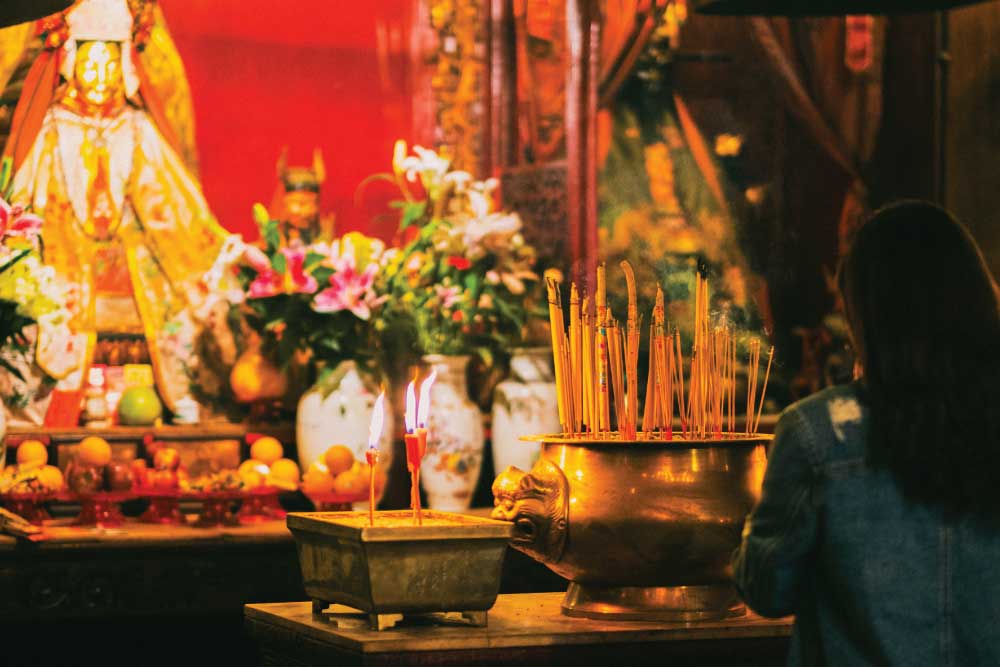
Comfortable walking sandals are ideal for beach and casual wear, while closed-toe shoes are better suited for extended walking tours and temple visits. A light cardigan or shawl provides comfort in air-conditioned restaurants and shops.
Southern Vietnam clothing guide
Southern Vietnam’s warm tropical weather demands light, loose-fitting clothing made from breathable fabrics. Cotton and linen t-shirts, shorts, skirts, and light dresses keep you comfortable in the heat and humidity. Pack more changes of clothes, as you may want to change during the day.
Beach essentials include swimwear, beach cover-ups, and flip-flops or water shoes. A rashguard provides sun protection during water activities and snorkeling. Sunscreen with high SPF, sunglasses, and a sun hat are essential for outdoor activities.
Despite the warm weather, pack one light long-sleeve shirt and long pants for visiting temples and pagodas where modest dress is required. These items also provide protection during evening boat rides or in heavily air-conditioned spaces.
Activities and attractions during January
The Vietnamese weather in January creates ideal conditions for a wide variety of activities and experiences across the country. From cultural exploration to outdoor adventures, January offers something for every type of traveler.
Cultural experiences
January provides comfortable weather for exploring Vietnam’s rich cultural heritage. Ancient towns like Hoi An and Hue can be toured extensively without the exhausting heat of the summer months. Walking through temple complexes, imperial palaces, and historic quarters becomes an enjoyable experience rather than an endurance test.
Museums and indoor attractions benefit from the increased tourist activity during January. The weather in January in Vietnam encourages more visitors to explore cultural sites, creating a vibrant atmosphere that is rarely overcrowded compared to other peak tourist destinations.
Traditional craft villages outside major cities can be visited comfortably during January. Watching silk weaving in Van Phuc, pottery making in Bat Trang, or wood carving in Dong Ky offers insight into traditional Vietnamese craftsmanship, all in pleasant weather conditions.
Beach and water activities
The beaches in central and southern Vietnam reach their peak conditions in January. Swimming, snorkeling, diving, and other water sports benefit from calm seas, clear waters, and abundant sunshine. The Vietnamese weather in January makes beach days consistently enjoyable, with minimal concerns about afternoon thunderstorms.
Island hopping tours operate at full capacity during January. Boat trips to smaller islands off Nha Trang, Phu Quoc, and Con Dao are smooth and comfortable. The calm seas mean a lower risk of seasickness and better conditions for swimming and snorkeling at remote beaches.
Surfing conditions vary by location, but several beaches in central Vietnam offer decent waves during the month of January. The cooler water temperatures may require a light wetsuit for extended sessions, but the consistent weather patterns make planning surf trips easier.
Adventure and outdoor pursuits
Trekking and hiking activities in Vietnam greatly benefit from the weather in January. The cooler temperatures in the northern mountains make multi-day treks through rice terraces and ethnic minority villages much more comfortable. Clear skies provide excellent visibility for mountain vistas and photography.
Rock climbing enthusiasts find January ideal for scaling the limestone cliffs around Cat Ba Island and other northern locations. The cooler weather reduces perspiration and provides better grip conditions, while the dry season ensures that rock faces are less slippery.
Cycling tours through rural areas become popular during January. The Mekong Delta, central highlands, and the rural regions around Hue all offer excellent cycling routes that are enjoyable in the pleasant January weather. The dry conditions mean better road surfaces and more reliable touring conditions.
Tet festival and cultural celebrations
Late January often coincides with preparations for Tet Nguyen Dan, the Vietnamese Lunar New Year celebration. Understanding this timing is crucial for planning your trip during the Vietnamese weather in January.
Tet holiday considerations
Tet usually falls in late January or early February, and the celebration lasts for several days. The exact dates change annually based on the lunar calendar, so checking the specific year is essential when planning your visit. The week leading up to Tet and the first few days of the new year significantly impact travel logistics.
Many businesses, restaurants, and attractions close during Tet as Vietnamese people travel to their hometowns to celebrate with family. Transportation becomes crowded and more expensive as millions of people move across the country. However, experiencing Tet preparations and celebrations can provide unique cultural insights unavailable at other times.
The weather in January in Vietnam remains excellent during Tet, making outdoor celebrations and festivals enjoyable. Streets in major cities are decorated with flowers and colorful lights, creating a festive atmosphere that is perfect for photography and cultural immersion.
Pre-Tet atmosphere
The weeks leading up to Tet transform Vietnamese cities and towns into bustling markets filled with special goods, decorations, and festive foods. The Vietnamese weather in January provides pleasant conditions for exploring these markets and observing traditional preparations.
Flower markets appear in major cities, selling peach blossoms, kumquat trees, and other auspicious plants essential for Tet decorations. The mild January weather allows these markets to operate comfortably both day and night, creating colorful scenes illuminated by strings of lights.
Traditional food stalls selling special Tet dishes multiply during this period. Sampling banh chung, sticky rice cakes, and various candied fruits becomes a delicious way to understand Vietnamese culture. The comfortable January weather makes strolling through food markets and sampling different treats an enjoyable experience.
Practical travel tips for January
Planning your trip around the Vietnam weather in January requires attention to several practical considerations that ensure a smooth and enjoyable vacation.
Booking accommodations and flights
January falls within Vietnam’s high season, meaning that popular destinations and quality accommodations book up quickly. Reservations of at least several weeks are recommended, especially if traveling during the Tet holiday period, when availability becomes extremely limited.
Flight prices typically increase during January compared to shoulder season months. Booking flights several months in advance usually secures better prices. If your travel dates are flexible, avoiding the immediate pre-Tet and Tet holiday weeks can result in significant savings.
Hotels and resorts in beach destinations like Nha Trang, Phu Quoc, and Hoi An experience particularly high demand during the January weather in Vietnam. Premium accommodations with beach views or exceptional amenities should be booked several months ahead to ensure availability.
Transportation considerations
Domestic flights between major cities operate frequently during January, but booking in advance ensures better prices and preferred departure times. Train tickets, especially for sleeper berths on popular routes such as Hanoi to Hue or Da Nang, should be reserved in advance.
Tourist buses and private car services experience high demand during January. Booking transportation between cities through your hotel or a reputable tour operator guarantees availability and often better prices than last-minute arrangements.
Local transportation within cities remains readily available during January. Taxis, ride-sharing services, and motorbike rentals operate normally except during the actual Tet holiday days, when services may be limited or more expensive.
Health and safety
The varying temperatures across regions during the Vietnamese weather in January require some health considerations. Stay well hydrated, especially when moving from cooler northern areas to the hot and humid south. The dramatic temperature changes can stress the body if not properly managed.
Sun protection remains crucial even during January. The UV index stays high in central and southern Vietnam, making sunscreen, hats, and protective clothing necessary for extended outdoor activities. Reapply sunscreen regularly, especially when spending time outdoors, such as on the beach or boat.
Mosquitoes remain active in tropical regions during January, though their numbers are generally lower than during the rainy season. Using mosquito repellent, especially during dawn and dusk hours, helps prevent bites. Consider lightweight long-sleeved clothing for evening outdoor activities.
Photography opportunities during January
The Vietnamese weather in January creates excellent conditions for photography enthusiasts. Clear skies, good visibility, and comfortable temperatures make this month ideal for capturing stunning images throughout the country.
Landscape photography
Northern Vietnam’s misty mountains and emerald rice terraces are beautifully photographed during January mornings, when the fog lifts from the valleys. The cool weather allows photographers to wait comfortably for perfect light conditions without excessive heat or humidity fogging lenses.
Ha Long Bay’s limestone karsts appear especially dramatic against clear blue winter skies. The weather in January in Vietnam provides excellent visibility for both sunrise and sunset photography. The cooler temperatures result in less haze, producing sharper images of distant islands and rock formations.
Central Vietnam beaches offer stunning coastal landscapes during January. The combination of clear skies, calm seas, and dramatic rock formations creates perfect conditions for seascape photography. Golden hour lighting appears particularly vibrant against the blue waters.
Cultural and street photography
The comfortable January temperatures encourage more street life and outdoor activities, providing numerous opportunities for candid photography. Markets, street food vendors, and daily life scenes unfold naturally in the pleasant weather, making genuine moments easier to capture.
Traditional festivals and Tet preparations create colorful scenes perfect for cultural photography. The Vietnamese weather in January allows events and celebrations to occur outdoors, providing natural lighting and authentic settings for documentary-style images.
Ancient architecture in Hoi An, Hue, and other historic locations benefits from the clear January weather. The soft winter light enhances the colors of traditional buildings, and the occasional morning mist adds atmosphere to architectural photography.
Conclusion
The Vietnamese weather in January offers exceptional conditions for travelers seeking diverse experiences across this fascinating country. From the incredible, misty mountains of the north to the tropical beaches of the south, January offers comfortable temperatures and minimal rainfall, making it an ideal time for exploration and adventure.
Understanding the regional weather variations helps travelers plan appropriate itineraries and pack suitable clothing. Northern Vietnam requires warmer layers for cool evenings, while central Vietnam offers the most balanced conditions, and southern Vietnam maintains summer-like weather throughout January.
The dry season conditions, clear skies, and pleasant temperatures make January one of the most popular months for visiting Vietnam. While this means slightly larger crowds and higher prices than shoulder season months, the reliable weather and excellent conditions for outdoor activities justify the peak season designation.
Whether you seek cultural immersion, beach relaxation, outdoor adventure, or culinary exploration, the weather in January in Vietnam supports all travel styles. The month offers a perfect balance of comfortable conditions, festive atmosphere, and opportunities for authentic experiences throughout this captivating country.
Ready to experience Vietnam in January
Do not let another year pass without experiencing the magic of Vietnam during its best weather month. January offers a limited window of perfect conditions that thousands of travelers compete to enjoy each year.
Book your Vietnam tour package today and secure the best accommodations before they fill up. Our experienced travel consultants can help you craft the perfect itinerary tailored to your interests, whether you dream of exploring ancient temples in Hue, relaxing on pristine beaches in Phu Quoc, or trekking through the mountain villages of Sapa.
Contact us now for a free consultation and personalized Vietnam travel plan. Our team has extensive knowledge of the Vietnamese weather in January and can recommend the ideal destinations for your travel dates. We handle all logistics, including flights, accommodations, transportation, and guided tours, ensuring a hassle-free vacation experience.
Download our free Vietnam January travel guide for detailed packing lists, daily itinerary suggestions, and insider tips not found in regular guidebooks. Subscribe to our newsletter to receive exclusive deals on Vietnam tour packages and stay updated on travel conditions throughout the year.
Share this guide with friends and family planning their own Vietnam adventures. Do you have questions about the weather in Vietnam in January or need help planning your trip? Leave a comment below or contact our travel experts, who respond within 24 hours.
Your perfect Vietnamese adventure awaits. The stunning landscapes, rich culture, delicious cuisine, and warm hospitality, combined with ideal January weather, create an unforgettable travel experience. Take the first step today and start planning your dream vacation in Vietnam.