

July in Vietnam presents a complex weather picture that deserves an honest explanation. This month sits deep in the summer monsoon season throughout most of the country, bringing conditions that challenge many travelers. However, understanding the regional variations and strategic planning approaches can transform July from a month to avoid into an opportunity for budget-conscious and flexible visitors, according to Vietnam tourism industry data.
The weather in Vietnam in July varies dramatically by region, making blanket statements about this month misleading. While southern and northern areas face full monsoon conditions with daily rainfall, central Vietnam continues to enjoy relatively dry weather. This geographical variation creates opportunities for travelers who choose destinations wisely, according to the seasonal patterns of the Vietnam Meteorological and Hydrological Administration.
July attracts the lowest tourist numbers of any month in Vietnam. The combination of summer vacation timing in Western countries and challenging weather conditions means most travelers avoid this period entirely. This creates significant advantages, including rock-bottom accommodation prices, empty attractions, and authentic local interactions for visitors willing to navigate the weather challenges, as per hospitality industry occupancy statistics.
Understanding what to expect from the weather in July in Vietnam allows you to make informed decisions about whether this month suits your travel style and priorities. The benefits of savings and solitude must be weighed against genuine weather difficulties that will affect daily activities and comfort levels, according to realistic travel planning principles.
Understanding the Vietnam weather patterns in July
July marks the peak of the summer monsoon season for most regions in Vietnam. The month brings a combination of high temperatures, extreme humidity, and frequent rainfall, creating uniquely challenging tropical conditions, according to comprehensive climate data analysis.
The weather in Vietnam in July features daily temperature averages ranging from 27 to 32 degrees Celsius, depending on the region and elevation. However, these averages mask the reality of pre-rain heat spikes reaching 36 to 38 degrees Celsius, followed by cooling during storms. The temperature fluctuations throughout each day require adaptable clothing strategies, according to recommendations from experienced travelers.
Humidity levels in July remain consistently high throughout Vietnam, typically ranging from 80% to 90%. This extreme moisture content makes temperatures feel significantly hotter than thermometer readings suggest. The combination of heat and humidity creates conditions where even minimal physical activity produces heavy perspiration, according to research on tropical climate comfort.
Rainfall patterns during the weather in July in Vietnam follow predictable daily rhythms in most regions. Mornings often begin with partial cloud cover or brief periods of clear sky. Clouds build through late morning and early afternoon. Heavy rain typically arrives between 1 pm and 5 pm, sometimes lasting several hours. Evenings may clear partially before overnight rain occurs in some areas, according to meteorological pattern documentation.
The rain in July comes in the form of intense tropical downpours rather than gentle showers. These storms bring heavy volumes of water in short periods, creating flash flooding in urban areas and making outdoor activities impossible during peak rainfall. Understanding this intensity helps set realistic expectations about the daily weather impacts during the monsoon season, considering its characteristics.
Regional variations in July weather create strategic opportunities for selecting a destination. Central Vietnam experiences significantly less rainfall than northern and southern regions during this month. Highland areas throughout the country maintain cooler temperatures despite the surrounding lowland heat. Coastal locations benefit from sea breezes, which provide relief from inland humidity, influenced by geographical climate factors.
The tourist reduction during July brings measurable benefits beyond pricing. Popular attractions like Ha Long Bay, Hoi An Ancient Town, and Phu Quoc beaches have seen visitor numbers drop by 60 to 70 percent compared to the peak winter months. This decrease creates peaceful exploration opportunities and eliminates the crowds and queues that typically characterize peak season, according to the Vietnam National Administration of Tourism’s visitor statistics.
Northern Vietnam in July: Full monsoon conditions

Northern Vietnam experiences its peak monsoon season in July, accompanied by some of the heaviest rainfall of the year. The weather in Vietnam in July in the north creates challenging conditions that require significant adaptation from visitors, given the regional climate patterns.
Hanoi in July averages around 29 degrees Celsius but frequently experiences daytime highs of 34 to 36 degrees Celsius before afternoon storms arrive. The heat, combined with 85 percent humidity, creates oppressive conditions during the midday hours. The feels-like temperature often exceeds 40 degrees Celsius, making outdoor activity genuinely uncomfortable according to heat index calculations.
The rainfall in Hanoi during July averages approximately 270mm across the month, making it one of the wettest periods of the year. Rain falls on 15 to 20 days during July, with many days experiencing multiple storm events. The intensity and frequency of precipitation significantly impact tourism activities, requiring flexible daily planning based on historical weather records.
Hanoi streets during July storms transform rapidly into flooded waterways. The aging drainage infrastructure cannot handle sudden rainfall volumes, causing widespread flooding within 30 to 45 minutes of storm onset. Water depths of 30 to 50 centimeters become common in low-lying areas, creating transportation challenges and safety concerns according to urban flooding documentation.
Successful Hanoi visits during July require early morning focus when weather conditions are most favorable. The period from sunrise until 10 am or 11 am typically offers the best opportunities for outdoor activities before the heat becomes oppressive and the likelihood of rain increases. Indoor cultural activities, museums, and shopping dominate afternoon schedules when the weather deteriorates according to practical tourism strategies.
Ha Long Bay during July presents mixed conditions for cruising. The Bay Area receives significant rainfall and experiences rough seas due to the frequent occurrence of storms. Many cruise operators reduce schedules or cancel certain water activities when conditions become too challenging. However, the dramatic weather creates atmospheric photography opportunities and ensures minimal crowding on operating cruises, according to bay tourism operators.
The advantage of visiting Ha Long Bay in July lies in the extreme price reductions and increased availability. Cruise prices drop 40 to 60 percent below peak season rates. Last-minute bookings become possible as occupancy rates fall dramatically. For travelers accepting weather uncertainty, July offers exceptional value on this bucket-list destination, according to cruise booking data analysis.
Sapa and the northern mountain regions experience heavy rainfall in July, but maintain cooler temperatures than the lowlands. Daytime temperatures range from 20 to 25 degrees Celsius, providing comfortable conditions for trekking despite wet weather. The abundant rain creates spectacular waterfalls and enhances the beauty of rice terraces, as recent transplanting produces vibrant green landscapes, in line with highland tourism characteristics.
The clouds and fog during the July weather in Vietnam’s mountains reduce visibility but create moody atmospheric conditions. Trekking through misty valleys offers unique experiences that are unavailable during the clear, dry season. The challenge lies in trail conditions becoming muddy and slippery, requiring proper footwear and caution, as per trekking safety guidelines.
Cat Ba Island experiences monsoon conditions similar to those on the mainland during the month of July. Morning periods may offer brief opportunities for a beach visit before afternoon storms arrive. The island’s numerous caves and indoor attractions provide weather-protected activities when rain prevents outdoor plans, according to island tourism options.
Central Vietnam in July: Continued weather advantage
Central Vietnam during July maintains its position as the country’s best weather region. While not entirely rain-free, the Central Coast receives significantly less precipitation than other areas, continuing the extended dry season pattern characteristic of regional climate distinctions.
Hoi An in July experiences average temperatures of around 29 degrees Celsius, with high humidity, but notably less rainfall than in northern or southern Vietnam. The month typically brings 3 to 6 rainy days compared to 15 to 20 days elsewhere. This dramatic difference makes central Vietnam the obvious destination choice for July travelers, according to comparative weather data.
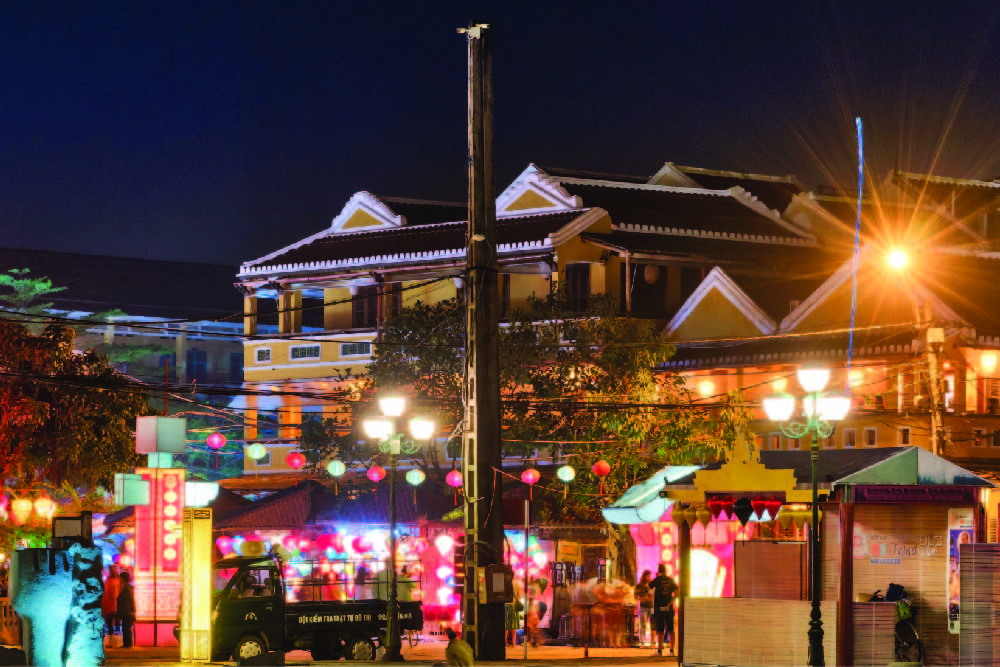
The beaches around Hoi An during July offer genuine beach vacation potential. An Bang Beach and Cua Dai Beach offer warm water temperatures of around 28 to 29 degrees Celsius, accompanied by generally calm seas. Morning and late afternoon periods are best suited for beach activities, as the midday heat becomes intense. The tourist reduction means uncrowded beaches and easier access to accommodation, aligning with coastal tourism patterns.
Da Nang in July extends the favorable central coast weather pattern. My Khe Beach remains swimmable and enjoyable despite occasional rain. The city’s attractions, including Marble Mountains, Ba Na Hills, and Dragon Bridge, can be visited comfortably during early morning or late afternoon periods, avoiding peak heat, according to urban tourism recommendations.
The weather in July in the central Vietnam region allows for relatively normal vacation activities, which are impossible elsewhere in the country. Beach days, outdoor dining, cycling tours, and cultural site visits remain feasible with appropriate timing and sun protection. This accessibility explains why central Vietnam sees higher tourist numbers than other regions during this challenging month, according to regional visitor distribution.
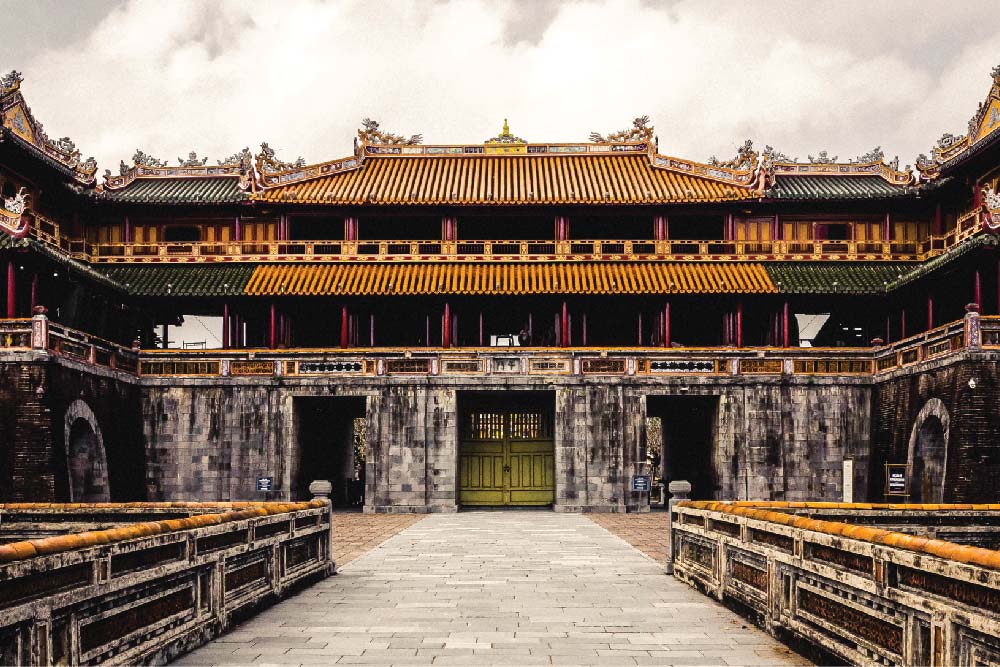
Hue in July maintains the central region’s weather advantages, although temperatures remain hot. The Imperial City complex can be explored during early morning hours before the heat becomes excessive. The Perfume River boat rides offer pleasant experiences during non-rain periods. The relative lack of precipitation compared to other regions makes Hue’s cultural tourism viable during July, according to accessibility at heritage sites.
Quy Nhon and less developed central coast destinations during July provide excellent value and authenticity. These areas combine favorable weather with minimal tourist presence, creating ideal conditions for travelers seeking peaceful beach experiences. The undeveloped nature offers basic infrastructure, but genuine local interactions, characteristic of off-beaten-path tourism.
The central highlands, including Da Lat, maintain comfortable conditions throughout the month of July. Elevation keeps temperatures pleasant, ranging from 18 to 23 degrees Celsius, despite the surrounding lowland heat. The region receives afternoon rain showers, but these tend to be brief rather than all-day events. Da Lat’s flower gardens reach their peak in July, thanks to the rain and moderate temperatures, creating beautiful displays that highlight the highland tourism features.
Phong Nha cave systems remain accessible during July, despite being in the monsoon season elsewhere—the central location results in less rainfall impact compared to northern or southern caves. The constant cool temperatures inside caves provide relief from outside heat regardless of weather conditions. Cave tourism continues as usual in July, with full operational schedules, according to national park management.
The Danang-Hoi An area in July represents the sweet spot for Vietnamese summer travel. The combination of relatively dry weather, beautiful beaches, rich culture, and dramatic price reductions creates compelling value. Travelers willing to handle heat and occasional rain can experience central Vietnam at its most affordable and least crowded, according to strategic destination selection analysis.
Southern Vietnam in July: Peak monsoon intensity
Southern Vietnam during July sits at the peak of the monsoon season, with daily rainfall becoming routine. The Vietnamese weather in July presents some of the most challenging conditions for tourism, requiring significant flexibility and acceptance of indoor activities due to the southern climate patterns.
Ho Chi Minh City in July experiences intense monsoon conditions, with average temperatures ranging from 27 °C to 28 °C. However, pre-rain heat regularly reaches 34 to 36 degrees Celsius, accompanied by crushing humidity, before afternoon storms provide relief. The daily temperature cycling from oppressive heat to stormy cooling, followed by a humid aftermath, creates exhausting conditions characteristic of urban tropical climates.
The rainfall in Ho Chi Minh City during July averages 300mm or more across the month. Rain falls almost daily, with most days experiencing afternoon storms that last one to three hours. The predictability allows for planning around typical storm timing from 2 pm to 5 pm, but occasional all-day rain events disrupt even the most careful scheduling, as documented by precipitation patterns.
Flooding in Ho Chi Minh City during the July storms creates significant urban disruption. Major streets transform into rivers within minutes of the onset of heavy rain. The drainage systems overflow, causing water depths of 30 to 60 centimeters in many areas. Traffic halts as motorcycles and cars navigate through flowing water. This flooding becomes a daily reality, requiring acceptance rather than surprise, due to urban infrastructure challenges.
The strategy for July’s Ho Chi Minh City visits involves maximizing morning activities and accepting indoor activities in the afternoon. The period from early morning until noon provides the most reliable weather window for outdoor activities. Afternoon hours from 1 pm to 5 pm should be scheduled for museums, shopping centers, cafés, or hotel rest periods. Evening after storms often brings refreshing air, making it suitable for exploring street food and walking according to adapted tourism patterns.
The Mekong Delta experiences extreme monsoon conditions in July. The rivers swell dramatically with rainfall, creating powerful currents and high water levels. The landscape turns intensely green as vegetation explodes with moisture. The weather in July in the Vietnam Delta showcases the region’s aquatic character, but it also makes tourism challenging due to the dynamics of the river system.
Floating markets continue to operate during July despite weather challenges. Vendors and buyers conduct business in the rain using tarps and umbrellas as protection. The markets demonstrate remarkable resilience, with commerce continuing regardless of conditions. Sunrise market tours, offered before main storm periods, provide the best visitor experiences according to market timing recommendations.
Phu Quoc Island in July is heavily impacted by the full monsoon, characterized by daily afternoon storms and rough seas. Beach activities become weather-dependent, with morning offering the most reliable dry windows. Snorkeling and diving operations run reduced schedules when sea conditions allow. Many water sports close entirely during peak storm periods, according to island water activity operators.
The advantage of July Phu Quoc lies in extreme pricing and solitude. Resort rates drop to annual lows with discounts of 50 to 70 percent common. The beaches stand nearly empty, offering private paradise experiences for travelers who prioritize budget and accept weather limitations. July on Phu Quoc delivers exceptional value, according to an island accommodation pricing analysis.
The Con Dao Islands experience minimal tourism during July due to monsoon conditions and their remote location. The archipelago experiences heavy rain and rough seas, making ferry crossings uncomfortable and sometimes cancelled. However, the extreme isolation creates unique experiences for adventurous travelers willing to accept the weather uncertainty characteristic of remote island tourism.
Nha Trang experiences monsoon conditions in July, which affect beach activities. The city’s developed entertainment infrastructure, including theme parks, spas, shopping centers, and restaurants, provides indoor alternatives when the weather prevents beach time. The dramatic price reductions and empty attractions compensate for the weather challenges, in line with typical patterns of coastal resort tourism.
Can Tho and the deeper Mekong regions during July become waterlogged with river flooding and monsoon rain. The combination creates truly aquatic environments, showcasing why the delta serves as Vietnam’s rice bowl. The green landscapes stretch endlessly, creating beautiful, if very wet, scenery. River tours continue to operate, with passengers accepting the inevitable wetness, according to Delta Tourism Resilience.
Strategic packing for July conditions
Packing for the Vietnam weather in July requires preparing for extreme heat, heavy rain, and high humidity simultaneously. The equipment choices significantly impact comfort and activity success according to tropical monsoon packing principles.
Rain protection essentials
Quality waterproof gear becomes absolutely critical during July. A proper rain jacket with sealed seams, adjustable hood, and breathable fabric protects against torrential downpours while preventing internal condensation from body heat. Budget plastic ponchos fail quickly in wind and heavy rain, making a quality investment worthwhile according to gear performance testing.
Waterproof backpack covers or dry bags protect electronics, documents, and other sensitive items from moisture. The rain comes from multiple directions during storms, making standard water resistance inadequate. Double protection, achieved by using both pack cover and internal dry bags, provides security for valuable equipment in accordance with electronics protection strategies.
Waterproof phone pouches with touchscreen compatibility enable continued navigation and communication even in the rain. The ability to access maps, translation apps, and communication tools during sudden storms proves essential for safe travel, as per mobile device functionality requirements.
Clothing for heat and humidity
Quick-dry clothing dominates July packing lists. Technical fabrics that wick moisture and dry within hours allow frequent washing and rapid reuse. Cotton and other natural fibers remain damp for days in July’s humidity, making them impractical choices due to their poor fabric performance characteristics.
Lightweight breathable items in loose fits provide maximum comfort in heat and humidity. Tight clothing traps heat and sweat, while loose garments allow air circulation. Light colors reflect the sun’s rays more effectively than dark colors, thereby reducing heat absorption. Multiple lightweight layers work better than fewer heavy items according to tropical clothing strategies.
Sun protection clothing, including long-sleeved shirts and pants with UV protection, provides coverage without excessive heat. Modern technical fabrics offer sun protection while maintaining breathability and comfort. This approach reduces sunscreen dependence while protecting skin according to sun safety recommendations.
Footwear for wet conditions
Waterproof sandals with good traction and support serve as the primary footwear in July. Sport sandals dry instantly after rain or water exposure, preventing blisters and discomfort caused by wet, enclosed shoes. The open design prevents foot problems caused by constant moisture, in accordance with tropical footwear principles.
One pair of lightweight, waterproof shoes handles situations that require covered footwear. Temple visits, upscale restaurants, and some cultural sites demand more than sandals. Quality waterproof footwear maintains its function even after repeated soaking, meeting the versatile needs of various shoe requirements.
Essential accessories
Microfiber towels that dry quickly and pack small prove invaluable for frequent drying needs throughout the day. The compact size allows carrying one for personal use and another as backup. The rapid drying prevents musty odors that develop in regular towels, according to practical travel gear features.
Portable battery chargers maintain device power during extended periods of indoor sheltering from rain. Unexpected hours spent waiting out storms can quickly drain your phone’s battery. Backup power capacity prevents losing navigation and communication capabilities, according to device reliability insurance.
Cooling accessories, including cooling towels, portable fans, and hats with ventilation, provide relief during unavoidable heat exposure. These items make marginal improvements, but cumulative comfort gains are crucial during extreme conditions, particularly when considering heat management strategies.
Ziplock bags in various sizes organize and protect items within backpacks. Even with waterproof gear, additional protection for documents, money, and sensitive items provides peace of mind. The minimal weight and space requirements justify the organizational and protective benefits, as determined by packing optimization.
Activities adapted for July weather realities
Vietnam’s weather in July requires significant adjustments to activity types and expectations. Traditional tourist activities become challenging, while alternative experiences emerge in response to the monsoon season’s tourism adaptations.
Morning focus strategies
Early morning hours provide the most reliable weather windows during July. The period from sunrise until 10 am or 11 am typically offers the best conditions before heat intensifies and the likelihood of rain increases. Waking early and front-loading outdoor activities maximizes productivity according to successful July scheduling patterns.
Sunrise experiences take on special importance during July. Temple visits at dawn avoid both weather and heat. Beach walks at sunrise take advantage of the best conditions and light. Early morning market exploration captures authentic activity before tourist hours. The commitment to early rising significantly improves July travel experiences, according to timing optimization results.
Indoor cultural activities
Air-conditioned museums, galleries, and cultural centers become essential destinations in the summer months. These venues provide comfortable learning environments while protecting from weather extremes. The cooler afternoon hours work well for museum visits when outdoor activities become impossible, according to the timing of indoor attractions.
Cooking classes offer ideal July activities combining cultural education with weather protection. Market visits occur during morning dry windows, while cooking demonstrations take place in covered, comfortable spaces. The hands-on learning and delicious results make cooking classes popular activities during the monsoon season, according to culinary tourism engagement.
Traditional performances, including water puppets, cultural shows, and musical concerts, fill rainy evenings perfectly. These indoor entertainment options provide high-quality experiences that are unaffected by weather conditions. The performances would compete with outdoor activities during better months but become primary evening entertainment during July, according to cultural activity preferences.
Exploring shopping in covered markets and modern centers offers weather-protected cultural experiences. Traditional markets like Ben Thanh and Dong Xuan offer sheltered shopping and people-watching opportunities. Modern shopping centers offer extreme air conditioning and diverse entertainment, making them attractive afternoon destinations for retail tourism options.
Flexible outdoor timing
Beach activities during July require accepting limited windows and weather interruptions. Morning beach sessions before peak heat and rain offer the best conditions. Having indoor backup plans ready allows pivoting when the weather deteriorates. The flexibility to enjoy beaches when possible, while accepting limitations, maintains positive experiences, according to coastal tourism adaptation.
Highland destinations allow more normal outdoor schedules during July. The cooler temperatures and briefer rain showers in places like Da Lat or Sapa permit hiking, cycling, and garden visits throughout the day. The highlands become particularly attractive during July as comfortable weather refuges, thanks to the elevation advantage.
Rain acceptance approaches
Developing rain acceptance rather than rain avoidance significantly improves July experiences. Bringing waterproof gear and embracing wetness as usual removes the stress of fighting inevitable conditions. This mindset shift transforms rain from a disaster into an interesting cultural element, according to the psychological benefits of adaptation.
Photography during and after rain produces dramatic lighting and atmospheric conditions. The cleared air following storms provides exceptional clarity for landscapes. Wet surfaces create reflective effects, adding interest to urban scenes. Many compelling images emerge from weather challenges rather than perfect conditions, according to creative photography opportunities.
Regional destination recommendations for July
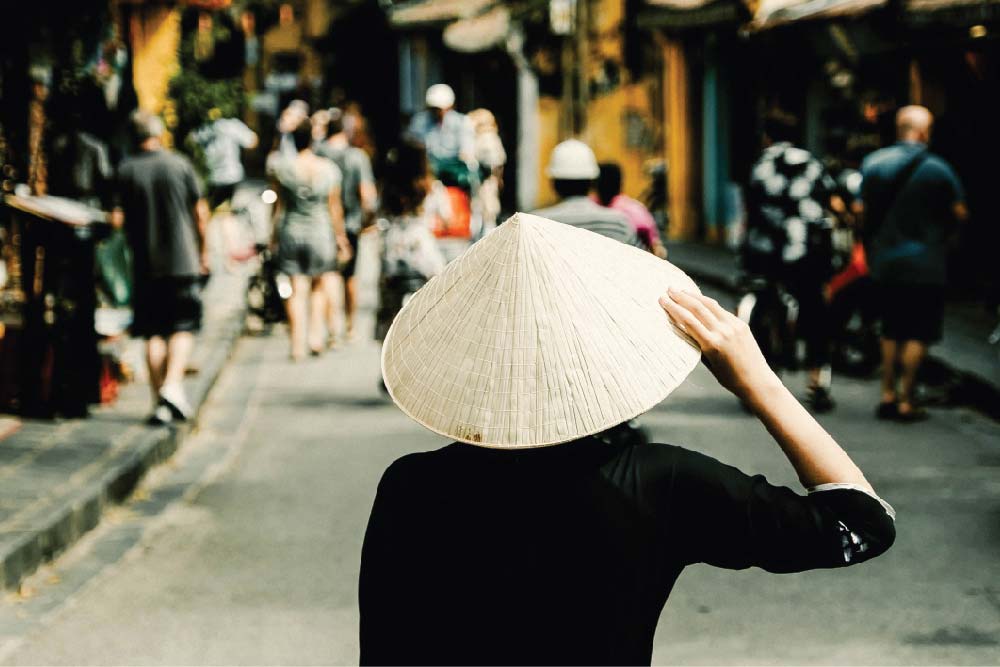
Strategic destination selection makes an enormous difference in July travel success. Choosing areas with relatively better weather significantly improves the quality of the experience, according to a geographic climate advantage analysis.
Central Vietnam is the primary choice.
The central coast from Da Nang through Quy Nhon represents the obvious July destination focus. The extended dry season continues in July, while other regions face peak monsoon conditions. Beach vacations remain viable here when impossible elsewhere. The combination of favorable weather and low prices creates compelling value according to optimal regional selection.
Hoi An offers excellent conditions in July, with beautiful beaches, rich culture, and a comfortable small-town atmosphere. The Ancient Town exploration works well during morning and evening periods. Nearby beaches provide genuine beach vacation potential. The exceptional food scene and shopping keep visitors engaged during occasional rain, according to comprehensive destination features.
Da Nang provides urban amenities alongside beach access during July. The modern city offers a diverse range of activities, including excellent restaurants, shopping, entertainment, and cultural attractions. My Khe Beach delivers reliable swimming conditions. The infrastructure accommodates weather-affected schedules with ample indoor options, capitalizing on the developed destination’s advantages.
Highland refuges from heat
Da Lat offers an escape from the lowland heat while maintaining comfortable accessibility. The pleasant year-round temperatures, ranging from 18 to 23 degrees Celsius, provide relief from the July extremes elsewhere. The flower gardens, waterfalls, and outdoor activities remain enjoyable despite afternoon rain showers. The French colonial architecture and café culture add cultural interest, enhancing the appeal of the highland destination.
Sapa offers dramatic mountain scenery and a rich ethnic minority culture, despite the rain in July. The trekking conditions remain viable for properly equipped hikers. The rice terraces reach their peak beauty with recent transplanting and abundant water, creating emerald landscapes. The cooler temperatures make physical activity more comfortable, unlike in lowland regions, according to the benefits of mountain tourism.
Southern options for budget travelers
Phu Quoc Island in July suits budget-focused travelers, who accept weather tradeoffs for the extreme pricing. The resort discounts reach annual lows, making luxury properties affordable. Morning beach windows provide some water time before afternoon storms. The nearly empty island evokes feelings of a private paradise, according to value-focused destination selection.
Con Dao Islands appeal to adventure travelers seeking extreme isolation. The challenging access and weather conditions in July result in almost zero tourism. The pristine natural environment and historical sites offer unique experiences. The acceptance of weather uncertainty becomes part of the adventure, depending on the characteristics of the remote destination.
Honest assessment for July Vietnam travel
July is one of the most challenging months for Vietnam’s tourism industry due to monsoon conditions that prevail throughout most regions. The weather in July in Vietnam presents genuine challenges that impact daily activities and overall comfort, according to a realistic assessment.
Travelers who might consider July
Budget travelers who prioritize cost savings over weather comfort find July attractive. Accommodation, tour, and flight prices reach annual lows, with discounts of 50 to 70 percent common. The financial savings allow longer trips or higher-quality accommodations within budget, according to value optimization strategies.
Flexible travelers without fixed itineraries can navigate July successfully. The ability to adjust plans daily based on weather and focus activities during morning windows makes the month manageable. Travelers who view rain as an interesting rather than a problematic condition adapt better to the environment, according to the importance of flexibility requirements.
Return visitors who have experienced Vietnam during better months might explore July for different perspectives. The monsoon season showcases different landscape characteristics and cultural elements. The reduced tourist numbers provide authentic experiences that are impossible during crowded seasons, according to repeat visitor motivation.
Travelers who should avoid July
First-time Vietnam visitors should plan their trip for the country’s better weather months. July conditions can create a negative impression that obscures Vietnam’s beauty and appeal. Saving July for potential return visits after appreciating Vietnam during optimal periods provides a better introduction, according to visitor experience optimization.
Beach vacation seekers expecting consistent sunny weather face disappointment during July, except in central Vietnam. The daily rain and rough seas in most coastal areas significantly disrupt beach plans. Better beach months exist, offering more reliable conditions according to coastal tourism timing recommendations.
Elderly travelers or those with mobility limitations should avoid July. The heavy rain creates flooded streets and slippery conditions, presenting safety hazards. The heat and humidity prove exhausting for those with health sensitivities. More comfortable months offer safer and more enjoyable travel conditions, taking accessibility considerations into account.
Travelers who require schedule predictability and fixed plans will struggle with the July weather uncertainty. The need for constant adjustments and backup plans creates frustration for those preferring structured itineraries. Better months allow more reliable activity scheduling according to planning style compatibility.
Conclusion: July requires informed decision-making
Vietnam’s weather in July presents significant challenges due to monsoon conditions throughout most regions. The combination of heat, humidity, and frequent heavy rainfall creates difficult tourism conditions, according to a comprehensive climate assessment.
However, July offers real advantages for specific traveler types. The extreme pricing makes luxury, which was previously unaffordable, accessible. The tourist reduction creates peaceful attraction experiences and authentic local interactions. The strategic focus on central Vietnam allows for relatively regular beach vacations, unlike other regions that face monsoon challenges, according to qualified experts.
The recommendation for most travelers is to choose better weather months, unless budget constraints or scheduling limitations make July the only option. For those who must travel during July or specifically seek monsoon experiences and extreme value, proper preparation and realistic expectations enable successful trips, guided by balanced principles.
Book your strategically planned July Vietnam tour.
Considering July travel to Vietnam? Our specialized tours focus on the favorable weather conditions in central Vietnam, while providing realistic guidance about conditions in other regions. We create itineraries maximizing July’s advantages while honestly addressing challenges according to transparent tour planning principles.
Contact StrategicVietnamTravel.com for an expert consultation in July. Our advisors provide a frank assessment of whether July suits your weather tolerance, budget priorities, and travel flexibility. We match travelers with suitable itineraries, rather than selling unsuitable trips, in accordance with ethical tourism practices.
Our July packages emphasize the central coast destinations of Da Nang and Hoi An, which enjoy an extended dry season. We schedule activities during optimal morning windows, with flexible afternoon alternatives that accommodate weather conditions. Our planning maximizes success during challenging months, leveraging weather-adapted expertise.
Download our July travel guide with comprehensive monsoon strategies, regional weather analysis, and packing essentials. Subscribe to our newsletter to receive July special pricing for travelers who understand seasonal tradeoffs.

Browse July traveler reviews on TripAdvisor and Google Reviews. Read authentic experiences from clients who booked our monsoon-adapted tours. Their honest feedback reveals both the challenges and our successful navigation strategies, as verified by testimonial transparency.
Check current July weather forecasts on AccuWeather and Weather.com before finalizing dates. Some July periods bring slightly better conditions than others. Current meteorological data helps optimize timing within the month.
Join our Vietnam Seasonal Travel Community discussing July specifically. Connect with travelers considering this challenging but affordable month. Share questions and strategies with people who are making similar, informed decisions about the weather in July in Vietnam.
Book your July tours now to take advantage of the lowest annual prices. Our flexible cancellation policies protect investment while guaranteeing extreme value season rates. Limited availability exists as few operators maintain July programming.
Your Vietnam adventure can still succeed even during the challenging month of July with proper planning and realistic expectations. Experience empty attractions, authentic interactions, and maximum savings while managing weather through expert strategies. Contact us today to explore whether our July monsoon adventure matches your priorities.
Take action now and transform July challenges into advantages through strategic planning. Our team ensures the selection of an appropriate destination and thorough preparation for the weather in Vietnam in July. Savvy travelers who understand tradeoffs discover unexpected value during this overlooked month.
Limited July tour availability for travelers seeking honest guidance. Contact our specialists today to begin your realistically planned July Vietnam journey with complete weather awareness and strategic destination focus.