If you are in Vietnam during Tet, you might notice something unusual.
Streets feel quieter in some areas, yet celebration fills others. Shops close, but flower streets glow. Families gather behind closed doors, while temples welcome steady streams of visitors.
So what are Vietnamese people actually doing right now in Tet?
The answer depends on the day of Tet and where you are in the country. Tet is not just a single event. It unfolds in stages, each with its own rhythm.
Understanding what locals are doing helps you see beyond decorations and into the meaning of the holiday.
Before Tet: cleaning, decorating, and returning home
In the days leading up to Tet, Vietnamese families are extremely busy.
Homes are cleaned thoroughly. Old items are repaired or replaced. Decorations appear on doors and balconies. Red banners, kumquat trees, peach blossoms in the north, and yellow apricot blossoms in the south signal that a new year is approaching.
Markets are crowded. Flower stalls overflow. Traffic increases as millions travel back to their hometowns.
If you are in Ho Chi Minh City or Hanoi, you may notice bus stations and airports packed with travelers returning home.
Tet begins with preparation.
New Year’s Eve: family reunion dinner
On New Year’s Eve, families gather for an important meal.
This dinner is not about restaurants. It is about home. Relatives return from different cities, sometimes from overseas, to sit together at one table.
Traditional dishes are prepared in advance. Ancestral altars are decorated with flowers, fruit, incense, and symbolic foods.
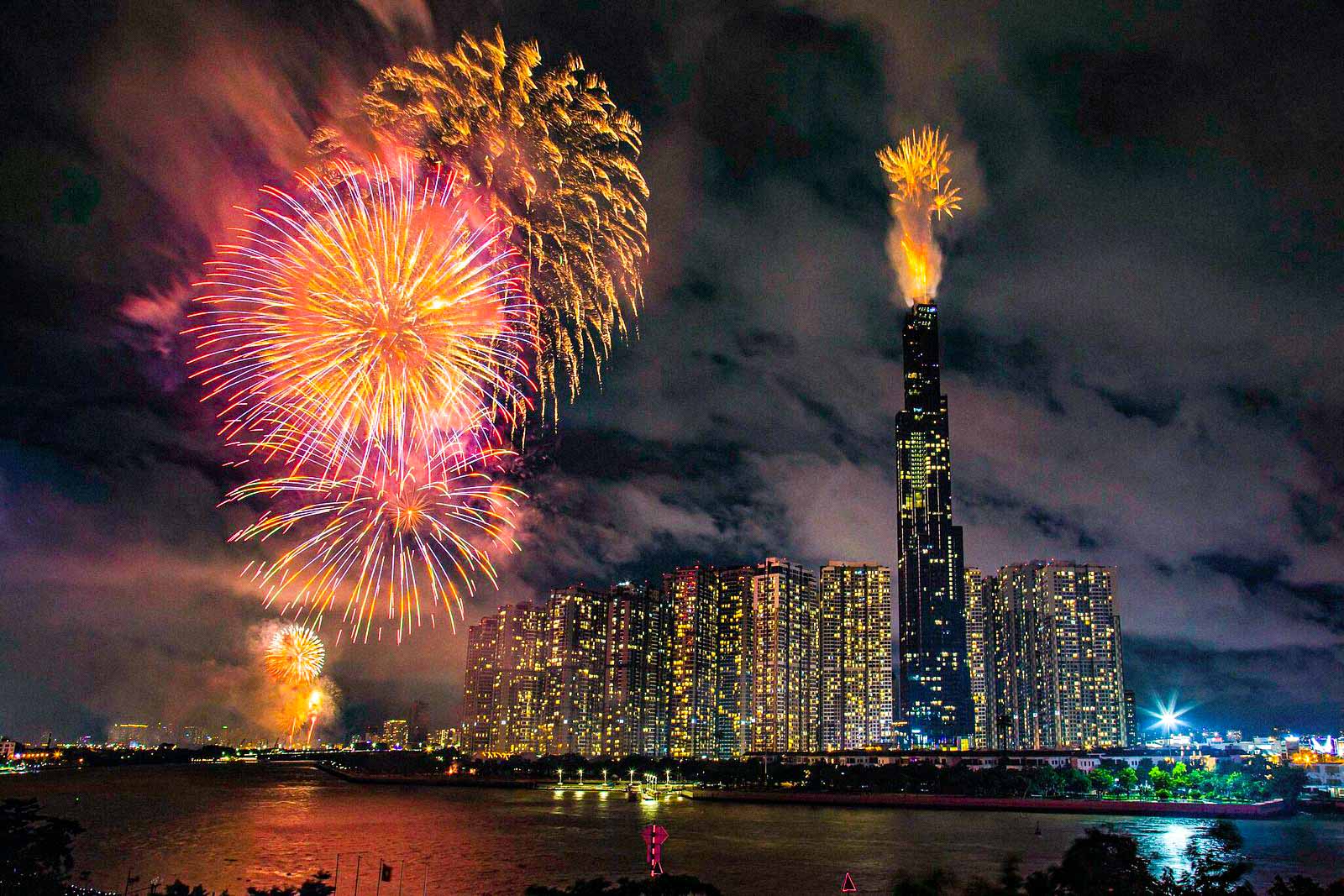
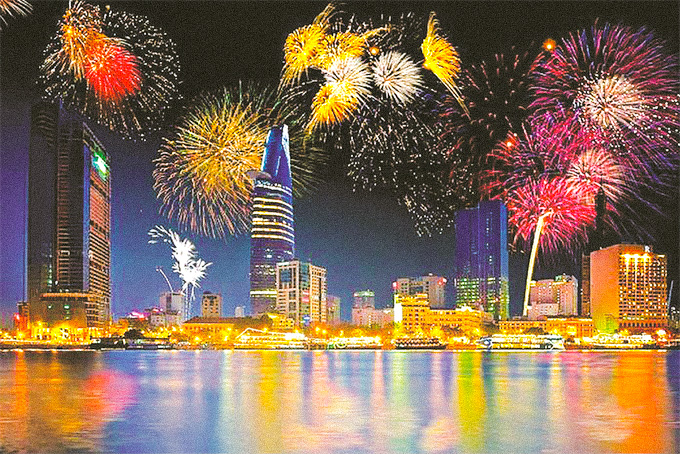
At midnight, families watch fireworks, either in person or on television. It is a moment of renewal rather than loud celebration.
First day of Tet: immediate family and good luck
The first day of Tet is the most important.
Vietnamese people usually stay home and receive visits from close relatives. The first visitor of the year is believed to bring luck, so families are careful about who enters first.
Children receive red envelopes with lucky money. Adults exchange well wishes for health and prosperity.
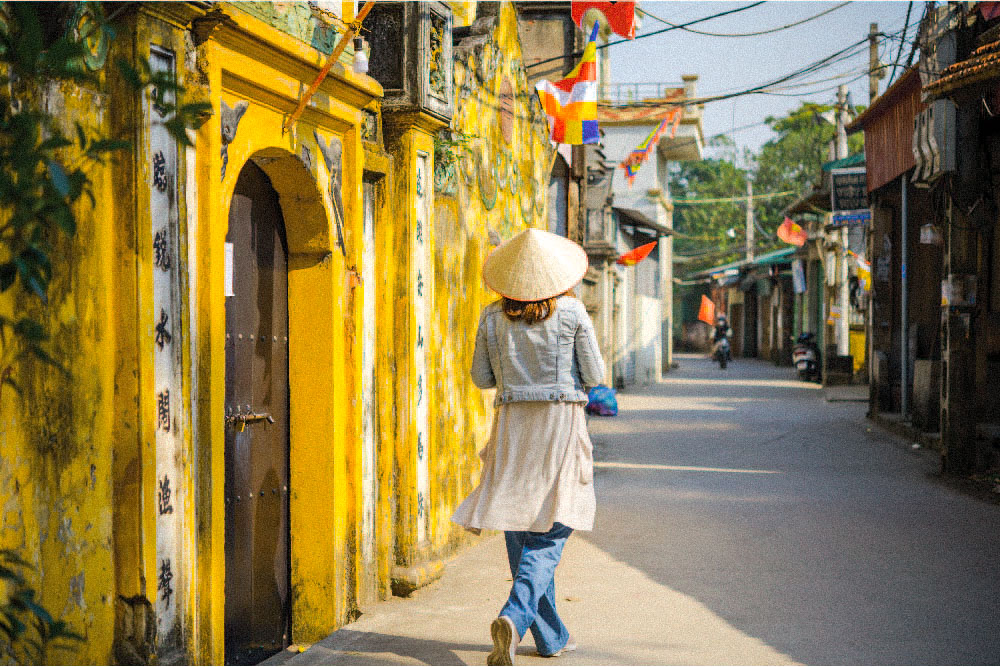
Streets can feel quiet in residential neighborhoods, as most people stay indoors during this day.
Temples, however, become busier as people go to pray for a good year.
Visiting temples and pagodas
Throughout Tet, visiting temples is common.
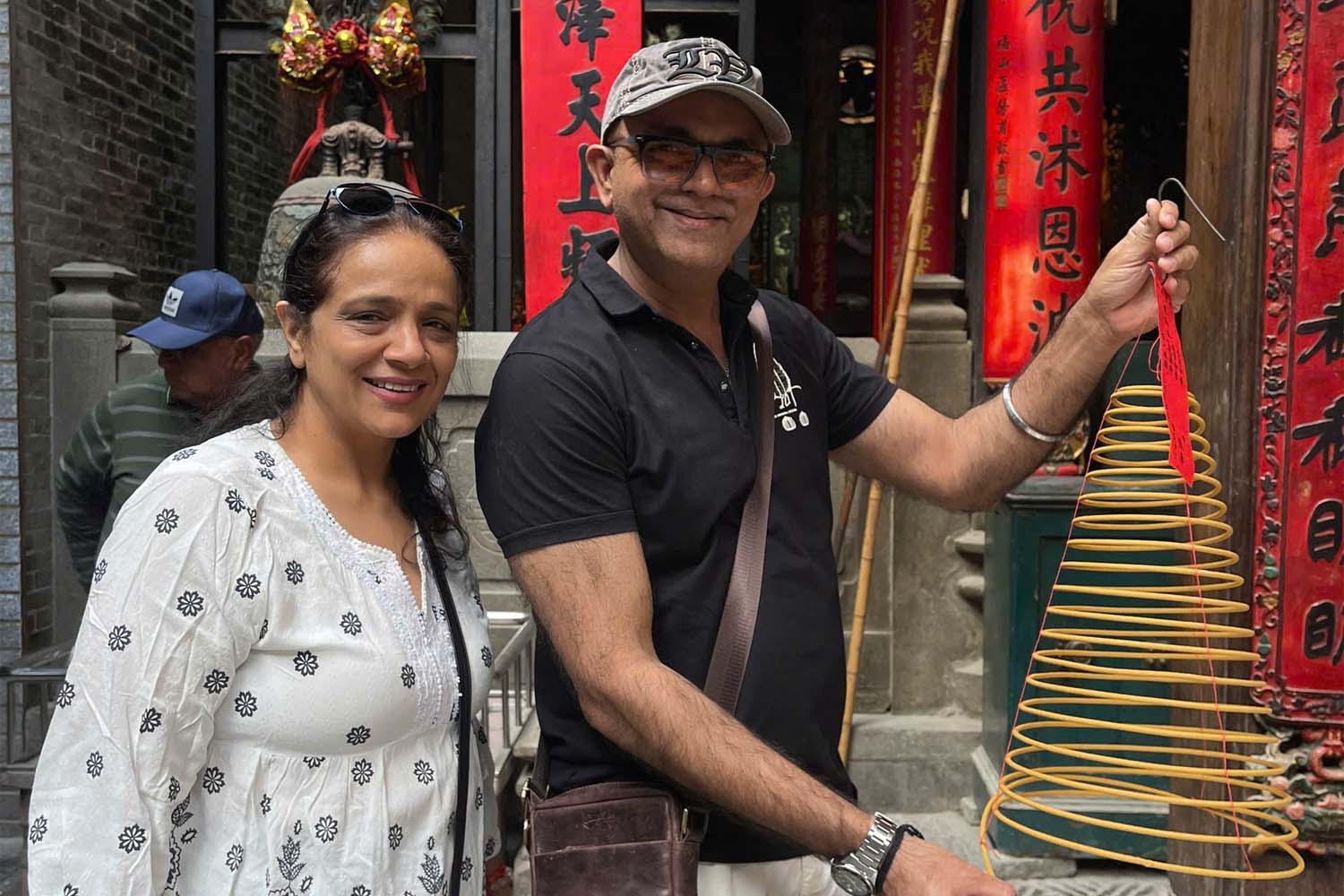
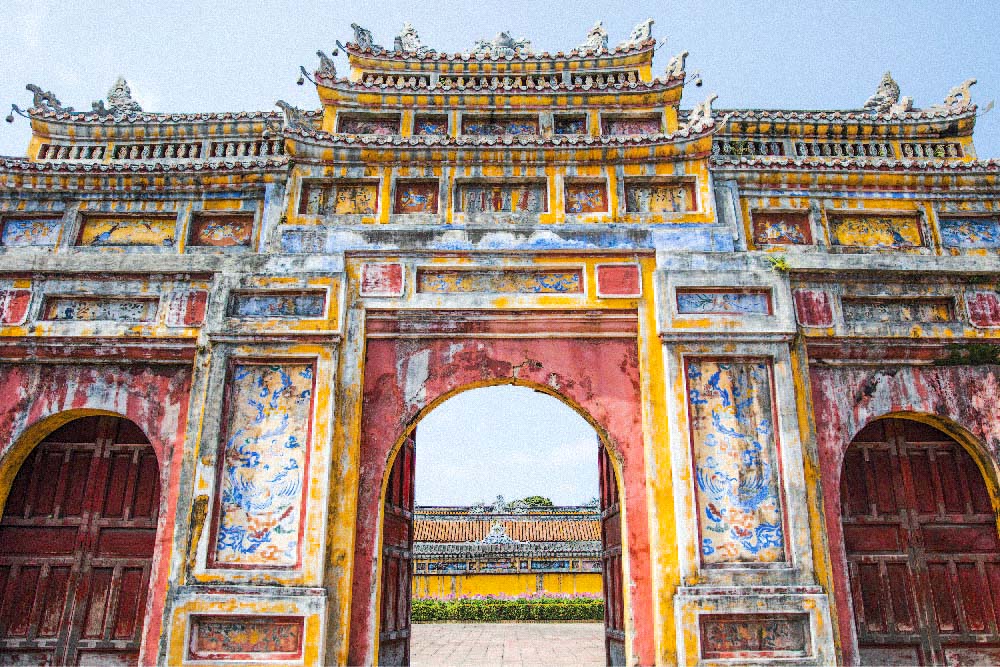
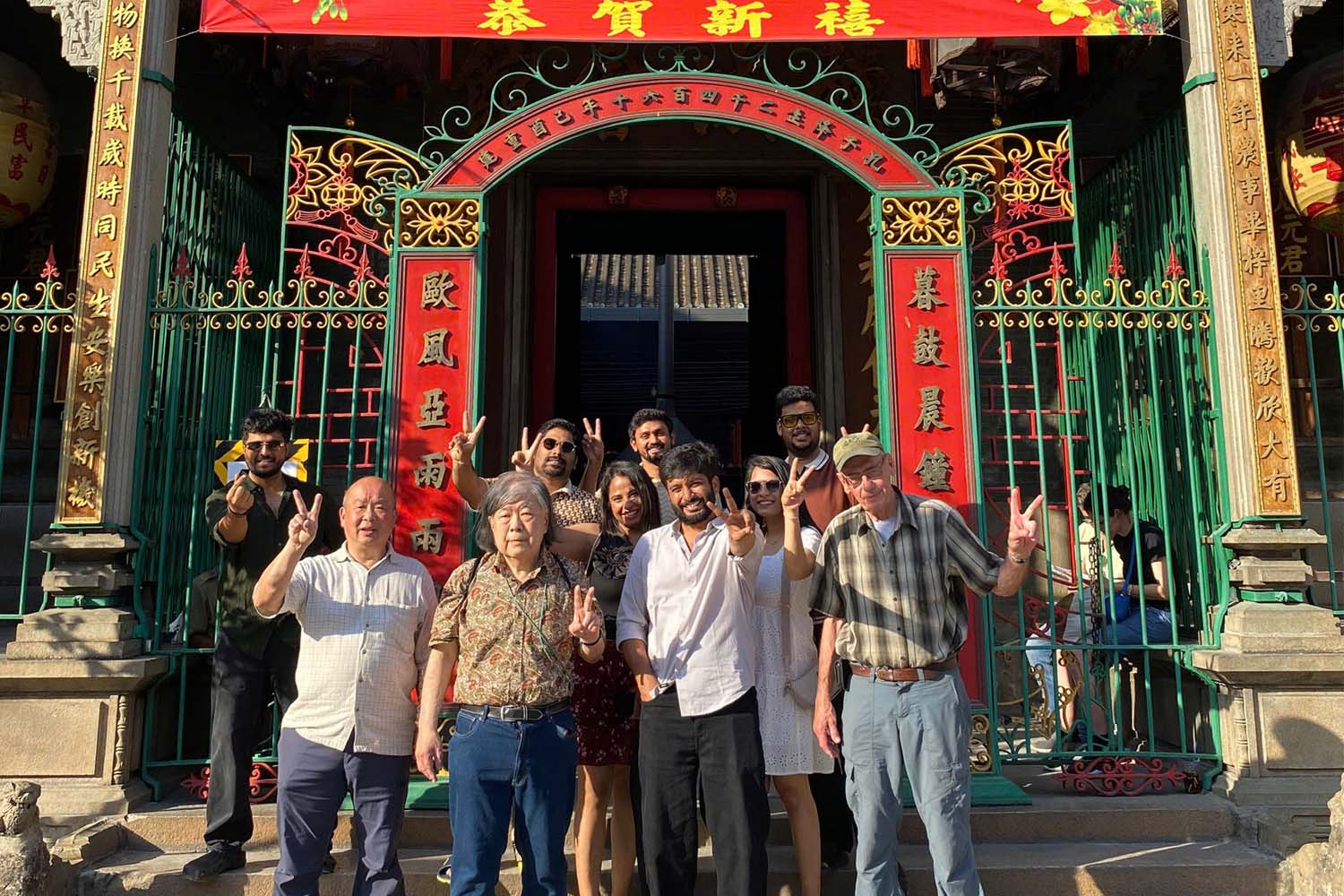
In cities like Hue, Da Nang, and Ho Chi Minh City, pagodas fill with incense smoke and prayer offerings.
People pray for:
-
family health
-
career success
-
academic achievement
-
general good fortune
This spiritual aspect of Tet is calm and reflective rather than dramatic.
Wearing ao dai and taking photos
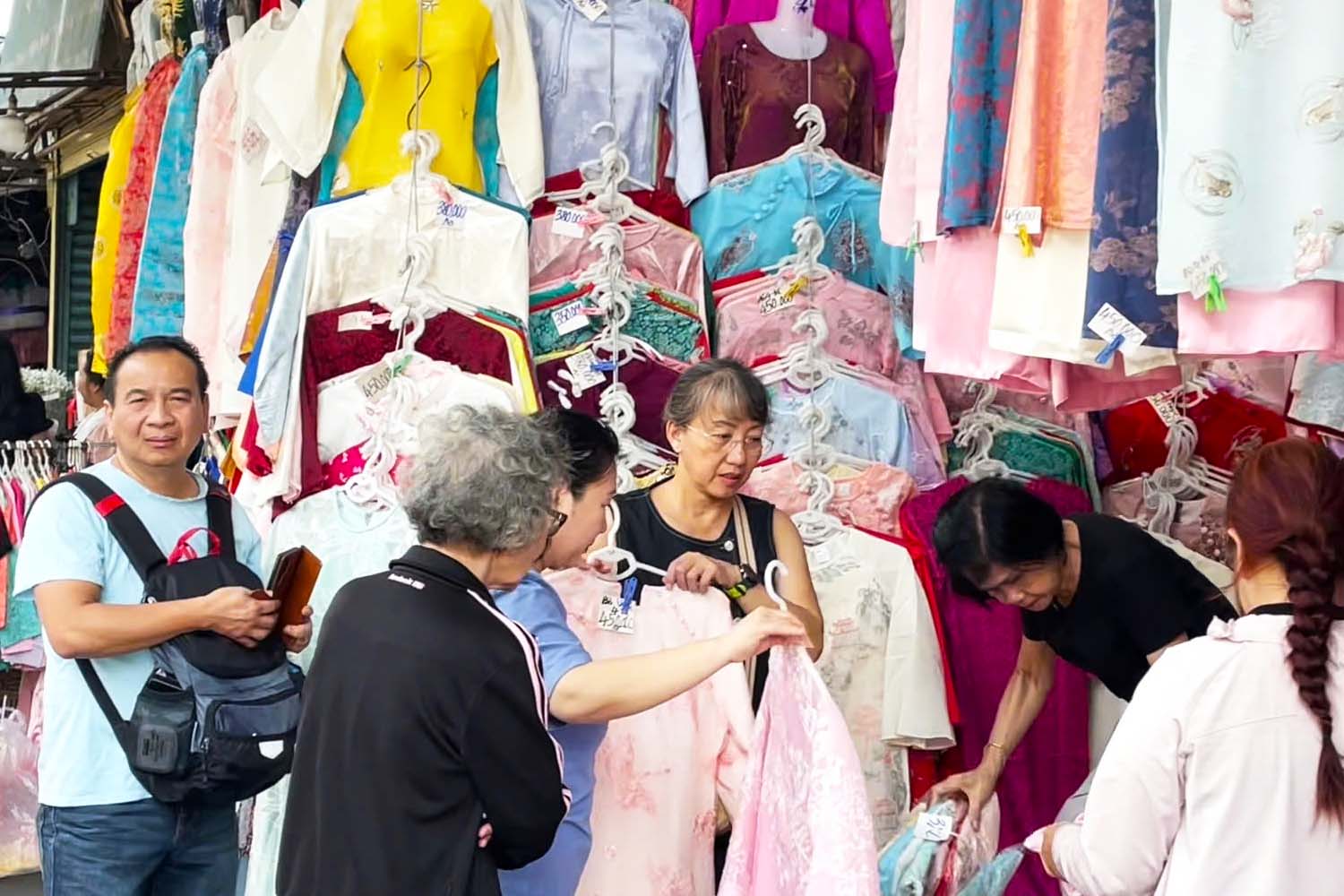
Tet is when you will see the most traditional clothing.
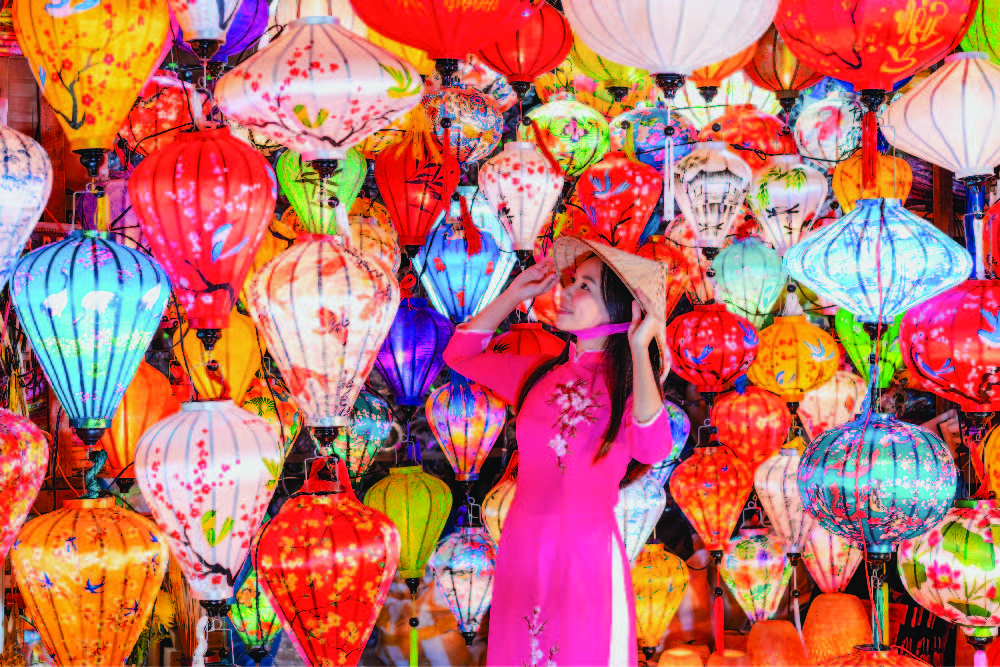
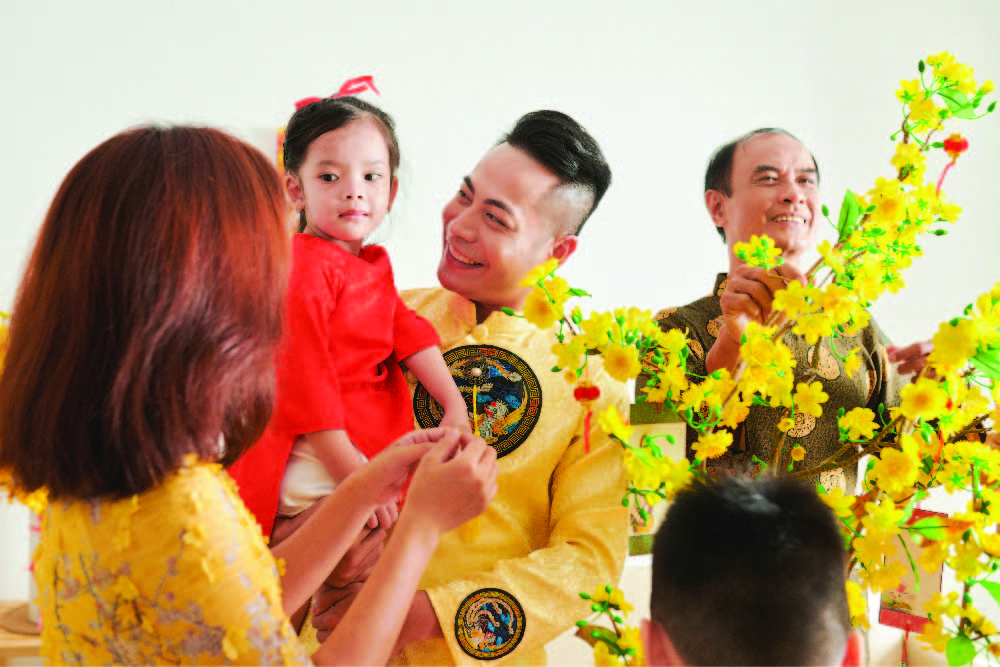
Families dress in ao dai, especially for temple visits and photo outings. Coordinated outfits are common. Couples and children often match colors.
Flower streets and decorated public areas become photography spots. Taking family photos during Tet has become a modern tradition layered onto older customs.
This is why you see large crowds in central walking streets even when other neighborhoods feel empty.
Visiting relatives and friends
After the first day, families begin visiting extended relatives, friends, teachers, and mentors.
Gifts such as fruit baskets, sweets, and tea are brought as gestures of respect. Conversations focus on positive wishes and future plans.
In rural areas, visiting can last several days. In cities, visits are often shorter but still meaningful.
Tet is social, but it is structured and family-centered.
Enjoying quiet streets
One unique thing happening right now during Tet is silence.
Normally chaotic traffic areas may feel unexpectedly peaceful, especially in the mornings of the first two days.
This quietness is not emptiness. It reflects the fact that people are inside celebrating.
For tourists, this creates a rare opportunity to see cities in a different light.
Eating traditional Tet food
During Tet, families eat specific dishes that carry symbolic meaning.
Sticky rice cakes, braised pork, pickled vegetables, and candied fruits are common. These dishes are prepared ahead of time and shared over several days.
Restaurants may close because families are eating at home rather than dining out.
Food during Tet is about tradition and symbolism rather than variety.
Traveling domestically
While some cities become quieter, tourist destinations can see increased domestic travel.
Families take short trips during Tet holidays, especially after the first two days. Beach cities and mountain towns often become busier with local visitors.
This creates a shifting pattern: residential areas quiet at first, then popular destinations gradually fill.
Slowing down
Perhaps the most important thing Vietnamese people are doing right now during Tet is slowing down.
Work stops. Offices close. Emails wait.
Tet is one of the few times in the year when the country pauses collectively.
This pause defines the holiday more than decorations or fireworks.
Why Tet feels different from Western New Year
Western New Year is often loud, fast, and party-driven.
Tet is slower and rooted in family tradition. It blends spirituality, respect for ancestors, and renewal.
If you are observing Tet as a tourist, you are witnessing something deeply personal rather than purely public.
What tourists often misunderstand
Some visitors assume Tet is a festival designed for crowds and nightlife.
In reality, it is about private family moments.
Closed shops are not inconvenience. They are evidence that families are prioritizing time together.
Understanding this shift changes how you experience Tet.
Second and third days of Tet: expanding the circle
After the first day, Tet begins to open outward.
On the second day, many Vietnamese families visit friends, colleagues, and teachers. Respect plays a central role. Younger people visit elders, former teachers, and mentors to express gratitude and offer New Year wishes.
The third day often continues with extended social visits or short outings. Cafés and some restaurants begin reopening gradually. Public areas become livelier.
By this stage, the atmosphere shifts from private reunion to gentle social celebration.
Regional differences during Tet
Tet traditions are shared nationwide, but how people celebrate can vary slightly by region.
In northern Vietnam, Tet often feels more formal and traditional. Peach blossoms decorate homes, and ceremonies at family altars are highly structured. In cities like Hanoi, temple visits are especially prominent.
In central Vietnam, including Hue, Tet carries a strong historical and spiritual tone. Royal heritage influences rituals and traditional clothing choices.
In southern Vietnam, especially in Ho Chi Minh City, Tet feels more colorful and relaxed. Yellow apricot blossoms dominate decorations, and flower streets become major gathering points.
Despite these differences, the core focus on family remains consistent across regions.
What tourists will notice in different cities
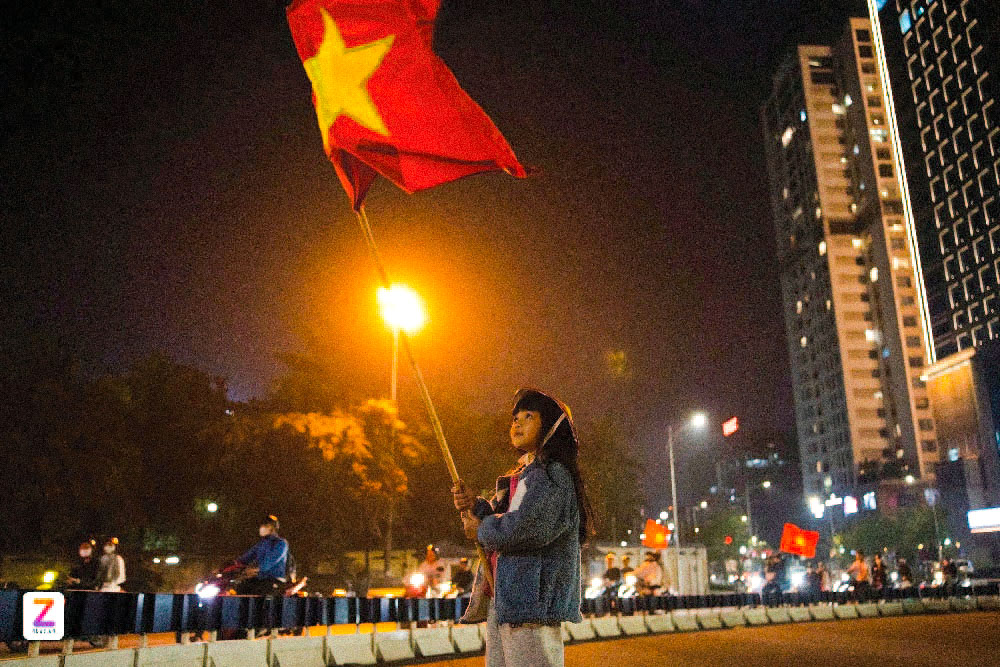
If you are traveling right now during Tet, what you see depends on where you are staying.
In large cities, you may notice:
-
quiet residential streets
-
crowded flower streets
-
families dressed in coordinated outfits
-
reduced traffic during mornings
In smaller towns, you may notice:
-
many shops closed for several days
-
fewer tourists
-
slower daily rhythm
In temple areas, you will see:
-
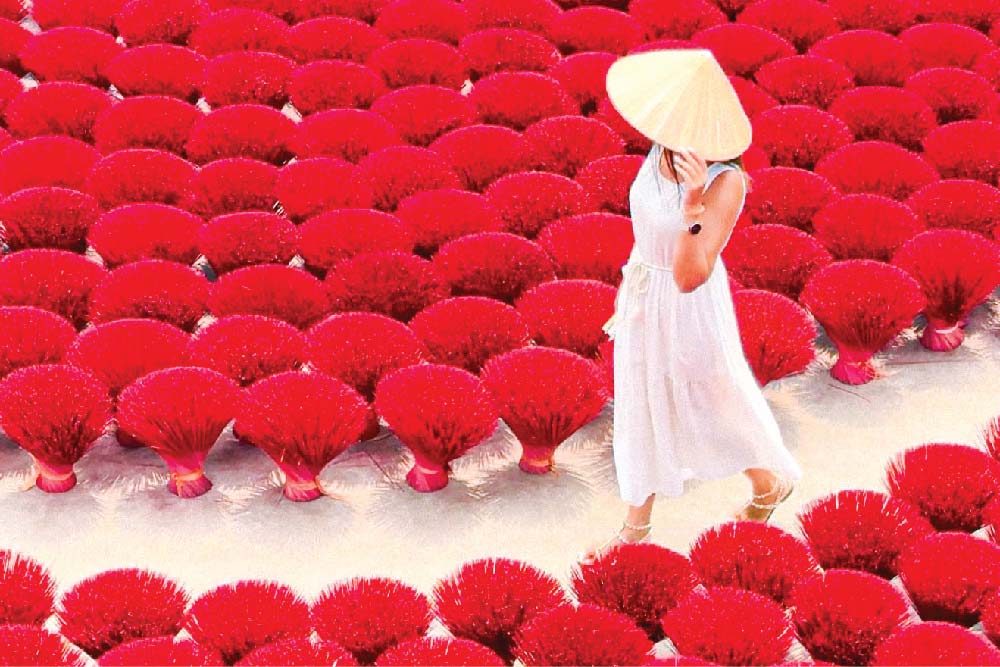
incense smoke
-
offerings of fruit and flowers
-
people praying quietly
-
children receiving lucky money
Understanding these patterns helps avoid confusion.
Visiting someone’s home during Tet
If you are invited to a Vietnamese home during Tet, it is considered an honor.
You should bring a small gift such as fruit, sweets, or tea. Avoid bringing anything associated with bad luck, such as sharp objects.
Dress neatly and modestly. Offer New Year greetings before sitting down.
You may be offered tea, sweets, and traditional dishes. It is polite to accept at least a small portion.
Conversations are usually positive and future-focused. Tet is not a time for serious complaints or negative discussions.
Why children love Tet
For Vietnamese children, Tet is one of the happiest times of the year.
They receive red envelopes with lucky money, wear new clothes, and enjoy sweets that are not part of daily life.
Schools close for an extended break, and families spend more time together.
For tourists observing Tet, children’s excitement is often the most visible and joyful part of the holiday.
How businesses gradually reopen
By the third or fourth day, businesses begin reopening.
Cafés, convenience stores, and some restaurants return first. Markets gradually resume full operation.
Large shopping centers and tourist attractions usually reopen earlier than small family-run shops.
The country does not switch back to normal immediately. Instead, activity increases step by step over several days.
What happens after Tet
After the main celebration days, Vietnam transitions into the new working year.
Offices reopen. Schools resume. Traffic returns.
However, the festive decorations may remain for a short time, and the mood stays lighter for about a week.
The post-Tet period feels optimistic. People speak about new beginnings, plans, and goals.
Frequently asked questions about Tet right now
Why are so many shops closed?
Tet is primarily a family holiday. Many small businesses close so families can celebrate together.
Why are flower streets so crowded?
Flower streets are one of the few public celebration spaces open during Tet, making them popular for photos and outings.
Why do people wear traditional clothing?
Tet is a time of renewal and pride. Wearing ao dai reflects respect for tradition and family.
Is Tet a good time for tourists?
Yes, if you are prepared for closures and interested in cultural experience rather than nightlife.
Final thoughts on what Vietnamese people are doing right now in Tet
Right now, Vietnamese people are gathering with family, honoring ancestors, sharing meals, visiting temples, and exchanging wishes for a better year.
They are not rushing. They are not working. They are pausing.
If you are visiting during Tet, you are witnessing one of the rare moments when an entire country slows down together.
Understanding that shift transforms your experience.
Tet is not about spectacle. It is about connection.
And that is what Vietnamese people are truly doing right now.