
Tet, the Vietnamese Lunar New Year, is the most important time of the year in Vietnam. It is more significant than Christmas, more emotional than national holidays, and more culturally meaningful than any festival travelers are likely to encounter in the country.
If you are planning a trip and wondering what Vietnam is like during Tet, the answer is not simple. Vietnam during Tet is beautiful, quiet, chaotic, spiritual, frustrating, heartwarming, and deeply authentic all at once. It is a time when daily life pauses, families reunite, cities transform, and traditions take center stage.
This guide explains what really happens in Vietnam during Tet, how it feels to travel at this time, and what you should realistically expect if you visit during the Lunar New Year.
Understanding Tet and why it matters so much
Tet, short for Tet Nguyen Dan, marks the beginning of the lunar calendar. While the exact date changes every year, Tet usually falls between late January and mid February.
Unlike many holidays that last a single day, Tet is a season. Preparation begins weeks in advance, celebrations stretch across several days, and the emotional significance lasts much longer.
For Vietnamese people, Tet is not just about celebration. It is about closure and renewal. The old year is respectfully put to rest, debts are settled, homes are cleaned, and relationships are reset. The new year is welcomed with hope, gratitude, and intention.
To understand Vietnam during Tet, you must first understand that this holiday is about family and belonging above everything else.
How Vietnam changes before Tet begins
The transformation of Vietnam starts well before the official Tet holiday.
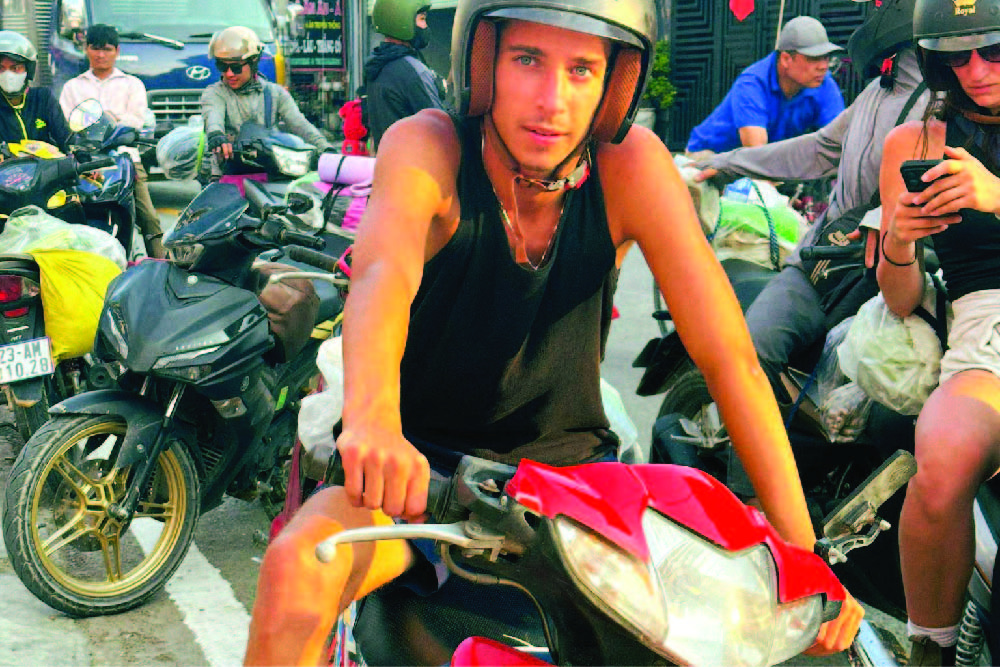
In the weeks leading up to Tet, cities become busier than usual. Markets overflow with flowers, decorations, food ingredients, and gifts. Streets fill with motorbikes carrying kumquat trees, peach blossoms, and boxes of holiday goods.
Homes are cleaned thoroughly. Offices wrap up work. People travel back to their hometowns, often creating the largest domestic migration of the year.
This pre-Tet period feels energetic and expectant. There is excitement in the air, mixed with pressure to prepare everything properly before the new year arrives.
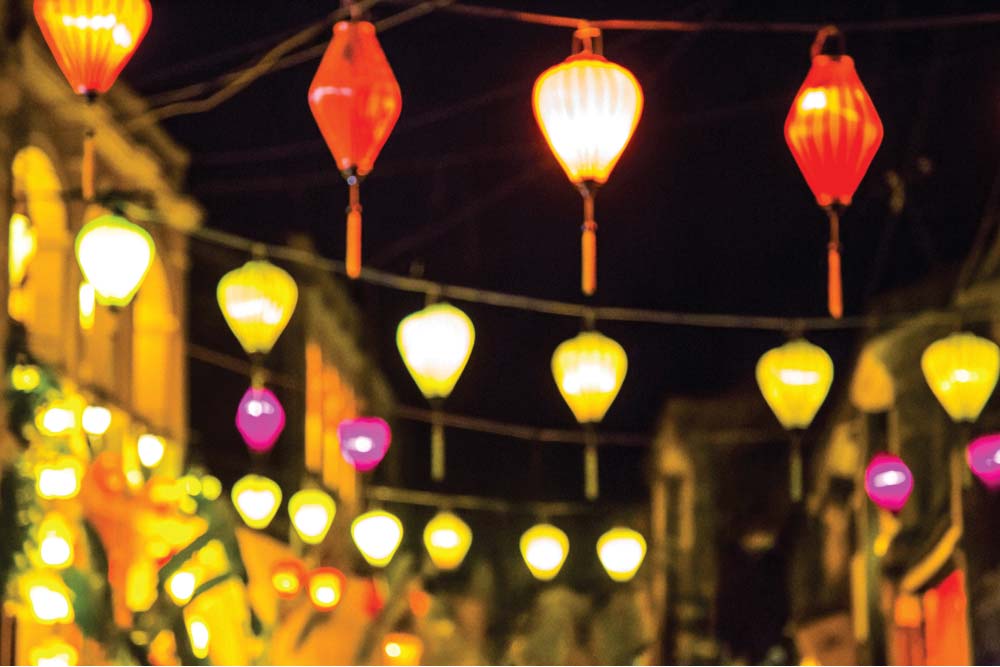
For travelers, this is one of the most visually interesting times to be in Vietnam. Flower markets, night markets, and seasonal decorations create a festive atmosphere unlike any other time of year.
What cities feel like during Tet
Vietnam’s major cities undergo dramatic changes during Tet.
Ho Chi Minh City during Tet
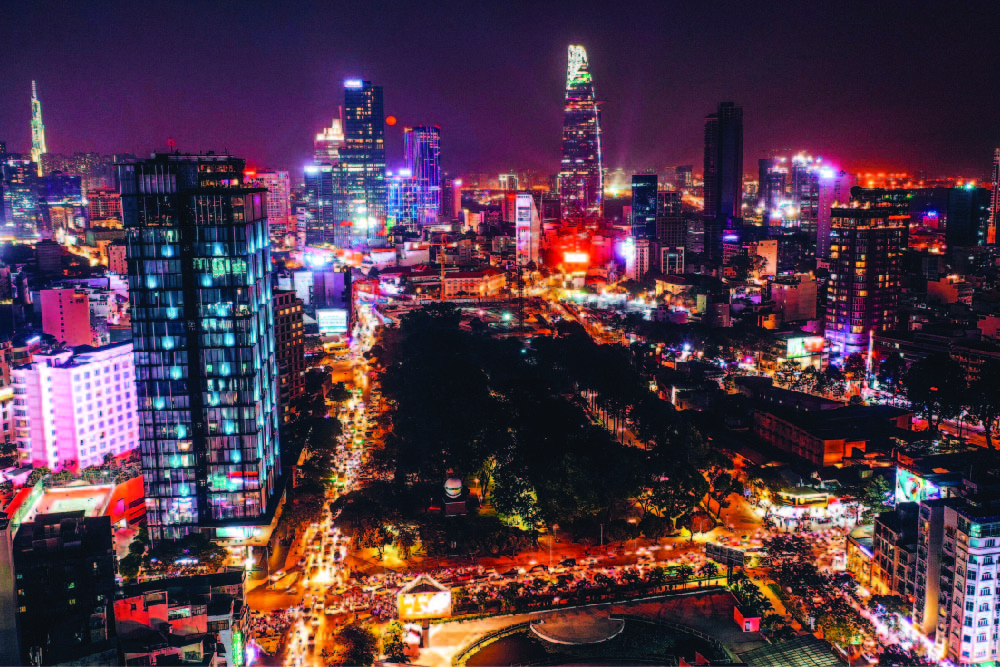
Ho Chi Minh City is normally loud, crowded, and constantly in motion. During Tet, it becomes surprisingly calm.
As residents leave to visit family elsewhere, traffic decreases sharply. Streets that are usually chaotic feel open and quiet, especially in the early mornings. Parks, walking streets, and riverfront areas become popular gathering spaces.
Decorations, flower streets, and public displays create a festive mood, but many everyday businesses close for several days. This creates a strange but peaceful contrast between celebration and stillness.
For travelers, Ho Chi Minh City during Tet feels slower and more reflective than usual.
Hanoi during Tet
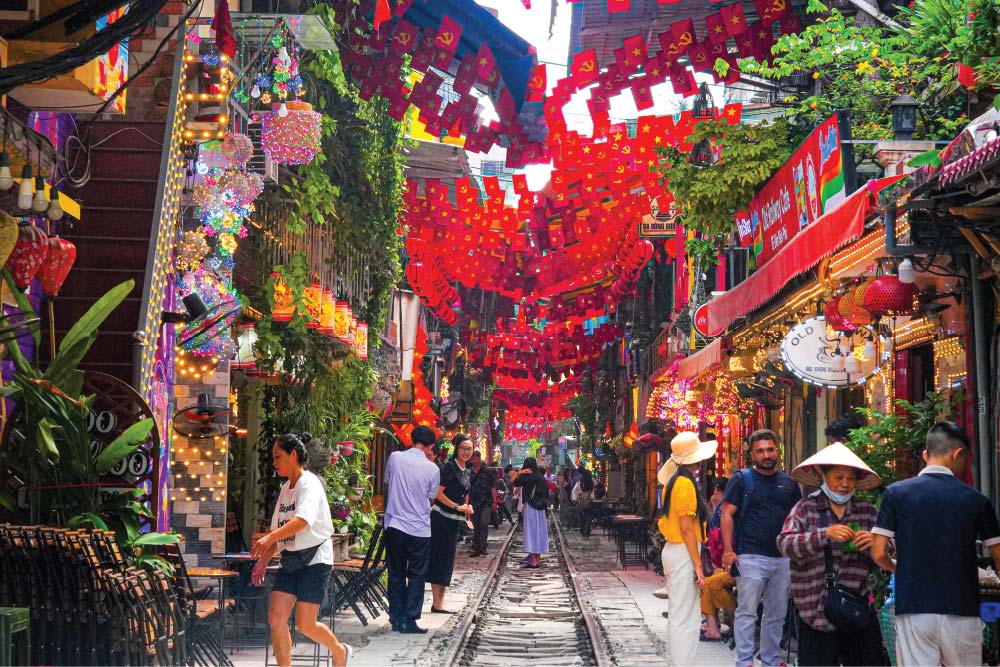
Hanoi during Tet feels more intimate and traditional.
The Old Quarter becomes quieter, with fewer shops open and less traffic. Lakes and temples become focal points, as locals visit to pray for good fortune and peace.
The atmosphere is calm, sometimes almost empty in certain areas, especially on the first days of Tet. This can feel magical or unsettling, depending on expectations.
Travelers who enjoy observation, photography, and cultural immersion often find Hanoi during Tet deeply rewarding.
What everyday life looks like during Tet
During the main days of Tet, everyday routines stop.
Schools close. Offices shut down. Many local restaurants and small shops are closed, sometimes for three to five days. In smaller towns, closures may last longer.
Instead of work, life revolves around visiting family, eating together, resting, and honoring traditions. Homes are full. Conversations are long. Meals stretch for hours.
For travelers, this means Vietnam during Tet does not operate on a normal schedule. Planning must be flexible, and expectations should shift away from efficiency toward experience.
The first days of Tet and their special meaning
The first three days of Tet are considered the most important.
Each day carries symbolic meaning. Families carefully choose who they visit, what they say, and how they behave. Arguments are avoided. Negative language is discouraged. Everything is done with the belief that the tone of these days shapes the entire year.
The first visitor to a home is believed to influence the family’s fortune. Because of this, visits are thoughtful and intentional.
For travelers, witnessing these customs offers insight into Vietnamese values of harmony, respect, and optimism.
Temples, pagodas, and spiritual life during Tet
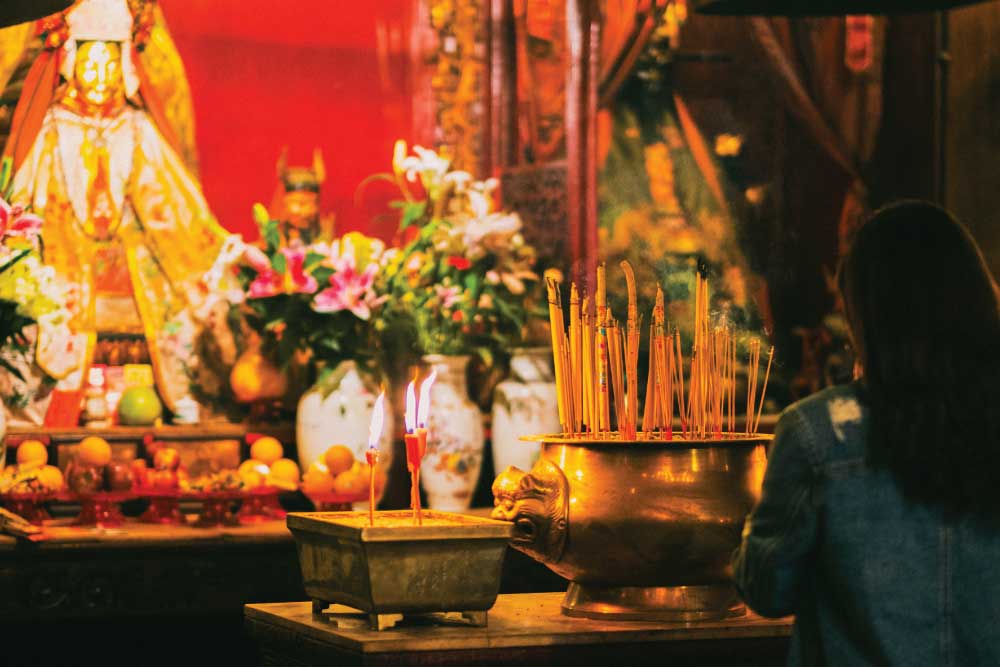
One of the most visible aspects of Vietnam during Tet is spiritual activity.
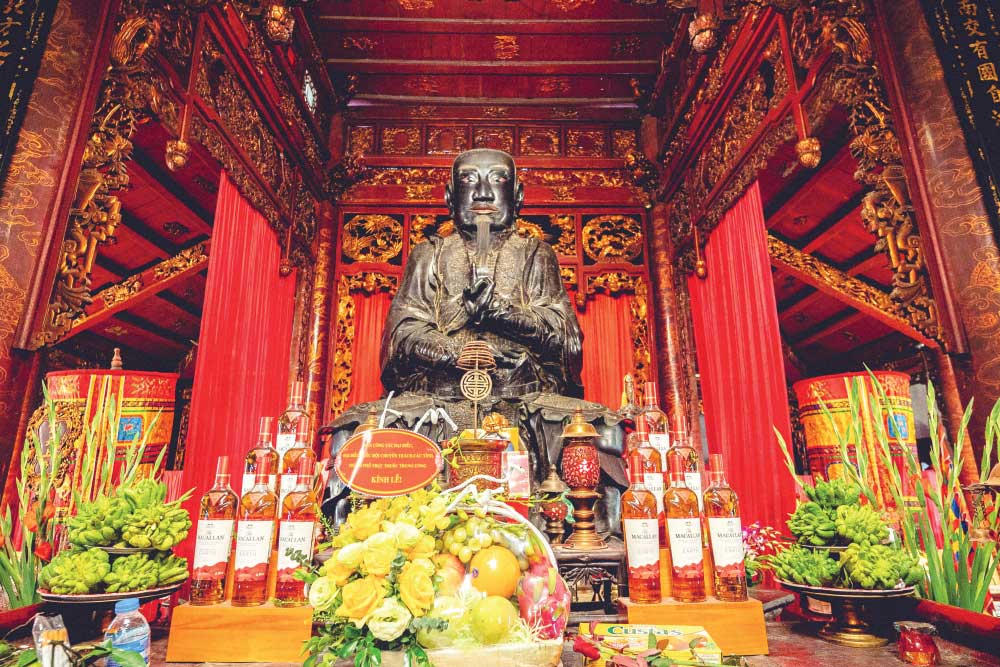
Temples and pagodas fill with people offering incense, praying for health, success, and peace. Families visit together, dressed neatly, carrying offerings of fruit and flowers.
This is not a solemn or silent experience. It is communal and alive. Children run around temple grounds. Vendors sell snacks and incense outside. The mood is hopeful rather than strict.
For visitors, temple visits during Tet offer a meaningful cultural experience, provided they are respectful in dress and behavior.
What travelers often misunderstand about Tet
Many travelers approach Tet expecting constant festivals, fireworks, and entertainment. While these elements exist, they are not the heart of the holiday.
Tet is primarily private, not performative. It happens inside homes, between family members, around dining tables and altars.
This is why some travelers feel disappointed if they expect nonstop activity. Vietnam during Tet is not about tourism. It is about Vietnamese people reconnecting with each other.
Understanding this difference is essential to appreciating Tet rather than feeling inconvenienced by it.
Is Vietnam closed during Tet?
This is one of the most common questions.
Vietnam is not fully closed during Tet, but it is partially paused.
Large hotels, major tourist attractions, and international restaurants usually remain open, especially in big cities. However, local businesses often close for several days.
Transportation still runs, but schedules may be limited and tickets sell out quickly. Prices may increase around peak Tet dates.
For travelers, this means Tet travel is possible, but it requires patience, planning, and flexibility.
How Tet affects travel pace and mindset
Traveling in Vietnam during Tet forces a slower pace.
You may walk more, wait longer, and change plans often. This can feel frustrating if you are on a tight schedule, but rewarding if you embrace it.
Without the usual rush of daily life, Vietnam during Tet reveals a softer side. Streets feel wider. Time feels less urgent. Moments feel more personal.
Many travelers who initially feel uncertain about Tet later describe it as one of their most memorable travel experiences.
Who should consider visiting Vietnam during Tet
Vietnam during Tet is not ideal for every traveler.
It suits travelers who:
-
value culture over convenience
-
enjoy observation and atmosphere
-
are flexible with plans
-
want to see Vietnam beyond tourism routines
It may not suit travelers who:
-
have a strict itinerary
-
expect everything to operate normally
-
want constant nightlife or shopping
-
are uncomfortable with uncertainty
Knowing which type of traveler you are is key to deciding whether Tet is right for you.
The emotional side of Vietnam during Tet
Perhaps the most powerful aspect of Tet is emotional rather than visual.
Tet is when Vietnamese people express care, gratitude, and hope openly. Elders are honored. Children are celebrated. Family bonds are reaffirmed.
For travelers, witnessing this can feel deeply human. Even without participating directly, observing Tet offers insight into what matters most in Vietnamese society.
This emotional dimension is what makes Vietnam during Tet unlike any other travel experience.
Traditional Tet food and what travelers will see on the table
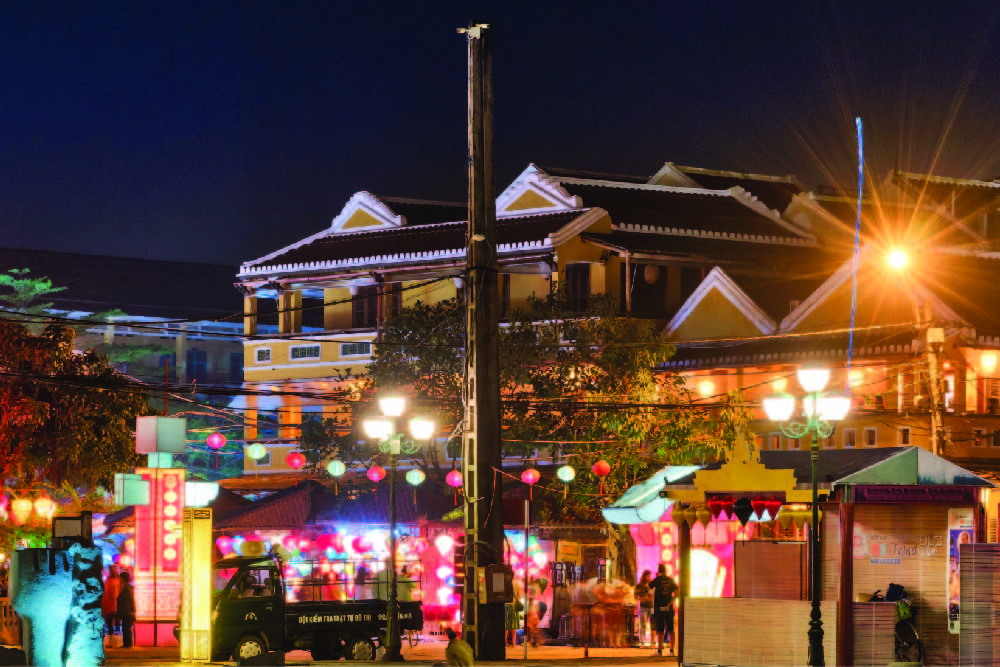
Food is central to Tet, not only as nourishment but as symbolism. During the Lunar New Year, Vietnamese families prepare dishes that represent unity, gratitude, and abundance.
The most iconic Tet food is sticky rice cake. In northern Vietnam, this is banh chung, a square cake wrapped in leaves and filled with pork and mung beans. In southern Vietnam, the cylindrical banh tet is more common. These cakes are often prepared together as a family, sometimes cooked overnight, turning the process into a shared ritual rather than a task.
Braised pork with eggs is another staple, especially in the south. It is rich, slow-cooked, and meant to be eaten over several days, reflecting the idea that the new year should begin calmly without rushing.
Pickled vegetables are always present, balancing heavier dishes and symbolizing harmony. Sweet snacks, candied fruits, seeds, and nuts are placed out for guests and visitors, representing sweetness and good fortune for the year ahead.
For travelers, this means that menus during Tet may be limited but deeply traditional. Some restaurants offer special Tet meals, while others serve simplified versions of festive dishes.
What is open and what is closed during Tet
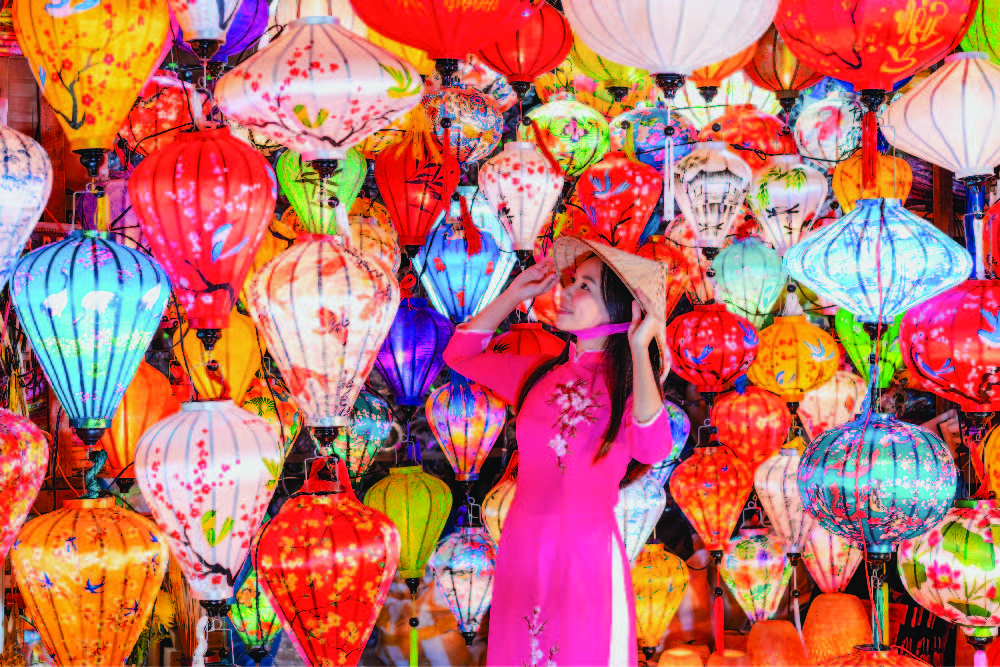
One of the biggest concerns for travelers is what actually operates during Tet.
During the first one to three days of Tet, many local businesses close completely. Small restaurants, family-run shops, tailor stores, and local cafés are often shut. This is especially noticeable in residential neighborhoods and smaller towns.
However, Vietnam does not shut down entirely.
Large hotels remain open and usually operate normally. Tourist attractions such as museums, historical sites, and landmarks often open with reduced hours. International restaurants, convenience stores, and shopping malls in major cities typically stay open, though sometimes at higher prices.
Transportation continues to operate, but flights, trains, and buses can sell out quickly. Booking in advance is essential if you plan to travel during Tet.
For travelers, the key is understanding that Tet is not a time for errands or efficiency. It is a time when access exists, but choice is limited.
How Tet affects transportation and movement
Tet is the largest annual migration in Vietnam. Millions of people travel from major cities back to their hometowns in the days before the holiday.
Just before Tet, outbound travel from cities becomes extremely busy. Airports, train stations, and bus terminals are crowded, and prices rise. After the first few days of Tet, the movement reverses as people return to work.
During Tet itself, city traffic drops dramatically. Streets are quieter, especially in the mornings. This makes walking and cycling more pleasant but also means fewer services are running.
For travelers, this creates a unique situation. Long-distance travel requires planning, while local exploration becomes easier and more peaceful.
Fireworks and public celebrations
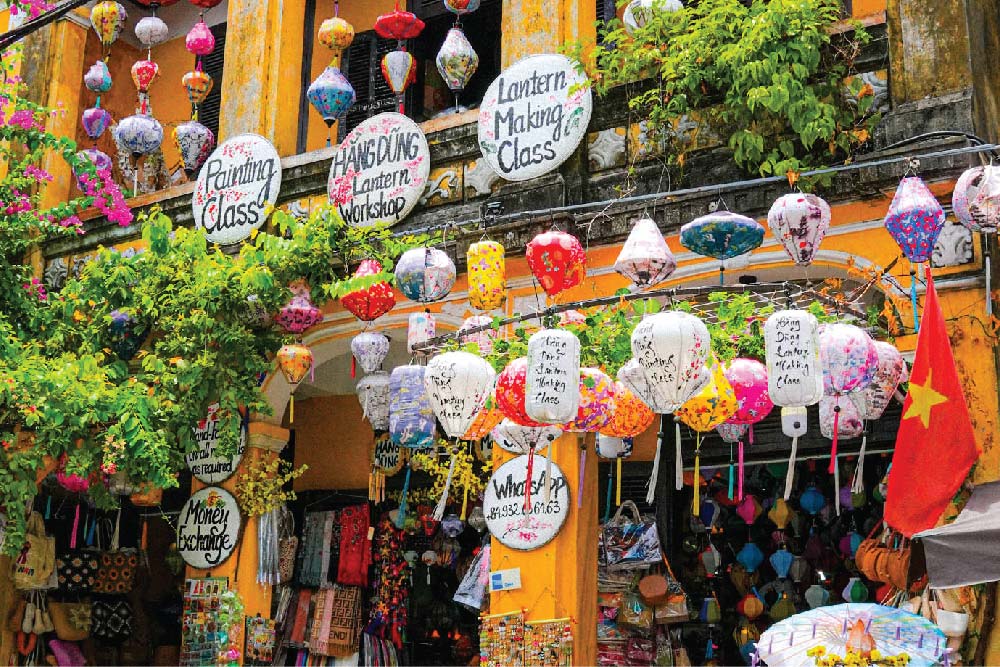
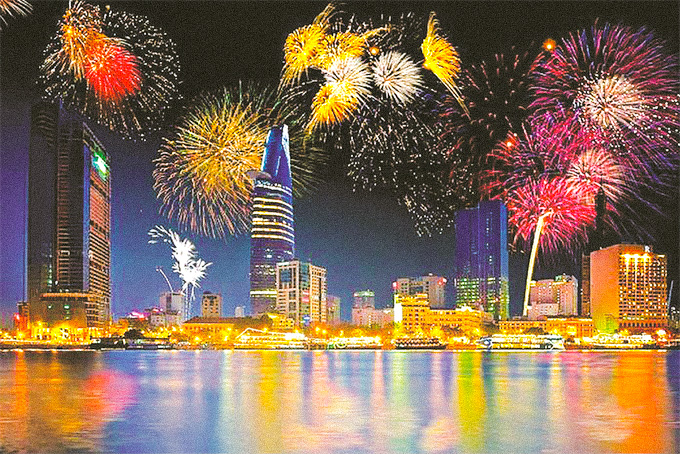
Fireworks are part of Tet, but they are not constant or everywhere.
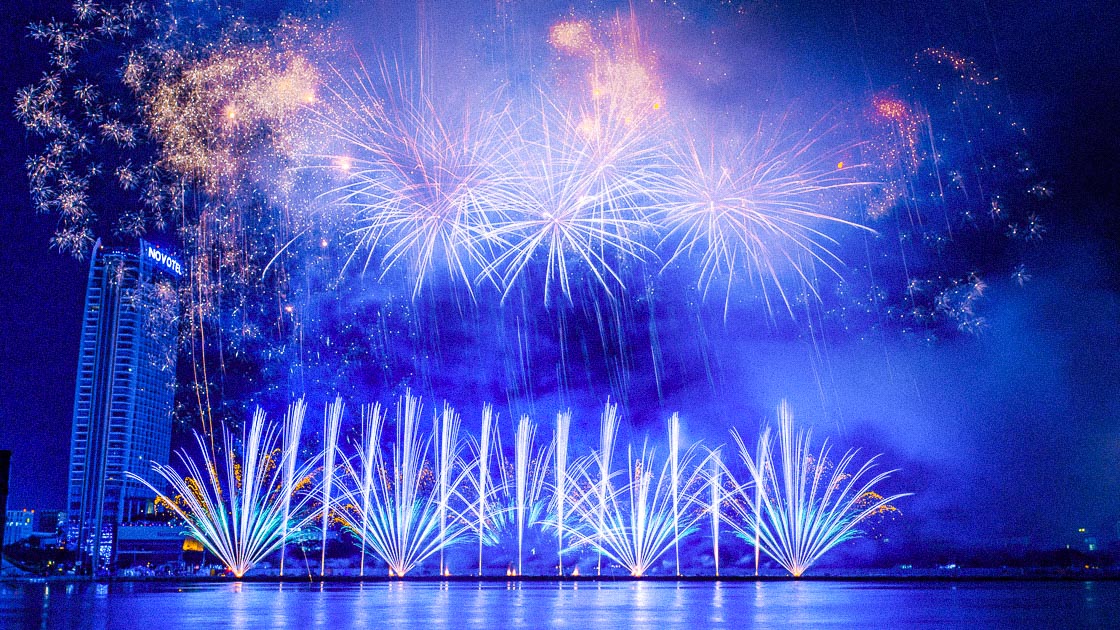
In many cities, fireworks are organized by local authorities at specific locations on New Year’s Eve. These displays are often short but meaningful, symbolizing the transition into the new year and the release of old energy.
Public celebrations also include flower streets, cultural performances, and seasonal displays. These are most visible in major cities and popular tourist areas.
However, Tet is not a festival that unfolds continuously in public spaces. Much of the celebration remains private, taking place in homes and among families.
Travelers who understand this tend to enjoy Tet more than those expecting nonstop events.
Pros of traveling in Vietnam during Tet
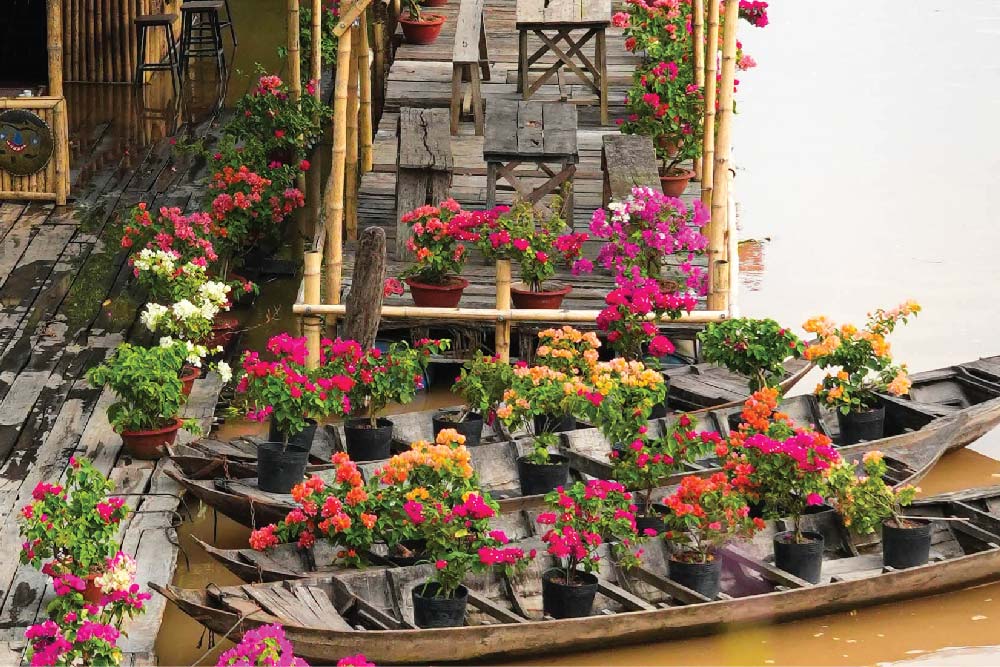
Vietnam during Tet offers several unique advantages for the right type of traveler.
Cities are quieter than usual, especially early in the morning. Streets feel open and calm, creating rare opportunities for photography and slow exploration.
Cultural authenticity is at its peak. You are not seeing a performance for tourists, but real life unfolding during the most important time of the year.
Locals are often more relaxed and open, especially when interacting with respectful visitors. Being present during Tet can lead to memorable, human connections.
For travelers interested in culture, reflection, and atmosphere, Tet can be one of the most meaningful times to visit Vietnam.
Cons of traveling in Vietnam during Tet
Tet also comes with challenges that should not be ignored.
Limited food options can be frustrating, especially for travelers unfamiliar with local customs. Planning meals becomes important.
Transportation is more expensive and less flexible around peak Tet dates. Last-minute travel is difficult.
Many services operate irregularly. Opening hours change without notice, and schedules may not be reliable.
Travelers who prefer structure, variety, and convenience may find Tet stressful rather than enjoyable.
Tips for traveling in Vietnam during Tet
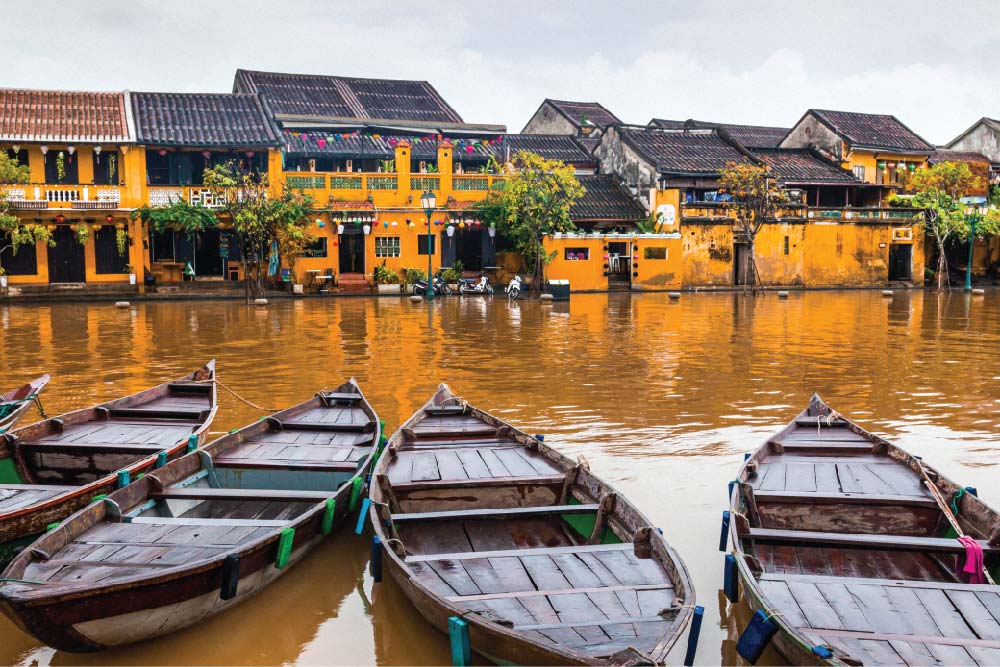
Planning well makes all the difference.
Book accommodation and transportation far in advance. Choose hotels in central areas with reliable services.
Pack patience and flexibility. Expect plans to change and embrace slower days.
Stock up on essentials such as snacks, water, and basic supplies before Tet begins.
Dress respectfully when visiting temples or residential areas. Modest clothing is appreciated.
Learn a few basic Tet greetings. Even simple phrases are warmly received and show cultural respect.
Should you avoid Vietnam during Tet?
Tet is not a time to avoid Vietnam entirely. It is a time to choose Vietnam intentionally.
If your goal is sightseeing efficiency, shopping, or nightlife, Tet may not suit your travel style.
If your goal is understanding culture, observing daily life, and experiencing Vietnam beyond tourism, Tet can be unforgettable.
Vietnam during Tet asks travelers to slow down and observe rather than consume.
Frequently asked questions about Vietnam during Tet
Is everything closed in Vietnam during Tet?
No. Many local businesses close, but hotels, major attractions, and international restaurants usually remain open.
Is Tet a good time for first-time visitors?
It depends on expectations. First-time visitors interested in culture may enjoy Tet, while those wanting convenience may struggle.
Can tourists participate in Tet activities?
Tourists are welcome to observe and sometimes participate when invited, as long as they are respectful.
Is traveling during Tet expensive?
Prices for flights and transport increase around Tet, but accommodation prices remain relatively stable.
Final thoughts on what Vietnam is like during Tet
Vietnam during Tet is not about ticking off attractions. It is about witnessing a society pause, reconnect, and reset.
The country becomes quieter, warmer in spirit, and more reflective. Streets empty, homes fill, and traditions take precedence over routines.
For travelers willing to adjust expectations, Tet offers something rare in modern travel: a chance to see a country not performing for visitors, but living for itself.
That is what Vietnam is like during Tet.