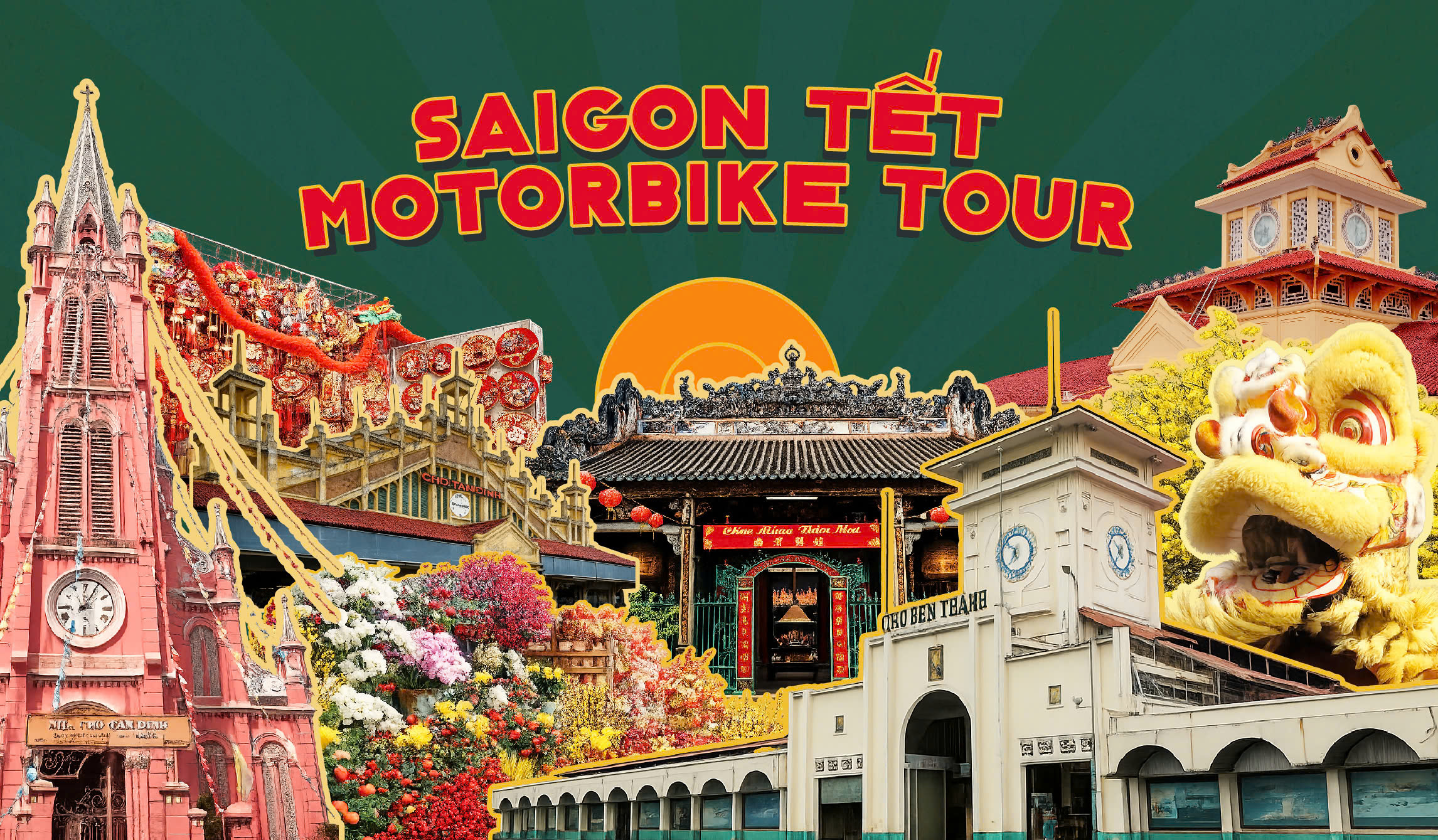
Vietnam’s Lunar New Year, or Tết, has always felt like the soft reset of the universe — a moment when time slows down, colors brighten, old memories resurface and every street corner smells like something cooking. When I think about Tet, I don’t think first of firecrackers, red envelopes or lion dances. I think of food: food that simmers for hours, food wrapped, steamed, grilled, boiled, pounded, shaped and shared, food that appears only once a year but somehow stays in your heart forever.
This isn’t just a guide to what you should try during Lunar New Year; it’s an invitation into kitchens, markets and dining tables across Vietnam. This story takes you on a slow, personal walk into Tet — bowl by bowl, plate by plate — through the dishes that shape the country’s most important holiday. No matter where you come from, Tet food has a way of making you feel at home.
Why Tet food matters so much
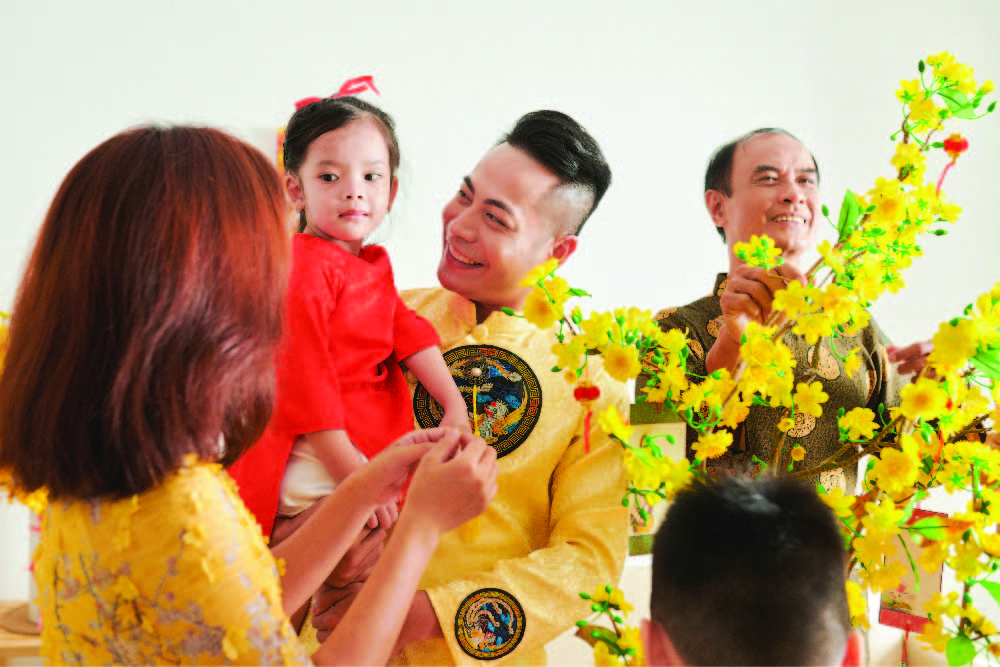
Tet meals go far beyond flavor. They carry memory, symbolism and connection. Each dish sends a wish for the new year: prosperity, luck, family unity, good health, remembrance and gratitude. Every region adds its own accent, yet the emotional weight of the food feels universal. Once you understand that, it becomes easy to see why people talk about Tet food with such tenderness.
The first memory of Tet always starts in the kitchen
Growing up, I never needed a calendar to know Tet was approaching. I simply opened the back door.
The air already felt dense with the scent of banana leaves, fresh bamboo strings soaking in a bucket, trays of sticky rice drying under the sun and family members bustling in and out with ingredients. Voices overlapped, someone chopped pork, someone washed vegetables, someone yelled that we were missing one final ingredient. Tet tasted like chaos long before it tasted like food.
Vietnamese families don’t just cook Tet food — they prepare for it like a ritual. Days go into gathering, washing, wrapping, steaming and slicing. Every generation has a role. Elders supervise, parents handle the heavy lifting and kids wash leaves or count bundles of string. In the middle of it all, laughter and small arguments weave together into the soundtrack of the holiday.
So let’s walk through this culinary landscape, one dish at a time, with the kind of slow attention Tet deserves.
Bánh Chưng and Bánh Tét: The heartbeat of Tet
The first dish I knew before I could even speak was bánh chưng, the iconic square sticky rice cake of northern Vietnam. It never failed to appear. Someone always prepared it and someone always retold the story behind it — the legend of Lang Liêu, the prince who created the humble rice cake to honor the land that fed the people. The square shape represents the earth, the green leaves stand for nature and the sticky rice holds the family together.
Even before you taste it, bánh chưng offers a quiet lesson: unity doesn’t happen by accident; many hands wrap it into existence.
In the south, families turn to bánh tét, a long cylindrical version wrapped in banana leaves and filled with mung beans and pork belly. Some versions stay savory, others turn sweet with bananas or coconut. The range of fillings feels as wide as the personalities of Vietnamese families themselves.
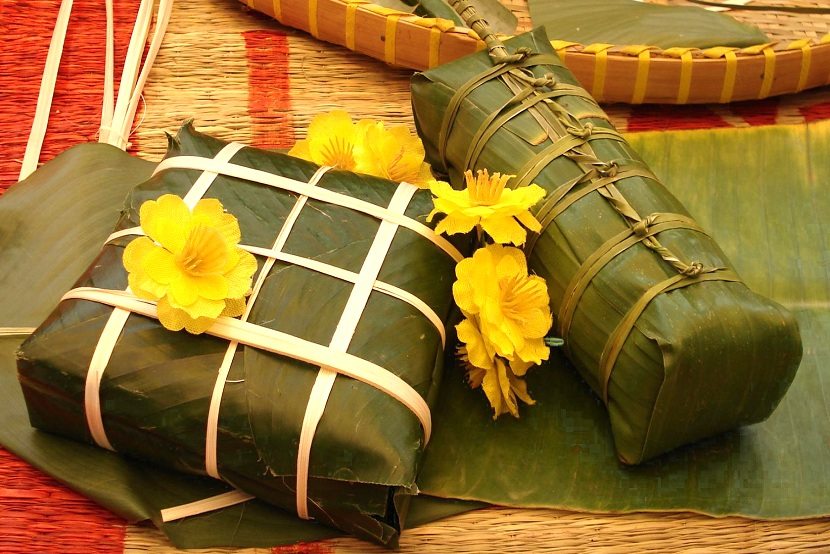
As a child, I loved watching these cakes being wrapped. The adults sat in a circle on woven mats, their fingers moving with the muscle memory of generations. They taught us how to fold the leaves tightly, align the rice and center the pork so the final slice would look beautiful. We kids mostly failed, yet they let us try and then gently reshaped our lopsided cakes.
Then came the long overnight boiling — eight, ten, sometimes twelve hours. The pot simmered like a heartbeat. The fire crackled. Conversations stretched late into the night, drifting from jokes to memories to plans for the coming year, while the whole house smelled of sticky rice and smoke.
Many people focus only on the taste of bánh chưng or bánh tét. They are delicious, of course, but their real power lies in the memories they hold for every Vietnamese family.
When you try them, don’t just take a bite and move on. Ask who made them, how long they boiled and which region’s recipe they follow. Very often, every slice carries a story.
Thịt Kho Tàu: The braised pork that feels like home
If the Tet table had a signature fragrance, many Vietnamese people would choose thịt kho tàu — caramelized pork belly and boiled eggs simmered for hours in coconut water until everything turns golden and tender.
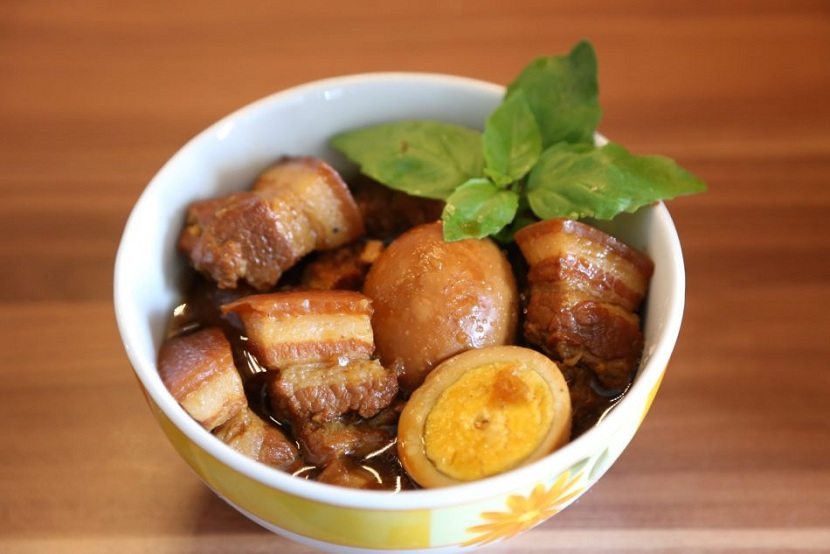
This dish comes mainly from southern households, but its reputation has spread across the country. It is the kind of food that reminds you of childhood even if you didn’t grow up in Vietnam. It tastes like comfort, warmth and the sort of parental love that speaks through a full bowl of rice.
In my home, we always cooked thịt kho tàu in a giant clay pot, the kind you only bring out for holidays or big gatherings. My mother insisted on patience: simmer slowly, don’t rush, let the flavors settle into each other. Coconut water sweetens the broth, pork belly softens until it practically melts and the eggs turn the same deep caramel color until they glow like polished amber.
We eat it with rice, with pickled vegetables, with bánh chưng and even with bánh mì. In practice, we eat it with almost everything.
The dish earns its place at Tet not only for its flavor — though the first spoonful often turns people into lifelong fans — but also for its symbolism. The rich golden broth suggests prosperity. The round eggs stand for completeness and renewal. The tender pork speaks of family unity and resilience.
Every household tweaks the recipe a little. Some cooks lean sweeter, others saltier; some keep the broth clear, others cook it down into a thick sauce. Thịt kho tàu changes to match the family that makes it.
When you taste it during Tet, you’re not just enjoying a stew; you’re meeting a family’s history in a bowl.
Giò Lụa: A slice of Tet tradition
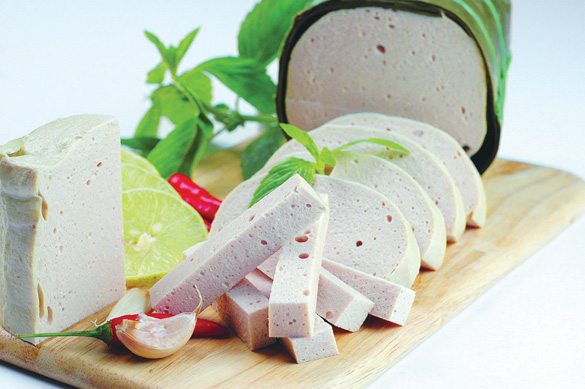
Almost every Tet refrigerator in Vietnam hides at least one roll of giò lụa (Vietnamese pork sausage). Smooth, firm and mild in flavor, wrapped neatly in banana leaves, giò lụa feels like the quiet, reliable friend who turns up at every gathering without demanding attention.
You may have eaten giò lụa in bánh mì or noodle soups before, but the Tet version always feels a little more special. Maybe it’s the way we slice it into perfect rounds, or the way it pairs so seamlessly with bánh chưng and sticky rice. Maybe it simply reminds us of childhood celebrations when we dressed up, cleaned the house and waited for guests.
I still remember the soft plop when someone peeled off the leaves and the roll slid onto a cutting board. Then came the careful slicing: even, elegant, carried out in near silence. Giò lụa doesn’t need a grand entrance; just seeing it on the table already tells you Tet has arrived.
Like many Tet foods, it represents prosperity and abundance. Every slice offered to a guest becomes a small gesture of sharing fortune for the coming year.
When you have the chance, taste it generously, savor the simplicity and notice how it quietly anchors the Tet table.
Dưa Món and Pickled Vegetables: The crunch that completes the feast
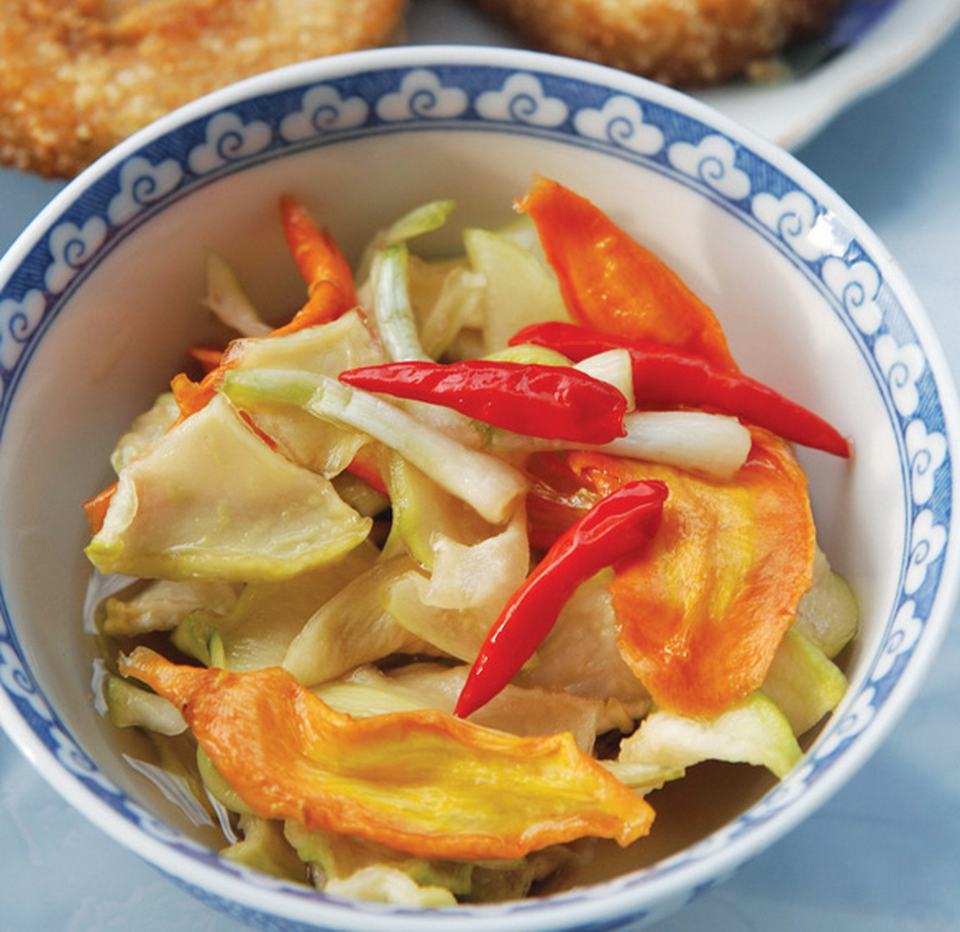
Vietnamese Tet meals often lean rich — sticky rice cakes, braised pork, savory sausages and fatty cuts simmered until tender. After a few bites, your palate starts asking for something bright. That is when dưa món, the pickled vegetable medley, steps in and restores balance.
Cooks dry carrots, daikon, papaya, shallots and sometimes green onions in the sun, then pickle them in sweetened fish sauce or vinegar. Southerners usually prefer a crunchy, sweet version. Central Vietnamese families lean toward saltier or spicier variations. In the north, many households tone down the sweetness and keep the vegetables extra crisp.
My grandmother dried vegetables on enormous bamboo trays for hours under the sun, turning them carefully as if she were tending something fragile. When the vegetables curled slightly at the edges, she declared them “ready,” even though none of us fully understood how she knew.
Dưa món quickly proves how essential it is during Tet feasts. Without it, everything tastes too heavy; with it, each bite suddenly feels refreshed and complete. A spoonful of thịt kho tàu with a little dưa món becomes perfection. A slice of bánh chưng lands on the plate almost automatically next to a small pile of pickles.
Skipping pickled vegetables during Tet would feel like watching fireworks with the sound turned off. You could still enjoy the colors, but you would quietly miss half the experience.
Nem Rán, Chả Giò and the crispy Tet traditions
If one dish always vanishes first at a Tet party, it’s fried spring rolls — nem rán in the north and chả giò in the south.
Tet spring rolls differ from the quick versions you might see in casual restaurants. Families treat them as festival food, packing the filling with minced pork, glass noodles, wood ear mushrooms, vegetables or, in coastal homes, crab and shrimp. Rolling them often turns into a group project.
As a child I helped roll tray after tray. My fingers were clumsy and the rice paper tore often. My mother quietly fixed my mistakes and reminded me that Tet foods should be made with patience and joy. She swore that the spring rolls absorbed the mood of the person rolling them. If I rolled too angrily, they would burst in the oil; if I rolled too lazily, they would taste bland. I believed her completely and tried to roll each one with a calmer heart.
During Tet gatherings, the sound of spring rolls frying is unmistakable — that steady sizzle that tells everyone the feast is about to begin. When you bite into one, the wrapper crackles and releases a wave of steam and aroma.
Every family protects a dipping sauce recipe they claim beats all others. Try as many as people offer. Even the sauces that don’t quite work still taste magical during Tet because they carry pride and tradition in every spoonful.
Xôi: Sticky rice in its many festive forms
Few foods feel as versatile and symbolic as xôi, or sticky rice. All year long, Vietnam enjoys sticky rice in countless variations, and during Tet it becomes a foundation that quietly supports everything else on the table.
Many families love xôi gấc, the bright red sticky rice colored by gac fruit. The red color symbolizes luck, happiness and new beginnings. As a child, I thought this dish looked like it had stepped straight out of a celebration — glowing, festive and slightly sweet.
Tet, however, never limits itself to a single style of sticky rice. In different homes you might find green sticky rice with mung beans, peanut sticky rice, coconut sticky rice or versions topped with sesame salt, fried shallots or sweetened beans. In some regions, cooks steam xôi in bamboo tubes; in others, they wrap it in palm leaves for extra fragrance.
If bánh chưng forms Tet’s heart, xôi acts as Tet’s gentle soul. It adapts, supports other dishes and fills the table with warmth and color. You shouldn’t rush through it. Sticky rice rewards slow eating, with small bites that mix easily with mouthfuls of braised pork, pickles or sausage.
Mứt Tết: The sweet welcome for every visitor
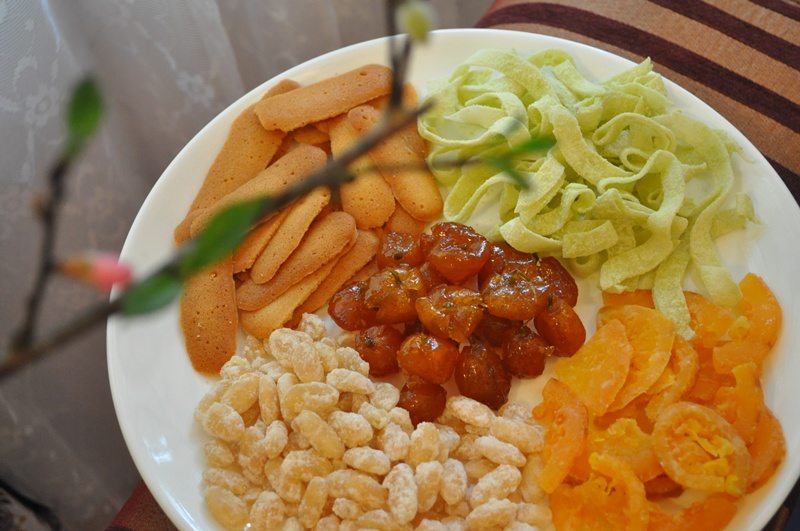
Tet is the season of hospitality, and mứt Tết — assorted candied fruits and nuts — plays the role of official welcome. Almost every home sets out plates of mứt in decorative jars, arranged like edible jewels beside the tea set.
The list of types never really ends, but several classics appear again and again: coconut ribbons, lotus seeds, ginger slices, kumquat peel, peanut brittles, candied tamarind, pineapple flowers and sweetened dried papaya. Textures and sweetness levels vary, and each treat carries a symbolic wish for the coming year, from longevity and warmth to good fortune and family harmony.
Candied ginger always won my heart — fiery, sweet and wonderfully warm on the tongue. My cousins reached first for colorful coconut ribbons that looked like pastel confetti. Older relatives almost always chose lotus seeds and swore they kept the mind calm and focused.
Tet visiting rituals follow a familiar rhythm. You walk in, wish the family a happy new year, accept a cup of tea and a plate of mứt, share a few stories and only then move on to the heavier dishes.
Trying mứt Tết isn’t only about taste. Each piece represents a tiny act of generosity and welcome, and you become part of that ritual with every bite.
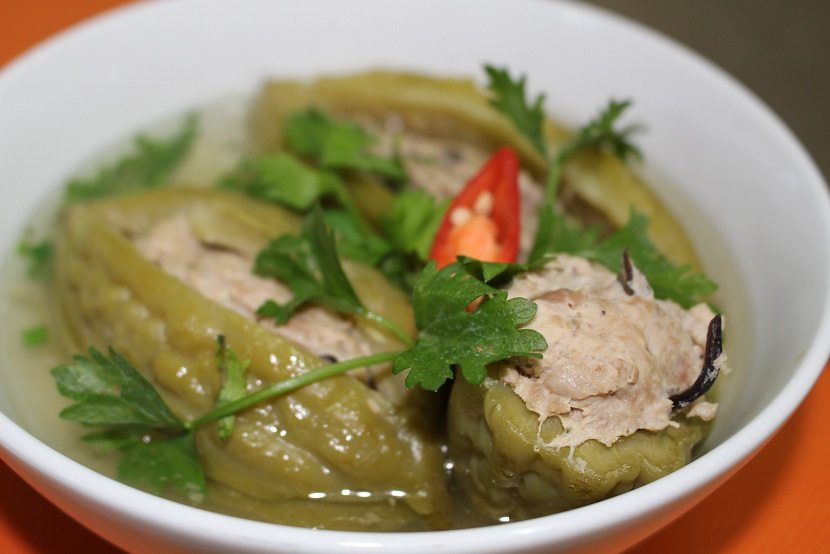
Canh Khổ Qua: The bitter melon soup that symbolizes letting go
If you’re new to Vietnamese culture, bitter melon soup — canh khổ qua — might puzzle you at first. Why choose bitterness during a celebration that should feel joyful?
The answer hides in the name. In Vietnamese, khổ qua means “the hardship has passed.” The bitter flavor represents last year’s difficulties, and eating the soup becomes a promise to leave them behind.
Cooks stuff bitter melon with ground pork and mushrooms, then simmer the pieces until they soften but still keep a slight bite. A clear, light broth surrounds them, fragrant yet simple, and the soup offers a refreshing contrast to rich Tet dishes.
As a child, I pushed the bowl away whenever I could. It seemed too bitter, too adult, too serious. Over time, though, I started to recognize the beauty behind it. The bitterness didn’t punish anyone; it told the truth. Life isn’t always sweet, and Tet acknowledges that reality while still offering hope.
The first time I truly enjoyed canh khổ qua, I realized adulthood had slipped in quietly. I had learned to appreciate a dish that asked me to taste both hardship and release in the same spoonful.
Chè Trôi Nước: The floating dessert with wishes for a smooth year
At the opposite end of the flavor spectrum sits chè trôi nước, a warm dessert of glutinous rice balls filled with sweet mung bean paste, floating gently in a ginger-scented syrup.
Soft, round and comforting, this dessert appears at many festive occasions, including Tet and important family ceremonies. Its symbolism feels gentle but strong. The round dumplings suggest unity and completeness. Their smooth floating motion hints that the new year will glide forward without too many bumps. The sweet syrup adds a wish for harmony and kindness in the months ahead.
The first spoonful always feels like the best one — soft, warm and soothing in a way few desserts can match. On a cool Tet evening, holding a bowl of chè trôi nước feels like holding a small, edible blessing.
The markets where Tet truly lives
Talking about Tet food without mentioning Tet markets would leave the story unfinished. Markets are where Tet breathes — where early morning chaos mixes with laughter, bargaining and the scent of fresh vegetables, flowers, herbs and pork delivered in giant bundles.
My family visited the market every year in the week before Tet. Walking through it felt like stepping into a living festival. Sticky rice, banana leaves, fresh coconut, spices, whole chickens, dried seafood, sausages, candied fruits and stacks of green onions filled every corner. Everywhere you looked, someone weighed, wrapped or negotiated something.
If you want to experience Tet food authentically, spend time in a local market. Watch grandmothers select the perfect sticky rice. Watch vendors tie banana-leaf bundles with magician-level speed. Watch families debate which cut of pork belly will cook best for thịt kho tàu. In just one lap you can see how food, culture and preparation weave together.
Tet food doesn’t really begin in the kitchen. In many ways, it begins here, in the noise and color of the market, where tradition meets daily life and the new year quietly starts to unfold.
Tet Food and family: Why Vietnamese cuisine is never just about eating
One of the most beautiful parts of Vietnamese culture lies in the way food carries more than flavor. It becomes memory, connection, identity, storytelling, teaching and love, all at once.
Every Tet dish in this story carries symbolic meaning, a regional personality, a bundle of family memories, a preparation ritual and a cultural purpose that stretches beyond simple nourishment. Eating Tet food turns into a way of honoring the past and welcoming the future at the same time.
When you sit at a Tet table, you don’t just taste flavors. You taste history. You taste the patience of grandmothers, the pride of fathers, the laughter of siblings, the creativity of cousins and the effort of everyone who contributed. Vietnamese Tet food fills your stomach, but it also quietly reminds you who you belong with.
So, What Tet foods should you try?
The honest answer is simple: try as many as you can. Even more importantly, try everything slowly. Ask questions. Share stories. Taste with curiosity instead of rushing from one plate to the next.
Tet food doesn’t exist to impress you with complexity or luxury. It exists to include you, to invite you into a circle of family, memory and hope for the year ahead.
Once you’ve tasted Tet the Vietnamese way — bowl by bowl, plate by plate, moment by moment — you’ll understand why this holiday holds such an emotional place in the hearts of Vietnamese people around the world.