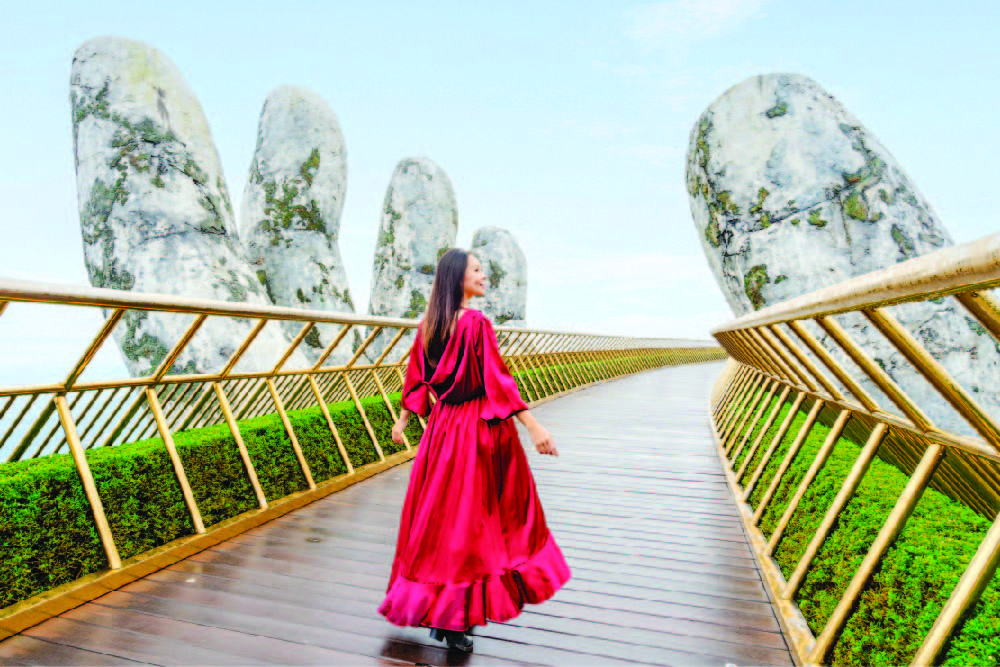
When Travel + Leisure released its annual ranking of the 25 best countries for solo travelers, Vietnam’s place in the top five felt inevitable to seasoned travelers. Yet for many first-time visitors, the recognition still invites curiosity. How does Vietnam stand alongside countries like Iceland, Germany, or New Zealand—destinations often praised for infrastructure, order, and safety—while offering a completely different cultural rhythm?
The answer is not found in a single attraction or headline experience. Vietnam’s strength as a solo-travel destination lies in how the country supports independence without isolation. It allows travelers to move freely, explore deeply, and feel safe, while still remaining emotionally connected to the places and people they encounter. Vietnam does not ask solo travelers to constantly perform confidence or sociability. Instead, it meets them where they are.
From quiet mornings around Hoan Kiem Lake to lantern-lit evenings in Hoi An, from limestone bays that invite silence to cities that never seem to sleep, Vietnam offers a rare balance. It is a country where traveling alone feels natural, unforced, and deeply rewarding.
This article explores why Vietnam continues to rise as a top solo-travel destination, how its regions offer different solo experiences, and what travelers can realistically expect when navigating the country on their own.
The global rise of solo travel and Vietnam’s natural fit
Solo travel has shifted dramatically over the past decade. What was once associated with backpacking or transitional life phases has evolved into a deliberate, long-term travel style. Today’s solo travelers include remote workers, creative professionals, retirees, first-time international explorers, and people seeking cultural immersion rather than curated experiences.
Travel + Leisure highlights that modern solo travelers increasingly prioritize freedom, flexibility, and authenticity over convenience alone. They look for destinations that feel safe but not sterile, social but not overwhelming, structured yet adaptable. Vietnam aligns with these values almost effortlessly.
Unlike destinations designed primarily around tourism infrastructure, Vietnam still operates first and foremost for its residents. Street food stalls serve locals long before they serve visitors. Markets sell daily necessities, not souvenirs. Buses, trains, cafés, temples, and riverside paths exist as part of everyday life. Solo travelers do not need to “enter” the experience; they simply step into it.
This sense of belonging without obligation makes Vietnam particularly appealing. You can join local rhythms when you want connection, and retreat into solitude when you need space. The country does not pressure you to choose one or the other.
Safety as a foundation, not a selling point
Safety is often the first concern for solo travelers, and Vietnam performs strongly in this regard. Violent crime against tourists is rare, and most issues travelers encounter involve minor inconveniences such as pickpocketing in crowded areas or misunderstandings around pricing in tourist zones.
What makes Vietnam feel safe, however, is not heavy policing or rigid control. It is the country’s constant social presence. Streets are alive from early morning until late at night. Families eat together on sidewalks. Vendors stay open well past sunset. Cafés, food stalls, and convenience shops create a continuous sense of activity.
For solo travelers, especially those walking alone at night, this visibility matters. Central districts of Hanoi, Hoi An, Da Nang, and Ho Chi Minh City rarely feel deserted. Even in quieter neighborhoods, you are seldom far from people living their everyday lives.
This environment fosters a sense of comfort that goes beyond statistics. You are not isolated, yet you are not watched. You are simply part of the scene.
Hospitality without pressure: Vietnam’s human advantage
One of the most understated reasons Vietnam excels for solo travelers is the nature of its hospitality. Vietnamese friendliness tends to be observant rather than intrusive. Locals rarely force conversation, but when interaction happens, it feels genuine.
A street vendor might ask where you are from out of curiosity, not salesmanship. A café owner might suggest a nearby dish without expectation. A local family might smile, gesture, or exchange a few words even if language is limited.
For solo travelers, these moments are powerful because they offer connection without obligation. You are free to engage or decline without social friction. Unlike destinations where solo travelers feel pressured to join group activities or constantly socialize, Vietnam allows independence to exist comfortably alongside warmth.
This balance is especially important for long-term solo travelers, who often seek emotional sustainability rather than constant stimulation.
Hanoi: A city built for slow, independent exploration
Hanoi consistently appears in solo-travel recommendations, and for good reason. The city rewards curiosity rather than speed. It invites wandering without demanding a plan.
The Old Quarter, highlighted by Travel + Leisure, functions like a living museum. Streets shift character every few meters. One alley sells spices, another motorbike parts, another steaming bowls of noodle soup. Solo travelers thrive here because exploration feels intuitive. You follow your senses rather than a checklist.
Hoan Kiem Lake anchors the city emotionally. Early mornings bring joggers, elderly couples, and quiet conversations. Later in the day, the lake becomes a reflective pause between bustling streets. Sitting alone here never feels awkward. It feels expected.
Hanoi’s café culture also supports solo travel exceptionally well. Cafés are designed for lingering. You can sit alone with a coffee for hours without being rushed. In winter months, Hanoi’s cooler temperatures enhance this introspective atmosphere, making solo travel feel contemplative rather than lonely.
Museums, pagodas, and historical sites are well suited to independent pacing. You can spend as long or as little time as you wish without coordinating with others.
Hoi An: Where solitude feels natural
Hoi An Ancient Town offers a different kind of solo-travel experience. If Hanoi encourages exploration, Hoi An encourages presence.
The town’s compact layout and limited traffic make movement effortless. Streets invite slow walking. Cafés face rivers instead of roads. Time feels less structured here, which appeals to solo travelers seeking rest rather than momentum.
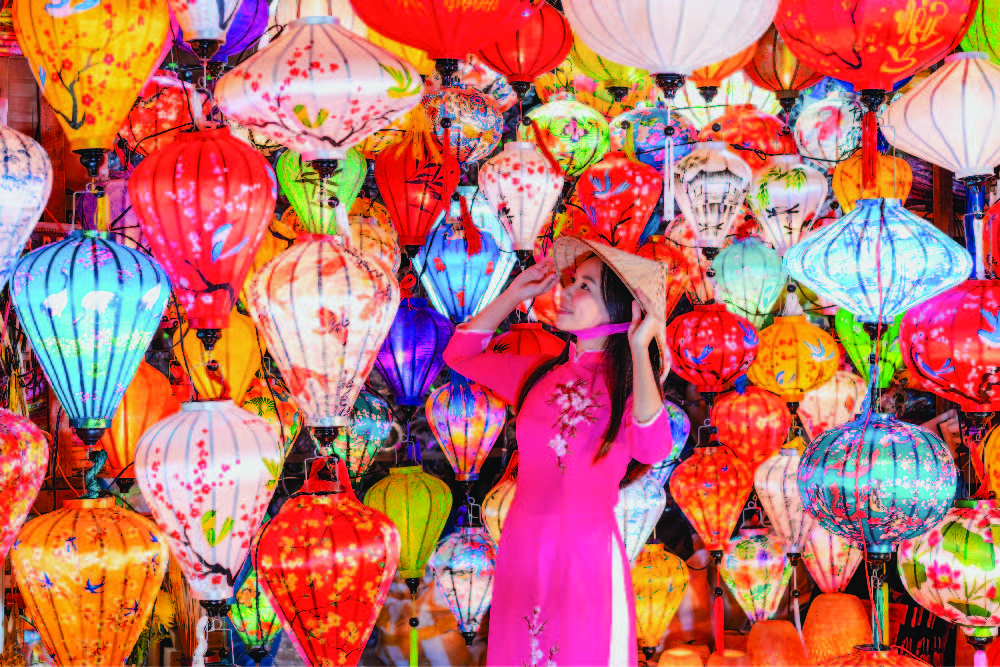
Lantern evenings, especially during the full moon, transform Hoi An into a meditative space. Walking alone along the Thu Bon River under soft light feels peaceful, not isolating. The town’s safety, predictability, and gentle energy make solo travel feel emotionally grounding.
Hoi An also excels in experiences that naturally suit solo travelers. Cooking classes welcome individuals without awkwardness. Tailoring requires no companion. Cycling into the countryside feels intuitive and safe.
Many solo travelers find that Hoi An becomes a place to pause rather than progress. It encourages reflection, writing, reading, and quiet observation.
Limestone bays and the power of solitude
Travel + Leisure highlights Bai Tu Long Bay for its jade-blue waters and calmer atmosphere. For solo travelers, this distinction matters greatly.
While Ha Long Bay attracts large cruise groups, Bai Tu Long Bay offers smaller boats, fewer routes, and more silence. Overnight cruises here provide rare moments of solitude, especially early in the morning when mist lifts from the water and decks remain quiet.
Even when shared with other travelers, the experience feels personal rather than socialized by design. No one expects conversation. Silence becomes part of the journey.
This ability to offer shared space without forced interaction is one of Vietnam’s greatest solo-travel strengths.
Son Doong cave and structured independence
Son Doong Cave represents a different solo-travel appeal. Although access requires guided expeditions, the experience itself feels deeply individual.
Inside the cave, scale dominates. Conversation fades. Light filters through collapsed ceilings. Rivers cut through stone. Even surrounded by a group, travelers often feel profoundly alone in the best sense—present, small, and focused.
Vietnam’s ability to combine structured safety with emotional independence allows solo travelers to access extraordinary environments without sacrificing autonomy.
Ho Chi Minh City: Energy that supports independence
Ho Chi Minh City contrasts sharply with Hanoi’s introspection. It is fast, vibrant, and forward-moving. For solo travelers, this energy can feel liberating rather than overwhelming.

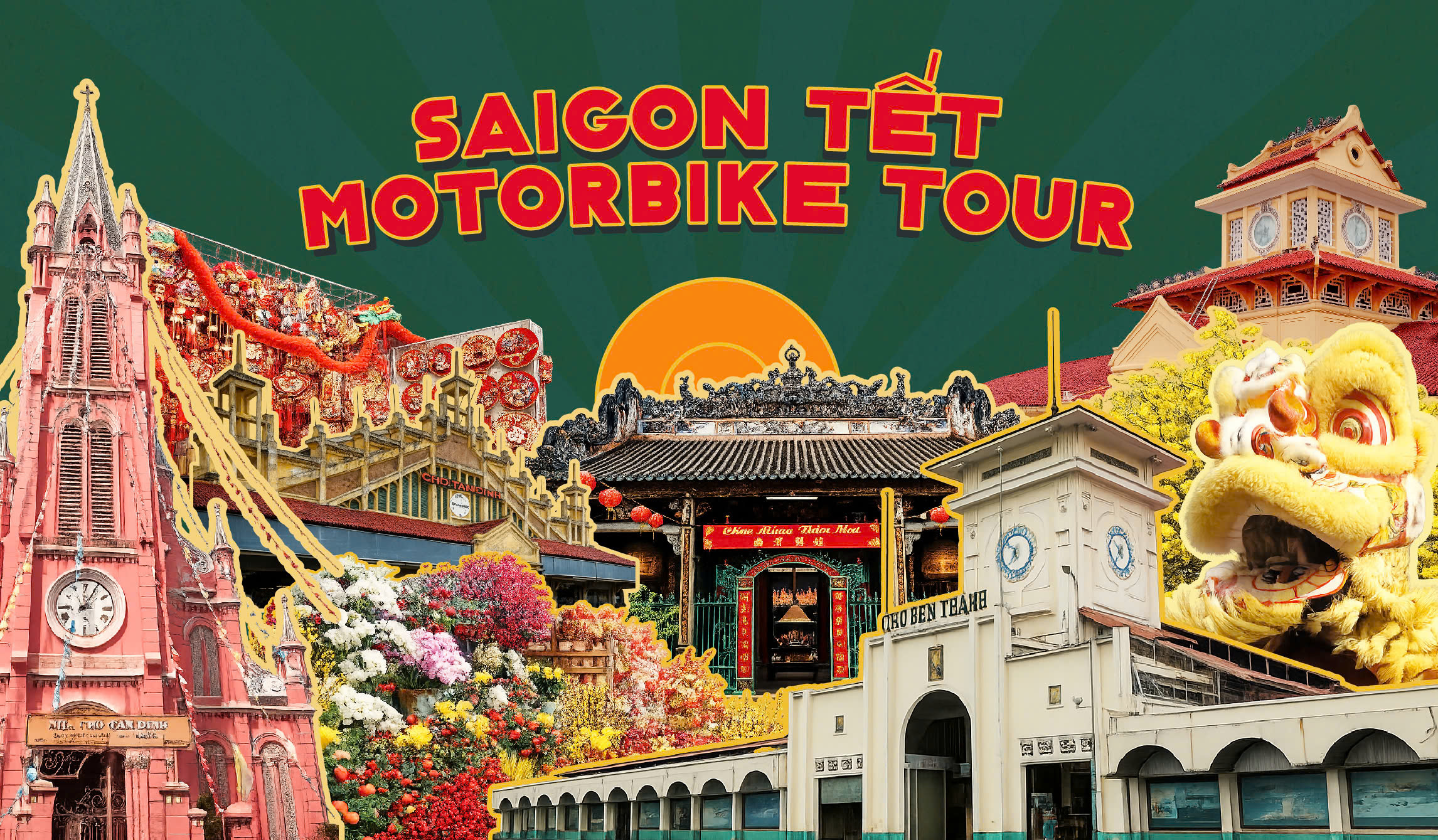
District 1’s walkable core, Ben Thanh Market, and extensive café culture create endless opportunities for exploration without planning. Eating alone is normal. Sitting alone is unremarkable. Movement without purpose feels acceptable.
Museums such as the War Remnants Museum or Independence Palace offer depth and reflection that balance the city’s modern pace. Meanwhile, the Cu Chi Tunnels provide a structured historical experience that remains accessible from the city.
Ho Chi Minh City suits solo travelers who enjoy motion, spontaneity, and urban rhythm. Solitude here blends seamlessly into daily life.
Transportation in Vietnam: Freedom Without Friction
One of the quiet reasons Vietnam performs so well for solo travelers is how easy it is to move independently. Transportation rarely becomes a barrier, even for first-time visitors. Instead, it functions as an extension of the travel experience itself.
Domestic flights connect major cities quickly and affordably. Routes between Hanoi, Da Nang, Ho Chi Minh City, Hue, Nha Trang, Phu Quoc, and Can Tho run frequently, making it easy to change plans or design a flexible itinerary. Prices remain accessible, even when booked on short notice, which encourages spontaneous decisions rather than rigid planning.
For travelers who prefer slower movement, Vietnam’s railway system offers one of Southeast Asia’s most scenic journeys. The Reunification Express, running between Hanoi and Ho Chi Minh City, passes through coastal landscapes, rural towns, and historic cities. Solo travelers often appreciate train travel because it provides personal space while still offering opportunities for quiet observation and occasional conversation.
Overnight buses fill the gaps between destinations not served by rail. While comfort varies by operator, sleeper buses remain affordable and widely available. For solo travelers, these buses remove the need to coordinate schedules with others and allow overnight travel without sacrificing daytime exploration.
Within cities, ride-hailing apps like Grab have transformed solo mobility. Language barriers become less intimidating when destinations are entered digitally. Pricing remains transparent. Solo travelers can move confidently without negotiating or relying on local assistance unless they choose to.
Transportation in Vietnam rarely requires group coordination, advance booking stress, or complex logistics. This ease of movement supports one of the core values of solo travel: autonomy.
Affordability and the Luxury of Time
Vietnam’s affordability is not simply about saving money. For solo travelers, it offers something far more valuable: time.
When accommodation, food, transportation, and daily expenses remain manageable, travelers feel less pressure to rush. Stays become longer. Schedules loosen. Exploration deepens.
Solo travelers often discover that Vietnam allows them to slow down in ways more expensive destinations do not. You can stay an extra week in Hanoi without financial strain, or follow a recommendation from another traveler without worrying about cost. You can change cities on a whim.
Accommodation options range from budget hostels to boutique hotels and long-stay apartments. Solo travelers are not forced into shared spaces if they want privacy, nor are they priced out of comfort. Even private rooms remain affordable across much of the country.
Food affordability further reinforces this freedom. Eating well does not require planning or splurging. A bowl of pho, a plate of cơm tấm, or a fresh bánh mì costs little but delivers cultural immersion and satisfaction. Dining alone feels natural and cost-effective rather than isolating.
Affordability also reduces emotional stress. When daily costs remain low, solo travelers feel safer experimenting, exploring unfamiliar neighborhoods, and extending journeys beyond initial plans.
Eating alone in Vietnam: A cultural advantage
In many parts of the world, dining alone carries a social weight. In Vietnam, it does not.
Street food culture normalizes solo eating. Small plastic stools, shared tables, and open kitchens create an environment where individual diners blend naturally into the scene. No one questions why you are alone. No one rushes you. Eating becomes a personal ritual rather than a social performance.
This cultural ease removes one of the most common anxieties solo travelers face. You can eat when you want, where you want, without explanation.
Vietnamese cuisine also supports solo dining because meals are often complete in themselves. A bowl of pho, bún bò Huế, hủ tiếu, or mì Quảng needs no sharing to feel satisfying. Coffee culture reinforces this comfort. Cafés welcome individuals who linger with notebooks, laptops, or simply their thoughts.
For many solo travelers, food becomes a daily anchor. It structures the day gently without imposing schedules or expectations.
Meeting people without trying too hard
Vietnam excels at allowing connection to happen naturally.
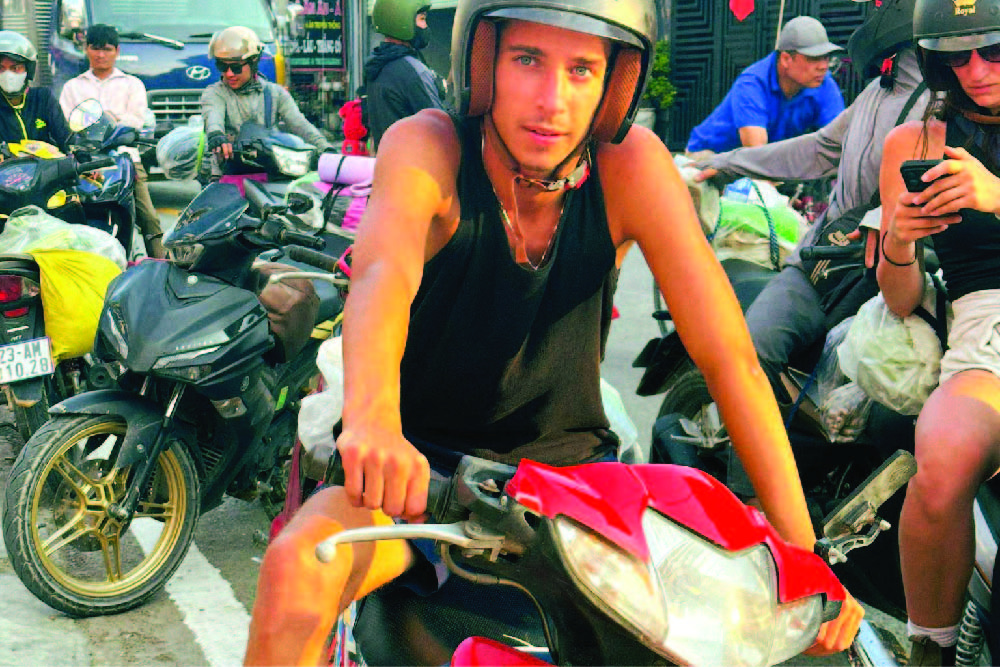
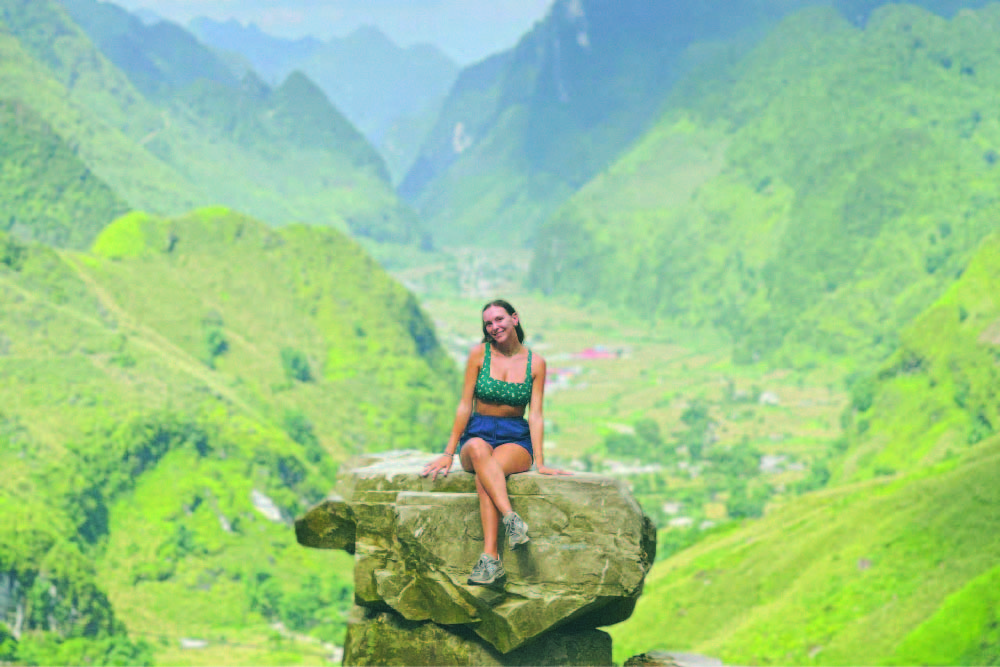
Solo travelers who want social interaction find it easily through hostels, cooking classes, small-group tours, and shared transport routes. Motorbike loops in places like Ha Giang or coastal routes near Da Nang organically bring travelers together without forced bonding.
At the same time, Vietnam respects solitude. You can spend days without meaningful interaction and still feel comfortable. This flexibility makes Vietnam especially appealing for travelers who value independence but still want the option to connect.
Unlike destinations where solo travelers feel pressured to constantly socialize, Vietnam allows relationships to develop slowly, often through repeated encounters in cafés, guesthouses, or neighborhood streets.
Cultural depth without intimidation
Vietnam’s history and culture run deep, yet they rarely feel inaccessible to solo travelers. Museums, temples, historical sites, and war memorials offer context without requiring guided interpretation.
You can walk through the Imperial City in Hue alone, absorbing the scale and silence at your own pace, all while explore the War Remnants Museum in Ho Chi Minh City without feeling rushed or socially constrained. You can sit quietly in a pagoda, observing daily rituals without intrusion.

Vietnamese culture allows observation without participation. Solo travelers are not expected to perform understanding or engagement. Curiosity is welcomed, but distance is respected.
This cultural openness encourages reflection rather than consumption.
Vietnam compared to other top solo travel destinations
Countries like Iceland, Germany, the Netherlands, New Zealand, and Norway excel in infrastructure, safety, and order. Vietnam offers something different.
Where European destinations often feel efficient and predictable, Vietnam feels organic and human. Where high-income countries prioritize regulation, Vietnam prioritizes adaptability.
Vietnam allows solo travelers to witness daily life rather than curated experiences. You sit among locals rather than behind glass. You hear conversations, smell kitchens, and watch routines unfold.
This emotional accessibility distinguishes Vietnam from other top-ranked solo destinations. It offers meaning without demanding interpretation.
Why Vietnam continues to rise in solo travel rankings
Vietnam’s placement in Travel + Leisure’s top five is not driven by trend alone. It reflects a destination that intuitively supports how people want to travel today.
Vietnam offers independence without loneliness, safety without rigidity, affordability without compromise, and cultural depth without intimidation.
It adapts to the traveler rather than asking the traveler to adapt to it.
This flexibility allows Vietnam to welcome first-time solo travelers and experienced explorers alike. It supports short visits and long stays. It rewards curiosity without punishing hesitation.
For many, Vietnam becomes more than a destination. It becomes a place where solo travel feels sustainable.
Frequently Asked Questions About Solo Travel in Vietnam
Is Vietnam safe for solo travelers?
Yes. Vietnam is widely considered one of the safest countries in Southeast Asia for solo travelers. Violent crime is rare, and most issues involve minor theft in crowded areas.
Is Vietnam suitable for first-time solo travelers?
Very much so. Vietnam is affordable, easy to navigate, and well-developed for tourism, making it ideal for first-time solo travel.
Can you travel Vietnam alone without speaking Vietnamese?
Yes. English is commonly spoken in tourist areas, hotels, transport services, and cafés. Translation apps are usually sufficient for daily interactions.
Is Vietnam good for solo female travelers?
Yes. Vietnam is popular with solo female travelers thanks to its safety, respectful culture, and visible community life.
How easy is transportation for solo travelers?
Transportation is simple and affordable. Flights, trains, buses, and ride-hailing apps make independent travel straightforward.
Is Vietnam affordable for long-term solo travel?
Yes. Low daily costs make Vietnam one of the best destinations for extended solo travel.
Which cities are best for solo travelers?
Hanoi, Ho Chi Minh City, Hoi An, Da Nang, Hue, and Phu Quoc are especially solo-friendly.
Is it easy to meet other travelers?
Yes. Hostels, group tours, cooking classes, and shared routes create natural social opportunities.
Do solo travelers need travel insurance?
Yes. Travel insurance is recommended for medical care, activities, and unexpected disruptions.