When adventure travelers search for Vietnam’s most spectacular motorbike journey, the Ha Giang loop consistently tops every list. This legendary route through the country’s northernmost province weaves through some of the most dramatic mountain landscapes in Southeast Asia, passing ethnic minority villages that seem suspended in time, climbing roads that hug cliff edges with heart-stopping drops, and revealing panoramas that make you stop your bike to absorb the immensity of the scenery.
As someone who has guided countless travelers through the twists and turns of the Ha Giang loop, I can tell you this journey delivers experiences that transform the way you think about Vietnam. Most visitors picture this country as a land of beaches, rice paddies, and ancient cities. The Ha Giang loop reveals an entirely different Vietnam, one of soaring limestone peaks, deep valleys carved by rivers, terraced fields clinging impossibly to mountainsides, and communities whose traditional ways of life continue essentially unchanged despite the modern world encroaching elsewhere.
Why the Ha Giang loop is Vietnam’s ultimate adventure
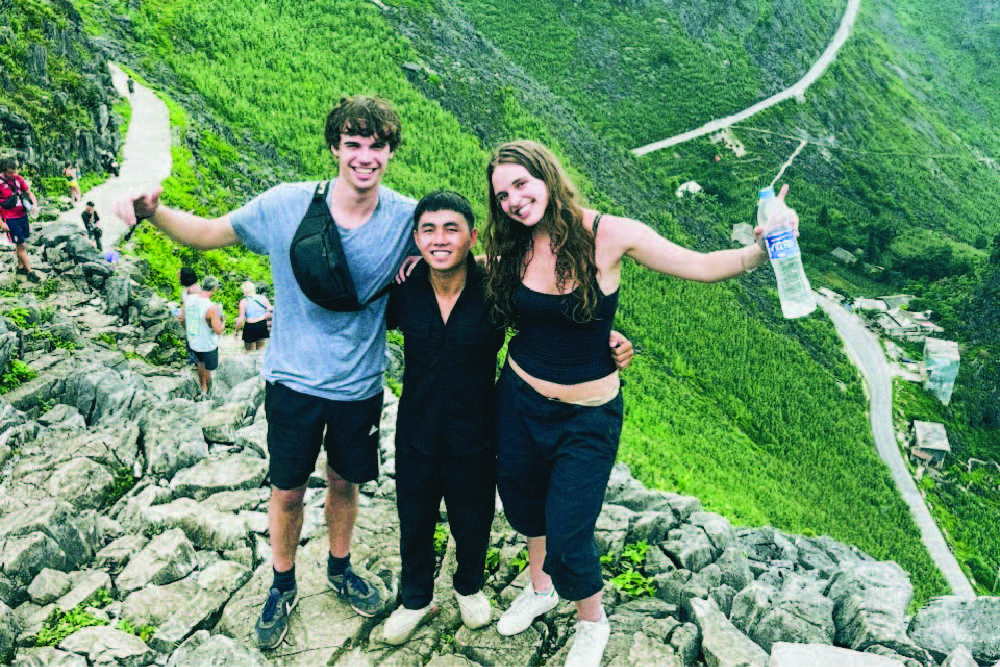
The Ha Giang loop has earned its reputation as one of the world’s great motorcycle journeys for reasons that become clear within the first hour of riding. This is not just another scenic road. It is a multi-day adventure that tests your riding skills, rewards you with overwhelming natural beauty, and connects you with cultures that most travelers never encounter.
Experience dramatic karst mountains on the Ha Giang loop.
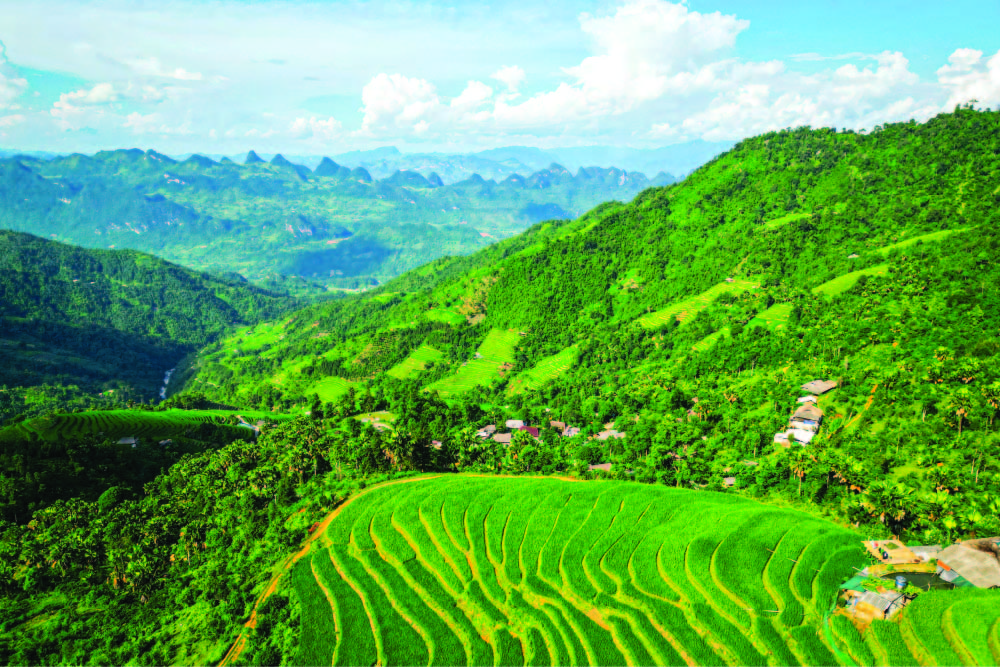
The dramatic mountain scenery along the Ha Giang loop rivals that of anywhere in Southeast Asia. The karst limestone formations that define the landscape rise dramatically, their vertical faces covered in jungle vegetation. These mountains do not slope gently. They rise abruptly from valleys, creating the kind of vertical relief that makes you crane your neck upward in disbelief.
The Ma Pi Leng Pass, often called the King of Passes in Vietnam, showcases this landscape at its most spectacular. The road clings to a cliff face hundreds of meters above the Nho Que River, offering panoramas that extend across multiple mountain ranges into the hazy distance. On clear days, you can see into China to the north. Even on cloudy days, when mist swirls through the valleys, the scenery takes on an ethereal quality that is equally mesmerizing.
Discover authentic ethnic minority cultures on the Ha Giang loop.
Ethnic minority cultures throughout the Ha Giang loop region maintain traditions and lifestyles that have changed little over centuries. The province is home to more than twenty ethnic groups, including the Hmong, Tay, Dao, Lo Lo, and Pu Peo. Each group has distinctive clothing, language, customs, and architecture. When you ride the Ha Giang loop, you pass through villages where these communities continue their agricultural traditions, celebrate their festivals, and practice their spiritual beliefs.
The Sunday market in Dong Van brings together people from surrounding mountains who walk hours to trade goods, socialize, and arrange marriages. Watching elderly Hmong women in their intricately embroidered indigo clothing negotiate over livestock or textiles provides glimpses into economic systems that predate modern commerce. These are not cultural performances for tourists. This is real life continuing as it has for generations.
Challenge your riding skills on the Ha Giang loop.
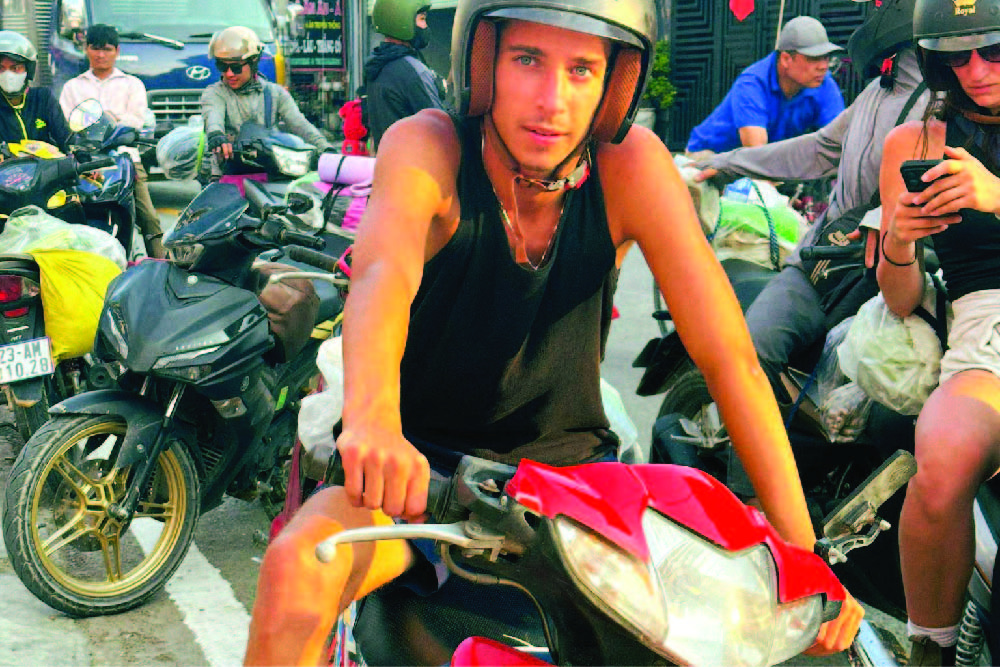
The riding challenge attracts motorcyclists seeking to test their skills on demanding roads. The Ha Giang loop includes everything from smooth, sweeping curves where you can lean into turns at speed to technical sections with tight switchbacks that require careful throttle control and precise line selection. Some sections have excellent pavement, while others have deteriorated into potholed nightmares that demand constant vigilance.
Weather adds another variable to the riding experience. Fog can reduce visibility to meters in minutes. Rain makes roads slippery and substantially increases risks. Even in good conditions, the constant climbing and descending, the thin air at altitude, and the mental focus required for hours of mountain riding fatigue even experienced riders. Completing the Ha Giang loop gives you legitimate bragging rights among motorcycle travelers.
Essential information before you ride the Ha Giang loop
Proper planning transforms the Ha Giang loop from a potentially frustrating experience into the adventure of a lifetime. Understanding what you face, what you need, and how to prepare makes all the difference between struggling through difficulties and confidently handling challenges as they arise.
Ha Giang loop riding experience requirements
Riding experience requirements matter more than many travelers realize. The Ha Giang loop is not the place to learn basic motorcycle skills. You should be completely comfortable riding a manual transmission motorcycle in various conditions. Experience with mountain riding helps tremendously, though it is not necessary if you have strong fundamental skills and good judgment about when to slow down.
If you lack riding experience, our Ha Giang guided tours provide experienced drivers who handle the bike while you enjoy the scenery as a passenger. This option lets you experience the Ha Giang loop without worrying about handling the bike on challenging roads. Many travelers choose this option and report equally rewarding experiences compared to those who ride themselves.
Ha Giang loop motorcycle license requirements
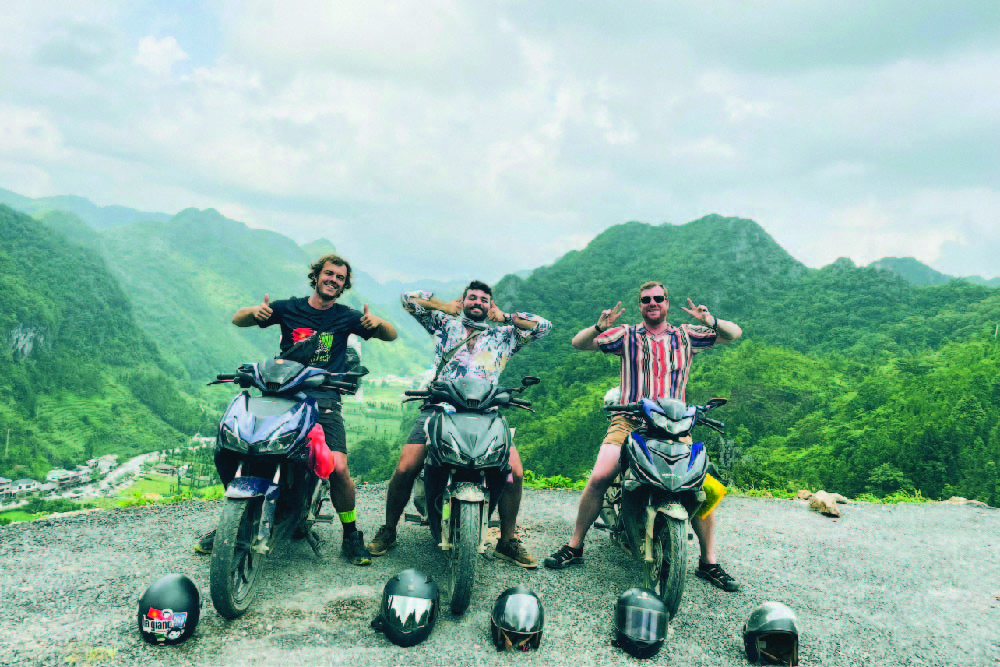
Motorcycle licenses are technically required for foreigners riding in Vietnam, though enforcement varies. An international driving permit with a motorcycle endorsement is the legal document that allows you to ride a motorcycle. Without proper licensing, you risk fines from police checkpoints and, more importantly, invalidate travel insurance in case of accidents. The bureaucratic hassle of obtaining proper documents pales compared to the problems that arise if you crash without valid insurance.
Physical fitness for the Ha Giang loop journey
Physical fitness plays a role in the success of the Ha Giang loop. You spend eight to ten hours per day on a motorcycle, maintaining focus and making constant adjustments to throttle, brakes, and steering. Your hands, arms, shoulders, and back all experience sustained strain. Core strength helps maintain proper riding posture. Overall fitness reduces fatigue, thereby reducing mistakes and accidents.
Ha Giang loop budget and costs
Budget considerations for the Ha Giang loop vary depending on whether you join organized tours or travel independently. Independent travelers can complete the loop for very reasonable daily costs, including motorcycle rental, fuel, accommodation, and food. Our organized Ha Giang loop tours cost more but eliminate planning stress and provide experienced guides who know the roads, arrange accommodation, and share cultural knowledge.
Planning your Ha Giang loop itinerary
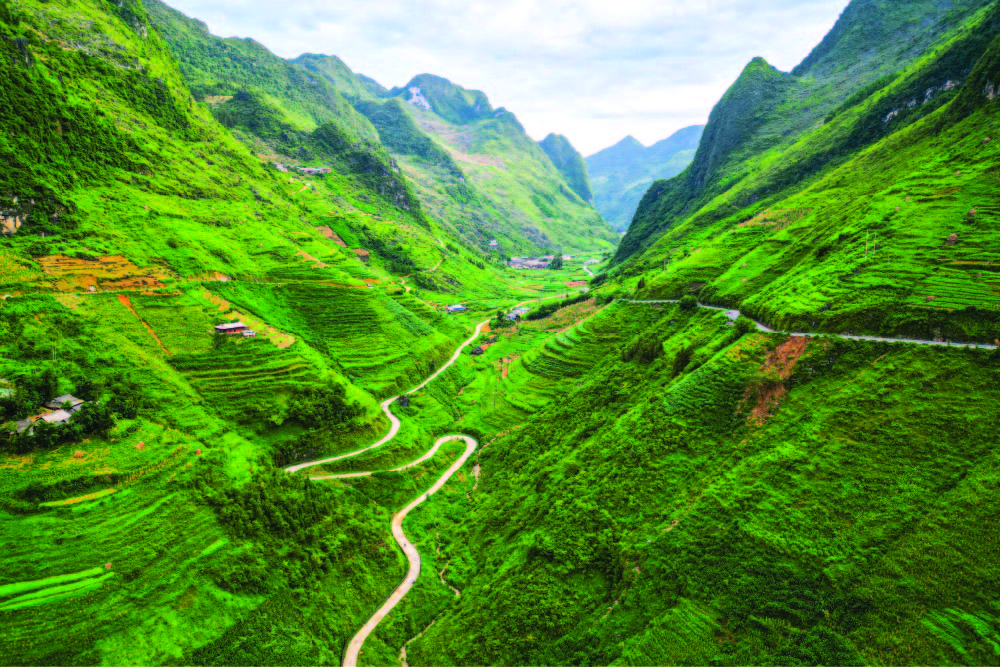
The classic Ha Giang loop takes three to four days and covers approximately 350 kilometers, depending on your exact route. While it is physically possible to rush through in two days, doing so means long hours in the saddle and less time enjoying the places that make this journey memorable.
Day one typically runs from Ha Giang City to Dong Van, covering roughly 150 kilometers through increasingly dramatic scenery. The first section climbs gradually out of the relatively flat valley where Ha Giang City sits, entering mountains that grow progressively taller and more impressive. You pass through Quan Ba, the Heaven’s Gate, where a viewpoint offers your first panoramic vista of the karst formations that define the region.
Yen Minh provides a good lunch stop with basic restaurants serving rice dishes and noodle soups. The afternoon section to Dong Van includes some of the Ha Giang loop’s most technical riding, with narrow roads, tight switchbacks, and sections where landslides have damaged pavement. The scenery compensates for the challenging riding, revealing new perspectives with each turn.
Dong Van, a small town clinging to a valley floor, serves as the overnight stop. The old quarter, with its distinctive Chinese-influenced architecture, rewards an evening stroll. The Sunday market, if your timing aligns, draws ethnic minorities from the surrounding mountains to trade and socialize.
Day two Ha Giang loop: Ma Pi Leng Pass to Meo Vac
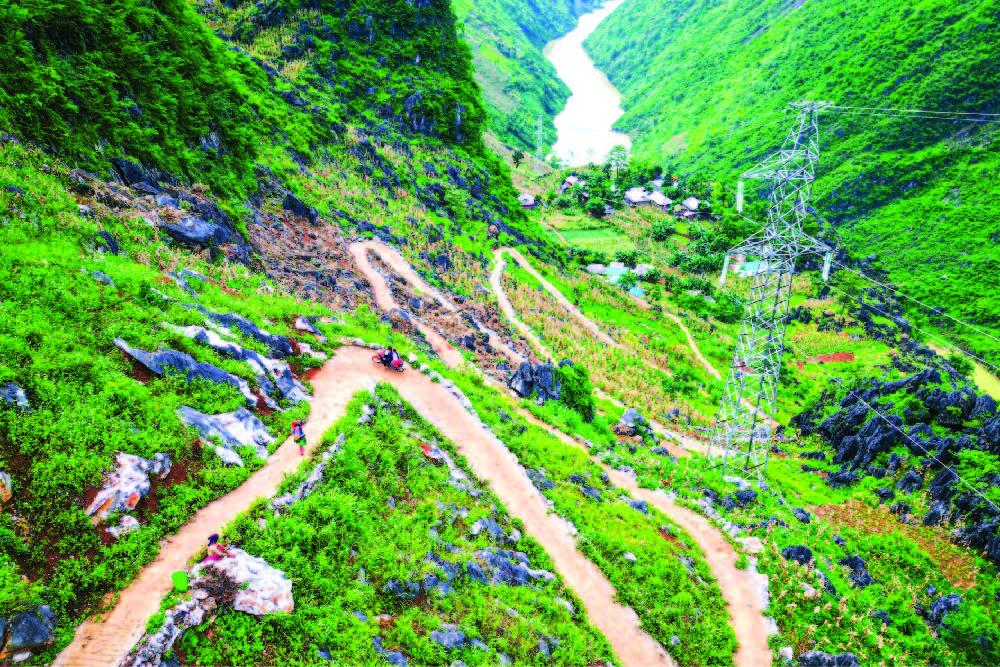
Day two covers the Ma Pi Leng Pass and continues to Meo Vac, the Ha Giang loop’s undisputed highlight. The morning ride to the pass climbs through increasingly sparse vegetation as you gain altitude. At the top, pull over at viewpoints where you can safely stop and absorb the scenery. The Ma Pi Leng Pass zigzags along a cliff face hundreds of meters above the Nho Que River gorge, creating perspectives that photographs cannot adequately capture.
The descent into Meo Vac requires careful riding as the road surface deteriorates in sections. Meo Vac itself is a small market town serving the surrounding villages. Accommodation is basic but adequate. The town’s Sunday market, like Dong Van’s, brings together ethnic minority people for trading and provides fascinating cultural observations.
Day three Ha Giang loop: Returning to Ha Giang City
Day three returns from Meo Vac to Ha Giang City, completing the Ha Giang loop. Some riders take a direct route covering about 150 kilometers. Others add a detour through Du Gia, extending the distance but including additional scenic sections and opportunities to visit more remote villages. The direct route still offers beautiful mountain scenery, though not quite as dramatic as the previous days.
This final day often feels easier because you have adapted to the riding demands and know you are completing the journey. However, fatigue from previous days can make concentration more difficult, so maintain focus and avoid rushing to finish.
Four-day Ha Giang loop extended itinerary.
Four-day itineraries add flexibility and reduce daily riding time, allowing for more exploration on the Ha Giang loop. Our four-day Ha Giang loop tours include extra time for side trips to less-visited villages and more relaxed daily riding schedules. An additional day means you can spend more time in villages, enjoy longer stops at viewpoints, or ride at a more comfortable pace.
What to pack for the Ha Giang loop
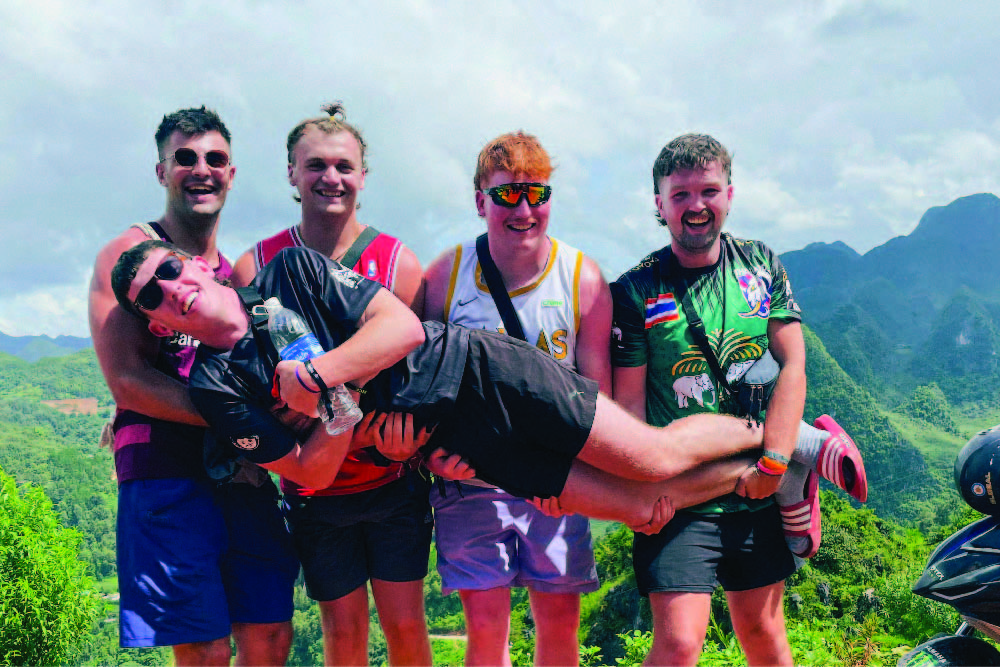
Packing correctly for the Ha Giang loop means balancing the need for essential items against the reality that everything must fit in a motorcycle’s limited storage space. Strategic choices ensure you have what matters while avoiding unnecessary weight.
Essential riding gear for the Ha Giang loop
Riding gear priorities start with a quality helmet. Our Ha Giang loop tours provide quality helmets with proper fit and protection. A full-face helmet provides the best protection, though open-face helmets are more common among riders in Vietnam.
Gloves protect your hands from the sun, wind, and road rash if you fall. Riding gloves with padding reduce hand fatigue during long days in the saddle. In cooler months, warm gloves become essential as temperatures at altitude drop significantly. Long pants and long-sleeved shirts protect skin from the sun and provide some abrasion resistance. Proper riding jackets with armor offer the best protection, but are too bulky for most travelers to pack.
Weather protection for the Ha Giang loop
Weather protection matters year-round when you ride the Ha Giang loop. Even during the dry season, the weather can change rapidly in the mountains. Rain gear must be accessible quickly when clouds roll in. A lightweight, packable rain jacket and pants stuff into small spaces but deploy rapidly when needed. Waterproof bags or covers for your main luggage prevent soaked clothing and electronics.
Cold-weather gear becomes essential from November through February, when temperatures at altitude can drop near freezing. Multiple thin layers perform better than a single thick layer, allowing you to adjust insulation as temperatures change throughout the day. A warm jacket, long underwear, and warm gloves transform a miserable cold ride into a manageable challenge.
Clothing choices for the Ha Giang loop
Clothing choices should prioritize versatility and quick-drying fabrics. You will wear the same clothes multiple days, rinsing them in hostel sinks and hoping they dry overnight. Synthetic fabrics or merino wool dry much faster than cotton and perform better when damp. Bring enough underwear and socks for the entire trip, as these items are difficult to wash and dry effectively on the road.
Modest clothing shows respect when visiting ethnic minority villages. Long pants or long skirts and shirts that cover the shoulders help you blend in and demonstrate cultural sensitivity. Some villages welcome visitors more warmly when they see you making efforts to dress appropriately.
Technical items for the Ha Giang loop
Technical items include your phone for navigation and photography, a power bank to keep it charged during long riding days, and appropriate charging cables. Portable phone mounts for motorcycles let you follow GPS navigation while riding, which is tremendously helpful at the Ha Giang loop’s confusing road junctions. A physical map provides backup navigation if your phone dies or loses signal.
A basic first-aid kit addresses minor injuries from minor falls or scrapes. Include bandages, antibiotic ointment, pain relievers, and any personal medications you need. A small roll of duct tape fixes unexpected equipment failures. Zip ties temporarily secure loose luggage or repair broken motorcycle parts.
Practical tips for riding the Ha Giang loop safely
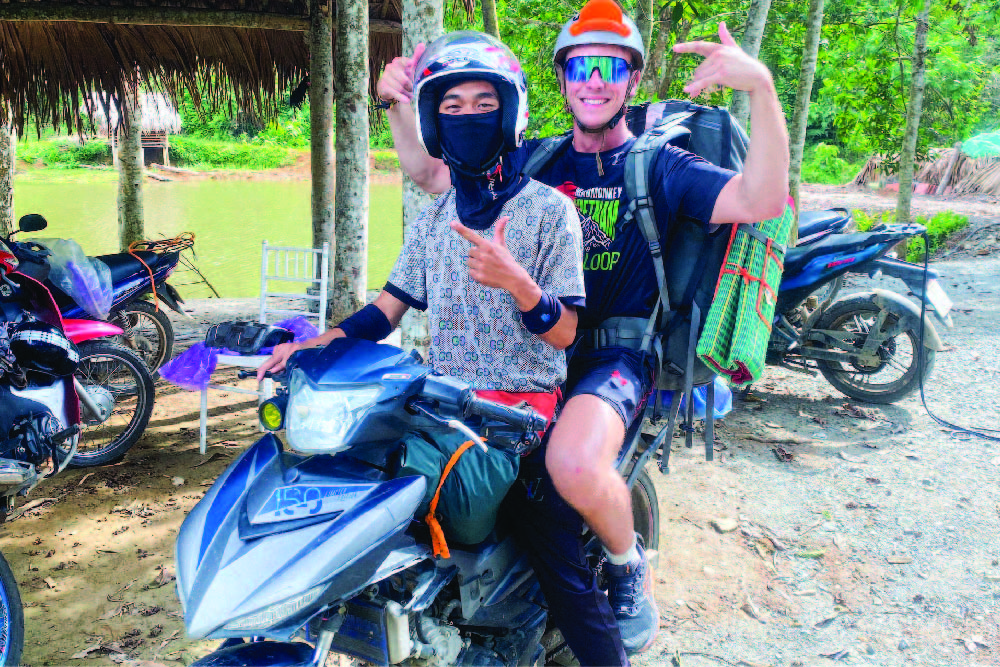
Safety on the Ha Giang loop requires constant attention and sound decision-making. The combination of challenging roads, unfamiliar traffic patterns, and the consequences of mistakes in remote mountain areas demands respect and preparation.
Start early on the Ha Giang loop.
Start early each morning to maximize daylight riding hours. Mountain roads at night become exponentially more dangerous due to poor visibility, unpredictable obstacles, and increased risks posed by locals who drink and drive. Leaving by 7:00 or 8:00 AM gives you ample time to complete daily sections before darkness falls, with buffer time for stops, mechanical issues, or getting lost.
Ride within your abilities on the Ha Giang loop.
Ride within your abilities throughout the Ha Giang loop. The temptation to ride faster to keep up with more experienced riders or to make up time leads to accidents. Your goal is to complete the journey safely, not to set speed records. Pull over when necessary to let faster riders pass. Take breaks when fatigue reduces your focus. The mountains will still be beautiful at slower speeds.
Watch for hazards on the Ha Giang loop road.
Watch for road hazards that appear with little warning. Loose gravel scatters across the pavement at turns. Potholes hide in shadows. Livestock wanders onto roads. Landslides deposit rocks and mud across lanes. Road construction creates unmarked obstacles. In populated areas, children dart into streets and vendors set up stalls that narrow passages. Constant scanning ahead identifies hazards early enough to respond safely.
Respect the weather conditions on the Ha Giang loop.
Respect the weather and its impact on riding conditions when you attempt the Ha Giang loop. Fog reduces visibility dramatically within minutes. Rain makes roads slippery and increases stopping distances. Strong winds at exposed ridge tops push motorcycles to the side. If conditions deteriorate beyond your comfort level, find safe places to wait for improvement. No viewpoint or schedule is worth risking serious injury.
Best time to ride the Ha Giang loop
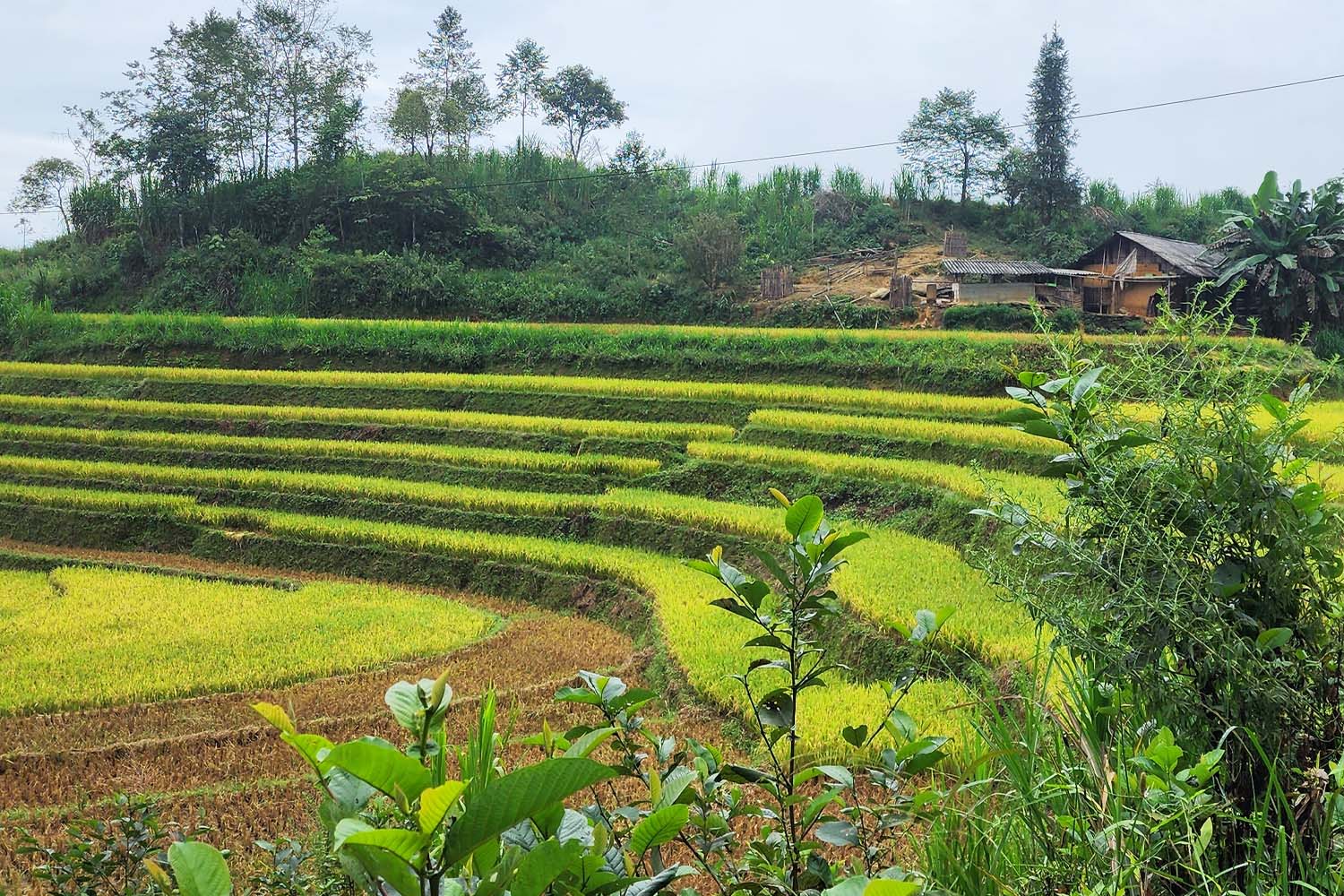
Timing your Ha Giang loop journey significantly impacts the experience. Weather, crowds, road conditions, and cultural events all vary by season, with advantages and disadvantages to each period.
September to November Ha Giang loop season
September through November offer the most consistently good weather for riding the Ha Giang loop. Temperatures remain comfortable, rainfall is lower than in the summer months, and visibility tends to be excellent. The rice terraces turn golden yellow during harvest season, creating spectacular photography opportunities. Buckwheat flowers bloom in October and November, painting hillsides pink and white.
This is peak season for the Ha Giang loop, meaning more travelers on the roads and in guesthouses. Popular viewpoints can feel crowded, and accommodations may fill up in smaller towns. Our Ha Giang loop tours during this period require booking to secure the best accommodation and ensure availability.
Winter Ha Giang loop: December to February
December through February brings cold weather to the Ha Giang loop region. Temperatures drop near freezing at altitude, and fog blankets the mountains many mornings. However, this is also the dry season with minimal rainfall. The cold deters some travelers, meaning fewer crowds and more authentic experiences. If you pack appropriate warm clothing and accept shorter daylight hours, winter riding offers unique rewards.
Spring Ha Giang loop: March to May
March through May transitions from cold to hot. Early spring still feels chilly, especially at altitude, while late spring grows quite warm. In March, plum and peach blossoms decorate villages throughout the Ha Giang loop. April and May bring comfortable temperatures perfect for riding. However, this is another peak season as travelers flock to the region, and Vietnamese holidays like Tet can make accommodation scarce.
Summer monsoon Ha Giang loop: June to August
June through August is the summer monsoon season. Heavy rains fall regularly, though typically in the afternoon and evening rather than all day. The Ha Giang loop’s landscapes turn incredibly green during the monsoon. Rivers run full, waterfalls become dramatic, and the air clears between storms. However, wet roads significantly increase the risk of riding. Landslides block roads more frequently. Only experienced riders who are comfortable riding in the rain should attempt the Ha Giang loop during the monsoon months.
Guided tours versus independent riding on the Ha Giang loop
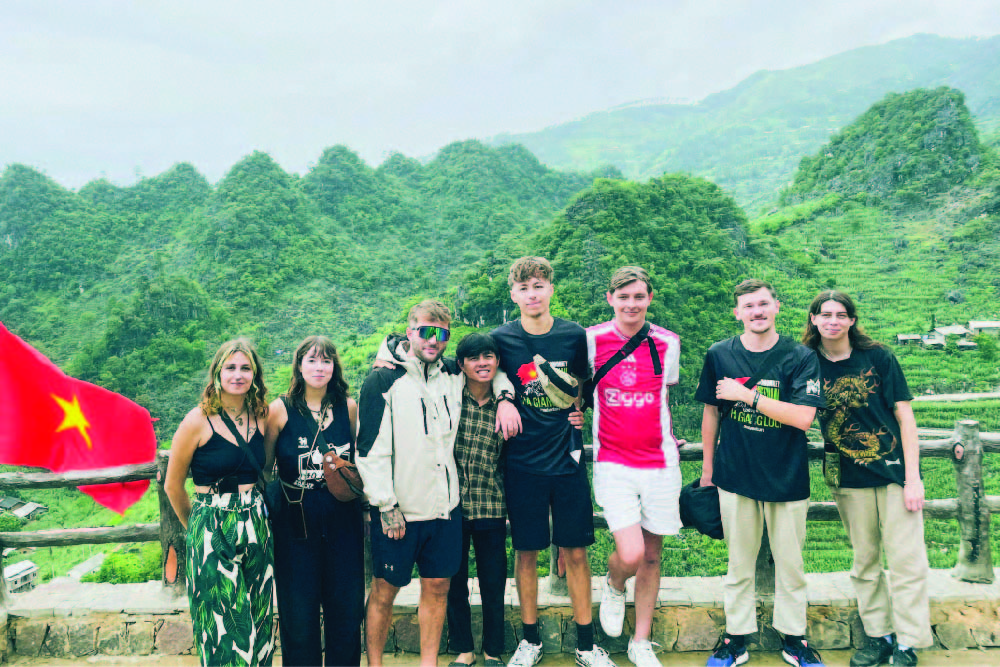
Choosing between joining an organized tour and planning your own Ha Giang loop adventure depends on your experience level, comfort with uncertainty, and which travel aspects you most value.
Ha Giang loop guided tour benefits
Guided Ha Giang loop tours provide structure, support, and local knowledge, enhancing the experience. Experienced guides know the roads intimately, including which sections require extra caution and where the best viewpoints and photo stops are located. They handle all logistics, including accommodation booking, route navigation, and restaurant selection. If mechanical issues arise, guides manage repairs or replacement of motorcycles.
Group tours create social dynamics that solo travelers appreciate. Sharing the adventure with others, swapping stories over dinner, and having companions for evening drinks in small towns enriches the experience. The shared challenges and triumphs of completing the Ha Giang loop together build camaraderie quickly.
Our Ha Giang loop guided tours include experienced English-speaking guides, quality motorcycles with full insurance, comfortable accommodation, all meals, and 24-hour support. The primary considerations involve reduced flexibility and higher costs compared to independent travel, though the value delivered through convenience and expertise often justifies the investment.
Independent Ha Giang loop riding
Independent riding maximizes freedom and minimizes costs when you tackle the Ha Giang loop. You choose when to start each day, where to stop, how long to linger at viewpoints, and which villages to explore. You can altogether avoid other travelers or seek them out as the mood dictates. The sense of adventure intensifies when you navigate on your own, making your own decisions and solving your own problems.
Independent riders need reasonable navigation skills and comfort with uncertainty. You will occasionally get lost or confused by poorly marked junctions. Finding accommodation in small towns requires asking locals or checking multiple guesthouses. Language barriers complicate simple transactions. Mechanical problems become your responsibility to resolve.
Understanding Ha Giang loop road conditions
The roads that comprise the Ha Giang loop vary dramatically in quality, width, and difficulty. Understanding what you will encounter helps you prepare mentally and technically for the challenges ahead.
Paved sections of the Ha Giang loop
Paved sections make up the majority of the Ha Giang loop route. The main road between Ha Giang City and Dong Van has undergone significant upgrades in recent years and now features generally good pavement and clear lane markings. However, pavement quality deteriorates in sections, particularly after heavy rains or where landslides have damaged the surface.
Even on paved sections, road widths are considerably narrower than on highways elsewhere in Vietnam. Two large vehicles passing each other require one to slow down or stop. Blind corners are common on mountainous sections, requiring caution about oncoming traffic. Guardrails exist in some locations but are absent in many areas where cliffs drop hundreds of meters.
Technical sections of the Ha Giang loop
Technical sections challenge even experienced riders. The approach to Ma Pi Leng Pass includes tight switchbacks where you cannot see around corners. Some turns require nearly coming to a stop, turning the handlebars to full lock, and carefully feeding in the throttle to complete the turn without dropping the bike or running wide. Gravel scattered across the pavement at these turns increases difficulty.
Steep gradients on climbs and descents test motorcycle brakes and rider technique. Long downhills require careful brake management to avoid overheating brake pads. Controlling speed through engine braking and careful brake application prevents brake fade that can leave you with reduced stopping power.
Unpaved sections of the Ha Giang loop
Unpaved sections appear periodically along the Ha Giang loop, usually where construction upgrades roads or where landslides have damaged pavement. These sections turn to mud during rain and remain dusty in dry weather. Riding on loose surfaces requires different techniques than pavement, with more attention to weight distribution and smoother control inputs.
Why completing the Ha Giang loop changes perspectives
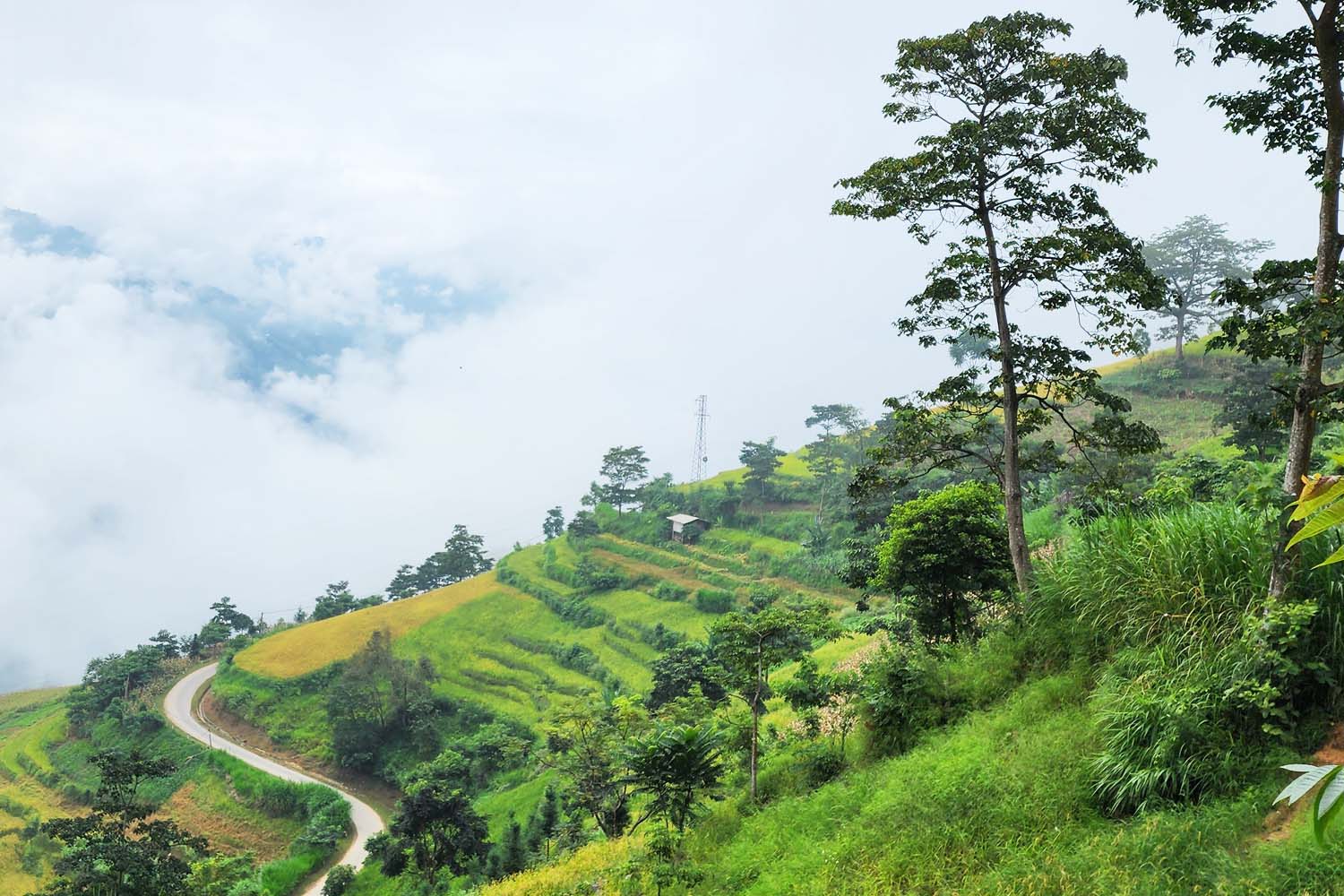
Having guided travelers through the Ha Giang loop for years, I have observed how this journey affects people in ways that typical vacations do not. The combination of physical challenge, cultural immersion, and overwhelming natural beauty creates experiences that shift how travelers see Vietnam and themselves.
Ha Giang loop builds confidence and a sense of accomplishment.
The physical accomplishment of completing the Ha Giang loop builds confidence that extends beyond motorcycling. You prove to yourself that you can handle demanding challenges in unfamiliar environments. The mental and physical fatigue you push through, the scary moments you navigate successfully, and the sense of achievement when you finish create genuine pride. This confidence transfers to other areas of life where challenges once seemed insurmountable.
The Ha Giang loop creates cultural understanding.
The cultural encounters along the Ha Giang loop humanize people who live entirely different lives from those of most travelers. Sharing meals in village homes, attempting to communicate across language barriers, and witnessing daily routines in remote communities builds empathy and understanding. You realize that happiness and fulfillment do not require modern conveniences, that strong communities exist in places without internet access, and that different cultural values create equally valid ways of living.
The Ha Giang loop offers a perspective on nature.
The natural beauty along the Ha Giang loop overwhelms in ways that photographs cannot capture. Standing at Ma Pi Leng Pass with mountains stretching to every horizon, you feel small in the best possible way. The scale and majesty of the landscape put personal problems in perspective. The reminder that stunning natural wonders still exist in our developed world renews appreciation for Earth’s beauty.
Start your Ha Giang loop adventure today.
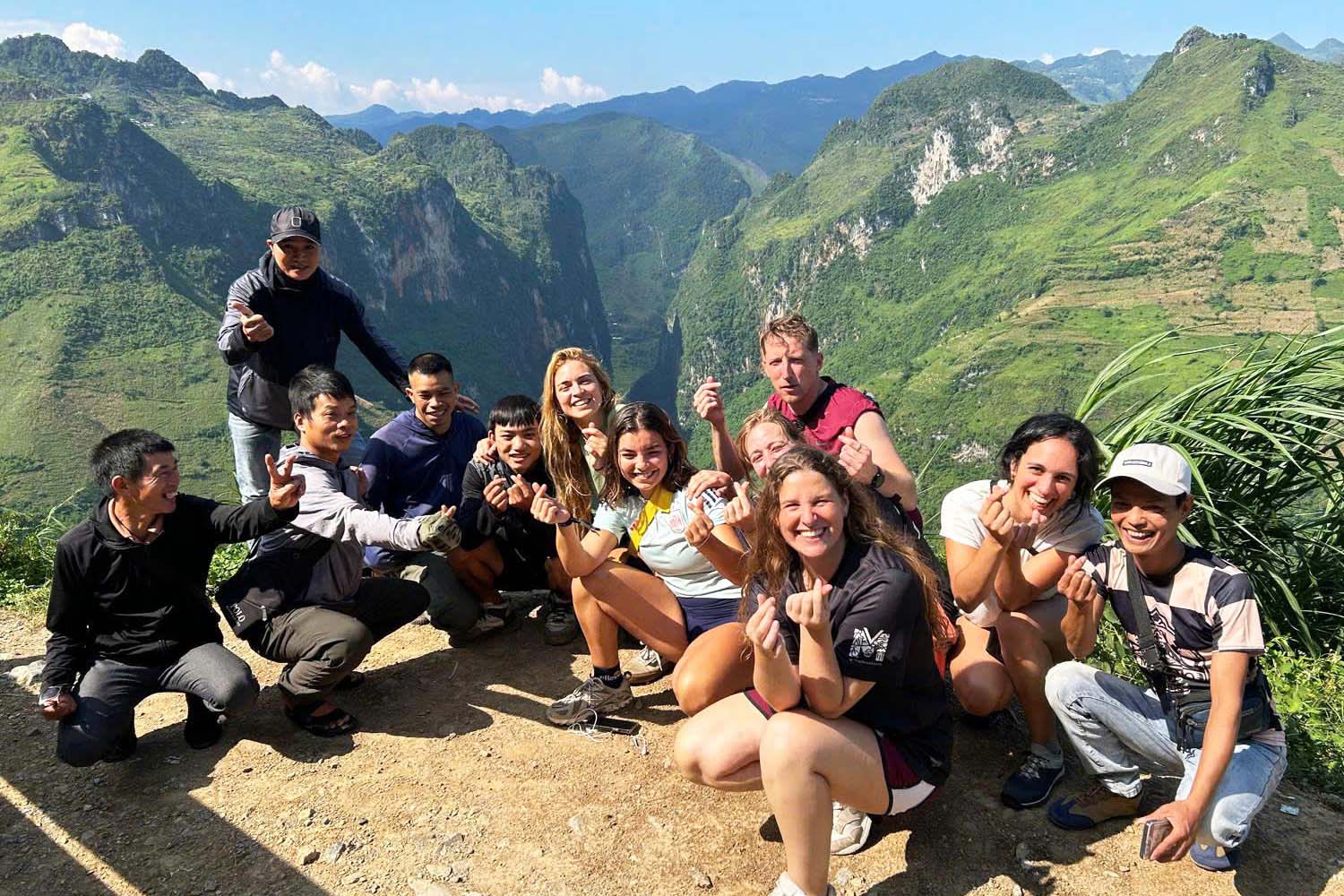
The mountains of northern Vietnam are calling. The Ha Giang loop awaits with its challenging roads, welcoming ethnic minority communities, and scenery that will become the standard against which you measure all future mountain rides. Whether you are an experienced motorcyclist seeking your next great adventure or a traveler willing to step outside your comfort zone with a guided tour, the Ha Giang loop delivers experiences you will remember for a lifetime.
The preparation and planning required for the Ha Giang loop might seem daunting, but the rewards justify every bit of effort. The stories you will tell, the photographs you will treasure, and the personal growth you will experience make this journey one of the most worthwhile adventures available to travelers in Southeast Asia.
Book your Ha Giang loop tour
Stop researching and start riding. Our expert team specializes in Ha Giang loop tours that showcase this legendary route’s highlights while handling all logistics so you can focus on enjoying the journey. We have spent years perfecting our routes, building relationships with local communities, and learning which accommodations provide the best combination of comfort and authenticity.
Please choose from our carefully designed Ha Giang loop tour options that match different experience levels and preferences. Our classic three-day Ha Giang loop tour covers all the essential sections, including the Ma Pi Leng Pass, Dong Van, and Meo Vac, with overnight stops in carefully selected guesthouses. Our four-day extended Ha Giang loop tour adds extra time for side trips to less-visited villages and more relaxed daily riding schedules.
For experienced riders, we offer self-guided Ha Giang loop packages that provide motorcycle rental, accommodation booking, route maps, and 24-hour support while leaving you free to ride at your own pace. For those without riding experience or who prefer not to handle the bike, our Ha Giang loop tours with experienced drivers allow you to enjoy all the scenery and culture from the passenger seat.
Our Ha Giang loop tours include everything you need for a successful journey. Quality motorcycle rental with full insurance coverage. Experienced English-speaking guides who know every curve of the route. Comfortable guesthouse accommodation in the best available options. All meals include authentic local specialties and safe options for sensitive stomachs. Safety gear, including quality helmets and rain gear. Support vehicle following the group to assist with any mechanical or medical issues.
Book your Ha Giang loop tour today and receive special benefits, including a complimentary traditional Hmong indigo-dyed scarf, a professional photo package documenting your journey, a detailed digital map with GPS coordinates for key locations, and priority booking during peak seasons. Groups of four or more receive additional discounts and can customize itineraries to match specific interests.
Contact us now through our website, WhatsApp, or email to discuss your Ha Giang loop plans. Our travel consultants will answer all your questions about riding experience requirements, the best timing for your schedule, and which tour option matches your abilities and preferences. We handle every detail from the moment you arrive in Hanoi until you return, ensuring your Ha Giang loop adventure exceeds expectations.
The road is waiting. The mountains are calling. Your Ha Giang loop journey is just one decision away. Let us show you why this legendary route has earned its reputation as one of the world’s great motorcycle adventures. Book your Ha Giang loop tour today and prepare for the ride of a lifetime.