
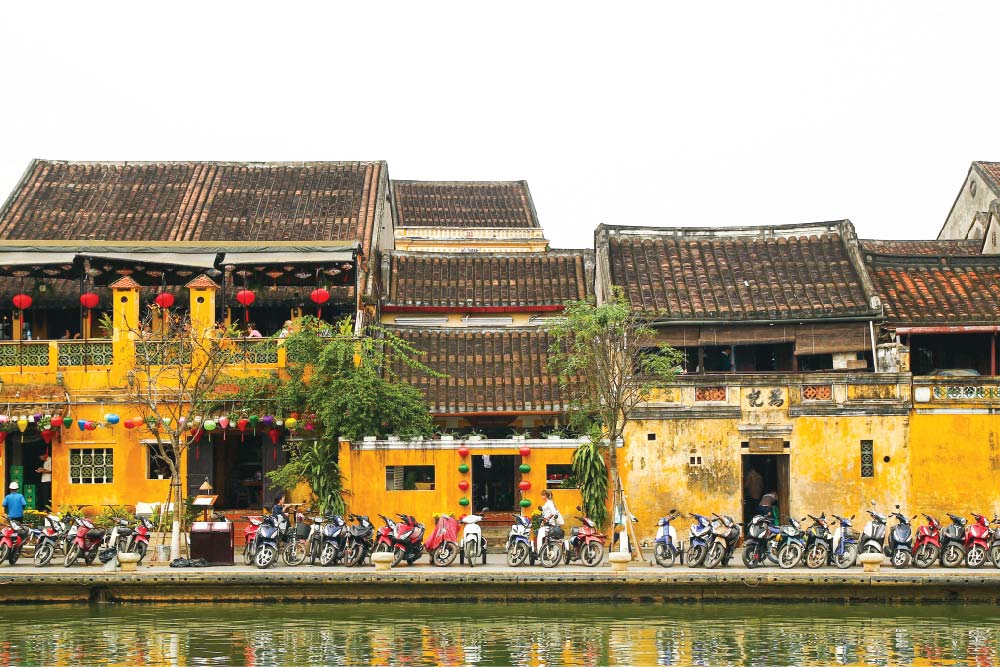
January is one of the most comfortable and quietly rewarding months to visit Hoi An. Sitting at the transition point between the wet season and the true dry season, the town settles into a calmer rhythm where temperatures are mild, rainfall drops noticeably, and outdoor life begins to open up again after the wetter months of autumn. For inbound travelers, especially those arriving from colder climates, Hoi An in January often feels gentle and balanced rather than tropical and intense.
Unlike the peak dry-season months later in the year, January does not bring harsh heat or heavy humidity. Instead, it offers cool mornings, warm but manageable afternoons, and evenings that invite long walks through the lantern-lit old town. The weather supports sightseeing, food exploration, cycling through the countryside, and even some beach time, without forcing travelers to constantly plan around rain or extreme temperatures.
What makes January particularly interesting is that Hoi An still carries traces of the previous season. The rivers are full, the countryside looks refreshed, and the air feels clean after months of rain. At the same time, the town is clearly moving toward brighter skies and more stable conditions. This balance gives January a softer atmosphere that many travelers find more pleasant than the intense sunshine of late spring or summer.
Understanding what Hoi An weather in January actually feels like helps travelers plan realistically. It sets expectations for clothing, daily pacing, beach conditions, and the best times of day to explore. Rather than relying on simple averages, this guide looks at how January weather shapes real experiences on the ground.
How January fits into Hoi An’s seasonal climate
Hoi An has a tropical monsoon climate with two main seasons: a wet season from roughly September to December, and a dry season that runs from February through August. January sits between these two periods, making it a transitional month rather than a full dry-season month.
By January, the heavy rains and flooding risks of October and November have ended. December often still feels unsettled, with frequent clouds and occasional showers. January marks a noticeable improvement. Rain becomes less frequent, storms are no longer a concern, and daily weather patterns stabilize.
However, January is not yet the sun-drenched version of Hoi An seen in March or April. Cloud cover still appears regularly, especially in the early part of the month. Sunshine increases gradually, often showing up more consistently toward mid to late January. This gradual shift is one of the reasons the weather feels comfortable rather than harsh.
Temperatures also reflect this transitional nature. January is cooler than most of the year, especially in the mornings and evenings. While the air is still warm by international standards, it lacks the intensity that many associate with central Vietnam later in the year.
Because Hoi An is close to the coast, sea breezes play an important role in shaping daily comfort. In January, these breezes are cooler and steadier, helping regulate temperature and keep humidity levels relatively low.
For travelers, this means January delivers a version of Hoi An that feels relaxed, walkable, and well-suited to slow exploration.
Temperatures in Hoi An in January

January is one of the coolest months of the year in Hoi An, though “cool” here is relative. Average daytime temperatures usually range between 22°C and 26°C, while nighttime temperatures often drop to around 18°C to 20°C. During cooler spells, early mornings can feel surprisingly fresh, especially for travelers used to Vietnam’s warmer months.
Mornings often begin with a light chill in the air. Locals may wear light jackets or long sleeves, and visitors sitting at outdoor cafés may appreciate a thin layer. This coolness usually fades by mid-morning as the sun rises higher.
By late morning and early afternoon, temperatures become comfortably warm rather than hot. The sun has strength, but the lower humidity keeps the heat from feeling overwhelming. Walking through the old town, visiting temples, or cycling in the countryside feels easy and unhurried.
Afternoons typically remain within a narrow temperature range. Unlike summer months, when heat builds steadily until late afternoon, January afternoons tend to plateau at a mild warmth. Shaded streets, riverbanks, and open-air cafés remain pleasant even during the warmest hours of the day.
Evenings bring a noticeable drop in temperature. After sunset, the air cools quickly, creating ideal conditions for nighttime exploration. Lantern walks, riverside dinners, and night market visits become highlights because the air feels fresh rather than heavy.
This temperature pattern encourages a full day of activity. Travelers rarely need to retreat indoors to escape heat, and pacing the day becomes natural rather than forced by weather.
Humidity and how it affects comfort
One of the biggest advantages of visiting Hoi An in January is the lower humidity compared with other times of year. While central Vietnam is never truly dry in the way some climates are, January sees a significant reduction in moisture in the air.
During the wet season, humidity can make even moderate temperatures feel tiring. In January, the air feels lighter and more breathable. Sweat evaporates more easily, and walking long distances does not feel as draining.
This lower humidity improves comfort in several ways. Outdoor sightseeing becomes easier, especially in the old town where walking is the main mode of exploration. Crowded areas such as markets and popular streets feel less stifling. Cycling through rice fields or along village roads is more enjoyable, particularly in the morning and late afternoon.
Indoor spaces also benefit. Many cafés, restaurants, and shops in Hoi An are semi-open or rely on natural airflow rather than strong air conditioning. In January, these spaces feel comfortable instead of sticky, allowing visitors to linger longer.
Lower humidity also contributes to clearer air and better visibility. Colors appear sharper, and photography becomes more rewarding, especially during mornings and early evenings.
Rainfall patterns in January
Rainfall drops significantly in January compared with the previous months, but it does not disappear entirely. Understanding how rain behaves during this time helps set realistic expectations.
Most days in January are dry, particularly from mid-month onward. When rain does occur, it is usually light and short-lived rather than heavy or prolonged. A brief drizzle in the morning or evening may pass quickly and rarely disrupt an entire day of activities.
Flooding, which can be an issue in Hoi An during October and November, is no longer a concern in January. The Thu Bon River returns to normal levels, and streets remain dry and accessible.
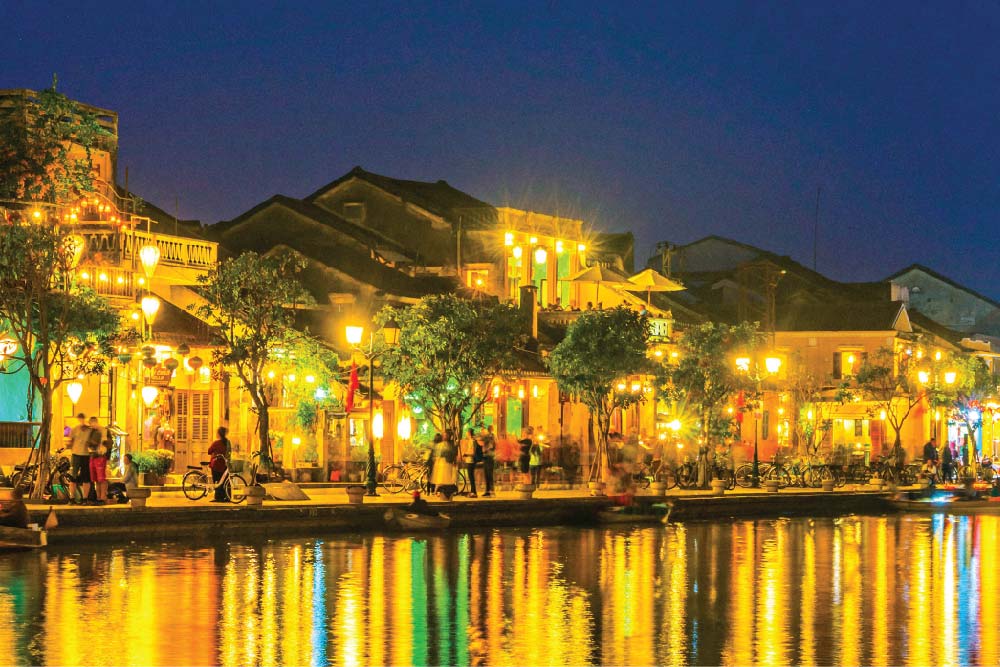
Early January can still carry some lingering cloudiness from the wet season. This means you may experience overcast mornings or grey skies that gradually brighten as the day progresses. These clouds often soften the sunlight, making outdoor exploration more comfortable.
By late January, sunshine becomes more consistent. Clear blue skies appear more frequently, especially in the afternoons. This shift marks the town’s movement toward the full dry season.
For travelers, the key takeaway is that rain is unlikely to dominate plans in January. Bringing a light rain jacket or umbrella is sensible, but weather-related disruptions are rare.
Morning weather in Hoi An: calm and refreshing
Mornings in Hoi An in January are one of the best times of day to experience the town. The air is cool, streets are quiet, and the light is soft.
Temperatures in the early morning often sit around 18°C to 20°C. This creates a refreshing atmosphere that feels very different from the heat many travelers associate with Vietnam. Locals open their shops slowly, sweep sidewalks, and set up market stalls as the town wakes up.
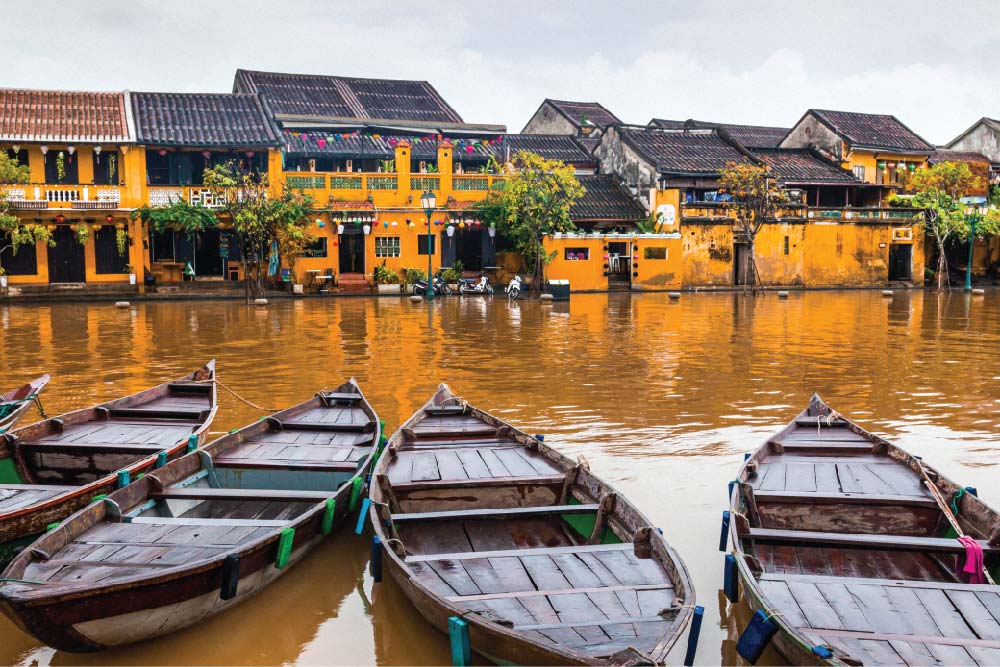
For travelers, mornings are ideal for walking through the old town before crowds arrive. The Japanese Covered Bridge, riverside streets, and historic houses feel peaceful at this hour. Photography is especially rewarding, with soft light reflecting off yellow walls and lanterns.
Morning is also the best time for cycling trips into the countryside. Routes toward Tra Que Vegetable Village, Cam Thanh Coconut Village, and nearby rice fields feel cool and comfortable. The air remains fresh, and traffic is minimal.
If you plan to visit temples, markets, or small museums, morning visits are often more relaxed. The mild temperature encourages slow exploration without the need to rush.
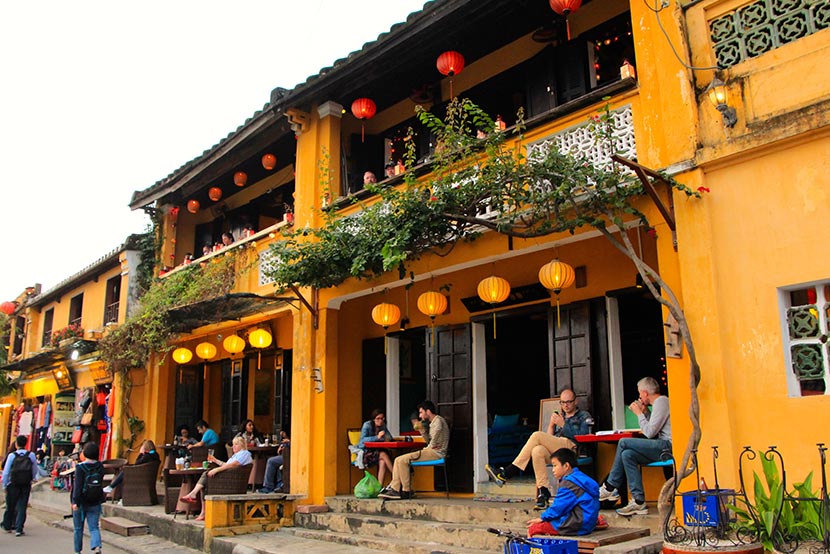
As the sun rises higher, the chill fades gradually rather than suddenly, making the transition into daytime warmth smooth and pleasant.
Midday and afternoon conditions
Midday in Hoi An in January brings warmth without intensity. Temperatures typically rise into the mid-20s, which is comfortable for most travelers.
The sun is present, but cloud cover often softens its effect, especially earlier in the month. This means shaded areas remain cool, and even open streets do not feel overwhelming.
This is a good time for visiting indoor attractions such as ancient houses, museums, and workshops, but it is also perfectly suitable for outdoor activities. Walking tours, food tastings, and shopping in the old town remain comfortable.
For travelers interested in tailoring services, January afternoons are ideal for visiting tailors, attending fittings, and browsing fabric shops without feeling overheated.
If the sky clears, afternoons can feel pleasantly warm, especially near the river or countryside. However, the lack of high humidity prevents this warmth from becoming tiring.
Evening weather and night-time atmosphere
Evenings in January are one of the strongest reasons many travelers fall in love with Hoi An during this month. As the sun sets, temperatures drop gently, and the air becomes cool and fresh.
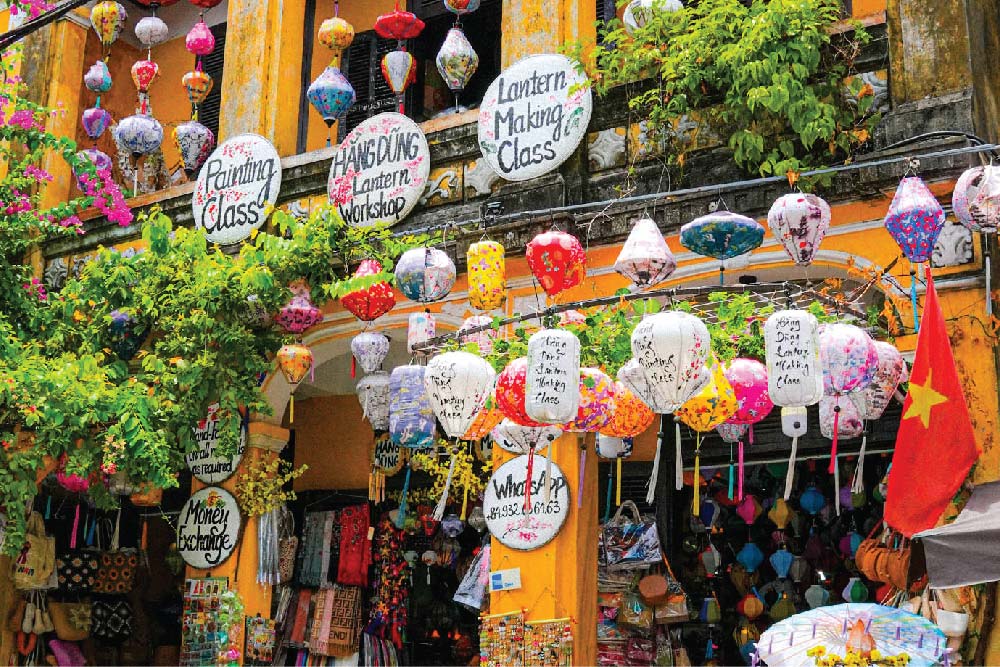
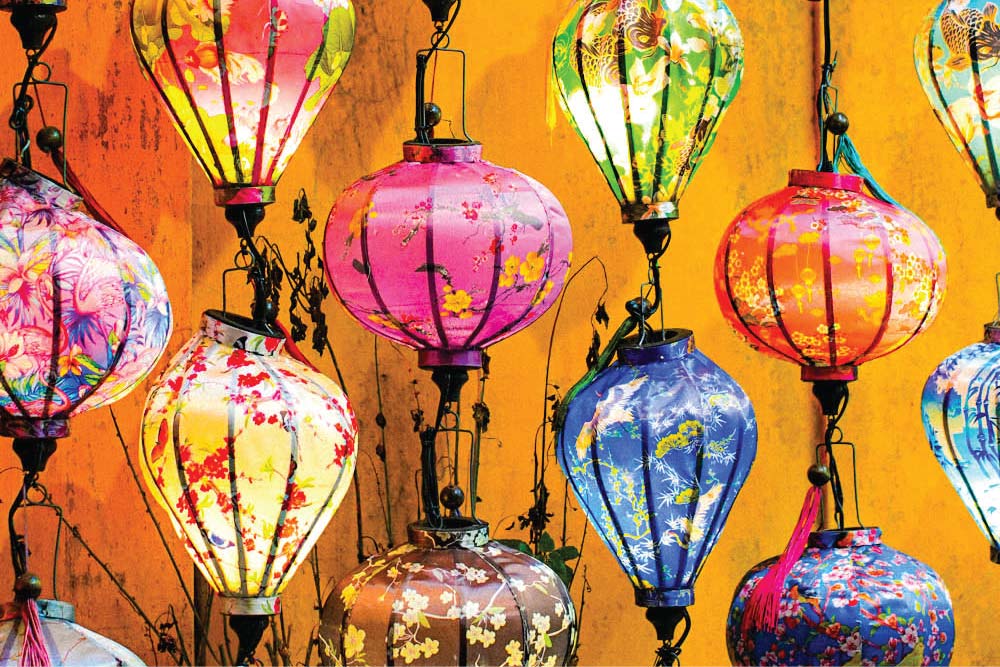
Lanterns light up the old town, reflecting on the river and creating a calm, inviting atmosphere. Walking along the riverbank feels comfortable even for long periods, and outdoor dining becomes especially enjoyable.
Night markets thrive in January because the weather supports slow browsing. Visitors can explore stalls, sample street food, and sit by the river without feeling too hot or too cold.
Riverside restaurants and cafés often keep their doors open, relying on natural breezes. This creates a relaxed dining environment that feels connected to the surroundings rather than sealed off from them.
For travelers who enjoy evenings out, January offers the best conditions of the year in Hoi An. The weather encourages people to stay outside longer, extending social life well into the night.
Beach conditions in Hoi An in January
Many travelers planning a January visit to Hoi An ask the same question early on: is it a good time for the beach? The honest answer is yes, with realistic expectations.
January is not peak beach season in the way March, April, or early summer are. However, it is far better than the stormy, unpredictable months that come before it. By January, the worst of the monsoon has passed. The sand has dried, beachfront cafés reopen more consistently, and the coastline regains its relaxed rhythm.
An Bang Beach and Cua Dai Beach both benefit from January’s cooler temperatures and lower humidity. Walking along the shoreline becomes genuinely pleasant, especially in the morning and late afternoon. The sun is warm enough to sit outside comfortably, read a book, or enjoy a coffee by the sea without feeling overheated.
Swimming conditions depend on the specific week. Early January can still bring moderate waves and stronger currents, particularly on windier days. Red flags may appear occasionally, signaling caution for swimming. By mid to late January, the sea often calms, and swimming becomes more feasible, especially during sunny afternoons when the water temperature feels refreshing rather than cold.
Even on days when swimming is not ideal, the beach remains worthwhile. January is excellent for beach walks, sunrise watching, photography, yoga sessions, and relaxed seaside dining. The cooler air allows you to stay longer by the ocean without retreating from heat or humidity.
For travelers who view the beach as part of a broader experience rather than the sole focus of the trip, January fits Hoi An perfectly.
Countryside and rural travel in January
Hoi An’s surrounding countryside is one of its greatest strengths, and January is one of the best months to explore it.
The rainy season leaves the landscape refreshed. Rice paddies appear clean and open, waterways are full but calm, and village roads remain dry and easy to navigate. Cycling routes through Tra Que Vegetable Village, Cam Thanh Coconut Village, and smaller hamlets feel especially enjoyable because the weather supports long, unhurried rides.
Morning temperatures make rural travel ideal. Farmers begin their day early, tending to vegetables, fishing nets, or rice fields, and travelers can observe daily life without the discomfort of heat. The air feels crisp, and the light remains soft, creating excellent conditions for photography and quiet observation.
January also suits countryside activities such as cooking classes, farming experiences, basket boat rides, and village walks. These experiences often involve time outdoors, gentle physical movement, and interaction with locals, all of which are enhanced by mild weather.
Because rain is minimal, there is little risk of muddy paths or sudden weather disruptions. This reliability makes January one of the most practical months for countryside exploration around Hoi An.
How January weather shapes food experiences
Hoi An’s food culture responds naturally to the weather, and January brings out some of the town’s most enjoyable dining moments.
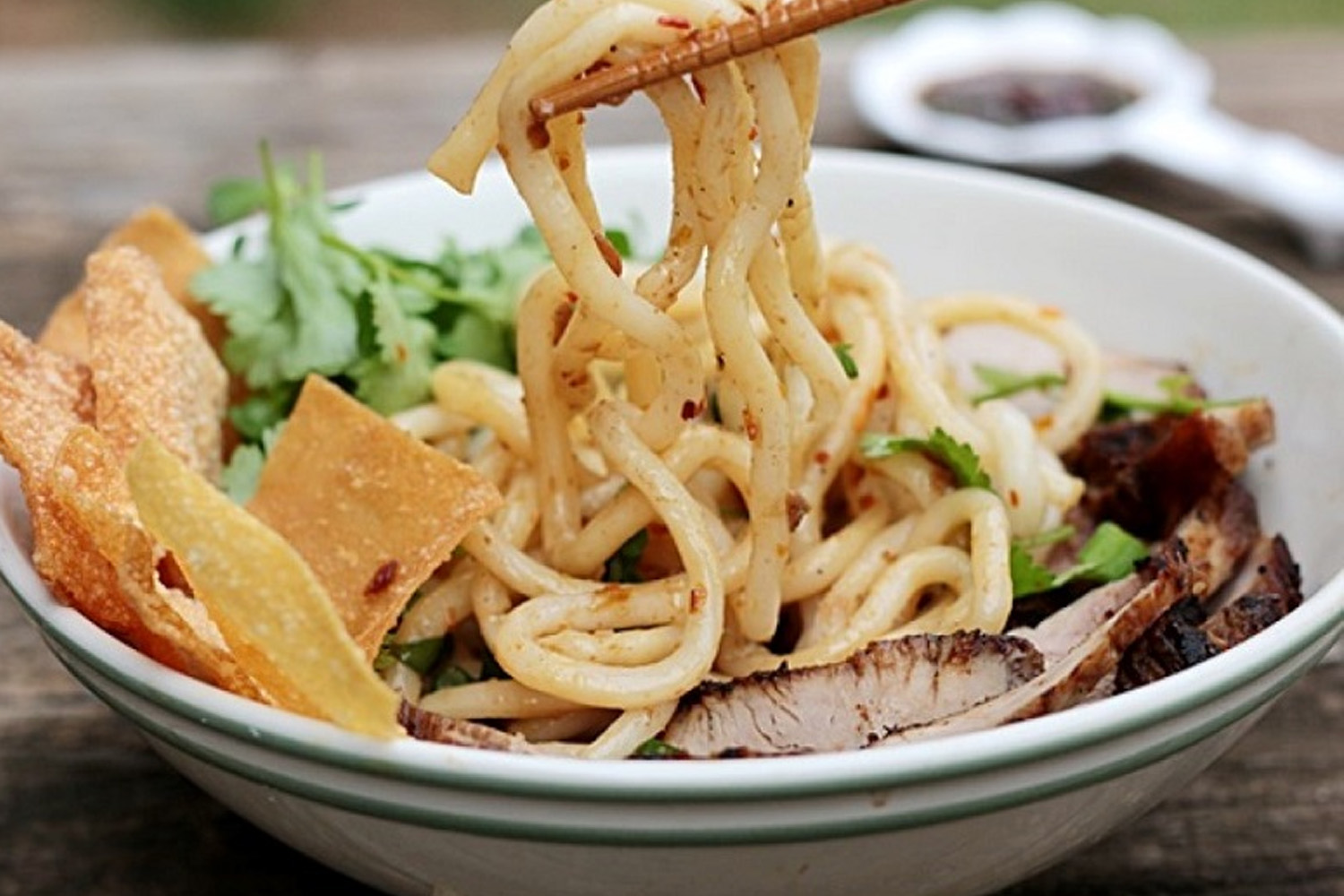
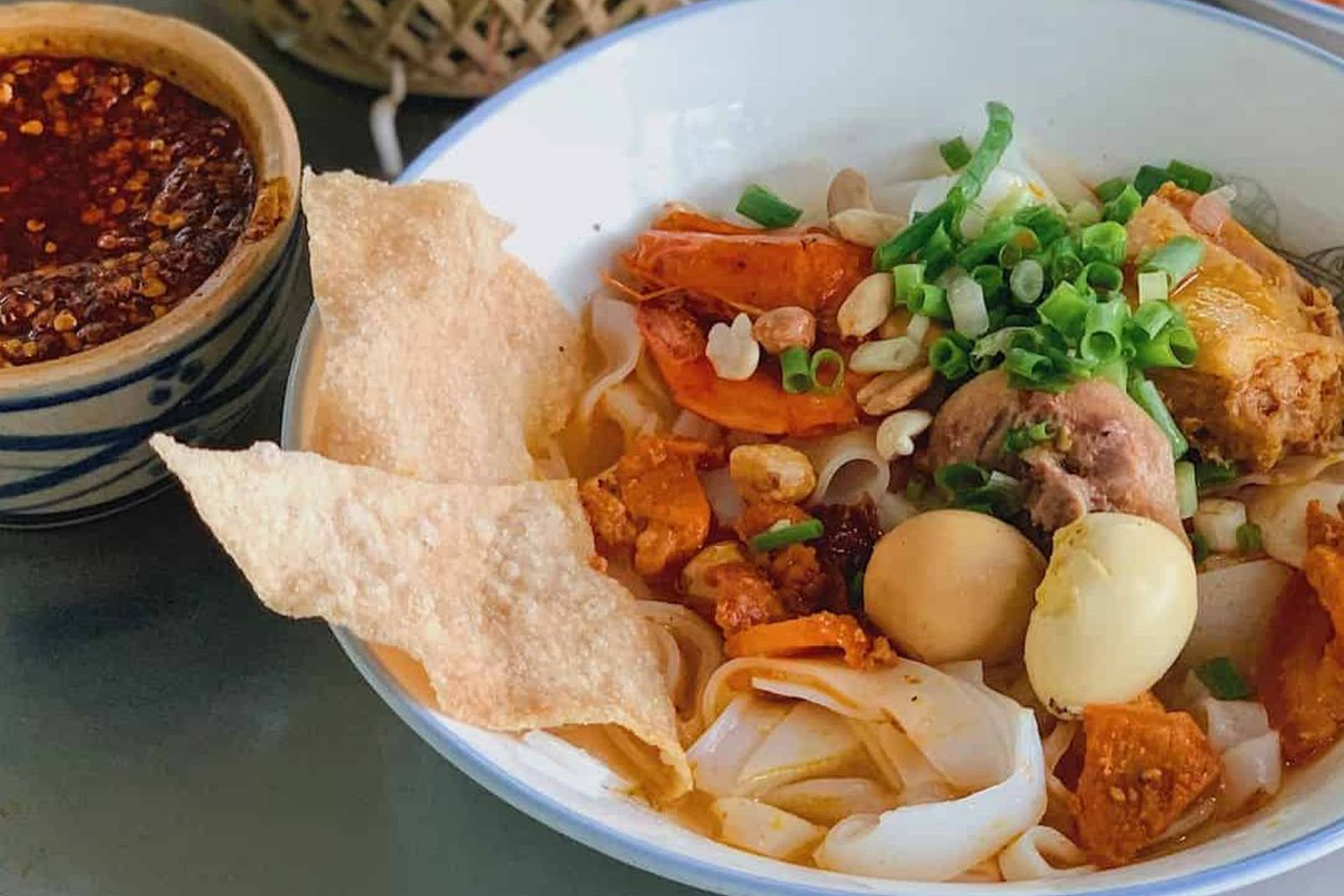
The cooler temperatures make warm dishes especially satisfying. Noodle specialties such as cao lầu, mì Quảng, and wonton soup feel comforting rather than heavy. You can enjoy hot broth dishes without feeling overwhelmed by heat.
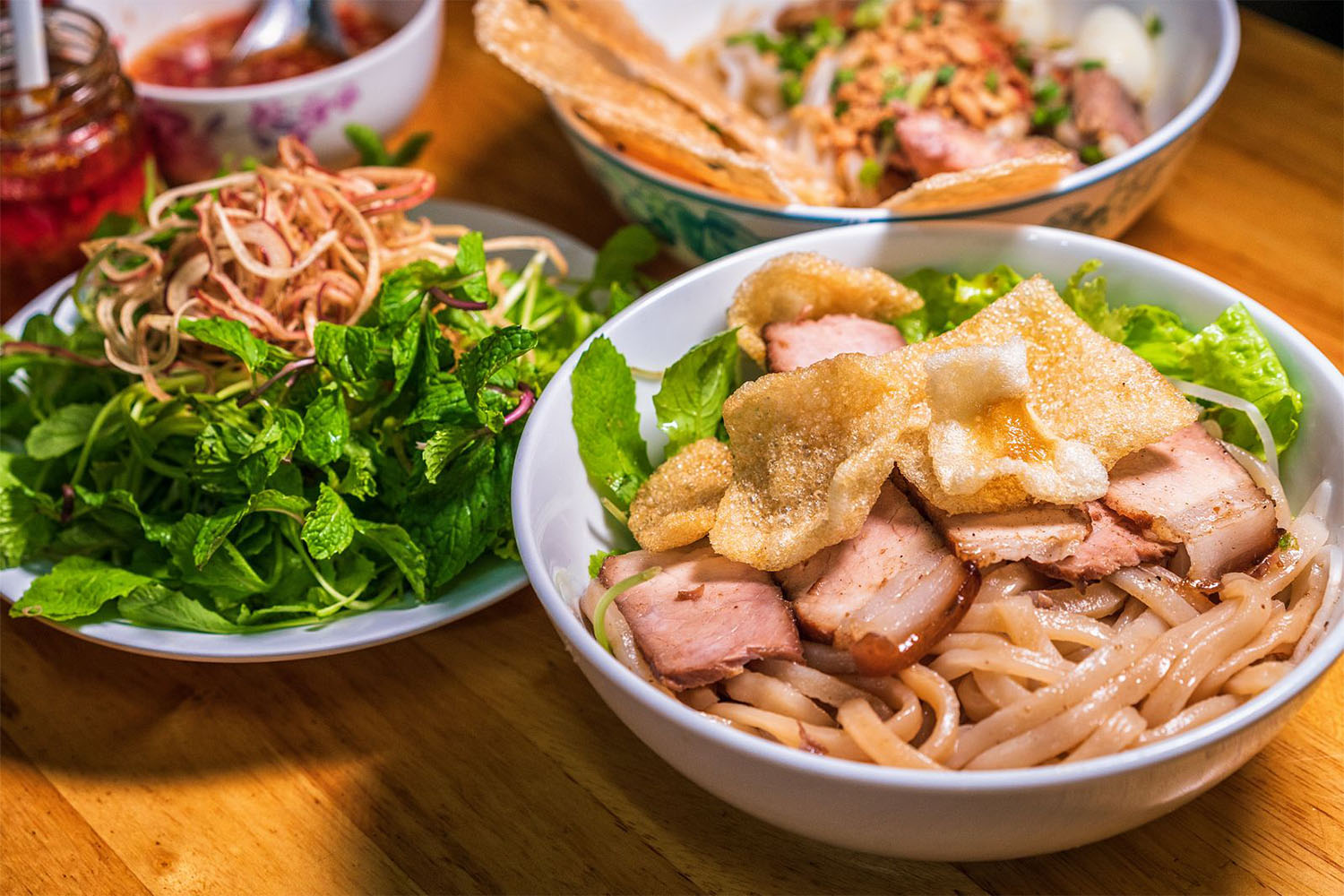
Street food becomes more appealing because standing outdoors feels comfortable. Vendors operate longer hours, and travelers are more inclined to sit on small stools, eat slowly, and observe the street around them. Grilled items, fried snacks, and fresh bánh mì all feel better when the air is cool and dry.
January evenings are ideal for open-air dining. Riverside restaurants, courtyard cafés, and lantern-lit eateries benefit from the weather, creating atmospheres that feel intimate and relaxed. The lack of heavy rain means meals are rarely interrupted, and dining becomes a social experience rather than a rushed one.
Café culture also thrives in January. Hoi An’s many cafés, from riverside spots to quiet garden cafés, feel inviting throughout the day. Hot coffee becomes more appealing in the morning, while iced drinks still work well in the afternoon warmth.
Overall, January allows travelers to experience Hoi An’s food scene at a slower, more enjoyable pace.
Tet season and its influence on January travel
January often overlaps with the build-up to Tet, Vietnam’s Lunar New Year. Depending on the lunar calendar, Tet may fall in late January or early February.
In the weeks leading up to Tet, Hoi An begins to change subtly. Markets fill with flowers, decorative items, and holiday foods. Locals clean their homes, shop for gifts, and prepare traditional dishes. The town feels festive but not chaotic, especially compared to larger cities.
Weather plays an important role in this atmosphere. The mild climate allows decorations to appear throughout the town, lanterns to stay lit longer, and outdoor activities to continue without disruption. Evening walks during this period feel especially special, as seasonal colors blend with the old town’s historic charm.
Travelers visiting close to Tet should be aware that some businesses may close for a few days during the holiday itself. However, the days leading up to Tet are lively and culturally rich. The weather supports exploration, photography, and market visits during this unique time.
January’s stable conditions make Tet preparations more visible and accessible, adding depth to the travel experience rather than limiting it.
Crowd levels and overall atmosphere in January
January sits in a comfortable middle ground when it comes to crowds in Hoi An.
Compared with peak months like March and April, January feels calmer. International visitor numbers are steady but not overwhelming, and the cooler weather discourages rushed sightseeing. The town feels lived-in rather than crowded.
Early mornings remain quiet, even in popular areas. Midday sees a gentle increase in activity, but crowds rarely reach uncomfortable levels. Evenings are lively but pleasant, with people lingering rather than rushing.
As Tet approaches, domestic travel increases, especially on weekends. However, this adds energy rather than congestion, particularly in the old town and markets.
For travelers who value atmosphere and walkability over peak sunshine, January strikes an excellent balance.
What to pack for Hoi An in January
Packing for Hoi An in January is simple, but a few thoughtful choices can significantly improve comfort.
Light layers are essential. Bring breathable clothing for daytime, such as short-sleeve shirts and lightweight trousers or dresses. Include at least one light jacket, sweater, or long-sleeve top for early mornings and evenings.
Comfortable walking shoes are important, as January’s weather encourages exploration on foot. Sandals work well during the day, but closed shoes are useful for cycling or cooler evenings.
A light rain jacket or compact umbrella is recommended, especially for early January, though heavy rain is unlikely.
If you plan beach time, pack swimwear, but also bring something to layer over it, as the sea breeze can feel cool after swimming.
Sunscreen remains necessary. While temperatures are mild, UV levels can still be strong on clear days.
Who January is best for
January is ideal for travelers who value comfort, atmosphere, and cultural depth.
It suits first-time visitors who want to explore Hoi An without battling heat or rain. It is excellent for older travelers or families who appreciate mild temperatures and easy walking conditions. Couples often find January especially romantic, thanks to cool evenings and lantern-lit streets.
Travelers interested in food, photography, cycling, and slow travel benefit greatly from January’s climate. Those focused exclusively on beach swimming may prefer later months, but even then, January offers plenty of coastal enjoyment beyond the water.
For travelers combining Hoi An with Da Nang or Hue, January provides consistent conditions across central Vietnam, making multi-destination planning easier.
Final thoughts: why January is a smart time to visit Hoi An
Hoi An in January offers a version of the town that feels balanced, approachable, and deeply enjoyable. The weather avoids extremes. Days are mild, nights are cool, rain is minimal, and the air feels fresh.
This climate supports everything Hoi An does best: walking, eating, cycling, exploring history, and spending time outdoors without rushing. The town feels calm yet alive, shaped by seasonal rhythms rather than tourist pressure.
For travelers seeking a gentle introduction to central Vietnam or a quieter alternative to peak-season heat, January stands out as one of the most rewarding months to experience Hoi An fully.