
January marks the deepest point of winter in Northern Vietnam, shaping the region’s landscapes, cities, and rural communities with a distinct seasonal character that differs dramatically from the tropical south. Travelers arriving during this period often encounter a version of Vietnam that they may not expect, one defined by cool temperatures, grey skies, dry air, and occasional cold waves sweeping down from mainland China. The winter atmosphere influences the way people dress, how daily life moves, how early mornings feel, and how each destination—Hanoi, Sapa, Ha Giang, Ninh Binh, Mai Chau, and the northeastern coastal provinces—expresses its environment. For inbound travelers who want to understand how Northern Vietnam behaves in early winter, January provides the clearest picture.

The month is shaped by the northeast monsoon system, which delivers cold air masses that settle across the entire region. These cold fronts arrive in waves, sometimes lasting two or three days, sometimes stretching nearly a week before easing into milder conditions. This pattern gives January its characteristic temperature fluctuations, ranging from crisp, cool mornings in the low teens to milder days that may briefly break above 20°C. Even during warmer stretches, the underlying winter mood remains present. Buildings retain cold air due to traditional architecture, humidity stays low, and sunlight remains diffused rather than bright. Many travelers describe Northern Vietnam in January as pleasantly wintery rather than harsh, a climate that encourages slower exploration but still allows for full days of sightseeing.
To better understand Northern Vietnam’s weather in January, it is helpful to examine how the season manifests across different environments. Cities like Hanoi experience a crisp, urban winter with subtle changes in culture and daily activity. Mountain regions such as Sapa and Ha Giang feel significantly colder and more dramatic, shaped by elevation and terrain. Lowland plains and river valleys like Ninh Binh take on a soft, misty atmosphere that transforms their iconic landscapes. Coastal provinces experience a balanced blend of cool breezes and calmer conditions after the stormy months of autumn. January does not deliver uniform weather; instead, it reveals how Northern Vietnam’s diverse geography responds to winter in varied and fascinating ways.
How January feels across northern Vietnam
Norning and daytime conditions
January in the north produces a climate that blends cool temperatures, dry air, and frequent overcast conditions. The mornings often begin with a crisp chill that lingers even after sunrise. It is common for the temperature to start around 12°C to 15°C in Hanoi and surrounding lowlands. In mountainous regions, mornings can fall below 10°C, and cold spells may push temperatures toward freezing. This level of coldness surprises some travelers who associate Vietnam with year-round tropical heat, yet the experience remains comfortable for most visitors when they arrive with the right expectations and clothing.
Throughout the day, temperatures rise gradually but stay within a mild winter range. The typical daytime high sits between 16°C and 20°C in much of the lowlands. On milder days, the temperature may rise slightly above 20°C, creating a gentle warmth. Sunshine remains limited even on warmer days, as January is still dominated by cloud cover. The grey sky softens the light, influencing photography, landscapes, and the general mood of the region. Travelers quickly adapt to this cooler ambiance, and those who enjoy temperate climates often find January ideal for long walks, sightseeing, and cultural exploration.
Humidity, air quality, and evenings

Humidity levels drop significantly compared to autumn, leading to a dry winter atmosphere that can feel sharper and cleaner. This low humidity helps offset the coldness, preventing the air from feeling overly wet or penetrating. However, indoor spaces—particularly older buildings, small cafés, and traditional hotels—lack heating systems, which means they retain the evening chill. Visitors often find indoor environments surprisingly cool, and it is common to see locals wearing jackets even while sitting inside restaurants or working in offices.
Evening temperatures in January often fall back into the low teens in Hanoi and surrounding provinces. Mountain regions cool even further, and areas like Sapa, Dong Van, and Meo Vac may drop toward 6°C or 7°C during cold waves. These nighttime lows give the northern mountains their signature winter feel. While it rarely snows in Sapa and Ha Giang, frost, icy patches, and frozen tree branches are possible when temperatures drop. Travelers visiting during this period experience a version of Vietnam that looks and feels dramatically different from the humidity-heavy summer months.
The air quality varies depending on location and weather patterns. Dry winter conditions sometimes bring haze to urban areas, particularly Hanoi, though this is less consistent than in late autumn. Mountain regions often maintain cleaner air, especially after a cold wave passes and the sky clears. Mist and fog occur frequently in valleys and limestone landscapes like Ninh Binh, giving these environments a picturesque and atmospheric character. Overall, January’s feeling across the region is cool, slow, and atmospheric, with a winter identity that shapes everything from landscapes to daily habits.
Gow cold waves influence January weather
What a cold wave looks like
Cold waves are the defining feature of Northern Vietnam’s winter. These weather systems originate from the northeast, carrying cold, dry air that travels over China before reaching Vietnam. Their arrival determines the intensity of January’s chill, the presence of wind, and the overall comfort level for travelers. Not all cold waves are severe. Some bring only mild cooling and a slight breeze, while others create sharp drops in temperature that last several days.
When a strong cold wave arrives, temperatures can fall quickly over the course of one night. Hanoi may drop to 10°C or lower, and northern mountain districts can fall near or below 5°C. These conditions create some of the coldest days of the year. Travelers may notice sharper winds along major streets, a quietness in early-morning activity, and locals wearing multiple layers of clothing. The air becomes noticeably drier, and the sky may turn more overcast, though heavy rain remains unlikely.
How long cold waves last
Once the cold wave settles, the air remains cool and steady. Daytime temperatures rise slowly, but the overall atmosphere stays wintery. In mountainous regions, cold waves sometimes create frost along forest trails, on rooftops, and in high-altitude fields. While snow is rare, it can occur in extreme years, especially at the top of Fansipan or around Sapa, though this should not be expected as a normal January condition.
After a cold wave weakens, the weather transitions back toward milder winter conditions. Temperatures rise by a few degrees, wind softens, and outdoor activities feel more comfortable. This pattern repeats several times throughout January. For most travelers, the rhythm of cold waves adds variety to the travel experience, creating a dynamic winter environment that shifts subtly from week to week.
Hanoi in January
The winter mood of the capital
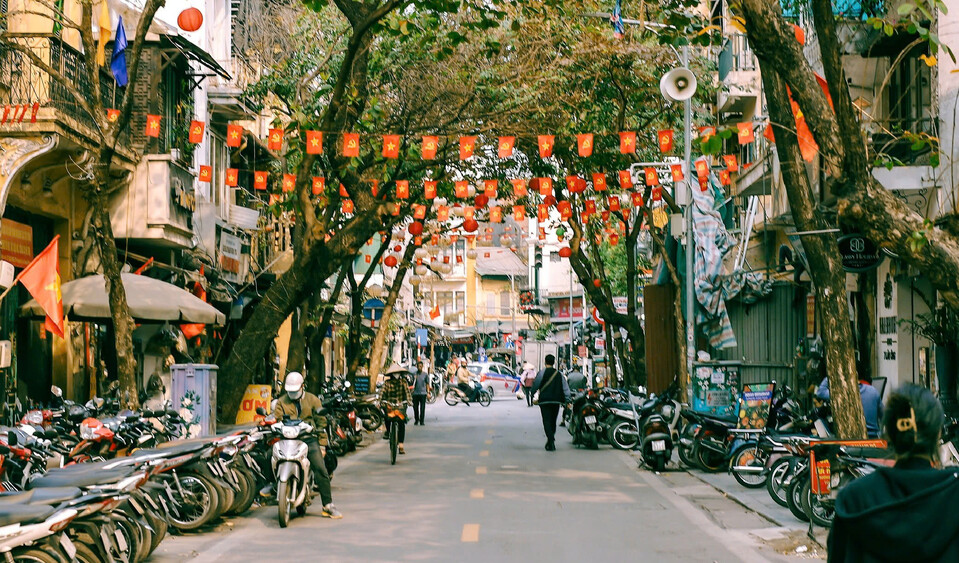
Hanoi takes on a distinct winter atmosphere in January, offering travelers a version of the capital that feels calm, introspective, and culturally rich. The temperature during this month typically ranges between 12°C and 20°C, though colder spells may drop the nighttime temperature close to 10°C. The mornings begin with a soft chill that lingers in the shaded streets of the Old Quarter, along Hoan Kiem Lake, and underneath the trees of the French Quarter. Locals wear coats, scarves, and gloves while commuting on motorbikes, and street vendors set up their stalls with steam rising from noodle pots and hot kettles of tea.
The sky in January remains dominated by a muted grey tone. Sunshine appears occasionally but rarely stays long. Instead of bright light, travelers encounter a diffused, gentle illumination that gives the city a subdued charm. This winter lighting suits Hanoi’s architecture particularly well. The moss-covered walls of the Old Quarter, the colonial facades of the French Quarter, and the lakeside pathways of West Lake all appear softer under January’s light.
Sightseeing and food culture
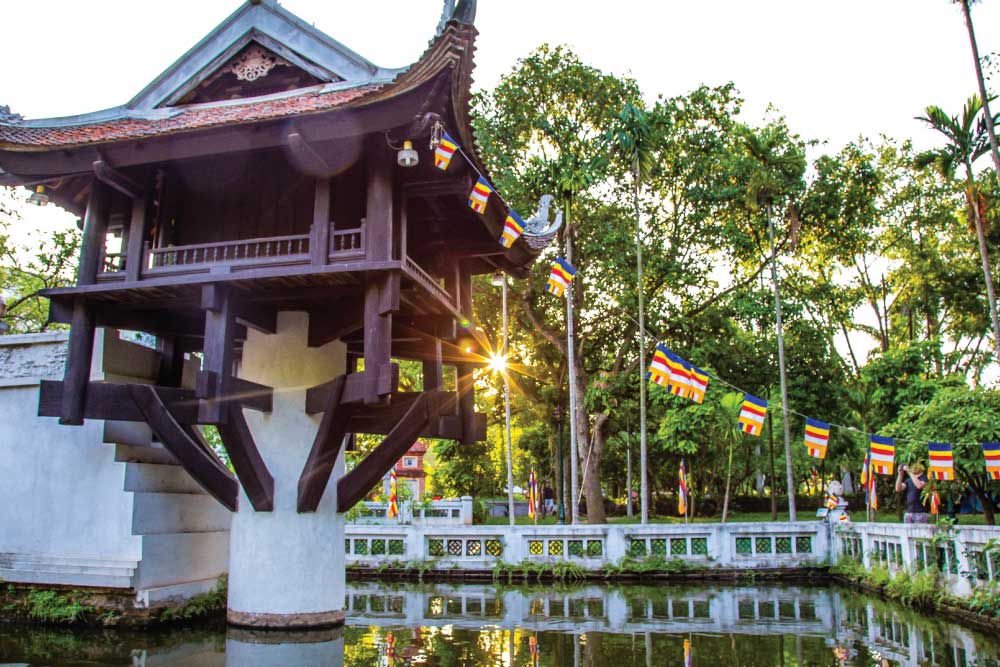
The cool weather encourages slower exploration. Travelers spend more time in cafés, museums, and cultural sites where the environment remains comfortable for long visits. The Temple of Literature, with its courtyards and traditional roofs, feels peaceful in winter. The Vietnam Fine Arts Museum and the Women’s Museum offer indoor spaces that contrast with the outdoor chill. Ho Chi Minh Mausoleum, with its broad open square, feels more manageable to visit without battling intense heat.
Food culture plays an important role in shaping Hanoi’s January experience. Winter specialties appear across the city. Bowls of pho taste more comforting, hotpot restaurants become more crowded, and street stalls selling grilled corn, roasted chestnuts, and sticky rice cakes attract evening customers. Egg coffee cafés offer warm, cozy retreats from the cold air. The winter climate heightens the sensory appeal of these dishes, making January one of the best times for culinary exploration.
evenings by the lakes and in the old quarter
Evenings remain cool and atmospheric. Lakeside areas such as Truc Bach and West Lake offer peaceful walks. The Old Quarter becomes lively with night markets, rooftop cafés, and restaurants serving warm dishes. Despite the cool weather, Hanoi retains its vibrant social rhythm, though it feels more intimate and less frantic than during warmer seasons.
Sapa and the northern mountains in January
Temperature and landscape
Sapa, located in Lao Cai Province, experiences the most dramatic version of Northern Vietnam weather in January. The town sits at a high elevation, and surrounding villages climb even higher along terraced hills, valleys, and rugged mountain slopes. January brings true winter conditions: daytime temperatures often hover around 8°C to 12°C, and nighttime temperatures can fall near freezing. During strong cold waves, temperatures drop to 0°C or lower at high altitudes.
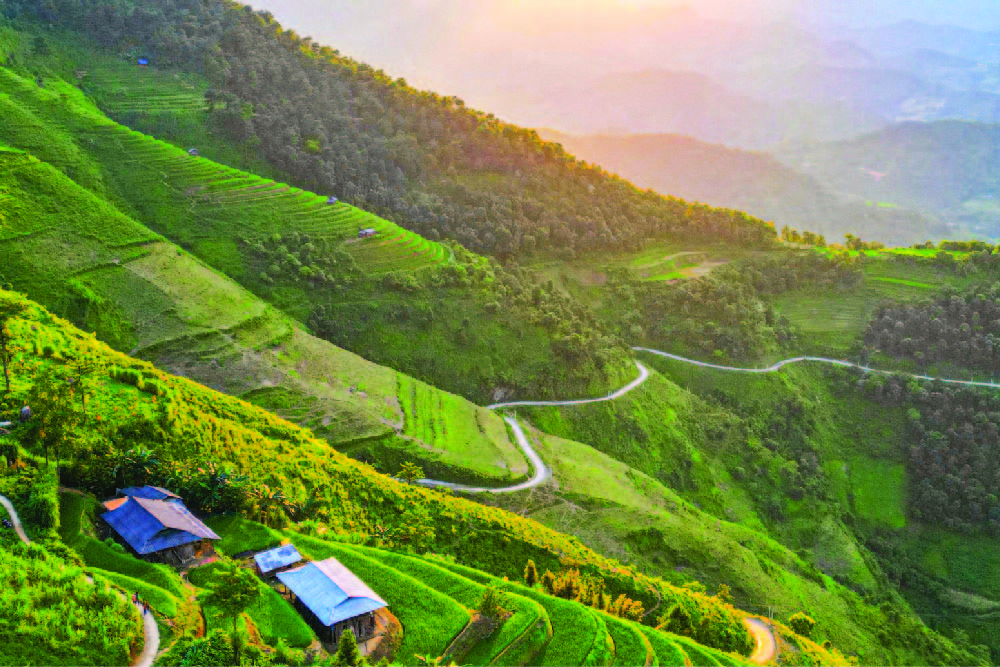
The landscape reflects this winter intensity. Terraced rice fields, which appear golden during harvest season, lie barren and muddy during January, though the absence of greenery allows the contours of the terraces to stand out clearly. Mist often forms in the valleys, creating a soft, atmospheric quality that enhances the region’s rugged beauty. Forest trails feel crisp, with cool air filtering through bamboo groves and pine forests.
Village life and trekking conditions
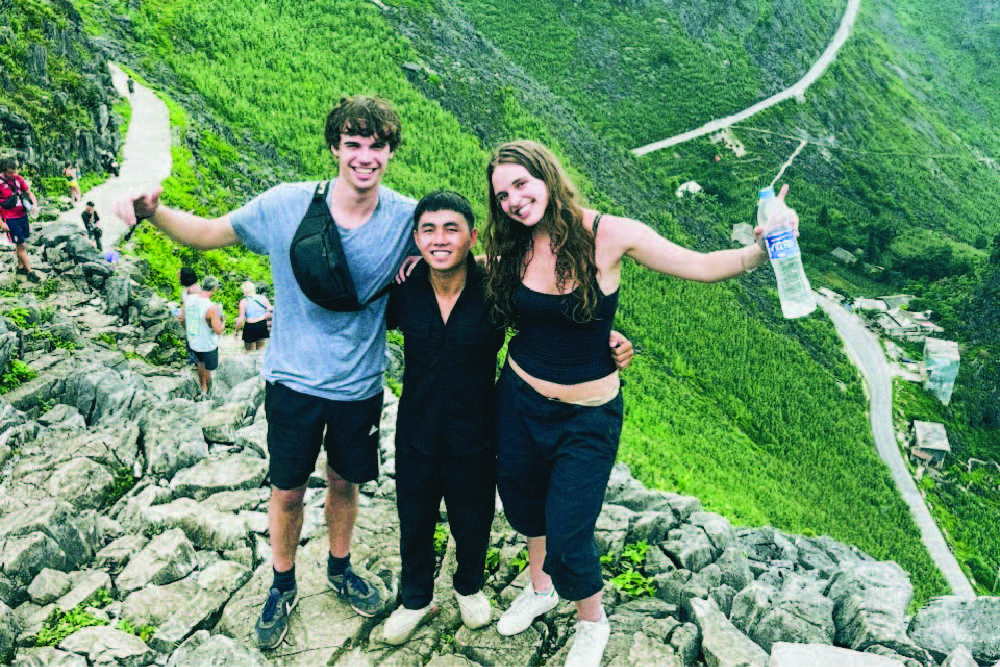
Village life slows down during this period. Hmong, Dao, Tay, and Giay communities continue their daily routines but wear multiple layers to stay warm. Smoke rises from wood-burning stoves inside traditional homes. Markets sell winter vegetables, hot dishes, and herbal teas designed to warm the body. Travelers walking through these villages feel immersed in an authentic winter environment shaped by both climate and cultural adaptation.
Fansipan, the highest peak in Vietnam, becomes particularly cold in January. The summit may experience frost, ice, or even snow when temperatures drop sharply. The cable car remains operational, but the peak often feels significantly colder than Sapa town. Visibility varies depending on fog, but on clear days, the views across the Hoang Lien Son mountain range become sharp and expansive.
Hiking conditions depend on weather patterns. Mild spells create suitable conditions for trekking to villages such as Ta Van, Lao Chai, or Cat Cat. Cold waves, however, can make trails slippery or envelop the area in dense fog. Travelers should expect flexibility when planning outdoor activities in Sapa during January, though the winter atmosphere creates a unique charm unmatched by any other season.
Ha Giang and the far north in January
Ha Giang, famous for its dramatic karst landscapes, winding mountain roads, and ethnic minority culture, takes on a rugged winter identity in January. Temperatures fall into the single digits during cold waves, especially in districts such as Dong Van, Meo Vac, and Quan Ba. The dry winter air enhances visibility on many days, revealing sharp rock formations, steep valleys, limestone peaks, and terraced slopes that define the region.
Fog is common in early-morning hours, drifting through mountain passes and creating an atmospheric environment along the Ha Giang Loop. As the sun rises, the fog lifts gradually, providing clearer views of the peaks and valleys. Afternoons often deliver the best visibility, with cool but stable temperatures that support long motorcycle rides or viewpoint stops.
Local villages adapt to the winter conditions through layers of warm clothing, cooking indoors, drying corn or firewood, and maintaining cultural activities that align with the season. Markets remain active, with vendors selling warm soups, barbecued meats, sticky rice, and winter vegetables. Travelers visiting Ha Giang in January should prepare for cold conditions, especially during early morning and evening periods, but the reward is a crisp, dramatic landscape that feels relatively untouched by tourism compared to warmer months.
Ninh Binh, Mai Chau, and lowland regions in January
Ninh Binh’s iconic limestone karsts, rice plains, and river valleys take on a peaceful, misty appearance in January. Temperatures range between 13°C and 20°C, with cooler mornings and mild afternoons. Mist often settles over the Tam Coc and Trang An waterways, creating a dreamlike atmosphere as boats glide through the karst valleys. The muted winter light adds softness to the scenery, making January one of the most atmospheric months for landscape photography.
Mai Chau, located in a valley surrounded by mountains, experiences cool but comfortable winter conditions. The stilt houses of the Thai ethnic minority appear more picturesque under the soft winter sky. Villagers continue weaving, farming, and preparing local dishes in the cool air. Travelers hiking in the area enjoy crisp air, quiet trails, and panoramic views unobstructed by summer haze.
January’s dry conditions ensure that cycling, walking, and river trips remain comfortable and safe. While the rice fields are not at their greenest during this period, the landscapes retain a winter charm that reflects a different, slower side of Northern Vietnam.
Coastal provinces and northeastern regions
Northeastern provinces such as Hai Phong, Quang Ninh, and the coastal districts near Ha Long Bay experience a cool maritime winter in January. Temperatures remain slightly milder than mountain regions but cooler than Hanoi, often ranging between 14°C and 18°C. Ha Long Bay appears misty in the morning and sometimes throughout the day. The limestone islands rise quietly from the water, their silhouettes softened by winter fog.
Cruise conditions remain stable throughout January, as rainfall stays minimal and winds are less intense than in autumn. The cooler air makes overnight cruises comfortable, though travelers should bring warm clothing for evening deck activities. The lighting during this period enhances the bay’s mysterious qualities, creating a different visual experience from the bright, clear skies of spring.
Cat Ba Island retains a quiet winter atmosphere. The beaches are not ideal for swimming, but hiking, cycling, and exploring Lan Ha Bay remain enjoyable under mild temperatures and dry conditions.
How January influences travel comfort
Comfort for sightseeing and transport
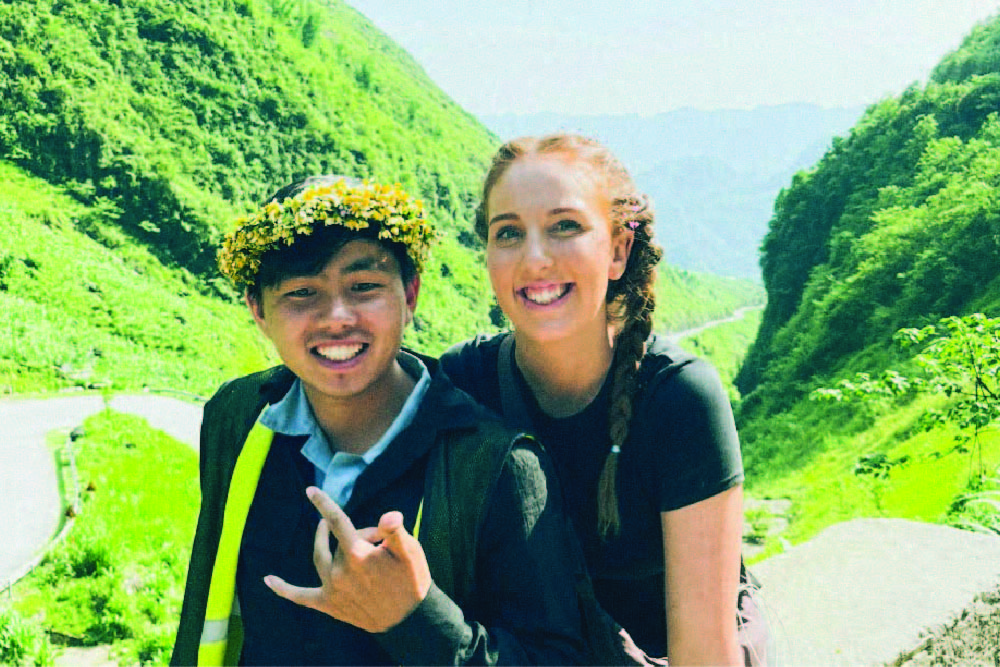
January offers excellent travel comfort for many inbound travelers due to mild temperatures, dry air, and consistent conditions. Sightseeing becomes easier without strong sunlight or heavy humidity. Long walks through cities, villages, and historic sites feel pleasant and manageable. The absence of rain ensures that day trips, river tours, and mountain activities face fewer interruptions.
Travelers should, however, prepare for the winter chill, especially in mountain regions. Warm clothing becomes essential for evenings and early mornings. Indoor spaces without heating can feel colder than expected. Trekking requires good layered clothing, and motorbike travel in Ha Giang or Sapa needs wind protection.
Transportation systems operate reliably during January. Roads remain dry, highways stay clear, airports experience fewer weather-related delays, and public transit functions normally. Train travel between Hanoi and Lao Cai (gateway to Sapa) becomes more comfortable without the summer heat.
Crowds and the build-up to tet
Crowd levels remain moderate in early January but increase as Tet approaches. Markets, shopping districts, and intercity transport become busier in the final week of the month, especially when Tet falls in early February. Travelers visiting Northern Vietnam in the last days of January may encounter heightened commercial activity, decorated streets, and a festive mood that enhances the cultural experience.
Food and winter dining culture
Warming dishes and street food
Winter shapes food habits in Northern Vietnam in a noticeable way. Dishes that feel too heavy in summer become comforting in January. Soups, stews, grilled meats, and hot drinks dominate restaurant menus and street-food scenes.
Pho becomes especially enjoyable during winter, with steam rising from the broth and spices warming the body. Bún thang, a delicate Hanoi specialty, feels suited to the cool atmosphere. Grilled meats and sticky rice dishes gain popularity due to their warmth. Street vendors sell roasted chestnuts, sweet potatoes, and hot soy milk, all of which align with winter cravings.
Hotpot culture and café life

Hotpot restaurants remain busy during January, offering a communal dining experience that resonates with local culture. Vietnamese hotpot often features vegetables, mushrooms, seafood, and thinly sliced meats cooked in simmering broth. The warmth of the dish matches the cool weather, making it one of the highlights of January food culture.
Cafés also adapt to winter conditions by serving warm drinks such as ginger tea, egg coffee, and hot chocolate. The winter atmosphere encourages travelers to spend extended time in cafés, reading, relaxing, or socializing while watching the quiet movement of the city outside.
What travelers should realistically expect
Travelers visiting Northern Vietnam in January should expect a genuine winter environment that shapes daily experiences from morning until night. The temperature will feel cool or cold depending on the location. Sunshine will be limited. The air will feel dry rather than humid. Mist, fog, and overcast skies will create atmospheric landscapes across both cities and countryside.
At the same time, January offers excellent stability for travel. Rainfall is low, outdoor activities remain uninterrupted, and temperatures rarely become uncomfortably cold for travelers accustomed to temperate climates. Multi-city itineraries involving Hanoi, Ninh Binh, Ha Long Bay, Sapa, and Ha Giang work smoothly during this period. The winter ambiance enhances cultural immersion rather than hindering it.
January is also a month of cultural significance. Depending on the lunar calendar, Tet may fall in late January or early February. When Tet approaches, markets fill with flowers, decorations, and seasonal foods. Streets become livelier, and the regional atmosphere takes on a festive undertone.
Overall, Northern Vietnam weather in January presents a winter experience that is mild but meaningful, atmospheric but practical, and distinct enough to create lasting travel memories.
Frequently asked questions
Is January a good month to visit Northern Vietnam?
Yes. Northern Vietnam weather in January is cool, dry, and stable, which makes it a comfortable month for sightseeing, cultural activities, and multi-city itineraries. It is one of the most reliable winter months for inbound travelers.
How cold does it get in Northern Vietnam in January?
Most lowland areas such as Hanoi stay between 12°C and 20°C. Mountain regions like Sapa and Ha Giang experience colder temperatures, often ranging from 5°C to 12°C, especially during cold waves.
Does it rain a lot in January?
No. January is one of the driest months of the year in Northern Vietnam. Light drizzle or mist can occur, but heavy rain is uncommon.
Does Northern Vietnam get snow in January?
Snow is rare but possible at high altitudes in Sapa or Fansipan during strong cold waves. It is not guaranteed and should be viewed as a bonus rather than an expectation.
Is January foggy in Northern Vietnam?
Yes. Mist and fog are common in places like Ninh Binh, Ha Giang, and Sapa, especially in the early morning. This creates atmospheric landscapes that many travelers enjoy.
What should I pack for January?
Bring warm layers, a light winter jacket, long pants, comfortable walking shoes, and something windproof if you plan to visit Sapa or Ha Giang. Indoor heating is limited, so warm clothing is helpful even inside hotels and cafés.
Are outdoor activities still possible in January?
Yes. Trekking, sightseeing, river cruises, and day trips operate normally. Northern Vietnam weather in January is dry and stable enough for most outdoor activities, though mountain treks may be chilly.
Is Ha Long Bay worth visiting in January?
Absolutely. While the sky may be overcast, the calm seas and mild temperatures provide ideal conditions for cruising. The mist adds a dramatic, peaceful atmosphere to the limestone scenery.
Is January a busy month for tourism?
Crowds are moderate for most of the month. Tourism increases during the final week of January when the country prepares for Tet. Booking transport and hotels earlier is recommended if your dates overlap with the holiday period.
Can I ride a motorbike in the northern mountains in January?
Yes, but you should prepare for cold mornings, fog, and wind. Conditions are safe in dry weather, but proper layered clothing is essential for comfort.
Is January a good time for visiting Ninh Binh?
Yes. The cool and slightly misty atmosphere suits boat trips and cycling routes. It creates a photogenic winter landscape without heavy rain or extreme cold.
Does January feel similar across all parts of Northern Vietnam?
No. Lowland areas remain mildly cool, while mountain regions are significantly colder. Each destination expresses Northern Vietnam weather in January differently, with variations in fog, humidity, and temperature.