As the final days of the year draw closer, Hanoi begins to shift into a different rhythm. The pace of daily life slows just enough to make room for celebration, while streets, public spaces, and cultural venues come alive with light, music, and anticipation. Welcoming New Year 2026 in Hanoi is not just about a single night of fireworks or a countdown event. It is a citywide transition marked by atmosphere, movement, and a growing sense of excitement that spreads from the historic Old Quarter to newer urban districts and surrounding cultural sites.
For travelers, the New Year period offers a unique moment to experience Hanoi at the intersection of tradition and modernity. While Tet, the Lunar New Year, remains Vietnam’s most important holiday, the Western New Year has grown steadily in prominence, especially in major cities. In Hanoi, this results in a celebration that blends contemporary entertainment with the city’s deep cultural heritage.
This long-form guide explores how Hanoi prepares to welcome New Year 2026, highlighting the decorations, events, cultural programs, countdown activities, and travel considerations that visitors should know. Whether you are visiting Hanoi for the first time or returning during the year-end season, this guide helps you understand what to expect and how to make the most of your journey.
The changing atmosphere of Hanoi at year end
In the final week of December, Hanoi begins to feel subtly different. Traffic remains busy, but there is an added sense of movement as people shop, decorate, and gather in preparation for the New Year. Cafés introduce seasonal drinks, hotels update their lobbies with festive decorations, and public spaces take on a brighter, more colorful appearance.
Unlike the intense travel rush seen before Tet, the Western New Year period in Hanoi feels more relaxed and accessible. Offices and schools continue operating until December 31, but evenings become increasingly social. Families, young people, and visitors all participate in the festive mood, often meeting friends in the city center or attending cultural events.
For travelers, this balance makes New Year an ideal time to explore Hanoi. The city is lively without being overwhelming, and most services remain fully operational.
Decoration of streets and public areas
One of the most visible signs that New Year is approaching in Hanoi is the transformation of its streets and public spaces. Central areas are decorated weeks in advance, creating a festive cityscape that encourages walking, photography, and casual exploration.
Major streets such as Trang Tien, Hang Bai, and surrounding roads near Hoan Kiem Lake are adorned with decorative lights, illuminated arches, banners, and New Year-themed installations. These decorations often combine modern design elements with subtle references to Vietnamese culture, reflecting Hanoi’s evolving urban identity.
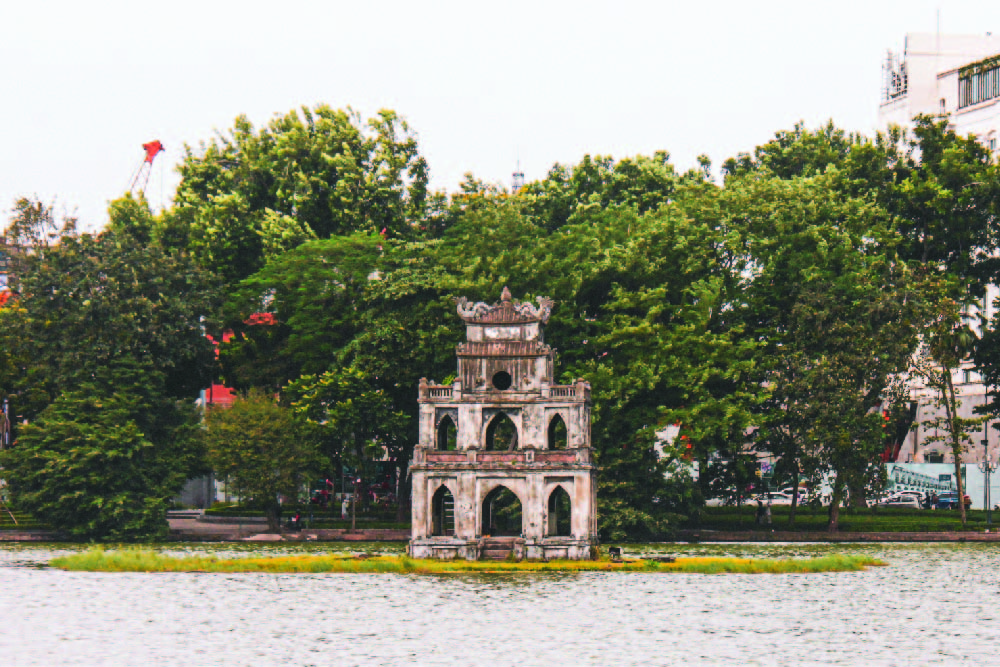
Around Hoan Kiem Lake, the walking street area becomes a focal point in the evenings. Families and visitors stroll along the lake, stop to take photos, and enjoy street performances. The reflections of lights on the water add to the atmosphere, especially after sunset.
Landmark decorations and cultural spaces
Beyond streets, many of Hanoi’s most important landmarks also take part in the New Year transformation.
The Hanoi Opera House often becomes a visual highlight during this period. Its classical façade is illuminated, and the surrounding area hosts cultural and artistic activities that draw both locals and tourists. The Opera House area feels particularly elegant in the evenings, making it a popular stop for visitors exploring the city center.
The Temple of Literature, while more restrained in decoration, often hosts cultural programs and exhibitions related to traditional arts, calligraphy, and education. Visiting during the New Year period allows travelers to experience a quieter, reflective side of Hanoi amid the festive season.
Other notable sites such as St. Joseph’s Cathedral and the Thang Long Imperial Citadel also contribute to the New Year atmosphere through lighting, exhibitions, or themed activities. These spaces blend history with celebration, offering visitors meaningful alternatives to large public events.
Light and music activities across the city
As New Year approaches, Hanoi hosts a variety of light and music programs designed to engage the public and create a celebratory mood. These activities are spread across several key locations, allowing visitors to choose experiences that match their interests and comfort levels.
The Hoan Kiem Lake walking street area is typically one of the main hubs for these programs. Temporary stages, artistic lighting installations, and live performances are organized in the days leading up to December 31. These events feature a mix of contemporary Vietnamese music, pop performances, and cultural showcases.
Thong Nhat Park is another important venue for New Year activities. With its large open space, the park can host light displays, music programs, and community events that attract families and groups of friends. The atmosphere here is generally more relaxed than in the Old Quarter, making it suitable for visitors who prefer space and greenery.
Throughout the city, smaller performances and pop-up events appear in shopping centers, cultural houses, and public squares. These activities contribute to the overall festive feeling without requiring advance planning or tickets.
The role of music and performance in New Year celebrations
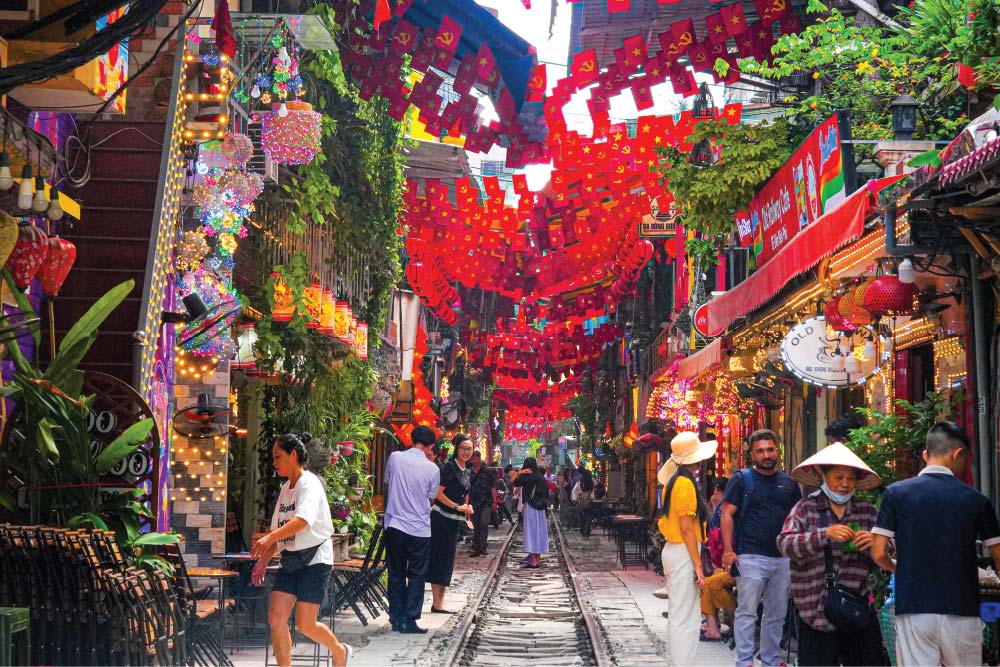
Music plays a central role in how Hanoi welcomes the New Year. From large public stages to small street performances, sound becomes a constant presence during the final days of December.
Well-known Vietnamese artists are often invited to perform at major New Year events, especially on December 31. Their participation attracts large crowds and adds to the excitement surrounding countdown programs. At the same time, traditional music and dance performances are incorporated into cultural events, maintaining a connection to Hanoi’s artistic heritage.
For visitors, this variety allows for different types of experiences. You may encounter modern pop concerts near Hoan Kiem Lake, while traditional performances take place at cultural venues or historic sites. Moving between these spaces provides a well-rounded impression of Hanoi’s creative landscape.
Year-end fairs and exhibitions in Hanoi
Another important aspect of New Year preparation in Hanoi is the organization of year-end fairs, exhibitions, and seasonal markets. These events reflect both the approaching Western New Year and the anticipation of Tet, which usually follows a few weeks later.
One of the most notable events is the Hanoi Spring Fair, often held at the Friendship Cultural Palace. This fair brings together vendors offering decorative items, handicrafts, traditional foods, and gift products. It attracts a mix of locals preparing for Tet and visitors curious about Vietnamese festive culture.
Craft villages around Hanoi, particularly Bat Trang, also host markets and exhibitions during this period. These events highlight traditional craftsmanship, such as ceramics, textiles, and folk art. For travelers, visiting these fairs offers insight into how Vietnamese families prepare for the new year while supporting local artisans.
Exhibitions at museums and cultural centers often focus on themes of renewal, national identity, and artistic expression. These quieter events provide a meaningful counterbalance to large public celebrations.
Activities at the Vietnam ethnic culture and tourism village
Located in Dong Mo, Son Tay, the Vietnam Ethnic Culture and Tourism Village plays a unique role in New Year and early spring celebrations.
In early 2026, the village is expected to organize a series of spring-themed cultural activities that celebrate Vietnam’s ethnic diversity and shared national values. These programs often include art performances, ritual reenactments, folk games, and exhibitions representing different ethnic communities across the country.
Visitors can observe traditional ceremonies, music, and dance in a setting designed to preserve and showcase cultural heritage. Compared to the busy city center, the village offers a more spacious and contemplative environment.
For travelers interested in cultural depth, combining a New Year visit to Hanoi with a day trip to this village provides a richer understanding of Vietnam’s traditions beyond urban festivities.
Countdown program to welcome New Year 2026
The highlight of Hanoi’s New Year celebrations is the countdown program on the night of December 31. This event marks the official transition into New Year 2026 and attracts thousands of people to the city center.
Dong Kinh Nghia Thuc Square, located near Hoan Kiem Lake, is expected to once again serve as the main venue for the countdown event. The square’s central location and proximity to walking streets make it an ideal gathering point.
The countdown program typically features live music performances, modern sound and lighting systems, and large screens that build anticipation toward midnight. As the final seconds of the year pass, the crowd counts down together, creating a shared moment of excitement.
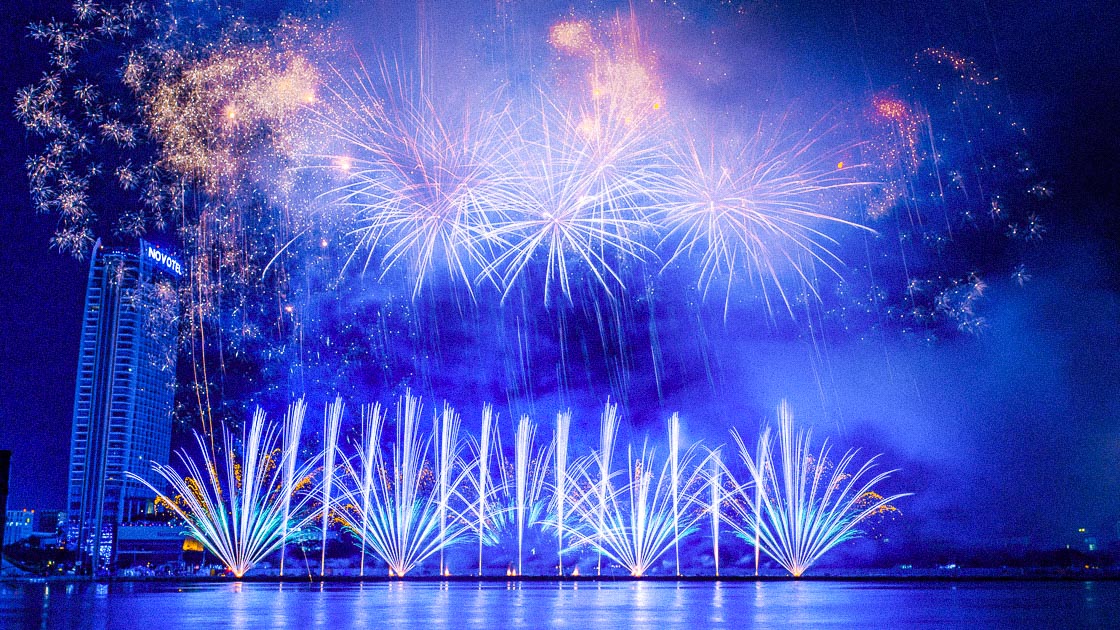
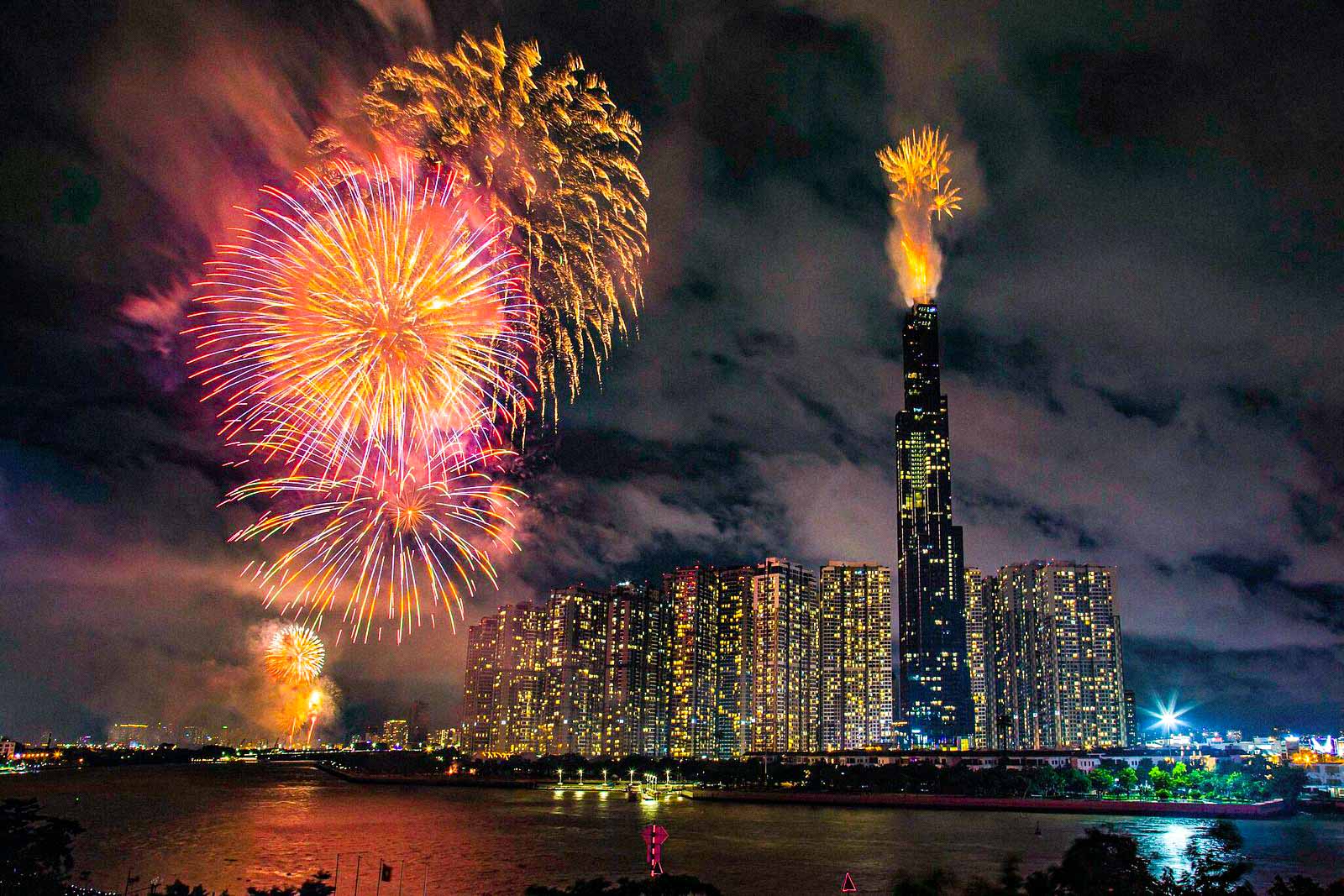
Fireworks displays are usually integrated into the countdown, providing a visual climax to the celebration. For many visitors, this moment becomes the most memorable part of their New Year experience in Hanoi.
What visitors experience on countdown night
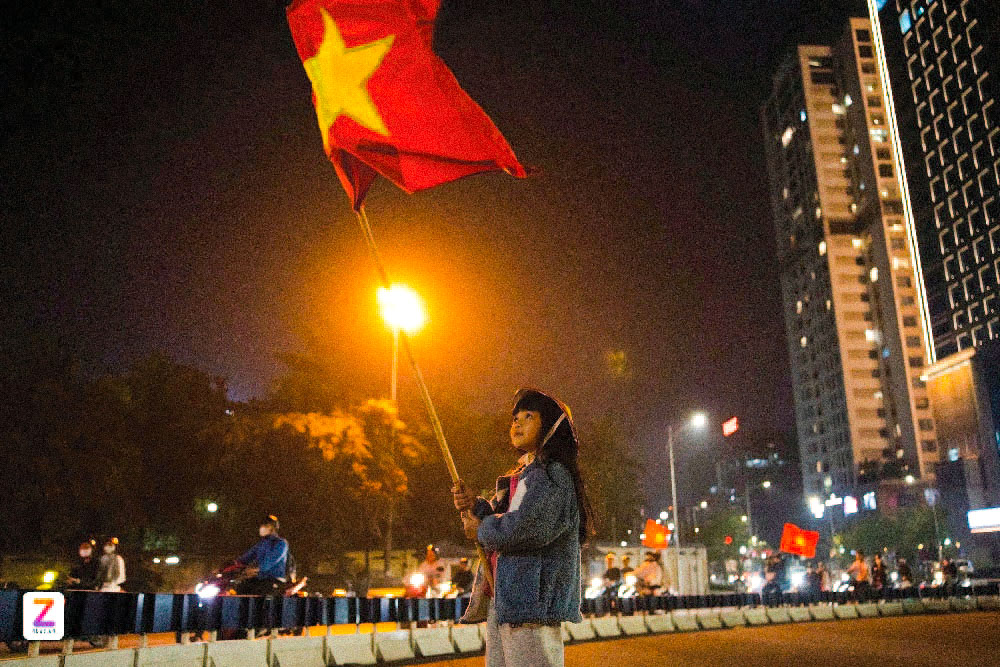
On the evening of December 31, Hanoi gradually transitions from a normal working day into a festive night. By late afternoon, traffic increases around central districts as people finish work early or head toward the Old Quarter and Hoan Kiem Lake area.
As evening sets in, cafés, restaurants, and bars begin filling up. Many visitors choose to have dinner earlier than usual, knowing that movement becomes slower closer to midnight. By around 7:30 or 8:00 pm, the walking streets near the lake are already busy, with families, couples, and groups of friends gathering to enjoy the atmosphere.
Closer to the countdown venue, the energy builds steadily. Music becomes louder, crowds thicken, and street vendors appear selling snacks, drinks, glow sticks, and festive accessories. The atmosphere feels celebratory but generally relaxed, with people moving slowly and patiently rather than rushing.
By 10:00 pm, most visitors have chosen their final positions, either near Dong Kinh Nghia Thuc Square, along the walking streets, or slightly farther away where crowds are thinner. From this point on, movement becomes limited, and the focus shifts to enjoying the moment and waiting for midnight.
Traffic, crowd management, and safety considerations
Traffic management is an important part of New Year’s Eve in Hanoi. Temporary road closures are often applied around Hoan Kiem Lake, Dong Kinh Nghia Thuc Square, and nearby streets to ensure safety and pedestrian access.
Visitors should expect traffic congestion in the city center from early evening onward. Using taxis or ride-hailing services close to midnight can be challenging due to road closures and slow movement. Walking is often the most practical way to move around central areas.
Police presence and security staff are usually visible around major event locations. Large crowds are managed carefully, and violent incidents are rare. However, as with any crowded public event, visitors should remain aware of their surroundings and keep personal belongings secure.
Traveling light, keeping valuables in zipped bags, and avoiding overly crowded spots if uncomfortable will help ensure a positive experience.
Food and dining during New Year in Hanoi
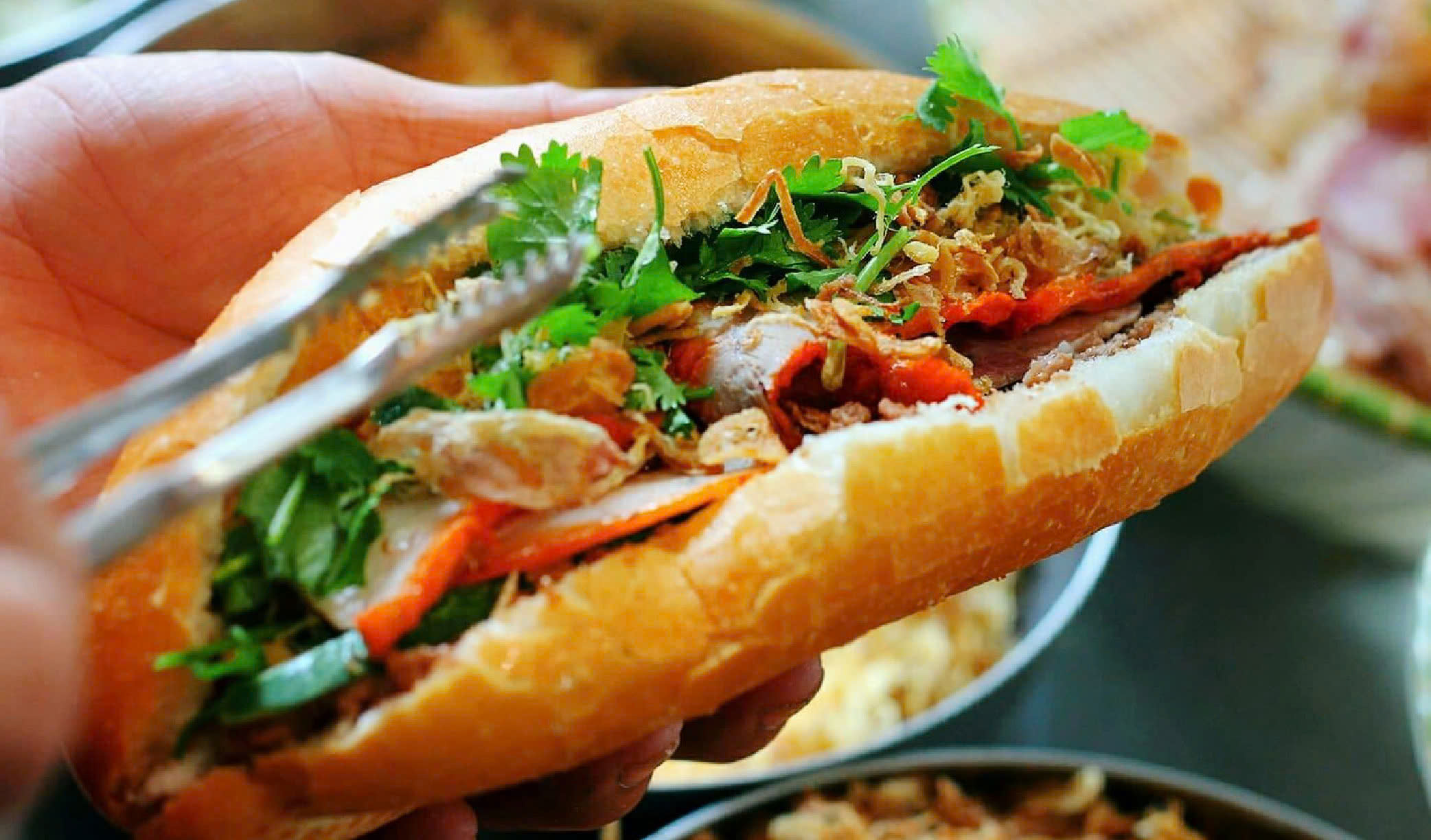
Food remains an essential part of the New Year experience in Hanoi, although it differs from the traditional meals associated with Tet.
On December 31, most restaurants operate normally, especially in tourist-friendly areas. Many Western and international restaurants offer special New Year’s Eve menus, while local eateries continue serving familiar dishes.
Street food becomes particularly popular near celebration areas. Visitors will find grilled skewers, sweet snacks, hot drinks, and quick bites sold along walking streets and near public squares. These informal options suit the mobile nature of the evening.
Cafés play an important role as well. Many visitors choose to wait for the countdown while sitting at cafés around Hoan Kiem Lake, enjoying drinks and observing the crowds. Reservations are recommended for popular venues with views of the main celebration areas.
Nightlife and entertainment options
For visitors who prefer nightlife over street celebrations, Hanoi offers a range of New Year’s Eve entertainment options.
Bars and lounges in the Old Quarter and nearby districts often host countdown parties with music, drinks, and themed decorations. These venues provide a more controlled environment compared to outdoor celebrations, though entry may be limited by capacity.
Hotels also organize New Year’s Eve dinners and events, particularly international and upscale properties. These experiences typically include live music, buffet or set menus, and countdown moments. They are suitable for travelers seeking comfort and predictability.
Compared to cities like Ho Chi Minh City, Hanoi’s New Year nightlife is more subdued, but it still offers enough variety for different travel styles.
Where to stay in Hanoi during New Year
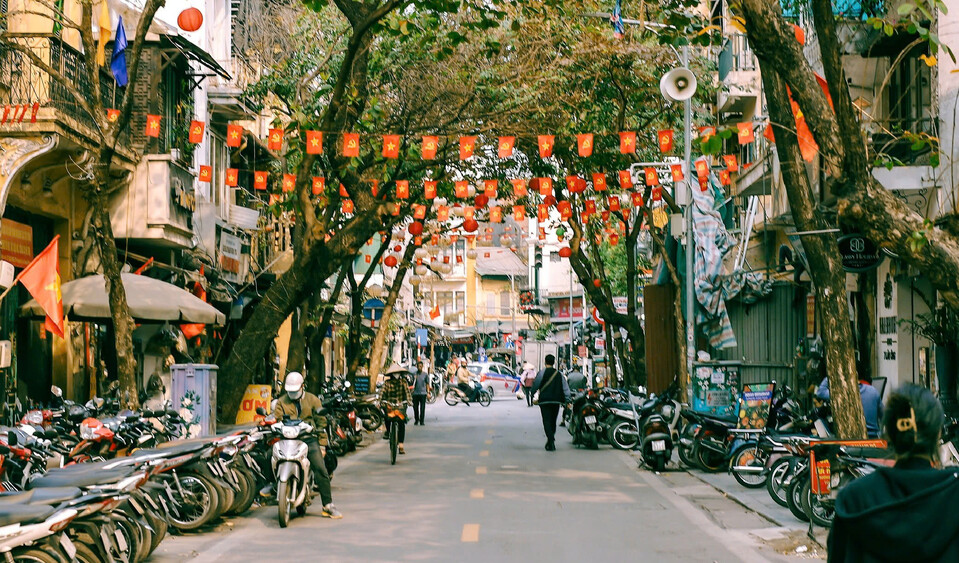
Choosing accommodation carefully can significantly improve the New Year experience in Hanoi.
Staying near the Old Quarter or Hoan Kiem Lake allows easy access to decorations, walking streets, and countdown events. However, these areas can be noisy and crowded on the night of December 31.
Visitors seeking a balance between accessibility and comfort may prefer areas slightly outside the Old Quarter, such as parts of Ba Dinh or Hai Ba Trung districts. These locations offer quieter streets while remaining close enough to central celebrations.
For travelers who prefer calm surroundings, staying farther from the city center and visiting central areas earlier in the evening can be a good strategy.
Comparing New Year in Hanoi with Tet celebrations
Understanding the difference between New Year and Tet helps visitors set expectations.
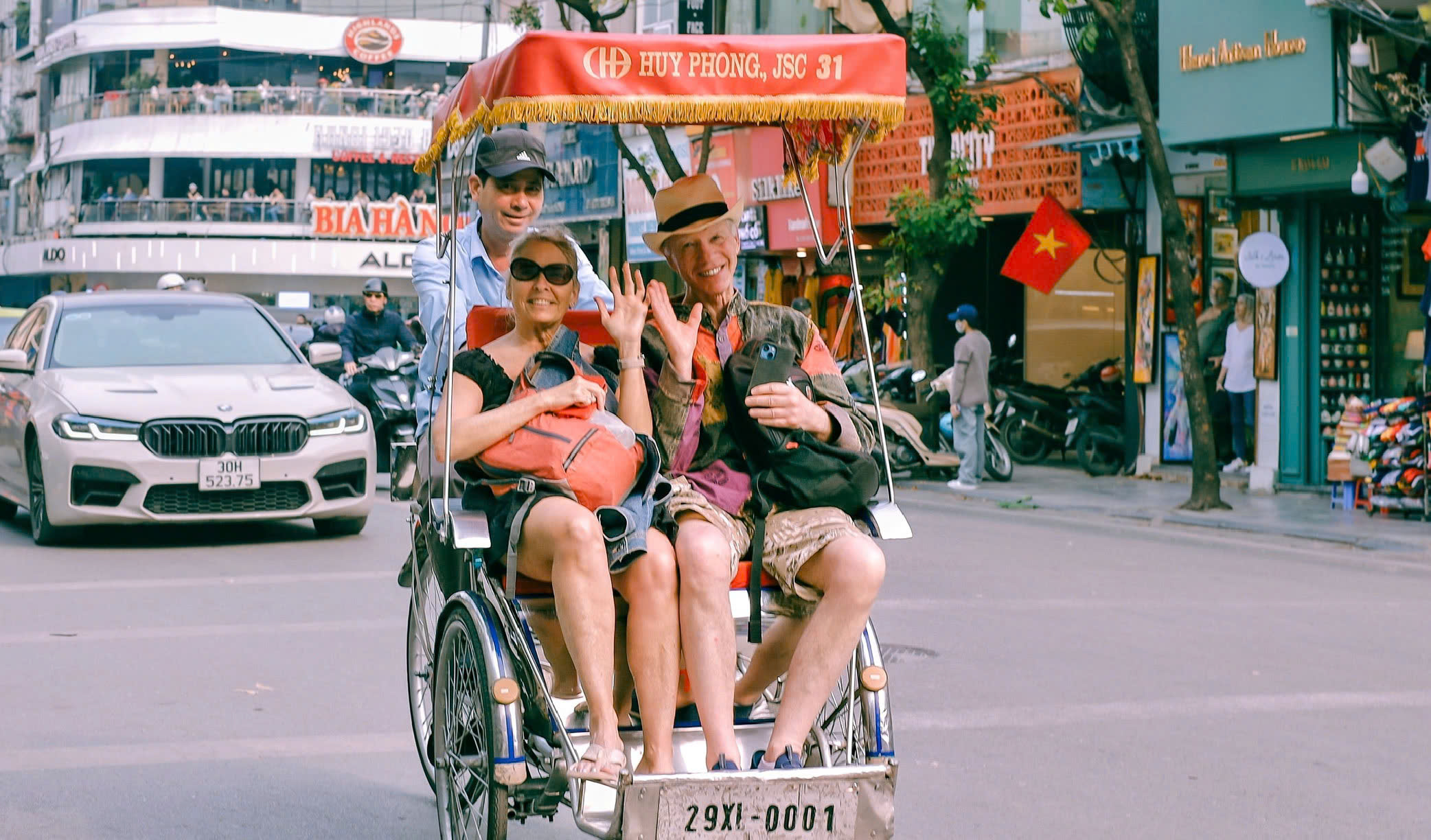
The Western New Year in Hanoi is social, public, and entertainment-focused. People celebrate outside their homes, and the city remains fully functional. It is easy for visitors to participate without advance planning.
Tet, on the other hand, is deeply traditional and family-centered. Many businesses close, travel demand increases, and the city can feel quiet during the first days of the Lunar New Year.
For travelers seeking festive atmosphere without logistical challenges, the Western New Year is often more convenient than Tet.
Sample itinerary for visiting Hanoi during New Year
A balanced New Year itinerary in Hanoi allows visitors to enjoy celebrations without exhaustion.
December 29–30
Explore Hanoi’s cultural sites, museums, and neighborhoods at a relaxed pace. Visit markets, cafés, and decorated streets in the evenings.
December 31
Spend the morning sightseeing or relaxing. Have an early dinner near the Old Quarter. Walk around Hoan Kiem Lake and nearby streets in the evening, then join the countdown at Dong Kinh Nghia Thuc Square or a nearby café.
January 1
Enjoy a calm morning with brunch or coffee. Visit attractions that remain open, such as museums or scenic neighborhoods, while crowds are lighter.
This itinerary allows visitors to experience both festive energy and quieter moments.
What kind of travelers will enjoy New Year in Hanoi
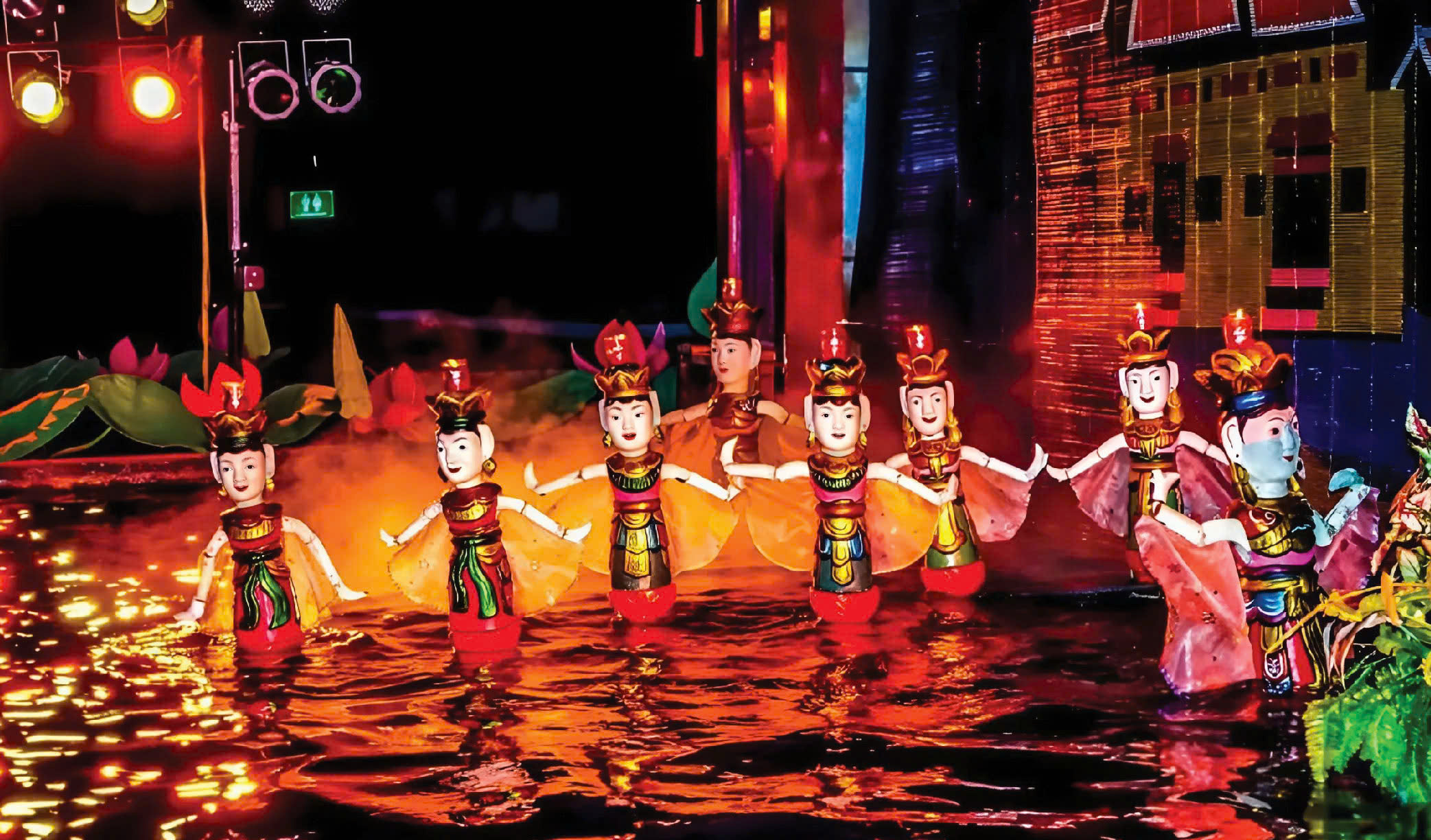
New Year in Hanoi appeals to travelers who enjoy atmosphere, culture, and public celebrations without extreme intensity.
It suits couples, solo travelers, and families with older children. It also appeals to visitors interested in observing local life rather than participating in nightlife.
Travelers seeking large-scale fireworks or high-energy parties may find Hanoi calmer than expected, but those who value ambiance and cultural context often find it rewarding.
Practical tips for visiting Hanoi during New Year
A few practical considerations can make the trip smoother.
Visitors should book accommodation early if staying near the city center. Wearing comfortable shoes is important due to walking and standing. Arriving early at countdown areas helps avoid stress.
Checking local announcements for road closures and event updates can also be useful. Flexibility remains the most valuable asset when navigating holiday crowds.
Final thoughts on welcoming New Year 2026 in Hanoi
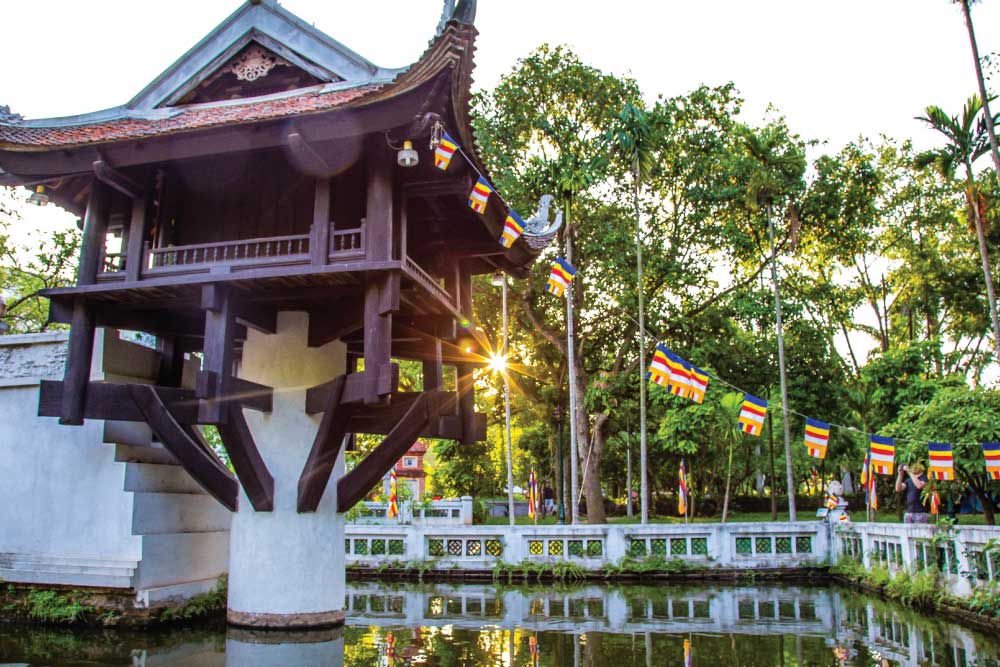
Welcoming New Year 2026 in Hanoi is about more than a countdown moment. It is about witnessing a city in transition, balancing its historical identity with modern celebration.
From illuminated streets and cultural performances to public countdown events and quiet morning walks on January 1, Hanoi offers a layered New Year experience. It may not be the loudest or most dramatic celebration in the region, but it is authentic, accessible, and deeply connected to the city’s character.
For travelers seeking a festive yet culturally grounded way to end the year and begin a new one, Hanoi remains a meaningful and memorable destination.