This story is shared by one of our customers who stayed in Vietnam during Tet.
When I realized Tet would change everything
When I first realized that my stay in Vietnam would overlap with Tet, I did not think much of it. Lunar New Year sounded festive and interesting, and I assumed it would simply add color to my trip. I imagined fireworks lighting up the skyline, music echoing through the streets, and perhaps special menus in restaurants. Coming from a culture where holidays often mean louder celebrations and busier nightlife, I expected something similar. What I failed to understand at the time was that Tet is not just a holiday in Vietnam. It represents a pause, a return, and a collective moment when an entire country turns inward before turning outward again.
The city before Tet
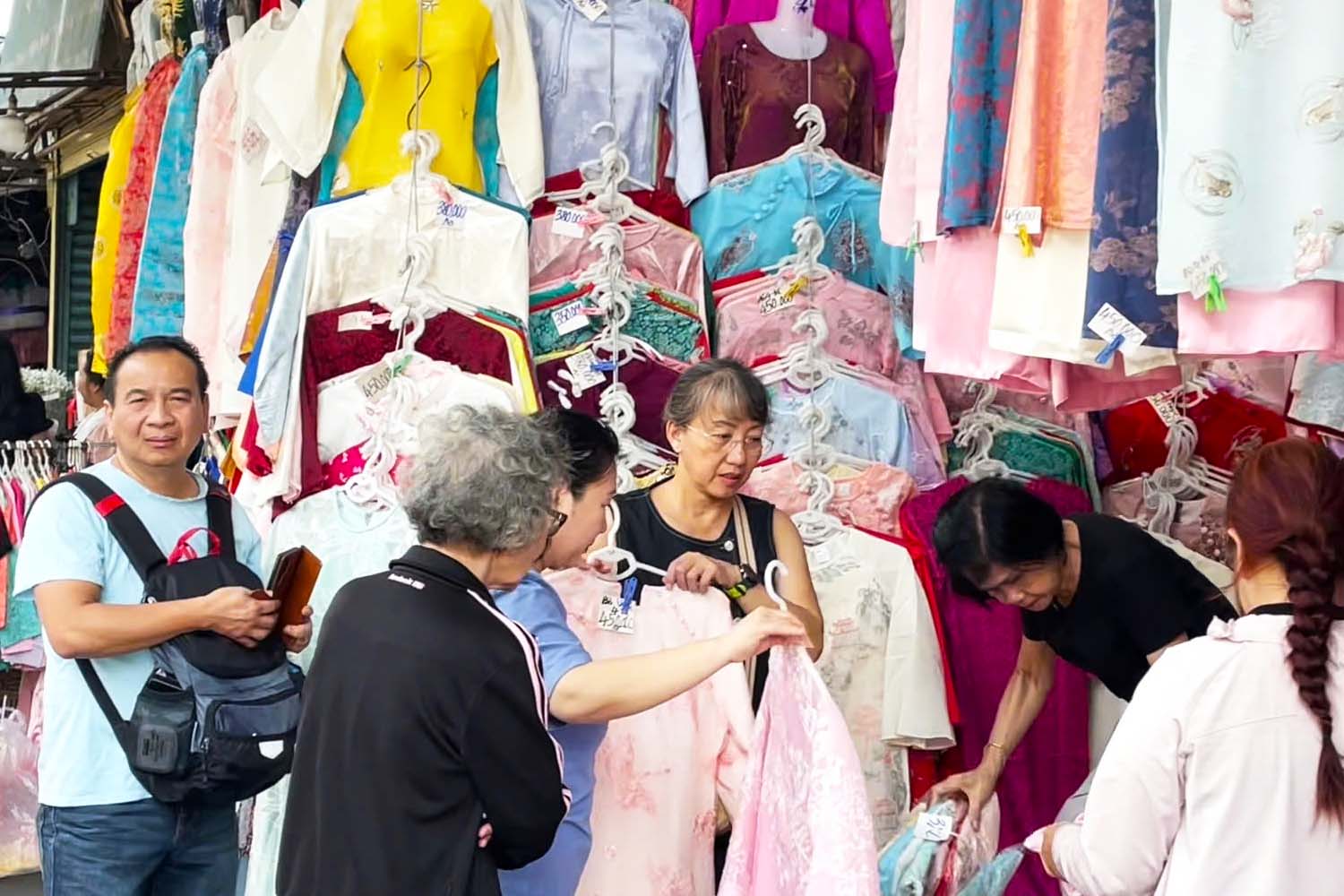
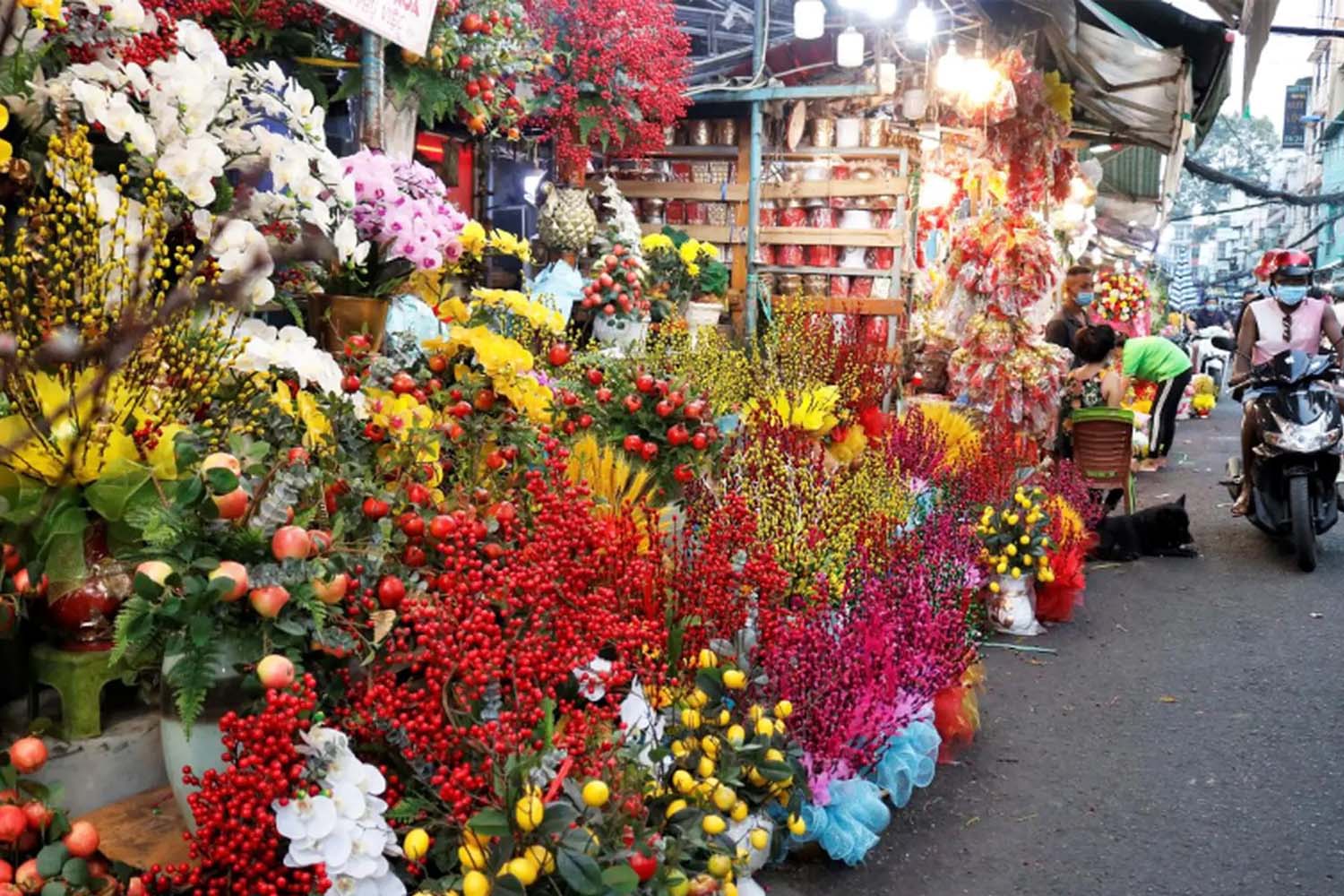
In the days leading up to Tet, Ho Chi Minh City continued moving with its usual restless energy, yet subtle changes began to surface. Flower stalls multiplied along sidewalks, filling the air with the scent of marigolds and apricot blossoms. Motorbikes carried full-sized kumquat trees balanced in ways that seemed impossible but perfectly natural to locals. Supermarkets grew crowded, not with frantic shoppers, but with families carefully selecting fruit baskets, sweets, and decorative branches. Red banners with gold calligraphy appeared on doors and balconies, while hotel lobbies gained ornamental trees almost overnight. When I asked a café owner what all the preparation meant, she simply smiled and said, “Tet is coming,” as though that explained everything.
The night before the pause
The night before Tet felt quietly anticipatory. I walked along Nguyen Hue walking street and watched workers complete elaborate flower displays. Giant zodiac figures stood proudly among thousands of blooms, illuminated by soft lighting that gave the boulevard an almost theatrical atmosphere. Families had already begun taking photos, children running in circles while parents adjusted camera angles. Excitement lingered in the air, but it felt measured rather than chaotic. Everyone seemed aware that something meaningful was about to unfold.
The first morning of Tet
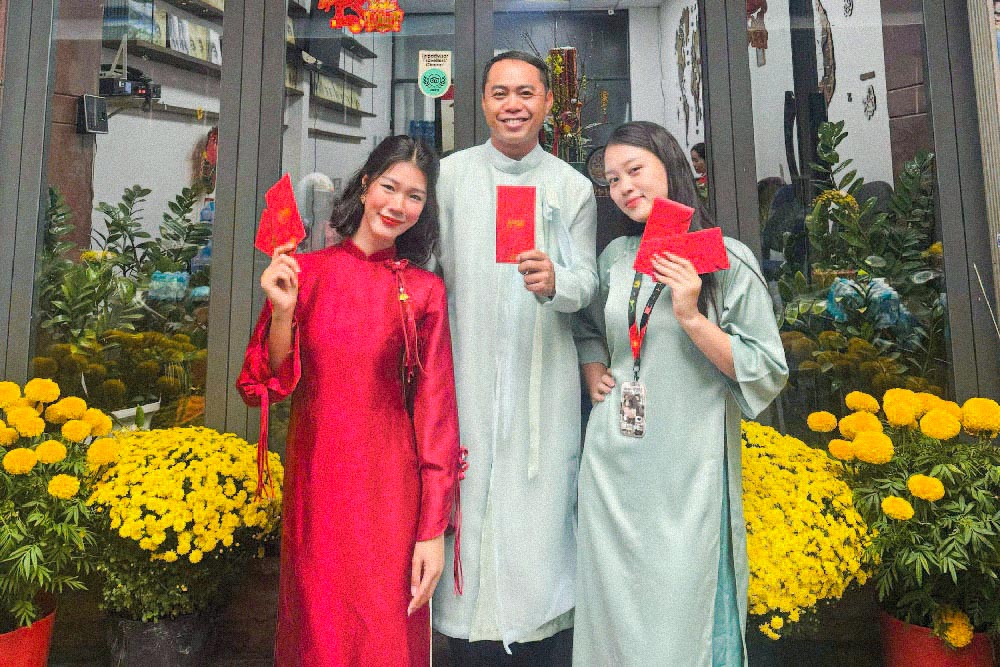
Then Tet morning arrived, and the transformation felt immediate.
I woke early out of habit, expecting the usual hum of traffic. Instead, I stepped into silence — not absolute silence, but a rare and startling quietness I had not experienced since arriving in Vietnam. Around 6:30 a.m., the streets of District 1 were nearly empty. A few families walked together dressed in coordinated ao dai, yet the constant stream of motorbikes had vanished. The city that once felt endlessly energetic now seemed calm and reflective. Birds sounded clearer than ever, and for the first time, I sensed the metropolis collectively taking a breath.
When convenience disappears
Disorientation followed quickly. Many small restaurants I had bookmarked were closed, their shutters pulled down with handwritten signs taped to the front. My favorite street food stall did not appear that morning, and the corner café where I started each day remained dark. Back home, holidays usually extend opening hours and increase activity. Here, businesses closed intentionally because family time mattered more than profit. That realization forced me to adjust my expectations. Tet does not prioritize convenience. It prioritizes connection.
An unexpected invitation
That afternoon, the hotel receptionist invited me to join her family for Tet lunch. I hesitated, unsure if it was polite to accept, but she gently insisted, explaining that no one should spend Tet alone. I bought fruit and sweets from a shop that had briefly reopened, hoping it would serve as a respectful gesture.
Inside her family’s home in District 3, I felt both honored and slightly nervous. The living room displayed flowers and red envelopes hanging from branches, while an ancestral altar stood carefully arranged with incense, fruit, and symbolic dishes. Incense drifted softly through the air, creating a reverent yet welcoming atmosphere. Her family greeted me warmly, offering tea and patiently translating conversations so I could follow along.
The Tet meal that changed my perspective
The meal felt deeply intentional. Sticky rice cakes wrapped in banana leaves sat beside braised pork simmered with eggs in caramelized sauce. Pickled vegetables balanced the richness, and candied fruits filled small plates prepared days earlier. Although I did not fully understand the symbolism of each dish, I understood the mood. No one rushed. No phones interrupted. Conversation unfolded naturally. When the grandmother pressed a red envelope into my hand and called it “lucky money,” I felt an unexpected surge of emotion.
In that moment, thousands of kilometers from home, Tet revealed its meaning. The holiday does not revolve around spectacle. It centers on presence — sitting together, honoring ancestors, and welcoming the year ahead.
Celebration without chaos
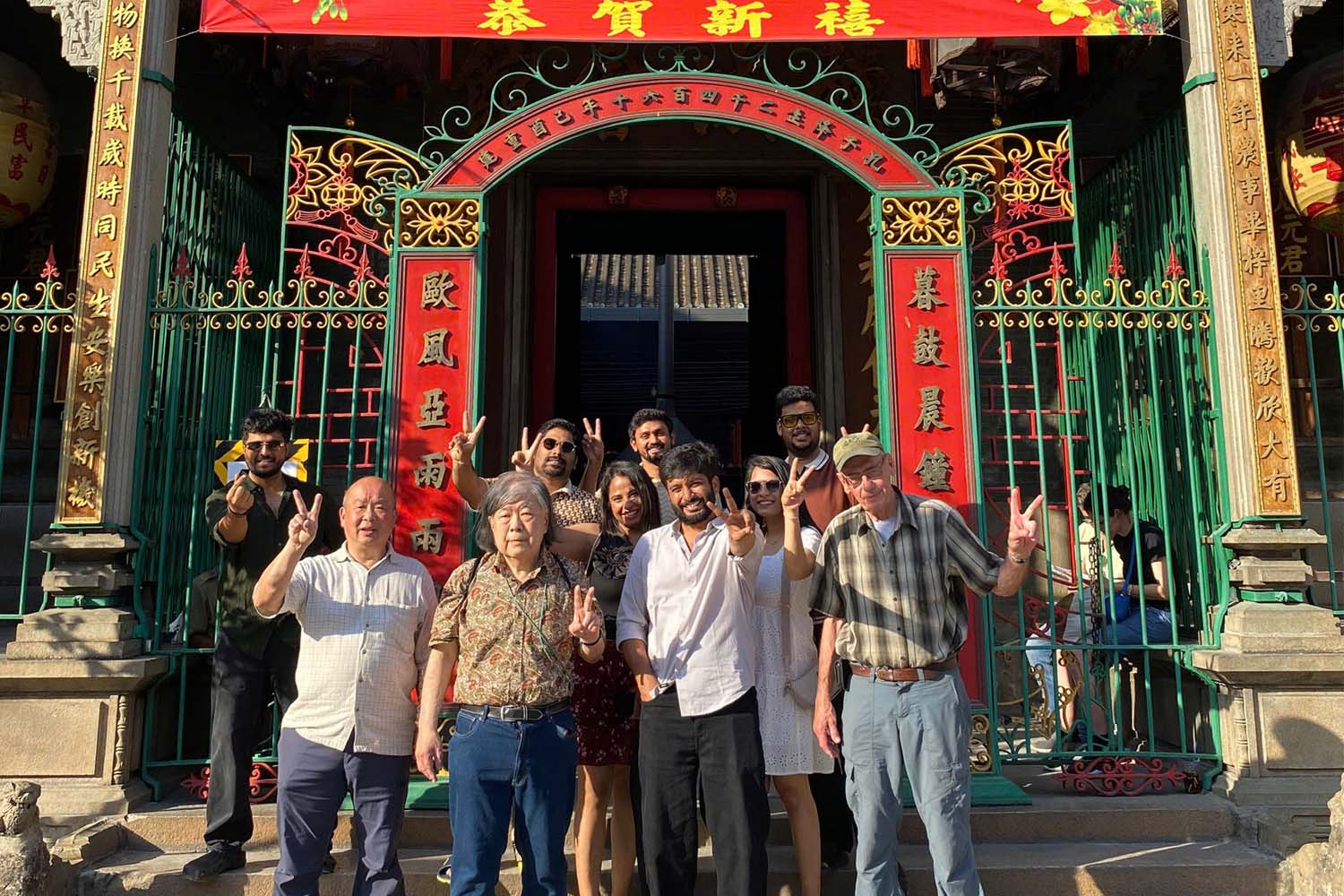
Later that evening, I returned to Nguyen Hue to witness the city’s shift from quiet reflection to public celebration. Families posed beneath lanterns and flower arches while children darted between installations. The atmosphere felt lively yet respectful. Laughter filled the air, but the energy remained intentional rather than reckless. Instead of marking an ending, people celebrated a beginning.
Understanding the rhythm of Tet
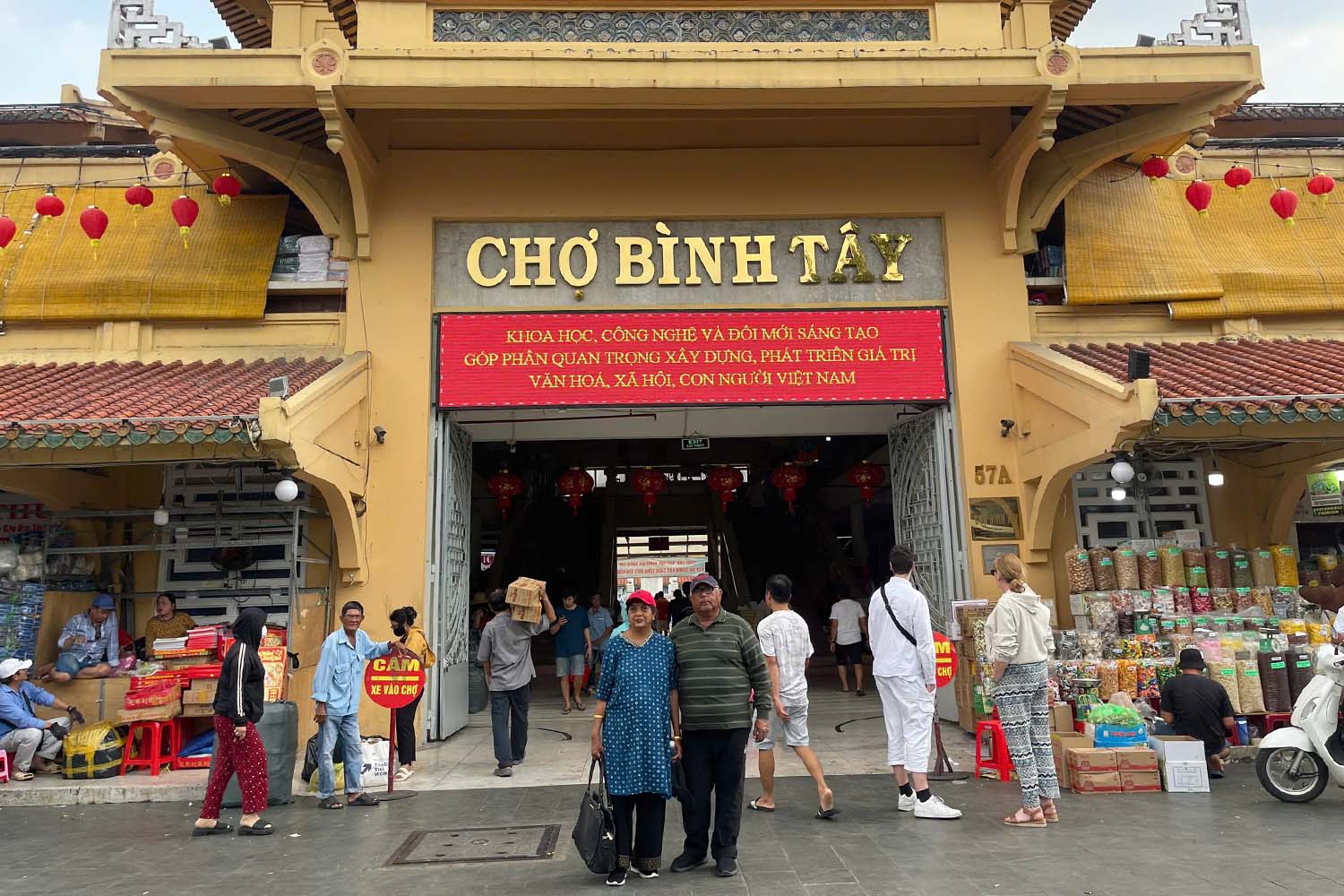
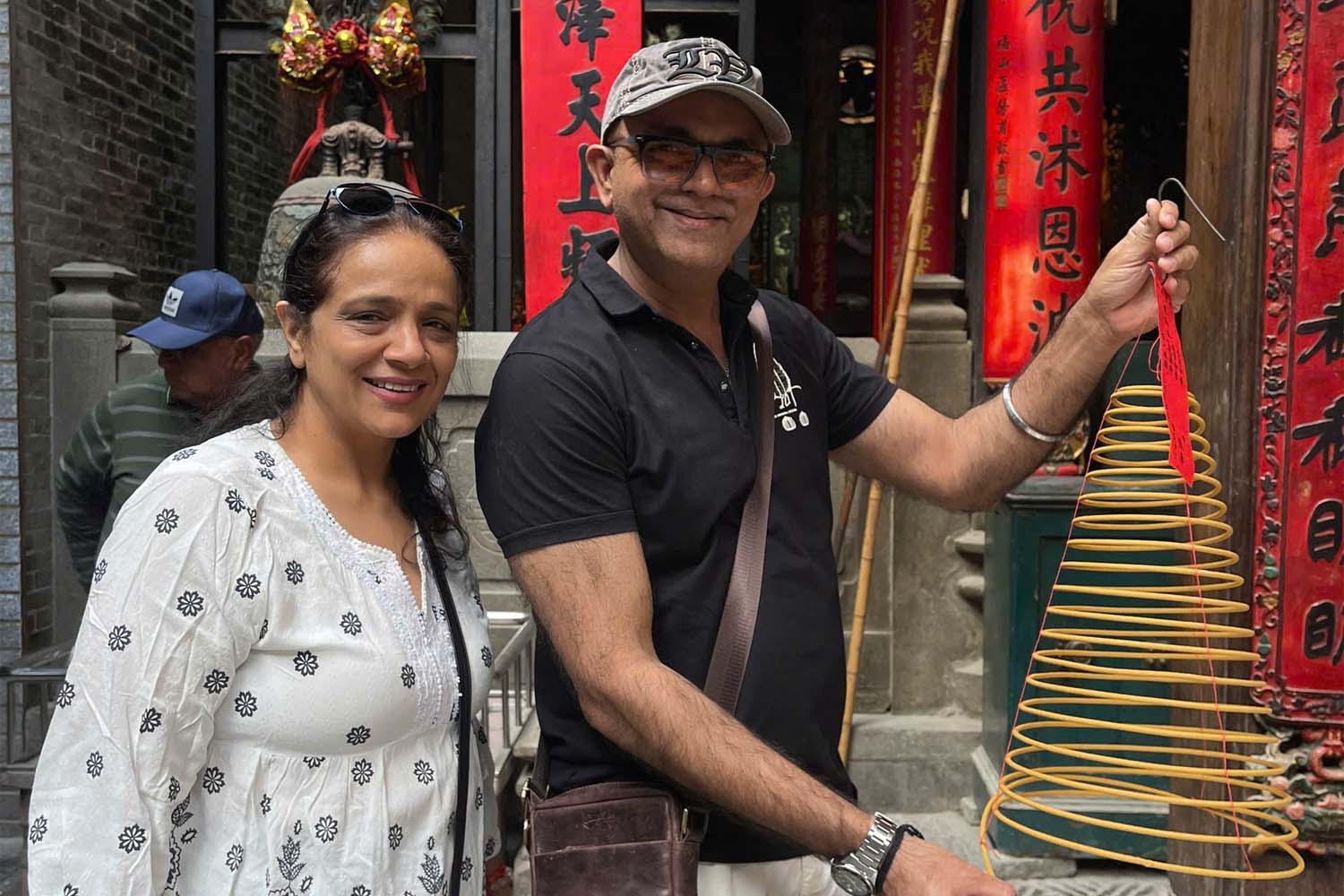
As the days progressed, the rhythm became clearer. The first day focused on immediate family. The second expanded to friends and mentors. By the third day, cafés reopened gradually, and traffic returned in gentle waves. During a temple visit in District 5, I watched families light incense and bow in prayer, the air thick with smoke yet surprisingly peaceful. Even in crowded spaces, patience prevailed.
What struck me most was not the decorations or temporary closures but the collective decision to slow down. Offices paused. Construction sites rested. Deliveries slowed. For a country known for constant motion, this shared stillness felt profound.
The shift that stayed with me
Moments of feeling like an outsider inevitably arose, particularly while observing rituals I could not fully understand. Yet no one made me feel unwelcome. Locals smiled, explained traditions, and often expressed genuine appreciation for my curiosity. Staying during Tet required flexibility and humility. It asked me to adapt rather than expect the city to adjust for me.
As normal life gradually resumed, gratitude replaced any earlier inconvenience. Avoiding Tet would have meant missing a rare glimpse into Vietnam’s emotional core. I would not have witnessed the hush of that first morning or experienced the warmth of a family table.
By week’s end, traffic roared again and storefronts reopened completely. Flower installations disappeared one by one. Still, something within me had shifted. I no longer viewed Vietnam solely as vibrant and energetic. I recognized it as a place that fiercely protects time for family and tradition.
Staying during Tet was not always easy. It required patience. Yet it became the most meaningful part of my journey. Tet was never a performance for visitors. It remained intimate, authentic, and deeply rooted. For a brief moment, I stood inside that authenticity rather than observing it from a distance.
And long after the decorations faded and the streets returned to their familiar rhythm, the memory of that collective pause — that shared breath — remained with me.