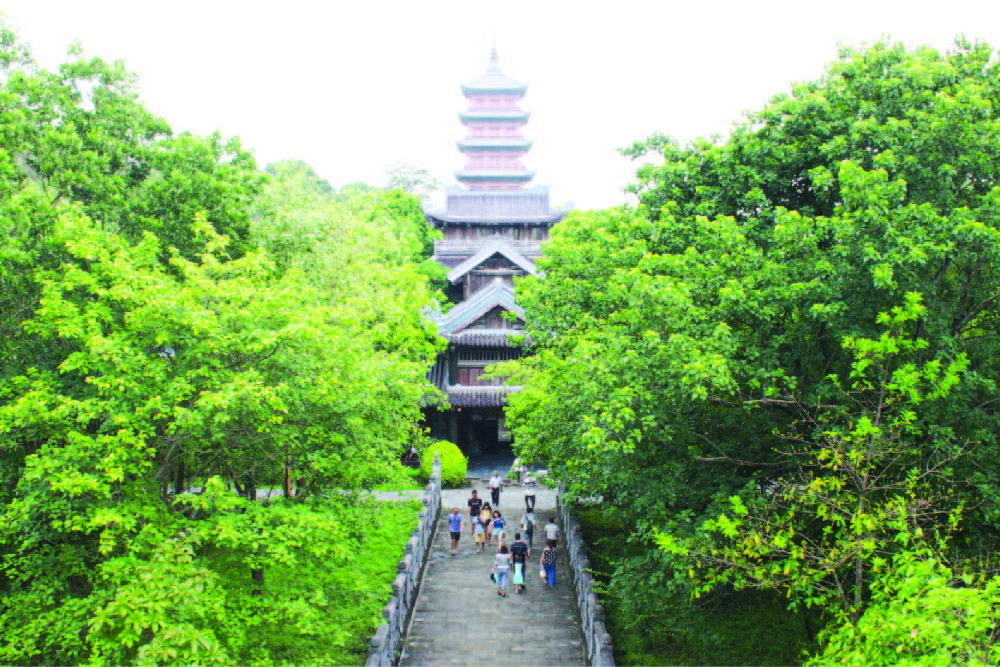
Temples and pagodas are everywhere in Vietnam.
You will find them hidden inside narrow city alleys, standing proudly beside rivers, sitting quietly on mountain hills, or placed at the heart of small villages. No matter where you travel — from Hanoi to the Mekong Delta — you will see locals stepping inside these sacred spaces with incense in hand.
For many travelers, this raises a natural question: why do Vietnamese people visit temples and pagodas so often?
The answer goes far beyond religion. It connects to culture, family, emotional balance, and a way of understanding life itself.
Temples and pagodas are not the same
To understand the deeper meaning, it helps to clarify the difference.
A pagoda (chùa) is usually connected to Buddhism. These are places where monks practice, chant, and teach Buddhist philosophy. Visitors often pray in front of Buddha statues and light incense as a gesture of respect.
A temple (đền or miếu) is typically dedicated to historical figures, national heroes, local guardians, or ancestral spirits.
For example, in Hanoi you can visit:
-
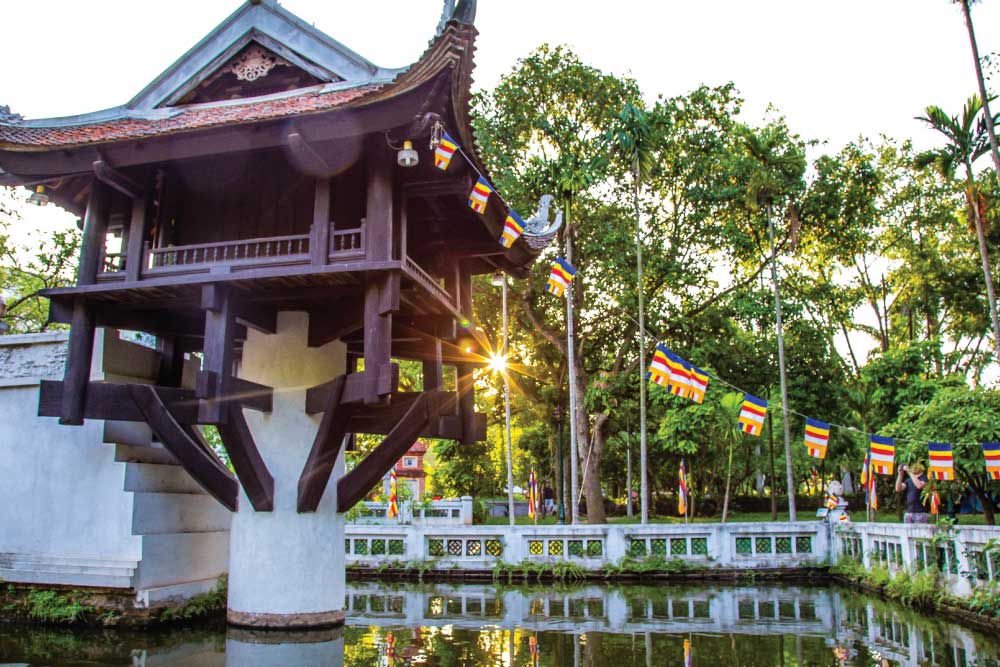
One Pillar Pagoda, a Buddhist pagoda
-
Temple of Literature, which honors Confucius and scholars
Both attract visitors, but for different spiritual reasons.
Understanding this distinction reveals that temple visits in Vietnam are not limited to one religious framework. They reflect a blend of Buddhism, Confucian values, Taoist beliefs, and ancestor worship.
Spirituality woven into daily life
In many Western countries, religion often operates within structured systems and fixed weekly rituals. In Vietnam, spirituality feels more integrated into everyday life.
People do not necessarily visit pagodas because they are strictly religious. They go because it brings peace, reassurance, or clarity.
Common reasons for visiting include:
-
praying for health and safety
-
asking for luck before important exams
-
seeking guidance before starting a business
-
expressing gratitude after success
-
honoring deceased family members
These visits are not dramatic or overly ceremonial. They are quiet, intentional moments.
Lighting incense is not only symbolic. It represents communication with the spiritual world and respect for ancestors.
Temples as emotional refuge
Vietnamese cities are vibrant, crowded, and fast-paced. Motorbikes flow constantly. Construction noise fills the air. Daily life moves quickly.
Temples and pagodas offer contrast.
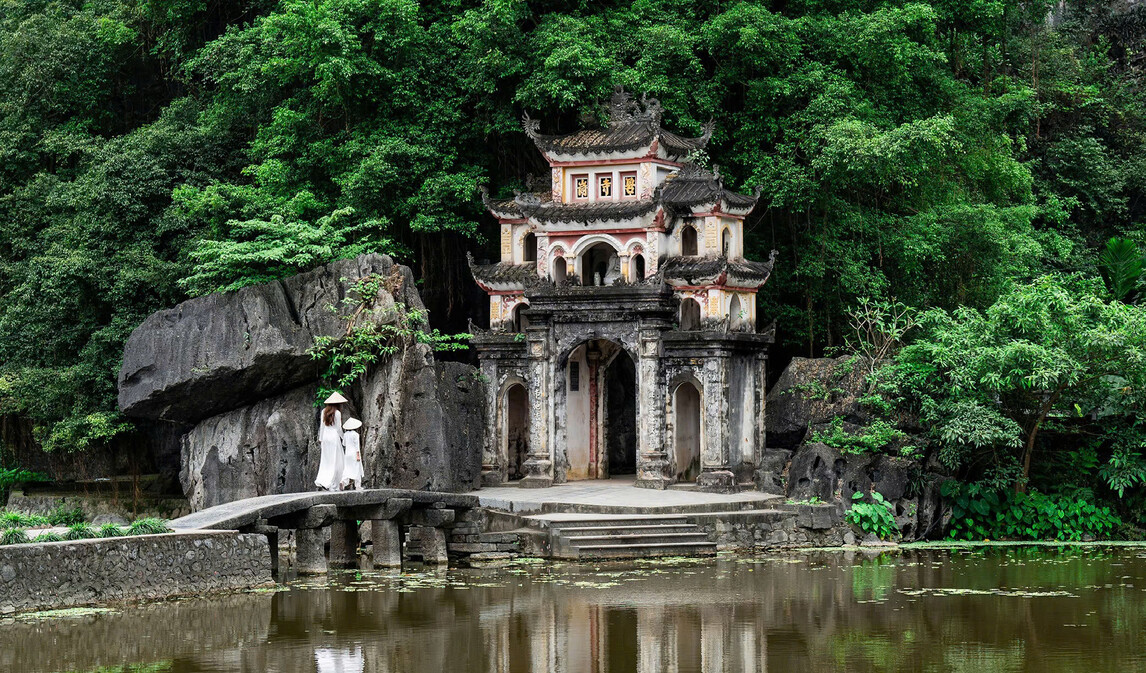
When you step inside, the environment changes. The noise softens. Trees shade the courtyard. The scent of incense replaces traffic fumes.
This shift in atmosphere is important.
For many Vietnamese people, visiting a pagoda is a way to slow down mentally. It is a space to reflect, breathe, and regain emotional balance.
It is not about escaping problems. It is about facing them with calm.
The role of ancestor worship
Ancestor worship is deeply rooted in Vietnamese identity.
Most Vietnamese homes include an ancestral altar. Families regularly light incense at home, especially during important dates.
Temples expand this practice into public space.
Visiting temples allows families to:
-
pay respect to past generations
-
maintain spiritual continuity
-
strengthen family bonds
In cities like Hue, imperial temples and ancestral shrines preserve historical memory and reinforce national identity.
Honoring ancestors is not seen as old-fashioned tradition. It is considered essential to understanding one’s place in the world.
Visiting temples during Tet
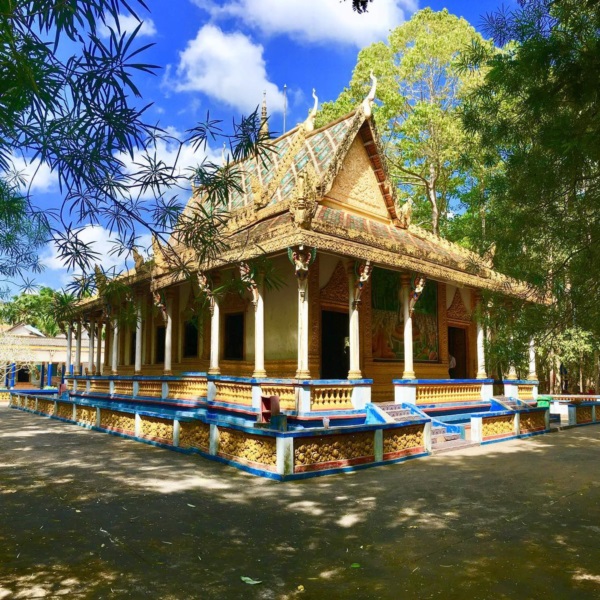
Temple visits become especially important during Tet, the Lunar New Year.
At the beginning of the year, families visit pagodas to pray for:
-
peace
-
prosperity
-
good health
-
success for children
Lighting incense during Tet symbolizes fresh beginnings and spiritual renewal.
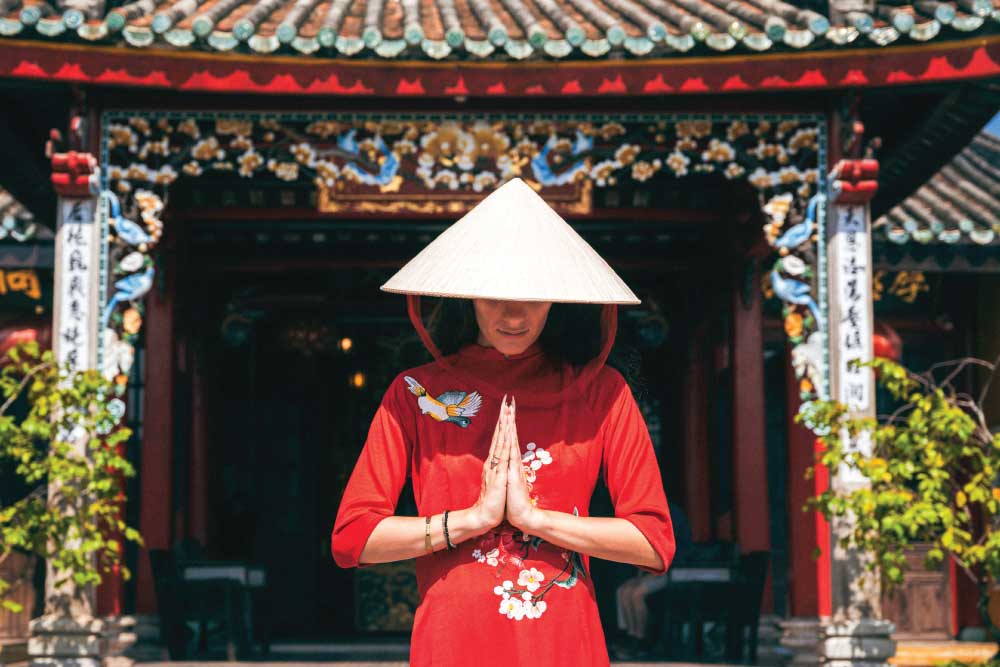
In Ho Chi Minh City, large pagodas become filled with families dressed in traditional clothing, yet the atmosphere remains calm rather than chaotic.
Tet temple visits represent hope.
Seeking luck and protection
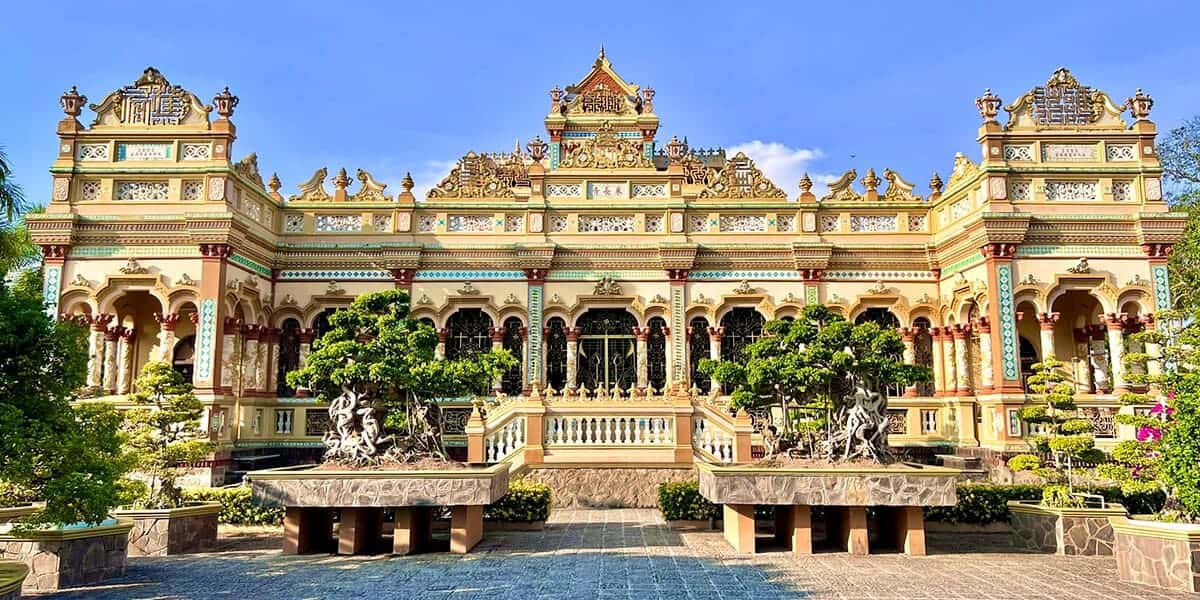
Luck plays a subtle but meaningful role in Vietnamese culture.
Students may visit temples before exams. Entrepreneurs may go before opening a new shop. Couples may pray before marriage.
These visits are not purely superstitious. They are expressions of intention and humility — acknowledging that effort matters, but so does spiritual harmony.
Temples become places where people align their actions with hope.
Cultural tradition across generations
Children grow up accompanying parents and grandparents to temples.
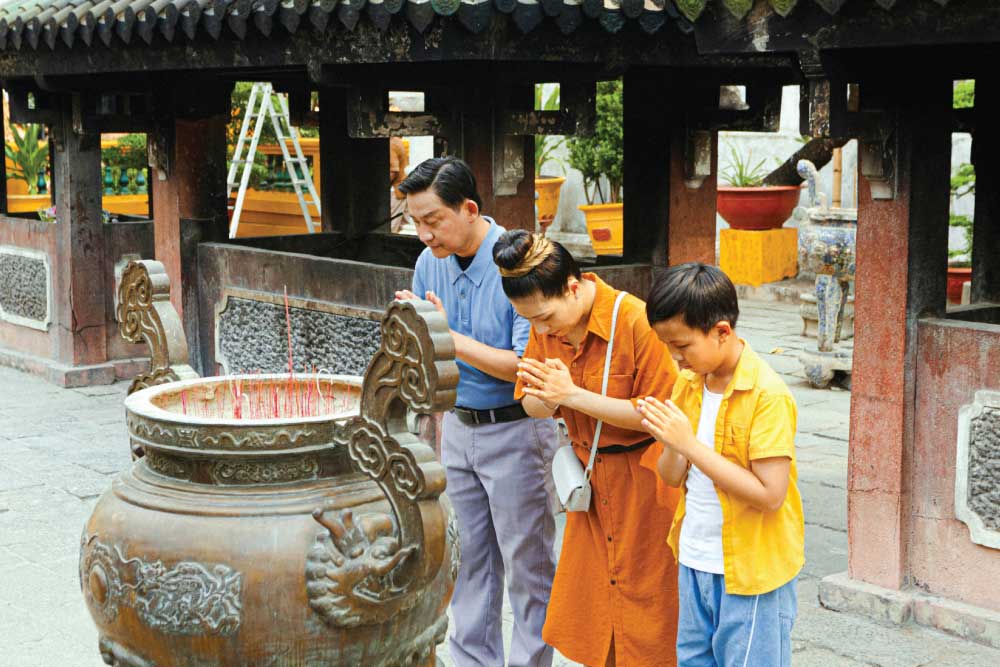
They learn how to hold incense, how to bow respectfully, and how to behave quietly inside sacred spaces.
Even young adults who identify as modern and non-religious still participate in temple visits during important occasions.
The practice becomes cultural rather than purely religious.
Temples are not separate from life. They are part of its rhythm.
Architecture that reinforces meaning
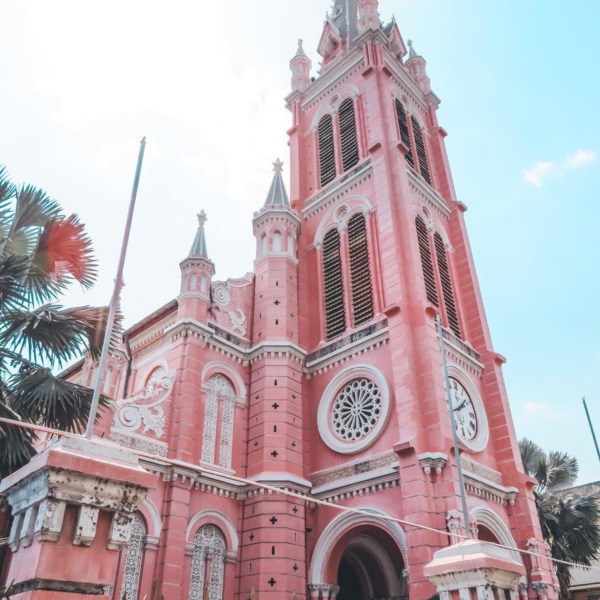
Vietnamese temples and pagodas are not built randomly. Every detail carries symbolism.
Curved rooflines represent protection and harmony. Dragon carvings symbolize strength and prosperity. Red pillars reflect luck and vitality. Lotus flowers represent purity rising from difficulty.
When visitors step inside a pagoda like Thien Mu Pagoda, they are not only entering a building. They are entering a space designed intentionally to calm the mind.
Open courtyards allow natural light and air to circulate. Incense smoke rises gently toward the ceiling. Buddha statues sit peacefully at the center of prayer halls.
The environment itself encourages stillness.
For many Vietnamese people, this architectural atmosphere reinforces the purpose of the visit — reflection and emotional balance.
Temples as community centers
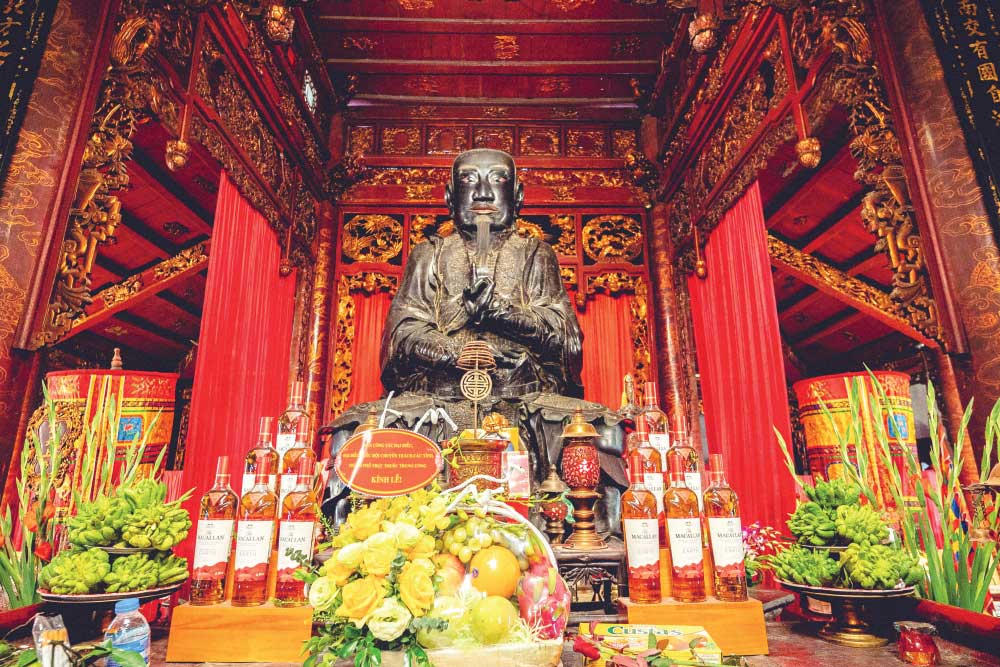
Temples and pagodas are not only spiritual spaces. They also function as community anchors.
In rural villages, annual temple festivals gather residents together. These events may include:
-
traditional music
-
lion dances
-
offerings
-
cultural performances
The temple becomes a meeting point where community identity is strengthened.
Even in larger cities, temples host ceremonies during major holidays. They provide continuity in neighborhoods that are otherwise rapidly modernizing.
This community function explains why temple visits remain frequent even as Vietnam becomes more urban and economically dynamic.
Rural and urban differences
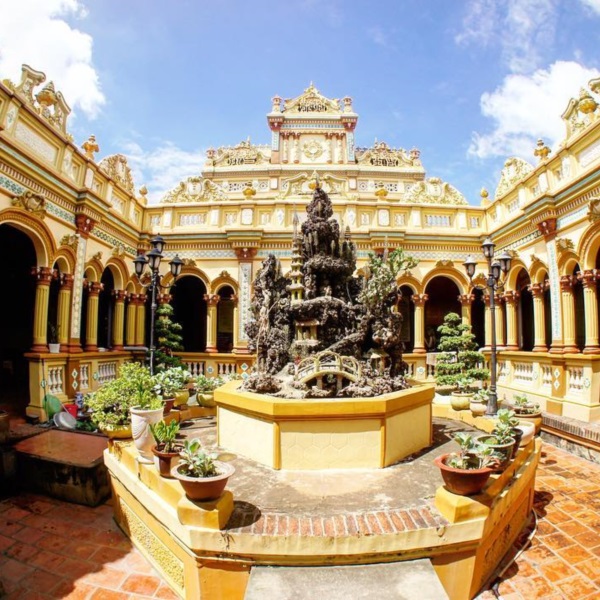
In rural areas, temple life feels slower and more integrated into daily rhythm.
Villagers may visit frequently, especially elders who maintain strong ties to tradition. Festivals feel intimate, and everyone knows one another.
In cities like Hanoi or Ho Chi Minh City, temple visits are often shorter and more personal. Busy professionals may stop by briefly before work or during important life transitions.
Despite these differences, the intention remains similar: to reconnect, reflect, and seek balance.
Modern life has changed Vietnam in many ways, but temple visits remain surprisingly constant.
Balancing tradition and modern development
Vietnam is one of Southeast Asia’s fastest-growing economies. Skyscrapers rise. Technology spreads quickly. Young generations embrace global trends.
Yet temple visits have not disappeared.
Instead of fading, they coexist with modern life.
It is common to see a young entrepreneur in business attire lighting incense before attending a meeting. University students visit temples before final exams. Couples take wedding photos in front of pagodas.
Tradition has not been replaced. It has adapted.
Temples offer grounding in a country that is changing rapidly.
Why Vietnamese people continue the practice
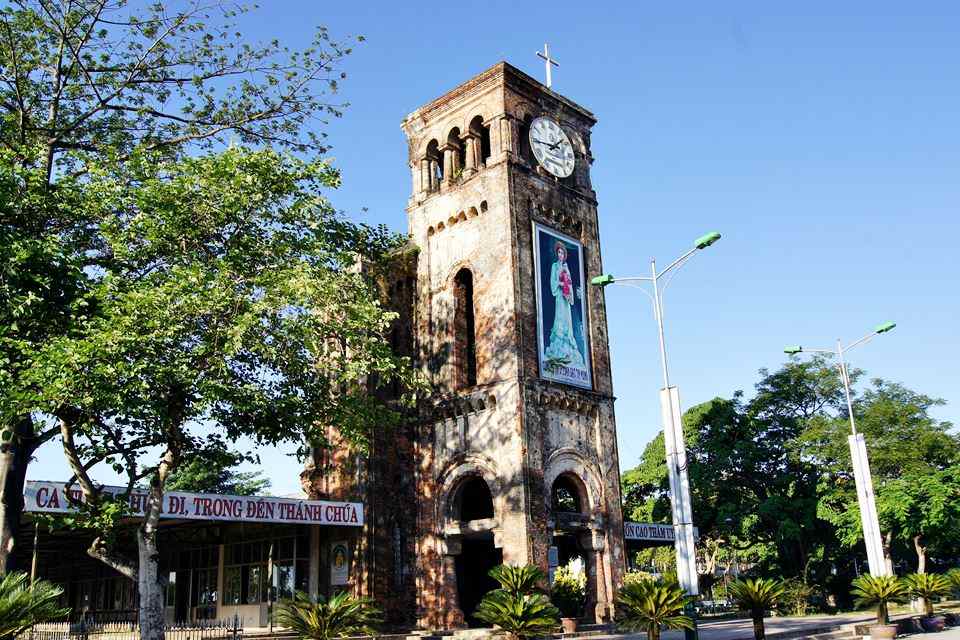
The love for visiting temples and pagodas comes from multiple layers:
-
spiritual comfort
-
cultural identity
-
emotional reassurance
-
respect for ancestors
-
hope for the future
It is not purely about religion.
It is about continuity — connecting past, present, and future.
Vietnamese culture values harmony. Visiting temples reinforces that harmony within oneself and within the family.
Temple etiquette for visitors
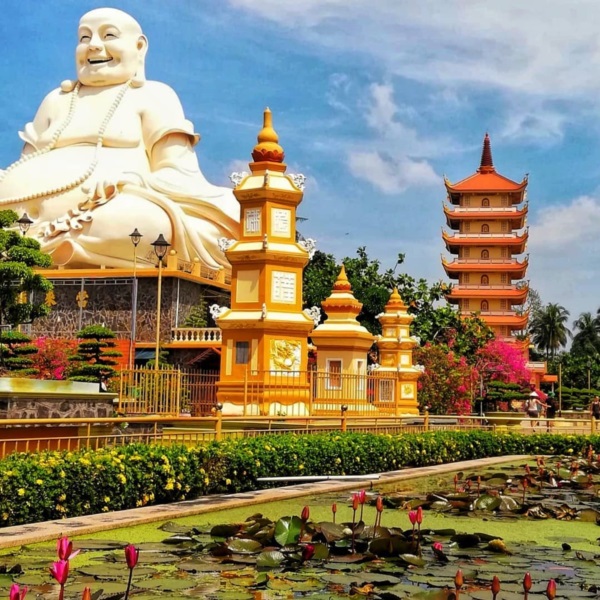
Understanding why Vietnamese people visit temples helps travelers behave respectfully.
If you plan to visit:
-
dress modestly
-
speak softly
-
avoid stepping directly on prayer mats
-
remove hats inside sacred halls
-
follow the lead of locals
Temples are not only tourist attractions. They are living spiritual spaces.
Respecting this atmosphere ensures a more meaningful experience.
Frequently asked questions
Do Vietnamese people visit temples every week?
Not necessarily. Visits are often tied to important moments, holidays, or personal needs rather than fixed weekly routines.
Is Vietnam a Buddhist country?
Buddhism plays a major role, but Vietnamese spirituality blends multiple traditions including ancestor worship and Confucian values.
Are temples only for older generations?
No. Young people continue visiting temples, especially during Tet and significant life events.
Can tourists participate in prayer rituals?
Visitors can light incense respectfully, but it is important to observe local customs and avoid disruptive behavior.
Final thoughts on why Vietnamese people visit temples and pagodas
Vietnamese people visit temples and pagodas because they provide something modern life cannot always offer: pause.
In a fast-moving society, these sacred spaces allow reflection. They connect families across generations. They offer hope before uncertainty and gratitude after success.
Temples are not relics of the past. They are active parts of Vietnamese life.
Understanding this helps travelers see beyond architecture and incense smoke. It reveals how deeply spirituality and culture remain intertwined in Vietnam today.
Temples are not escapes from reality. They are reminders of how to live within it.