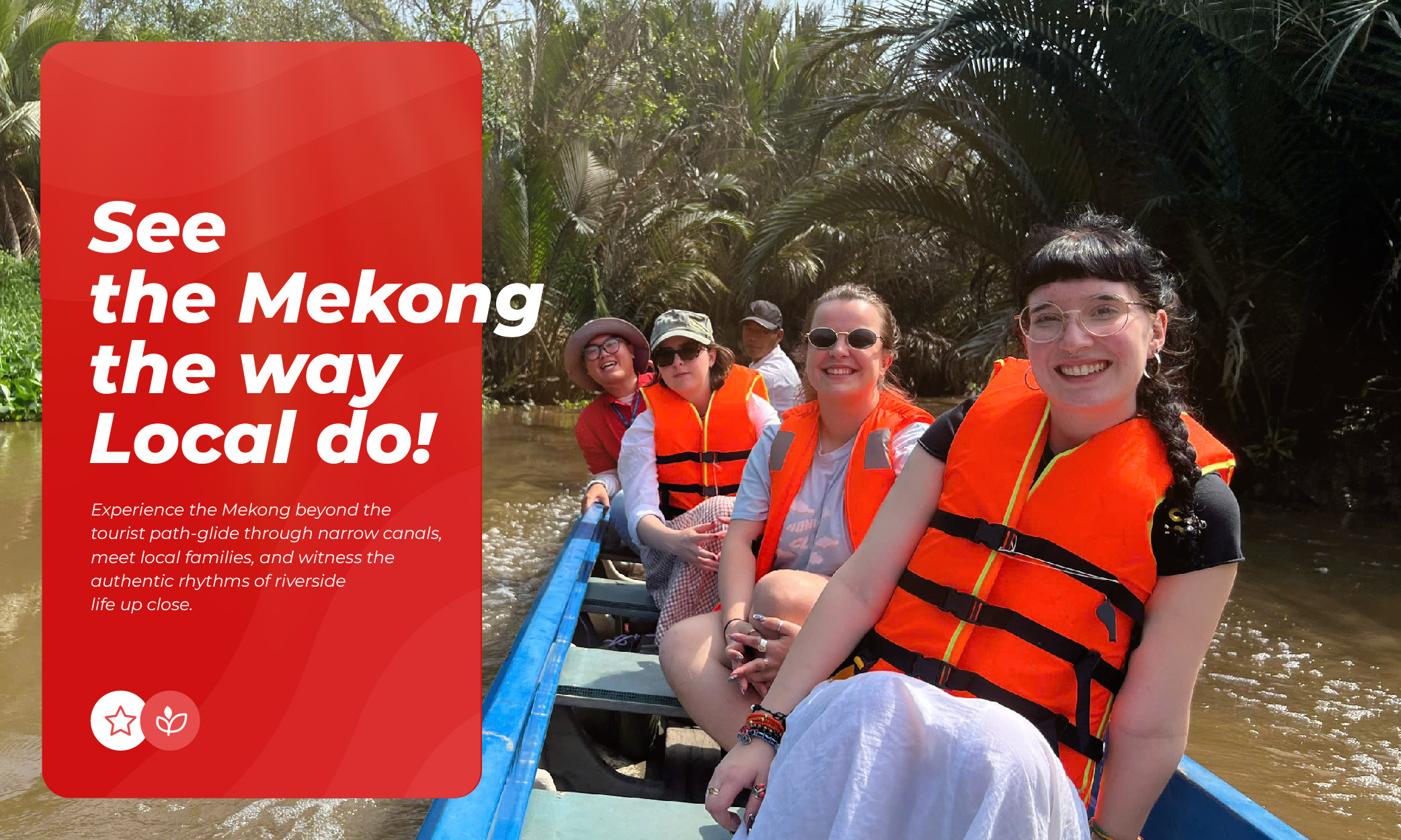

Vietnam has become one of the most popular travel destinations in Southeast Asia, attracting millions of visitors every year. The country offers a fascinating mix of vibrant cities, dramatic landscapes, delicious food, and deep cultural traditions. From the busy streets of Ho Chi Minh City to the historic neighborhoods of Hanoi, travelers quickly discover that Vietnam is full of energy and unique experiences.
However, visiting Vietnam can also feel overwhelming for first-time travelers. The traffic appears chaotic, street food stalls line nearly every sidewalk, and daily life moves at a fast pace. Understanding a few practical details before arriving can help travelers feel more comfortable and enjoy their trip with fewer surprises.
Learning about local customs, transportation, food culture, and everyday etiquette allows visitors to explore the country more confidently and respectfully.
Traffic and crossing the street
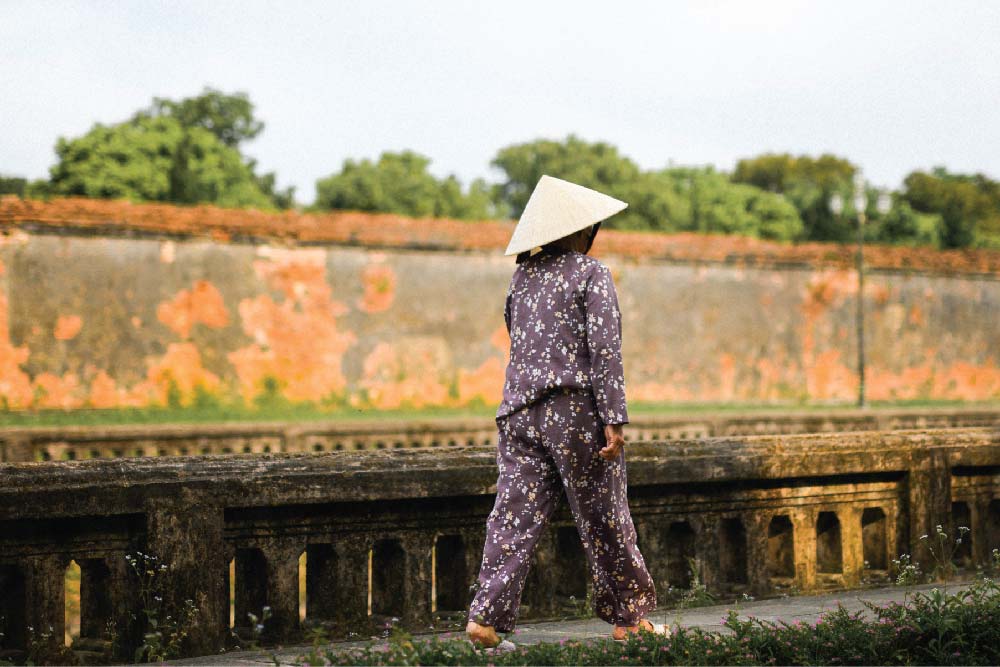
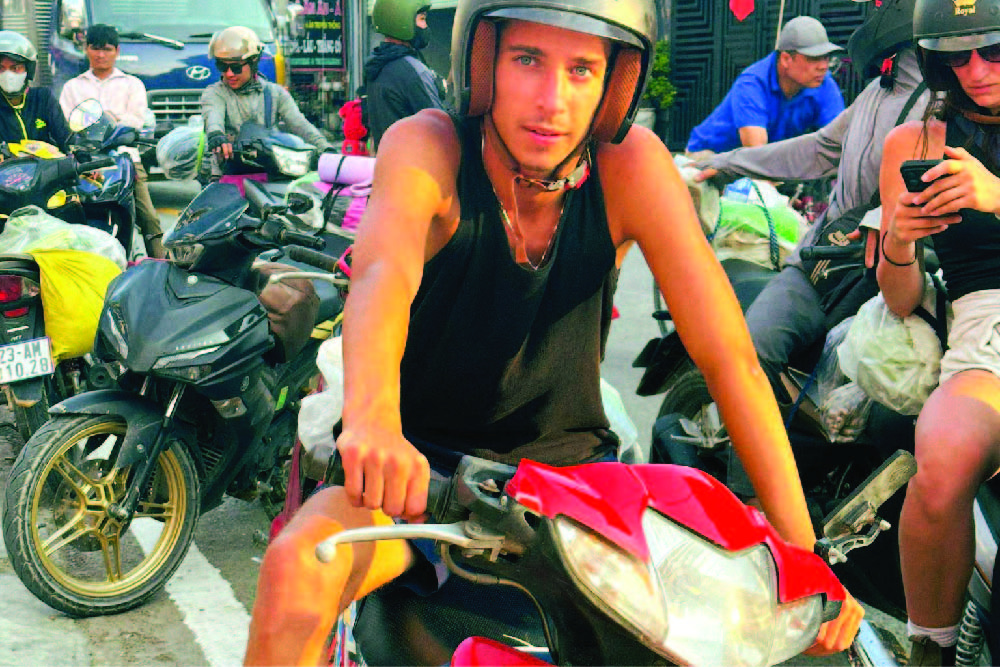
One of the first things many travelers notice in Vietnam is the sheer number of motorbikes on the road.
Cities are filled with scooters carrying everything from groceries to entire families. At first glance, traffic may appear chaotic, but it actually follows an informal rhythm that locals understand well.
For pedestrians, the most important rule when crossing the street is to move slowly and predictably. Instead of waiting for a completely empty road, which rarely happens, locals step forward at a steady pace while vehicles gradually move around them.
The key is to remain calm and avoid sudden stops or quick movements. Drivers usually anticipate pedestrians and adjust their paths accordingly.
Although it may feel intimidating at first, many travelers become comfortable with the system after a day or two.
Vietnam’s street food culture
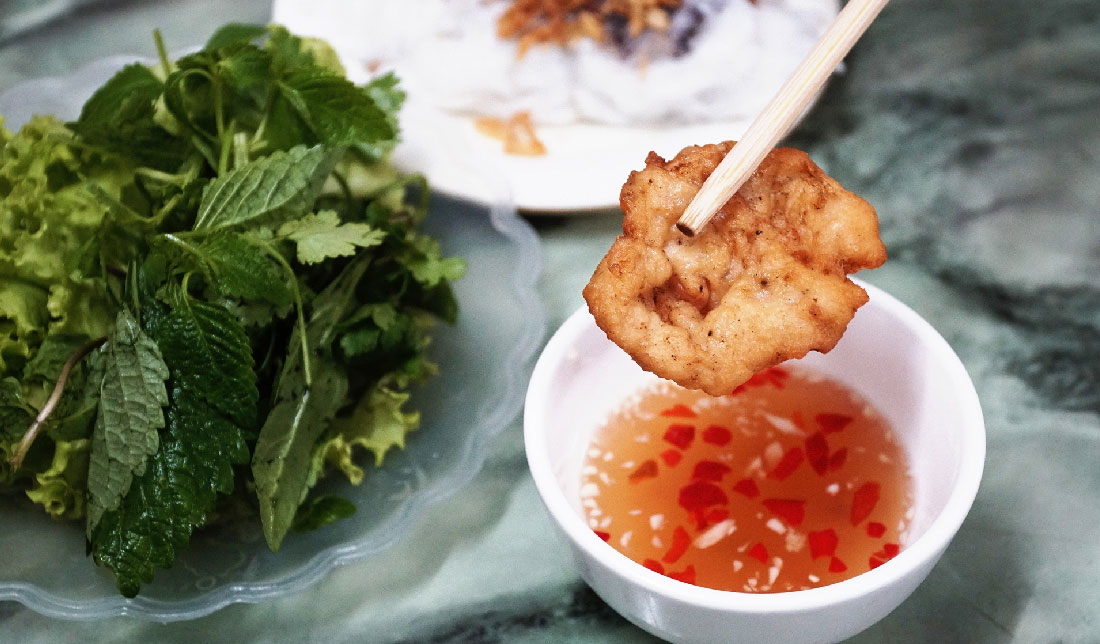
Food is one of the most exciting parts of traveling in Vietnam. Street food stalls are everywhere, offering fresh meals prepared right in front of customers.
Unlike in many Western countries, street food is not just a quick snack. It is a central part of daily life and often provides some of the most authentic Vietnamese dishes.
Travelers can find popular foods such as pho noodle soup, banh mi sandwiches, grilled meats, and fresh spring rolls at small stalls along busy streets.
Many locals sit on small plastic stools at sidewalk tables while enjoying these dishes. While the seating may look simple, the flavors are often exceptional.
Visitors who want to experience Vietnamese cuisine should not hesitate to try street food, especially at busy stalls where many locals are eating.
The importance of cash
Although Vietnam is modernizing quickly, cash is still widely used for everyday transactions.
Small restaurants, street vendors, local markets, and taxis often prefer payment in Vietnamese dong rather than credit cards. While larger hotels and international restaurants accept cards, travelers should always carry some cash for convenience.
ATMs are widely available in major cities and tourist areas, making it easy to withdraw money when needed.
It is also useful to carry smaller bills when buying street food or shopping at local markets.
Bargaining in markets
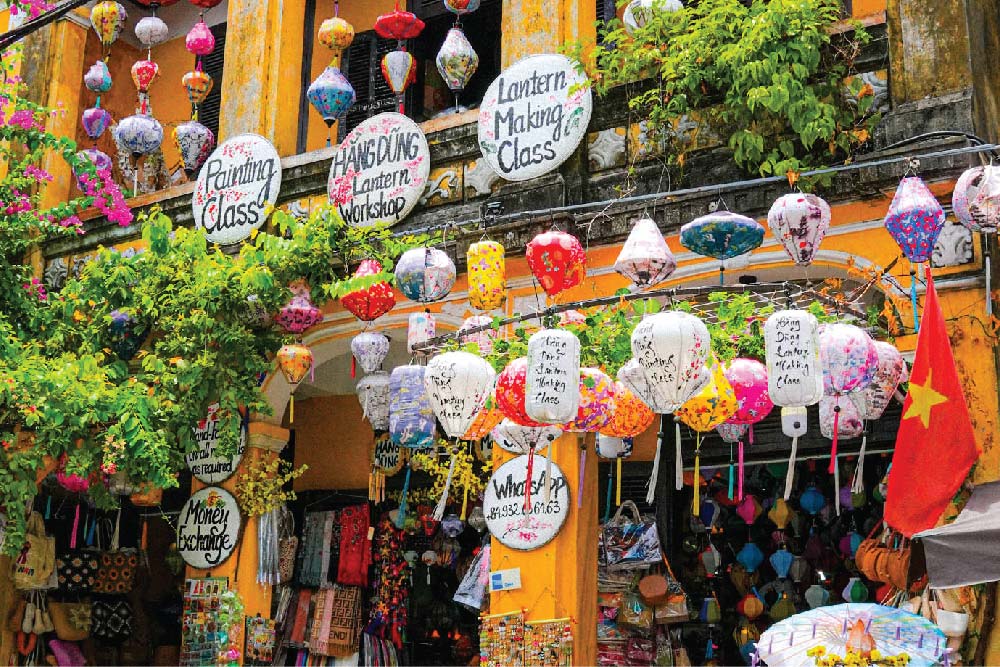
Bargaining is a normal part of shopping in many Vietnamese markets.
When buying souvenirs, clothing, or handmade crafts, prices may not always be fixed. Friendly negotiation is expected, and both buyers and sellers usually treat it as part of the shopping experience.
Travelers should remember that bargaining works best when done politely and with a smile. Offering a lower price and gradually reaching a fair agreement keeps the interaction positive.
In supermarkets and modern shopping malls, however, prices are fixed and bargaining is not appropriate.
Vietnam’s climate varies by region
Vietnam stretches across several climate zones, which means the weather can vary significantly depending on where you travel.
Northern Vietnam experiences four seasons, including cooler winter months and warmer summers. Central regions often have different rainy periods, while southern Vietnam remains tropical with a dry and wet season.
Because of these regional differences, travelers visiting multiple parts of the country should check weather conditions before packing.
Light clothing works well for most of the year, but visitors traveling to northern mountains may also want to bring warmer layers.
Respect for temples and religious sites
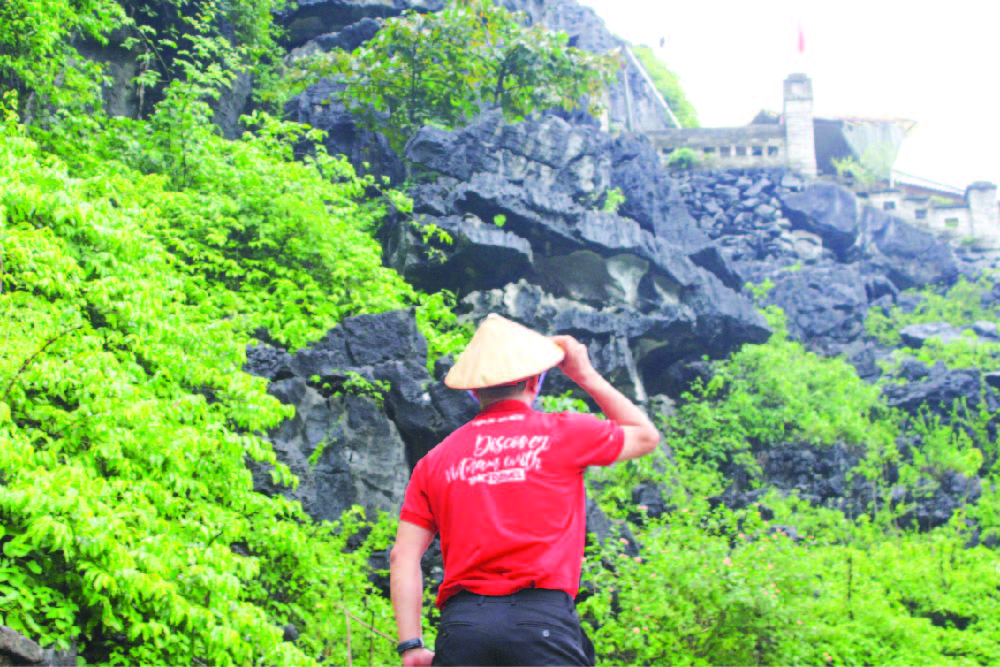
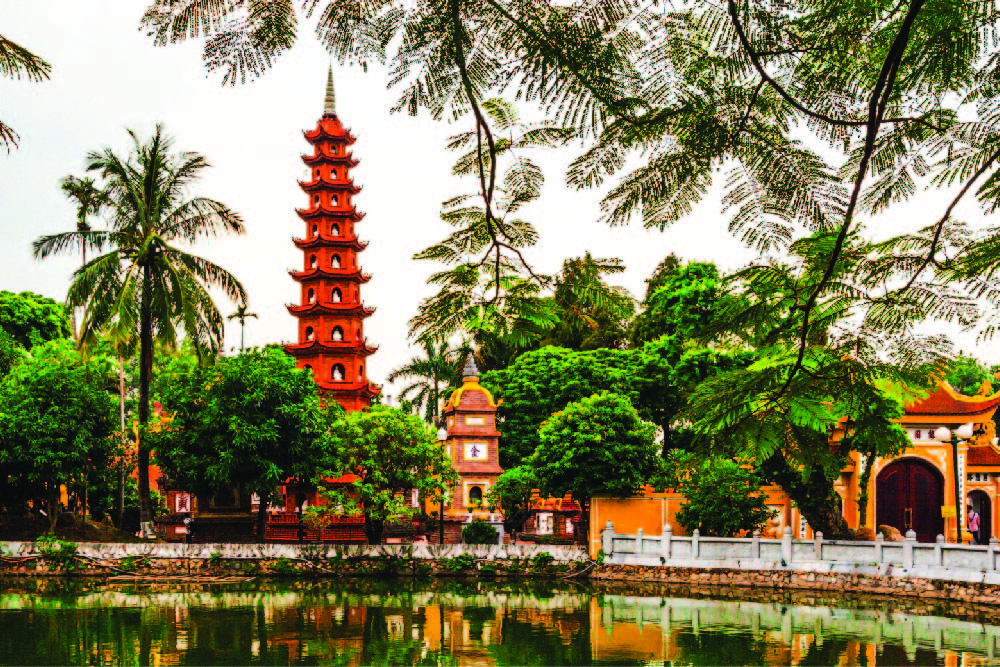
Vietnam is home to many temples and pagodas that hold cultural and spiritual significance.
When visiting these sites, modest clothing is appreciated. Covering shoulders and knees is generally recommended out of respect for local traditions.
Inside temples, visitors should speak quietly and avoid touching sacred objects unless invited. Photography is often allowed in many areas, but it is always best to observe posted signs or ask before taking pictures.
Respectful behavior in religious spaces helps preserve the peaceful atmosphere that these locations are meant to provide.
Learning a few Vietnamese words
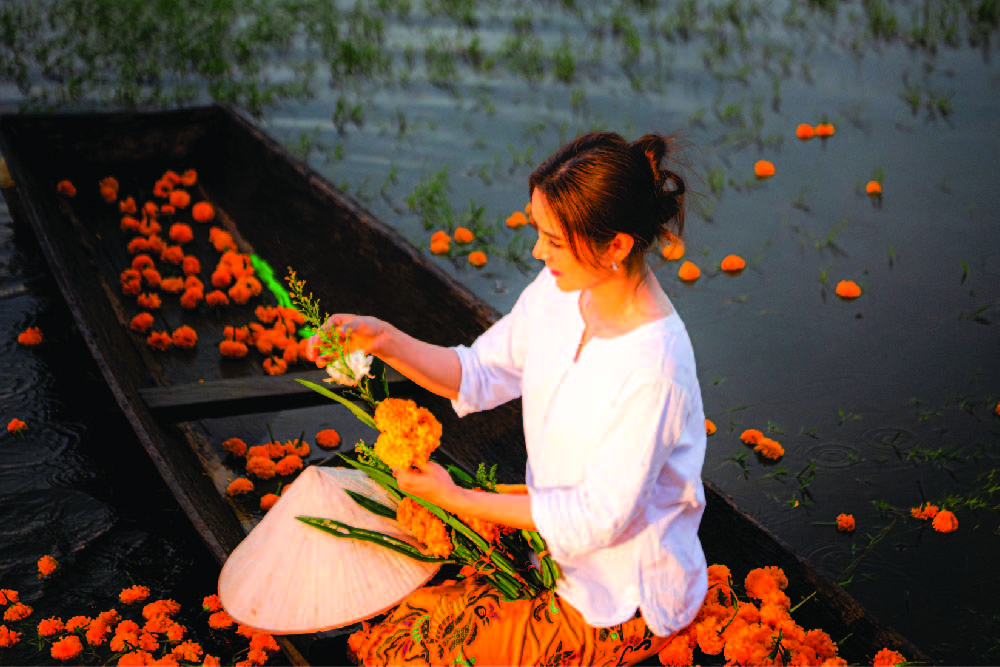
Vietnamese is the official language of the country, and although English is widely spoken in major tourist areas, learning a few simple phrases can be helpful.
Words such as “xin chào” (hello) or “cảm ơn” (thank you) often bring smiles from local people. Even small efforts to use Vietnamese demonstrate respect for the culture.
Many travelers find that using these phrases helps create friendly interactions when ordering food, shopping, or asking for directions.
Understanding the pace of daily life
Vietnamese cities often feel busy and energetic, especially during peak hours.
Sidewalks may be filled with parked motorbikes, street food stalls, and pedestrians sharing space. The environment may feel chaotic at first, but it is part of the everyday rhythm of urban life.
Travelers who remain patient and flexible usually adapt quickly.
Rather than expecting everything to operate exactly like home, embracing the unique pace of Vietnamese life can make the travel experience far more enjoyable.
Transportation around Vietnam
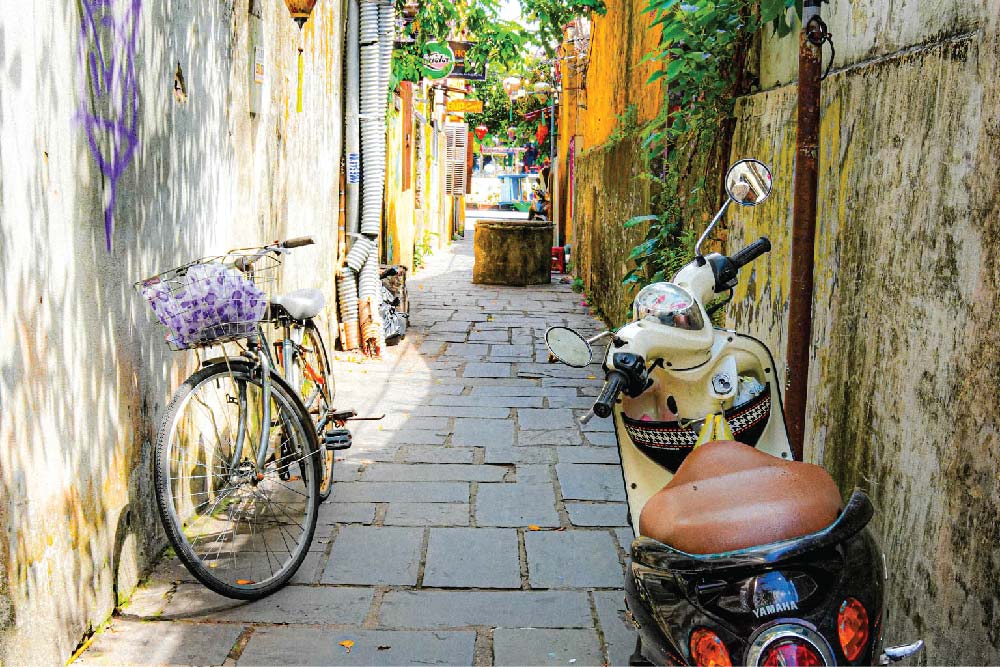
Vietnam offers several transportation options that make traveling between cities and attractions relatively easy.
In large cities such as Hanoi and Ho Chi Minh City, ride-hailing applications are widely used. Services like Grab allow travelers to book motorbike rides or cars through a mobile app, making transportation convenient and transparent in terms of pricing.
Motorbike taxis are particularly common for short distances. They allow travelers to move quickly through traffic, especially in busy urban areas.
For longer journeys between cities, visitors often choose domestic flights, trains, or sleeper buses. Vietnam’s railway system connects many major destinations, and overnight trains can be an interesting way to travel between regions.
Although transportation infrastructure continues improving, travelers should expect slightly longer travel times compared to smaller countries because Vietnam stretches across a long north-to-south distance.
SIM cards and internet access
Staying connected while traveling in Vietnam is usually easy.
Local SIM cards are affordable and widely available at airports, convenience stores, and mobile phone shops. Many travelers purchase a SIM card immediately upon arrival in order to access mobile data for navigation, translation apps, and ride-hailing services.
Mobile internet coverage in major cities and tourist destinations is generally reliable. Even in smaller towns, many cafés, hotels, and restaurants provide free Wi-Fi.
Having access to mobile data makes it much easier to navigate unfamiliar streets, communicate with drivers, and check directions while exploring.
Tipping culture in Vietnam
Tipping in Vietnam is not traditionally expected in everyday situations, but it has become more common in the tourism industry.
In local restaurants and street food stalls, tipping is usually not necessary. However, travelers sometimes leave small tips if they receive excellent service.
For tour guides, drivers, and hotel staff, tipping is more widely practiced. Many travelers choose to tip as a gesture of appreciation after a good experience.
The amount does not need to be large. Even small tips are often welcomed and appreciated.
Safety and personal awareness
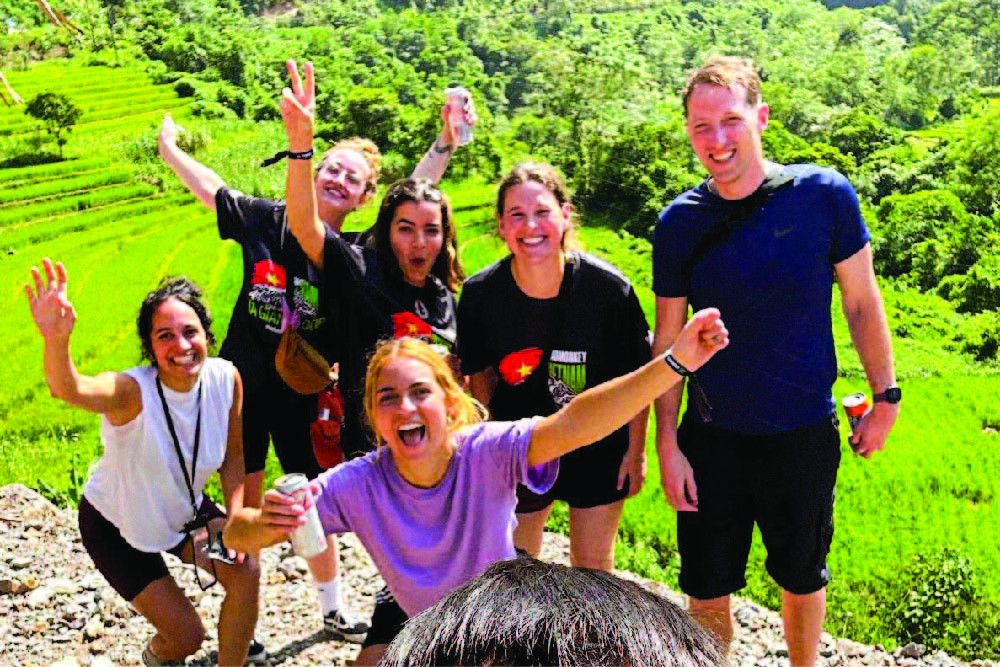
Vietnam is generally considered a safe destination for travelers. Violent crime against tourists is rare, and most visitors explore the country without major problems.
However, like in any busy travel destination, it is important to remain aware of personal belongings in crowded areas.
In large cities, travelers should pay attention to bags and phones, especially when walking near busy streets or riding motorbikes. Using secure bags and avoiding displaying expensive items can help reduce potential risks.
When crossing roads, staying calm and moving steadily through traffic helps drivers anticipate pedestrian movement.
With basic awareness and common sense, most travelers find Vietnam to be a comfortable and welcoming place to visit.
Cultural etiquette and politeness
Vietnamese culture places strong value on politeness and respect.
Visitors may notice that people often greet each other with a smile and maintain calm behavior during conversations. Loud arguments or confrontations are generally avoided in public spaces.
Showing patience and courtesy when interacting with local people usually leads to positive experiences.
Small gestures such as greeting someone politely, thanking restaurant staff, or respecting quiet spaces like temples help travelers connect more easily with the local culture.
Understanding these social customs allows visitors to experience Vietnam more authentically.
Understanding Vietnamese dining customs
Meals in Vietnam often involve shared dishes rather than individual plates.
When eating with locals, food is typically placed in the center of the table so everyone can take small portions. This communal style reflects the importance of family and social connection in Vietnamese culture.
Chopsticks are commonly used for many dishes, although spoons and forks are often available as well.
Travelers unfamiliar with chopsticks should not feel uncomfortable asking for alternative utensils, as restaurants are generally accommodating.
Sharing food is one of the most enjoyable ways to experience Vietnamese hospitality.
Common mistakes tourists sometimes make
Even experienced travelers occasionally make small mistakes when visiting a new country.
One common mistake is assuming that Vietnam’s pace of life operates exactly like Western cities. Things sometimes move differently, especially in local markets or smaller towns.
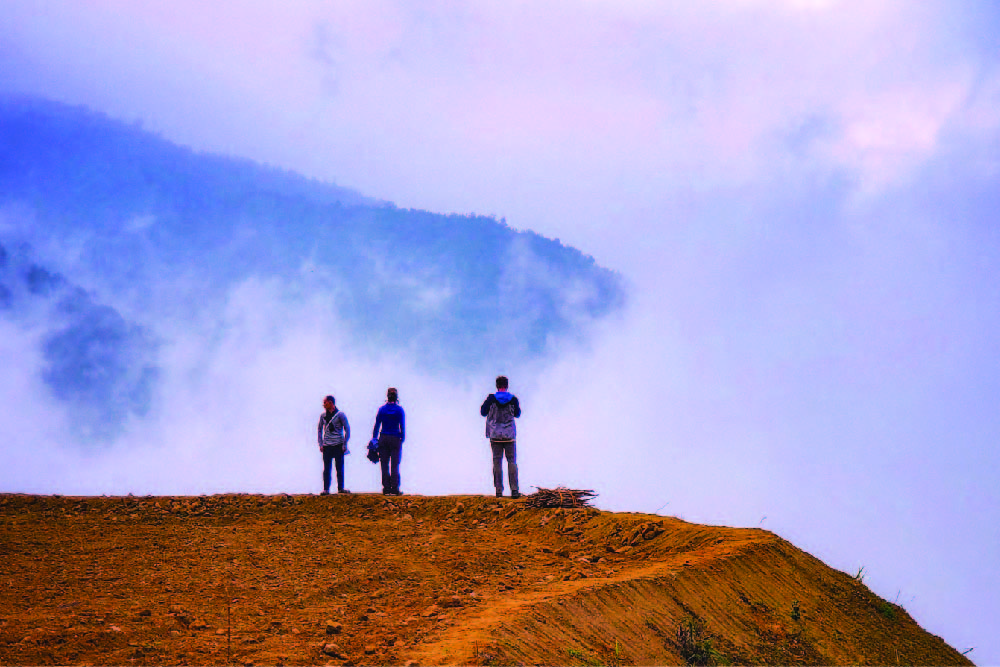
Another mistake is underestimating the weather. Because Vietnam’s climate varies greatly by region, travelers should always check local conditions when planning activities.
Finally, some visitors hesitate to try street food because of unfamiliar surroundings. In reality, many of the most authentic Vietnamese dishes are served at small roadside stalls that locals visit daily.
Approaching these experiences with curiosity rather than hesitation often leads to memorable discoveries.
Embracing the travel experience
Vietnam offers a dynamic blend of history, culture, and everyday life that makes travel both exciting and educational.
The country’s vibrant cities, scenic landscapes, and rich culinary traditions create endless opportunities for exploration. At the same time, understanding practical travel tips helps visitors feel more confident navigating unfamiliar environments.
Travelers who remain open-minded and respectful often find that local people are eager to share their culture and traditions.
Whether you are exploring ancient temples, enjoying a bowl of noodles at a street stall, or watching the evening traffic flow through a bustling intersection, Vietnam provides experiences that stay with travelers long after the journey ends.
Final thoughts on visiting Vietnam
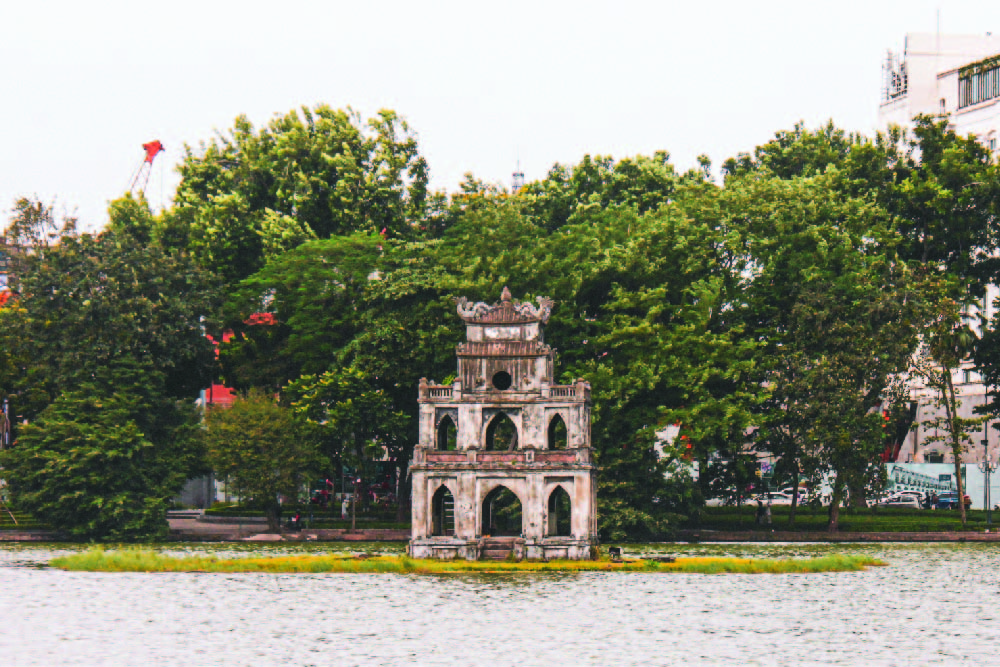
For many visitors, Vietnam becomes more than just another travel destination. It is a country where daily life unfolds in fascinating ways, blending modern energy with deep cultural traditions.
By learning a few practical travel tips and cultural customs before arriving, tourists can explore the country more comfortably and appreciate its unique character.
From navigating busy streets to discovering local food culture, these experiences create meaningful memories that define the journey.
With preparation, curiosity, and respect for local traditions, travelers can fully enjoy everything Vietnam has to offer.