Hue is unlike any other destination in Vietnam.
While cities like Ho Chi Minh City feel energetic and fast-paced, and places like Hanoi balance history with modern life, Hue moves differently. It carries a quieter atmosphere, shaped by centuries of imperial history, cultural traditions, and a strong sense of identity.
For travelers, Hue is not only about visiting historical sites. It is about understanding a way of life that still reflects its past as Vietnam’s former imperial capital.
To truly appreciate Hue, it helps to understand the cultural characteristics that make the city unique.
A city shaped by imperial history
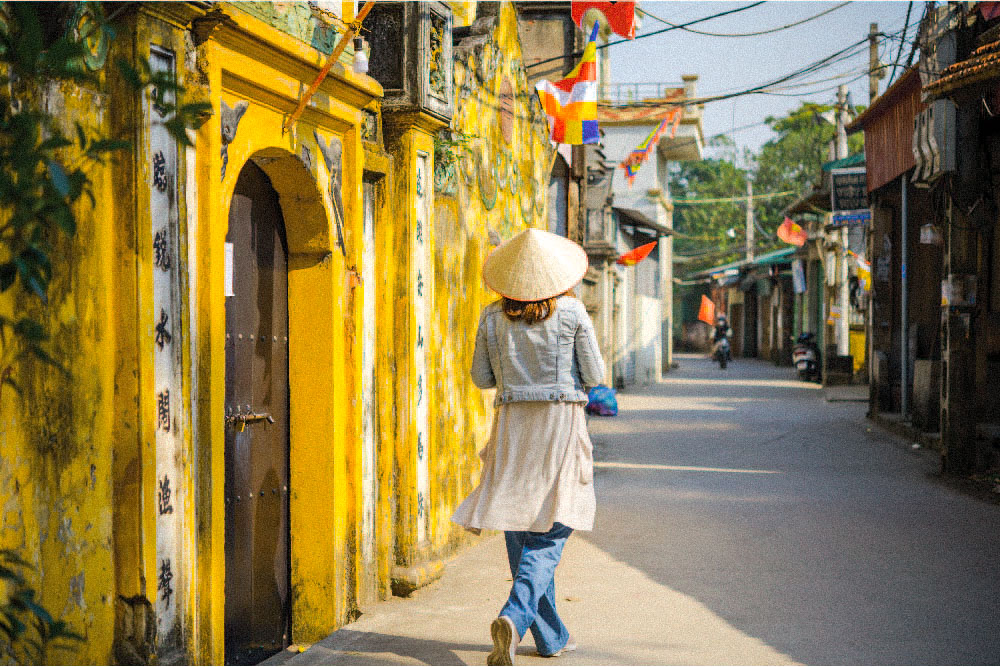
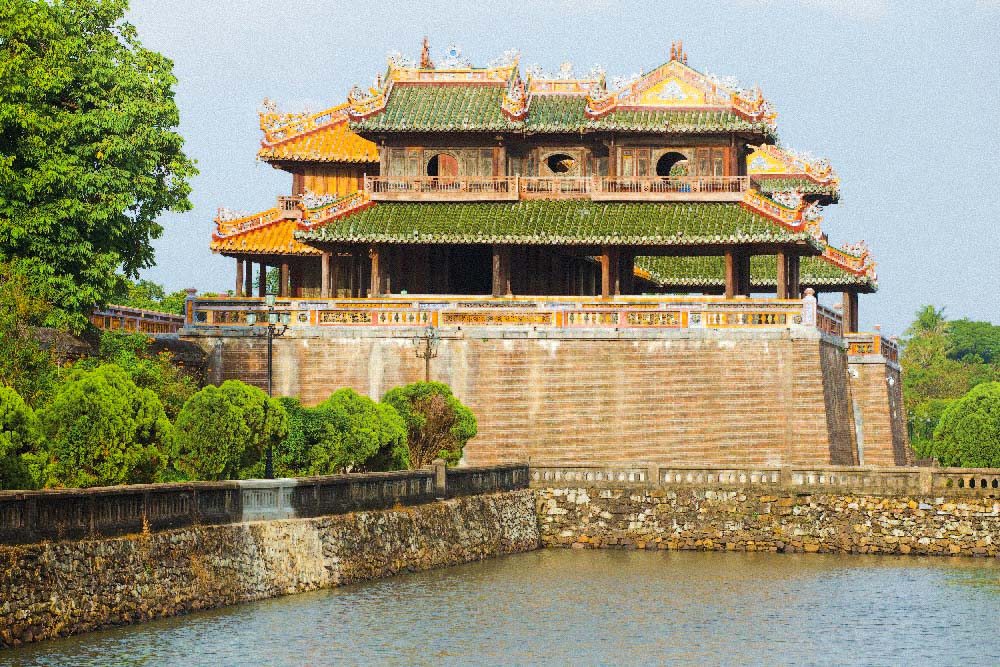
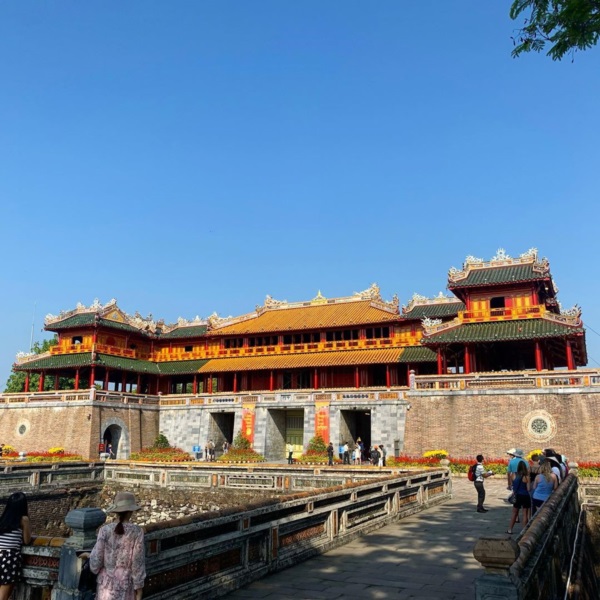
Hue was once the capital of Vietnam during the Nguyen dynasty, and this history continues to define the city today.
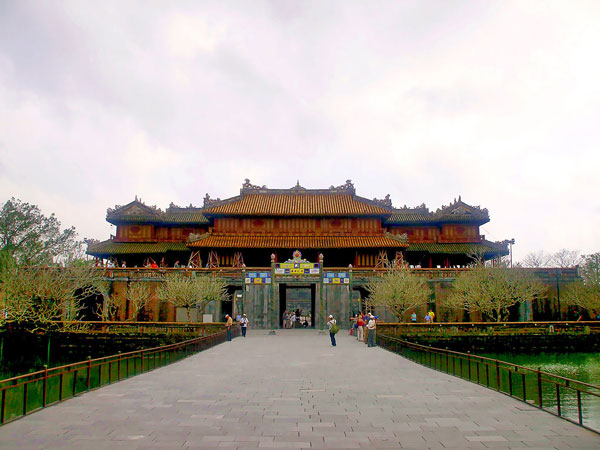
The presence of Imperial City of Hue reflects the structure and traditions of a royal court that influenced architecture, governance, and culture.
Unlike other cities where history feels distant, Hue’s past remains visible in its layout, monuments, and daily life.
This imperial legacy creates a sense of order and calmness that travelers often notice immediately.
A slower and more reserved lifestyle
One of the first things visitors notice in Hue is its pace.
Life here feels slower compared to other major cities in Vietnam. Streets are less crowded, and daily routines seem more relaxed.
People in Hue are often described as gentle and soft-spoken. Conversations tend to be quieter, and interactions feel more reserved.
This does not mean the city lacks energy. Instead, it reflects a cultural preference for calmness and balance.
For travelers, this slower pace creates space to observe and appreciate everyday life.
A strong connection to tradition
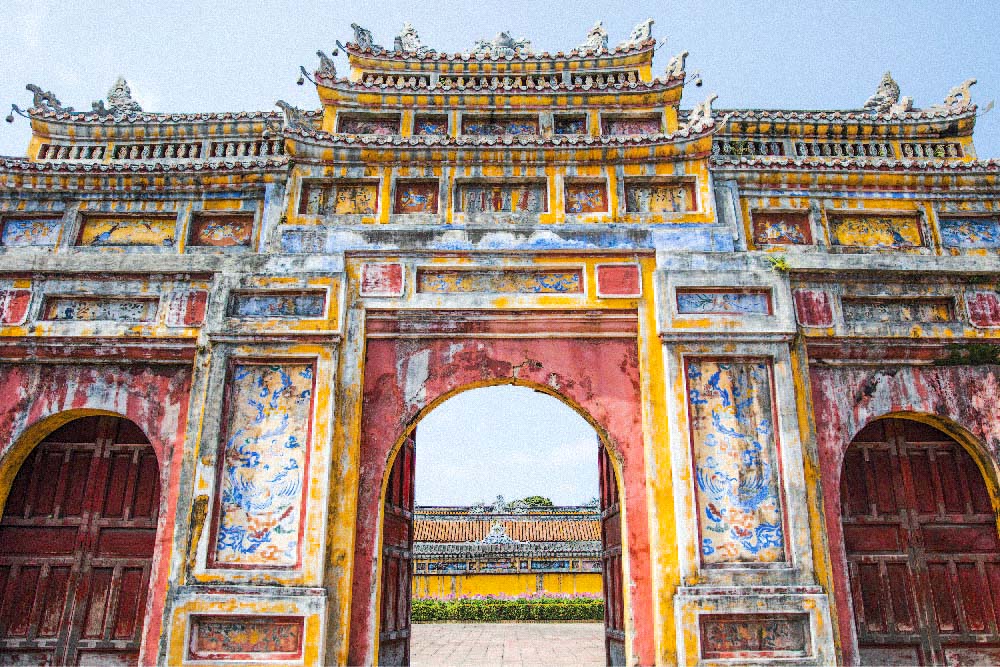
Hue is deeply connected to tradition.
From architecture to clothing, many aspects of daily life still reflect historical influences. Traditional houses, pagodas, and cultural rituals are preserved more carefully here than in many other parts of Vietnam.
Festivals and ceremonies often follow long-established customs, maintaining a sense of continuity between the past and present.
This strong connection to tradition gives Hue a distinct cultural identity that sets it apart from more modernized cities.
Unique cuisine with royal influence
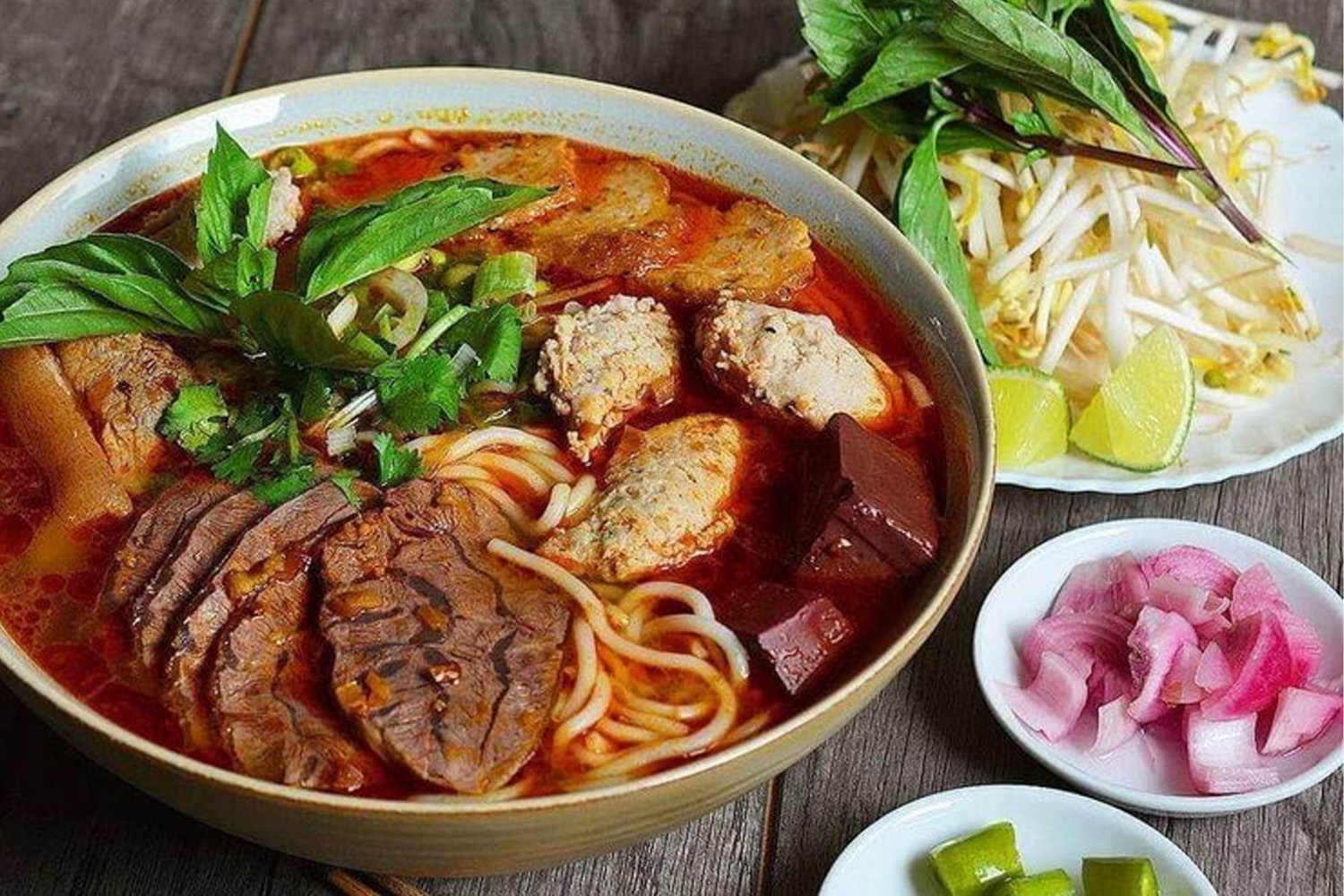
Food in Hue is another defining characteristic of the city.
Hue cuisine is known for its refinement and attention to detail, influenced by its history as an imperial capital. Dishes were originally created to serve the royal court, where presentation and balance were highly valued.
Local specialties such as bun bo Hue, banh beo, and banh khoai reflect both complexity and simplicity at the same time.
Unlike street food in larger cities, Hue’s dishes often focus on harmony in flavor and careful preparation.
Eating in Hue is not just about taste. It is about experiencing a culinary tradition shaped by history.
The importance of spirituality
Hue is also known for its strong spiritual presence.
The city is home to many temples and pagodas, including Thien Mu Pagoda, one of the most iconic religious sites in central Vietnam.
Spiritual practices play an important role in daily life, and visitors may notice how locals regularly visit temples to pray or reflect.
The peaceful atmosphere of these places contributes to the overall feeling of calmness in the city.
The poetic atmosphere of the Perfume River
Running through the city is the Perfume River, which adds to Hue’s unique character.
The river has long been associated with poetry, music, and artistic expression. Its calm flow reflects the gentle pace of the city and provides a natural gathering place for both locals and visitors.
Walking along the river in the early morning or evening offers a quiet moment that captures the essence of Hue.
Traditional art and music
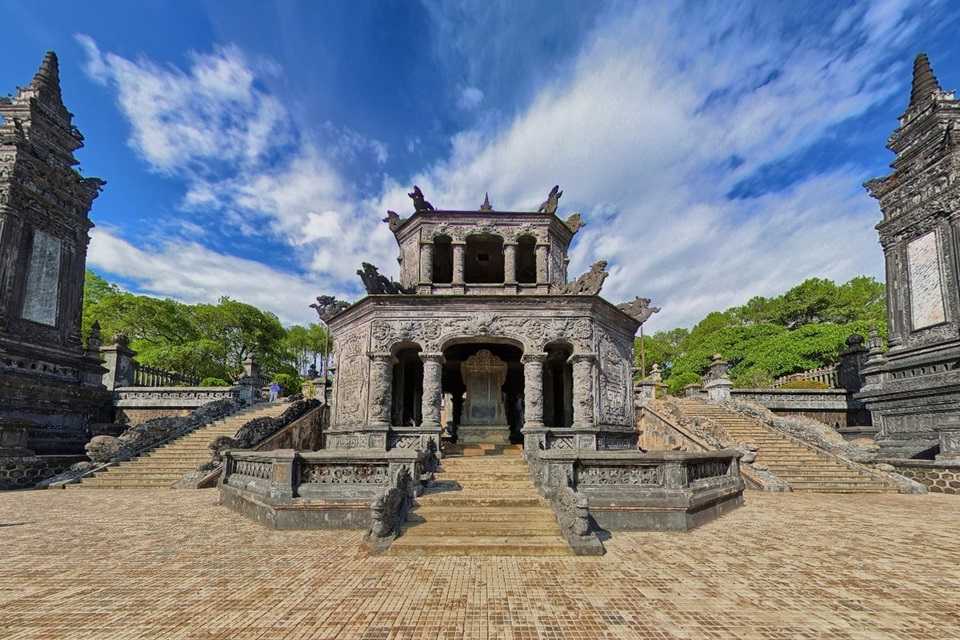
Hue is also known for preserving traditional forms of art and music.
One example is nha nhac, the royal court music recognized by UNESCO as an intangible cultural heritage. This form of music was once performed for the imperial court and continues to be an important part of Hue’s cultural identity.
Crafts such as calligraphy, traditional embroidery, and handmade souvenirs also reflect the city’s artistic heritage.
These cultural expressions help keep Hue’s traditions alive in modern times.
A different kind of travel experience
Traveling to Hue feels different from visiting other cities in Vietnam.
It is not a place that overwhelms you with activity or constant movement. Instead, it invites you to slow down and observe.
The combination of history, culture, and atmosphere creates an experience that is more reflective than dynamic.
For travelers who are interested in understanding Vietnam beyond its major attractions, Hue offers a deeper and more meaningful perspective.
The gentle tone of Hue people
One of the most distinctive cultural characteristics of Hue is the way people communicate.
The Hue accent is known for being soft and melodic, often described as more poetic compared to other regional dialects in Vietnam. Even for Vietnamese speakers from other regions, the Hue accent can feel unique and sometimes difficult to fully understand.
Beyond language, the tone of communication itself tends to be gentle. People often speak calmly and avoid raising their voices in public. Conversations feel slower and more thoughtful.
This reflects a cultural preference for modesty and emotional restraint, values that have been influenced by centuries of royal etiquette.
For travelers, this creates an atmosphere that feels more intimate and less overwhelming than in larger cities.
The role of ao dai in Hue’s identity
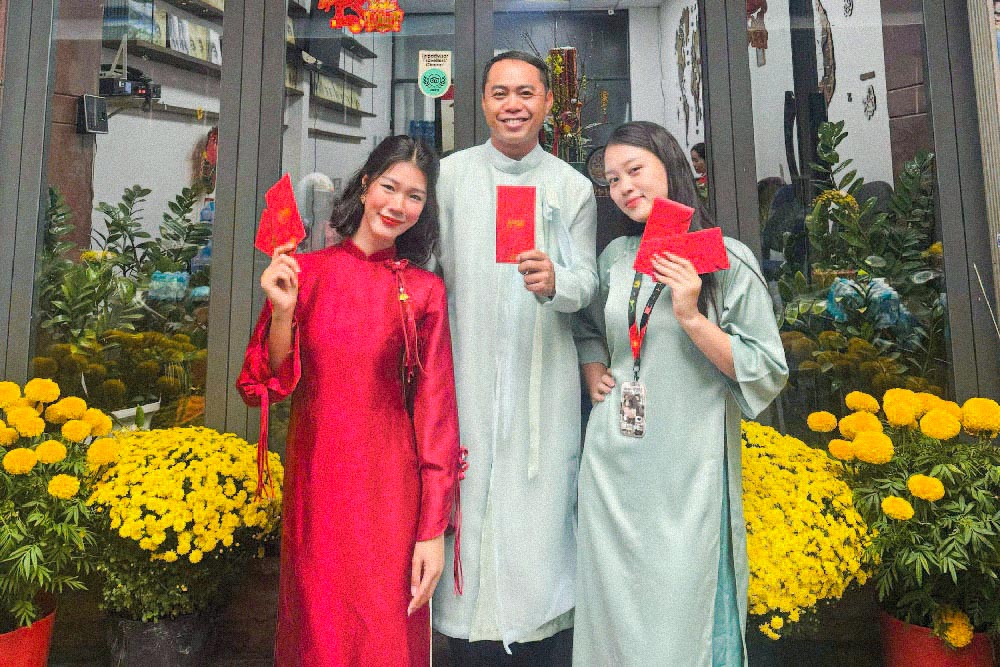
Hue is often associated with the traditional Vietnamese garment known as the ao dai.
While ao dai can be seen across Vietnam, it carries a special meaning in Hue. The elegance and simplicity of the design align closely with the city’s aesthetic and cultural values.
In certain areas, especially near historical sites or schools, it is still common to see people wearing ao dai in daily life. The image of white ao dai flowing along the streets or near the Perfume River has become one of the most recognizable symbols of Hue.
This connection between clothing and cultural identity adds another layer to the city’s uniqueness.
Rain and its influence on the city
Weather also plays a role in shaping Hue’s atmosphere.
Hue is known for its long rainy seasons, particularly in the later months of the year. While rain can sometimes be seen as inconvenient, in Hue it contributes to the city’s mood.
The combination of rain, historical architecture, and quiet streets creates a reflective and almost nostalgic feeling.
For some travelers, experiencing Hue in light rain adds to its charm. The city feels slower, softer, and more introspective.
This connection between weather and atmosphere is part of what makes Hue different from other destinations.
Markets and everyday life
Hue’s local markets provide insight into daily routines and community life.
Unlike larger cities where markets can feel chaotic, markets in Hue often move at a more relaxed pace. Vendors arrange their goods carefully, and interactions feel less hurried.
Walking through a market in Hue allows visitors to observe not only what people buy and sell, but also how they interact with each other.
These everyday scenes reflect the city’s broader cultural values of calmness and balance.
The balance between past and present
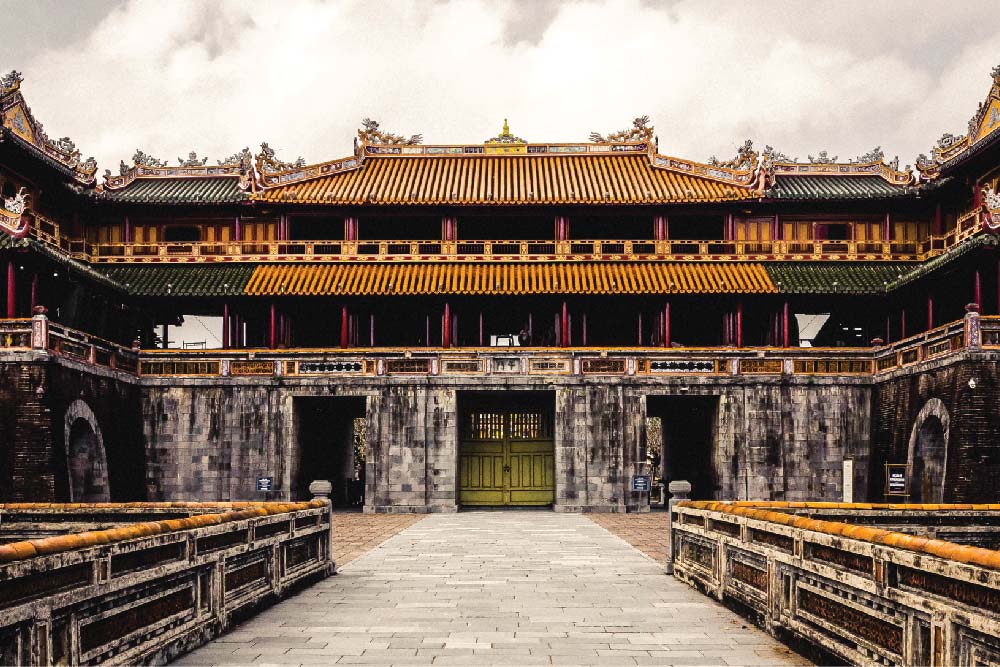
Hue is a city where the past and present exist side by side.
Modern cafés, hotels, and businesses have developed throughout the city, yet they do not completely replace traditional structures or cultural practices.
Instead, there is a balance.
You may find a modern coffee shop located near an ancient temple, or a contemporary building standing beside a historical monument. This coexistence creates a unique urban environment where history remains visible in everyday life.
For travelers, this balance offers a more layered experience compared to cities that have changed more dramatically over time.
The artistic and literary spirit of Hue
Hue has long been associated with poetry, literature, and artistic expression.
The calm environment, the presence of the Perfume River, and the city’s historical significance have inspired generations of writers and artists.
Even today, this artistic spirit can be felt in small details. Street musicians, traditional performances, and local art reflect a continued appreciation for creativity.
This connection to art is not always obvious, but it contributes to the city’s overall atmosphere.
A place for reflection rather than excitement
Hue offers a different kind of travel experience compared to more energetic destinations.
It is not a place focused on nightlife or fast-paced entertainment. Instead, it encourages reflection and quiet exploration.
Walking through historical sites, sitting by the river, or visiting temples allows travelers to experience a slower and more thoughtful side of Vietnam.
For some visitors, this may feel less exciting at first. But for others, it becomes one of the most memorable parts of their journey.
Who should visit Hue
Hue is not for everyone, and that is part of what makes it special.
Travelers who are looking for vibrant nightlife or constant activity may find other cities more suitable. However, those who appreciate history, culture, and a slower pace of life often find Hue deeply rewarding.
It is especially appealing for travelers who want to understand Vietnam beyond its major tourist attractions.
Hue offers depth rather than intensity.
Final thoughts on Hue’s cultural characteristics
Hue is a city that reveals itself gradually.
Its cultural characteristics are not always immediately visible, but they become clearer with time and attention. The gentle communication style, strong connection to tradition, refined cuisine, and calm atmosphere all contribute to a unique identity that sets Hue apart.
Travelers who approach Hue with patience and curiosity often discover a side of Vietnam that feels more reflective and deeply rooted in history.
In the end, what makes Hue unique is not just its landmarks or historical significance. It is the way the city feels.
And that feeling is shaped by centuries of culture, tradition, and a quiet rhythm that continues to define Hue today.