Vietnam is widely considered a safe destination for travelers, but like any country with busy cities, diverse regions, and strong local rhythms, understanding how to navigate it properly makes a significant difference in your experience.
For first-time visitors, especially those arriving in large cities such as Hanoi or Ho Chi Minh City, the environment can feel intense at first. The streets are active, the pace is fast, and daily life unfolds in a way that may feel unfamiliar.
However, beneath this initial impression is a system that works.
Traveling safely in Vietnam is less about avoiding danger and more about understanding how things operate. Once you begin to recognize patterns, adjust your behavior, and move with the rhythm of the country, the experience becomes much more comfortable.
Understanding traffic before anything else
One of the first and most important aspects of safety in Vietnam is traffic.
For many travelers, crossing the street is the moment that defines their first impression. Motorbikes move continuously, often without stopping completely, and the flow can appear chaotic.
The key to navigating this safely is not speed, but consistency.
Instead of waiting for a completely empty road, which rarely happens in busy areas, the safest approach is to walk slowly and steadily. Drivers anticipate your movement and adjust around you.
Sudden stops or quick changes in direction create confusion, which increases risk.
Once you understand this pattern, crossing the street becomes easier and less stressful.
Staying aware in crowded areas
Vietnam’s cities are full of life, and crowded areas are part of the experience.
Markets, walking streets, and popular attractions often bring together large numbers of people. While these places are generally safe, they require awareness.
Keeping personal belongings secure is important. Bags should be closed and positioned in front of your body when moving through busy spaces.
Phones and wallets should not be displayed unnecessarily, especially near roads where motorbikes pass closely.
This does not mean you need to feel anxious. It simply means being mindful of your surroundings, just as you would in any busy city.
Choosing transportation wisely
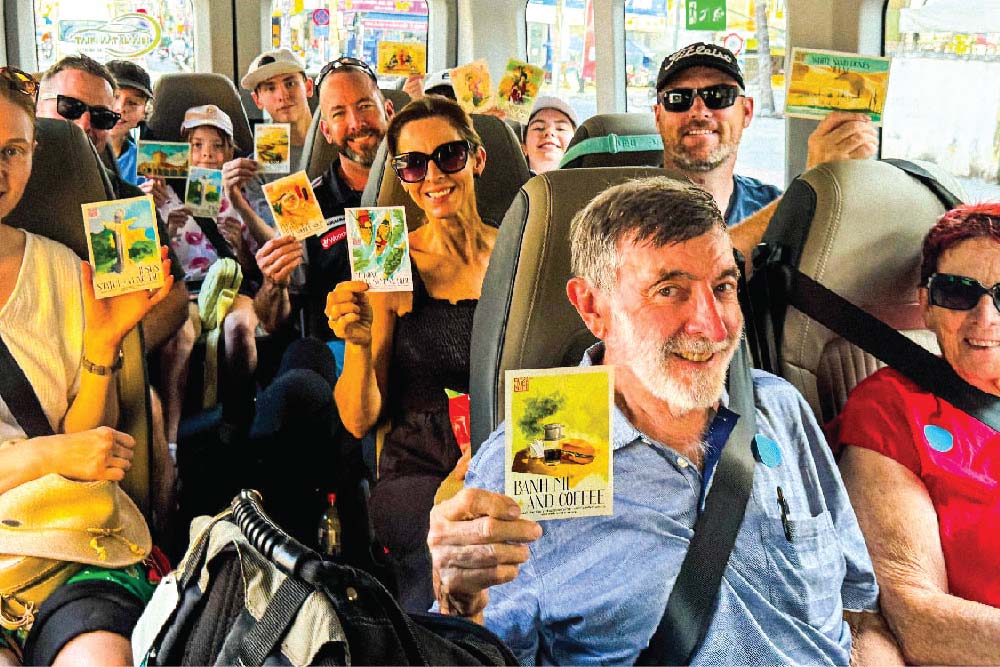
Transportation in Vietnam is convenient but requires smart choices.
Ride-hailing apps provide a reliable way to move around cities. They offer transparent pricing and reduce the need for negotiation, which helps avoid misunderstandings.
Traditional taxis are also available, but it is important to choose reputable companies rather than random vehicles.
For longer journeys, trains, buses, and flights connect major destinations. Each option has its advantages, but planning ahead ensures a smoother experience.
Understanding how to choose transportation is a key part of staying safe and comfortable.
Food safety and street food confidence
Food is one of the highlights of traveling in Vietnam, but it also raises questions for many visitors.
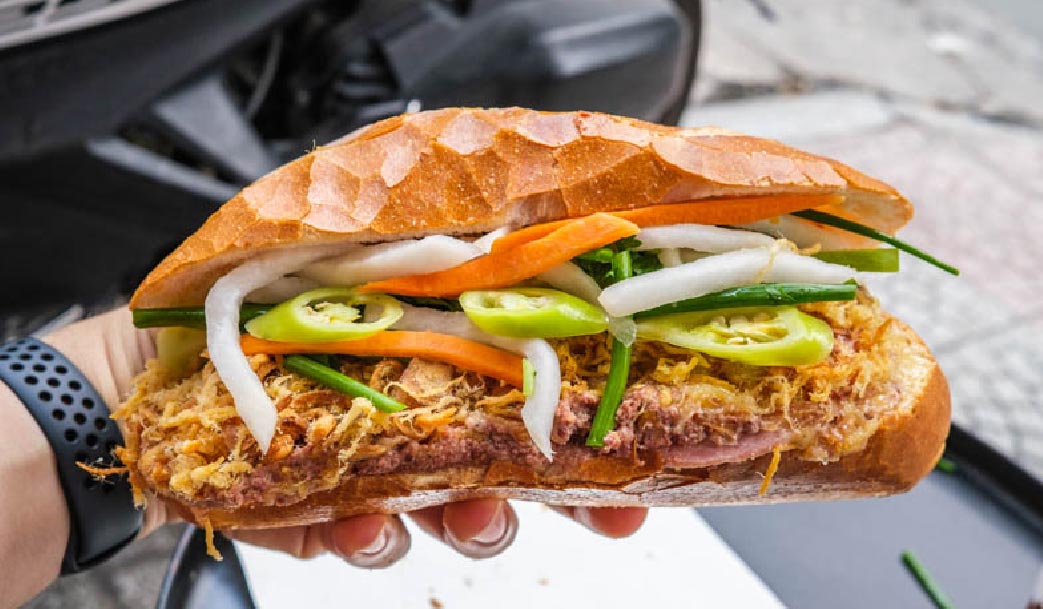
Street food is not only safe in most cases, but often fresher than food in more formal settings. High turnover means ingredients are used quickly, reducing the chance of spoilage.
The best approach is observation.
Busy stalls with a steady flow of local customers are usually a good sign. Watching how food is prepared and how clean the setup is can help you make confident choices.
At the same time, it is important to stay hydrated and avoid sudden changes in diet that your body is not used to.
Food safety in Vietnam is about awareness, not avoidance.
Money and payments
Handling money safely is another important aspect of travel.
Vietnam primarily uses cash, especially in smaller shops, markets, and local restaurants. Carrying small denominations makes transactions easier and reduces confusion.
When paying, taking a moment to check your change is a simple but effective habit.
In larger establishments, cards are often accepted, but having cash available ensures flexibility.
Keeping money in different places, such as separating daily spending from backup funds, adds an extra layer of security.
Accommodation choices and location
Where you stay affects both convenience and safety.
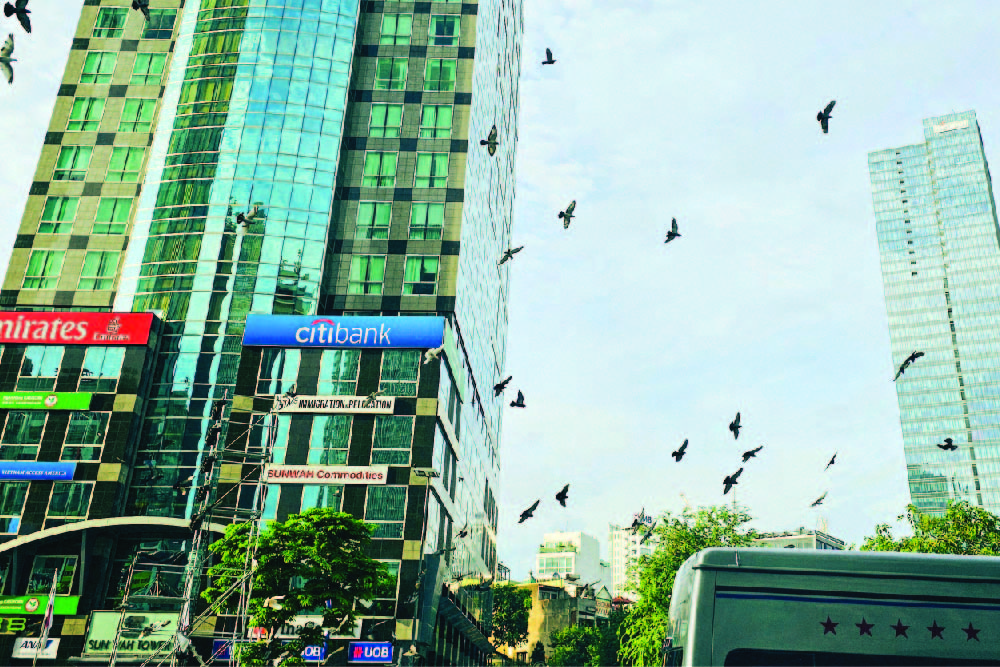
Choosing accommodation in central, well-known areas makes it easier to navigate and access transportation, food, and services.
Hotels and guesthouses in these areas are accustomed to international travelers and often provide additional support, such as directions or recommendations.
Reading reviews before booking helps ensure that the place meets expectations in terms of cleanliness, service, and location.
A well-chosen place to stay becomes a base that makes the rest of your trip smoother.
Understanding scams without overthinking
Like any popular travel destination, Vietnam has minor scams, but they are usually avoidable.
Most involve small misunderstandings rather than serious threats. These might include unclear pricing, informal services, or situations where tourists are unfamiliar with local practices.
The best approach is awareness without paranoia.
Asking questions, confirming prices in advance, and choosing reputable services reduce the chances of issues.
At the same time, it is important not to assume negative intent in every interaction. Most people are honest and welcoming.
Balancing awareness with openness creates a better overall experience.
Health and basic precautions
Staying healthy while traveling is part of staying safe.
Simple habits such as drinking bottled or filtered water, washing hands regularly, and protecting yourself from the sun make a significant difference.
In warmer months, heat and humidity can affect energy levels, so taking breaks and staying hydrated is important.
Travel insurance is also recommended, as it provides support in case of unexpected situations.
These precautions are straightforward but essential.
Respecting local culture

Safety is not only physical. It also involves how you interact with the environment and people around you.
Respecting local customs helps create positive interactions and reduces misunderstandings.
In temples and religious sites, dressing appropriately and behaving respectfully shows awareness of cultural norms.
Simple gestures such as greeting politely, speaking calmly, and showing patience contribute to smoother experiences.
Understanding that you are a guest in a different culture is part of traveling responsibly.
Why Vietnam feels safer over time
For many travelers, Vietnam feels most challenging in the first few days.
Everything is new, and the pace can feel overwhelming.
But as you spend more time in the country, things begin to make sense. Patterns become clear, routines form, and confidence grows.
What once felt unfamiliar becomes manageable.
This transition is one of the reasons why many visitors describe Vietnam as safe, even if it felt intense at the beginning.
Safety at night: what to expect
Vietnam at night is generally safe, especially in central areas of cities such as Ho Chi Minh City and Hanoi.
Streets remain active well into the evening, with restaurants, cafés, and small shops continuing to operate. Walking through these areas often feels comfortable because there are always people around.
However, the same principles of awareness still apply.
Choosing well-lit streets, avoiding very quiet or unfamiliar areas late at night, and keeping personal belongings secure are simple but effective habits.
For travelers, the experience of Vietnam at night is usually more lively than risky.
Motorbike safety: understanding the environment
Motorbikes are a central part of daily life in Vietnam.
For many travelers, the idea of riding a motorbike may seem appealing, especially in scenic areas. However, it is important to approach this carefully.
Traffic patterns are different from what many visitors are used to. Riding requires confidence, awareness, and an understanding of how the flow works.
For those without experience, using motorbike taxis or car services is a safer option.
If you do choose to ride, wearing a helmet and staying alert at all times is essential.
Understanding your comfort level is more important than trying to adapt quickly to something unfamiliar.
Differences between city and rural safety
Safety in Vietnam can feel different depending on where you are.
In large cities, the main focus is awareness. Traffic, crowded areas, and busy streets require attention and adaptability.
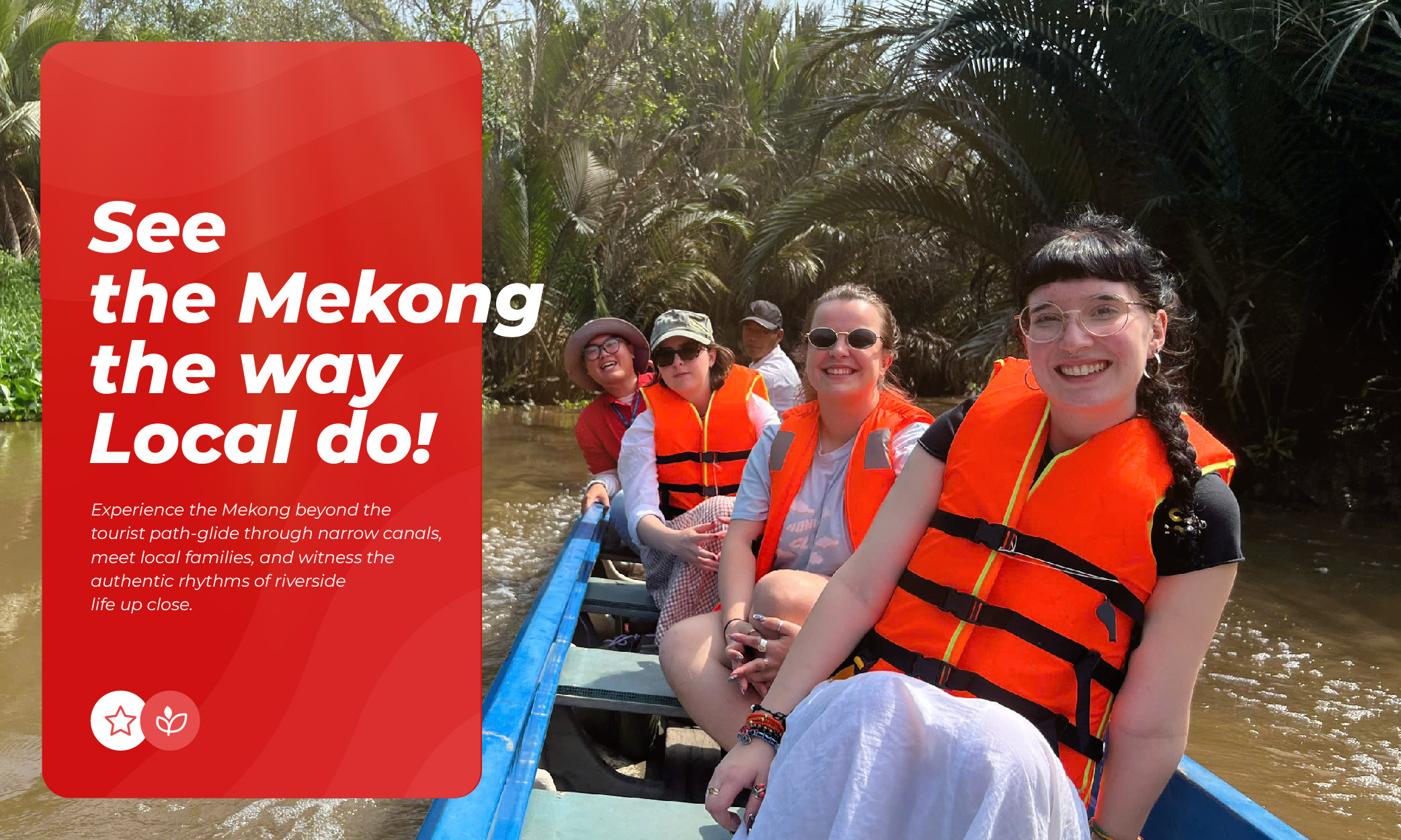
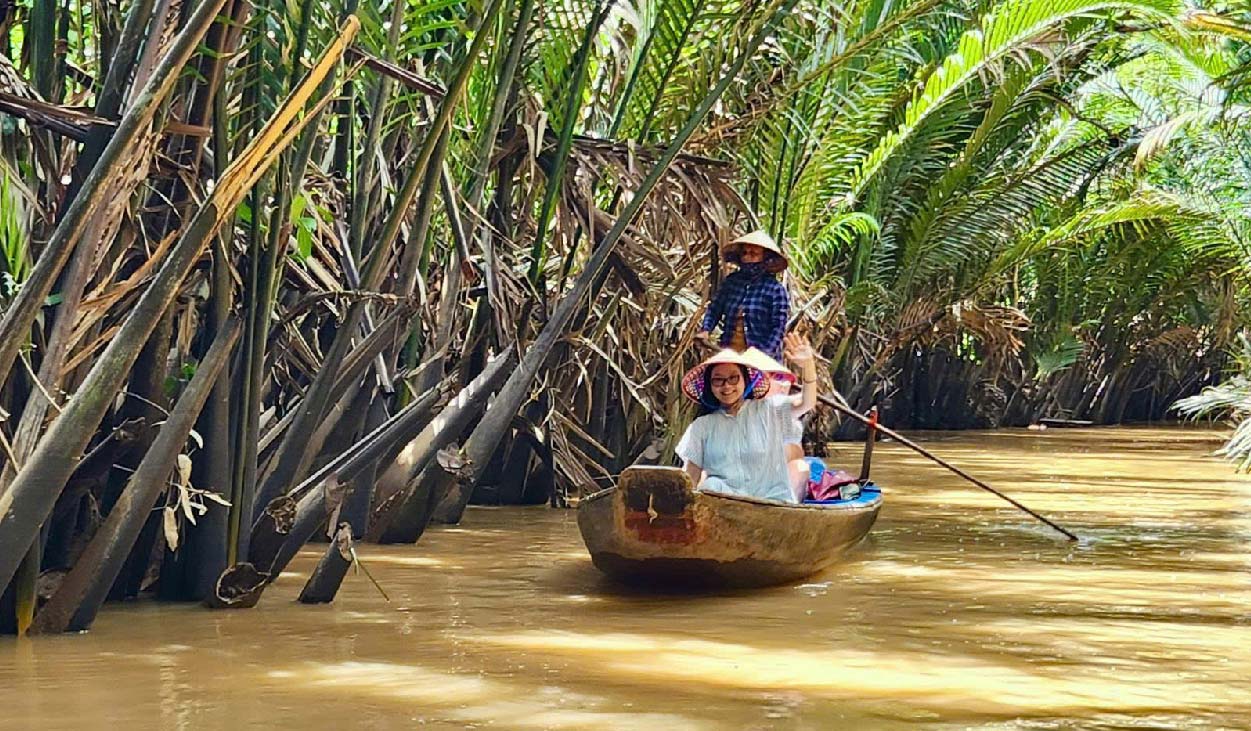
In rural areas, such as the Mekong Delta or mountainous regions in the north, the environment is calmer and less crowded.
However, this does not mean there are no considerations.
Transportation options may be more limited, and access to services such as hospitals or pharmacies can be less immediate. Planning ahead becomes more important in these areas.
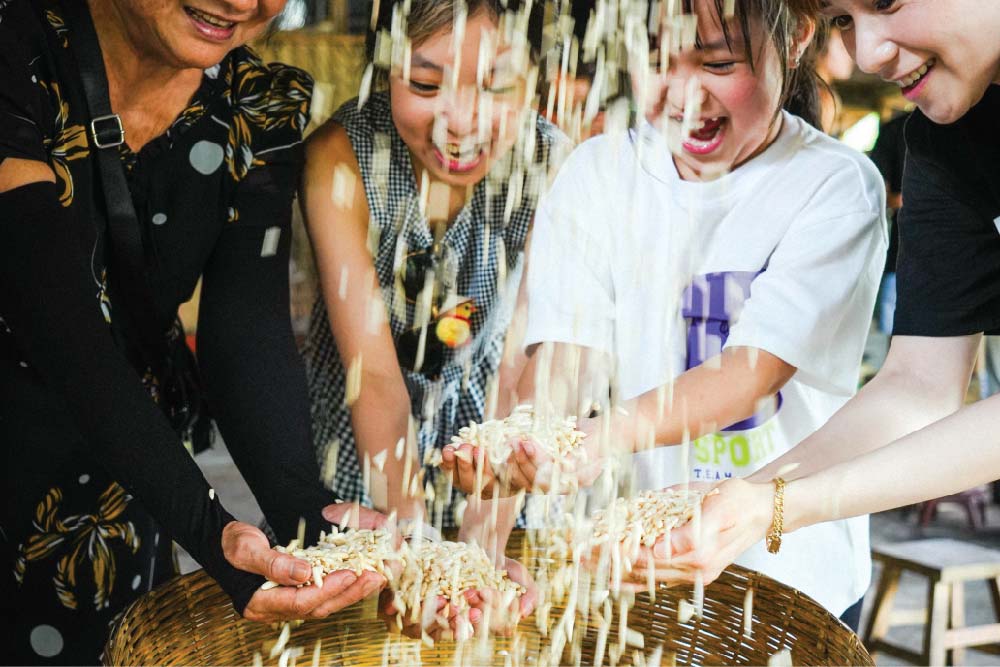
At the same time, rural communities are often very welcoming, and many travelers find these areas to feel even safer in a different way.
Solo travel in Vietnam
Vietnam is a popular destination for solo travelers.
The country’s infrastructure, affordability, and strong tourism network make it accessible for individuals traveling alone.
For solo travelers, the same general safety principles apply. Staying in well-reviewed accommodations, using reliable transportation, and maintaining awareness in public spaces all contribute to a positive experience.
Interacting with locals is often easy, as people are generally friendly and willing to help, even when language differences exist.
Many solo travelers find that Vietnam offers both independence and opportunities for connection.
Communication and language
Language differences can sometimes create uncertainty, but they are rarely a safety issue.
Basic communication is usually possible through simple English, gestures, or translation apps. In tourist areas, many people working in services can communicate effectively with visitors.
When clarity is important, such as confirming prices or directions, taking a moment to double-check ensures understanding.
Communication in Vietnam often relies on patience rather than precision.
This approach reduces stress and helps avoid misunderstandings.
Emergency awareness and preparation
While most trips to Vietnam are smooth, it is always helpful to be prepared for unexpected situations.
Knowing the location of your accommodation, having important contact information accessible, and keeping copies of documents are simple precautions.
Travel insurance adds an additional layer of security, especially for medical situations or travel disruptions.
In cities, medical facilities are available, and in major areas, international clinics provide services for travelers.
Preparation does not mean expecting problems. It means being ready in case they happen.
Trusting your instincts
One of the most valuable tools for staying safe is your own awareness.
If a situation feels unclear or uncomfortable, taking a step back and reassessing is always a good approach.
Vietnam is generally welcoming, but like anywhere, not every situation requires immediate trust.
Balancing openness with awareness allows you to engage with the environment while still protecting yourself.
Over time, this balance becomes easier to maintain.
The role of experience in feeling safe
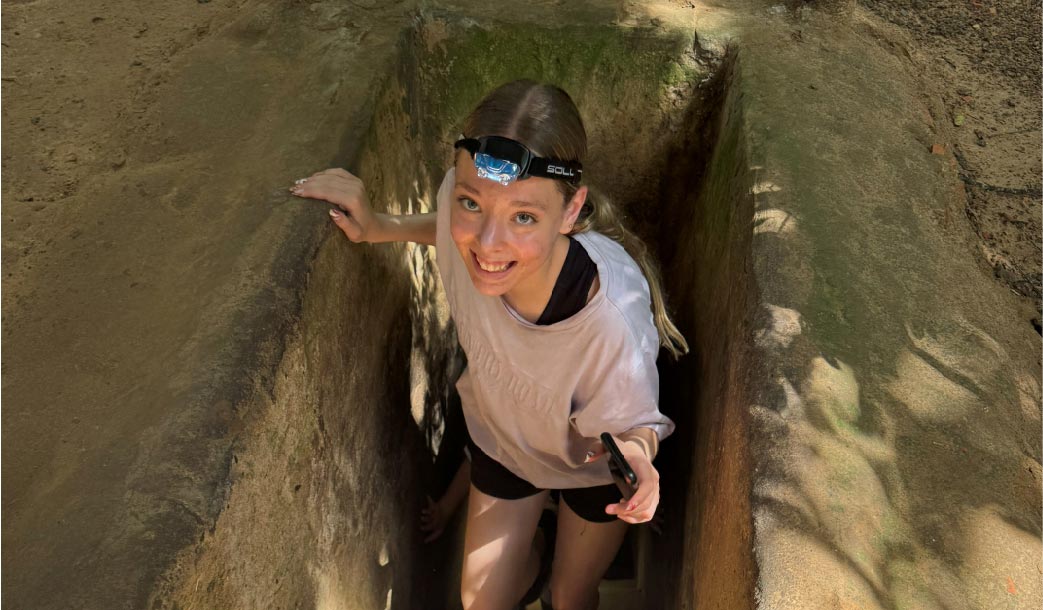
Safety in Vietnam often improves with experience.
The first few days may feel uncertain, as everything is new and unfamiliar. But as you begin to understand how things work, your confidence grows.
You learn how to cross the street, how to choose where to eat, and how to move through the city without hesitation.
This learning process transforms the experience.
What once felt challenging becomes part of your routine.
Why Vietnam is considered safe overall
Despite its intensity, Vietnam is widely regarded as a safe country for travelers.
Violent crime is rare, and most issues that travelers encounter are minor and manageable.
The strong presence of daily life in public spaces, the friendliness of local people, and the accessibility of services all contribute to this sense of safety.
For many visitors, Vietnam feels safer than expected once they adjust to the environment.
Common mindset mistakes to avoid
One of the biggest mistakes travelers make is comparing Vietnam directly to their home country.
Expecting the same traffic rules, social behavior, or systems can create unnecessary stress.
Instead, approaching Vietnam on its own terms allows for a smoother experience.
Another mistake is focusing too much on potential risks.
While awareness is important, overthinking can limit your ability to enjoy the trip.
Balancing preparation with openness creates the best outcome.
Final thoughts on traveling safely in Vietnam
Traveling safely in Vietnam is not about avoiding the country’s intensity.
It is about understanding it.
The movement, the energy, and the rhythm of daily life all follow patterns that become clearer over time.
Once you recognize these patterns, the experience becomes more comfortable and more enjoyable.
Vietnam rewards travelers who are observant, adaptable, and open to learning.
With the right mindset, safety becomes part of the experience rather than a concern.
Final conclusion
Vietnam is a country that may feel overwhelming at first, but it quickly becomes familiar.
By understanding traffic, staying aware in busy areas, choosing reliable services, and respecting local culture, travelers can navigate the country confidently.
Safety in Vietnam is not about strict rules.
It is about awareness, adaptability, and trust in the process of learning.
And once you find that balance, the country opens up in ways that are both safe and unforgettable.