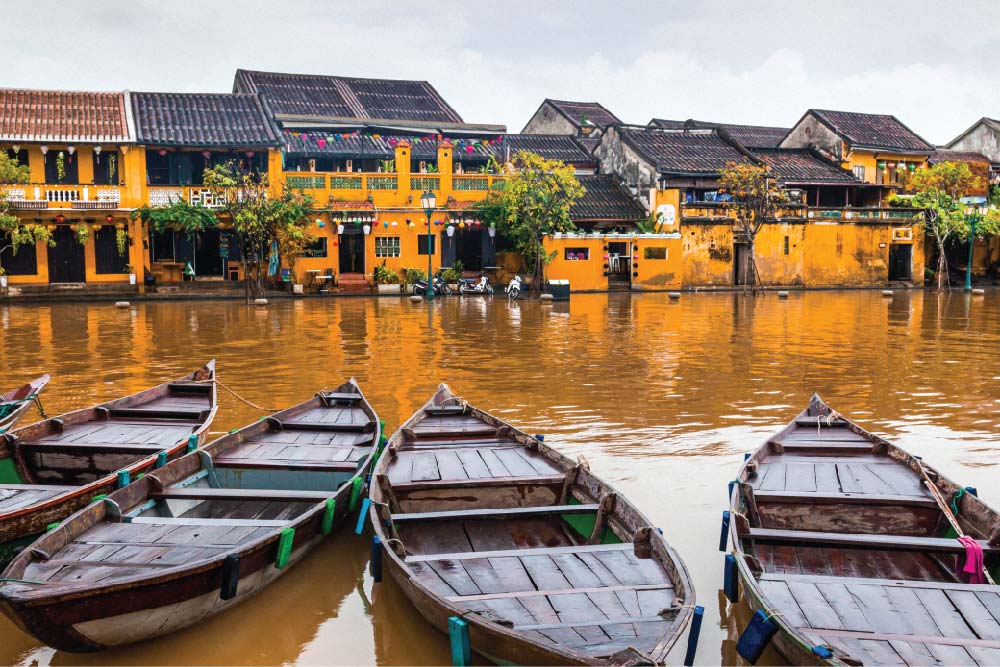
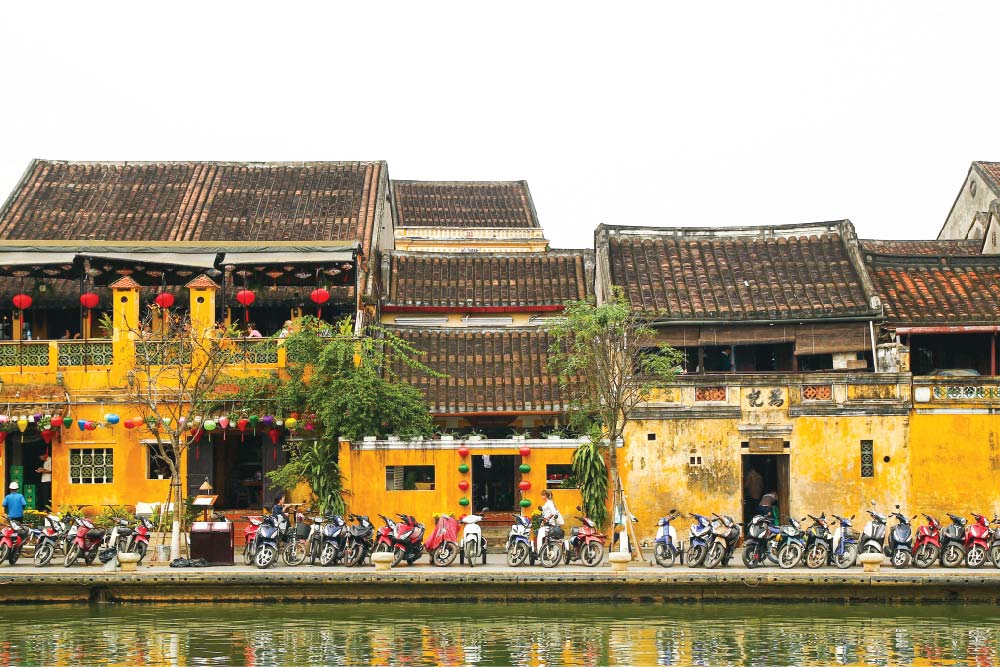
Hoi An is unlike anywhere else in Vietnam. For roughly 400 years it operated as one of Southeast Asia’s busiest trading ports, and the result is a town shaped by centuries of overlapping influence — Vietnamese, Chinese, Japanese, and later French — all still visible in its architecture today. The Ancient Town’s low-slung, saffron-yellow buildings, wooden shophouses, and covered bridges earned it UNESCO World Heritage status in 1999, and its car-free old quarter, tailor shops, and lantern-lit evenings have made it one of the most photographed towns in the country.
This guide covers what to do in Hoi An, the best time to visit, where to eat, and how to structure your days — whether you’re stopping for one night or building a slower, multi-day visit around it.
Why visit Hoi An
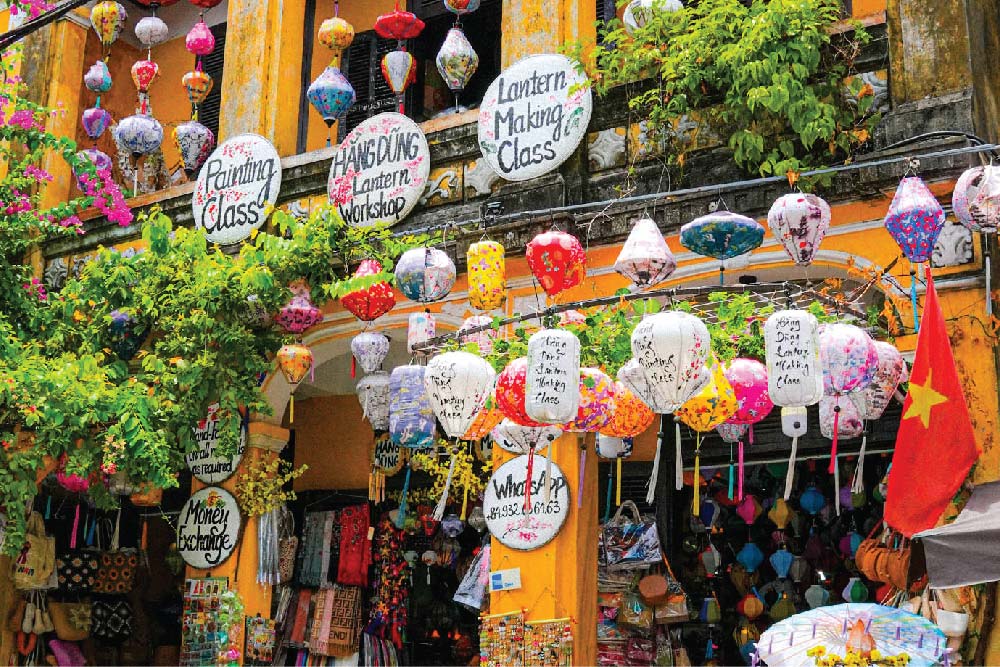
- Architecture you won’t find elsewhere in Vietnam. The Ancient Town’s blend of Vietnamese, Chinese, and Japanese design is unique in the country and largely preserved rather than reconstructed.
- A genuinely walkable, car-free core. Unlike Ha Noi or Ho Chi Minh City, the historic center is closed to cars, making it one of the most relaxed places in Vietnam to explore on foot.
- A strong base for day trips. Beaches, countryside, and historical sites like My Son Sanctuary are all within easy reach.
Best time to visit Hoi An
| Season | Months | Weather | Notes |
|---|---|---|---|
| Dry season | February–July | Warm, low rainfall | The most reliable window for sightseeing and beach time |
| Peak heat | May–July | Hot, humid | Manageable but plan indoor breaks midday |
| Wet/flood season | October–December | High rainfall, risk of flooding | The Ancient Town has flooded in past years during heavy rain; check forecasts before booking this window |
| Shoulder season | August–September | Warm, increasing rain | Fewer crowds, but rain becomes more frequent |
Best overall window: February to April offers warm, mostly dry weather without the peak heat and humidity of summer, making it ideal for walking tours and day trips alike.
A note on flooding: Hoi An’s Ancient Town sits low along the Thu Bon River and has experienced seasonal flooding during heavy rain, most commonly between October and December. It doesn’t happen every year, but it’s worth checking forecasts and being flexible with your dates if you’re traveling in this window.
Top things to do in Hoi An
1. Walk the Ancient Town
The heart of Hoi An is best explored on foot, ideally early morning or after sunset when the streets are quieter. Highlights along the way include the Japanese Covered Bridge, dozens of centuries-old merchant houses, and small Chinese assembly halls built by trading communities that settled here.
2. Visit the Japanese Covered Bridge
Built in the 1590s by Hoi An’s Japanese community, this small covered bridge is the town’s most recognizable landmark. A small temple sits inside the bridge itself, dedicated to a deity believed to protect against earthquakes.
3. Tour a historic merchant house
Several centuries-old trading houses are open to visitors, offering a look at how wealthy merchant families lived and worked, with architecture that blends Vietnamese, Chinese, and Japanese styles in a single building. Tan Ky House and Phung Hung House are among the most visited.
4. Get something tailor-made
Hoi An is famous throughout Vietnam for its tailor shops, capable of producing custom clothing — suits, dresses, shoes — often within 24 to 48 hours. Quality and price vary significantly between shops, so it’s worth asking for recommendations rather than choosing at random near the main tourist streets.
5. Experience the town after dark
Once the sun sets, Hoi An transforms. Lanterns light up along the riverside, and vendors sell small floating candles to release onto the Thu Bon River — a tradition believed to bring good luck. The atmosphere is especially striking around the full moon.
6. Attend the Hoi An Lantern Festival
On the 14th day of each lunar month, the Ancient Town holds a Lantern Festival: electric lights are switched off in the historic quarter, replaced entirely by lantern light, alongside traditional games, music, and boat processions on the river. Dates shift each month according to the lunar calendar, so check the current schedule before planning your trip around it.
7. Take a basket boat ride through the coconut forest
Just outside town, the Cam Thanh coconut palm forest offers rides in traditional round basket boats, often including a spinning demonstration by local boatmen — a popular, lighthearted activity for families and groups.
8. Relax at An Bang or Cua Dai Beach
Hoi An’s beaches sit just a short bike ride from the Ancient Town, offering a straightforward add-on for travelers who want to combine culture with beach time. An Bang Beach is the more popular option, with a stretch of beachfront cafes and restaurants.
9. Take a cooking class
Several cooking schools around Hoi An combine a market visit with a hands-on class covering regional dishes like cao lau and banh xeo, offering a deeper introduction to Central Vietnamese cuisine than a meal alone.
Where to eat in Hoi An

Hoi An has its own distinct food identity, separate from both Hue and Ho Chi Minh City. A few dishes to prioritize:
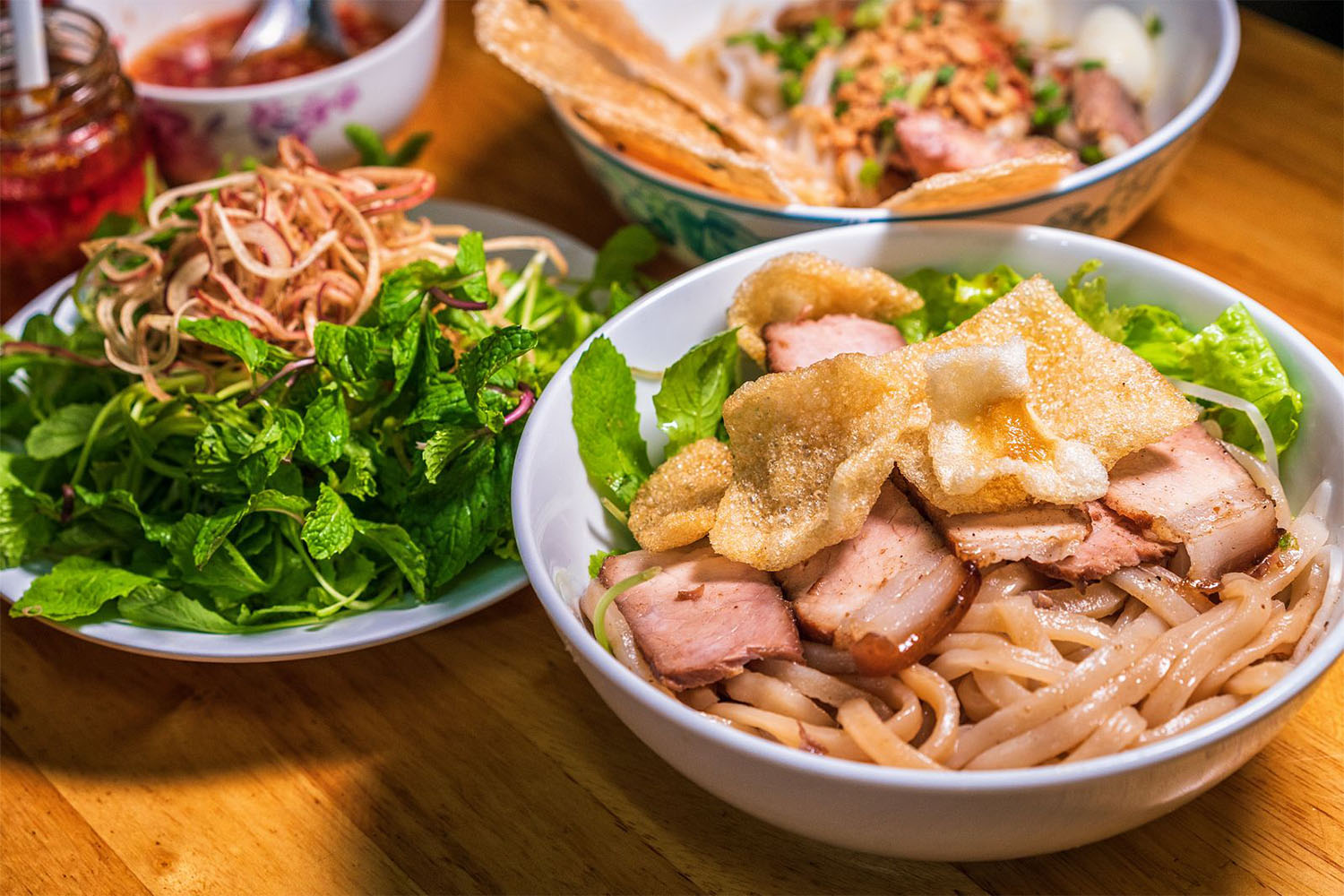
- Cao lau — a Hoi An specialty noodle dish with pork, greens, and croutons, traditionally made with water from a specific local well
- White rose dumplings (banh bao vac) — delicate shrimp dumplings shaped to resemble a rose
- Banh mi — Hoi An is home to some of the most highly regarded banh mi stalls in the country
- Com ga — Hoi An-style chicken rice, a simple but well-loved local staple
Day trips from Hoi An
| Destination | Distance | Time needed | Highlights |
|---|---|---|---|
| My Son Sanctuary | ~40 km (1 hr) | Half day | Ancient Cham temple ruins, often compared to a smaller-scale Angkor Wat |
| Marble Mountains | ~25 km (45 min) | Half day | Limestone hills with cave pagodas and viewpoints, on the way to Da Nang |
| Da Nang | ~30 km (45 min) | Half or full day | Beaches, the Dragon Bridge, and city sightseeing |
| Tra Que vegetable village | ~3 km (10 min) | Half day | Working organic farming village, popular for cycling and cooking classes |
Suggested 2-day Hoi An itinerary

Day 1 — Ancient Town Morning: Walk the Ancient Town, visit a merchant house and the Japanese Covered Bridge Midday: Lunch — cao lau or white rose dumplings Afternoon: Tailor shop fitting, browse the Central Market Evening: Riverside lantern walk, dinner along the river
Day 2 — Countryside and beach Morning: Basket boat ride in the Cam Thanh coconut forest, or a cooking class Midday: Cycle to Tra Que vegetable village Afternoon: An Bang Beach Evening: Return to the Ancient Town for a final dinner and lantern release
What to pack for Hoi An
- Lightweight, breathable clothing — Hoi An is warm and humid most of the year
- Comfortable sandals or walking shoes for the Ancient Town’s uneven stone streets
- A light rain jacket, especially outside the dry season
- Cash — many tailor shops, market stalls, and smaller restaurants are cash-preferred
- A reusable bag for market shopping or tailor pickups
Frequently asked questions
How many days should I spend in Hoi An? Two days covers the Ancient Town and one day trip comfortably. Add a third day if you want time for a tailor fitting with a return visit, a cooking class, and beach time without rushing.
Is Hoi An walkable? Yes — the Ancient Town’s historic core is closed to cars and easily explored on foot. Bicycles are a popular way to reach the beach or nearby countryside.
When is the Hoi An Lantern Festival? It’s held monthly, on the 14th day of the lunar calendar, which shifts relative to the Western calendar each month. Check the current month’s date before planning your visit around it.

Does Hoi An flood? The Ancient Town has experienced seasonal flooding in past years, most commonly between October and December during heavy rain. It doesn’t happen every year, but travelers visiting in this window should stay flexible and check forecasts.
How long does it take to get custom clothing made in Hoi An? Most tailor shops can complete an order within 24 to 48 hours, though a second fitting is recommended, so building in at least two days is advisable if you plan to order clothing.
Can I visit Hoi An as a day trip from Da Nang? Yes, Hoi An is about 30–45 minutes from Da Nang, making it a popular day trip for travelers based there, though an overnight stay is recommended to experience the Ancient Town after dark.
Plan your Hoi An trip with TNK Travel
From Ancient Town walking tours to countryside cycling and cooking classes, TNK Travel can help you build a Hoi An itinerary that fits your pace and interests. Explore our Hoi An and Central Vietnam tours, or get in touch with our travel consultants to plan your route between Hue, Da Nang, and Hoi An.