
If Northern Vietnam is deep in its rainy season by August, Central Vietnam is having close to the opposite experience. This stretch of the country — Hue, Da Nang, Hoi An, Nha Trang, and the coastline in between — sits in the dry half of its own distinct climate calendar in August, which makes it one of the most reliable months of the year for beach time, sunshine, and outdoor sightseeing.
That said, “dry” doesn’t mean without nuance. August in Central Vietnam brings real heat, occasional short storms, and a few regional quirks worth understanding before you book. Here’s a practical, destination-by-destination breakdown.
Quick answer: Central Vietnam weather in August at a glance
| Factor | What to expect |
|---|---|
| Average temperature | 28°C–35°C (82°F–95°F) |
| Humidity | 70–85% |
| Rainfall | Low to moderate — this is Central Vietnam’s dry season |
| Typhoon risk | Low in August; risk rises from September onward |
| Sea conditions | Generally calm and warm — good swimming conditions |
| Sunshine | Abundant; August is one of the sunniest months in the region |
| Best time of day for activities | Early morning or late afternoon to avoid peak midday heat |
Why Central Vietnam’s climate works differently from the north

Vietnam doesn’t have one single weather pattern — it has several, shaped by the country’s long, narrow geography and the mountain ranges that divide it into distinct climate zones. While Northern Vietnam follows a rainy season roughly from May to October, Central Vietnam runs on an inverted schedule: a hot, dry season from around February to August, followed by a wet season from September through December that brings the region’s heaviest rain and its highest typhoon exposure.
This means August lands right at the tail end of Central Vietnam’s dry season — hot, sunny, and largely rain-free compared to what’s coming in the months ahead. It’s one of the more dependable windows of the year for a beach-focused itinerary in this part of the country.
Hue weather in August
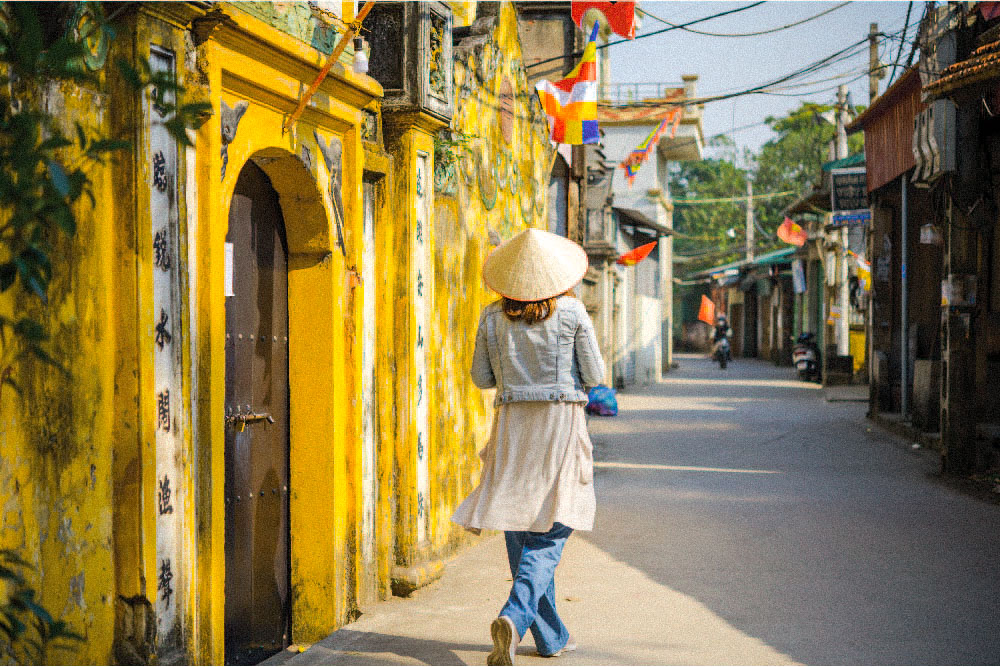
Hue, the former imperial capital, sees some of the most intense heat in the country during August.
Typical conditions:
- Average high: 34–36°C (93–97°F)
- Average low: 26°C (79°F)
- Rainfall: Low — August is one of Hue’s driest months
- Humidity: Moderate to high, especially by afternoon
- Sunshine: Long, mostly clear days
What this means for your trip: Hue’s heat in August is real, and it’s worth structuring sightseeing around it. Visit the Imperial City, the Tomb of Khai Dinh, and Thien Mu Pagoda in the early morning, then retreat indoors or onto the Perfume River for a boat cruise during the hottest hours in the early afternoon. Evenings cool slightly and are pleasant for wandering Hue’s night market or trying the city’s famous bun bo Hue.
Da Nang weather in August
Da Nang is Central Vietnam’s most popular beach city, and August is squarely in its high season for a reason.
Typical conditions:
- Average high: 32–34°C (90–93°F)
- Average low: 26°C (79°F)
- Rainfall: Low, with only occasional short afternoon showers
- Sea conditions: Warm and generally calm, ideal for swimming
- Humidity: High but manageable near the coast, where sea breezes help
What this means for your trip: My Khe Beach and the wider Da Nang coastline are at their best in August — warm water, dependable sun, and low rainfall make this one of the top months for beach time. It’s also a strong month for exploring the Marble Mountains, Ba Na Hills, and the Son Tra Peninsula, though midday visits to sun-exposed spots like the Golden Bridge are more comfortable with an early or late timing.
Hoi An weather in August
Just south of Da Nang, Hoi An shares a similar climate profile with its own particular charm in August.
Typical conditions:
- Average high: 33–34°C (91–93°F)
- Average low: 25–26°C (77–79°F)
- Rainfall: Low, though brief afternoon storms are possible
- Humidity: High, especially in the Ancient Town’s narrow streets
- River levels: Generally low and stable this time of year
What this means for your trip: August is a comfortable month to wander Hoi An’s Ancient Town, take a basket boat ride through the Cam Thanh water coconut forest, or cycle out to An Bang Beach. The heat peaks around midday, so many travelers shift sightseeing to early morning and save the golden late-afternoon light — Hoi An’s most photogenic hour — for a second round of exploring once temperatures ease.
Nha Trang weather in August

Nha Trang, further south along the coast, offers some of Central Vietnam’s most consistent beach weather in August.
Typical conditions:
- Average high: 31–33°C (88–91°F)
- Average low: 25°C (77°F)
- Rainfall: Low — August sits within Nha Trang’s dry season
- Sea conditions: Calm, clear, and warm — excellent for diving and snorkeling
- Sunshine: Abundant, with long clear stretches
What this means for your trip: This is one of the most reliable months for Nha Trang’s core draws: diving and snorkeling around the Hon Mun Marine Protected Area, island-hopping tours, and simply relaxing on the city’s long main beach. Visibility underwater tends to be better in the dry season, making August a solid pick for travelers prioritizing diving over other activities.
Phong Nha weather in August
Inland and slightly north, Phong Nha — gateway to the world’s largest caves — has its own microclimate worth noting separately.
Typical conditions:
- Average high: 34–36°C (93–97°F)
- Average low: 25°C (77°F)
- Rainfall: Low, though this can shift quickly with regional weather systems
- Cave conditions: Generally stable and dry, ideal for cave tours
What this means for your trip: August is a strong month for exploring Phong Nha-Ke Bang National Park, including Paradise Cave and Dark Cave, since low rainfall keeps river levels manageable and reduces the risk of tour disruptions that can occur during the wetter months later in the year. The heat outside the caves is intense, so cave tours — many of which offer a cooler underground respite — are well timed for the middle of the day.
Quy Nhon weather in August

A quieter alternative to Da Nang and Nha Trang, Quy Nhon shares the same dry-season advantage in August.
Typical conditions:
- Average high: 32–34°C (90–93°F)
- Average low: 26°C (79°F)
- Rainfall: Low
- Sea conditions: Calm and warm
What this means for your trip: Quy Nhon’s beaches, Eo Gio cliffs, and Ky Co Beach are all in good form in August, with far fewer crowds than the region’s more established beach towns — a strong pick for travelers who want the same dry-season weather without the peak-season density.
Typhoon season: what August travelers should know
Central Vietnam is the part of the country most exposed to typhoons, but the riskiest window falls later in the year — primarily September through November, with rainfall and storm activity building steadily from September onward. August sits just before that shift, which is part of why it’s considered one of the more dependable months for a Central Vietnam beach trip.
That said, tropical weather systems can occasionally develop earlier than the typical season, so it’s still worth a quick forecast check in the days leading up to travel — particularly if your trip includes boat-based activities like Nha Trang island tours or Cham Islands snorkeling near Hoi An.
Pros and cons of visiting Central Vietnam in August
Advantages
- Reliable sunshine and low rainfall — the most dependable dry-season window before the autumn shift
- Warm, calm seas — ideal for swimming, snorkeling, and diving
- Lower typhoon risk than the September–November period
- Long daylight hours for sightseeing and beach time
Challenges
- Intense heat, particularly in Hue and Phong Nha, where midday temperatures regularly climb above 34°C
- High humidity in coastal towns, especially by afternoon
- Peak tourist season in Da Nang, Hoi An, and Nha Trang means higher prices and more crowded beaches and attractions
- Occasional short, sharp storms, even within the dry season
What to pack for Central Vietnam in August
- Lightweight, breathable clothing — natural fabrics hold up better than synthetics in the heat
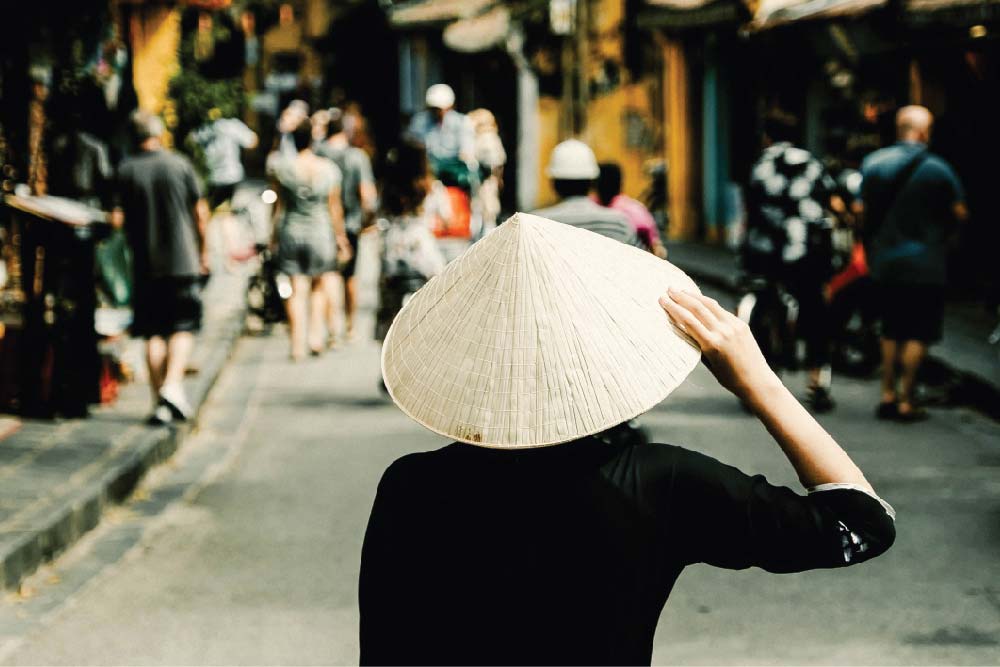
- Strong sun protection: high-SPF sunscreen, sunglasses, and a wide-brimmed hat
- Swimwear and a quick-dry towel for beach days
- A light rain jacket or compact umbrella, just in case of a short afternoon shower
- Reusable water bottle — dehydration risk is significant given the heat and humidity
- Comfortable sandals for the beach and closed shoes for cave tours in Phong Nha
How to structure your itinerary around August heat
The biggest planning factor in Central Vietnam in August isn’t rain — it’s heat. A simple daily rhythm helps:
- Early morning (6:00–9:30 AM): The most comfortable window for temple visits, Ancient Town walks, and cycling.
- Midday (10:00 AM–3:00 PM): Peak heat. Good time for a long lunch, a cave tour in Phong Nha, a spa visit, or simply relaxing by the pool or beach with shade.
- Late afternoon (3:00–6:00 PM): Temperatures ease slightly. A strong window for beach time, boat trips, or photography as the light softens.
- Evening: Comfortable and lively — night markets in Hoi An and Da Nang, riverside dining in Hue, and beachfront restaurants in Nha Trang all come alive after dark.
Is August a good time to visit Central Vietnam? Our honest take
For travelers prioritizing beach time, diving, and reliable sunshine, August is genuinely one of the strongest months to visit Central Vietnam — arguably better suited to those goals than Northern Vietnam is at the same time of year. The trade-offs are heat and crowds rather than rain: expect higher accommodation prices in Da Nang, Hoi An, and Nha Trang, and plan around the midday sun rather than around storms.
If your priority is cooler, less crowded conditions, the shoulder months of March–April offer milder temperatures with similarly low rainfall. If your dates are fixed to August, Central Vietnam remains a strong choice — just build your days around the heat rather than the rain.
Frequently asked questions

Is August a good month for the beach in Central Vietnam? Yes — this is one of the most reliable months of the year for beach weather in Da Nang, Hoi An, Nha Trang, and Quy Nhon, with warm seas, low rainfall, and abundant sunshine.
Is Central Vietnam affected by typhoons in August? Typhoon risk is relatively low in August compared to September through November, though it’s still worth checking forecasts in the days before travel, especially for boat-based activities.
How hot does it get in Hue and Da Nang in August? Daytime highs regularly reach 32–36°C (90–97°F), with high humidity making it feel warmer. Early morning and evening are the most comfortable times for outdoor activities.
Is Phong Nha worth visiting in August? Yes — low rainfall this time of year generally means stable cave conditions and fewer weather-related tour disruptions compared to later in the rainy season.
Should I book beach accommodation in advance for August? It’s a good idea. August falls within peak season for Da Nang, Hoi An, and Nha Trang, so popular beachfront hotels can book up and prices tend to rise compared to shoulder-season months.
Plan your August trip with TNK Travel
Central Vietnam’s dry-season weather in August makes it one of the most dependable windows for a beach-and-culture itinerary — pairing Hoi An’s Ancient Town, Hue’s imperial sites, and Da Nang or Nha Trang’s coastline into a single, weather-friendly route. Our team can help build an itinerary that makes the most of the season, with the right balance of morning sightseeing and afternoon beach or pool time to work around the midday heat.
Explore our [Central Vietnam tour packages] or reach out for a custom itinerary tailored to your travel dates.