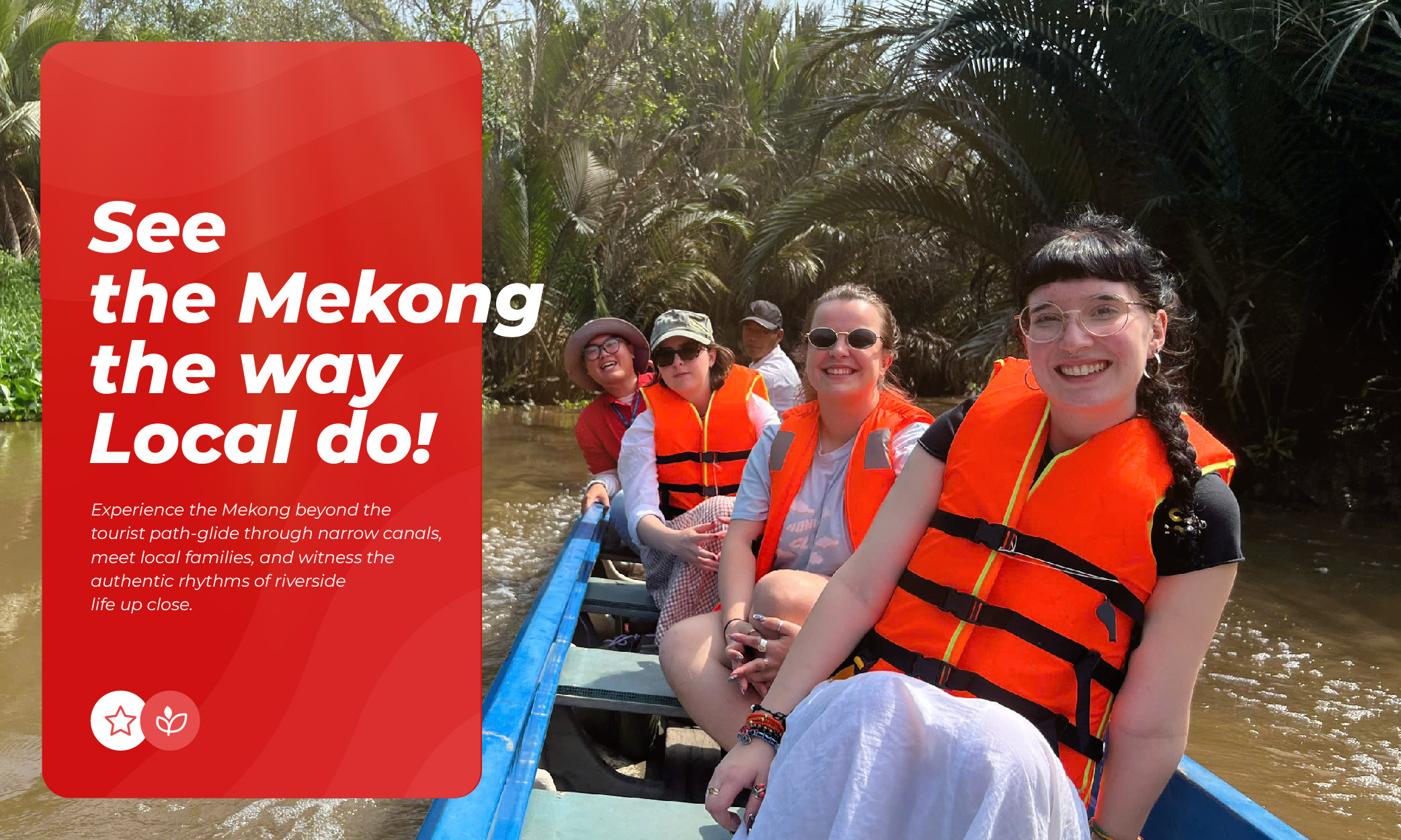
Some of Vietnam’s most unforgettable travel moments happen on the water — gliding through the limestone karsts of Ha Long Bay, drifting past floating markets on the Mekong Delta, rowing beneath the caves of Trang An, or catching a ferry out to Phu Quoc. But from roughly June through November, much of the country moves into storm season, when rising river levels, sudden squalls, and shifting currents call for a bit more awareness than a calm, dry-season sail.
None of this means avoiding the water — boat experiences remain one of the best ways to see Vietnam, storm season included. It just means knowing a few practical safety habits before you step aboard.
Why does storm season change things on the water
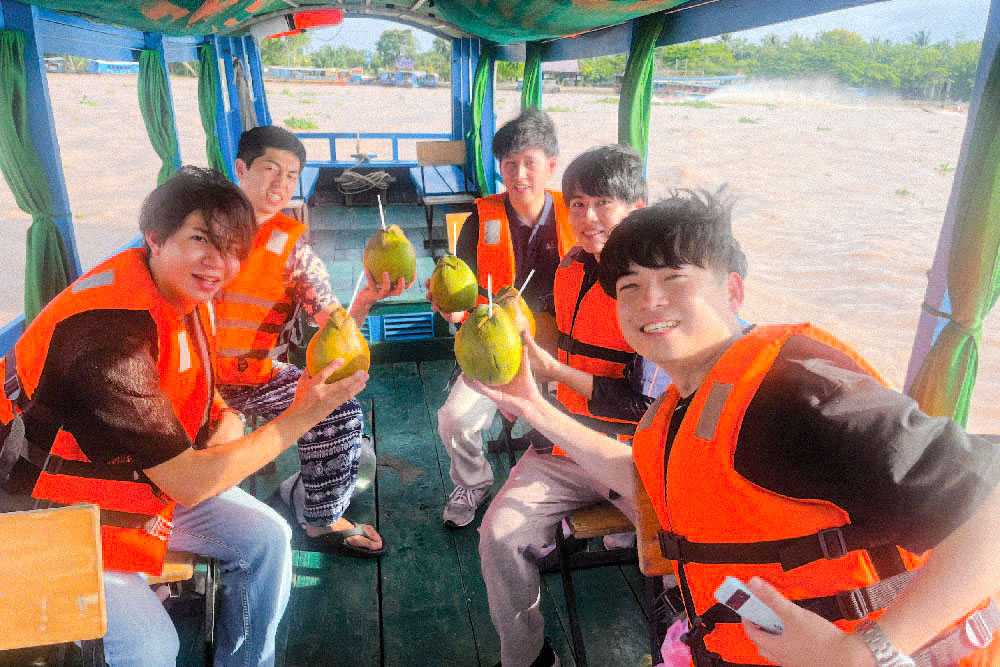
During Vietnam’s rainy and typhoon season, river flows rise, currents strengthen, and previously straightforward channels can develop eddies and shifting sandbars that make navigation more complex. Coastal and river authorities across the country — from Ha Long Bay to the Mekong Delta to the ferry routes around Phu Quoc — respond to this every year with increased patrols, stricter enforcement of safety equipment rules, and closer checks on vessel registration and passenger limits. Following a string of serious incidents in the region, Vietnamese maritime and waterway authorities have significantly tightened safety oversight over the past year, with tour boats now facing stricter checks before they’re cleared to leave port.
For travelers, the practical takeaway is simple: this is a season where a well-run, properly licensed operator matters more than usual, and where a few personal habits go a long way toward a safe, worry-free experience on the water.
Life jackets: the single most important habit
Vietnamese safety authorities consistently point to one factor above all others: wearing a life jacket properly, for the entire journey — not just when the water looks rough. On speedboats, canoes, and inter-island ferries in particular, it’s common for passengers to only put a life jacket on once conditions worsen, which is exactly the wrong moment to be fumbling with straps.
What to do as a traveler:
- Put your life jacket on as soon as you board, and keep it on for the full journey
- Make sure it’s properly sized and fastened — this matters even more for children, who should always be seated with an adult nearby
- As soon as you’re on board, take a moment to note where spare life jackets, life rings, and emergency exits are located
- Listen to the crew’s safety briefing, even on short or familiar-feeling routes
Choosing a reputable boat operator
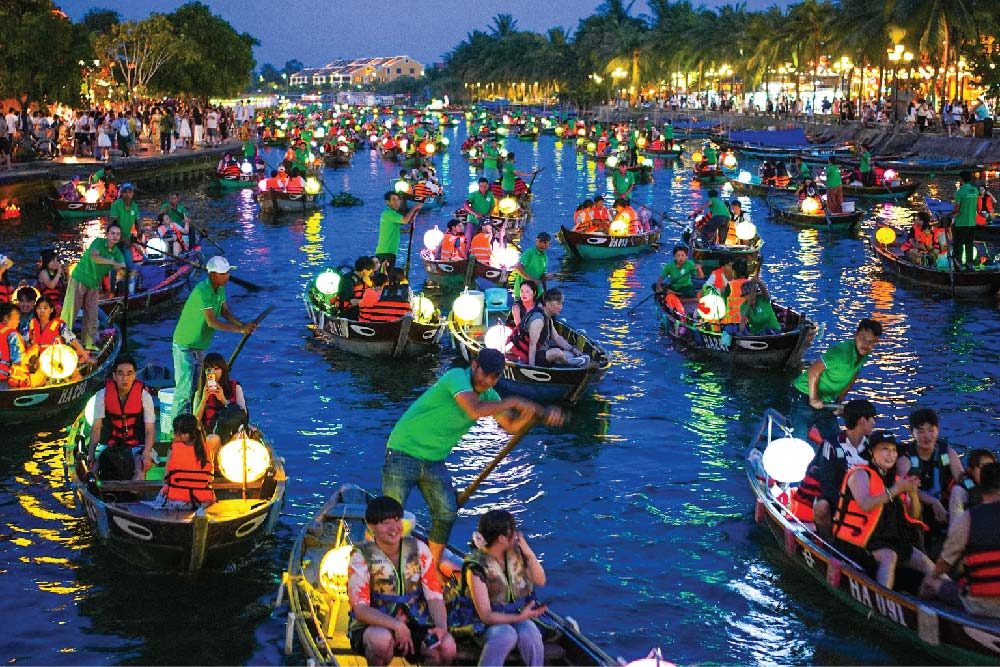
Not all vessels are created equal, and storm season is when the gap between a well-maintained operator and a corner-cutting one matters most. Reputable operators in Vietnam are registered, technically inspected, and carry proper safety equipment and documentation for both the vessel and crew.
A few signs of a well-run operator:
- The boat isn’t overloaded beyond its visible capacity or safe waterline marking
- Life jackets are provided, visibly stored, and match the number of passengers on board
- Crew members give a clear safety briefing before departure
- The operator visibly monitors weather conditions and is willing to delay or reschedule departures when conditions warrant it — a good operator will never rush a cautious decision
This is also where travel companies add real value during storm season: reputable tour operators track weather forecasts and port authority guidance daily and will proactively adjust or reschedule water-based activities for safety, rather than leaving that judgment call to travelers on the day.
Watching the weather yourself
Even with a good operator, it helps to stay a little weather-aware yourself, especially if your itinerary includes multiple water-based activities.
- Check forecasts a few days out for any leg of your trip involving boats, cruises, or ferries
- Treat storm or tropical depression warnings seriously — if local authorities or your operator recommends postponing a water activity, take the delay rather than pushing to keep to a fixed schedule
- Build a little flexibility into itineraries that include Ha Long Bay cruises, island ferries, or multi-day river trips, so a one-day weather delay doesn’t derail the rest of your route
What this means for popular water experiences
Ha Long Bay cruises
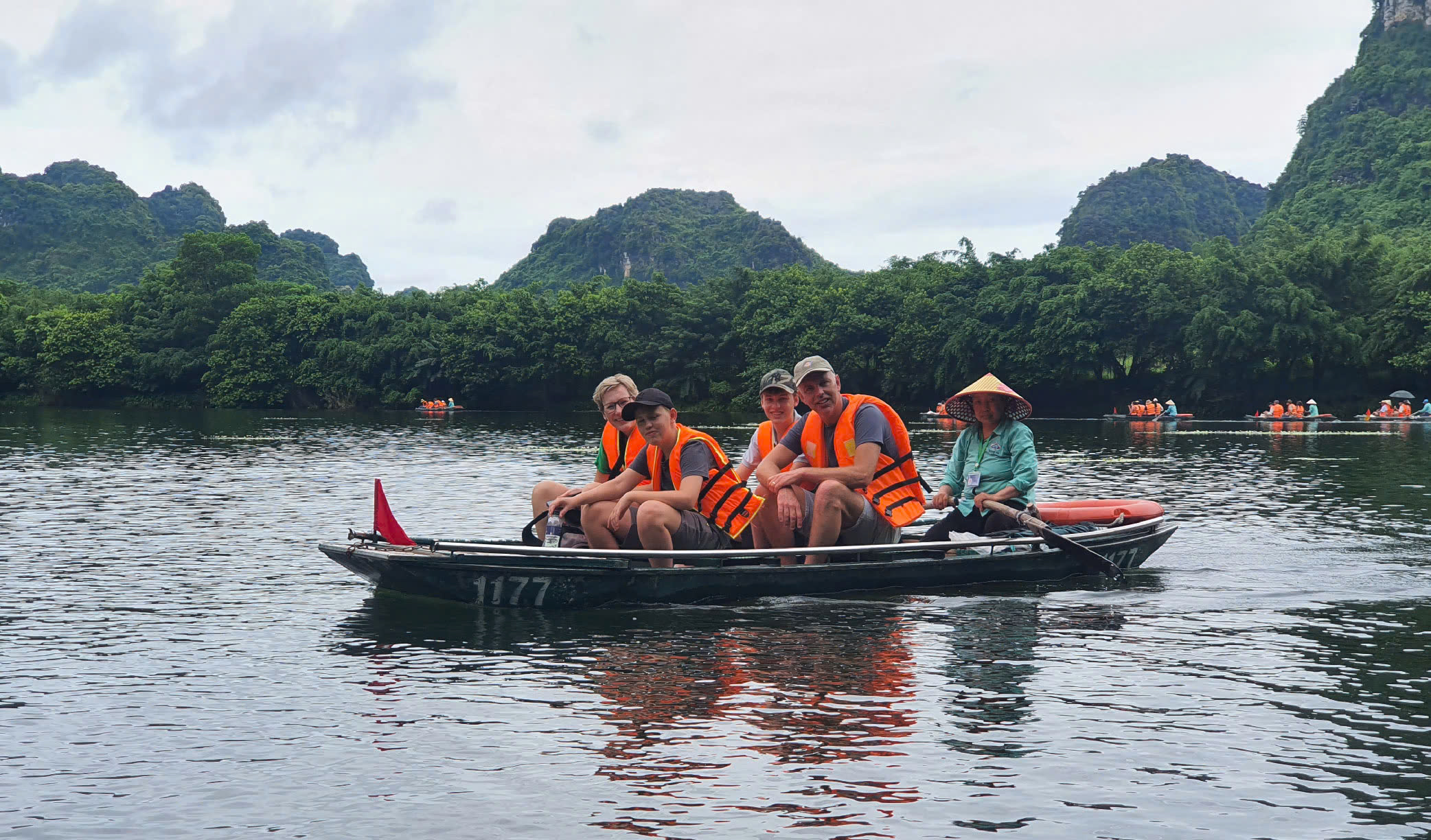
Cruises generally continue to run through light rain, and misty, moody skies over the karsts can actually make for striking photography. When storm warnings are issued, however, operators may adjust routes, delay departures, or in rare cases pause sailings entirely — always for passenger safety, and always worth accepting gracefully if it happens during your visit.
Mekong Delta boat tours
Water levels and current strength can shift noticeably after heavy rain in the Delta. Reputable local guides are highly experienced with these conditions and will adjust routes or timing as needed — part of why choosing an established, licensed operator matters here as much as anywhere else in the country.
Trang An and Tam Coc boat rides
Rowers navigating the caves and rice-paddy waterways of Ninh Binh may adjust routes slightly if water levels rise after storms. This is standard local practice, not cause for concern — trust your rower’s judgment on the day.
Ferries to Phu Quoc and other islands
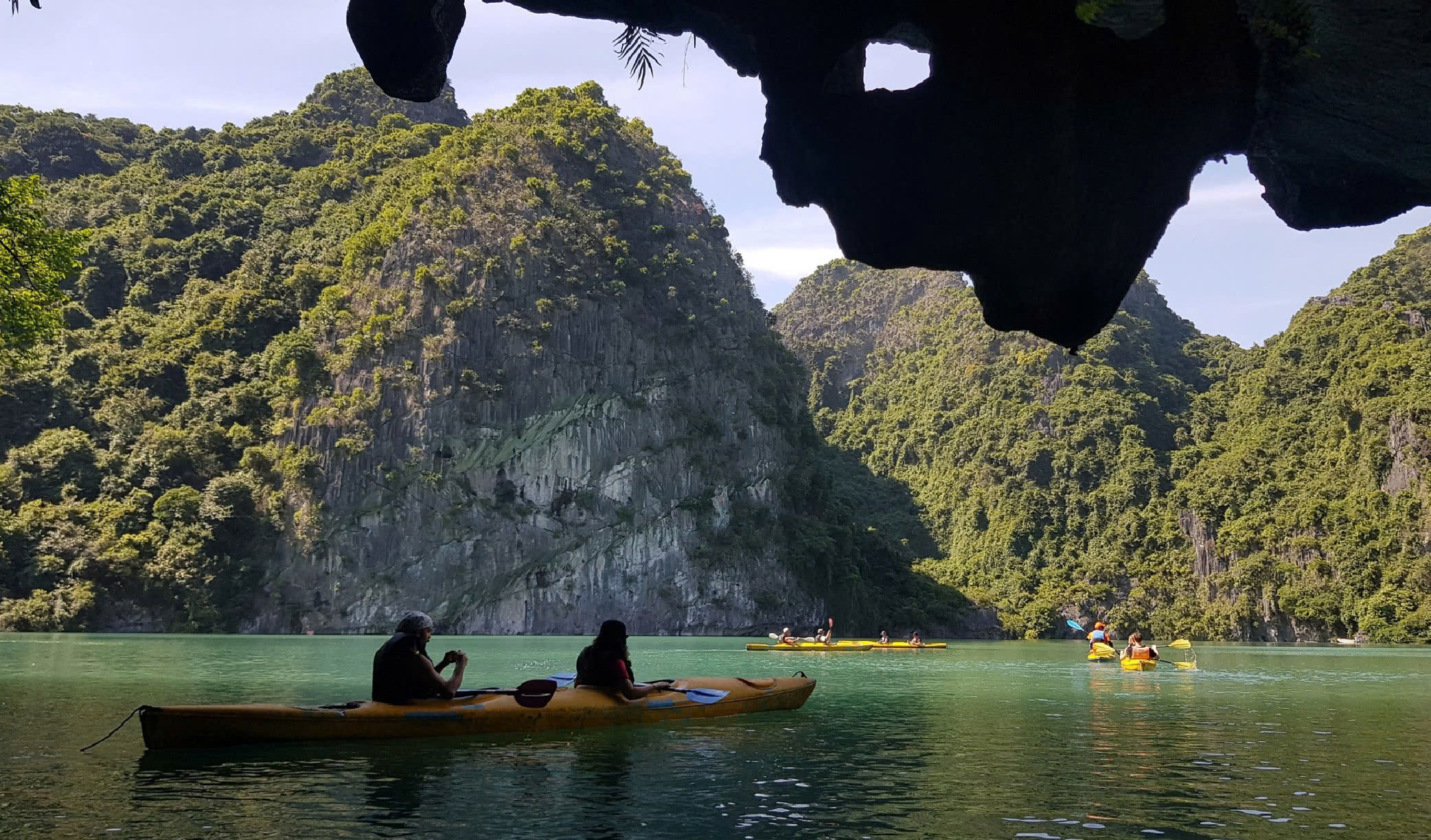
Inter-island ferry routes are among the most weather-sensitive water journeys in the country. Port authorities will not clear a vessel to depart if forecast conditions — a storm warning, high winds, rough seas — don’t meet safety thresholds. A delayed departure here is a safety measure working exactly as intended, not a service failure.
If something does go wrong
Serious incidents on well-run, properly regulated boats are rare, but it’s worth knowing the basics:
- Stay calm — panic is often more dangerous than the situation itself, and a level head lets you follow instructions clearly
- Listen for the crew’s guidance, usually delivered over a loudspeaker or directly by crew members, and follow it fully — evacuation procedures are designed to keep everyone safe, whether you’re a domestic or international traveler
- If you need to evacuate, move in order to the assigned lifeboat or life raft as directed by the crew — children and elderly passengers are typically assisted first
- If you end up in the water, jump in a controlled way — feet first, arms crossed over your chest — and swim to the nearest life raft or flotation device
A note on the bigger picture
Vietnam’s waterway authorities — from local river police to coast guard and port authorities — have made storm-season water safety a clear priority, with expanded patrols, stricter licensing checks, and public safety campaigns running throughout the rainy season each year. That system exists to protect both local communities and visiting travelers, and the more travelers understand and cooperate with it — wearing a life jacket without needing a reminder, accepting a weather delay without pushback — the smoother it works for everyone.
Frequently asked questions
Is it safe to take boat tours in Vietnam during storm season? Yes, with sensible precautions. Choosing a licensed, well-reviewed operator, wearing a life jacket for the full journey, and staying flexible around weather delays are the main habits that keep water-based travel safe during this period.
Will my Ha Long Bay cruise be canceled if it rains? Light to moderate rain rarely affects a scheduled cruise. Cancellations or route changes typically only happen when authorities issue formal storm warnings, and reputable operators will communicate this in advance.
Do I really need to wear a life jacket the whole time, even in calm water? Yes — this is the single habit safety authorities emphasize most. Conditions on rivers and coastal waters can change quickly during storm season, and a life jacket only works if it’s already on when needed.
What should I do if my ferry departure is delayed due to weather? Treat it as the system working correctly. Port authorities won’t clear a vessel to depart if conditions don’t meet safety standards, so a delay is a sign of appropriate caution, not poor planning.
Travel Vietnam’s waterways with confidence
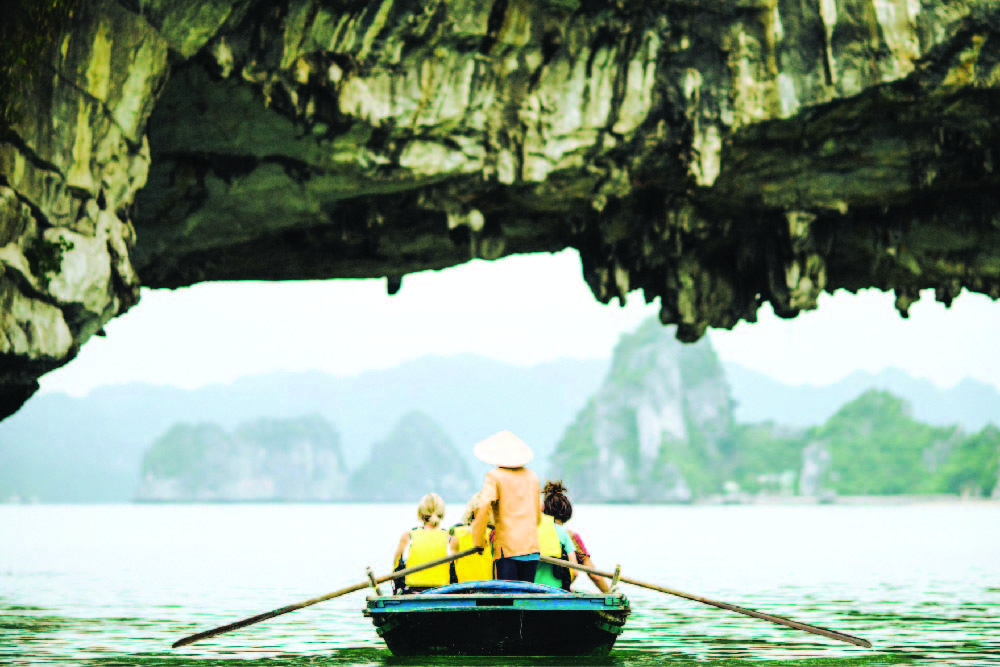
Ha Long Bay, the Mekong Delta, and Ninh Binh’s river caves remain some of the most rewarding experiences in Vietnam, storm season included. At TNK Travel, we work only with licensed, safety-vetted boat operators and build weather flexibility into our itineraries as standard, so you can enjoy these experiences with the right precautions already taken care of.
Explore our [Vietnam river and cruise tour packages] or get in touch to plan a water-based itinerary with built-in seasonal flexibility.