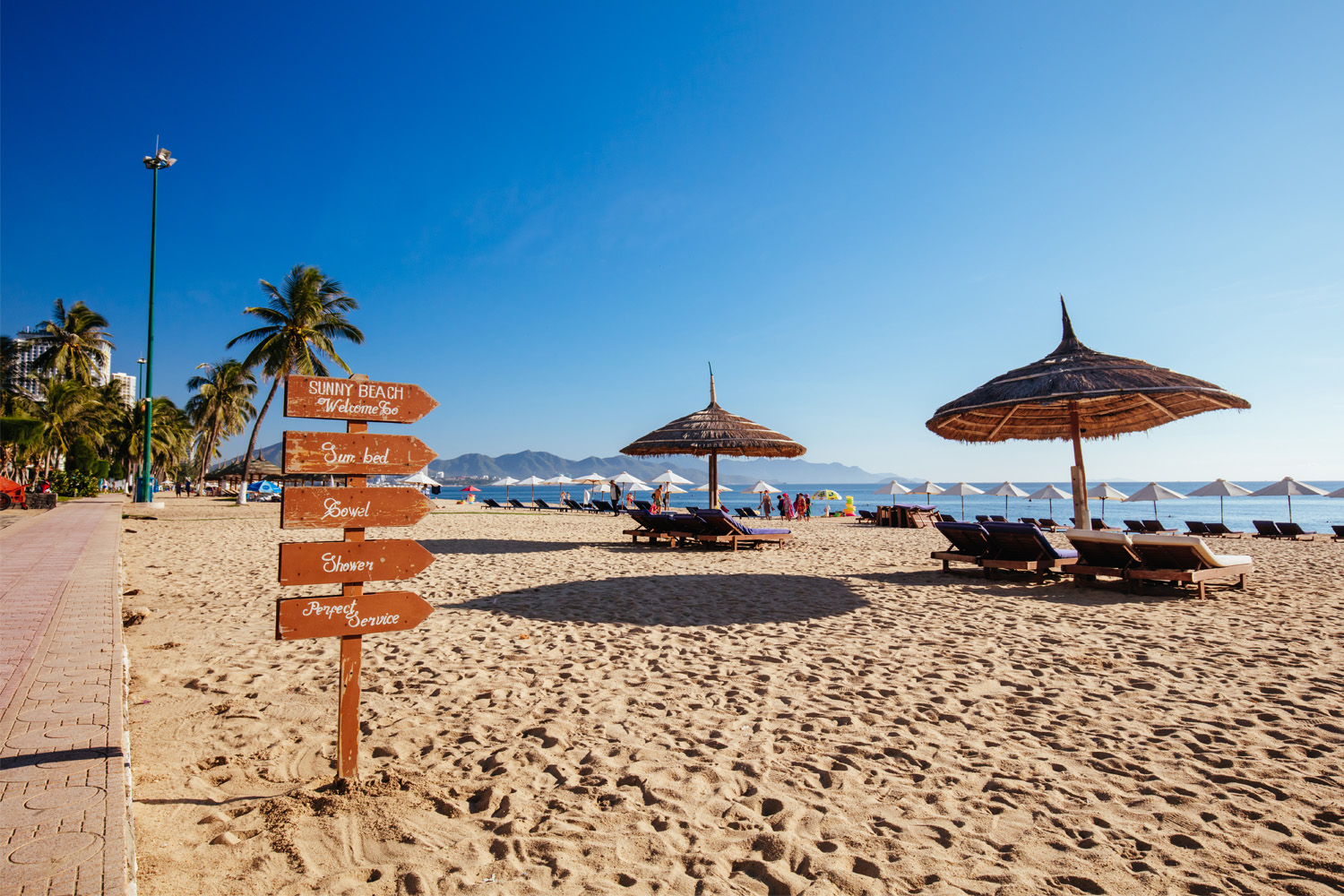
Vietnam’s coastline runs more than 3,260 kilometers from the Chinese border to the Gulf of Thailand, and that length produces real variety — dramatic limestone coves in the north, long white-sand resort strips in the center, and postcard-tropical islands in the south. Picking “the best beach in Vietnam” depends entirely on what you’re looking for, which is exactly why many Vietnam top tours are built to combine two or three coastal regions rather than stop at just one.
This guide breaks the coastline down by region, highlights the standout beaches in each, and points out which type of traveler each one suits best.
Why Vietnam’s beaches vary so much by region
Vietnam’s north-to-south shape means its beaches sit across different climate zones, not one uniform tropical strip. The north has a cooler, more seasonal climate and dramatic karst scenery. Central Vietnam carries the country’s most developed beach resorts, with a long dry season that makes it the most reliable beach destination for most of the year. The south stays warm year-round, with the whitest sand and clearest water in the country.
That spread is also what makes a well-planned, multi-region itinerary so appealing — a reason several Vietnam top tours now build in time on at least two different stretches of coastline rather than treating “the beach day” as a single stop.
Best beaches in northern Vietnam

Northern beaches trade tropical heat for something distinctive: limestone karsts rising straight out of the water.
Cat Ba Island is the most accessible base in the north, sitting within Ha Long Bay. Cat Co 1, 2, and 3 offer sandy coves backed by jungle-covered hills, and the island doubles as a jumping-off point for kayaking and hiking in the surrounding national park. Facilities stay fairly basic, which keeps prices low and the atmosphere relaxed.
Lan Ha Bay, just beside Ha Long Bay, holds over 300 limestone islands, many with small, boat-access-only beaches. Multi-day cruises here let you swim and kayak around the karst formations while sleeping aboard, with far fewer crowds than Ha Long Bay’s more famous waters.
Swimming season in the north runs roughly May through September; outside that window, the water turns too cool for most swimmers, though the scenery stays worth visiting year-round.
Best for: travelers who want dramatic scenery and outdoor activity alongside beach time, rather than classic tropical lounging.
Best beaches in central Vietnam
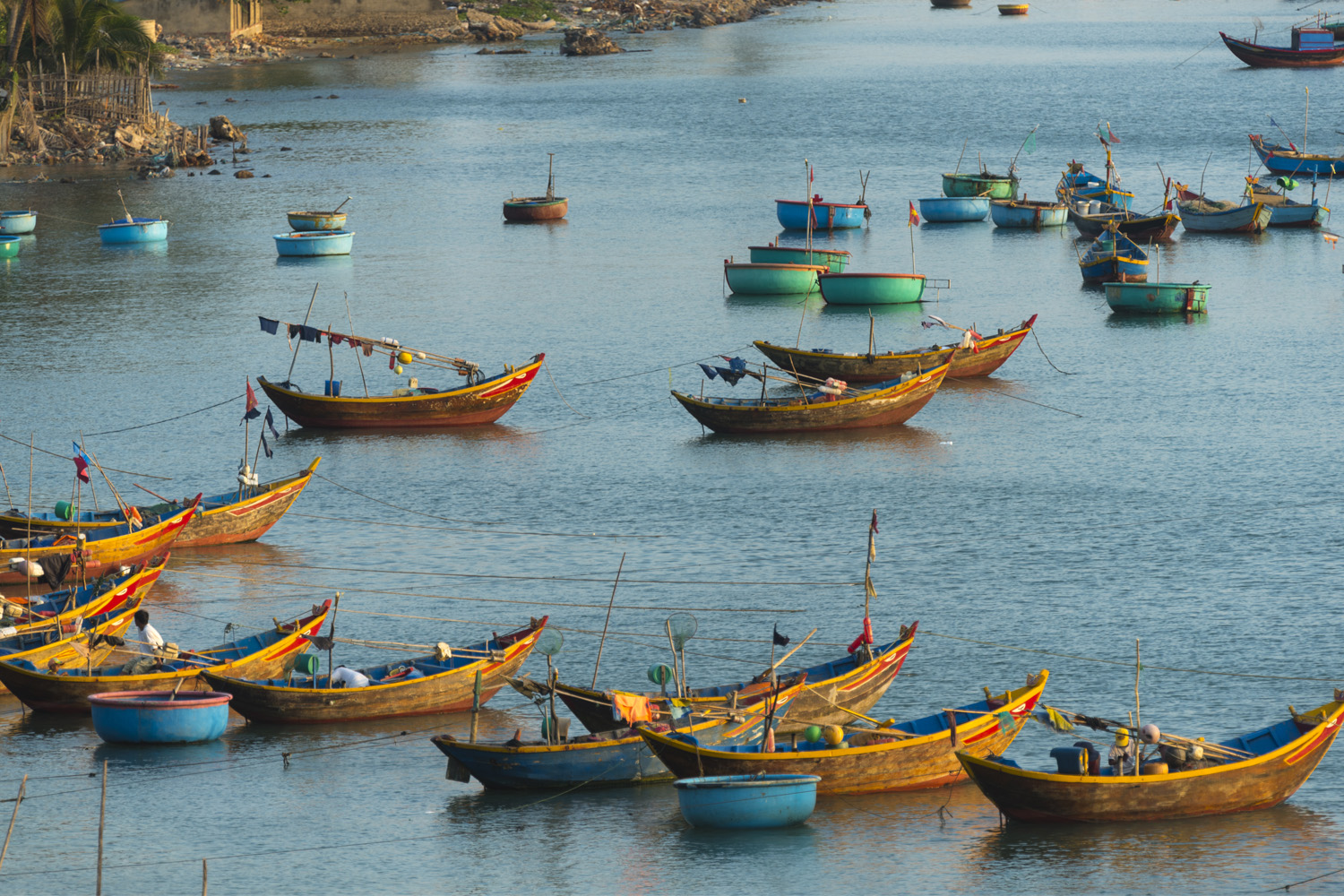
Central Vietnam is home to the country’s most developed and internationally recognized beaches, backed by a long, reliable dry season from roughly February through August.
My Khe Beach, Da Nang is a six-kilometer stretch of white sand with gentle, beginner-friendly waves, lined with beach clubs, restaurants, and accommodation for every budget. Its city-beach setting means you get resort comfort with easy access to Da Nang’s restaurants and attractions.
An Bang Beach, Hoi An sits a short ride from Hoi An’s ancient town and keeps a more local, relaxed character — simple beach shacks serving fresh seafood alongside a handful of stylish beach clubs. It’s the beach of choice for travelers who want proximity to Hoi An without resort-strip formality.
Nha Trang is Vietnam’s best-known beach resort city, with a long main beach backed by high-rises, extensive water-sports operators, and an active nightlife scene. Nearby islands make for easy snorkeling and diving day trips.
Doc Let Beach, north of Nha Trang, stays comparatively undeveloped — pristine white sand and shallow, gentle water with only basic facilities, drawing mostly domestic visitors on weekends.
Quy Nhon remains one of central Vietnam’s least discovered coastal areas, with beaches like Ky Co and Bai Xep offering dramatic rock formations and a quiet, authentic atmosphere well off the main tourist trail.
Lang Co Beach, on a narrow peninsula between Hue and Da Nang, pairs a mountain backdrop with calm, protected water and a cluster of upscale resorts — a convenient stop for anyone traveling the Hue–Da Nang route.
Best for: the widest range of travelers — central Vietnam’s beaches cover everything from family-friendly resorts to quiet, undeveloped coastline, with the most dependable weather window of any Vietnamese region.
Best beaches in southern Vietnam

Southern Vietnam is where the coastline turns distinctly tropical — warm water, fine white sand, and a beach season that runs nearly year-round.
Phu Quoc Island is Vietnam’s flagship tropical beach destination. Sao Beach delivers postcard-perfect white sand and turquoise water, while Long Beach offers a fuller resort strip with restaurants and nightlife. The island’s western coast is known for striking sunsets over the Gulf of Thailand, and its range of accommodation — from backpacker bungalows to five-star resorts — makes it workable for nearly any budget.
Con Dao, a remote archipelago with national park protection, offers some of the most pristine, undeveloped beaches anywhere in the country, plus seasonal sea turtle nesting sites. Limited accommodation keeps visitor numbers low, which is exactly the appeal for travelers chasing genuine seclusion.
Mui Ne stands apart from the rest of the south’s beaches thanks to consistent coastal winds that make it Vietnam’s top kitesurfing and windsurfing destination, set against a backdrop of distinctive red and white sand dunes.
Ho Tram, around two hours from Ho Chi Minh City, offers a quieter luxury-resort stretch with long, largely empty sand — a convenient option for a short escape from the city without traveling as far as Phu Quoc or Con Dao.
Vung Tau is Ho Chi Minh City’s closest beach option, popular for weekend trips. It’s more developed and crowded than a “paradise” beach, but it’s a practical, affordable choice when time is limited — Back Beach generally offers cleaner water than Front Beach.
Best for: travelers chasing classic tropical scenery, honeymooners and luxury travelers (Phu Quoc, Con Dao), and anyone wanting a reliable beach season regardless of month.
Matching a beach to your travel style
For luxury travelers: Phu Quoc and Con Dao lead the country on private beaches and high-end resorts, with Lang Co and select Nha Trang properties also delivering strong luxury options.
For budget travelers: Quy Nhon, An Bang Beach, and Cat Ba Island combine real natural beauty with low costs and simple accommodation. Doc Let Beach offers similarly good value for a quieter, more rustic stay.
For a lively atmosphere: Nha Trang has Vietnam’s most established beach nightlife, with Phu Quoc’s Long Beach area developing a (currently more subdued) scene of its own.
For families: My Khe Beach in Da Nang pairs safe, gentle swimming with easy access to city amenities, while Phu Quoc’s larger resorts increasingly cater to families with kids’ clubs and varied activities.
For adventure and water sports: Mui Ne for kitesurfing, Cat Ba and Lan Ha Bay for kayaking and hiking, and Phu Quoc for diving and snorkeling.
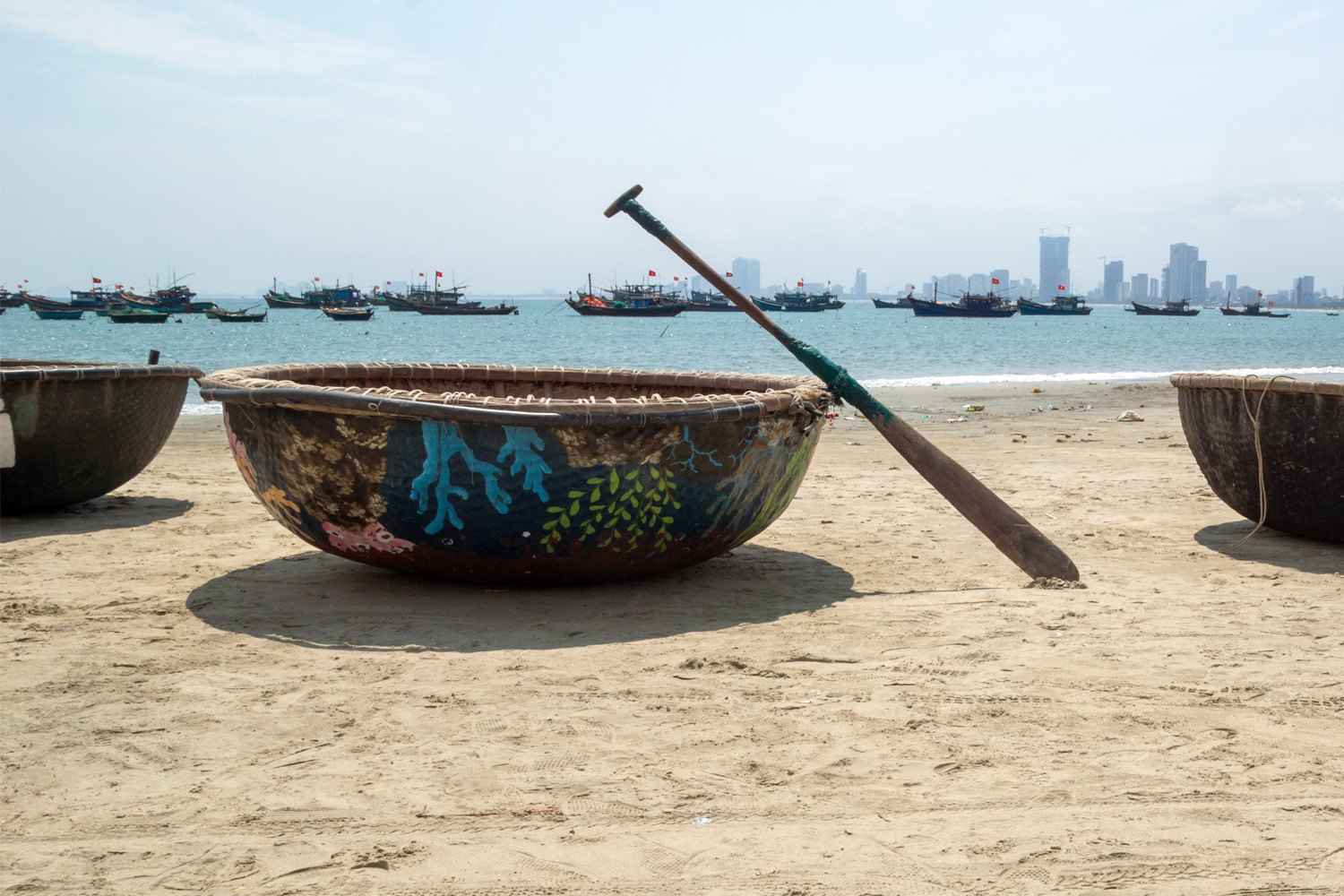
For untouched, quiet scenery: Con Dao and Doc Let Beach offer the least developed coastline in the country, with Quy Nhon’s lesser-known beaches and Lan Ha Bay’s secluded coves as further options.
When to visit each region
- Northern beaches: May through September, with June through August as peak swimming season.
- Central beaches: February through August, with March through May offering the most reliably good conditions before the hottest summer months. September through December brings central Vietnam’s rainy and typhoon season, with rougher seas and frequent storms best avoided for beach trips.
- Southern beaches: November through March for the driest, calmest conditions, though the region’s year-round warmth keeps it workable even during the May–October wet season for travelers willing to plan around afternoon showers.
Because these seasons don’t overlap perfectly, timing matters more than it might seem — a trip planned for peak northern beach season could land squarely in central Vietnam’s wet season, for example, which is one reason well-designed Vietnam top tours sequence their coastal stops carefully rather than visiting regions in a fixed order regardless of season.
Practical tips for Vietnam’s beaches
- Pack reef-safe sunscreen — several Vietnamese beaches sit near coral reefs, and bringing your own is cheaper than buying it in tourist areas.
- Watch for currents and skip the assumption of lifeguards. Most beaches outside major resorts have no lifeguard presence, so check local conditions before swimming in open water.
- Check jellyfish season locally before swimming in areas where they’re known to appear at certain times of year.
- Carry water and pace your sun exposure — tropical heat and alcohol are a genuinely risky combination, more so than most travelers expect.
- Book boat transfers to island destinations (Con Dao, Lan Ha Bay) in advance, since ferry schedules shift seasonally and can be limited outside peak months.
FAQ
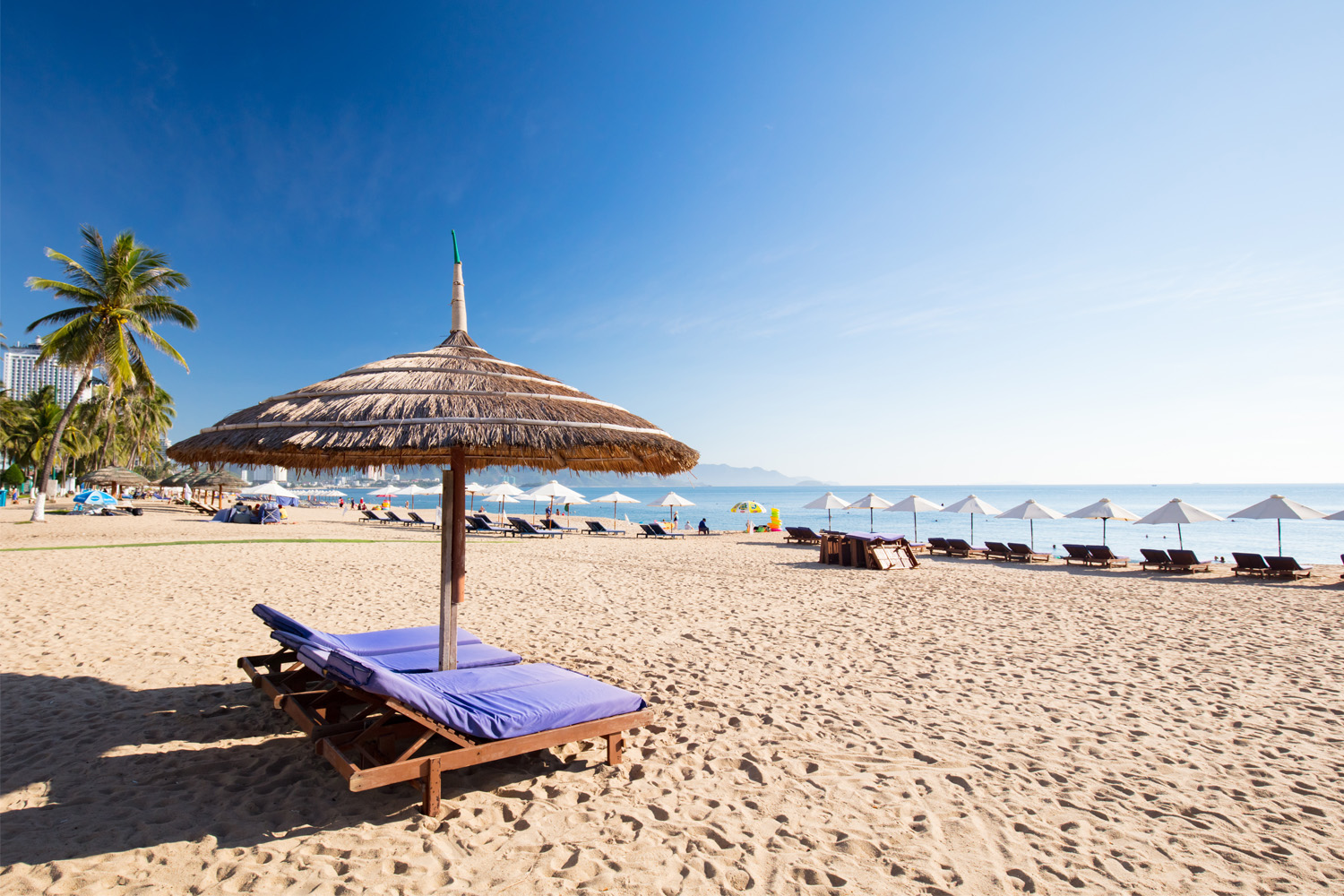
What is the best beach in Vietnam overall? There’s no single answer — Phu Quoc is the strongest pick for tropical island scenery, Nha Trang for an all-around resort experience, and Con Dao for pristine seclusion. The right choice depends on what you’re prioritizing.
Which Vietnam beaches are best for families? My Khe Beach in Da Nang and the larger resorts on Phu Quoc both offer safe swimming conditions and family-oriented amenities.
Can I visit multiple Vietnam beach regions in one trip? Yes — this is exactly what many Vietnam top tours are built around, pairing central Vietnam’s beach towns with a few days in the south (Phu Quoc) or combining a Ha Long Bay cruise with time further down the coast, provided the seasonal timing works for both regions.
Is Vietnam good for a beach-only vacation? Yes, particularly in central and southern Vietnam, where resort infrastructure, direct flights to Da Nang, Nha Trang, and Phu Quoc, and a long dry season make a dedicated beach trip straightforward to plan.
What is the best time of year for a Vietnam beach trip? It depends on the region: June–August for the north, February–August for central Vietnam (avoiding the September–December wet season), and November–March for the south.
Finding your stretch of coast
Vietnam’s beaches cover far more ground than most travelers expect — from cool, karst-studded northern waters to the reliable resort beaches of the center and the tropical islands of the south. Rather than chasing a single “best” beach, it’s worth matching the coastline to your travel style and the time of year you’re visiting, which is exactly the approach behind the strongest Vietnam top tours covering the country’s coast today.