
The Ha Giang Loop has grown from a little-known backpacker route into one of Southeast Asia’s most photographed motorbike journeys, and for good reason. Towering karst mountains, hairpin passes above deep river canyons, and villages where H’mong, Tay, Dao, Lo Lo, and Giay communities still live much as they always have — it’s unlike anywhere else in Vietnam. It’s also more physically demanding and logistically involved than most of the country’s other destinations, which means it rewards a bit of honest preparation before you go.
This guide covers the classic route, what to know about permits, how to think about safety and self-drive versus guided options, and when to go for the best conditions.
The classic Ha Giang Loop route
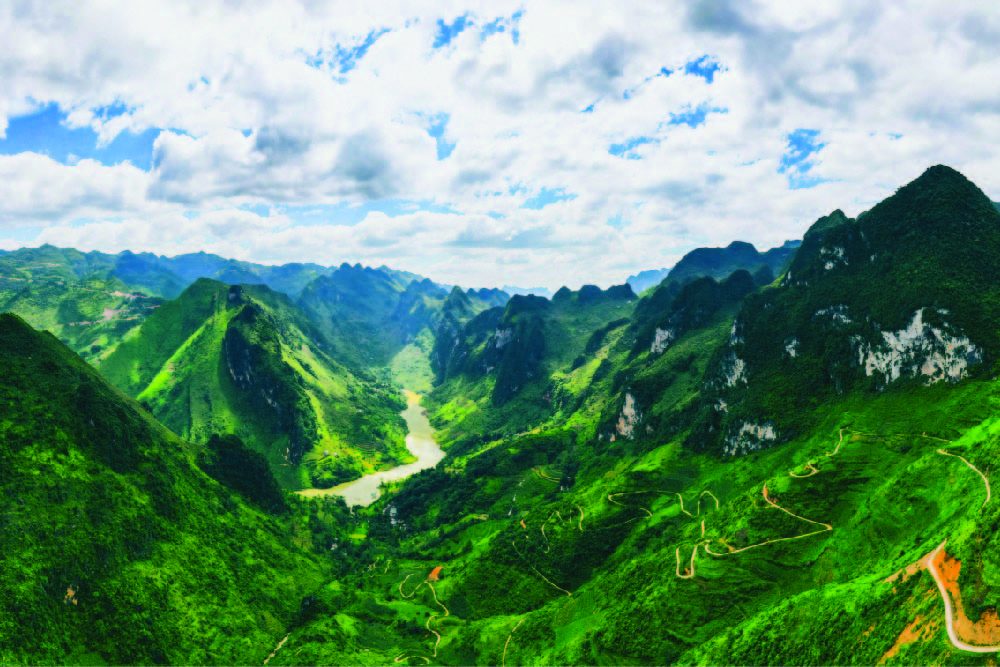
Most travelers ride the loop over 3 to 4 days, following a counter-clockwise route:
Ha Giang → Yen Minh → Dong Van → Meo Vac → Du Gia → Ha Giang
Along the way, three stops define the experience:
- Quan Ba (Heaven’s Gate) — the gateway into the highlands, with sweeping valley views shortly after leaving Ha Giang city
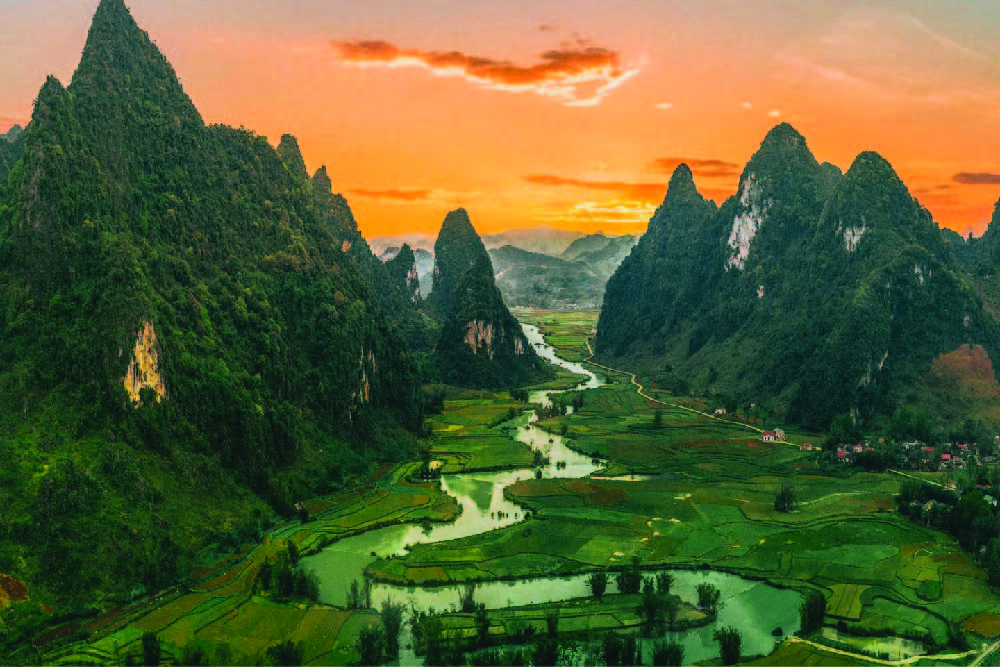
- Dong Van Karst Plateau — a UNESCO Global Geopark, home to dramatic limestone formations and the old town of Dong Van
- Ma Pi Leng Pass — widely considered Vietnam’s most spectacular mountain road, cutting along cliffs high above the Nho Que River
A 3-day version covers the core loop at a reasonable pace, while a 4-day version adds breathing room — useful if you’d rather not rush the Ma Pi Leng Pass or want time to explore Du Gia’s quieter villages on the return leg. Attempting the full loop in 2 days is possible but not recommended: it means long daily distances, more fatigue, and far less margin for rest, photo stops, or unexpected delays.
Self-drive, Easy Rider, or Jeep tour?
This is the single most important decision you’ll make before riding the loop, and it’s worth thinking through honestly rather than defaulting to whichever option sounds more adventurous.
Self-drive means riding your own manual or semi-automatic motorbike. This is genuinely rewarding for experienced riders who are comfortable on mountain terrain, but it comes with real legal and safety requirements — more on that below. It’s not the right choice for first-time riders, regardless of how capable you feel on flat city roads.
Easy Rider means riding as a passenger behind an experienced local driver who knows the route, the road conditions, and the weather. This removes the technical riding burden entirely, letting you focus on the scenery rather than the road. For the majority of international travelers — especially those without serious mountain-riding experience — this is the safer, more relaxed option, and it doesn’t come at the cost of the “authentic” experience many people worry about losing.
Jeep or car tours suit travelers who aren’t riders at all, are traveling with children, have back or mobility concerns, or simply prefer a more comfortable, weather-sheltered way to see the same route. It’s a legitimate way to experience the loop, not a lesser one.
A note on large group tours: budget hostel-organized rides sometimes bundle 15–20 bikes into a single group, with a fixed schedule of photo stops. These can be social and affordable, but the “herding” effect makes it harder to move at your own pace, and there have been credible reports of injured riders being left in provincial hospitals while the group carries on to the next stop. If you go this route, ask directly how the operator handles medical emergencies before booking.
The permit: what you need to know
Since 2026, enforcement of Ha Giang’s long-standing border-area permit requirement has tightened noticeably. Because much of the loop runs within a few kilometers of the Chinese border, Vietnamese law requires foreign visitors to hold a Border Area Entry Permit before entering these restricted districts — including the stretch through Quan Ba, Yen Minh, Dong Van, and Meo Vac.
This isn’t a new rule or a tourism gimmick; it’s existed for years, but checkpoints were relaxed for a period and are now being enforced more consistently. The permit typically costs around US$10 for foreign travelers.
The easiest way to handle this: book through a tour operator who arranges the permit as part of your package — most Ha Giang Loop tours, whether Easy Rider or self-drive rental packages, handle this automatically so you’re never caught without it at a checkpoint. If you’re arranging things independently, confirm with your accommodation or rental provider exactly how and where to obtain it before setting off.
Is the Ha Giang Loop safe?
The honest answer: it carries real risk, but thousands of travelers complete it safely every year with the right preparation. It’s worth being direct about what the actual risks are, rather than either dismissing them or being scared off entirely.
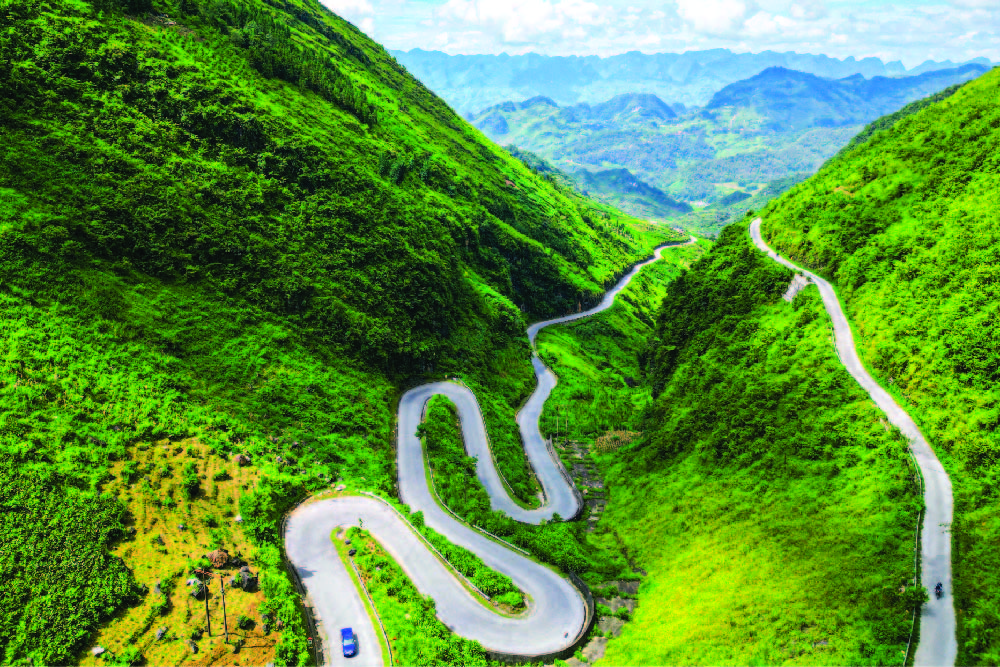
The terrain is genuinely demanding. The loop covers 350+ kilometers of mountain roads, reaching elevations above 1,500 meters, with steep drops, sharp hairpin turns, and weather that can shift quickly. Most roads are paved and in reasonable condition, but riders still need to stay alert and adjust speed to conditions rather than assuming smooth, predictable riding throughout.
Accidents do happen. Most are minor scrapes and drops, but serious injuries occur, and fatalities, while uncommon, aren’t unheard of. This isn’t meant to alarm you — it’s meant to underline why the self-drive versus Easy Rider decision matters as much as it does.
Licensing is a real legal requirement, not a formality. To legally self-drive any motorbike over 50cc in Vietnam, you need a valid International Driving Permit issued under the 1968 Vienna Convention with a motorcycle endorsement, plus a valid motorcycle license from your home country. A car-only IDP does not cover motorbikes. Police checkpoints on the loop are real, and riding without the correct documentation can result in fines, an impounded bike, or a trip-ending situation at the worst possible time.
Travel insurance often doesn’t cover what people assume it does. Many standard travel insurance policies exclude motorbike accidents outright, and even policies that do cover riding may not cover the full cost of a medical evacuation from a remote mountain area. Check your specific policy for motorbike coverage before you go, not after something happens.
Fatigue is an underrated risk factor. A tired rider makes worse decisions and reacts more slowly. Building in rest days, avoiding back-to-back full riding days, and not trying to compress the loop into fewer days than it comfortably allows all meaningfully reduce risk.
Practical safety recommendations
- If you’re not an experienced mountain rider, choose Easy Rider or a Jeep tour. This single decision does more for your safety than any amount of careful riding on unfamiliar terrain.
- If you do self-drive, confirm you hold the correct IDP and motorcycle license before arriving in Vietnam — this cannot be sorted out locally in a way that satisfies the legal requirement.
- Check your travel insurance policy specifically for motorbike coverage, and consider supplemental coverage if your standard policy excludes it.
- Wear a proper helmet at all times, not just a token one handed out by a rental shop — bring your own if you have doubts about quality.
- Build buffer time into your itinerary rather than committing to an aggressive day-by-day schedule with no room for delays, weather, or rest.
- Travel with a guide or in a small group if self-driving, rather than riding solo through remote sections with limited phone signal and few nearby services.
Best time to visit the Ha Giang Loop
| Season | Months | Conditions |
|---|---|---|
| Autumn (best overall) | September–November | Golden rice terraces (mid-Sept–mid-Oct), buckwheat flowers (late Oct–Nov), clear skies, comfortable 15–25°C |
| Spring | March–May | Peach and plum blossoms, mild temperatures, more reliable riding conditions, quieter than autumn |
| Winter | December–February | Cold (5–15°C, colder on high passes), misty mornings, dramatic but chilly, fewer crowds |
| Summer (hardest) | June–August | Wet, humid, higher landslide and fog risk — the most challenging season for riding |
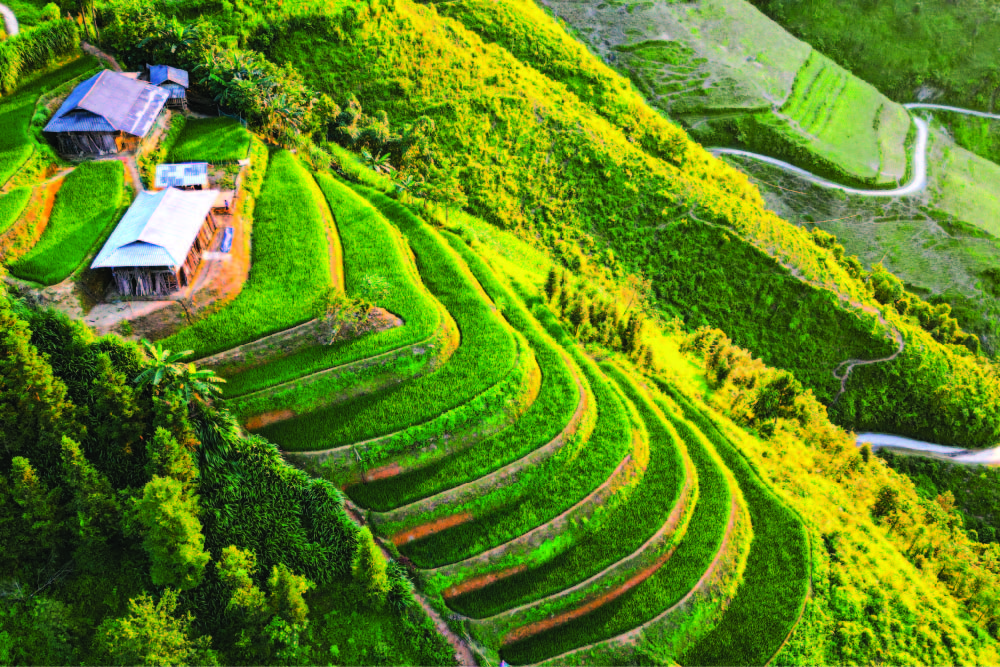
For scenery: aim for late September through October for the golden rice harvest, or late October into November for buckwheat flowers blanketing the Dong Van plateau in pink and white.
For easier, lower-stress riding conditions: March through May is a strong alternative — slightly less dramatic scenery than peak autumn, but generally more comfortable and predictable weather, with fewer crowds than the October peak.
Avoid, if possible: July and August, when rain, slippery roads, fog, and landslide risk combine to make an already demanding route noticeably harder — this is genuinely the toughest window to ride the loop.
What to pack
- A proper riding jacket and gloves, regardless of season — even warm months bring cool mountain mornings and the practical need for protection on a motorbike
- Warm layers for early morning starts, especially in autumn and winter, when temperatures on high passes drop well below valley readings
- A rain shell, since mountain weather can shift with little warning even outside the wet season
- A basic first aid kit, particularly if self-driving through remote stretches with limited nearby services
- Cash, since ATMs are sparse once you’re outside Ha Giang city and the main towns along the route
Practical tips for a smoother trip
- Don’t try to smash the loop into fewer days than it needs. The standard 3–4 day pace exists for a reason — rushing it increases fatigue and reduces the margin for delays.
- Ask your operator directly how they handle medical emergencies before booking, especially with larger group tours.
- Confirm festival dates if you’re timing your trip around one. Several of Ha Giang’s most interesting cultural events follow the lunar calendar, so Gregorian dates shift year to year and should be checked closer to your travel dates.
- Don’t assume locals riding fast means the roads are easy. Local riders have years of route-specific experience that doesn’t transfer to a first-time visitor, however well they ride at home.
- Pace yourself at high-altitude stops. The loop’s elevations aren’t high enough to typically cause serious altitude sickness, but they do add to overall fatigue, especially across long riding days.
FAQ
How many days do I need for the Ha Giang Loop? 3 to 4 days is standard. Two days is possible but not recommended, since it significantly increases fatigue and reduces your margin for weather, rest, or unexpected delays.
Do I need a permit to do the Ha Giang Loop? Yes — foreign travelers need a Border Area Entry Permit to enter the restricted districts the loop passes through. Most tour operators arrange this as part of a booking; independent travelers should confirm the process with their accommodation or rental provider before setting off.
Is it legal to self-drive a motorbike on the Ha Giang Loop? Only with a valid International Driving Permit (1968 Vienna Convention) that includes a motorcycle endorsement, plus a motorcycle license from your home country. A standard car-only IDP does not cover motorbikes, and checkpoints do check for this.
Should I choose Easy Rider or self-drive? Easy Rider is the safer, more relaxed choice for most international travelers, particularly first-timers or anyone without solid mountain-riding experience. Self-drive suits genuinely experienced riders who understand the terrain and legal requirements involved.
When is the best time to see the golden rice terraces? Mid-September through mid-October, when the rice is mature and ready for harvest, particularly around Hoang Su Phi and Yen Minh.
Is travel insurance enough to cover a Ha Giang Loop motorbike accident? Not always — many standard policies exclude motorbike accidents entirely. Check your specific policy for motorcycle coverage, and consider supplemental insurance if needed.
Planning your Ha Giang Loop trip

The Ha Giang Loop rewards travelers who prepare honestly rather than treating it as just another scenic drive — the right riding option for your experience level, the correct permits and documentation, and a realistic pace all matter more here than on almost any other route in Vietnam. Done thoughtfully, it remains one of the most genuinely spectacular journeys the country has to offer.





