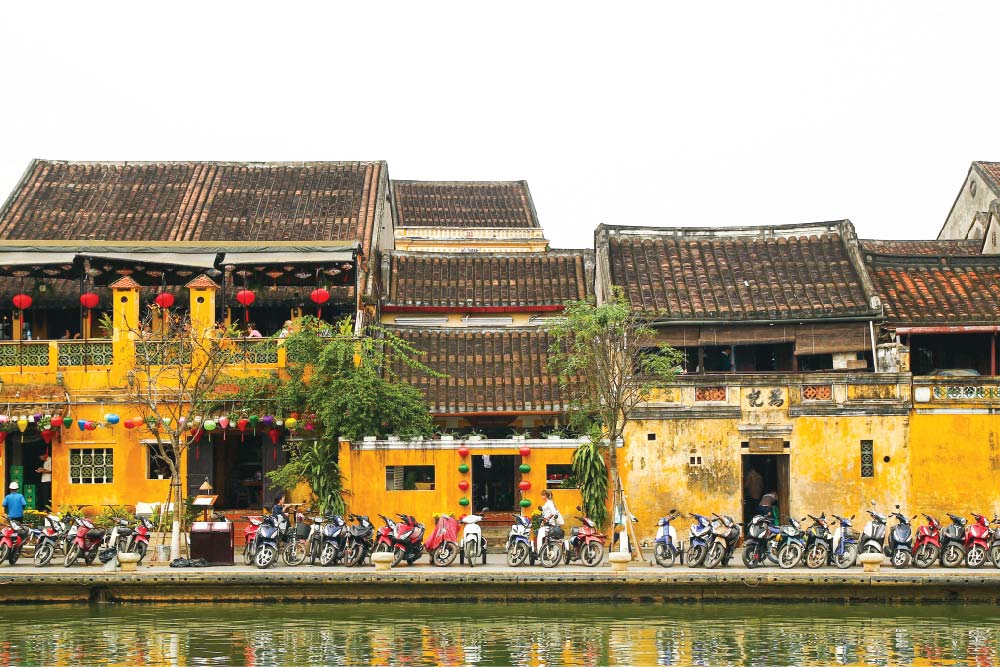
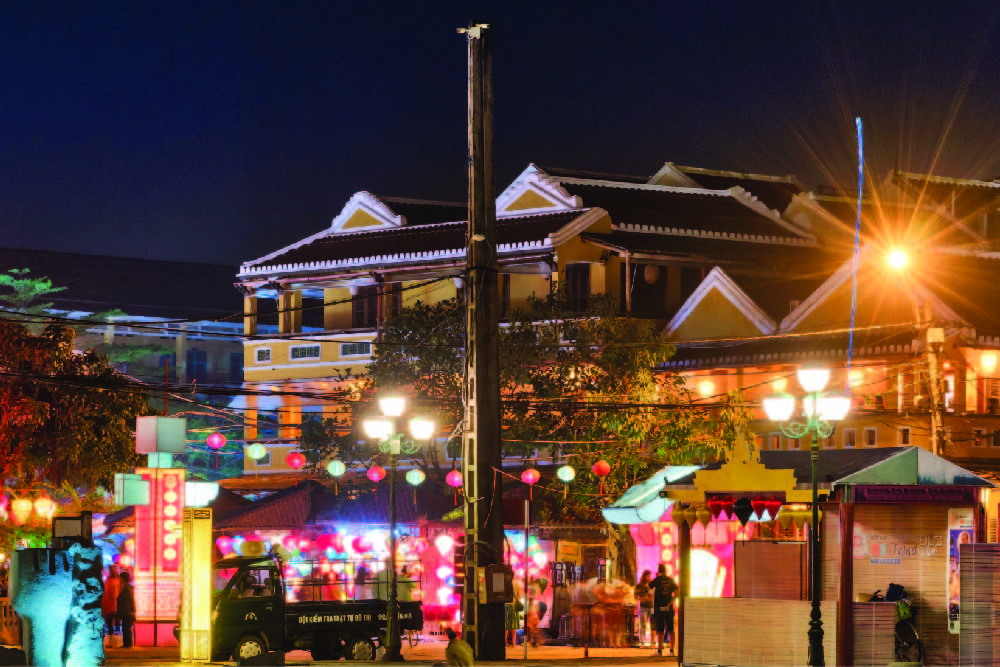
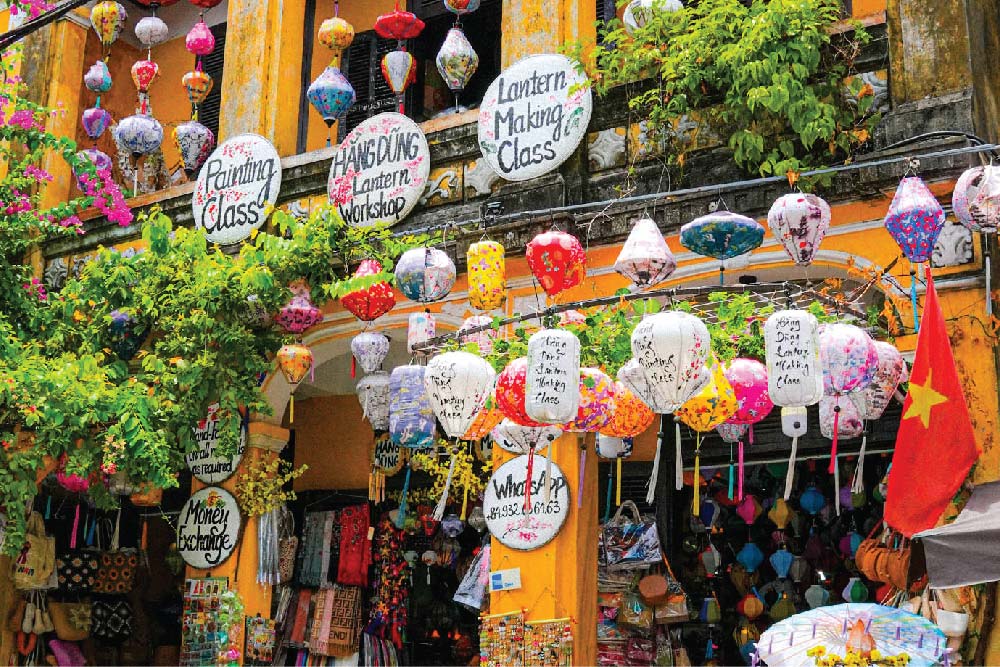
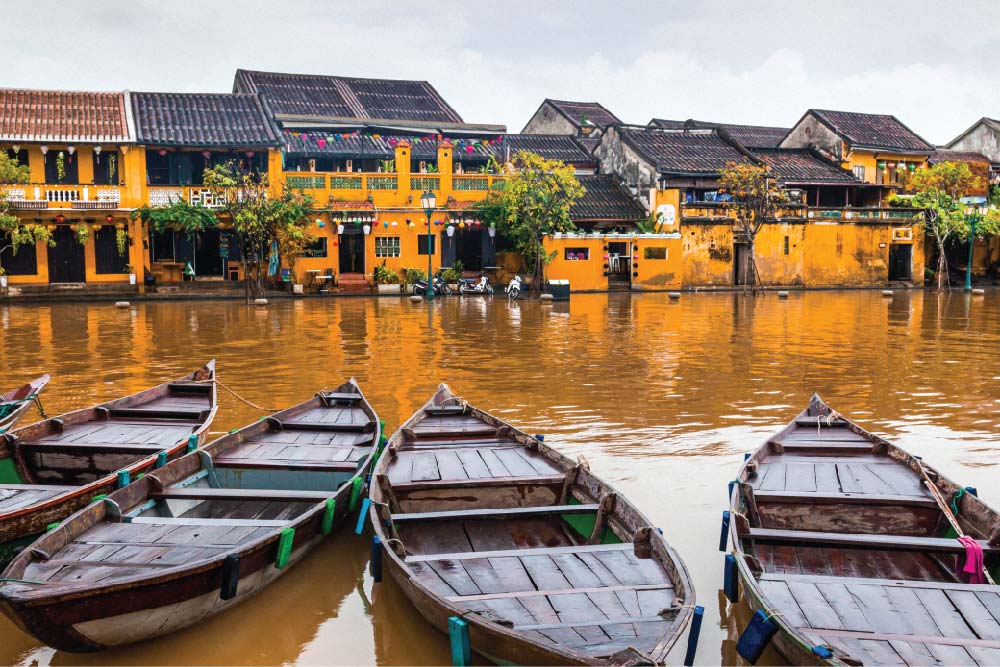
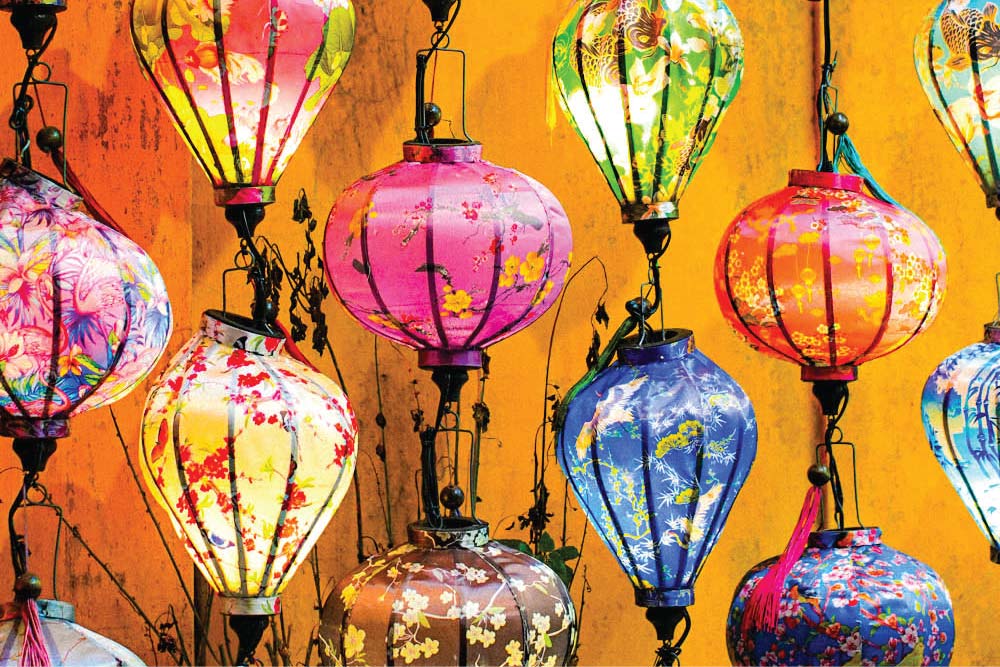
Some towns you visit. Hoi An you slow down for. This little riverside trading port on Vietnam’s central coast spent centuries as a meeting point for Japanese, Chinese, and European merchants, and the result is a UNESCO-listed old town where mustard-yellow shophouses, tiled temples, and a 400-year-old covered bridge sit shoulder to shoulder — all of it glowing under thousands of silk lanterns once the sun goes down.
The catch is that Hoi An is no secret. It’s one of Vietnam’s most-loved destinations, which means the old town can feel crowded by mid-morning. The trick to enjoying it is knowing what’s worth your time, when to go, and how to slip past the crowds into the quieter, more rewarding side of town. Here’s how.
1. Wander the old town on foot (early or late)
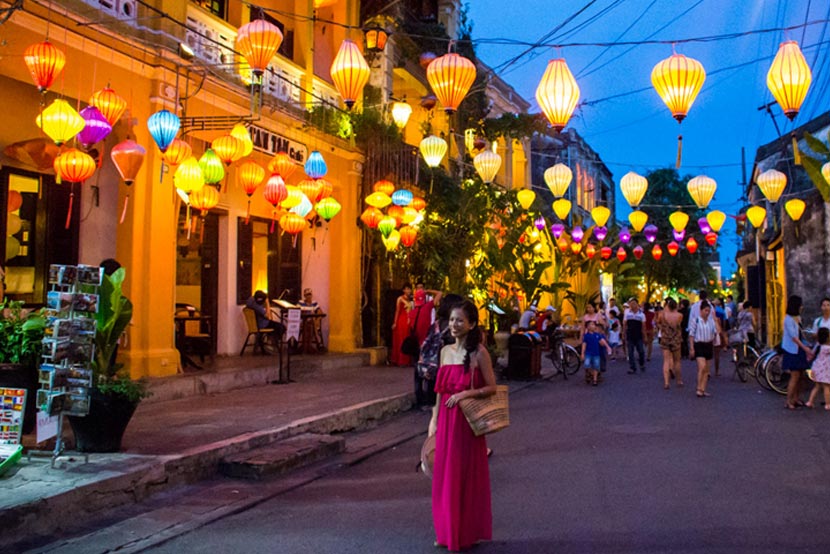
The single best thing to do in Hoi An is also the simplest: walk. The old town is compact and largely car-free, so you can lose a couple of hours drifting past wooden shopfronts, ducking into courtyard cafés, and watching tailors and lantern-makers at work. Go at dawn, when the streets are near-empty and gold with morning light, or after dark, when the lanterns come on. The harsh middle of the day, roughly 10am to 3pm, is the most crowded and the least magical.
2. See the newly restored Japanese Bridge
The Japanese Bridge (Chua Cau) is Hoi An’s icon — a covered bridge built by Japanese merchants in the late 1500s, so culturally important it appears on Vietnam’s 20,000 VND note. After a two-year restoration, it reopened in August 2024, and the work stirred up some debate: with fresh paint and new tiles, some felt it looked “too new.” Judge for yourself. Either way, the carvings and the dog-and-monkey guardian statues at each end are worth a close look. You can admire and photograph it from outside for free; to actually walk across, you’ll need the Old Town ticket (more on that below).
3. Step inside Quan Cong Temple
A vivid splash of red and gold among the yellow streets, Quan Cong Temple is a classic Chinese-style temple built to honour a revered general. The incense-filled inner courtyard is a calm pause from the streets — just mind the signs and remove your shoes where asked near the altars. Entry is covered by the Old Town ticket.
4. Find the Ba Mu Temple Gate
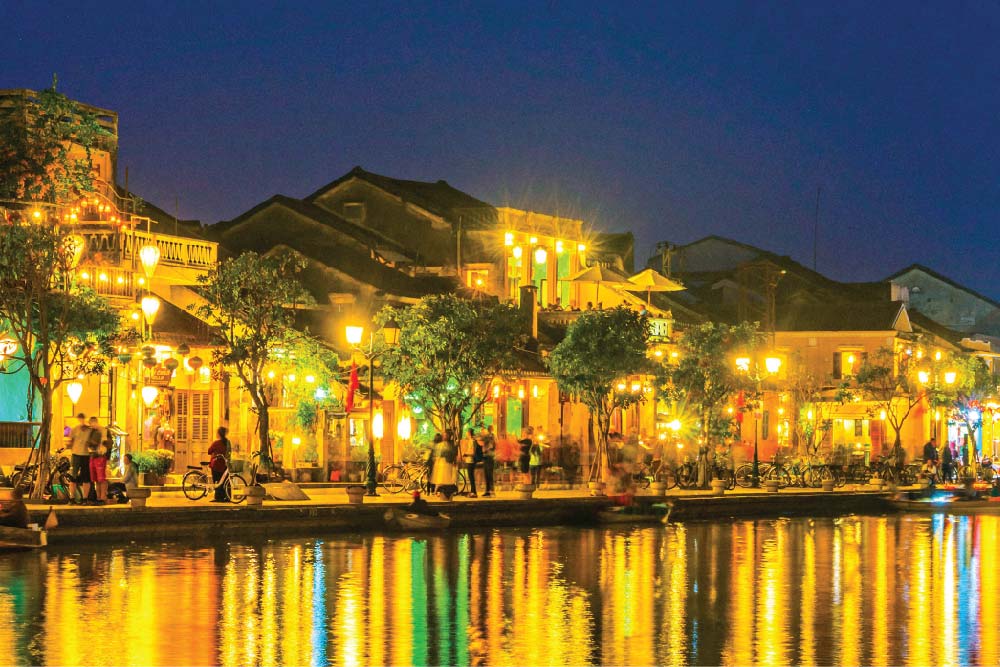
The striking three-arched Ba Mu Temple Gate (Tam Quan) is one of Hoi An’s most photographed spots, especially with its reflecting pool out front catching the structure at sunrise and sunset. The temple behind it is long gone, but the restored gate — all sweeping rooflines and ornate detail — is a beautiful example of the local architectural style and a quieter photo stop than the Japanese Bridge.
5. Eat cao lau — a dish you can only get here
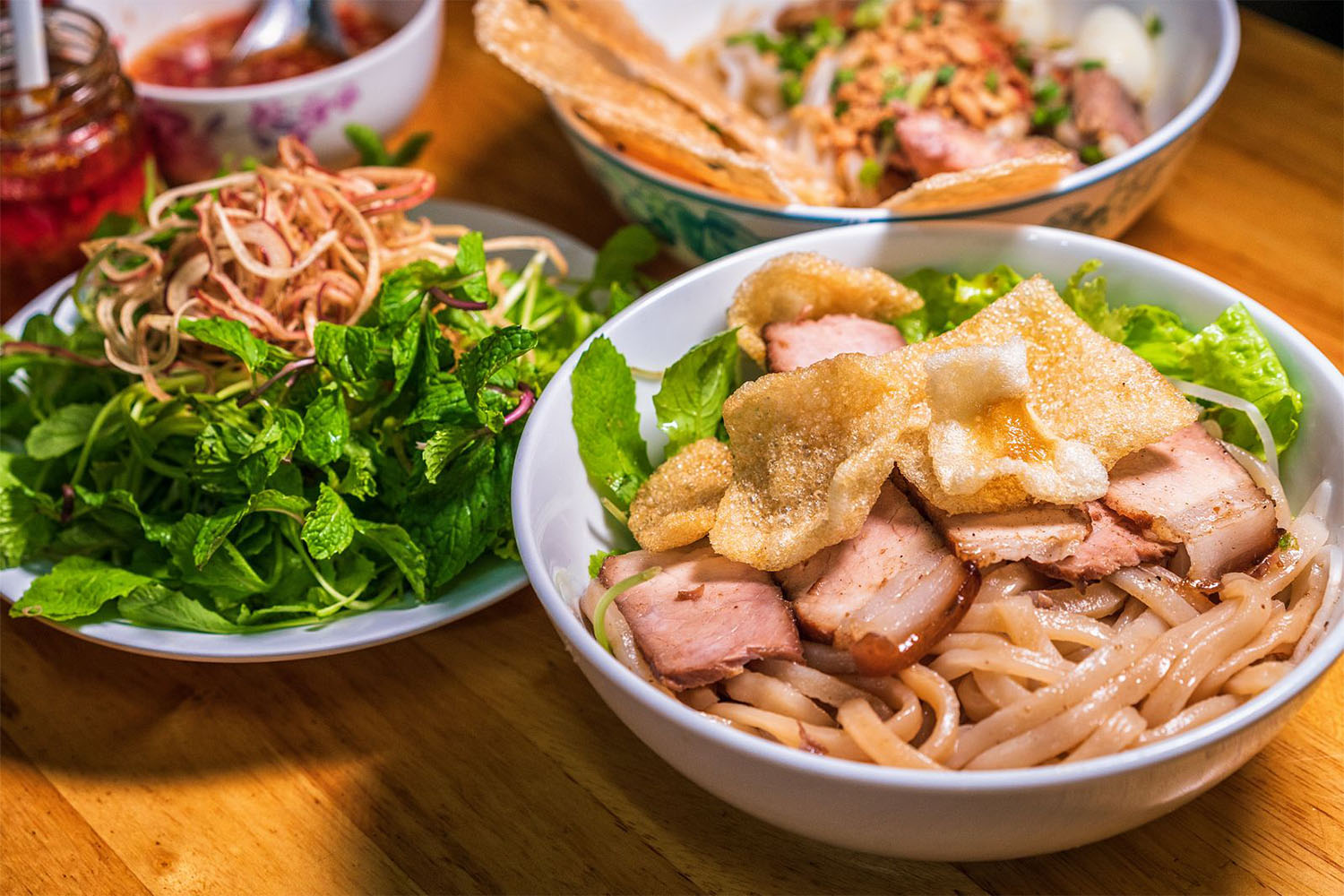
Hoi An is one of Vietnam’s great food towns, and its signature dish exists almost nowhere else. Cao lau is a bowl of thick, chewy noodles topped with slices of pork, fresh herbs, and crunchy croutons — and tradition holds that the real version can only be made with water from the town’s ancient Ba Le well. Pair it with white rose dumplings (banh vac), another Hoi An specialty. Seek these out at a local spot rather than a tourist-strip restaurant.
6. Hunt down the best banh mi in Vietnam
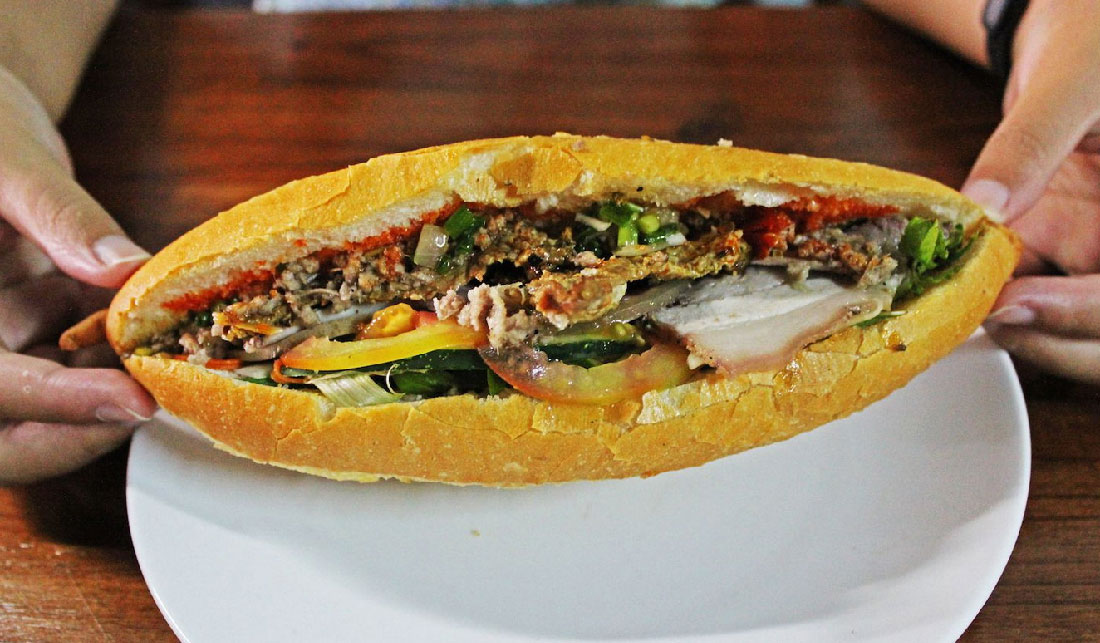
Hoi An has a fair claim to being the banh mi capital of Vietnam. The crackly French-style baguette, stuffed with pork, pâté, fresh coriander, cucumber, chilli, and a swipe of mayo, reaches a kind of perfection here — Anthony Bourdain famously fell for one in this town. The legendary stalls draw queues, but half the fun is finding your own favourite. Most cost around 25,000–40,000 VND (a dollar or two).
7. Take a cooking class
Given the food, it’s no surprise Hoi An is one of the best places in the country to learn to cook Vietnamese. The best classes start at a local market to choose ingredients, often include a short basket-boat ride or a stop at a herb garden, and end with you cooking three or four dishes you’ll actually want to recreate at home. Half a day, and one of the most hands-on ways to understand the cuisine.
8. Spend a morning at Tra Que herb village
Three kilometres from the old town, Tra Que Vegetable Village has farmed organic herbs the same way for some 400 years — and in November 2024 it was named one of UN Tourism’s Best Tourism Villages in the world, the only village in Vietnam to make the list. For about 35,000 VND you can wander the beds, try your hand at hoeing and planting alongside the farmers, and eat a meal built around what’s growing around you. It’s the kind of low-key, genuinely local experience that’s becoming Hoi An’s quiet strength.
9. Have tea at the Reaching Out Tea House
Tucked off the main streets, the Reaching Out Tea House is staffed by people with hearing and speech impairments, so the entire space runs in near silence — you order using little wooden blocks, and conversation happens through gestures and written notes. The hush is the point: it’s one of the calmest corners in a busy town, the tea and snacks are excellent, and it’s a model of tourism doing some good. A small, memorable stop.
10. Visit the Precious Heritage Museum
French photographer Réhahn spent years travelling Vietnam to document its ethnic communities, and his Precious Heritage Art Gallery Museum displays the portraits alongside traditional costumes from across the country. Entry is free, and it’s a moving, beautifully presented window into the cultural diversity behind the postcard image of Vietnam.
11. Cycle the rice paddies on a free local bike tour
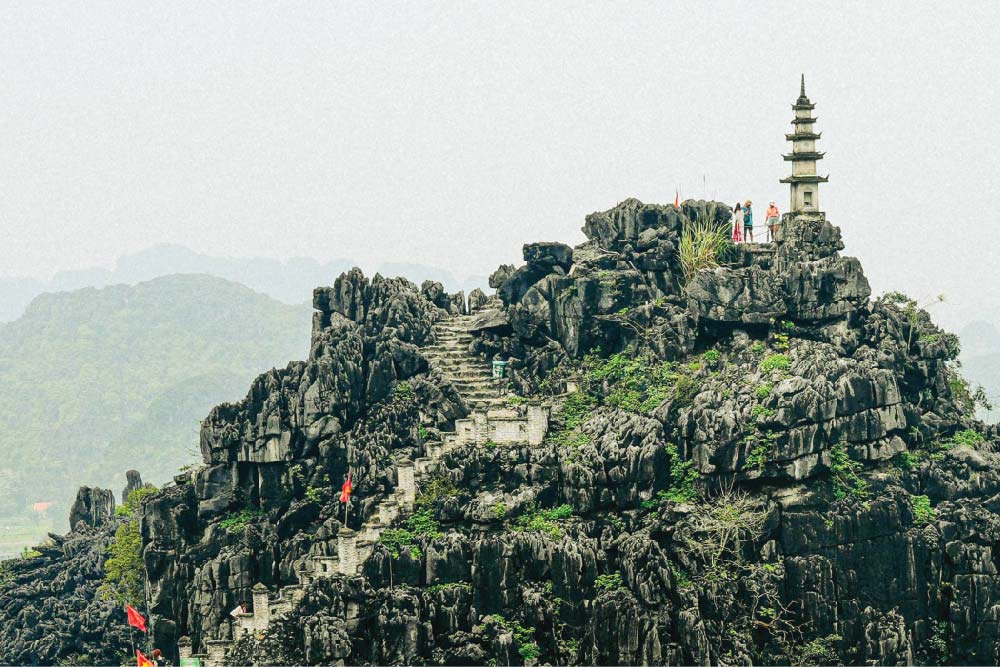
For a different side of Hoi An, join one of the free bike tours run by Vietnamese students practising their English. You’ll pedal out past the rice fields and into villages most visitors never see, with good conversation along the way, usually timed around the soft light of late afternoon. It’s free (a tip or a meal for your guide is the kind thing to do) and easily a trip highlight.
12. Try a basket boat in the coconut forest
In Cam Thanh, just outside town, the Bay Mau coconut forest is a maze of water palms you explore in a thung chai — the round, bowl-shaped bamboo basket boat. A rower paddles you through the channels, and yes, the boats spin almost impossibly in circles. Honest heads-up: the most touristy operators turn this into a loud, music-blasting spinning show, which isn’t for everyone. Go with a smaller, calmer outfit (often bundled into cooking-class tours) for the peaceful version.
13. Relax at An Bang Beach
Hoi An isn’t only old town — a short cycle or taxi away, An Bang Beach is a long stretch of sand lined with laid-back beach bars and deckchairs. It’s the spot to escape the afternoon heat and crowds with a drink and a swim. (Nearby Cua Dai Beach has suffered serious erosion, so An Bang is the better bet.)
14. Take a day trip to Da Nang
Just 30–45 minutes north, the modern coastal city of Da Nang makes an easy day trip: the Marble Mountains and their cave temples, the towering Lady Buddha at Linh Ung Pagoda, the Dragon Bridge (which breathes fire and water on weekend nights), and some of the best city beaches in Vietnam. A good change of pace from Hoi An’s slower rhythm.
15. Explore the My Son Sanctuary
About an hour inland, My Son is a cluster of crumbling red-brick Hindu temples built by the Champa civilization between the 4th and 13th centuries — another of Vietnam’s UNESCO World Heritage Sites. Go on an early-morning tour to beat both the heat and the crowds, and you’ll have the jungle-wrapped ruins close to yourself.
A note on the Hoi An Lantern Festival
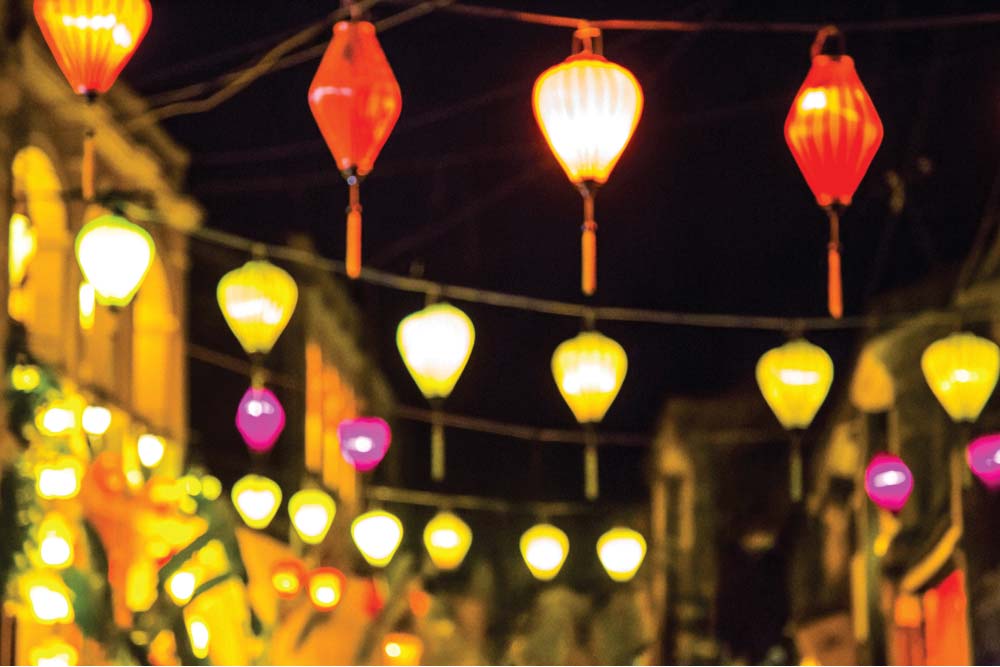
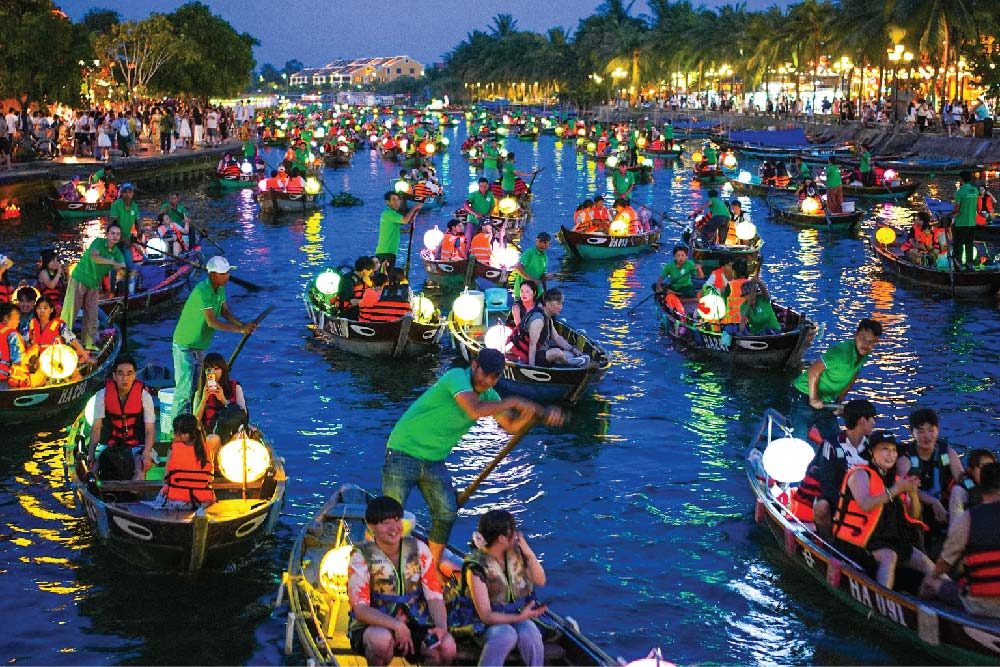
On the night before each full moon (the 14th day of the lunar month), Hoi An switches off its electric lights and the old town glows by lantern and candle alone, with paper lanterns set adrift on the river. It’s genuinely beautiful — and genuinely crowded, and the floating lanterns have created a real litter problem in the Thu Bon. The honest take: go for the atmosphere if your dates line up, but you don’t need to buy and release a floating lantern to enjoy it. Skipping that one small ritual keeps the river cleaner, and you’ll still get the magic.
How to visit Hoi An
Getting there: Hoi An has no airport of its own. You fly into Da Nang International Airport, a 30–45 minute drive away, then take a taxi, a private transfer, or the cheap public bus. Da Nang has frequent domestic flights from Hanoi and Ho Chi Minh City, plus a growing list of international routes, and there’s a scenic train line and sleeper buses if you’d rather travel overland.
Getting around: Inside the old town it’s walking only — the streets are pedestrianised and made for wandering. To reach the beach or the rice paddies, rent a bicycle (many hotels include them free) or grab a taxi or ride-hailing scooter.
The Old Town ticket: To help fund preservation, Hoi An sells an Old Town ticket for 120,000 VND (about $5), available at booths around the centre. It covers entry to a set number of heritage houses, temples, and the Japanese Bridge. You don’t need it simply to walk the streets, but you do to go inside the ticketed sights.
Best time to visit Hoi An
Hoi An is warm year-round, but the driest, sunniest stretch runs February to July — the best window for the old town and the beach. From September to December the central coast enters its rainy and storm season, and the low-lying old town floods regularly in October and November, so plan around it. Whenever you come, try to avoid Tet (Lunar New Year), when many shops and restaurants close for the country’s biggest holiday.
Frequently asked questions
How many days do you need in Hoi An? Two to three days is ideal — enough for the old town, the food, a cooking class or Tra Que, a beach afternoon, and a day trip to Da Nang or My Son. You can see the highlights in a rushed day, but Hoi An rewards a slower pace.
Do you need to pay to enter Hoi An Old Town? You don’t need a ticket to walk the streets, eat, or shop. The 120,000 VND (~$5) Old Town ticket is required only to enter the ticketed heritage houses, temples, and to cross the Japanese Bridge. The money funds preservation of the town.
Is the Japanese Bridge worth seeing after the restoration? Yes. It reopened in August 2024 after a two-year restoration. The fresh look divided opinion, but it remains Hoi An’s defining landmark and is free to view and photograph from the outside.
What food is Hoi An famous for? Cao lau (a unique local noodle dish), white rose dumplings, and banh mi — Hoi An is often called Vietnam’s banh mi capital. A cooking class is one of the best ways to dig into the local cuisine.
When is the Hoi An Lantern Festival? It takes place monthly, on the eve of the full moon (the 14th day of each lunar month), when the town’s electric lights go dark and it’s lit by lanterns alone.
What’s the best time of year to visit Hoi An? February to July for dry, sunny weather. Avoid September to December, the central coast’s rainy and storm season, when the old town is prone to flooding.