

Traveling to a new country is not only about discovering beautiful landscapes or trying new food. It is also about understanding how people live, communicate, and interact with one another. In Vietnam, culture and etiquette play an important role in everyday life, and travelers who understand these social customs often have a richer and more respectful experience.
Vietnamese society values politeness, humility, and respect for elders. Many of these values are influenced by centuries of Confucian traditions, which emphasize harmony in relationships and consideration for others. While visitors are not expected to follow every local custom perfectly, showing awareness of cultural etiquette can leave a positive impression and help travelers connect more easily with local people.
For most visitors, Vietnamese people are welcoming and understanding when foreigners are unfamiliar with local traditions. However, learning a few simple cultural practices can help avoid misunderstandings and create more meaningful interactions during your journey.
Respect for elders and hierarchy
One of the most noticeable aspects of Vietnamese culture is the importance placed on respect for elders.
In many Vietnamese families and social settings, age plays a key role in determining how people communicate with each other. Younger individuals often show respect through polite language, attentive listening, and small gestures such as greeting older people first.
Travelers may notice that conversations often begin with acknowledging the oldest person in a group before addressing others. This behavior reflects the cultural belief that wisdom and experience deserve recognition.
For visitors, showing respect can be as simple as greeting older people politely or offering a friendly nod when meeting someone for the first time.
Greetings and social interactions
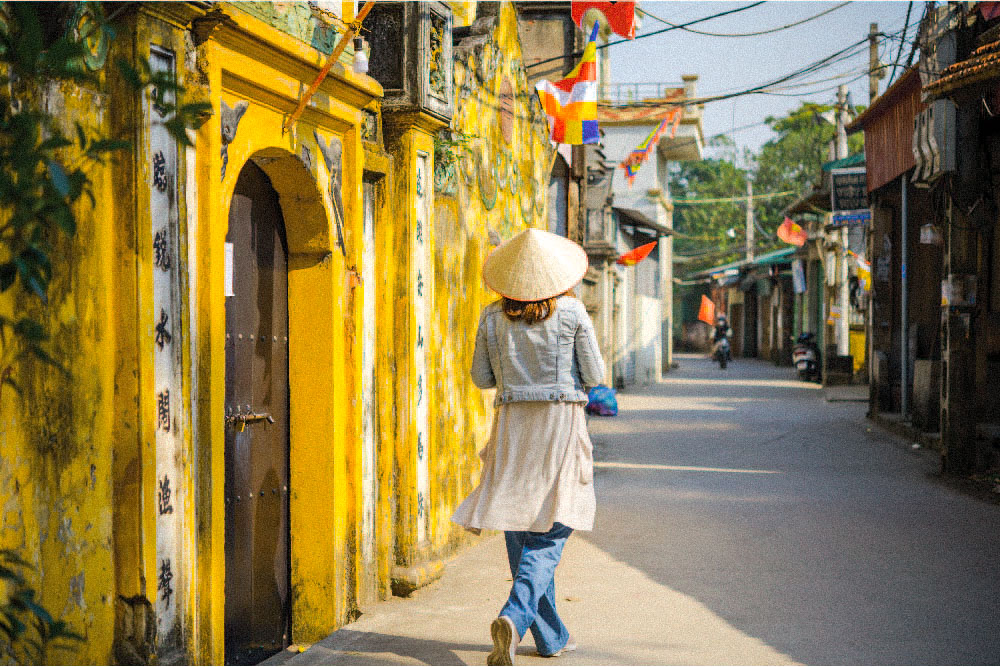
Greetings in Vietnam are generally simple and polite.
Handshakes are common in business environments and when meeting someone new. However, in more traditional settings, a slight nod or smile may accompany the greeting instead of a firm handshake.
When meeting someone for the first time, Vietnamese people may ask questions that seem personal to Western visitors, such as age, marital status, or occupation. These questions are not meant to invade privacy. Instead, they help establish social context and determine how people should address each other respectfully.
Visitors who respond politely and with good humor usually find these conversations friendly and welcoming.
Removing shoes indoors
Another common custom travelers encounter in Vietnam is removing shoes before entering someone’s home.
Many Vietnamese households maintain this practice to keep living spaces clean. Shoes are typically left near the entrance, and guests are invited inside wearing socks or slippers.
Some small guesthouses, homestays, and temples also follow this tradition.
If you notice shoes placed near the doorway, it is generally a sign that you should remove yours as well.
Temple and pagoda etiquette
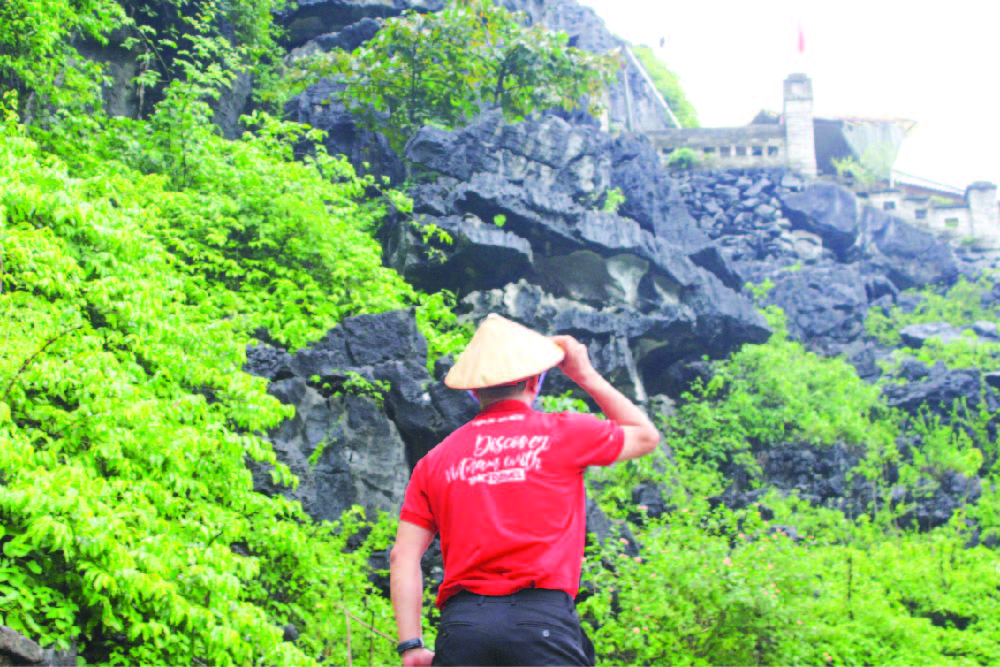
Vietnam is home to many temples and pagodas that hold cultural and spiritual significance.
When visiting religious sites, modest clothing is appreciated. Travelers should avoid wearing very short shorts, sleeveless shirts, or revealing outfits. Covering shoulders and knees is generally considered respectful.
Inside temples, visitors should speak quietly and avoid touching sacred objects unless invited to do so. Photography is often allowed in many areas, but it is best to observe signs or ask permission when unsure.
Lighting incense and observing locals quietly can provide insight into the spiritual side of Vietnamese culture.
Dining etiquette in Vietnam
Food plays an important role in Vietnamese culture, and meals are often social gatherings shared with family or friends.
When eating with locals, dishes are typically placed in the center of the table so everyone can share. Rather than ordering individual meals, people take small portions from communal plates.
Chopsticks are the main utensils used for many Vietnamese dishes. Visitors unfamiliar with chopsticks should not worry too much, as many restaurants also provide spoons and forks.
However, it is considered polite not to stick chopsticks upright in a bowl of rice, as this resembles incense offerings used in funerals.
During group meals, waiting for the eldest person to begin eating is also a common sign of respect.
Public behavior and politeness

Vietnamese society generally values calm and respectful behavior in public.
Loud confrontations, aggressive gestures, or public displays of anger are uncommon in everyday life. Maintaining a polite tone during conversations is appreciated, even when discussing disagreements.
Travelers may notice that people often smile in situations where Western cultures might express frustration. Smiling can be a way to maintain social harmony rather than indicate happiness.
Adopting a patient and respectful attitude will usually make interactions smoother.
Bargaining in markets
Bargaining is a common practice in local markets across Vietnam.
When shopping for souvenirs, clothing, or handmade crafts, prices may not always be fixed. Friendly negotiation is expected in many cases.
However, bargaining should remain polite and lighthearted. Smiling, making reasonable offers, and accepting the seller’s final price if it feels fair helps maintain a positive interaction.
In supermarkets and modern shopping malls, prices are usually fixed and bargaining is not appropriate.
Understanding Vietnamese cultural etiquette goes beyond greetings and dining traditions. Everyday interactions, gestures, and social behaviors also reflect deeper cultural values that have developed over generations. Travelers who pay attention to these subtle aspects often find that local people respond warmly and appreciate the effort to respect their customs.
Although Vietnam is increasingly modern and international, traditional manners still influence how people interact in both public and private settings.
Body language and gestures
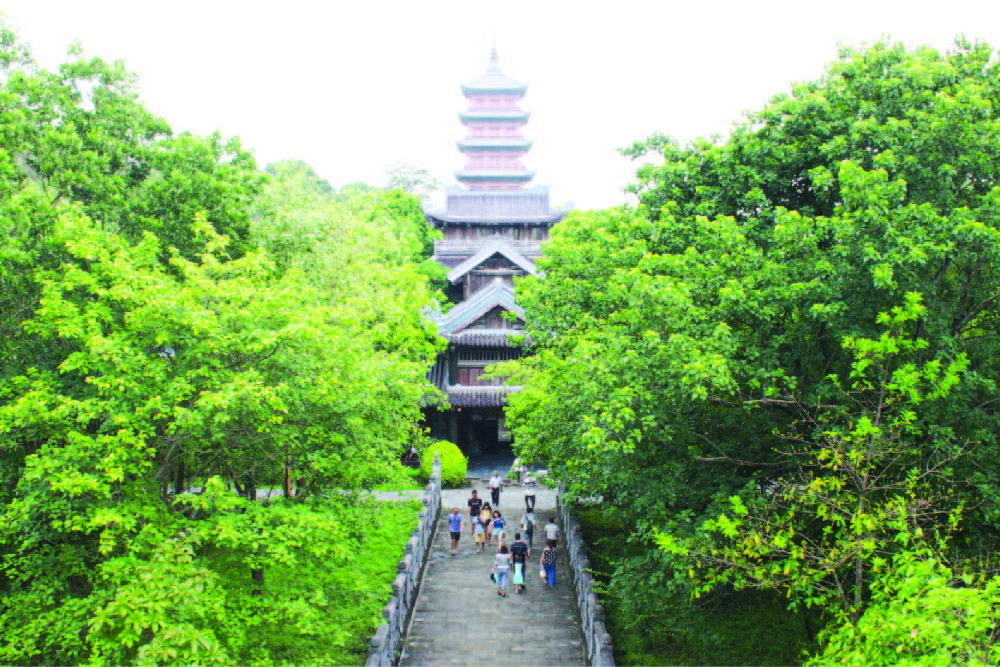
Body language can carry different meanings across cultures, and Vietnam is no exception.
For example, pointing directly at someone with a finger can be considered impolite in some situations. Instead, people often gesture with an open hand when indicating direction or referring to something nearby.
Touching someone’s head is also uncommon in Vietnamese culture, particularly with children or elders. The head is considered a sensitive and respectful part of the body, so casual touching may feel uncomfortable to some people.
In general, modest gestures and calm body language are appreciated. Travelers who remain relaxed and respectful during conversations usually find that interactions flow naturally.
Using both hands when giving or receiving items
Another small but meaningful gesture in Vietnamese culture is the use of both hands when giving or receiving something.
Whether handing over money, offering a gift, or receiving a business card, using both hands or supporting one hand with the other shows politeness and respect.
This gesture reflects a cultural emphasis on humility and attentiveness during exchanges.
Although locals do not expect travelers to follow this practice perfectly, adopting it in certain situations can demonstrate cultural awareness.
Gift giving traditions
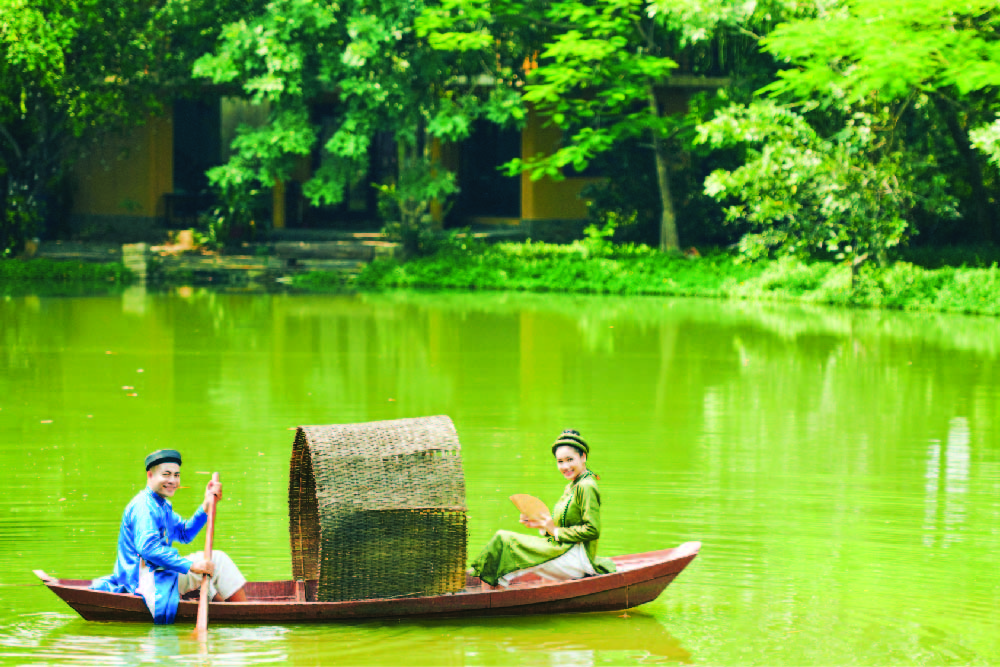
Gift giving is a common way to express gratitude or strengthen relationships in Vietnam.
When visiting someone’s home, bringing a small gift such as fruit, sweets, or tea is often appreciated. The gesture matters more than the value of the item.
During holidays or special occasions, gifts may be wrapped in colorful paper or presented neatly in bags.
One interesting cultural detail is that gifts are sometimes opened later rather than immediately in front of the giver. This practice helps avoid embarrassment if the recipient feels the gift is too generous.
Travelers invited to a Vietnamese home may notice how hospitality plays an important role in the experience. Hosts often offer tea, snacks, or meals as a way to welcome guests warmly.
Photography etiquette with local people
Vietnam offers many fascinating cultural scenes, especially in markets, villages, and temples. While photography is generally accepted in public spaces, it is still polite to be mindful when taking pictures of local people.
In rural areas or ethnic minority communities, travelers should ask permission before photographing individuals, particularly elderly residents or children.
A friendly smile and simple gesture toward the camera often communicates your intention. Many people will happily agree, and some may even enjoy posing for photos.
Respecting personal space and avoiding intrusive photography helps create positive interactions.
Motorbike culture and street awareness
Motorbikes are a defining part of Vietnamese city life. In large cities like Hanoi and Ho Chi Minh City, streets are filled with thousands of scooters moving through traffic.
Understanding basic street etiquette can make travel safer and less stressful.
When crossing the road, it is important to move slowly and predictably rather than rushing or stopping suddenly. Motorbike drivers often anticipate pedestrian movement and adjust their paths accordingly.
Patience and calm behavior help travelers adapt to the rhythm of Vietnamese traffic.
Public displays of affection
Vietnamese culture generally values modesty in public behavior.
While holding hands between couples is common, more intimate displays of affection such as kissing or hugging in public are less common, particularly in traditional areas or rural regions.
Travelers who keep public interactions respectful will feel more comfortable in many social settings.
Cultural mistakes travelers should avoid
Visitors do not need to worry about making small mistakes, as Vietnamese people are generally understanding toward foreigners. However, avoiding a few common missteps can help maintain positive interactions.
Speaking loudly in quiet spaces such as temples or pagodas may be considered disrespectful. Dressing modestly in religious locations is also appreciated.
Another important point is maintaining patience in everyday situations. Losing temper or raising one’s voice can cause discomfort because harmony and calmness are highly valued in Vietnamese society.
Showing appreciation, smiling, and remaining polite often create the best impressions.
Learning from cultural differences
One of the most rewarding parts of travel is discovering how different cultures approach everyday life.
Vietnamese etiquette reflects a society built on family relationships, community values, and mutual respect. Observing how people greet each other, share meals, and communicate can reveal meaningful insights into these traditions.
Travelers who approach these experiences with curiosity rather than judgment often develop deeper connections with local communities.
Even simple actions such as greeting someone politely, respecting religious spaces, or showing patience during negotiations can create memorable interactions.
Final thoughts on cultural etiquette in Vietnam
Vietnam is a welcoming country where visitors are usually greeted with warmth and curiosity. While travelers are not expected to understand every cultural detail, learning a few basic etiquette practices can enrich the travel experience.
Respect for elders, modest behavior in public spaces, thoughtful gestures during social interactions, and awareness of local customs all contribute to positive relationships with local people.
For many visitors, these small cultural lessons become some of the most meaningful memories of their journey. Beyond landscapes and food, understanding etiquette helps travelers see Vietnam through the lens of its people and traditions.
By approaching the country with openness and respect, travelers often discover that cultural exchange becomes one of the most valuable aspects of visiting Vietnam.