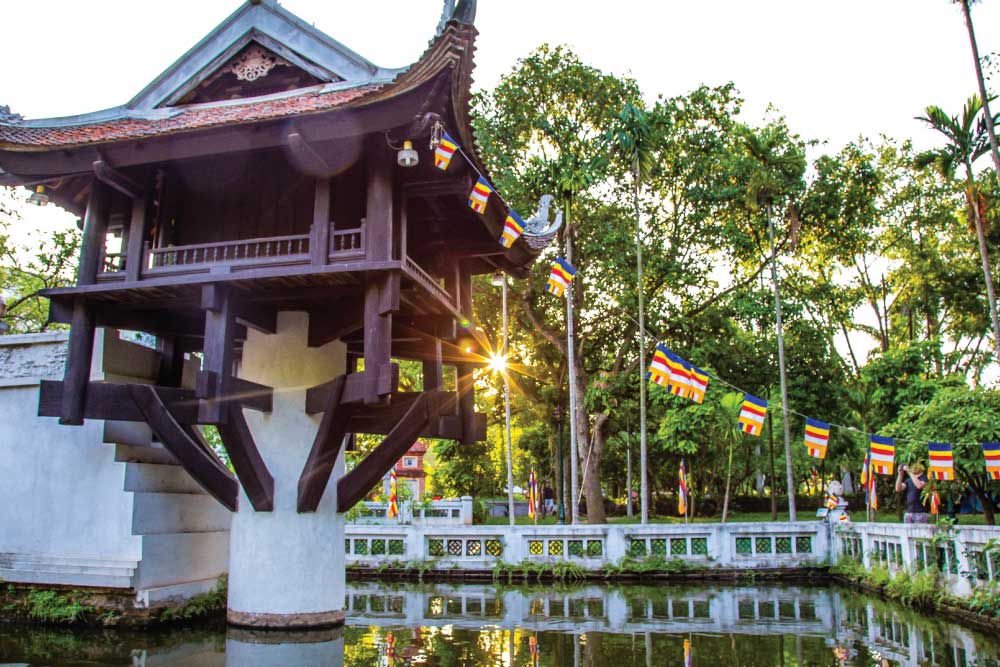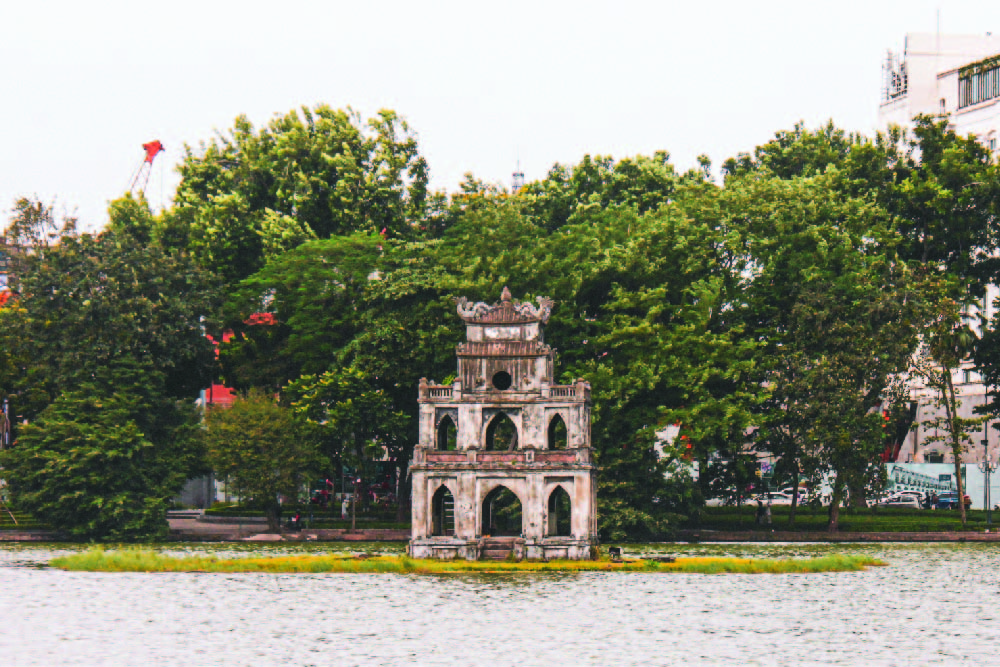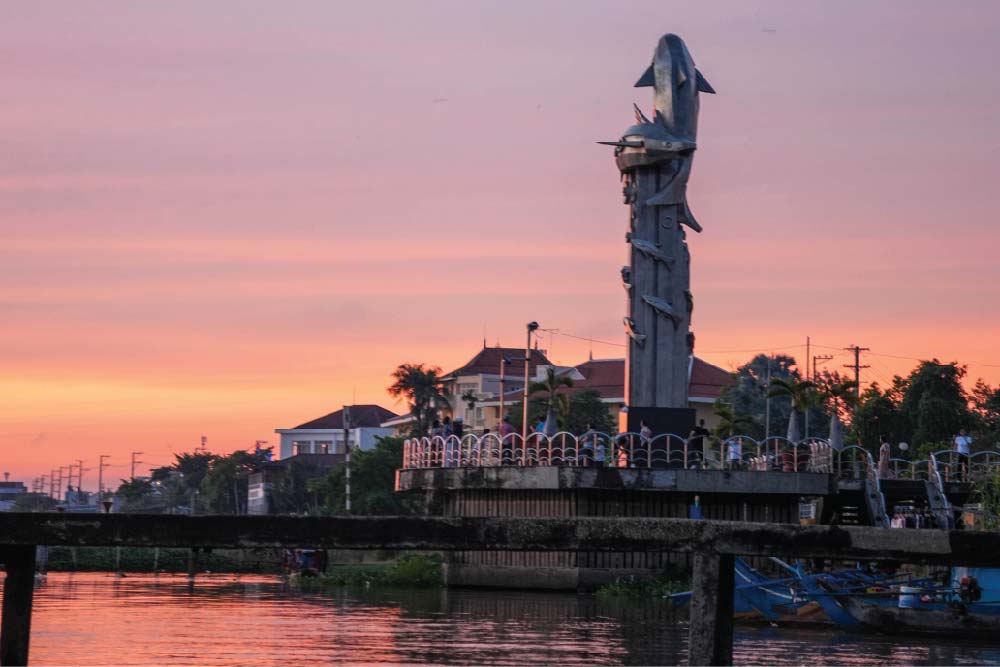
At first, many travelers notice Hanoi’s movement — motorbikes flowing endlessly through narrow streets, the sound of street vendors calling from sidewalks, the mixture of old apartment buildings and modern cafés standing beside each other. But over time, another layer begins to appear.
Behind the noise and energy are historical buildings that quietly tell the story of Hanoi itself. Some reflect ancient Vietnamese dynasties, others carry traces of French colonial architecture, while a few stand as reminders of more recent historical periods.
Together, these buildings shape the identity of the city.
They are not isolated monuments separated from daily life.
They remain part of Hanoi’s rhythm even today.
Why historical buildings matter in Hanoi
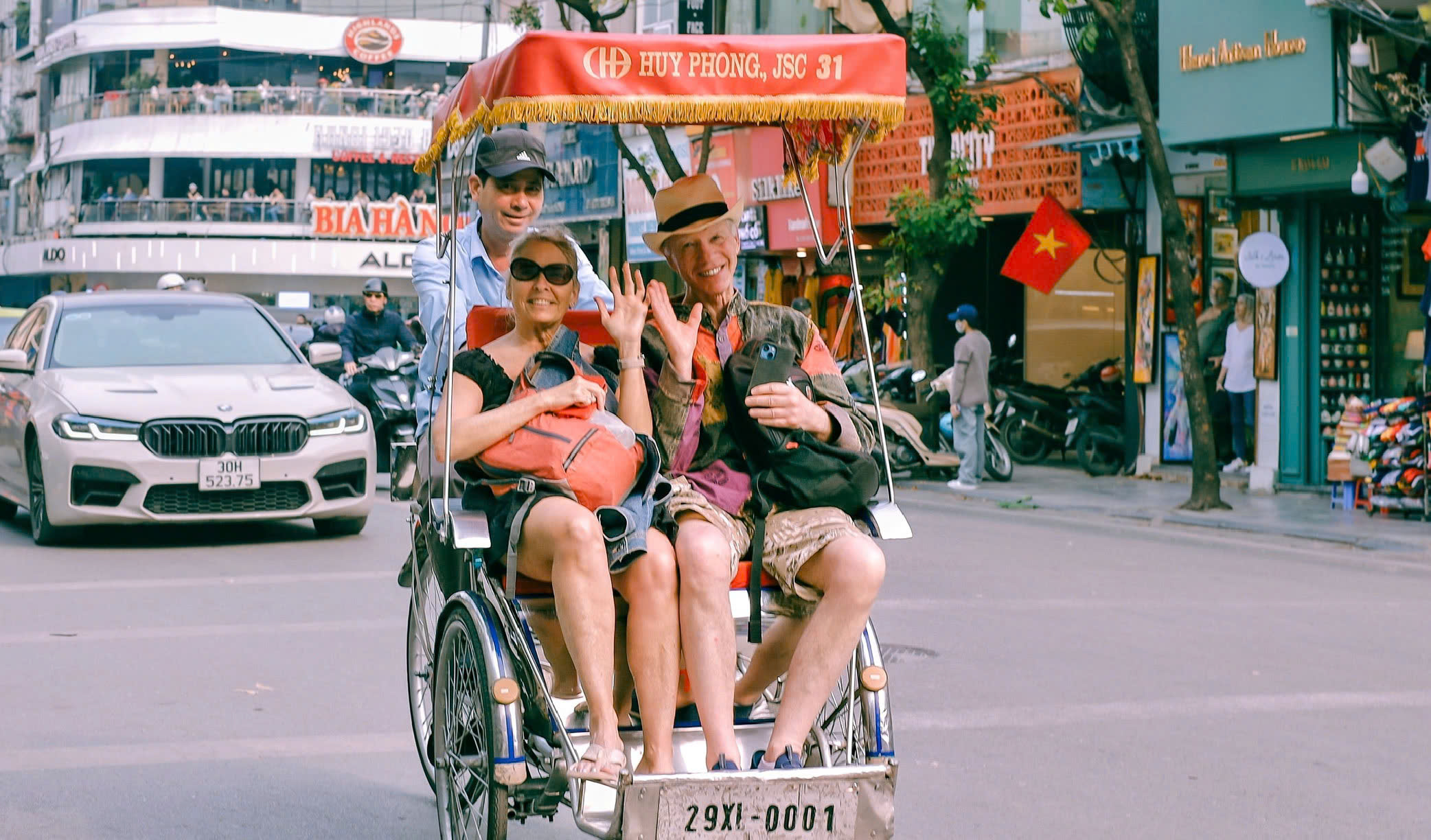
Unlike some cities where historical sites feel preserved only for tourism, Hanoi’s old buildings still feel connected to the present.
People gather around them, pass them every day, drink coffee nearby, or continue using them as religious, cultural, or governmental spaces.
This creates a very different atmosphere.
Travelers do not simply visit history in Hanoi.
They move through it.
The contrast between old architecture and modern city life becomes one of the most fascinating parts of exploring the capital.
The Temple of Literature
One of Hanoi’s most important historical sites is Temple of Literature.
Built in the 11th century, the complex originally served as Vietnam’s first national university and became a symbol of education, scholarship, and Confucian philosophy.
Unlike crowded urban streets outside, the interior of the temple feels calm and balanced. Courtyards, stone pathways, lotus ponds, and ancient wooden buildings create an atmosphere that encourages slower movement and quiet observation.
The architecture itself reflects traditional Vietnamese design, with layered roofs, red wooden structures, and carefully arranged spaces that follow spiritual and philosophical principles.
For many travelers, the Temple of Literature offers one of the clearest connections to Vietnam’s intellectual and cultural history.
Ho Chi Minh Mausoleum
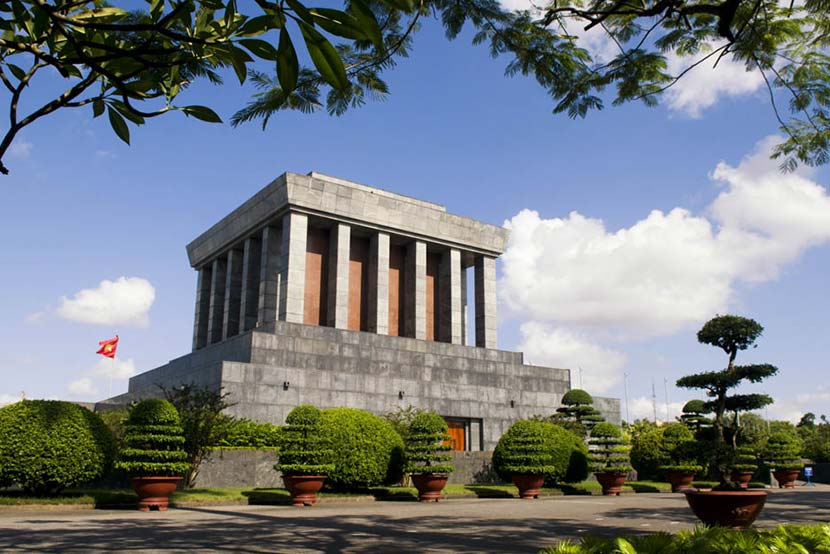
Another major landmark is the Ho Chi Minh Mausoleum.
The building stands in Ba Dinh Square, where Ho Chi Minh declared Vietnam’s independence in 1945.
Unlike ancient temples, the mausoleum carries a much more formal and monumental atmosphere. The large stone structure reflects political symbolism and modern Vietnamese history rather than traditional architecture.
The surrounding area, however, feels surprisingly open and peaceful compared to Hanoi’s dense streets.
Visitors often combine the mausoleum with nearby historical sites, including the Presidential Palace and Ho Chi Minh’s stilt house.
Together, these places provide insight into one of the most significant figures in Vietnamese history.
St. Joseph’s Cathedral
St. Joseph’s Cathedral reveals another layer of Hanoi’s architectural identity.
Built during the French colonial period, the cathedral was heavily influenced by Gothic European design. Tall arches, stained glass windows, and weathered stone walls create a visual contrast against the surrounding Vietnamese streets.
The area around the cathedral has become one of Hanoi’s most popular gathering spaces, especially among younger locals and café visitors.
What makes the cathedral interesting is not only the building itself, but the atmosphere surrounding it.
Street cafés, scooters, and local life continue moving around a structure that feels centuries removed from the city around it.
The Hanoi Opera House
The Hanoi Opera House is one of the clearest examples of French colonial architecture in Vietnam.
Inspired by the Palais Garnier in Paris, the building reflects a period when Hanoi was heavily influenced by French urban planning and European architectural styles.
Inside, the opera house remains an active cultural venue hosting performances and events.
Outside, the building contributes to one of Hanoi’s most elegant districts, where broad streets and colonial facades create a very different atmosphere compared to the narrow lanes of the Old Quarter.
Walking through this area feels like seeing another version of Hanoi layered within the city itself.
The Old Quarter’s historical houses
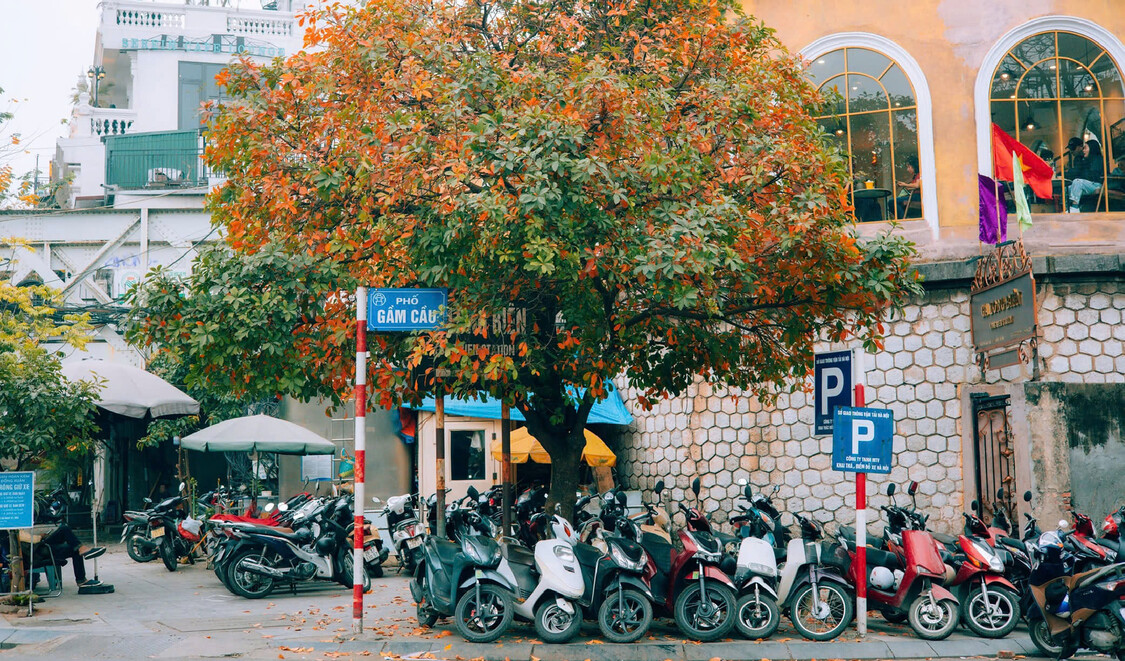
Not all historical buildings in Hanoi are famous landmarks.
Some of the most meaningful architectural experiences come from simply walking through the Old Quarter.
The narrow tube houses, faded yellow walls, wooden shutters, and aging balconies all reflect centuries of urban development and adaptation.
Many buildings in the Old Quarter were shaped by commercial life, with shops on the ground floor and living spaces above.
Over time, these buildings evolved alongside the city itself.
Today, the Old Quarter feels like a mixture of preservation and survival. Modern businesses operate inside structures that still carry traces of earlier generations.
This coexistence creates one of Hanoi’s most distinctive atmospheres.
Long Bien Bridge
Long Bien Bridge is more than a transportation structure.
Built during the French colonial period, the bridge has survived war, bombing, and decades of social change.
Crossing the bridge today offers a completely different perspective of Hanoi. Trains still pass through sections of it, while motorbikes and pedestrians move slowly alongside views of the Red River below.
The structure itself feels aged and imperfect, but that imperfection is part of its identity.
Long Bien Bridge represents resilience as much as architecture.
French colonial villas in Hanoi
Scattered throughout districts like Ba Dinh and Hoan Kiem are old French colonial villas that continue shaping Hanoi’s visual character.
Many feature yellow facades, green shutters, balconies, and large trees surrounding quiet streets.
Some buildings have been restored, while others show visible signs of age and weather.
Together, they create a softer and more atmospheric side of the city.
Walking through these streets early in the morning often feels completely different from the busy energy associated with Hanoi.
Why Hanoi feels emotionally connected to history
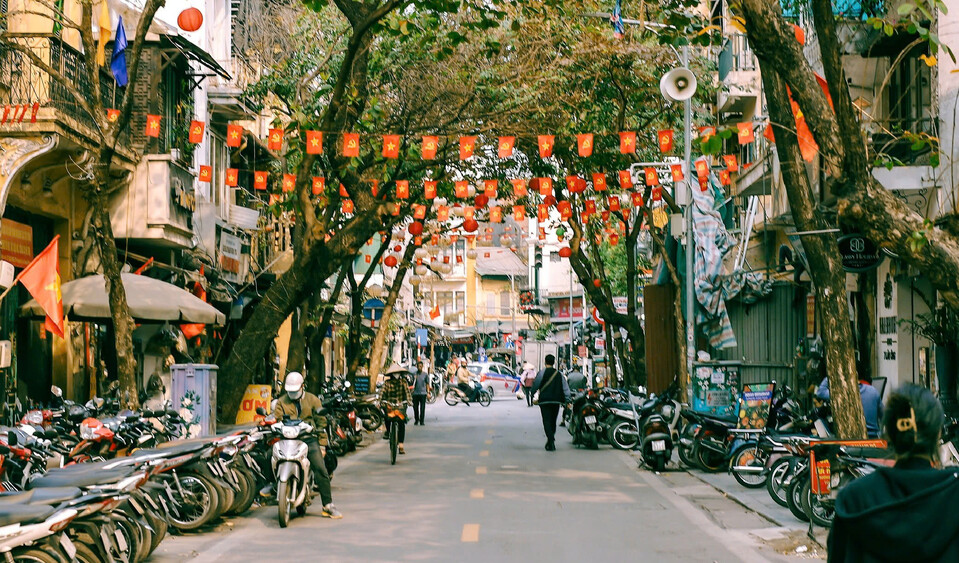
One reason Hanoi’s historical buildings feel different from those in many other cities is because history here still feels present.
The buildings are not separated entirely from everyday life.
Temples still receive worshippers.
Old houses still contain families and shops.
Colonial buildings still shape the city’s streets.
Historical squares still function as gathering spaces.
This creates a sense that history in Hanoi is not frozen.
It continues existing alongside modern life.
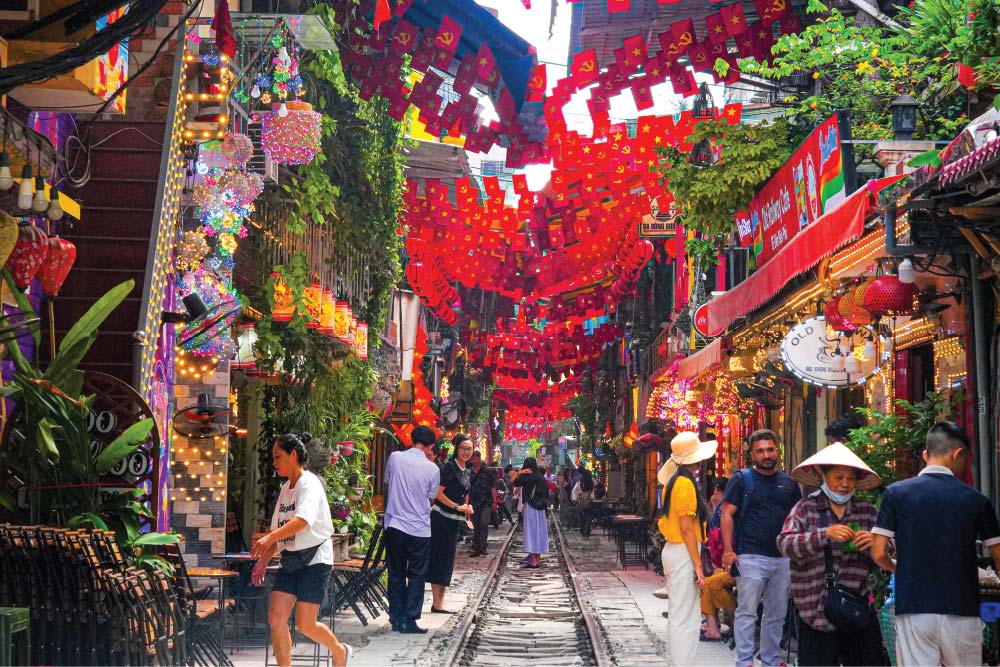
The best way to explore Hanoi’s historical architecture
The most rewarding way to experience Hanoi’s historical buildings is slowly.
Walking through the city early in the morning or late in the afternoon allows travelers to notice smaller details:
- faded textures on colonial walls
- incense drifting from temples
- old balconies above crowded streets
- sunlight reflecting against yellow buildings after rain
These details often become more memorable than simply visiting famous landmarks quickly.
Hanoi rewards observation more than speed.