Vietnam is often described as one of the cheapest countries to travel in Southeast Asia. Many blogs, videos, and travel guides highlight how affordable everything is, from street food to transportation. For many travelers, this expectation becomes one of the main reasons to visit.
But once you actually arrive, the experience can feel a bit different.
Yes, Vietnam can be very affordable. But it is not always as cheap as people expect, and it depends heavily on how you travel, where you go, and what kind of experience you are looking for.
The truth is that Vietnam is not simply “cheap.” It is a country that offers a wide range of value, and understanding that difference can completely change how you plan your trip.
Why Vietnam has a reputation for being cheap

The idea that Vietnam is cheap comes from a few very real experiences.
Street food is incredibly affordable. A bowl of pho or a banh mi can cost just a few dollars or even less. Local transportation, especially short rides, can also be inexpensive compared to Western countries.
Accommodation at the budget level is another reason. Hostels, guesthouses, and simple hotels often offer very low prices, especially outside major tourist areas.
For backpackers and budget travelers, Vietnam can feel like a place where your money stretches much further.
And in many ways, that is true.
The part people don’t talk about
What many travel guides do not explain is that prices in Vietnam vary more than expected.
There is a big gap between local pricing and tourist pricing. While locals may pay very little for everyday services, travelers often pay higher prices, especially in popular destinations.
This does not mean you are being overcharged unfairly. It simply reflects the difference between local living costs and tourism-based services.
For example, a local meal might cost a few dollars, but a restaurant in a tourist area can charge significantly more for the same type of dish, with added comfort and service.
Understanding this difference helps set more realistic expectations.

Accommodation: cheap or just good value?
Accommodation in Vietnam ranges from very basic to high-end luxury.
Budget options can be extremely affordable, especially in smaller cities or less touristy areas. However, in major destinations such as Hanoi or Ho Chi Minh City, prices increase depending on location and quality.
Mid-range hotels often provide excellent value. Many travelers are surprised by how comfortable and well-designed these hotels are compared to their price.
Luxury hotels and resorts, especially in places like Da Nang or Phu Quoc, can still be cheaper than similar options in Western countries, but they are not “cheap” in absolute terms.
Vietnam offers good value for accommodation, but not everything is budget-level.
Food: where Vietnam really is cheap

If there is one area where Vietnam truly lives up to its reputation, it is food.
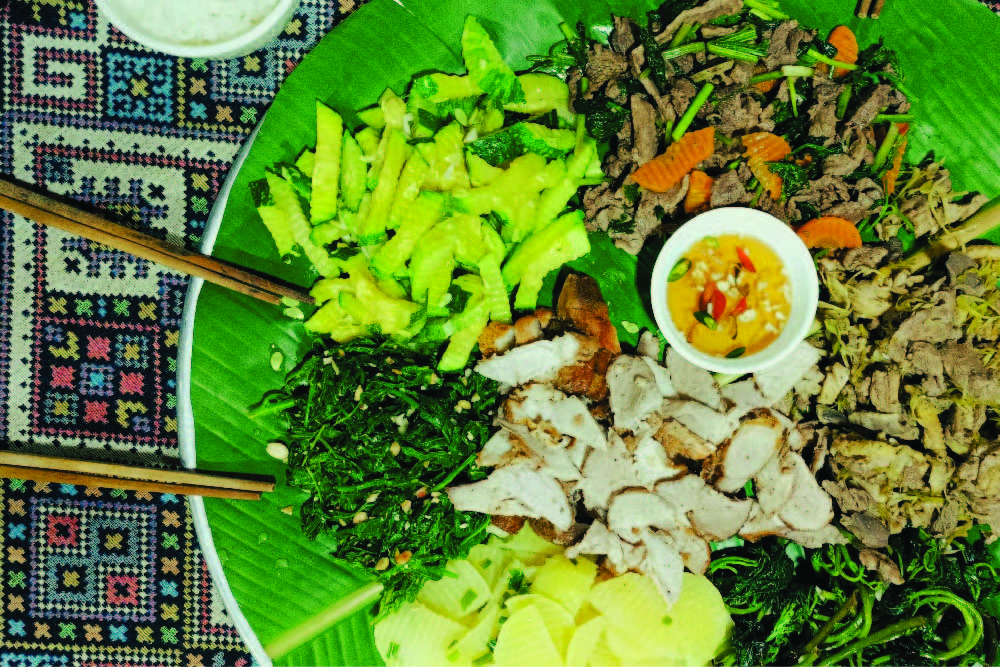
Street food remains one of the most affordable and authentic ways to eat. Meals are prepared fresh, often right in front of you, and served quickly.
However, once you move into more comfortable settings such as cafés, restaurants, or rooftop dining spaces, prices increase.
Tourist-oriented restaurants, especially in central areas, often adjust prices to match the expectations of international visitors.
This creates a clear contrast between local food culture and tourist dining experiences.
Transportation: cheap but not always simple
Transportation in Vietnam is generally affordable, but it can vary depending on how you choose to travel.
Short rides using ride-hailing apps are usually inexpensive, especially compared to Western countries. Motorbike taxis are even cheaper for quick trips.
However, longer journeys between cities can add up. Flights, private transfers, or premium transport services cost more than many travelers expect, especially during peak travel seasons.
Train and bus options are more budget-friendly, but they may require more time and flexibility.
So while transportation can be cheap, convenience often comes at a higher price.
Tours and experiences: where costs increase
One of the biggest surprises for many travelers is the cost of tours and organized experiences.
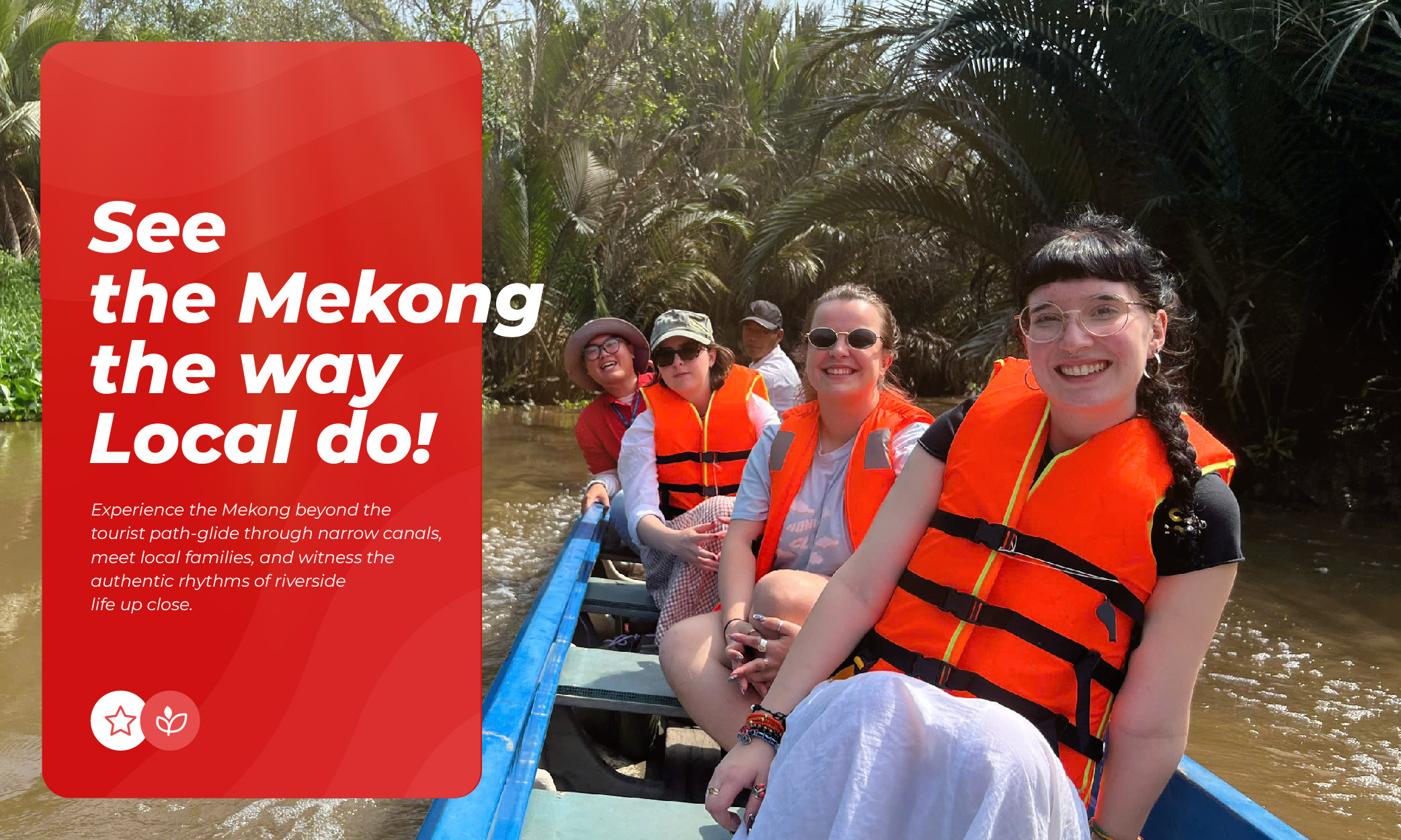
Destinations such as Ha Long Bay or the Mekong Delta often require guided tours or organized trips to fully experience.
Budget tours exist, but they are often fast-paced and designed for large groups. Higher-quality experiences, especially private or small-group tours, cost significantly more.
This is where Vietnam shifts from “cheap” to “value-based.”
You are not just paying for transportation or entry tickets. You are paying for organization, comfort, and the overall experience.
Shopping and daily expenses
Daily expenses in Vietnam can still be relatively low, especially for simple activities.
Local markets, small cafés, and convenience stores offer affordable options for snacks, drinks, and everyday items.
However, shopping in tourist areas often comes with higher prices. Souvenirs, clothing, and handmade goods may be priced differently depending on the location.
Bargaining is common in markets, but prices still reflect a mix of local and tourist demand.
The real truth: Vietnam is about value, not just price
The biggest misconception about Vietnam is that it is purely a cheap destination.
In reality, Vietnam offers something more interesting. It gives travelers the ability to choose their level of spending while still receiving good value.
You can travel on a very low budget and still have a meaningful experience. At the same time, you can spend more for comfort, better services, and deeper experiences without reaching the high costs of other countries.
This flexibility is what makes Vietnam attractive to a wide range of travelers.
Hidden costs travelers don’t expect
One of the most common surprises for visitors is how small expenses can add up over time.
Entrance fees to attractions are usually not high individually, but visiting multiple sites in a single day can increase your daily spending. Historical sites, museums, and natural attractions often charge separate entry tickets.
Another cost comes from convenience. Airport transfers, hotel pickups, and last-minute bookings are usually more expensive than planning in advance.
Even small things such as bottled water, coffee stops, or quick snacks throughout the day can gradually increase your total spending.
These are not major expenses on their own, but together they can change your perception of how “cheap” Vietnam feels.
Where most travelers overspend
Many travelers do not realize that their spending habits, rather than the country itself, are what increase their budget.
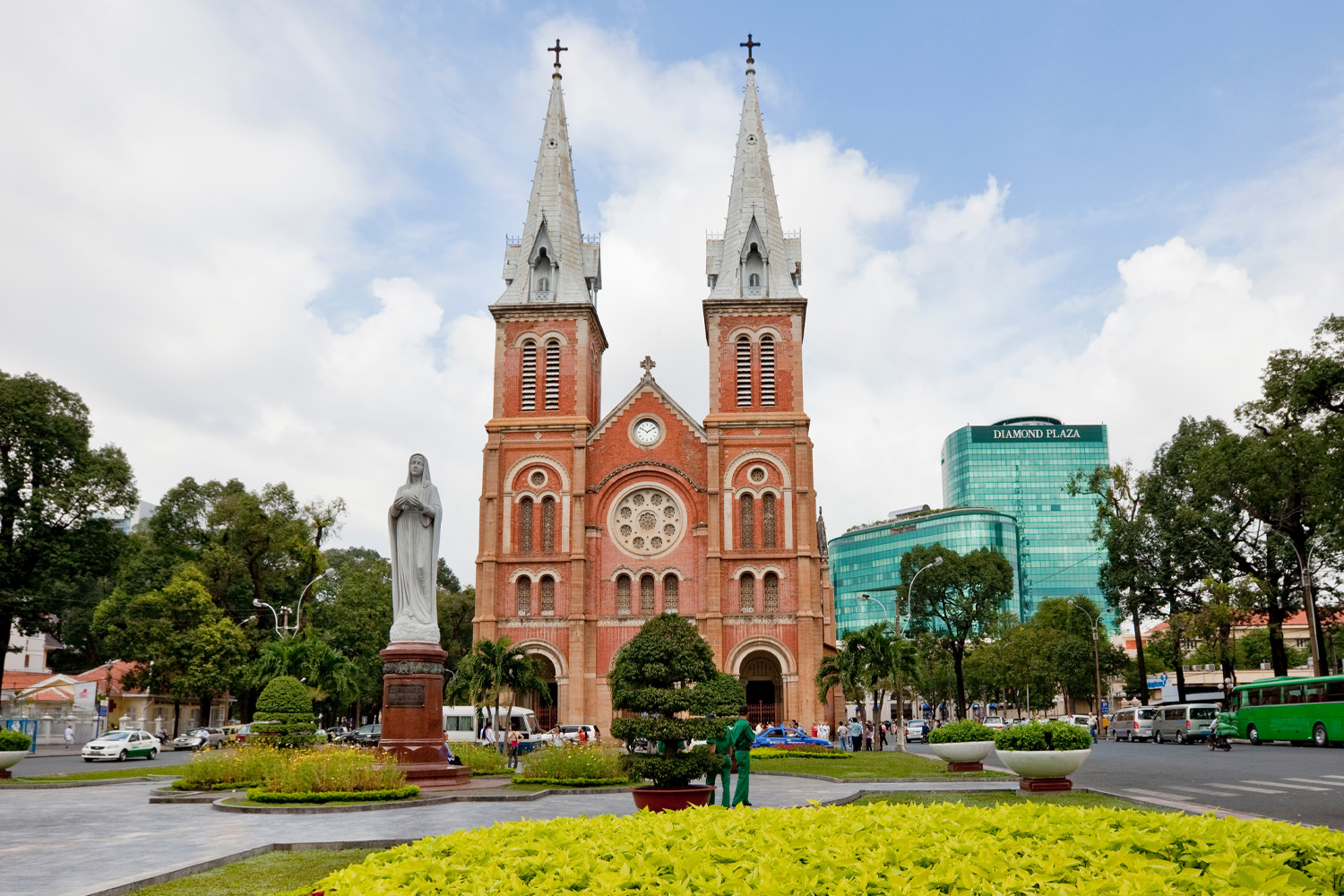
One of the biggest areas of overspending is accommodation location. Staying in the most central tourist areas often means paying significantly more for the same level of comfort.
Another common mistake is booking tours based on convenience rather than value. Last-minute bookings or hotel-arranged tours can sometimes cost more than options researched in advance.
Food can also become more expensive when travelers choose international restaurants or high-end dining experiences instead of local options.
Even transportation choices matter. Private cars, premium services, and flights between destinations increase costs compared to buses or trains.
In many cases, Vietnam is not expensive. It is simply easy to spend more without noticing.
How to actually travel Vietnam on a budget
Traveling Vietnam on a budget is still very possible with a few practical adjustments.
Eating at local restaurants or street food stalls is one of the easiest ways to reduce costs while also experiencing authentic cuisine.
Choosing accommodation slightly outside the most crowded tourist areas often provides better value without sacrificing comfort.
Planning transportation in advance can also help avoid higher last-minute prices. Using ride-hailing apps instead of taxis ensures more transparent pricing.
When booking tours, comparing options and reading reviews carefully can help find experiences that balance price and quality.
Most importantly, understanding your travel style helps control your budget. Vietnam allows flexibility, but conscious decisions make a difference.
A realistic daily budget
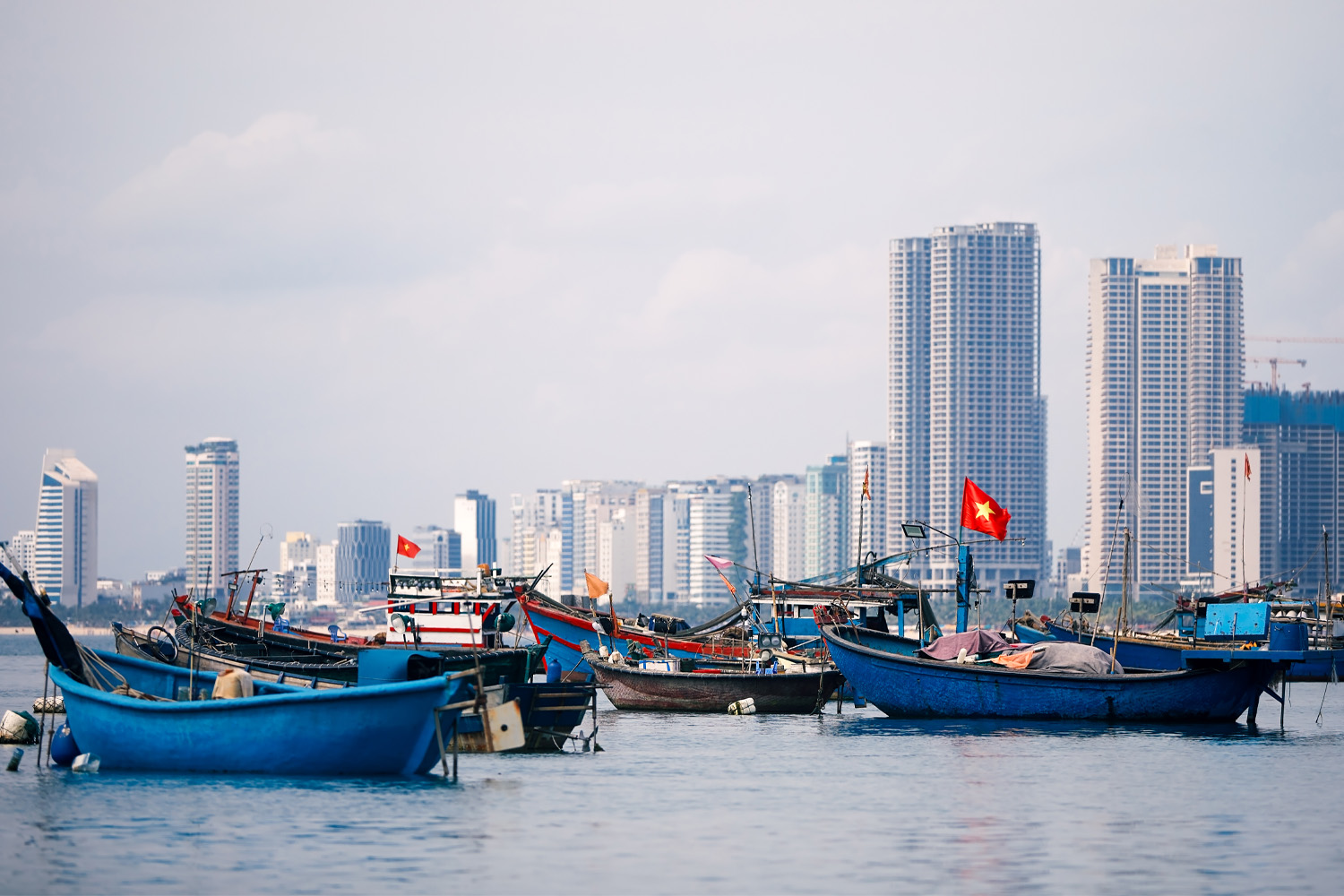
The cost of traveling in Vietnam depends greatly on your travel style.
Budget travelers who stay in hostels, eat local food, and use public transportation can spend relatively little per day.
Mid-range travelers who prefer comfortable hotels, guided tours, and restaurant dining will spend more but still find good value compared to many other countries.
Luxury travelers can enjoy high-end resorts, private tours, and premium services at lower prices than in Western destinations, but these experiences are no longer “cheap.”
Rather than thinking in terms of cheap or expensive, it is more useful to think in terms of flexibility. Vietnam allows you to adjust your budget based on your preferences.
The difference between cheap and meaningful
One important point that many travelers overlook is the difference between saving money and having a meaningful experience.
Choosing the cheapest option is not always the best choice. Some of the lowest-priced tours may feel rushed or impersonal, while slightly more expensive options can offer better quality and deeper experiences.
For example, a cheaper tour might show you the highlights quickly, while a higher-quality experience allows you to connect with local people and understand the culture more deeply.
Vietnam is a destination where spending a little more in the right places can significantly improve your experience.
Is Vietnam still worth it?
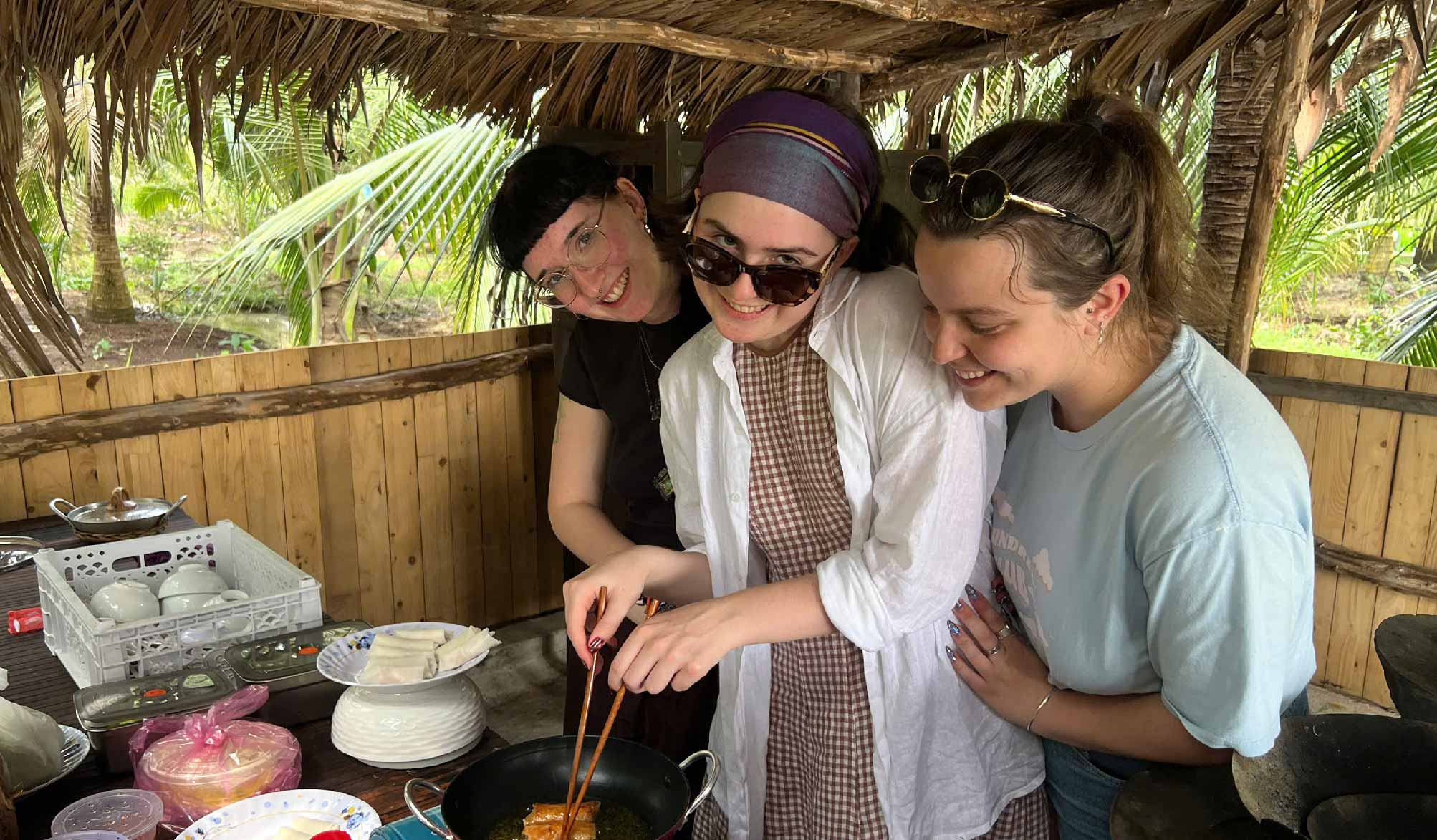
Despite the variations in pricing, Vietnam remains one of the most rewarding travel destinations in Southeast Asia.
The country offers a unique combination of culture, food, landscapes, and everyday life that is difficult to find elsewhere.
Even when costs are higher than expected in certain areas, the overall value remains strong.
Travelers often leave Vietnam feeling that they received more than what they paid for, especially when they balance their spending wisely.
Final verdict: is Vietnam cheap or not?

So, is Vietnam cheap to travel?
The answer is both yes and no.
Vietnam can be very affordable, especially for travelers who are flexible and open to local experiences. At the same time, it is not a place where everything is automatically cheap, particularly in tourist areas or for higher-end services.
The real truth is that Vietnam is not defined by low prices. It is defined by value.
It gives travelers the ability to shape their experience based on their budget, whether that means traveling simply or enjoying more comfort along the way.
Understanding this difference allows you to plan your trip more realistically and avoid disappointment.
Final thoughts
Vietnam is a country that rewards awareness.
The more you understand how things work, from pricing to local culture, the easier it becomes to navigate your trip confidently.
Instead of focusing only on how cheap it is, it is better to focus on how much value you can get from your experience.
Because in the end, the most memorable parts of traveling in Vietnam are not the prices you pay, but the moments you take with you.