
Introduction
May is one of the most misunderstood months to visit Vietnam, not because the weather is bad, but because it marks the beginning of a seasonal shift that feels very different depending on where you are in the country, which often leads travelers to assume that conditions will be difficult everywhere, even though that is not entirely true.
Vietnam stretches across multiple climate zones, which means that while one region may be entering the rainy season, another might still offer clear skies, warm sunshine, and excellent travel conditions, making May a surprisingly flexible time to explore if you understand how to plan your route properly.
For travelers who are willing to adapt their itinerary based on regional weather patterns, May can offer a more local, less crowded, and often more authentic experience compared to peak tourist months, especially as the landscapes become greener and daily life continues without the intensity of high-season tourism.
This guide will help you understand the weather in May from north to south, including temperature, rainfall, regional differences, and the best ways to plan your trip so that you can avoid common mistakes and make the most of your time.
Overview of the Vietnam weather in May
May marks the beginning of early summer across most of Vietnam, bringing warmer temperatures, rising humidity, and the first signs of the rainy season in certain regions.
Temperatures generally range between 26°C and 34°C, although in some areas, especially urban centers like Ho Chi Minh City and Hanoi, it can feel significantly hotter during midday due to humidity.
Unlike the heavy and continuous rain of later months, rainfall in May often appears as short, intense showers, usually in the late afternoon or evening, which means that much of the day remains usable for travel and outdoor activities.
This pattern creates a rhythm where mornings and early afternoons are ideal for exploring, while evenings become cooler and more refreshing after the rain passes, offering a different but equally enjoyable experience.
What the weather actually feels like day to day
Understanding Vietnam weather in May requires looking beyond simple temperature ranges, because the daily experience is shaped by a combination of heat, humidity, and short rain cycles.
Mornings are usually warm but still comfortable, especially before the humidity peaks, making this the best time for sightseeing, walking tours, or outdoor excursions.
As the day progresses, the temperature rises and the humidity becomes more noticeable, particularly in cities, where concrete surfaces and traffic can make the heat feel more intense than it actually is.
Afternoon showers often arrive suddenly, but they rarely last long, and instead of ruining the day, they tend to cool the air and create a more relaxed atmosphere for the evening.
Nights are often surprisingly pleasant, with cooler temperatures and a calmer environment, making it an ideal time to explore night markets, enjoy local food, or simply walk around without the pressure of daytime heat.
Weather differences across Vietnam
One of the most important things to understand about Vietnam weather in May is that conditions vary significantly between regions, which means your experience will depend heavily on where you go.
Northern Vietnam (Hanoi, Sapa, Ha Long Bay)
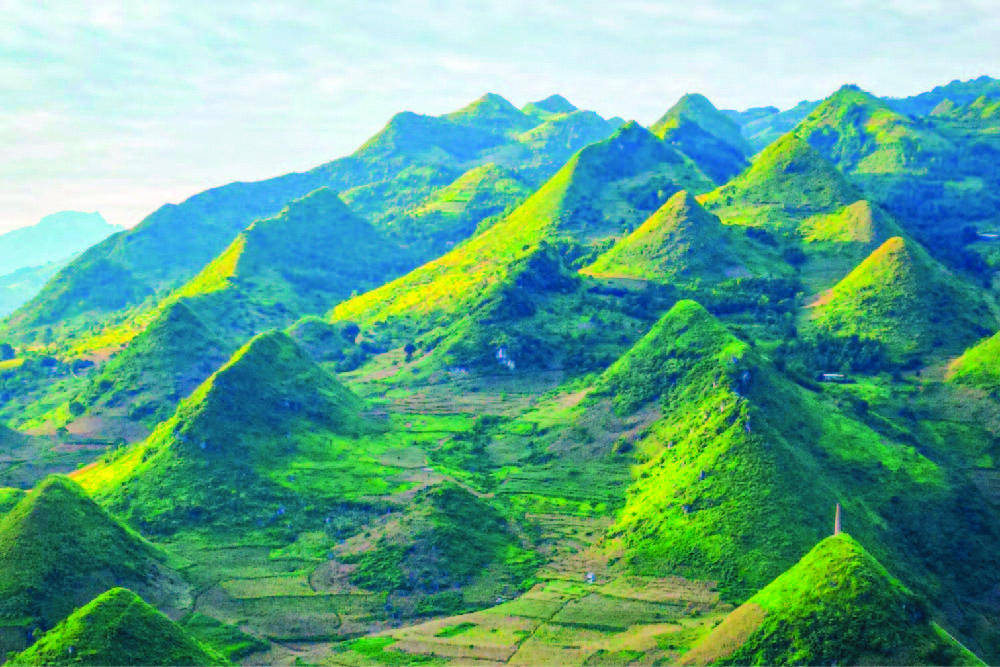
In Northern Vietnam, May brings warmer temperatures and increasing humidity, along with the early stages of the rainy season.
In Hanoi, the weather becomes noticeably hotter compared to April, with daytime temperatures often reaching above 30°C, although mornings and evenings are still manageable.
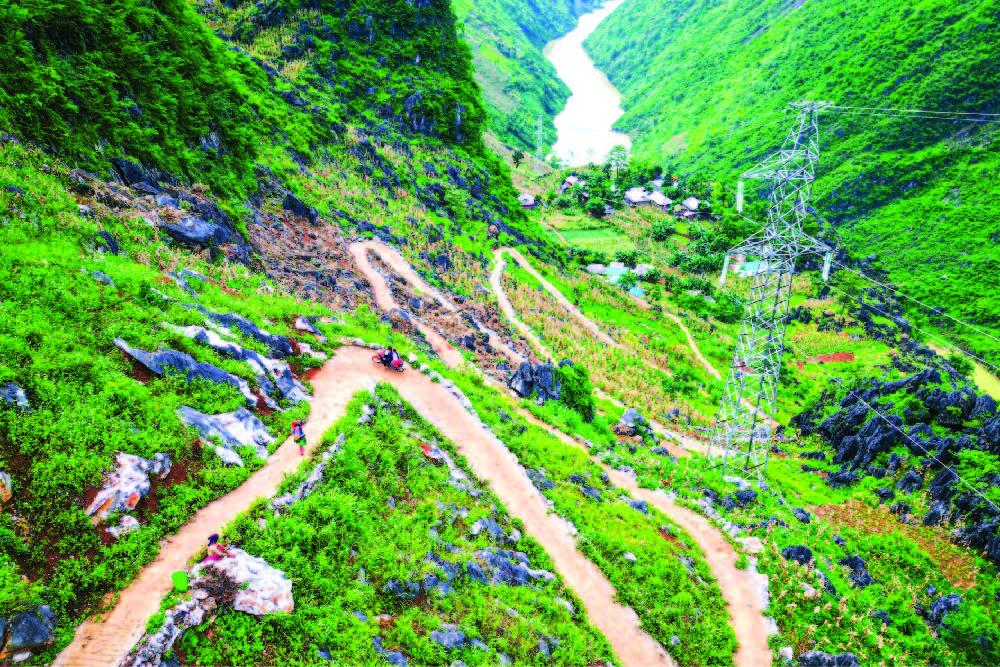
Mountain areas such as Sapa and Ha Giang remain cooler, but rain becomes more frequent, which can affect trekking conditions, especially on muddy trails.
In Ha Long Bay, the weather is warm and slightly humid, with calm seas and occasional rain, making it still a good time for cruises, especially overnight options that allow you to experience both sunny and misty conditions.
Central Vietnam (Da Nang, Hoi An, Hue)

Central Vietnam offers some of the best weather conditions in May, making it one of the most reliable regions during this time.
Cities like Da Nang and Hoi An experience hot but dry weather, with clear skies and plenty of sunshine.
Temperatures can reach 30°C to 35°C, but the coastal breeze helps reduce the intensity of the heat, especially in beach areas.
Rainfall remains low compared to other regions, which makes Central Vietnam an excellent choice if you want stable weather for outdoor activities and beach time.
Southern Vietnam (Ho Chi Minh City, Mekong Delta, Phu Quoc)

Southern Vietnam enters the rainy season in May, but this does not mean constant rain throughout the day.
In Ho Chi Minh City, you can expect hot mornings followed by short afternoon showers, which often help cool down the temperature.
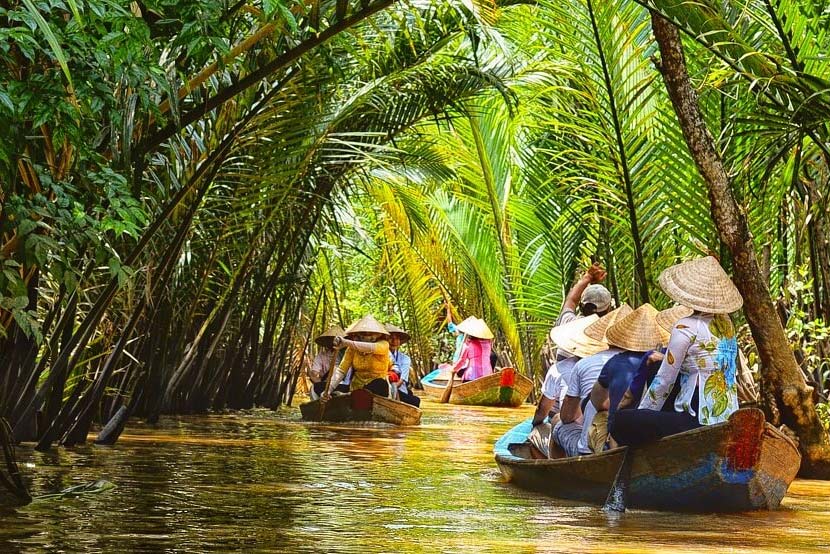
The Mekong Delta becomes greener and more vibrant during this time, as the rain supports agriculture and river life, creating a more authentic and lively environment.
In Phu Quoc, rain becomes more frequent, but it usually comes in short bursts, leaving plenty of time to enjoy the island.
Is May a good time to visit Vietnam
May is a good time to visit Vietnam if you understand how to plan your trip based on regional weather patterns rather than expecting the same conditions everywhere.
Travelers who prioritize flexibility, fewer crowds, and greener landscapes often find May to be more rewarding than peak season months.
However, those who are sensitive to heat or prefer completely dry weather may find certain regions less comfortable, particularly in the north and south.
How May changes the landscape in Vietnam
May is not just a shift in temperature, but a shift in atmosphere across Vietnam, where the country begins to move from the dryness of spring into a more humid and dynamic early summer, bringing with it a noticeable transformation in how landscapes look and feel.
In Northern Vietnam, rice fields begin to turn greener as planting season progresses, especially in mountainous regions, where terraces slowly transition from reflective water surfaces into vibrant layers of green, creating a softer and more organic visual experience compared to the structured look of earlier months.
In Central Vietnam, the landscape remains relatively stable during May, with dry conditions preserving the golden tones of beaches and countryside areas, while strong sunlight enhances the contrast between blue skies and coastal scenery, making it one of the most visually consistent regions during this time.
Southern Vietnam experiences the most visible transformation, as the arrival of rain brings life back into the environment, turning the Mekong Delta into a lush, water-rich ecosystem where vegetation becomes denser and daily life adapts to the rhythm of short but regular rainfall.
Pros and cons of visiting Vietnam in May
Pros
Vietnam in May offers fewer crowds compared to peak travel months, allowing you to explore popular destinations without feeling rushed or overwhelmed by large tour groups.
Prices for accommodation and tours can be more flexible, especially outside major holiday periods, giving travelers better value for their budget.
Landscapes become greener and more vibrant, particularly in rural areas and river regions, creating a more authentic and visually rich travel experience.
Short rain showers often help cool down the temperature, making evenings more comfortable and enjoyable.
Cons

Heat and humidity increase across most regions, especially in cities, which can make midday activities more tiring if not planned carefully.
Rain becomes more frequent in the south and gradually increases in the north, which may require flexible scheduling.
Mountain areas can experience slippery trails due to rain, making trekking more challenging in certain locations.
Beach conditions in southern islands like Phu Quoc become less predictable compared to earlier months.
Best 10 to 14 day itinerary for Vietnam in May
May is one of the best months to design a north-to-central focused itinerary while managing time in the south strategically.
Day 1–3: Hanoi
Begin your journey in Hanoi, where mornings remain suitable for exploring cultural sites, walking through the Old Quarter, and experiencing street food.
Plan activities early in the day to avoid peak heat, and use the evening for relaxed exploration.
Day 4–6: Sapa or Ha Giang
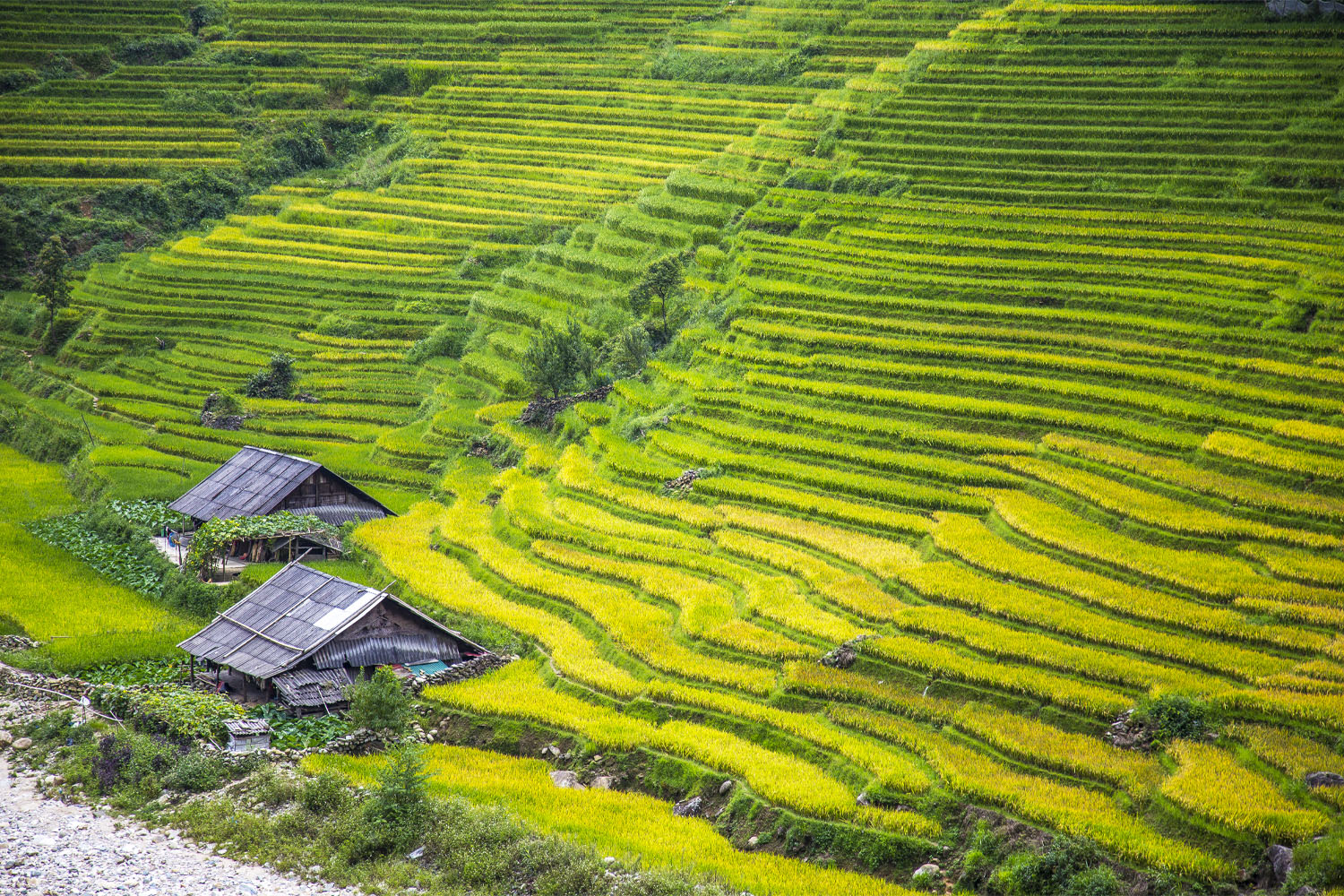
Move into the mountains for cooler air and changing landscapes.
In Sapa, you can observe early rice planting and enjoy village trekking, while Ha Giang offers a more remote and adventurous experience.
Be prepared for occasional rain and plan flexible trekking routes.
Day 7–8: Ha Long Bay or Lan Ha Bay
Continue to Ha Long Bay or Lan Ha Bay for an overnight cruise.
May conditions are still favorable for cruising, with calm waters and a mix of sunshine and light mist that adds atmosphere.
Day 9–12: Da Nang and Hoi An

Head to Central Vietnam for the most stable weather conditions.
Da Nang offers beaches and modern city experiences, while Hoi An provides cultural exploration and a slower pace.
This is one of the best parts of Vietnam in May due to low rainfall and strong sunlight.
Day 13–14: Ho Chi Minh City or Mekong Delta (optional)
End your trip in the south if time allows.
Expect short afternoon rain showers, but mornings are still productive for sightseeing or river-based experiences in the Mekong Delta.
Travel strategy for Vietnam in May

Traveling in May requires a slightly different approach compared to peak dry season months, but with the right strategy, it can become a more enjoyable and efficient experience.
Start your days early to take advantage of cooler temperatures and clearer skies, especially for outdoor activities.
Plan indoor or flexible activities during midday when heat and humidity peak.
Treat rain as part of the experience rather than a disruption, since most showers are short and predictable.
Prioritize Central Vietnam if your schedule is tight and you want the most stable weather.
April vs May: what changes and why it matters
Compared to April, May feels warmer, more humid, and slightly less predictable, especially in the north and south.
Rain begins to appear more regularly, although it rarely dominates the entire day.
Landscapes shift from transitional tones to stronger greens, particularly in agricultural and rural areas.
Travel becomes less about perfect conditions and more about timing and flexibility.
Who should travel to Vietnam in May
May is ideal for travelers who value flexibility and are comfortable adapting their plans based on weather conditions.
It suits those who prefer fewer crowds, better prices, and a more local atmosphere rather than peak tourist experiences.
Photographers often appreciate May for its dynamic lighting and changing landscapes, even if conditions are less predictable.
However, travelers who prefer completely dry weather or dislike humidity may find April or earlier months more comfortable.
Common travel mistakes in May
One of the biggest mistakes travelers make is assuming that rain in May means constant bad weather, which is rarely the case.
Another mistake is planning outdoor activities during midday instead of adjusting the schedule to mornings and late afternoons.
Some travelers also underestimate humidity, which can affect energy levels more than temperature alone.
Finally, many visitors fail to adjust their itinerary by region, which can lead to missed opportunities for better weather conditions elsewhere in the country.
Final thoughts on Vietnam weather in May
Vietnam in May is not defined by perfect weather, but by its balance between change and opportunity, where each region offers a slightly different experience that can be combined into a diverse and rewarding journey.
It is a month where you begin to see the country in motion, with landscapes becoming greener, daily life adapting to seasonal rhythms, and travel slowing down just enough to feel more real and less curated.
For travelers who understand how to plan around the weather rather than against it, May can offer a deeper, more authentic experience that goes beyond the expectations of a typical trip.
And in many ways, that is exactly what makes it worth considering.