Introduction
When most travelers think about Ho Chi Minh City, they imagine a fast-moving, modern city filled with motorbikes, skyscrapers, and energy that never seems to slow down, but beneath that surface lies a much quieter layer, one that has been shaping the identity of Saigon for centuries through faith, rituals, and deeply rooted spiritual traditions.
The spiritual history of Ho Chi Minh City is not defined by a single religion or belief system, but rather by a complex blend of influences, where Buddhism, Taoism, Confucianism, and local folk beliefs exist side by side, often within the same temple, creating a cultural landscape that feels both layered and deeply human.
To understand this city beyond its modern image, you have to step into its sacred spaces, because it is inside temples, pagodas, and community shrines where the real rhythm of Saigon slows down, allowing you to see how people connect with something beyond daily life.
The roots of spirituality in Saigon
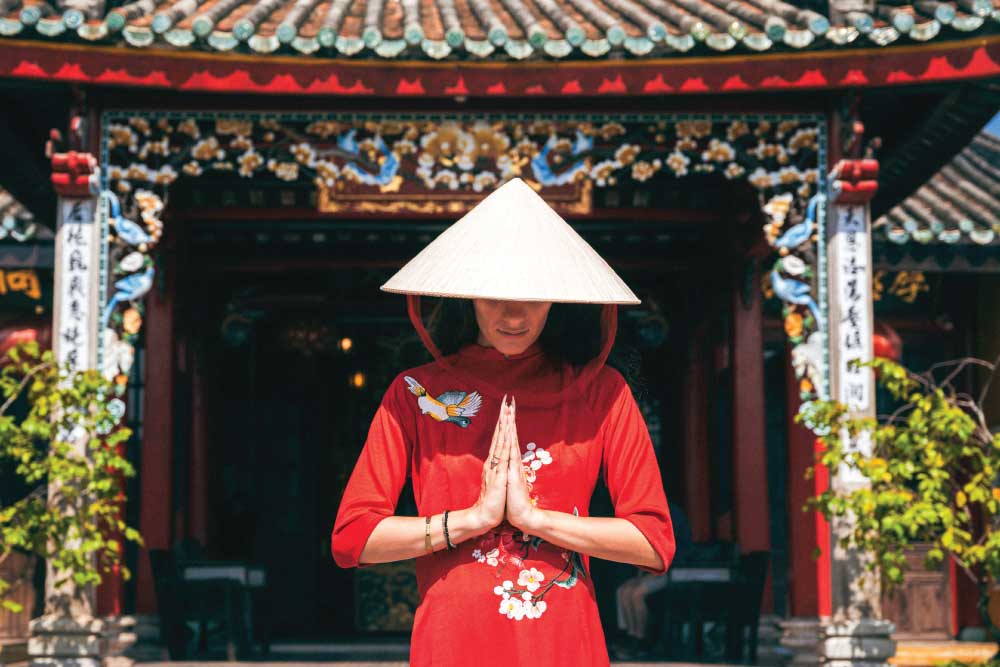
Long before it became a modern metropolis, Saigon was a trading hub influenced by waves of migration, particularly from southern China, which played a major role in shaping the spiritual identity of the city, especially in areas like Cho Lon, where Chinese communities brought their beliefs, deities, and temple traditions.
These early settlers did not separate religion from daily life, and instead, spirituality became part of everything, from business decisions to family rituals, which is why temples in Saigon often feel less like isolated religious spaces and more like extensions of the community itself.
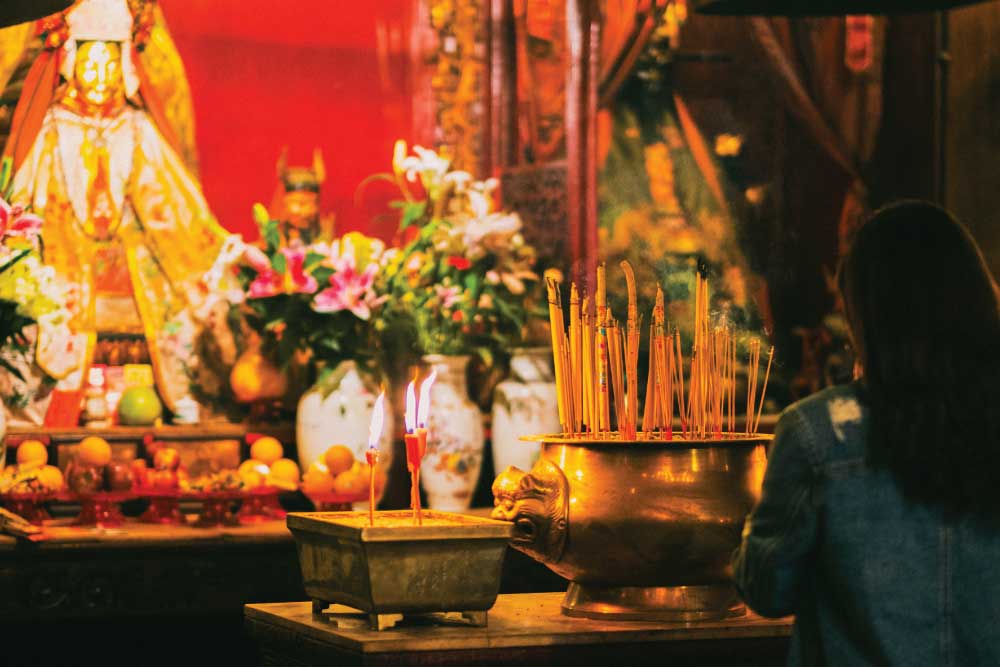
Over time, Vietnamese traditions blended with Chinese influences, creating a unique spiritual culture where you can find Buddhist statues next to Taoist gods, and where incense rituals carry meanings that go beyond any single religion.
Temples as living cultural spaces
One of the most important things to understand about the spiritual history of Ho Chi Minh City is that its temples are not just historical landmarks, but active spaces that continue to serve the community every day.
Unlike museums or preserved sites, temples here are alive with movement, filled with people who come to pray, reflect, or simply find a moment of calm in a city that rarely pauses.
At places like Jade Emperor Pagoda, visitors often notice the thick smoke of incense filling the air, the quiet murmurs of prayers, and the constant flow of locals coming in and out, each with their own intention, whether it is for health, love, success, or peace of mind.
This constant interaction between people and place is what gives these temples their unique energy, making them feel deeply personal rather than purely symbolic.
Jade Emperor Pagoda (Phuoc Hai Tu)
Jade Emperor Pagoda
Address: 73 Mai Thi Luu Street, Da Kao Ward, District 1, Ho Chi Minh City
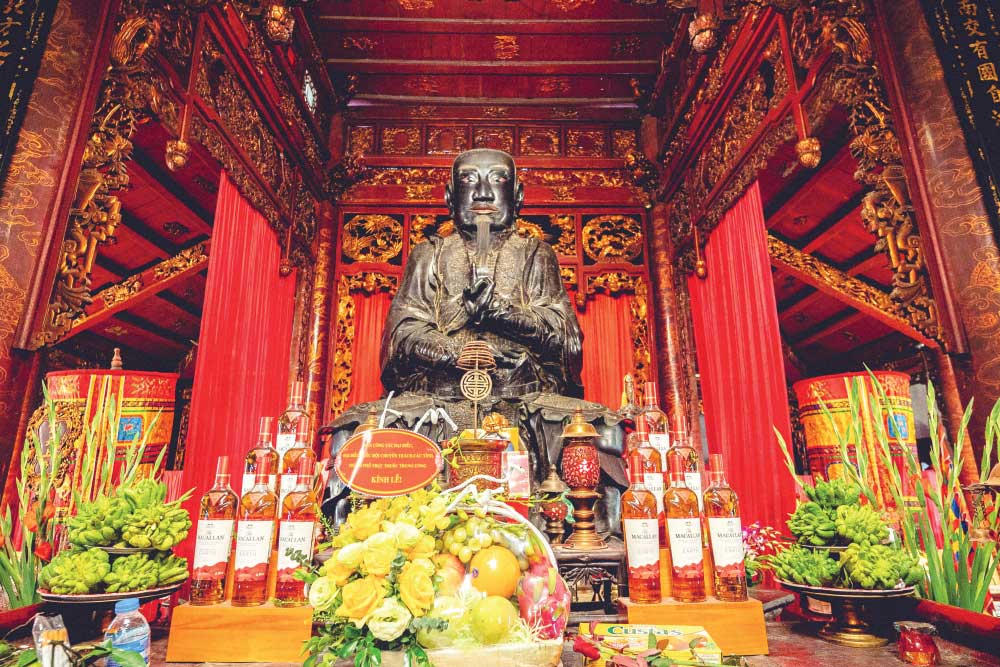
One of the most iconic and spiritually active temples in the city, Jade Emperor Pagoda is known for its dense atmosphere filled with incense smoke, intricate statues, and deeply symbolic spaces that represent different aspects of life, from birth and fertility to protection and justice.
Locals come here to pray for love, health, and children, while visitors are often drawn to its mysterious interior, where layers of carvings and figures create a sense of depth that feels almost overwhelming at first, but slowly becomes more meaningful as you observe the details.
Thien Hau Temple (Ba Thien Hau)
Thien Hau Temple
Address: 710 Nguyen Trai Street, Ward 11, District 5, Ho Chi Minh City
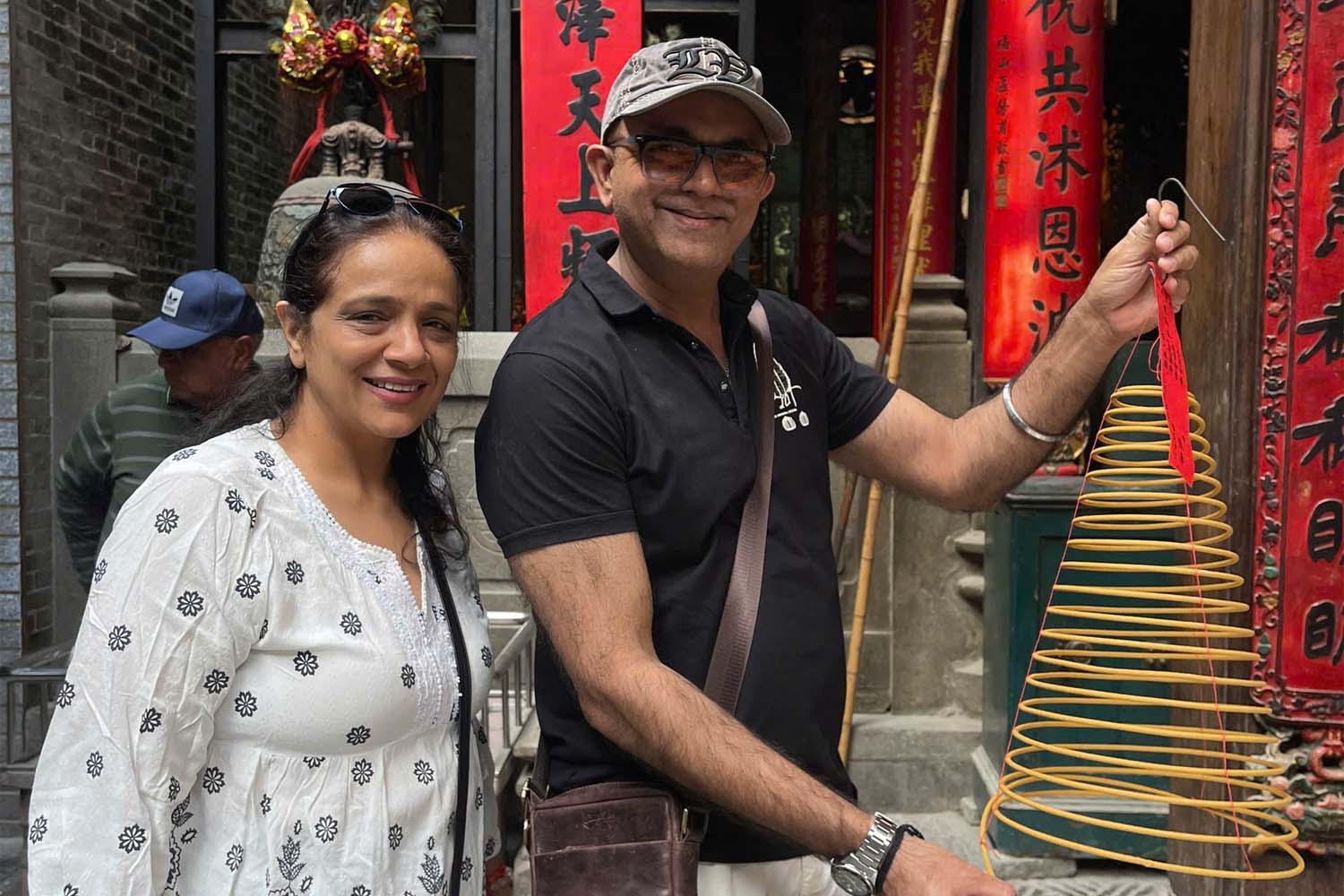
Located in Cho Lon, this temple reflects the strong influence of Chinese heritage in Saigon, dedicated to Thien Hau, the sea goddess who protects travelers and seafarers.
The most striking feature is the ceiling filled with large hanging incense coils, each one representing a prayer that continues to burn over time, creating a quiet yet powerful atmosphere where belief feels continuous rather than momentary.
Giac Lam Pagoda
Giac Lam Pagoda
Address: 565 Lac Long Quan Street, Ward 10, Tan Binh District, Ho Chi Minh City
As the oldest pagoda in Ho Chi Minh City, Giac Lam offers a completely different experience compared to the more crowded temples, with open courtyards, traditional wooden architecture, and a sense of calm that reflects its long history.
It is a place where spirituality feels quieter and more reflective, allowing visitors to slow down and observe how Buddhist practices are integrated into daily life without the intensity of busier urban temples.
Vinh Nghiem Pagoda
Vinh Nghiem Pagoda
Address: 339 Nam Ky Khoi Nghia Street, Ward 7, District 3, Ho Chi Minh City
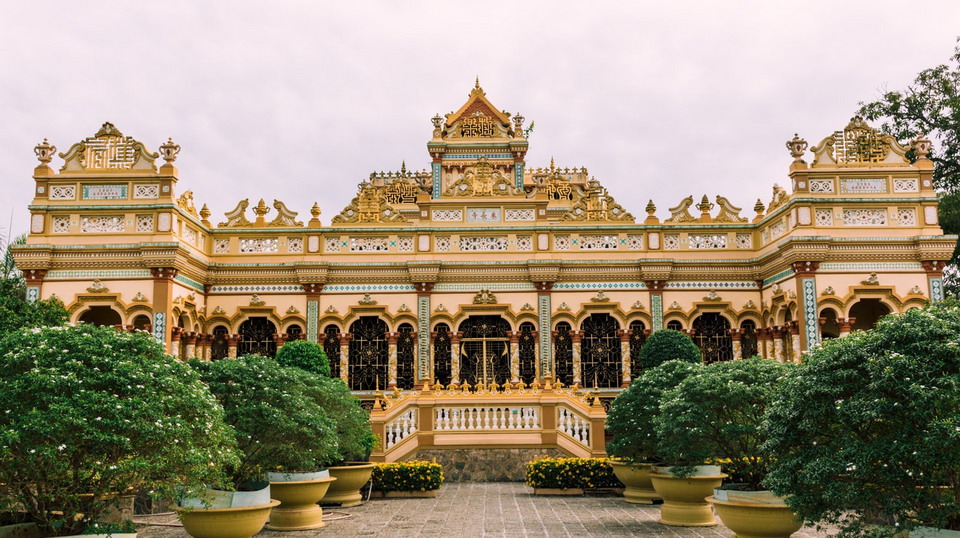
Vinh Nghiem Pagoda represents a more modern expression of Vietnamese Buddhism, with larger open spaces, clean architectural lines, and a structure that reflects how spiritual life continues to evolve in a rapidly growing city.
Despite its modern feel, the pagoda remains an important place for worship and reflection, especially for younger generations who connect with spirituality in a more contemporary setting.
Why visiting multiple temples matters
Each temple in Ho Chi Minh City represents a different layer of the city’s spiritual identity, shaped by history, migration, and cultural exchange, and visiting more than one allows you to see how these influences come together rather than exist separately.
From the smoky, symbolic interiors of Jade Emperor Pagoda to the community-driven atmosphere of Thien Hau Temple and the quiet reflection of Giac Lam, the experience becomes less about checking off locations and more about understanding how spirituality lives within the city itself.
The role of Chinese temples in shaping Saigon’s spirituality
The influence of Chinese spiritual traditions is particularly visible in Cho Lon, where temples like Thien Hau Temple reflect centuries of cultural exchange and adaptation.
Dedicated to Thien Hau, the sea goddess who protects sailors and travelers, the temple represents not only faith but also the history of migration and survival, as many early settlers relied on her protection during dangerous journeys across the sea.
Inside these temples, you will often see large hanging incense coils, burning slowly over days or even weeks, symbolizing ongoing prayers that extend beyond a single moment, reflecting a belief system that values continuity and connection over time.
These details, while small at first glance, reveal how spirituality in Saigon is deeply tied to daily life, where rituals are not occasional events but part of a continuous relationship between people and the unseen.
Buddhism and the Vietnamese spiritual identity
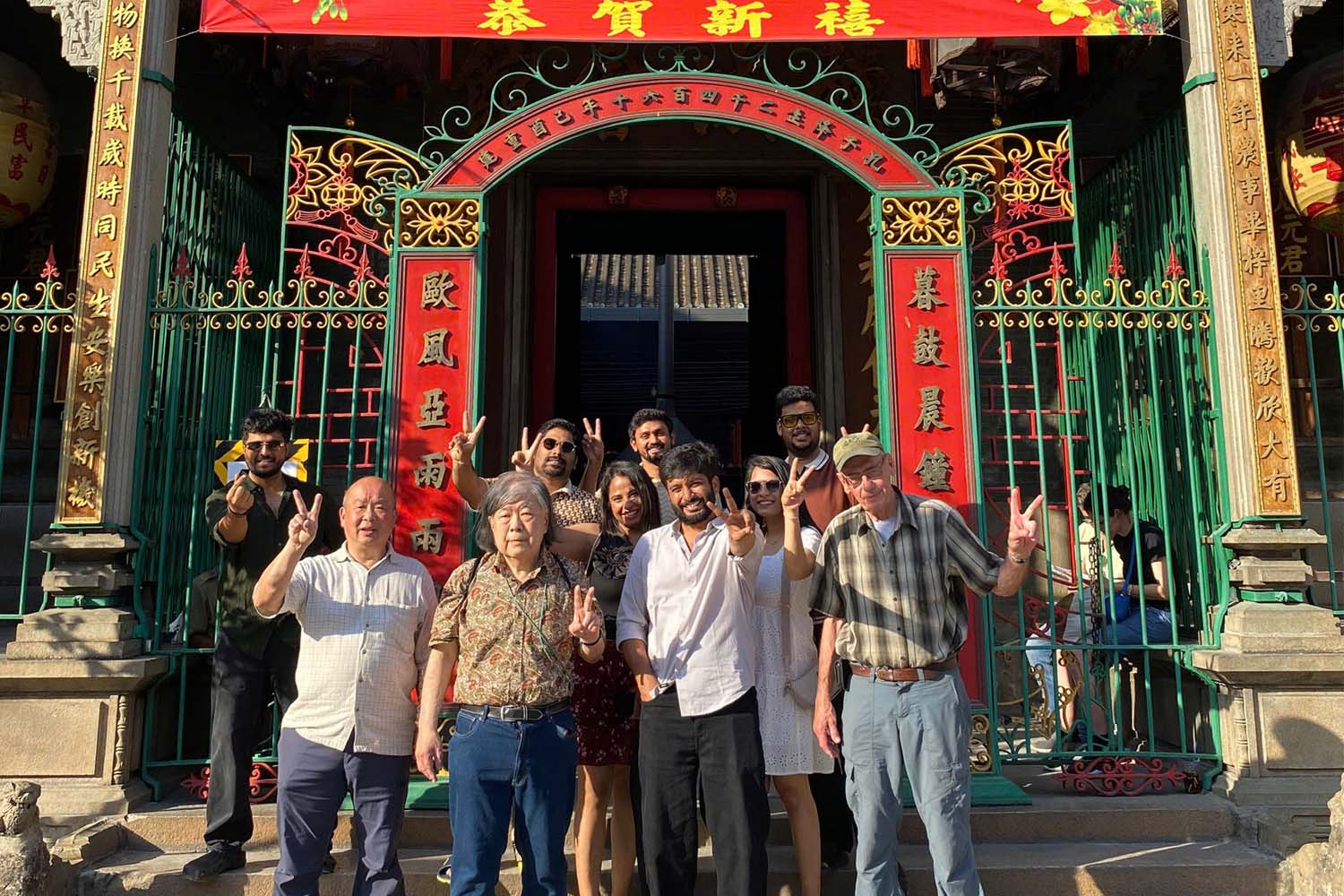
While Chinese influences are strong, Vietnamese Buddhism also plays a central role in shaping the spiritual landscape of Ho Chi Minh City, particularly in older pagodas such as Giac Lam Pagoda, which stands as one of the oldest religious sites in the city.
Here, the atmosphere feels different from the busier temples in Cho Lon, with more open space, softer lighting, and a stronger sense of quiet reflection, offering insight into how Buddhism in Vietnam often emphasizes inner balance and mindfulness.
Buddhism in Saigon is not just about religious practice, but about a way of living, influencing how people think about karma, family, and the cycle of life, which explains why many locals visit pagodas regularly, even if they do not identify as strictly religious.
Folk beliefs and everyday spirituality
Beyond organized religion, the spiritual history of Ho Chi Minh City is also shaped by folk beliefs that are woven into everyday life, often in ways that visitors might not immediately notice.
Small altars can be found in homes, shops, and even on sidewalks, where offerings are made to ancestors or local spirits, reflecting a belief system that values respect for both the past and the unseen forces that influence the present.
These practices may seem simple, but they play an important role in how people navigate daily challenges, make decisions, and maintain a sense of balance in a rapidly changing environment.
Why spirituality still matters in a modern city
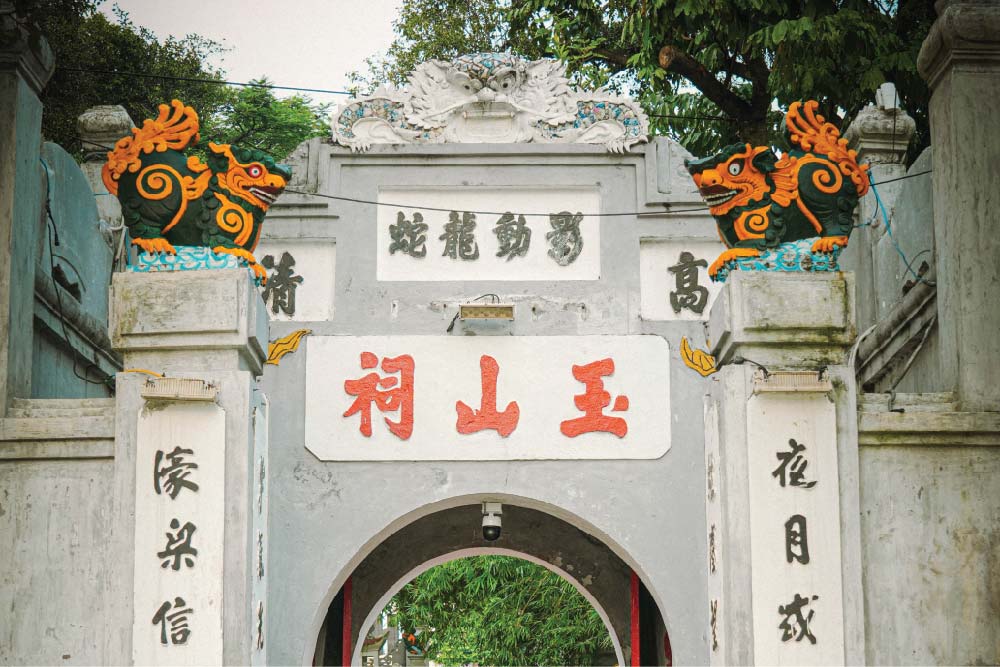
In a city that is constantly growing and evolving, spirituality provides a sense of continuity, connecting the present to the past and offering a space where people can step away from the pace of modern life.
Temples are not separate from the city’s development, but coexist with it, creating a contrast that defines the character of Ho Chi Minh City itself, where tradition and modernity are not in conflict, but in conversation.
For many locals, visiting a temple is not about religion in a strict sense, but about finding a moment of clarity, expressing gratitude, or seeking guidance, which explains why these spaces remain relevant even as the city changes.
How travelers can experience the spiritual side of Ho Chi Minh City
For travelers, exploring the spiritual history of Ho Chi Minh City is not about visiting as many temples as possible, but about slowing down and observing how these spaces function within the rhythm of daily life.
Taking time to watch how people pray, how incense is offered, and how quiet moments unfold can reveal more about the culture than any guidebook explanation, because these small details reflect values that are not always spoken but deeply understood.
Joining a guided experience that focuses on storytelling rather than just sightseeing can also help bring these spaces to life, connecting history, belief, and personal experience into a more meaningful understanding of the city.
Final thoughts on the spiritual history of Ho Chi Minh City
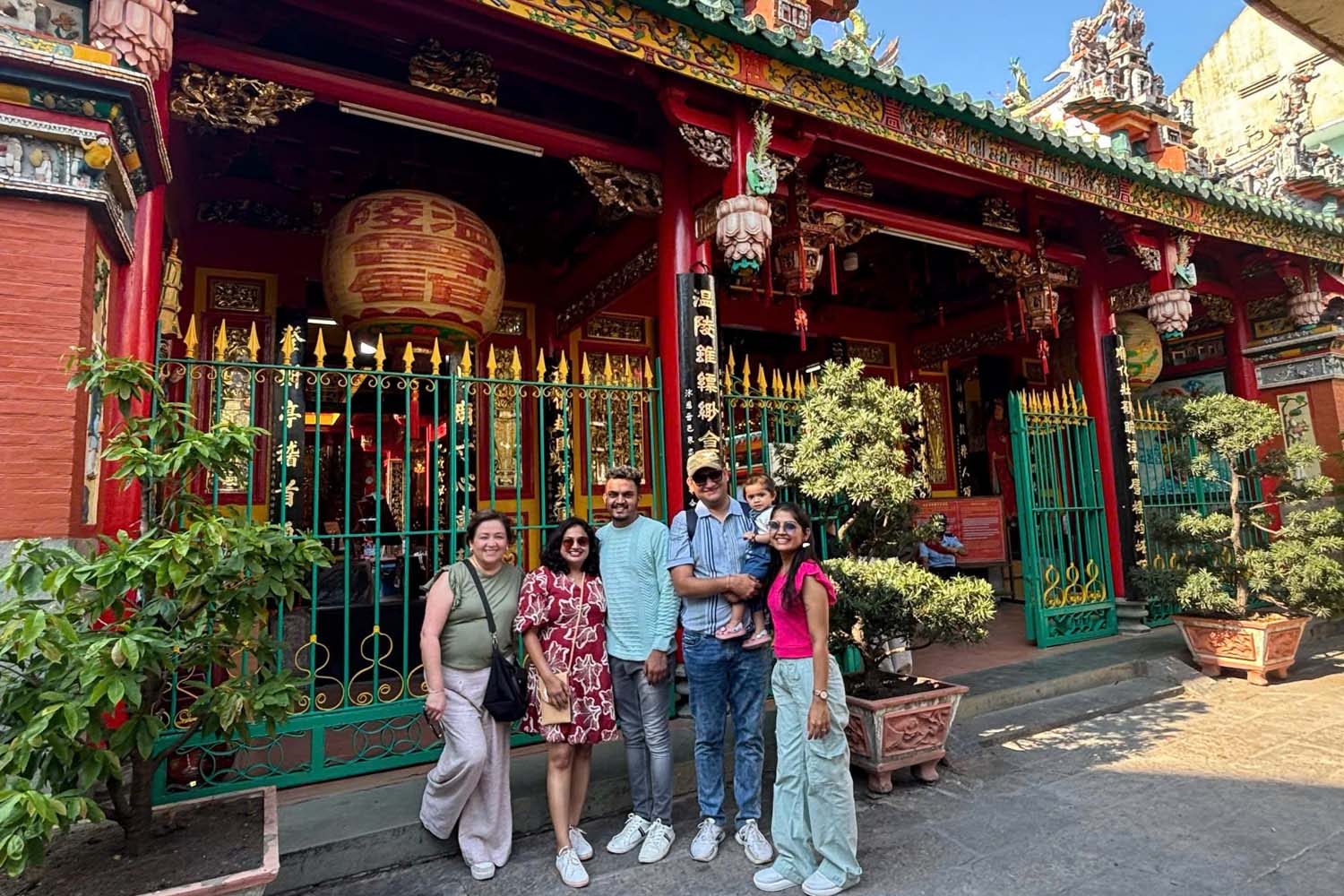
The spiritual history of Ho Chi Minh City is not something that exists only in the past, but something that continues to evolve alongside the city itself, shaping how people live, think, and connect with the world around them.
It is found not only in grand temples and historic pagodas, but in everyday rituals, quiet moments, and the invisible connections that tie people to their beliefs.
For those willing to look beyond the surface, Saigon reveals itself not just as a city of movement and energy, but as a place where tradition, faith, and daily life are deeply intertwined, creating a richer and more meaningful experience for anyone who takes the time to understand it.