Northwest Vietnam is one of the most fascinating yet less understood regions of the country. While many travelers focus on popular destinations, the northwest offers a completely different perspective, shaped by mountains, ethnic diversity, and a slower, more grounded way of life.
This region is not about convenience or fast travel. It is about space, atmosphere, and connection. The landscapes feel larger, the pace feels slower, and the experience becomes less about checking places off a list and more about understanding what makes this part of Vietnam unique.
For first-time visitors, exploring northwest Vietnam often becomes one of the most memorable parts of their journey.
Where is northwest Vietnam and why it feels different
Northwest Vietnam generally includes provinces such as Lao Cai, Ha Giang, Son La, and Dien Bien.
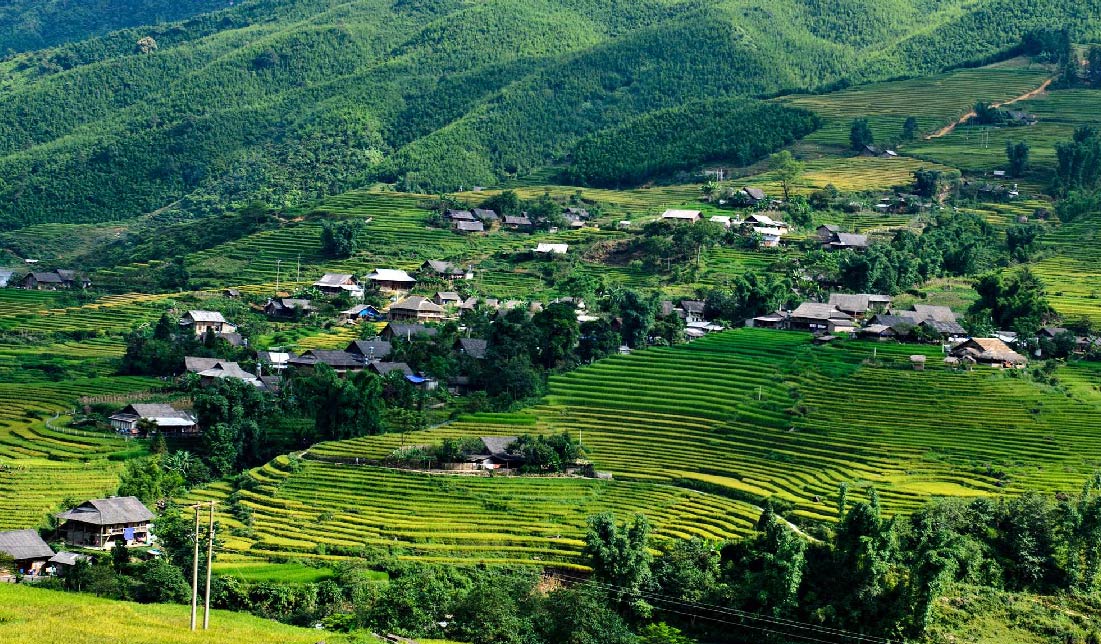
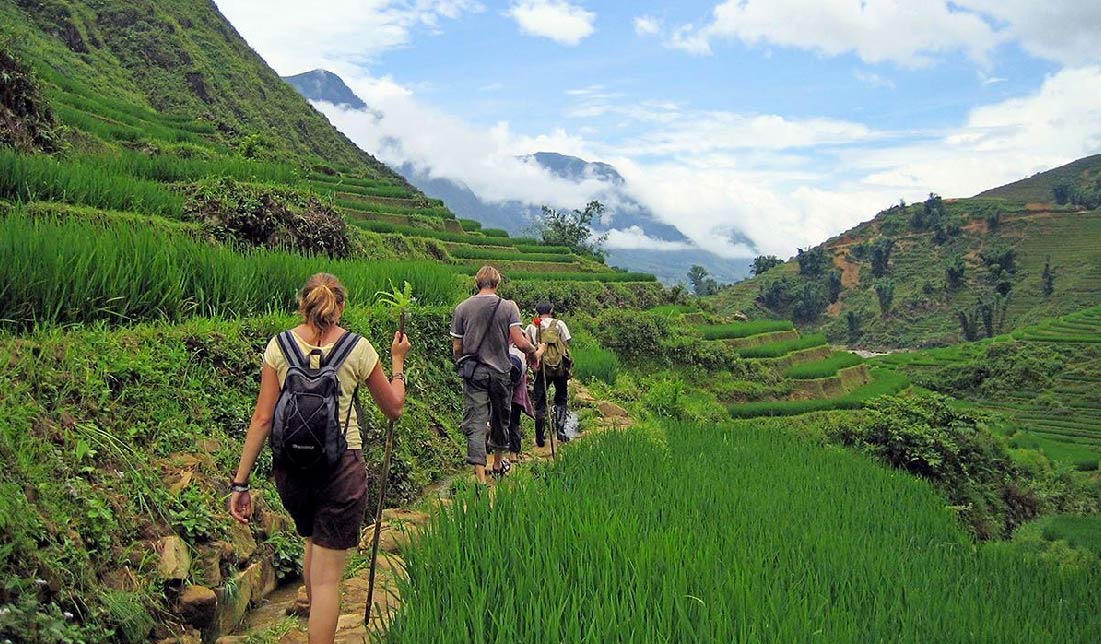
Unlike the lowlands or coastal regions, this area is dominated by mountains. Roads wind through valleys, rice terraces follow the shape of hillsides, and villages are often separated by distance rather than connected by dense infrastructure.
This geography creates a different kind of travel experience.
You are not moving quickly from one attraction to another. You are moving through landscapes that gradually change, revealing new perspectives along the way.
The beauty of terraced rice fields
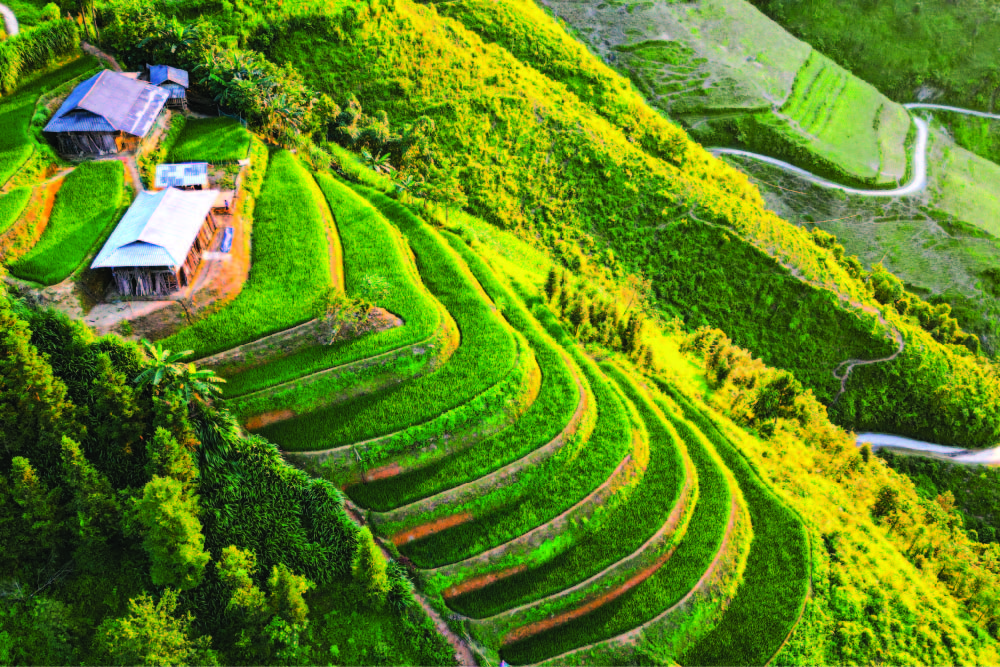
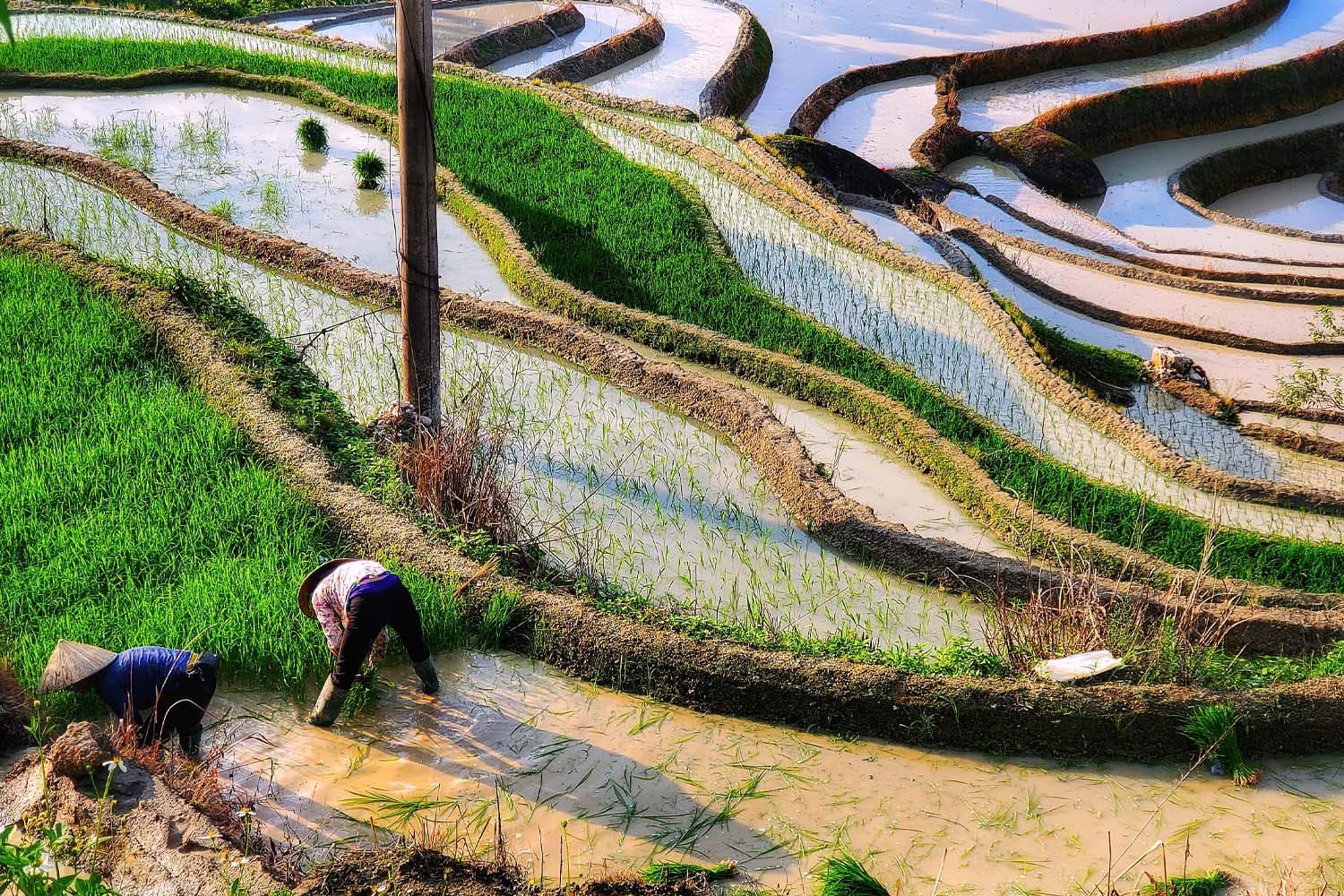
One of the most iconic images of northwest Vietnam is its terraced rice fields.
These fields are not only visually impressive, but also deeply connected to the way people live. They are built by ethnic communities over generations, shaping the mountains into layers that follow natural contours.
In places like Sa Pa or Mu Cang Chai, these terraces become the defining feature of the landscape.
Depending on the season, they change completely.
During planting season, they reflect the sky like mirrors. As rice grows, they turn vibrant green. During harvest, they shift into golden tones.
This constant transformation makes each visit feel different.
Ethnic diversity and cultural identity
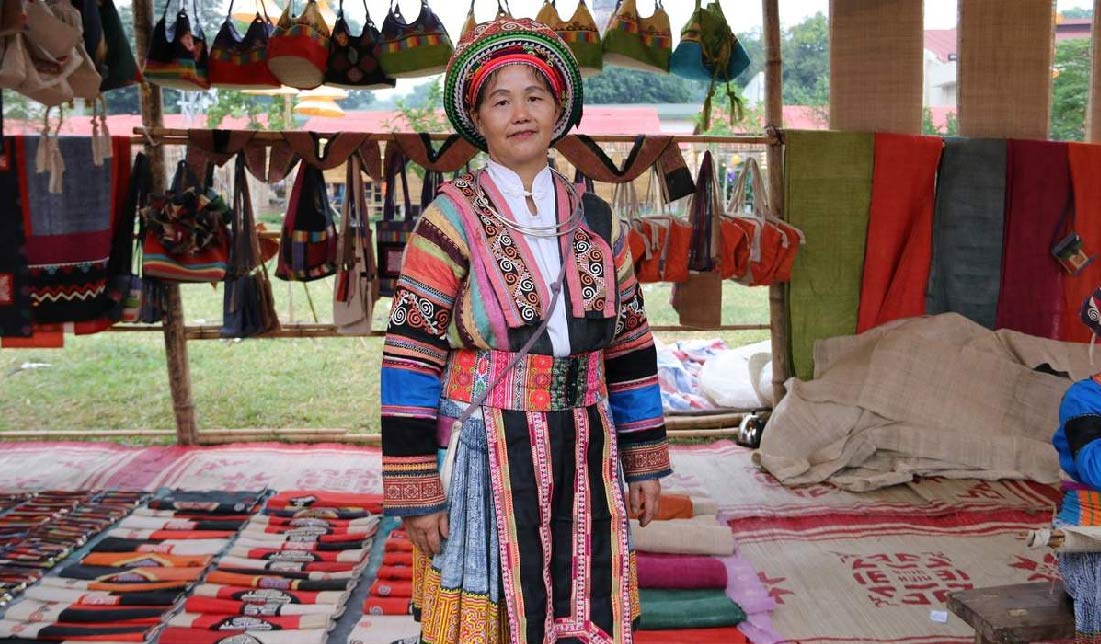
Northwest Vietnam is home to many ethnic minority groups, including the Hmong, Dao, Tay, and Thai communities.
Each group has its own traditions, clothing, language, and way of life.
Walking through villages in the region reveals this diversity. You may see traditional houses built from wood, people wearing handmade clothing, and daily routines that are closely tied to agriculture.
Unlike more urbanized areas, these cultural elements are not preserved for tourism.
They are part of everyday life.
For travelers, this creates a more authentic experience, but also requires respect and awareness when visiting these communities.
Markets as cultural gathering points
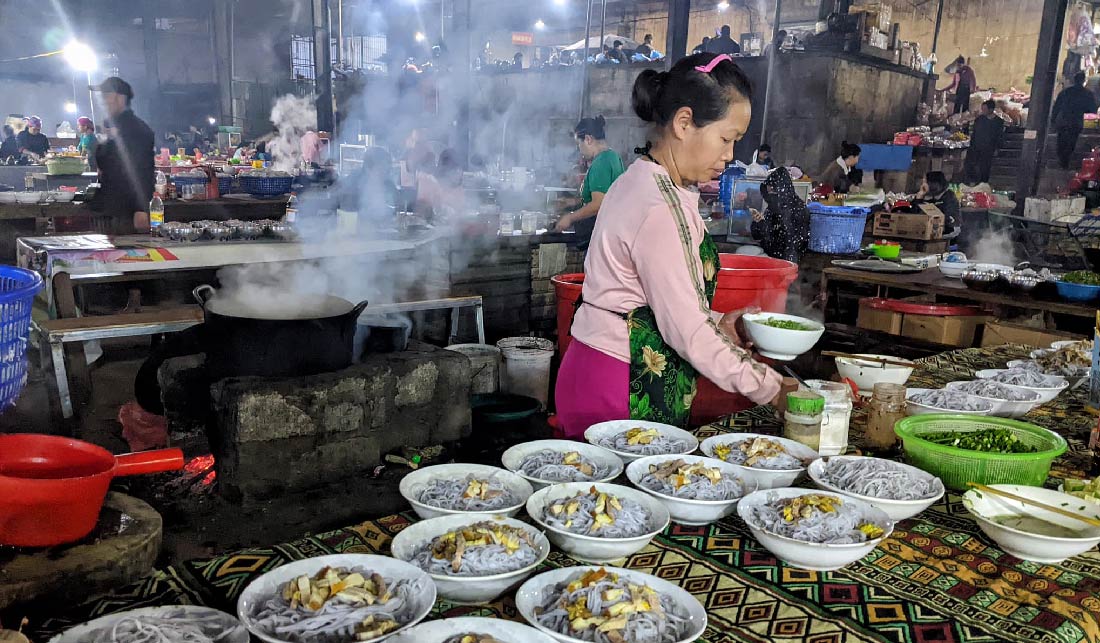
Local markets in northwest Vietnam are more than places to buy and sell goods.
They are social spaces where people from different villages gather, often traveling long distances to meet.
Markets such as Bac Ha or Dong Van are known for their vibrant atmosphere. People arrive early in the morning, wearing traditional clothing, bringing products from their farms or homes.
The experience is not only about shopping.
It is about observing interactions, understanding how communities connect, and seeing how traditions continue in a modern context.
The Ha Giang loop: a journey, not a destination
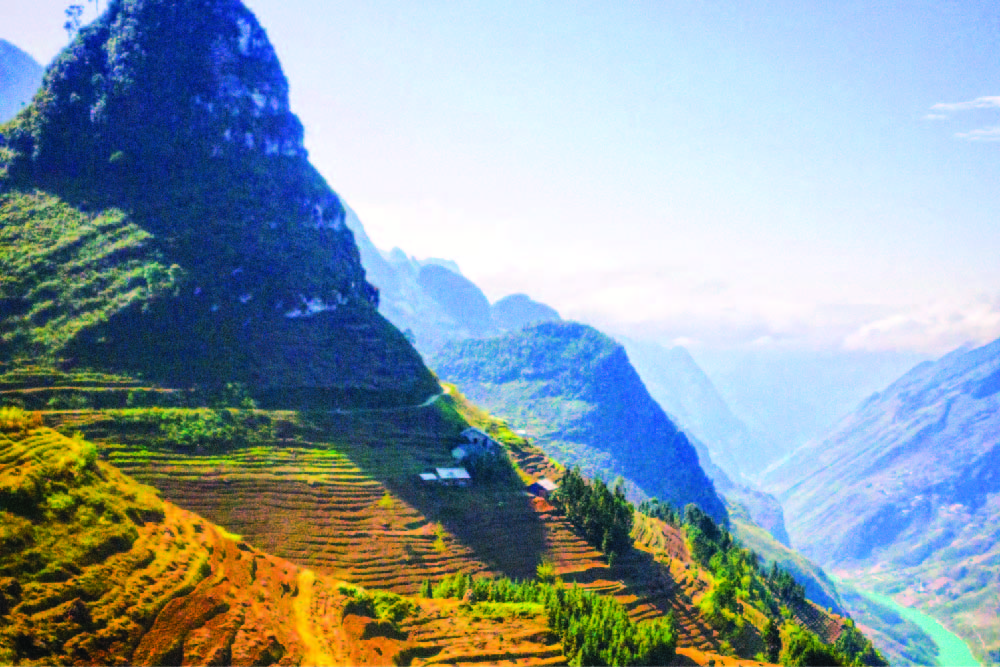
One of the most well-known travel routes in northwest Vietnam is the Ha Giang Loop.
Unlike a single destination, the Ha Giang Loop is a multi-day journey through mountain passes, valleys, and remote villages.
The roads themselves become part of the experience.
Views change constantly, from deep valleys to high mountain ridges. Small stops along the way reveal local life, from roadside cafés to quiet villages.
Traveling the loop is not about reaching a final point.
It is about experiencing the journey itself.
A slower pace of life
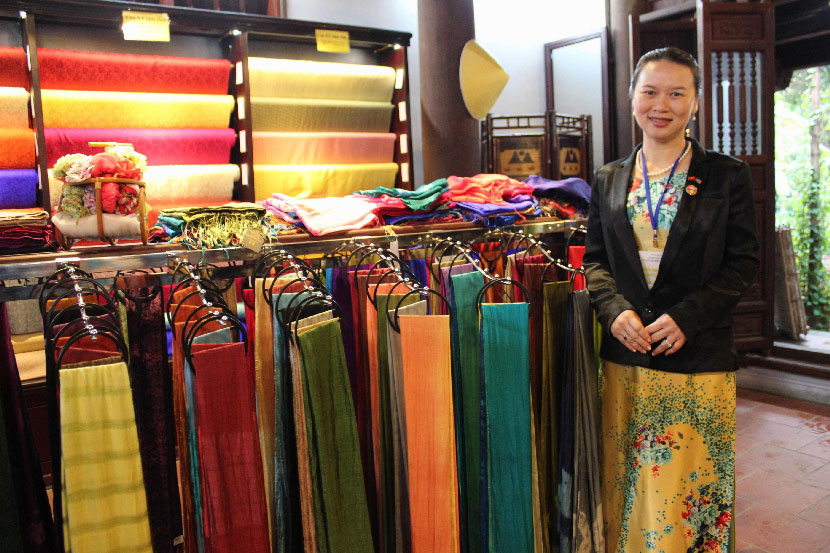
One of the most noticeable differences in northwest Vietnam is the pace of life.
Compared to cities like Hanoi, everything feels slower.
People work according to natural cycles, especially in agriculture. Daily routines follow the rhythm of daylight, weather, and seasonal changes.
For travelers, this slower pace can feel unfamiliar at first.
There are fewer structured activities, fewer attractions designed specifically for tourists, and more time between experiences.
But this is also what makes the region special.
It allows you to observe, reflect, and connect with the environment in a deeper way.
Weather and seasonal changes
Weather in northwest Vietnam varies significantly depending on the time of year.
Spring brings mild temperatures and blooming landscapes. Summer introduces greener scenery but also higher humidity. Autumn is often considered the most visually striking season, with golden rice fields during harvest.
Winter can be cold, especially in higher-altitude areas like Sa Pa, where temperatures drop and mist becomes more common.
Each season offers a different experience.
Understanding this helps travelers choose the right time to visit based on what they want to see.
Why northwest Vietnam is not for everyone
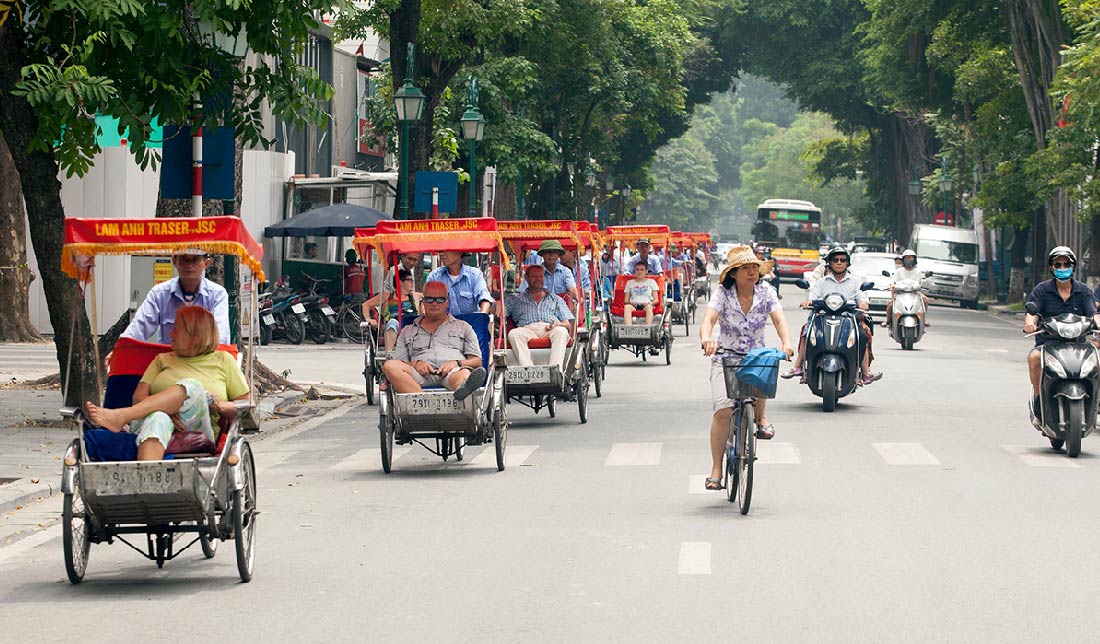
While the region is beautiful, it is not the easiest part of Vietnam to travel.
Distances can be long, roads can be challenging, and infrastructure is less developed compared to major tourist areas.
This means that travel requires more time, flexibility, and patience.
However, for those willing to adapt, the rewards are significant.
The experience feels less commercial and more personal.
The difference between visiting and experiencing
Traveling in northwest Vietnam highlights an important difference.
You can visit the region, or you can experience it.
Visiting means seeing the landscapes, taking photos, and moving on.
Experiencing means staying longer, interacting with local people, and understanding how life works in these environments.
The second approach creates a much deeper connection.
Dien Bien: history and identity
Dien Bien holds a unique place in Vietnam’s history.
The region is most well known for the Battle of Dien Bien Phu, a defining moment that shaped the country’s modern identity. Visiting the area provides insight into this history through museums, monuments, and preserved sites.
However, beyond its historical significance, Dien Bien also reflects the everyday life of a remote province.
Wide valleys, agricultural land, and small communities create a landscape that feels open and grounded. The combination of history and daily life makes Dien Bien an important part of understanding northwest Vietnam.
Moc Chau: a softer landscape
In contrast to the rugged mountains found in other parts of the region, Moc Chau offers a softer, more gentle landscape.
Rolling hills, tea plantations, and flower fields create a different visual experience. The area is known for its fresh air and agricultural production, particularly tea and dairy products.
Moc Chau is often seen as more accessible compared to other northwest destinations. Roads are easier, and the environment feels less extreme.
For travelers who want to experience the northwest without challenging terrain, Moc Chau provides a balanced introduction.
Son La: connecting landscapes and cultures
Son La sits between major destinations, acting as a connection point within the region.
While it may not be as widely known, Son La offers a mix of landscapes and cultural experiences. Mountains, valleys, and ethnic communities all come together here.
Traveling through Son La often feels like moving between different worlds, where each area has its own character.
For those exploring the northwest more deeply, Son La becomes part of the journey rather than a separate destination.
Food culture of northwest Vietnam
Food in northwest Vietnam reflects both the environment and the communities that live there.
Unlike urban cuisine, which is influenced by multiple regions, food here is more localized and connected to available ingredients.
Dishes often include mountain herbs, grilled meats, sticky rice, and preserved foods. Cooking methods are simple but effective, focusing on natural flavors rather than complex preparation.
Meals are often shared, emphasizing community rather than individual portions.
For travelers, trying local food becomes an important way to understand the region.
The experience of staying in local homes
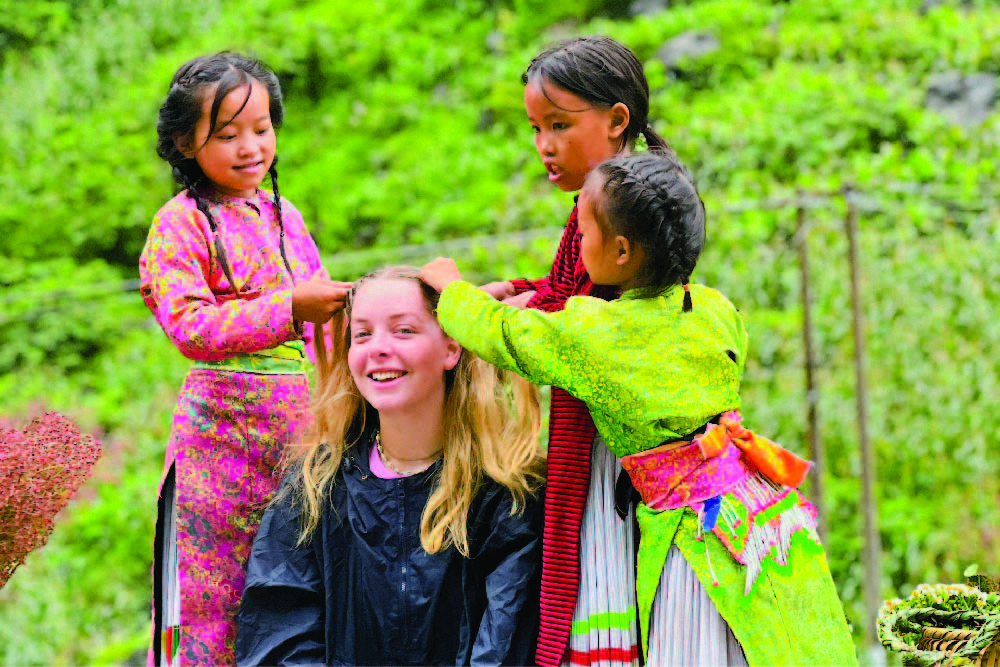
One of the most meaningful ways to experience northwest Vietnam is through homestays.
Staying in a local home allows travelers to see daily life more closely. Meals are shared, routines are observed, and interactions feel more personal.
This type of experience is different from staying in hotels.
It requires openness and respect, but it also provides insight that cannot be gained in other ways.
For many travelers, these moments become the most memorable part of the journey.
Travel challenges and how to prepare
Traveling in northwest Vietnam requires preparation.
Road conditions can vary, and travel times are often longer than expected. Weather can also change quickly, especially in mountainous areas.
Planning routes carefully and allowing extra time helps avoid unnecessary stress.
Choosing the right transportation is also important. Some travelers prefer motorbike journeys for flexibility, while others choose private cars for comfort and safety.
Understanding these challenges helps create a smoother experience.
Common mistakes travelers make

One of the most common mistakes is trying to rush through the region.
Because distances are long, attempting to visit too many places in a short time often leads to fatigue.
Another mistake is underestimating the physical aspect of travel. Trekking, long drives, and changing weather conditions require energy and preparation.
Some travelers also focus only on scenery and miss cultural experiences.
Balancing landscapes with local interactions creates a more complete journey.
Suggested itineraries for northwest Vietnam
For those visiting the region for the first time, structuring your itinerary carefully is important.
A shorter trip of 3 to 4 days might focus on Sa Pa or nearby areas.
A 5 to 7 day journey could include Ha Giang or a combination of multiple destinations, allowing for a more immersive experience.
Longer trips provide the opportunity to explore deeper into provinces such as Dien Bien or Son La.
The key is to match your itinerary with your travel style.
Northwest Vietnam is best experienced slowly.
Why the journey matters more than the destination
One of the defining characteristics of northwest Vietnam is that the journey itself becomes the highlight.
Roads wind through landscapes that change constantly. Views appear unexpectedly, and small stops along the way reveal local life.
Unlike destinations where you arrive and explore, here you experience the region while moving through it.
This creates a different kind of travel memory.
Instead of remembering a single place, you remember the entire journey.
The emotional impact of the region
Traveling in northwest Vietnam often leaves a lasting impression.
The scale of the landscape, the diversity of cultures, and the slower pace of life create a sense of distance from everyday routines.
For many travelers, this experience feels grounding.
It offers a chance to step away from structured schedules and reconnect with a simpler rhythm.
This emotional impact is part of what makes the region unique.
Final thoughts on northwest Vietnam
Northwest Vietnam is not a destination for quick travel.
It requires time, patience, and a willingness to adapt.
But for those who approach it with the right mindset, it offers one of the most rewarding experiences in the country.
From terraced fields and mountain roads to local communities and cultural traditions, every part of the journey contributes to a deeper understanding of Vietnam.
Final conclusion
Exploring northwest Vietnam is not about seeing the most famous places.
It is about experiencing a different side of the country.
A side shaped by mountains, traditions, and a rhythm of life that feels both slower and more connected.
For travelers willing to go beyond the usual routes, northwest Vietnam offers something rare.
An experience that is not only memorable, but meaningful.