
Northern Vietnam is one of the most diverse and visually stunning regions in Southeast Asia. Travelers who explore this part of the country quickly discover a landscape filled with dramatic mountains, ancient cities, peaceful rice terraces, and unique cultural traditions.
From the historic streets of Hanoi to the limestone islands of Ha Long Bay, northern Vietnam offers an incredible variety of destinations within a relatively short distance.
For visitors planning their itinerary, understanding which places are worth visiting can help create a memorable journey. Each destination in northern Vietnam offers a different experience, whether you are interested in cultural exploration, scenic landscapes, trekking adventures, or relaxing boat trips.
Here are some of the best places for travelers to explore in northern Vietnam.
Hanoi
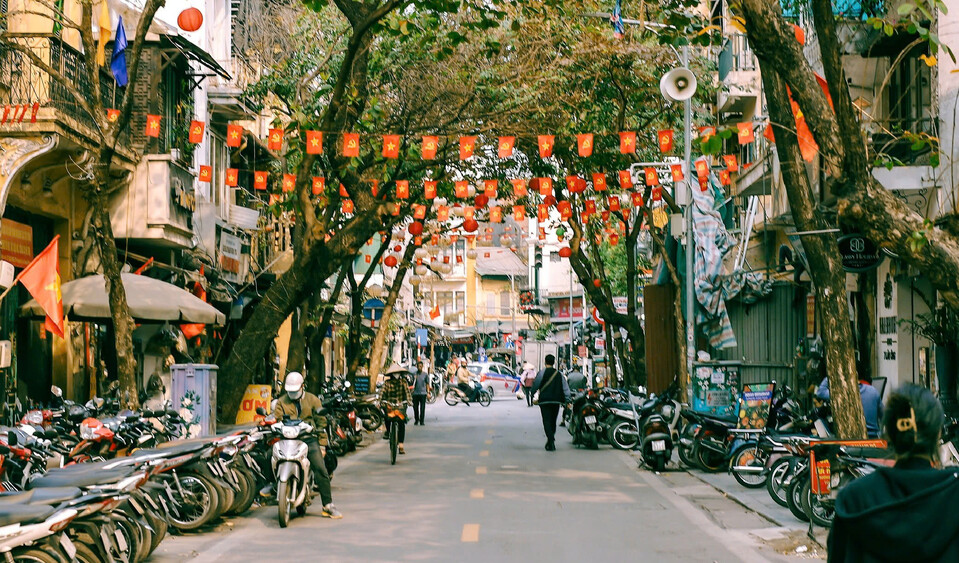
Hanoi is often the starting point for travelers arriving in northern Vietnam. The capital city combines centuries of history with modern urban energy, creating a fascinating environment for exploration.
The Old Quarter is one of the most popular areas for visitors. Its narrow streets are filled with traditional shop houses, street food stalls, and small cafés that give the neighborhood its lively atmosphere.
A walk around Hoan Kiem Lake provides a glimpse into everyday life in the city. Early mornings are especially interesting as locals gather to exercise, practice tai chi, and socialize around the lake.
Hanoi is also home to historical landmarks such as Temple of Literature, Vietnam’s first national university, where visitors can explore traditional architecture and peaceful gardens.
For many travelers, Hanoi serves as both a cultural destination and a gateway to the rest of northern Vietnam.
Ha Long Bay
One of the most famous natural wonders in Vietnam is Ha Long Bay. Located several hours from Hanoi, this UNESCO World Heritage Site features thousands of limestone islands rising from emerald green waters.
Boat cruises through the bay allow visitors to explore hidden caves, quiet lagoons, and floating fishing villages. Many travelers choose overnight cruises to fully experience the scenery and peaceful atmosphere of the bay.
Activities in Ha Long Bay often include kayaking, swimming, and visiting limestone caves formed over millions of years.
The dramatic landscape makes Ha Long Bay one of the most photographed destinations in Vietnam.
Sapa
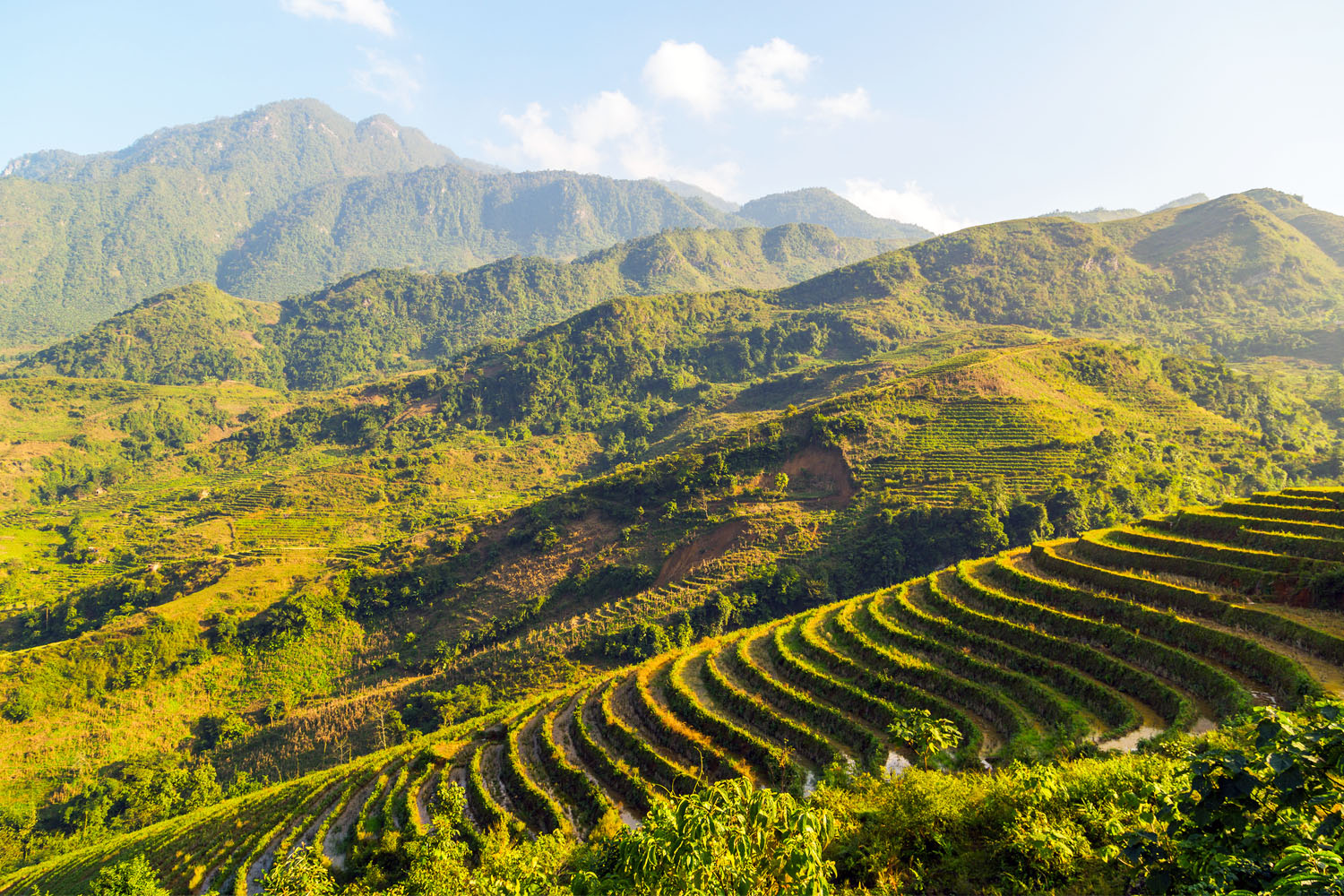
For travelers interested in mountains and trekking, Sa Pa offers one of the most scenic regions in northern Vietnam.
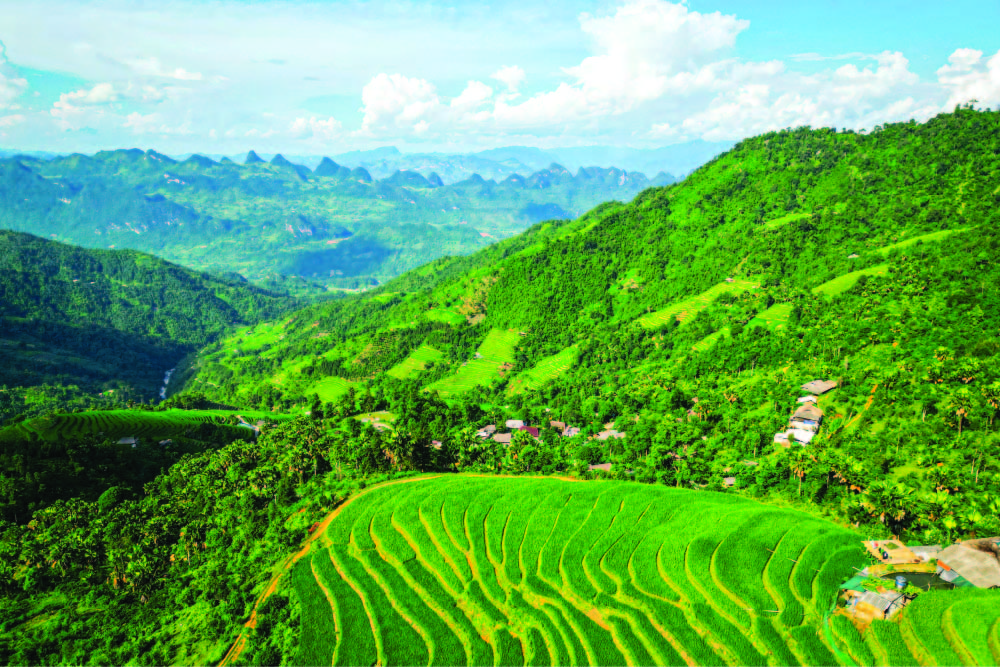
Located near the Chinese border, Sapa is famous for its terraced rice fields that cover the surrounding hillsides. These terraces create stunning patterns across the mountains, especially during the growing season.
Many visitors come to Sapa for trekking experiences through local villages. Ethnic minority communities such as the Hmong and Dao live in the area and maintain traditional lifestyles connected to the land.
Cooler temperatures in the mountains also provide a refreshing contrast to the warmer cities below.
Ninh Binh
Often called “Ha Long Bay on land,” Ninh Binh offers breathtaking scenery made up of limestone mountains, rivers, and rice fields.
One of the most popular activities in Ninh Binh is taking a small boat ride through the Tam Coc or Trang An landscape complex. Boats glide through winding rivers that pass beneath limestone caves and between towering cliffs.
Cycling through the countryside is another favorite activity. Quiet village roads pass through rice fields and small communities where visitors can experience a slower pace of life.
Ninh Binh is also home to historical sites such as Hoa Lu, the ancient capital of Vietnam during the 10th century.
Ha Giang
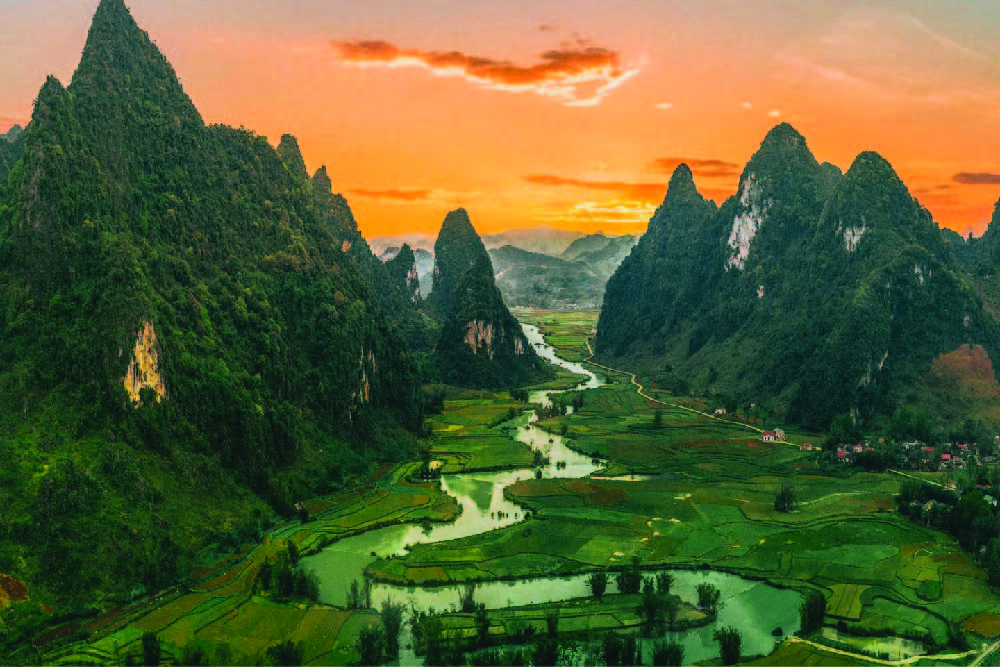
For adventurous travelers, Ha Giang offers one of the most spectacular landscapes in Vietnam.
The region is known for the famous Ha Giang Loop, a motorbike route that winds through mountain passes, deep valleys, and remote villages. The scenery along this route includes dramatic limestone formations and panoramic viewpoints.
Unlike some of the more popular destinations in Vietnam, Ha Giang remains relatively untouched by mass tourism. Visitors who explore the region often feel as though they are discovering a hidden part of the country.
Local markets, ethnic communities, and traditional agriculture make the cultural experience just as fascinating as the scenery.
Mai Chau
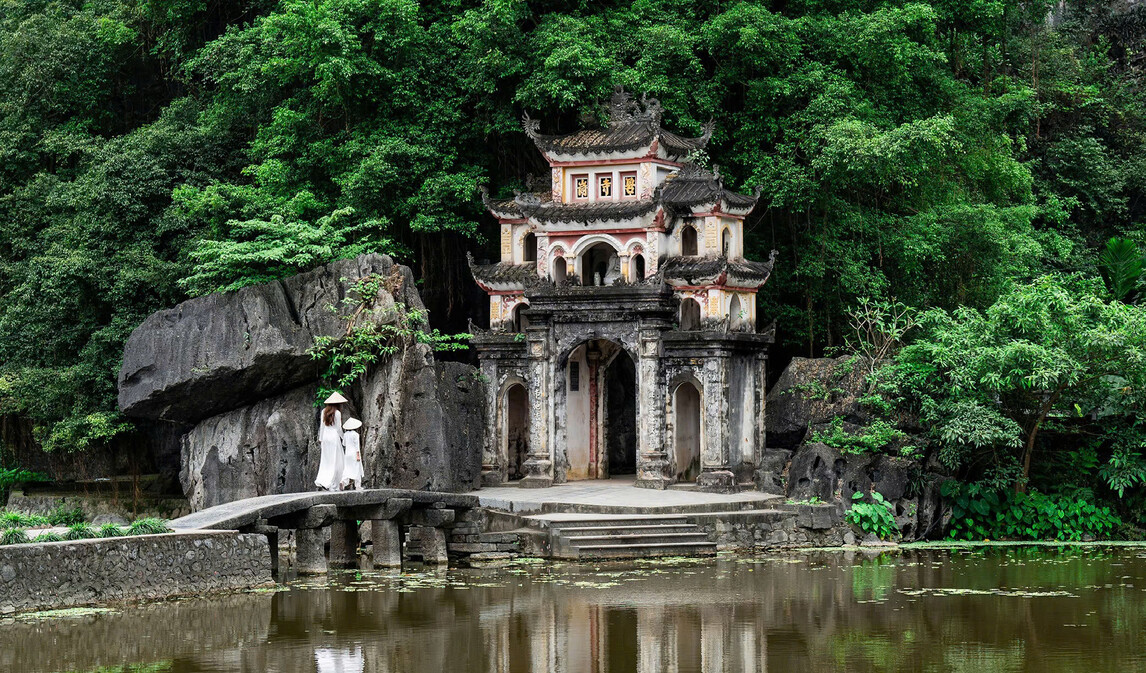
Mai Chau provides a peaceful escape from the busy streets of Hanoi.
Located in a green valley surrounded by mountains, this small region is known for its traditional stilt houses and rural landscapes. Travelers often stay in homestays where local families host visitors and prepare traditional meals.
Cycling through rice fields and visiting small villages allows visitors to experience the countryside in a relaxed way.
Mai Chau is particularly appealing for travelers looking for a quiet destination close to Hanoi.
Ban Gioc waterfall
One of the most spectacular natural attractions in northern Vietnam is Ban Gioc Waterfall.
Located near the border between Vietnam and China, this waterfall is among the largest in Southeast Asia. The powerful cascades stretch across multiple tiers, creating a breathtaking scene surrounded by limestone mountains and lush greenery.
Unlike many other waterfalls that can only be viewed from a distance, visitors at Ban Gioc can get surprisingly close to the falling water. Small bamboo rafts allow travelers to approach the base of the falls, offering dramatic views and an immersive experience.
Because Ban Gioc sits in a relatively remote region, the journey there feels like an adventure. The surrounding countryside features winding mountain roads, quiet villages, and scenic rice fields that make the trip just as rewarding as the destination itself.
Cao Bang
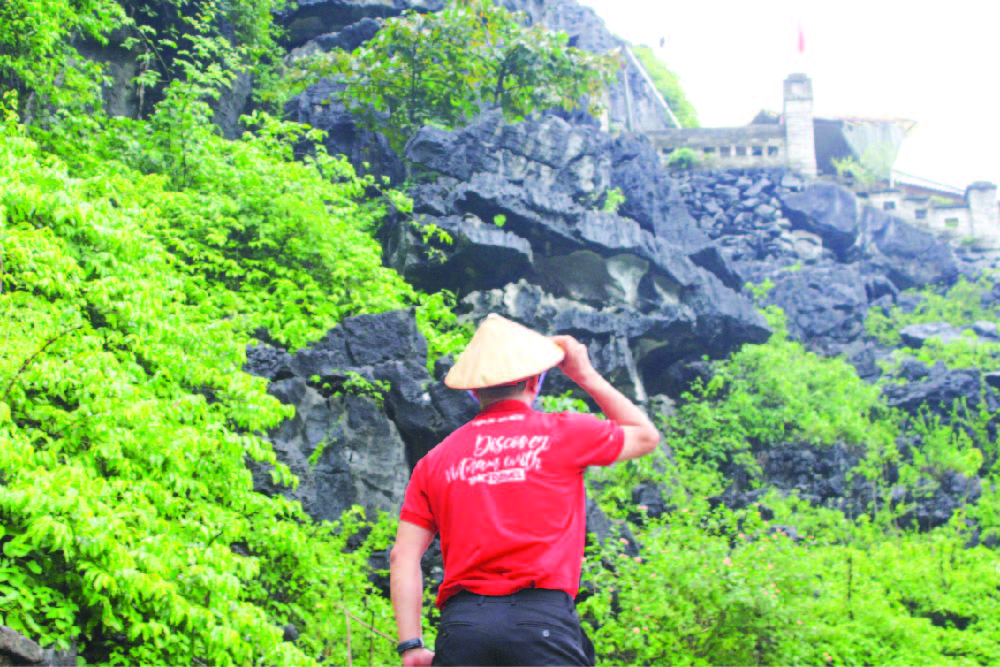
The province of Cao Bang is often overlooked by international tourists, but it offers some of the most beautiful landscapes in northern Vietnam.
Mountain passes, peaceful valleys, and small ethnic villages create a sense of discovery that many travelers find unforgettable. The region is home to several natural attractions, including caves, rivers, and dense forests.
One highlight is the Nguom Ngao cave system, where visitors can explore large chambers filled with impressive limestone formations.
Because tourism remains relatively limited in Cao Bang, the area retains a quiet and authentic atmosphere.
Travelers who appreciate nature and remote scenery often consider Cao Bang one of the hidden gems of northern Vietnam.
Ba Be national park
Nature lovers should also consider visiting Ba Be National Park, one of Vietnam’s most peaceful natural reserves.
The park is centered around Ba Be Lake, the largest natural freshwater lake in Vietnam. Surrounded by limestone mountains and dense forests, the lake creates a tranquil environment far from the noise of major cities.
Boat tours across the lake allow visitors to explore hidden caves, waterfalls, and floating villages where local communities live and fish.
Wildlife enthusiasts may also appreciate the biodiversity of the park. The surrounding forests are home to many species of birds, butterflies, and other animals.
Ba Be National Park offers a slower and more relaxing travel experience compared to more crowded destinations.
The northern mountains and ethnic cultures
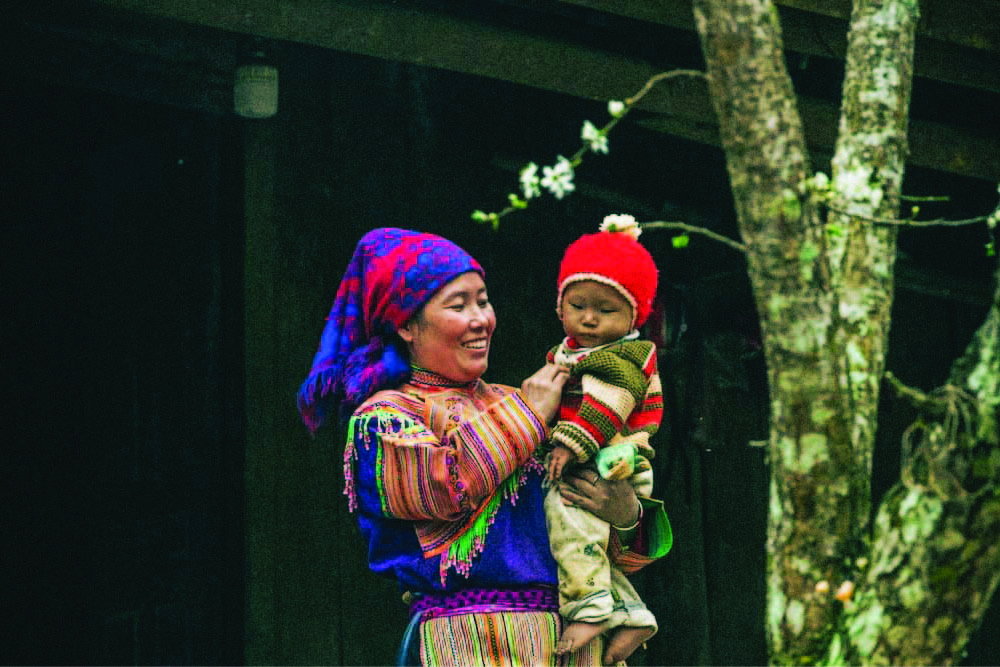
One of the most fascinating aspects of northern Vietnam is its cultural diversity.
Many mountainous regions are home to ethnic minority communities such as the Hmong, Dao, Tay, and Thai. These groups maintain traditional clothing, languages, and customs that have been passed down through generations.
Travelers exploring these areas often encounter colorful local markets where villagers gather to trade food, textiles, and handmade goods.
These markets provide a glimpse into daily life and cultural traditions that remain deeply rooted in the region.
Respectful cultural interaction and curiosity can make these encounters some of the most meaningful moments of a trip to northern Vietnam.
Best time to visit northern Vietnam
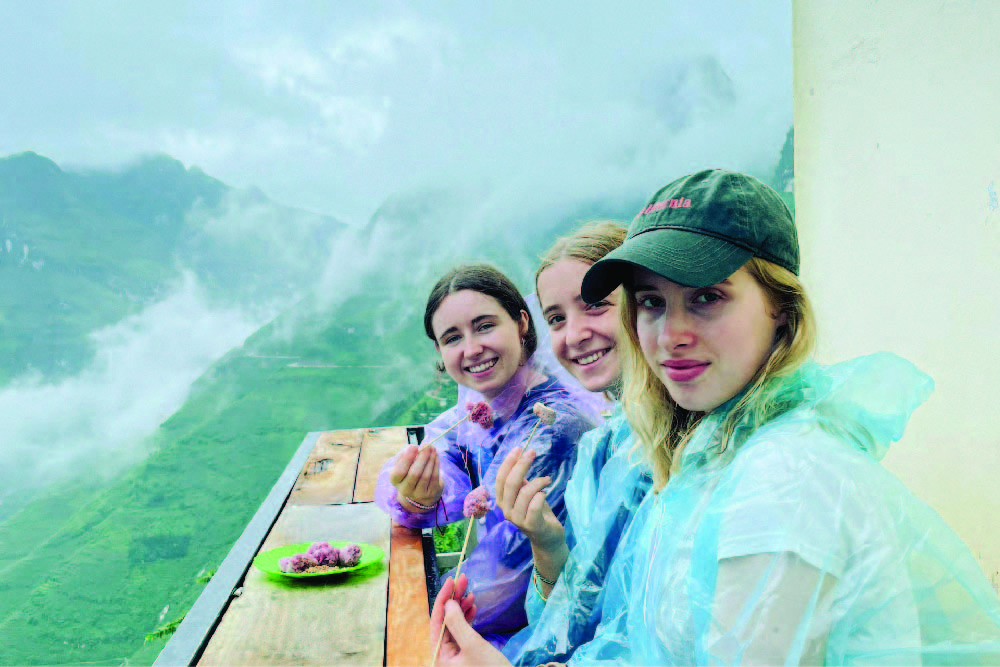
The best time to visit northern Vietnam depends largely on the type of experience travelers are looking for.
Spring months between March and May offer comfortable temperatures and green landscapes. This period is excellent for exploring cities and countryside areas.
Autumn, especially from September to November, is also popular because of cooler weather and clear skies.
Summer can be hotter and sometimes rainy, but the countryside becomes lush and vibrant during this time.
Winter months are cooler, particularly in mountainous regions where temperatures may drop significantly at night.
Each season offers different scenery and experiences, so travelers should choose based on their interests.
Travel tips for exploring northern Vietnam
Traveling through northern Vietnam is relatively straightforward, but a few tips can help make the journey smoother.
First, consider planning your route carefully. Although destinations may appear close on a map, mountain roads can increase travel time between locations.
Second, pack appropriately for changing weather conditions. Temperatures in the mountains are often cooler than in the cities, especially during early mornings and evenings.
Third, allow extra time in each destination. Many places in northern Vietnam are best experienced slowly, whether through trekking, boat rides, or simply observing local life.
Finally, approach each destination with curiosity and respect for local traditions.
Suggested itinerary for northern Vietnam
For travelers with limited time, a typical northern Vietnam itinerary might include several key destinations.
Many visitors begin in Hanoi to explore the capital’s historic districts and vibrant food culture. From there, travelers often take a cruise in Ha Long Bay to experience the famous limestone seascape.
Next, destinations such as Ninh Binh or Mai Chau provide opportunities to explore the countryside and enjoy scenic landscapes.
More adventurous travelers may continue north toward Sapa or Ha Giang for trekking and mountain views.
By combining cities, natural landscapes, and cultural experiences, visitors can experience the full diversity of northern Vietnam.
Final thoughts on visiting northern Vietnam
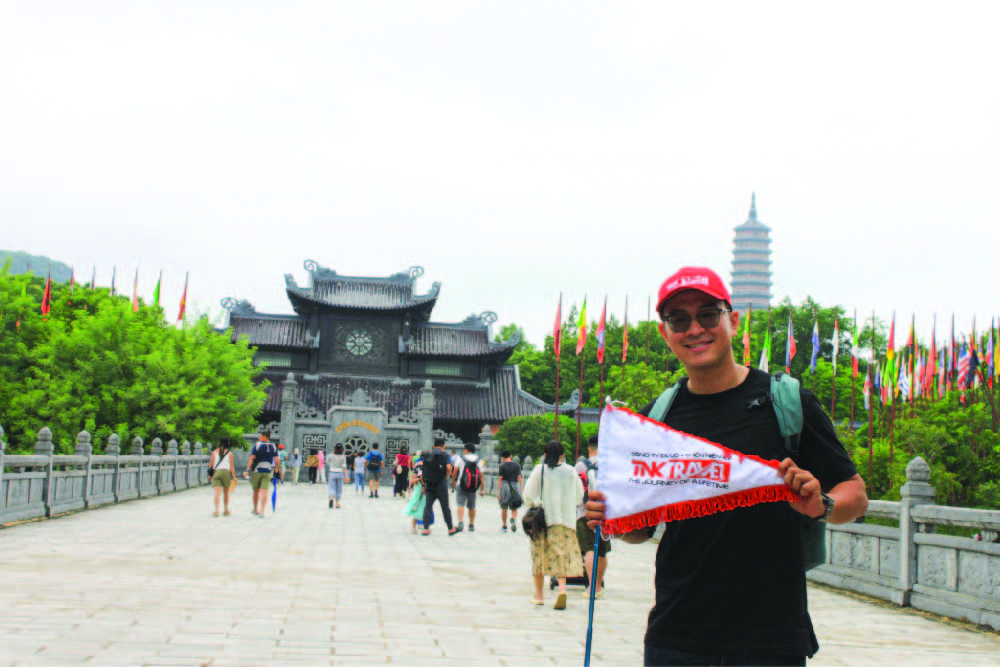
Northern Vietnam is a region filled with unforgettable landscapes and cultural richness.
From the historic streets of Hanoi to the dramatic mountains of Ha Giang and the peaceful waters of Ba Be Lake, the region offers a wide variety of experiences for travelers.
Each destination reveals a different side of Vietnam, whether through natural beauty, traditional communities, or historical landmarks.
For many visitors, northern Vietnam becomes one of the highlights of their journey through the country.
Exploring this region slowly and with curiosity allows travelers to appreciate not only its famous attractions but also the everyday life that makes Vietnam such a fascinating place to visit.