
Spring is one of the most rewarding seasons to travel in Vietnam. As the cool winter months gradually fade away and the intense heat of summer has not yet arrived, the country enters a period of balance that many travelers find ideal for exploration. Temperatures begin rising gently across the country, landscapes become greener, and cities feel lively as daily life moves outdoors again.
Vietnam stretches more than 1,600 kilometers from north to south, which means spring does not feel exactly the same everywhere. In the north, the season arrives with mild temperatures, blooming flowers, and a calm atmosphere after the Lunar New Year celebrations. Central Vietnam enjoys increasing sunshine and comfortable beach weather, while the south remains warm and dry before the rainy season begins later in the year.
Because of these regional differences, spring offers travelers the opportunity to experience a wide variety of landscapes and cultural scenes in a single journey. Whether you are exploring historic cities, relaxing on tropical beaches, or hiking through mountain villages, Vietnam in spring presents a unique combination of pleasant weather, vibrant street life, and beautiful scenery.
Understanding spring in Vietnam
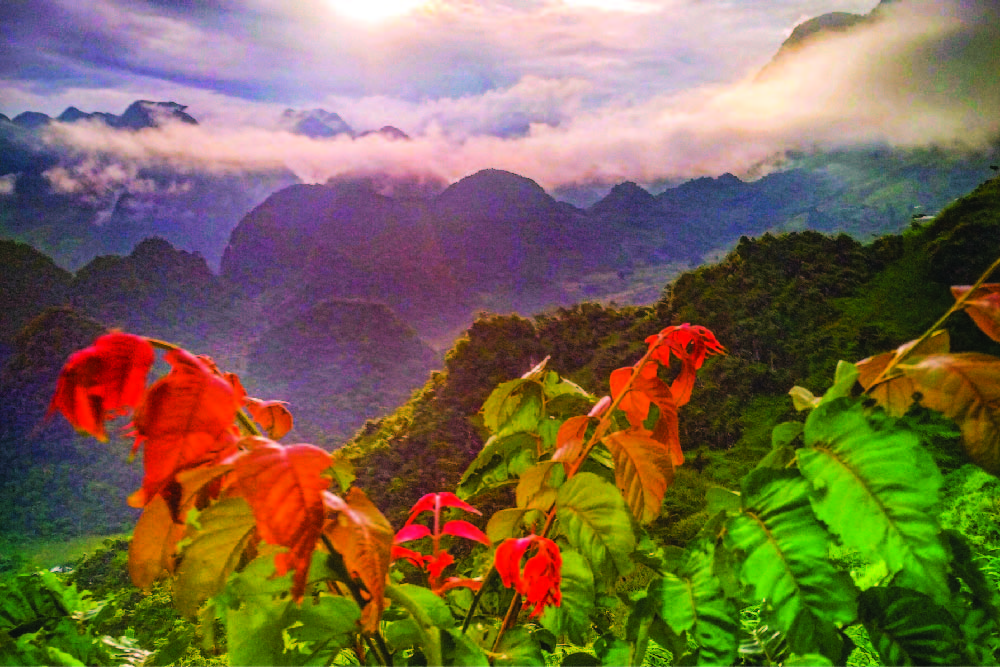
Spring in Vietnam generally lasts from March through May, although weather patterns may vary slightly depending on location. The season follows the Lunar New Year holiday period and represents a time when many Vietnamese people return to work, markets become active again, and the countryside begins another agricultural cycle.
In northern Vietnam, spring brings a noticeable transformation after the cool and sometimes misty winter months. Trees become greener, flowers bloom across parks and streets, and temperatures gradually increase. The air often feels fresh in the mornings, while afternoons remain comfortable for sightseeing.
In central regions, spring often marks the beginning of clearer skies and calmer seas. Coastal destinations become attractive for beach travelers because rainfall is relatively low compared to later months.
Meanwhile, southern Vietnam continues enjoying its dry season during early spring. The weather remains warm and sunny, making it ideal for exploring cities or taking trips to tropical islands.
Because each region experiences slightly different conditions, spring is considered one of the most balanced times to travel throughout the country.
Spring weather in northern Vietnam
Northern Vietnam experiences the most visible seasonal change during spring. Cities such as Hanoi slowly warm after winter, and daily life becomes more active outdoors.
March often begins with cooler mornings and light mist, creating a peaceful atmosphere around lakes and parks. By April, temperatures become warmer and the city feels more vibrant as street cafés fill with locals enjoying the sunshine.
By May, early summer warmth begins appearing, but conditions usually remain manageable compared to the intense heat of mid-summer.
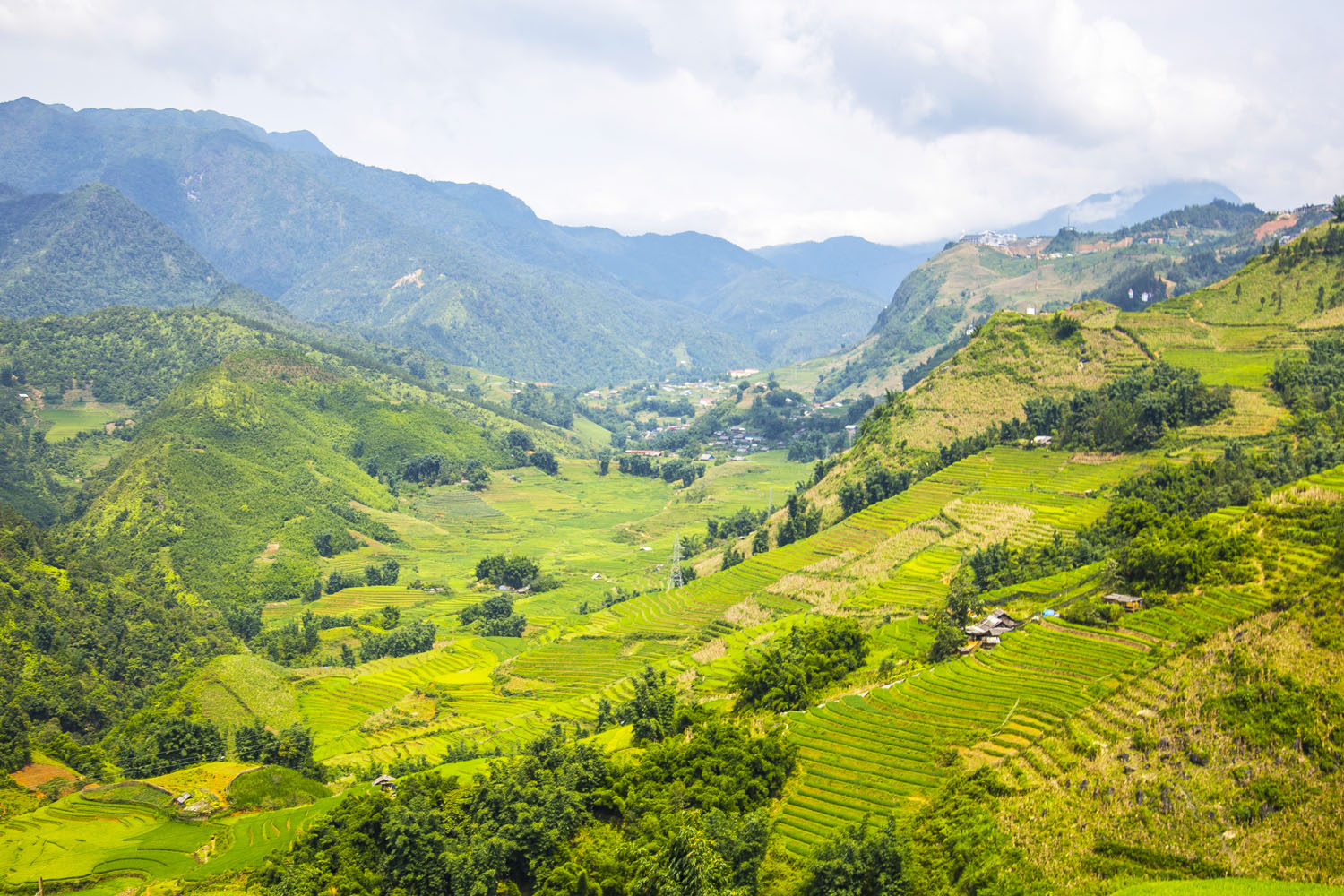
One of the most appealing aspects of northern Vietnam in spring is the scenery. Countryside areas begin turning green again, while mountain regions reveal dramatic landscapes filled with blooming flowers and terraced fields preparing for a new growing season.
Spring landscapes in the northern mountains
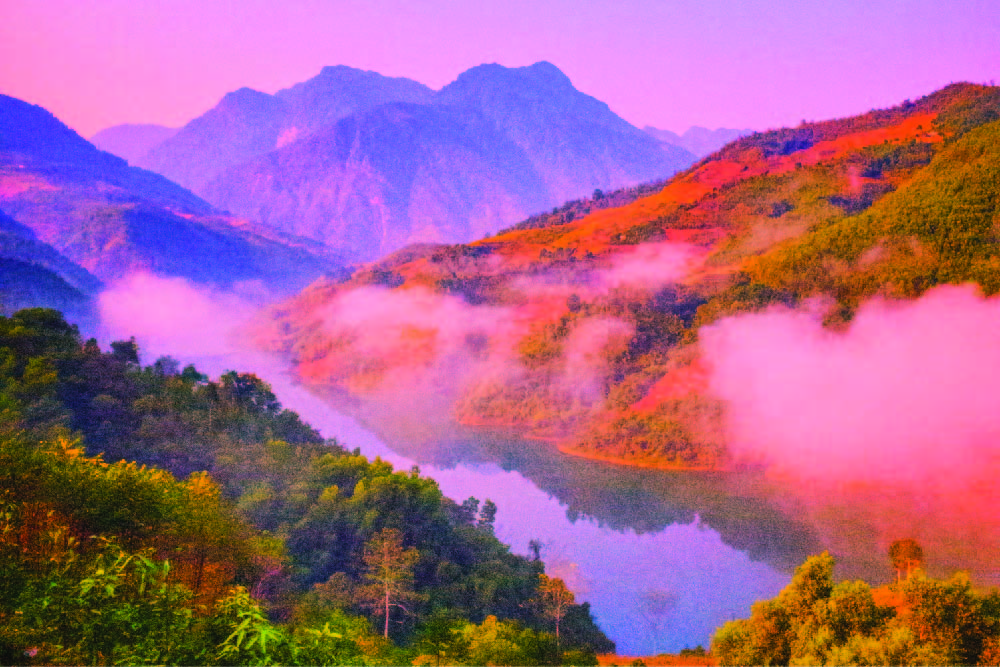
Travelers who venture beyond Hanoi often discover that northern Vietnam becomes especially beautiful during spring.
Mountain provinces such as Ha Giang and Sapa experience cooler temperatures compared to the cities. Fresh air, scenic valleys, and traditional villages make these regions ideal for trekking and cultural exploration.
Rice terraces in certain areas begin their agricultural cycle during this period, while fruit trees bloom in many mountain communities. The scenery often feels peaceful and colorful at the same time.
Morning mist drifting across valleys can create dramatic views that photographers particularly enjoy. As sunlight slowly appears over the mountains, the landscape reveals layers of green hills and winding roads connecting remote villages.
For travelers seeking natural beauty and cultural experiences, spring offers one of the best opportunities to explore northern Vietnam’s highlands.
Central Vietnam during spring

Central Vietnam enjoys some of the most favorable weather conditions during spring.
Cities like Da Nang and Hoi An begin experiencing warmer temperatures and increasing sunshine as the region transitions away from the rainy season.
Spring days often feel bright and comfortable, with clear skies and relatively low humidity compared to later summer months. This makes it an excellent time to explore both cultural landmarks and nearby beaches.
Hoi An, with its historic yellow buildings and lantern-lit streets, becomes especially charming during spring evenings. Outdoor cafés fill with visitors enjoying warm breezes while walking along the river.
Because rainfall is typically low during this period, travelers can comfortably combine city exploration with beach relaxation.
Southern Vietnam in spring
Southern Vietnam experiences a tropical climate that remains relatively warm throughout the year.
Cities like Ho Chi Minh City stay hot and sunny during spring, but the dry season continues before the heavier rains of summer arrive.
Although daytime temperatures may feel warmer than in northern regions, travelers often find the weather predictable and suitable for sightseeing. The lack of heavy rainfall makes it easy to explore the city’s historical attractions, street food markets, and nearby countryside.
Spring is also an excellent time to visit southern coastal islands where beaches remain calm and clear before the rainy season begins.
Cultural life during spring
Spring holds a special cultural meaning in Vietnam because it follows Tet, the Lunar New Year celebration. Although the holiday itself occurs earlier in the season, the festive atmosphere continues for weeks afterward.
Temples and pagodas often remain busy as families visit to pray for good fortune during the new year. Flower markets appear across many cities, and seasonal decorations remain visible in some neighborhoods.
Travelers during spring may notice how the atmosphere feels optimistic and energetic. After the quiet days of Tet, businesses reopen fully, and people return to daily routines with renewed enthusiasm.
Street life becomes lively again, with markets, food stalls, and cafés filling sidewalks throughout the country.
Why spring is ideal for exploring Vietnam

There are several reasons why many travelers consider spring an excellent time to visit Vietnam.
First, the weather remains relatively balanced compared to other seasons. Temperatures are warm but usually not extreme, allowing travelers to spend long hours exploring cities and landscapes.
Second, natural scenery becomes more vibrant as plants and trees grow after winter. Parks, countryside areas, and mountain regions all appear greener.
Third, cultural life feels particularly active during spring. Markets, festivals, and street food scenes reveal authentic daily life across the country.
Finally, travelers can explore multiple regions without facing dramatically different weather conditions.
These factors make spring an appealing season for both first-time visitors and returning travelers.
Best cities to visit in Vietnam during spring
Spring is an excellent time to explore Vietnam’s cities because temperatures remain comfortable for walking tours and outdoor exploration.
Hanoi
Hanoi becomes particularly charming during spring. Tree-lined streets grow greener, flower vendors appear throughout the Old Quarter, and cafés along Hoan Kiem Lake become lively gathering places.
Morning walks around the lake reveal locals practicing tai chi, jogging, or drinking tea with friends. These scenes reflect the daily rhythm of Hanoi life and give travelers a glimpse into the city’s culture beyond tourist attractions.
Spring evenings are also ideal for enjoying Hanoi’s famous street food, as warm but comfortable temperatures allow diners to sit outdoors along busy sidewalks.
Hoi An
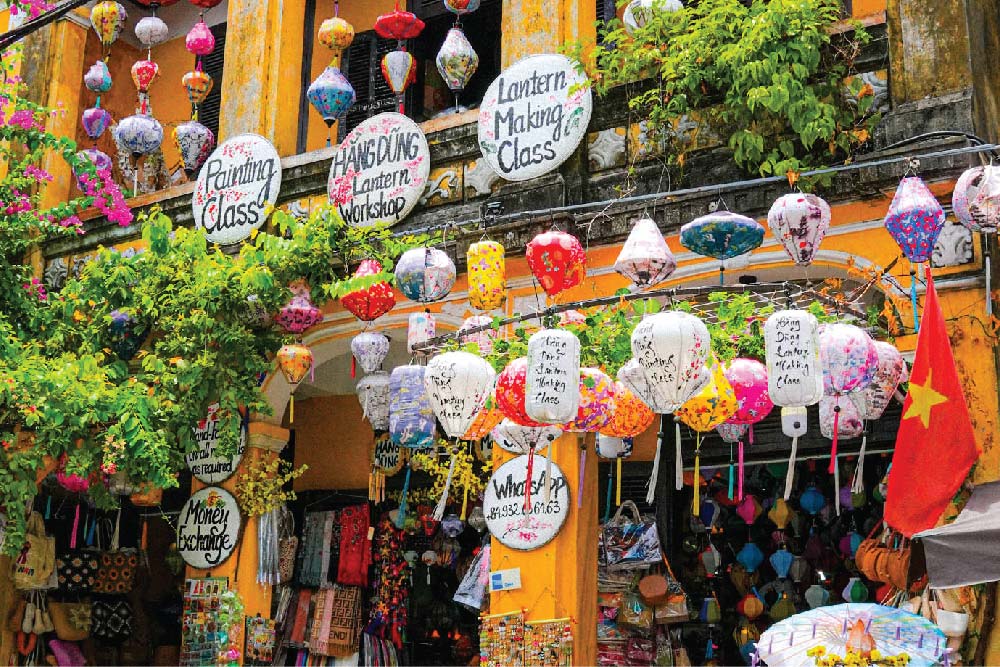
Hoi An is one of the most visually beautiful destinations in Vietnam, and spring enhances its atmosphere even further.
During this season, the historic town enjoys comfortable temperatures and relatively dry weather. Travelers can walk through narrow streets lined with yellow colonial buildings while colorful lanterns hang above the river.
In the evening, the lanterns reflect across the water, creating a calm and romantic atmosphere that many visitors find unforgettable.
Spring also makes it easy to combine cultural exploration in the old town with relaxation at nearby beaches such as An Bang.
Ho Chi Minh City
Ho Chi Minh City remains energetic throughout the year, but spring provides stable weather before the summer rainy season begins.
Visitors exploring the city during this period will encounter bustling markets, historic landmarks, and a vibrant street food culture.
Because rainfall is still limited during early spring, walking through neighborhoods or visiting historical sites becomes easier compared to the wetter months that follow.
The city’s rooftop cafés and restaurants also offer beautiful sunset views during clear spring evenings.
Beaches and islands in spring
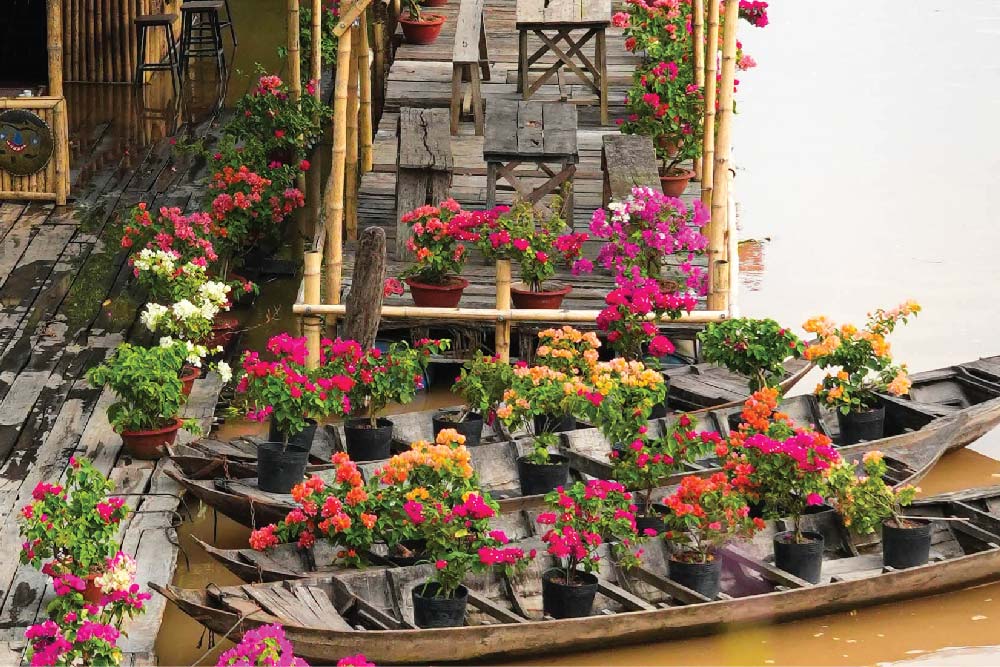
Vietnam’s coastline offers more than 3,000 kilometers of beaches, and spring is a great time to explore many of them.
Central Vietnam in particular enjoys favorable weather during this period. Coastal destinations such as Da Nang provide warm sunshine and calm seas, making it ideal for swimming and relaxing by the water.
Island destinations also become attractive before the rainy season arrives.
Travelers visiting tropical islands in southern Vietnam often find that spring offers clear skies, warm water, and peaceful beaches. These conditions allow visitors to enjoy snorkeling, boat tours, or simply relaxing along the shore.
Because spring falls before peak summer tourism, many beach destinations still maintain a relaxed atmosphere.
Mountain landscapes and rural experiences
While beaches attract many visitors, Vietnam’s mountains and countryside offer equally memorable experiences during spring.
Northern regions reveal dramatic scenery during this season as plants begin growing again and farmers prepare fields for cultivation. Terraced hillsides gradually turn green while villages return to normal activity after winter.
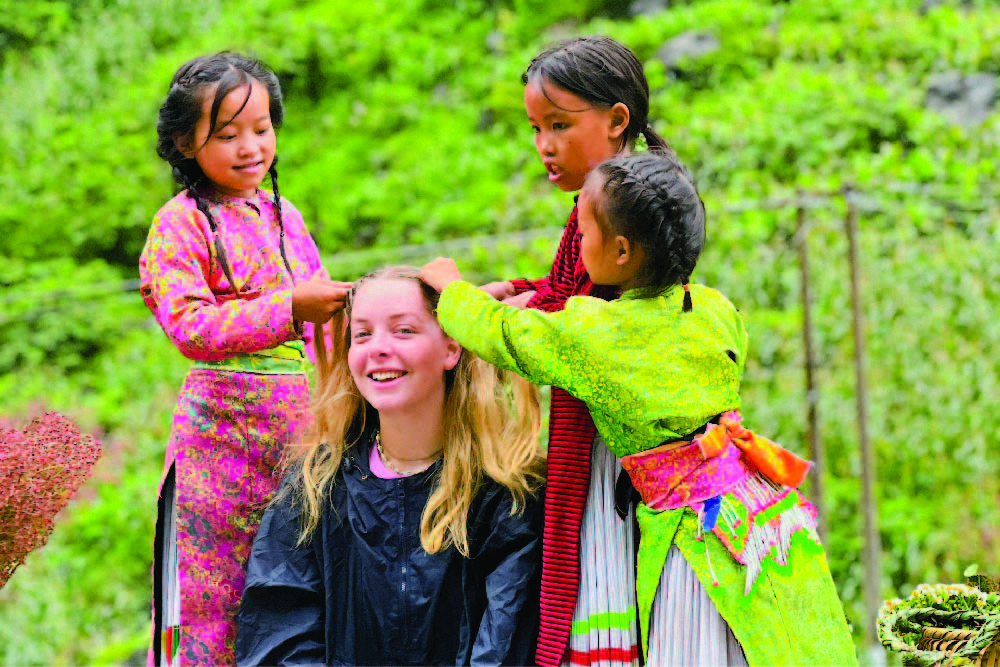
Travelers exploring mountain provinces may encounter local markets where ethnic communities gather to trade goods and socialize. These markets provide colorful cultural experiences and opportunities to observe traditional clothing, food, and crafts.
Spring’s cooler temperatures also make trekking more comfortable than during hotter summer months.
Food experiences during spring

Food plays an important role in Vietnamese culture, and spring brings a variety of seasonal dishes and ingredients.
Many traditional meals during this time feature fresh herbs, vegetables, and light flavors that reflect the new growing season.
Street food remains one of the best ways to experience Vietnamese cuisine. In cities across the country, small stalls serve dishes such as noodle soups, grilled meats, and rice-based specialties.
Travelers may notice how locals gather around small plastic tables placed along sidewalks. These informal dining spaces create a lively atmosphere where food becomes a shared social experience.
Spring evenings are particularly enjoyable for outdoor dining because temperatures remain warm without becoming overly humid.
Festivals and celebrations in spring
Although Tet, the Lunar New Year, marks the biggest celebration of the season, spring continues to include important cultural events across Vietnam.
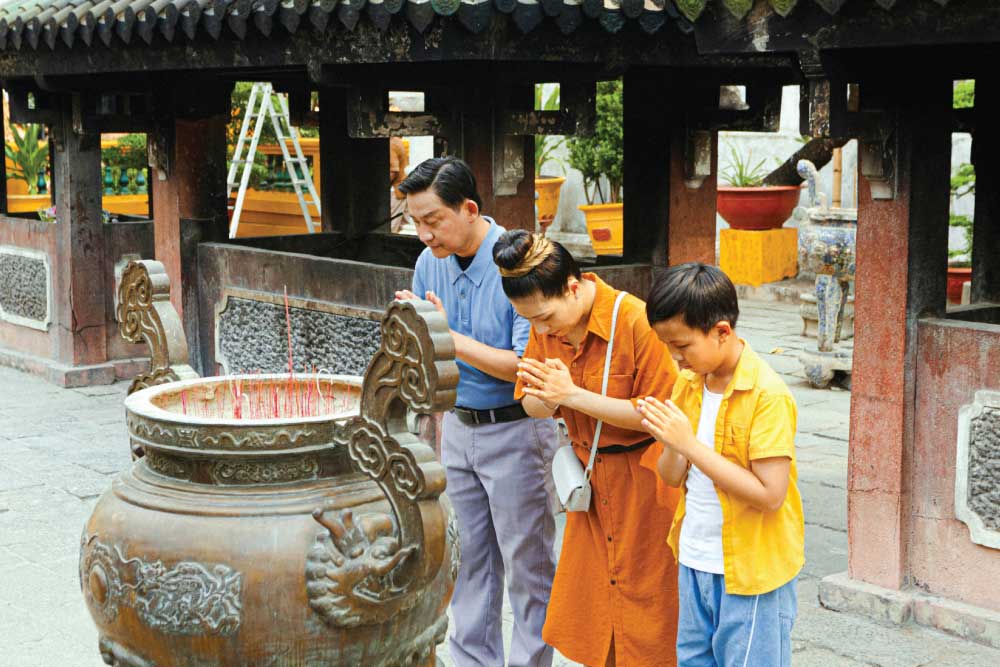
One notable celebration is the Hung Kings’ Festival, which honors the legendary founders of the Vietnamese nation. Many people visit temples during this time to offer incense and express respect for their ancestors.
Throughout the country, temples and pagodas remain active during spring as families pray for good fortune in the new year.
Travelers visiting these sites may notice the calm yet meaningful atmosphere created by incense smoke, quiet prayers, and traditional rituals.
These experiences provide deeper insight into Vietnamese cultural traditions.
Travel tips for visiting Vietnam in spring
Spring travel in Vietnam is generally comfortable, but a few practical tips can help visitors prepare for the season.
First, pack lightweight clothing suitable for warm temperatures. Breathable fabrics are helpful, especially in southern regions where humidity can rise.
Second, carry a small umbrella or light rain jacket. Although spring rainfall is usually brief, occasional showers may occur.
Third, plan outdoor activities earlier in the day whenever possible. Morning temperatures tend to be cooler and more comfortable for sightseeing or walking tours.
Finally, consider visiting popular attractions during weekdays or early hours to avoid larger crowds.
These small adjustments help travelers enjoy Vietnam more comfortably during spring.
Pros and cons of traveling in spring
Like every travel season, spring offers both advantages and minor challenges.
Advantages
Spring provides several benefits for travelers:
-
relatively balanced weather across the country
-
vibrant landscapes and greenery
-
lively street life and cultural atmosphere
-
good conditions for exploring multiple regions
These factors make it one of the most versatile seasons for travel in Vietnam.
Possible drawbacks
Despite its advantages, spring also introduces a few minor inconveniences.
Humidity gradually increases as summer approaches, particularly in southern regions. Short rain showers may appear occasionally, although they rarely last long.
Additionally, popular destinations may begin receiving more visitors during this time, especially in cities and beach towns.
However, these factors rarely outweigh the benefits of visiting during spring.
Final thoughts on Vietnam travel in spring
Spring reveals a vibrant and balanced side of Vietnam. The weather remains warm without becoming extreme, landscapes begin turning greener, and cities feel lively as daily routines resume after the Lunar New Year period.
From the historic streets of Hanoi to the lantern-lit evenings of Hoi An and the tropical beaches of southern islands, travelers can experience many different environments within a single trip.
Although occasional rain showers and rising humidity are part of the season, these changes rarely disrupt travel plans.
For many visitors, Vietnam in spring offers the perfect combination of comfortable weather, cultural experiences, and beautiful scenery. Whether exploring cities, mountains, or coastlines, the season allows travelers to discover the country at a time when life feels energetic, colorful, and welcoming.