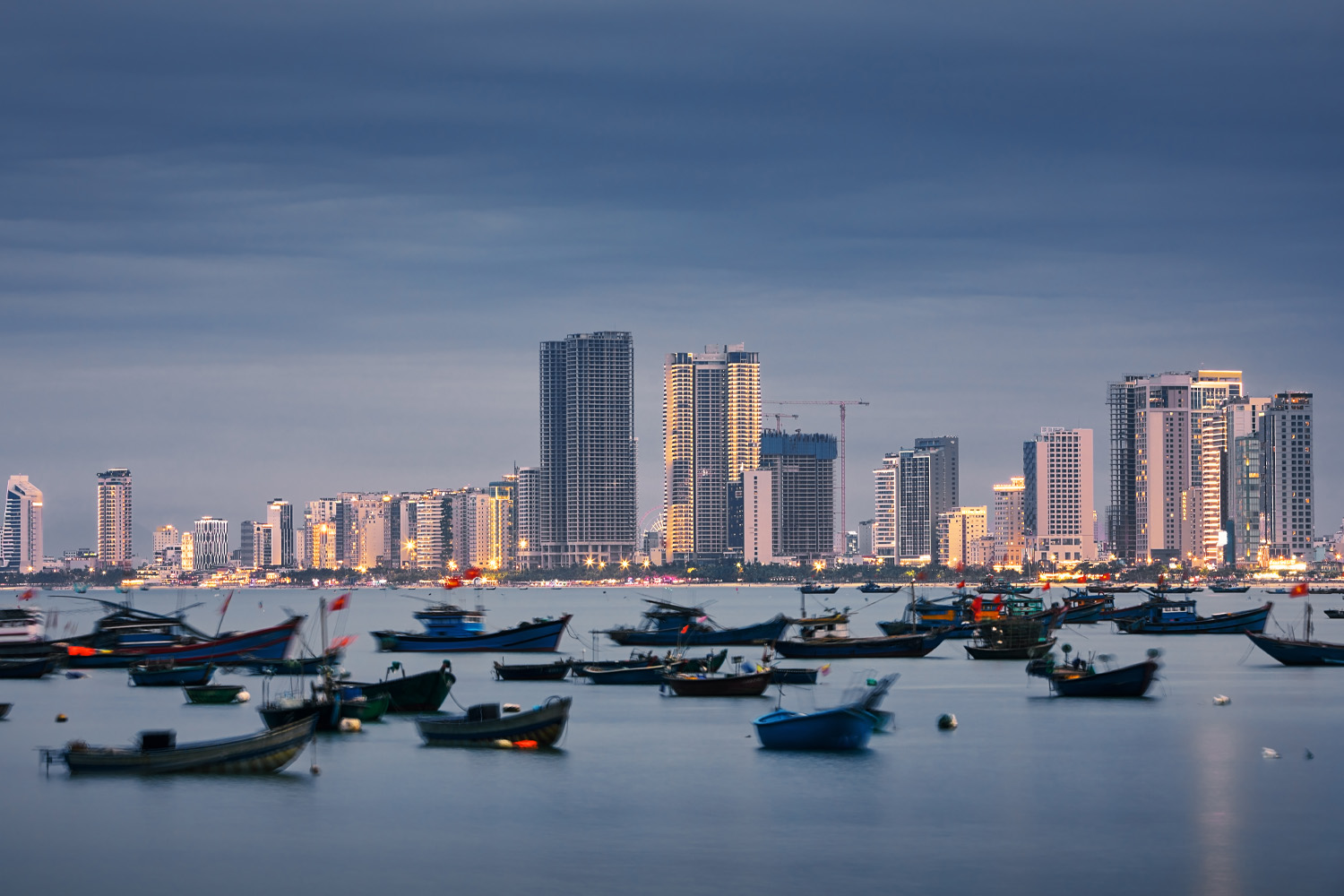
Vietnam’s coastline stretches for more than 3,000 kilometers, shaping the culture and daily routines of millions of people who live near the sea. From busy fishing harbors to quiet village shores, the beach is not only a place for tourism. For many Vietnamese communities, it is part of everyday life.
Travelers often imagine beaches as places for relaxation, sunbathing, and resort activities. But if you arrive early in the morning, you will see a completely different side of Vietnam’s coastline. Long before tourists appear, the beach is already alive with activity.
Understanding Vietnamese life on the beach offers a deeper perspective on the country beyond its scenic landscapes.
Early mornings on the beach
In many coastal towns, the day begins before sunrise.
Around 4:30 or 5:00 in the morning, fishing boats begin returning to shore after working overnight. The sky is still dark, but the beach slowly fills with movement. Fishermen pull their boats across the sand while families gather to help unload the catch.
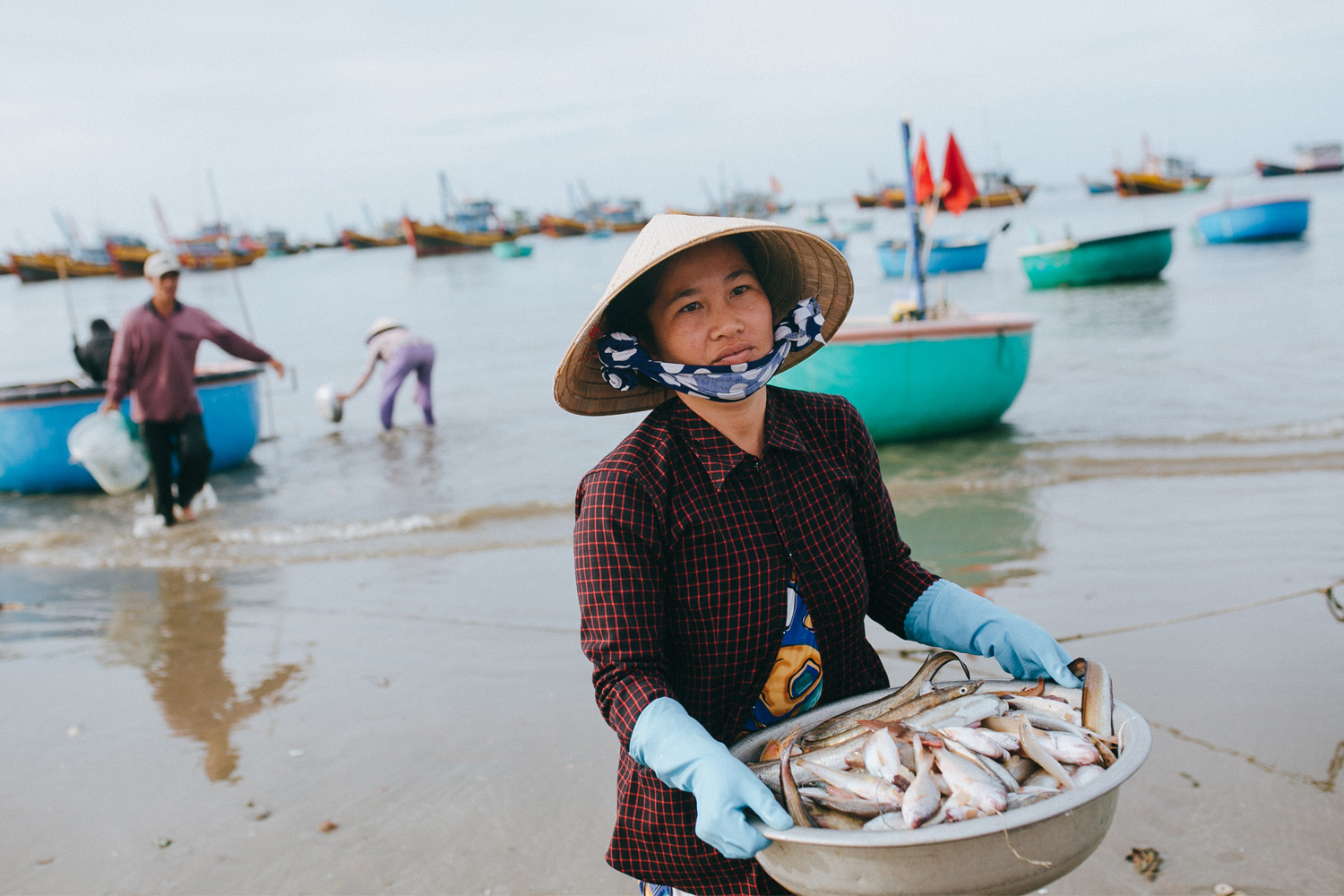
You may see baskets filled with squid, fish, crabs, and shellfish being carried from boats to the shore. Local buyers wait nearby to purchase seafood immediately while it is still fresh.
The entire scene moves quickly but calmly. Conversations happen quietly while the sea breeze carries the smell of salt and fresh fish through the air.
This early morning rhythm has repeated for generations.
Fishing as a traditional livelihood

For many coastal communities, fishing remains one of the most important sources of income.
Traditional fishing boats, often painted in bright blues and reds, head out into the ocean during the evening and return at dawn. In smaller villages, some fishermen still use round basket boats known locally as thung chai.
These boats look unusual to visitors but are surprisingly effective for navigating nearshore waters.
Fishing is rarely an individual activity. Entire families often participate in the work. While men handle the boats at sea, relatives on shore help with sorting, selling, and preparing the seafood.
Life on the beach therefore becomes a shared responsibility.
Local seafood markets by the sea
As boats return each morning, informal seafood markets appear directly on the sand.
Buyers arrive from nearby towns and restaurants to purchase fresh catches. The transactions happen quickly. Fish are weighed, sorted, and packed within minutes.
Travelers who visit beaches in cities like Da Nang or Nha Trang may witness these small beach markets at sunrise.
Unlike large commercial seafood markets, these beach exchanges feel personal and direct. The seafood often moves from ocean to kitchen within a few hours.
This connection between the sea and daily meals remains strong in Vietnamese coastal culture.
Beaches as public gathering spaces
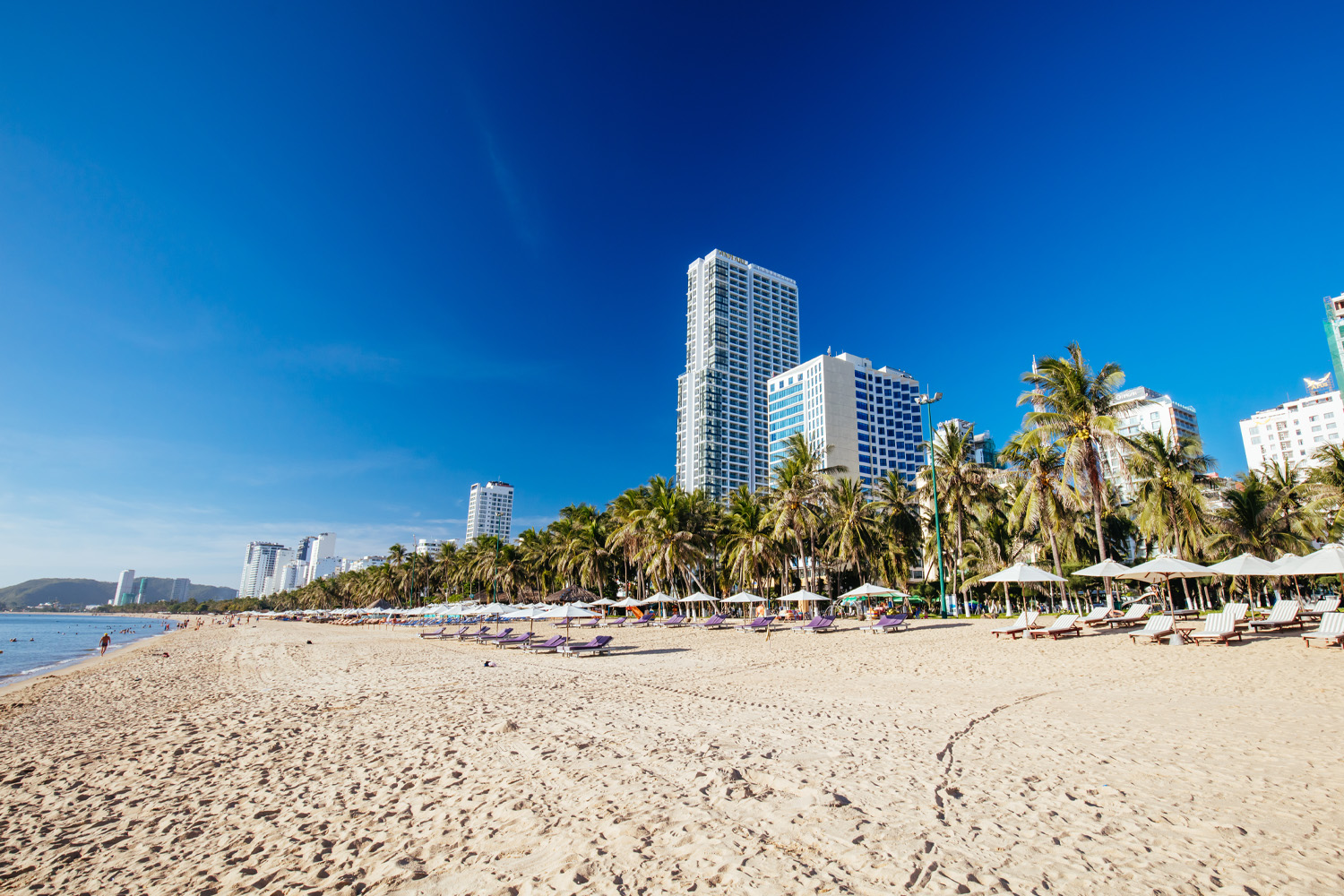
In Vietnam, beaches are not reserved only for tourists or luxury resorts. They are public spaces where locals gather throughout the day.
During early morning hours, many residents come to the beach for exercise. Groups practice tai chi, walk along the shoreline, or swim in the calm morning water.
Elderly residents stretch together while younger people jog across the sand. The atmosphere feels social rather than solitary.
For locals, the beach is both a health space and a meeting place.
Community life along the coast
In smaller coastal towns, the beach often sits at the center of community life.
Children play soccer on the sand after school. Fishermen repair nets while chatting with neighbors. Street vendors walk along the shore selling snacks and drinks.
Unlike many Western beach cultures focused on sunbathing, Vietnamese beach culture is active and communal.
People come not only to relax but also to interact.
Midday calm
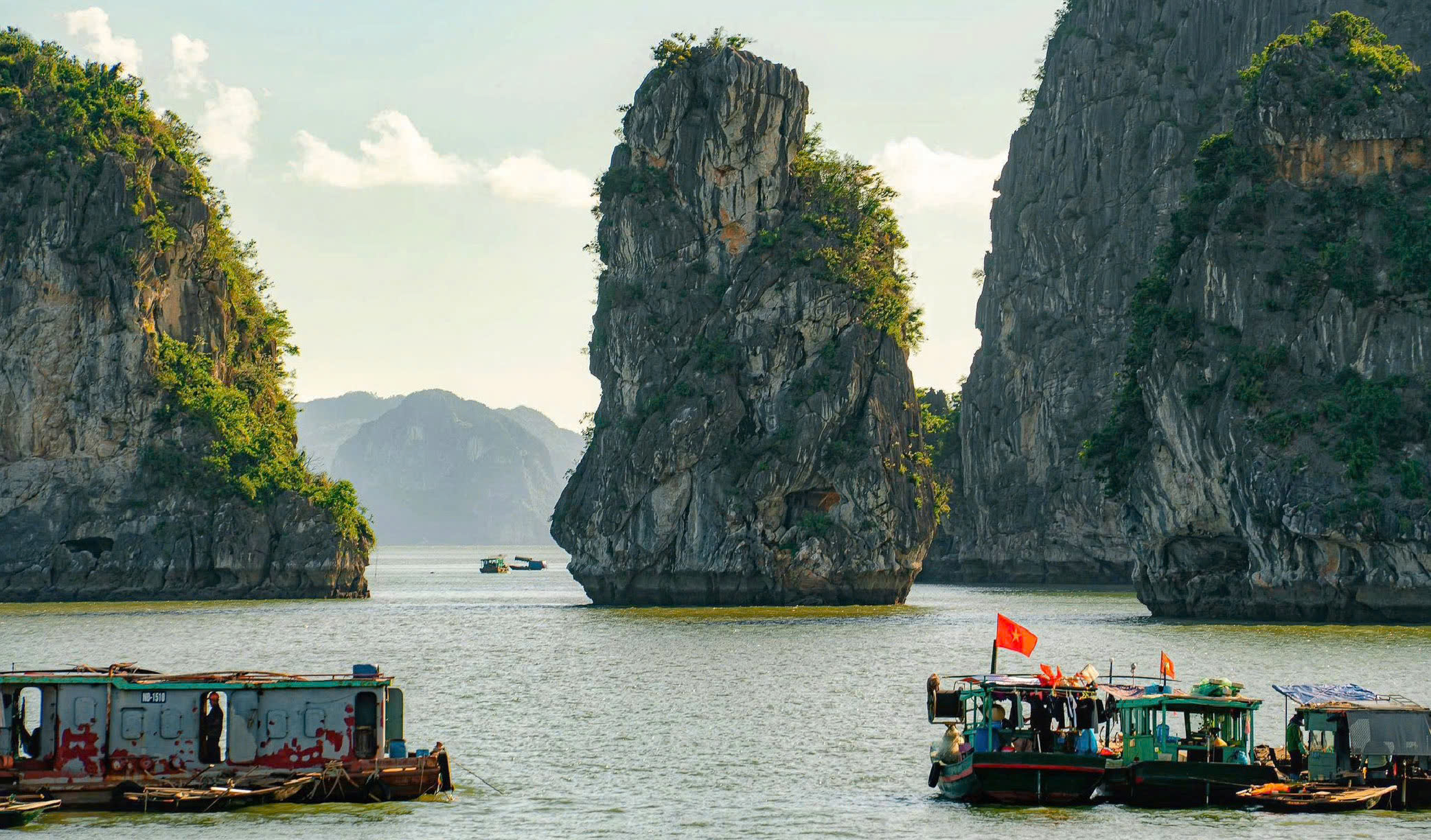
By midday, the beach becomes quieter.
The sun grows stronger, and many locals return home for lunch or rest. Fishing boats remain parked along the shore while nets dry in the sunlight.
This quiet period is temporary.
As afternoon approaches, activity slowly returns.
The relationship between people and the sea
For coastal communities, the ocean is both opportunity and uncertainty.
Fishing can provide stable income, but weather and seasonal conditions always influence success. Storms and changing tides shape how fishermen plan their work.
Despite these challenges, the connection between people and the sea remains deeply rooted.
Generations of families have lived beside the water, learning its patterns and respecting its power.
While mornings on Vietnamese beaches are shaped by fishing activity and local markets, the atmosphere changes again as the day moves toward evening. The beach gradually becomes a place for relaxation, family gatherings, and social life.
This shift reveals another important aspect of coastal culture in Vietnam: the beach is not only a workplace, but also a place where communities reconnect after a long day.
Afternoon returns of local fishermen
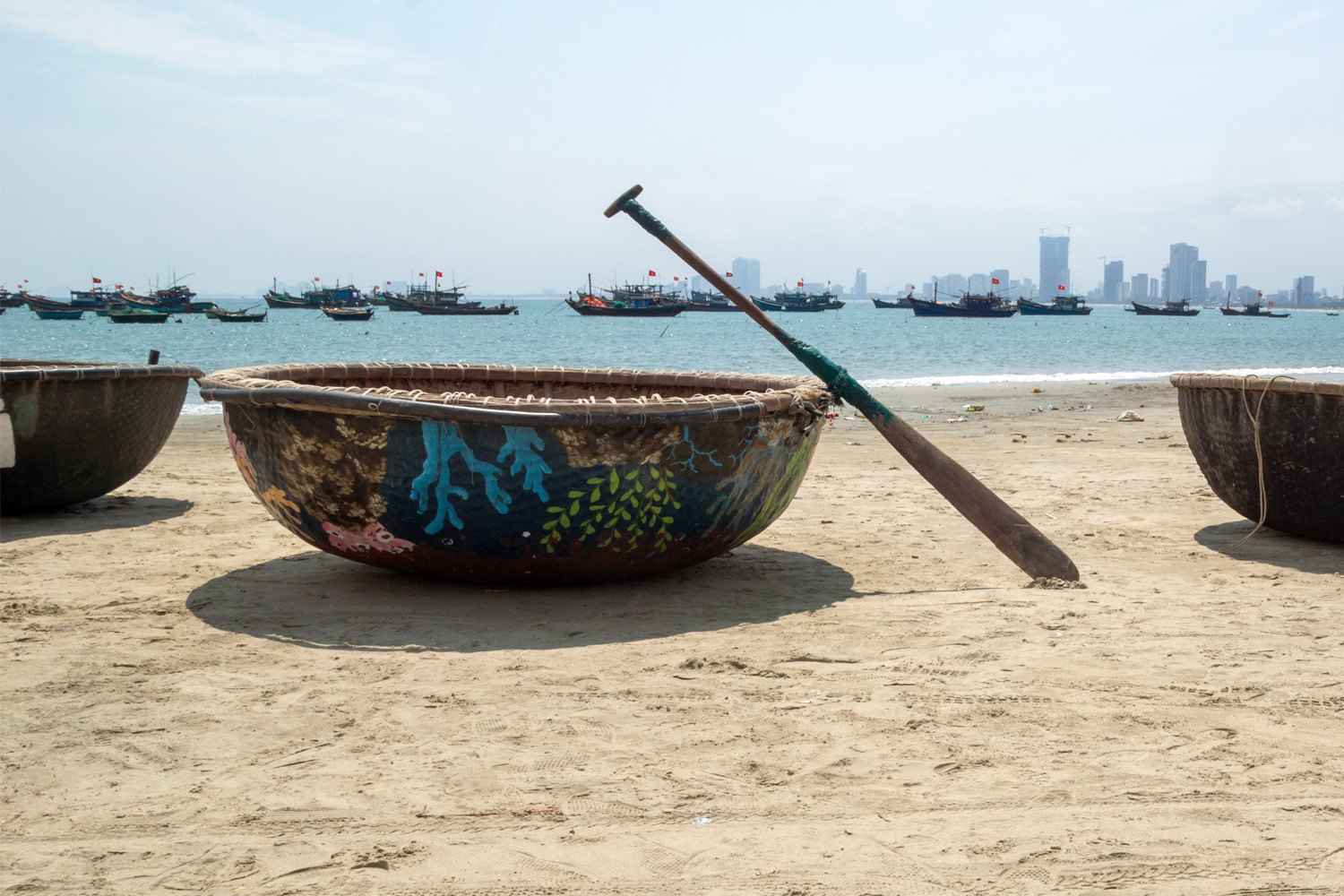
In some coastal areas, smaller fishing boats return again during the afternoon. Fishermen who worked nearshore waters bring back additional catches such as small fish, shrimp, or squid.
Along the shoreline, you may see fishermen repairing nets or preparing equipment for the next night’s journey. Fishing tools are spread across the sand while conversations move slowly between neighbors who have known each other for years.
These quiet routines often go unnoticed by visitors who arrive later in the day, yet they represent the steady rhythm of life along the coast.
Evening walks and family time
As the sun begins to set, Vietnamese beaches fill with people again.
Instead of fishing activity, the focus shifts to leisure. Families walk together along the water, children run through the shallow waves, and friends gather in small groups to talk while watching the sky change colors.
In cities such as Da Nang and Nha Trang, evening beach life is especially lively. After a hot day, the cooler air attracts residents who want to relax outdoors.
Many people bring simple mats or plastic chairs to sit on the sand while enjoying the sea breeze.
The beach becomes a natural extension of the living room.

Street food by the sea
Evening also brings one of the most enjoyable parts of Vietnamese coastal culture: street food near the beach.
Small vendors appear selling grilled seafood, fresh fruit, or local snacks. You may smell grilled squid, clams, or shrimp cooking over charcoal while vendors prepare simple but flavorful dishes.
Popular seaside foods include:
-
grilled squid with chili salt
-
steamed clams with lemongrass
-
fresh coconut water
-
seafood noodles
Because seafood is often caught the same day, the flavors are incredibly fresh.
Locals often gather around plastic tables placed directly on the sand, sharing dishes while watching the waves.
Sunset fishing traditions
Sunset is also when many fishermen begin preparing for the next night’s work.
Boats slowly push back into the ocean while the sky turns orange and purple. From the shore, you can see small fishing lights appearing on the horizon as evening arrives.
This nightly departure is an important moment for coastal communities.
While tourists may see it as a beautiful scene for photographs, for fishermen it marks the beginning of another long working night.
Beaches as cultural spaces
Vietnamese beach culture is different from what many travelers expect.
Instead of quiet sunbathing, beaches often feel active and social. People exercise, swim, eat, talk, and play games together.
The beach becomes a shared space where generations interact. Grandparents watch children play in the sand while teenagers gather nearby to chat with friends.
This collective atmosphere reflects the broader social values of Vietnamese society, where community and family relationships remain central.
Differences between tourist beaches and local beaches
Not every beach in Vietnam feels the same.
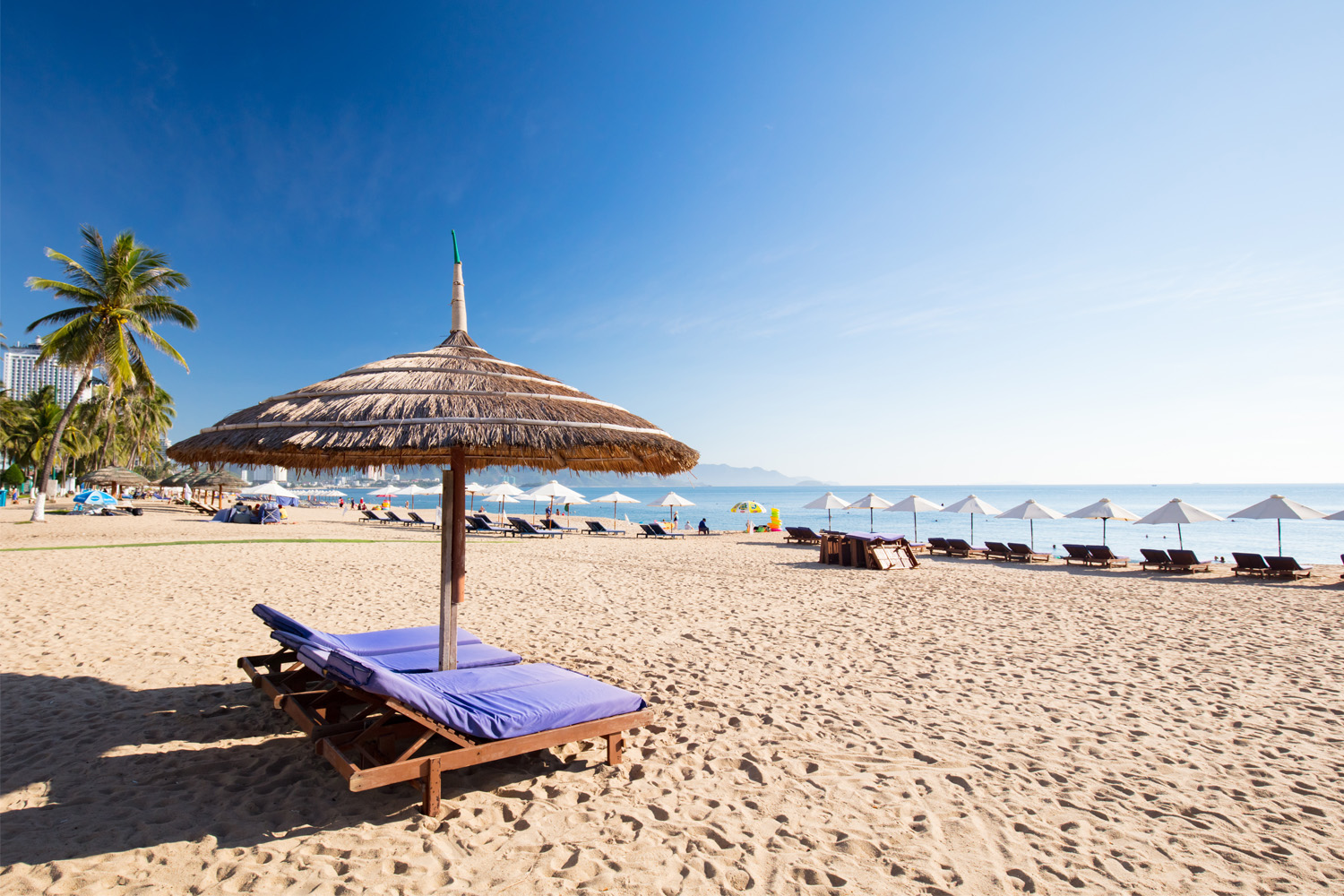
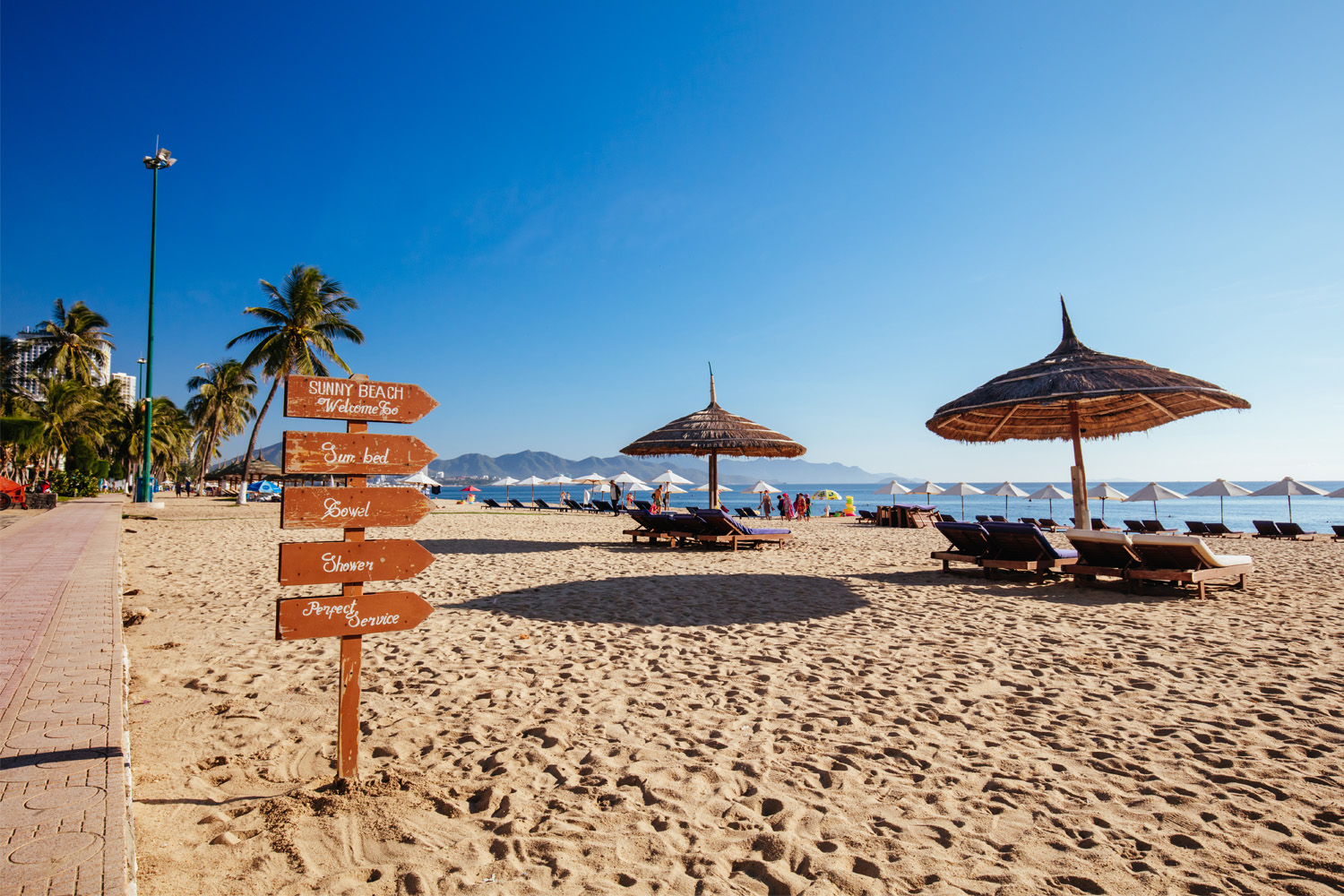
Popular tourist destinations often include resorts, beach clubs, and organized activities. But just a short distance away, you can usually find quieter areas where local residents continue their daily routines.
For example, near Hoi An, fishermen still launch traditional basket boats along sections of the coastline while visitors relax at nearby cafés.
These contrasts show how tourism and traditional life exist side by side.
Why the beach matters to Vietnamese life
For people living near the sea, the beach represents more than scenery.
It is:
-
a workplace
-
a market
-
a gathering place
-
a source of food
-
a space for relaxation
Generations have grown up with the rhythm of tides and fishing schedules shaping their routines.
Even as Vietnam modernizes, these traditions continue.
Final thoughts on Vietnamese people life on the beach
Watching Vietnamese life on the beach reveals a side of the country that many travelers overlook.
Beyond the resorts and scenic views, the coastline is filled with everyday stories. Fishermen returning with their catch, families walking together at sunset, and small seafood markets forming at dawn all create a unique cultural rhythm.
The beach in Vietnam is not simply a destination.
It is part of daily life.
And for travelers who take the time to observe these moments, the coastline offers something deeper than beautiful landscapes. It offers a glimpse into the connection between people, community, and the sea.