Vietnam is often experienced quickly.
Many travelers arrive with a packed itinerary, moving from Hanoi to Ha Long Bay, then down to Hoi An and Ho Chi Minh City in just a few days. The country is long, diverse, and full of highlights, which makes it tempting to try to see everything at once.
At first, this approach feels efficient. You cover many destinations, check off famous places, and fill your schedule with activities.
But something often feels missing.
Vietnam is not a country that reveals itself quickly. It is not only about landmarks or sightseeing. It is about rhythm, daily life, and the small moments that happen between destinations.
And those things cannot be rushed.
The difference between seeing and experiencing
When you travel fast, you see Vietnam.
You visit famous places, take photos, and move on to the next destination. You understand the country on the surface level, through attractions and highlights.
But when you slow down, you begin to experience Vietnam.
You notice how mornings feel different from evenings. You sit longer at a café and watch how people interact. You recognize patterns in daily life that are invisible when you are constantly moving.
The difference is not about where you go, but how deeply you connect with what you see.
Vietnam has a rhythm, not a schedule
Vietnam does not operate on a strict, predictable rhythm.
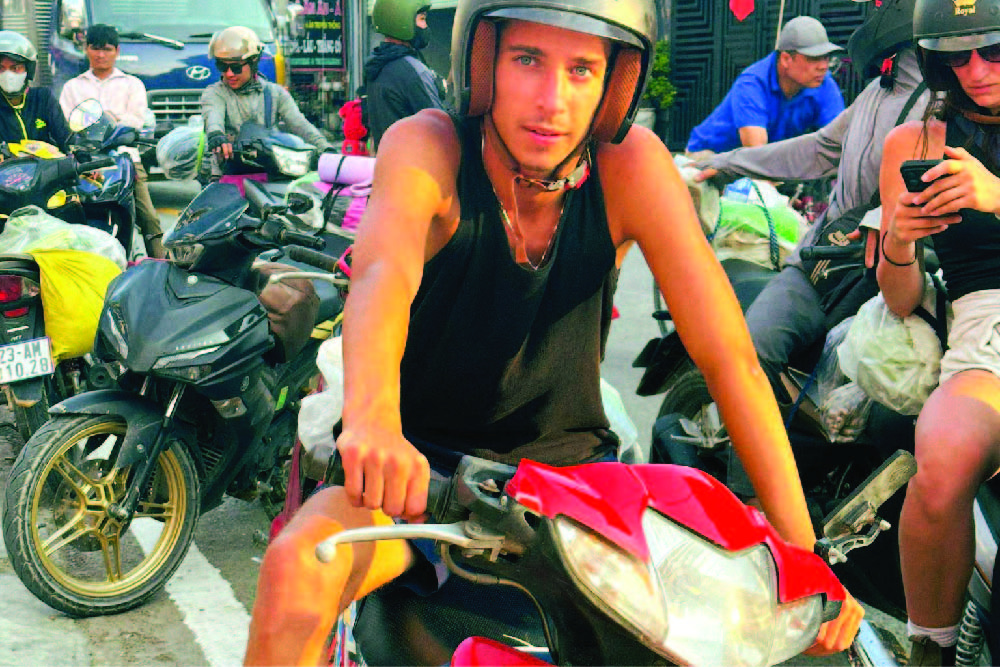
Life here flows in a way that can feel chaotic at first, especially in busy cities. Streets are filled with motorbikes, sidewalks become shared spaces, and time often feels more flexible than in Western cultures.
But within this apparent chaos, there is a rhythm.
Morning routines begin early, with people gathering around lakes or eating breakfast at street stalls. Midday slows down under the heat, and evenings bring the city back to life with food, conversation, and movement.
When you slow down, you begin to understand this rhythm.
And once you do, the country starts to make more sense.
The moments you miss when you rush
Many of the most meaningful experiences in Vietnam are not planned.
They happen when you are not in a hurry.
It might be a conversation with a café owner who shares a story about their family. It could be watching a local market come to life in the early morning, or sitting by the river as the sun sets over a quiet village.
These moments are rarely included in tour schedules.
When your time is tightly structured, there is no space for them to happen.
Slowing down creates that space.
Food tastes different when you’re not rushing
Food is one of the most important parts of Vietnamese culture, but the way you experience it changes depending on your pace.
When traveling quickly, meals often become functional. You eat between activities, choosing convenience over experience.
But when you slow down, food becomes something more.
You sit longer, observe how dishes are prepared, and notice the details in flavors and ingredients. You return to the same place more than once, and the experience becomes familiar.
You start to understand not just what you are eating, but how it fits into everyday life.
Places feel different when you stay longer
Destinations in Vietnam can feel completely different depending on how long you stay.
A place like Hoi An may seem charming in a few hours, but staying longer reveals its quieter side. Early mornings by the river, afternoons in small cafés, and evenings when the crowds fade away all show different versions of the same place.
Even large cities like Ho Chi Minh City begin to feel more familiar over time. What initially seems overwhelming gradually becomes easier to navigate.
Slowing down allows places to move beyond their first impression.
The Mekong Delta as an example
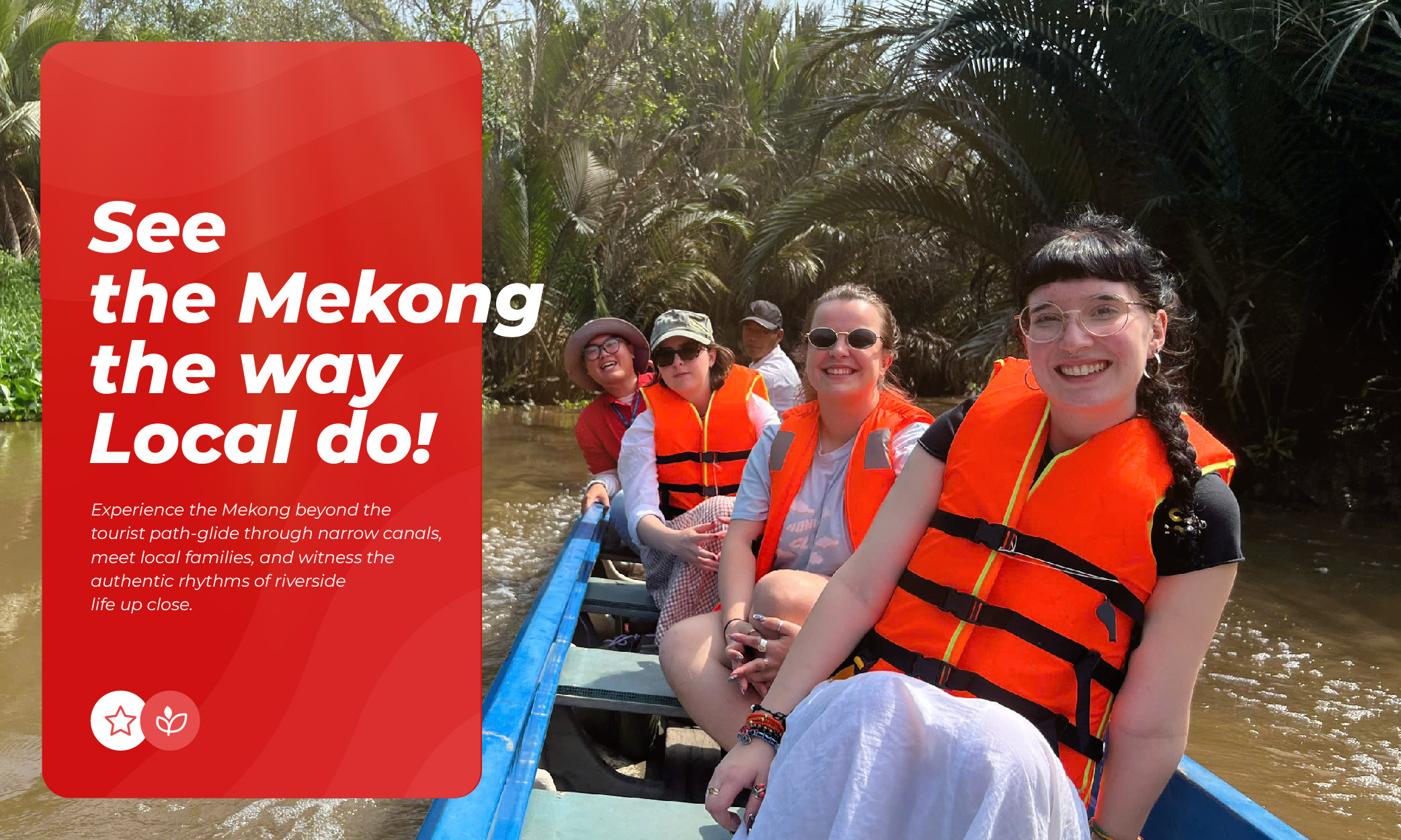
One of the clearest examples of slow travel in Vietnam is the Mekong Delta.
Many travelers visit the region on a quick day trip, moving from one stop to another without fully understanding what they are seeing.
But the Mekong Delta is not meant to be experienced quickly.
It is a place where life moves with the river. Daily routines depend on water levels, fishing schedules, and local markets.
Spending more time in the Delta allows you to see how people actually live, rather than just observing selected highlights.
This difference turns a simple visit into something much more meaningful.
Why slowing down feels uncomfortable at first
For many travelers, slowing down can feel unfamiliar.
There is often a desire to maximize time and see as much as possible. Taking a break or spending extra time in one place can feel like missing out on other destinations.
But this mindset comes from treating travel as a checklist.
Vietnam rewards a different approach.
When you allow yourself to stay longer, repeat experiences, and move without a strict schedule, you begin to see more, not less.

How slow travel changes your perspective
When you spend more time in one place, your perspective naturally begins to change.
At first, you see Vietnam as a visitor. Everything feels new, different, and sometimes confusing. But as you stay longer, patterns begin to appear. You start recognizing streets, remembering faces, and understanding small details of daily life.
Simple things become more noticeable. The way people greet each other in the morning, the rhythm of local markets, or the quiet moments between the busy parts of the day all begin to stand out.
This shift transforms your experience from observation into understanding.
Instead of just visiting Vietnam, you begin to feel connected to it.
Practical ways to travel slower in Vietnam
Traveling slowly does not require a completely different itinerary. It often comes down to small choices.
Staying longer in fewer destinations is one of the most effective changes. Instead of moving every day, spending two or three nights in one place allows you to experience different times of day and different moods of the same location.
Choosing fewer activities also helps. Rather than filling every hour with planned tours, leaving space in your schedule allows unexpected moments to happen naturally.
Walking instead of constantly using transportation can also make a difference. Moving at a slower pace helps you notice details that are easily missed when you are rushing.
Even returning to the same café or restaurant can create a sense of familiarity that adds depth to your experience.
Who slow travel is really for
Slow travel is not only for long-term travelers.
Even short trips can benefit from a slower approach. It is not about how many days you have, but how you use them.
Travelers who value cultural experiences, meaningful interactions, and a deeper understanding of local life often find slow travel more rewarding than fast-paced itineraries.
It is especially suited for those who are willing to let go of the idea of seeing everything.
In Vietnam, trying to see everything often means understanding very little.
The mistake of trying to slow down too late
One common mistake travelers make is realizing the value of slow travel only at the end of their trip.
After moving quickly through multiple destinations, they often find one place where they wish they had stayed longer. By that point, their schedule is already fixed, and there is no time to adjust.
Planning with a slower mindset from the beginning can prevent this.
Instead of focusing on how many places you can visit, it is more helpful to think about how deeply you want to experience each one.
This approach often leads to more memorable experiences, even if you visit fewer destinations.
Letting go of the need to see everything

Vietnam is a country that cannot be fully experienced in a single trip.
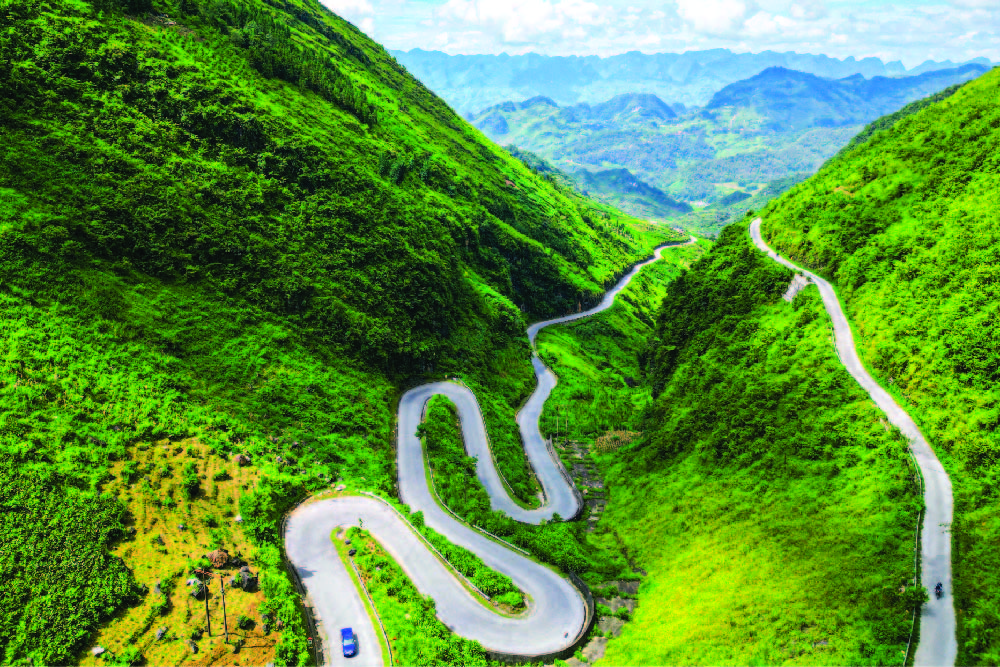
From the mountains in the north to the rivers of the Mekong Delta in the south, each region offers its own landscapes and cultural differences. Trying to fit everything into one journey often leads to constant movement and limited understanding.
Letting go of the need to see everything allows you to focus on what you are experiencing in the present moment.
This shift can feel difficult at first, but it often leads to a more satisfying and less stressful journey.
The emotional side of slow travel
Beyond practical benefits, slow travel also changes how you feel during your trip.
There is less pressure to move quickly and more time to relax. You begin to feel more comfortable in your surroundings, and unfamiliar places start to feel more welcoming.
Moments that might seem small at first become meaningful over time.
Sitting quietly by a river, watching daily life unfold, or sharing a simple meal with locals can leave a stronger impression than visiting multiple attractions in a single day.
These are the moments that stay with you long after the trip ends.
Why Vietnam is made for slow travel
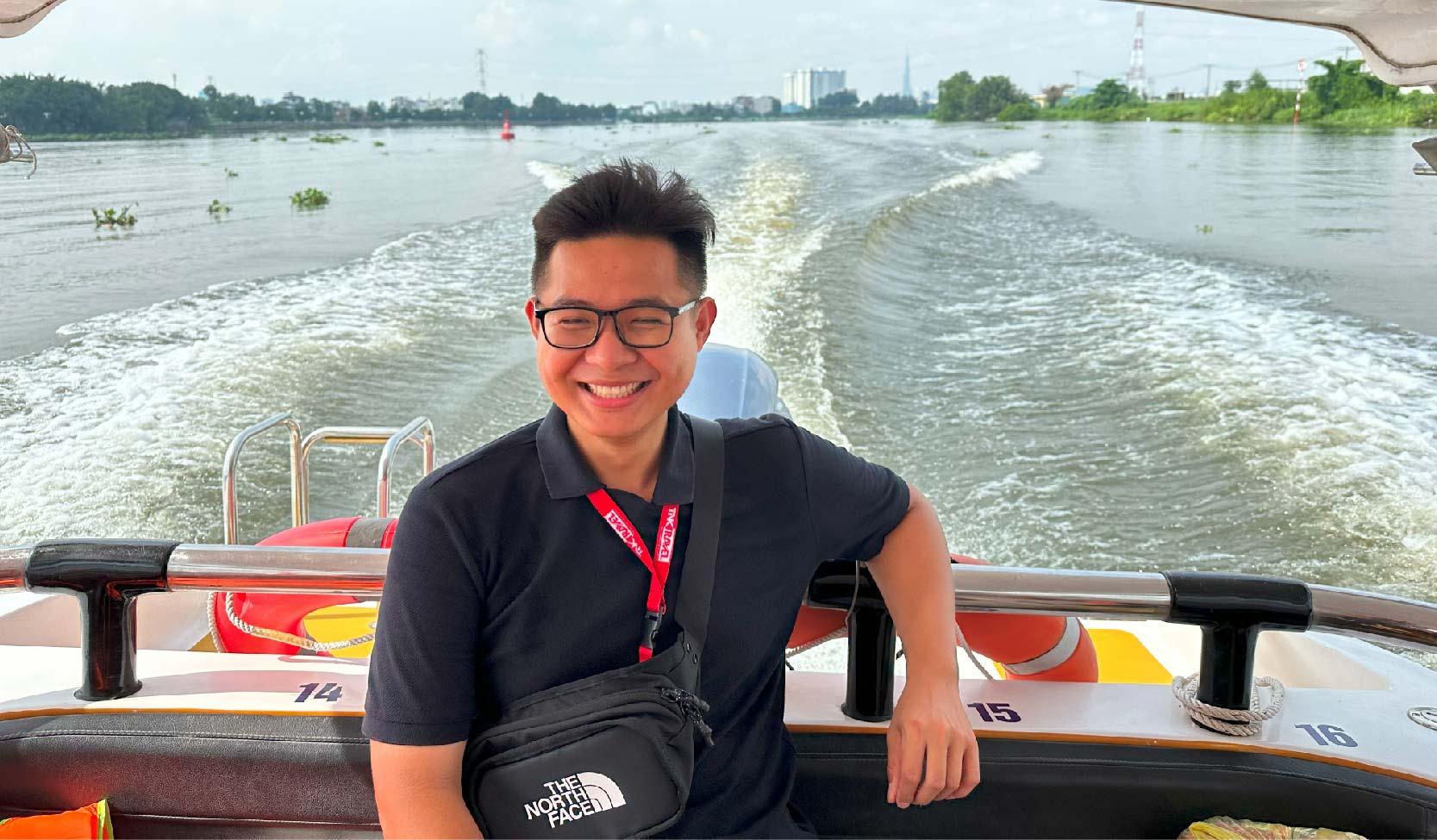
Vietnam’s diversity and daily life make it especially suitable for slow travel.
The country is not only defined by its landmarks but by how people live, work, and interact. These aspects cannot be fully understood through quick visits.
Whether you are exploring the streets of Hanoi, relaxing in a coastal town, or spending time in the Mekong Delta, each place reveals more when given time.
Vietnam rewards patience.
The longer you stay, the more it offers.
Final thoughts on slow travel in Vietnam
Traveling in Vietnam quickly allows you to see many places, but it often limits how much you truly experience.
Slowing down changes that.
It allows you to move beyond surface-level impressions and connect with the country in a deeper way. You begin to notice details, understand daily life, and create memories that are not tied to specific attractions.
Vietnam is not a destination that needs to be rushed.
It is a place that unfolds gradually, revealing its character through time, rhythm, and everyday moments.
And often, the most meaningful experiences are not the ones you plan, but the ones that happen when you give yourself the time to notice them.