
For many travelers visiting Vietnam for the first time, one of the earliest surprises happens before the day even begins.
You wake up just after sunrise, expecting a quiet morning, only to find the streets already alive.
In cities like Hanoi or Ho Chi Minh City, the day does not start slowly. It feels as though it has already been in motion for hours. Street food vendors are preparing breakfast, people are exercising in parks, and cafés are already filled with customers sitting and talking.
At first, it feels unexpected.
Why does everyone wake up so early?
The answer is not simple. It is not just about habit or preference. It is shaped by climate, culture, work patterns, and a deeper rhythm of life that has developed over generations.
Understanding this early-morning culture reveals something important about Vietnam itself.
The influence of climate on daily life
One of the most practical reasons Vietnamese people wake up early is the weather.
Vietnam has a tropical climate, especially in the south, where temperatures can rise quickly after sunrise. Even in the north, warmer months bring increasing heat and humidity as the day progresses.
Waking up early allows people to make use of the cooler hours of the morning.
Outdoor activities such as exercising, shopping at local markets, or commuting are much more comfortable before the heat becomes intense. For those who work outside, this timing is essential.
By midday, temperatures often reach a point where physical activity becomes more difficult. This naturally shifts the most active part of the day to the early morning.
Over time, this pattern becomes part of daily life.
A culture built around mornings
In Vietnam, mornings are not just the start of the day. They are one of the most important parts of it.
Unlike in some cultures where mornings feel rushed or transitional, mornings in Vietnam are active and social.
People gather around parks, lakes, and sidewalks. Groups of older adults practice tai chi or light exercises. Others walk, stretch, or simply sit together and talk.
Around places like Hoan Kiem Lake, this scene becomes especially visible. The space fills with activity before the sun rises too high, creating an atmosphere that feels both calm and alive.
These routines are not occasional.
They are daily.
Street food culture starts early
Another reason mornings are so active is the importance of breakfast.
In Vietnam, breakfast is not something eaten quickly at home. It is often enjoyed outside.
Street food vendors begin preparing food very early in the morning. By the time most travelers wake up, many locals have already eaten.
Dishes such as pho, banh mi, and other local specialties are served fresh, often from small stalls or carts set up along the street.
This creates a unique environment where the city’s food culture is most visible in the early hours.
For travelers, waking up early provides access to some of the most authentic food experiences.
Work patterns and daily routines

Early waking is also connected to how work is structured.
Many jobs in Vietnam begin early in the day, especially those related to markets, transportation, construction, and outdoor labor.
Markets, in particular, operate on early schedules. Fresh produce arrives in the morning, and much of the buying and selling happens before the day becomes too hot.
This means that people involved in these activities often start their day before sunrise.
Even in office environments, starting earlier allows people to finish work earlier or take breaks during the hottest part of the day.
These patterns create a rhythm where mornings are the most productive period.
The influence of tradition
Beyond practical reasons, waking up early is also influenced by cultural values.
Vietnamese culture places importance on discipline, responsibility, and making the most of the day.
There is a common belief that waking up early leads to a more productive and balanced life. This idea has been passed down through generations, becoming part of how people think about time and routine.
Early rising is often associated with positive qualities such as diligence and organization.
This cultural mindset reinforces the habit, even as lifestyles change.
A different relationship with time
Another factor is how time is experienced.
In many Western cultures, evenings are often the most active part of the day, with social activities and entertainment happening late at night.
In Vietnam, while evenings are still social, mornings carry equal importance.
The day feels more evenly distributed.
People do not wait until the evening to relax or connect with others. These activities happen in the morning as well.
This creates a lifestyle where waking up early feels natural rather than forced.
The role of community in morning routines
Morning activities in Vietnam are rarely done alone.
People exercise together, eat together, and spend time in shared spaces.
This sense of community makes waking up early more enjoyable.
Instead of feeling like a solitary routine, it becomes a social experience.
Seeing familiar faces, exchanging greetings, and participating in group activities all contribute to the appeal of early mornings.
This social aspect reinforces the habit over time.
Why it feels surprising to travelers

For visitors, especially those coming from cultures where mornings are quieter, this early activity can feel surprising.
It creates a contrast between expectation and reality.
Travelers may expect calm streets and slow starts, but instead find movement and energy.
However, after a few days, this pattern begins to feel normal.
Many travelers even start waking up earlier themselves, drawn into the rhythm of the environment.
The transition from observation to participation
At first, travelers observe.
They watch people exercise, eat, and move through their routines.
But gradually, some begin to participate.
They wake up earlier, try breakfast at a street stall, or take a morning walk.
This shift changes how the experience feels.
Instead of simply observing Vietnamese culture, they begin to experience it from within.
For many travelers visiting Vietnam for the first time, one of the earliest surprises happens before the day even begins.
The connection between early waking and slow living
Interestingly, waking up early in Vietnam is not necessarily linked to a fast-paced lifestyle.
In many cases, it is the opposite.
Starting the day early creates more space.
People have time to exercise, eat breakfast slowly, and interact with others before work begins. There is less pressure to rush through these moments because the day feels longer.
This creates a form of slow living within an otherwise active environment.
For travelers, experiencing this rhythm can change the way they see the country. It becomes clear that life here is not only about movement, but also about balance.
Differences between north and south
While early waking is common across Vietnam, the way mornings feel can vary slightly between regions.
In the north, particularly in Hanoi, mornings often feel more structured and traditional. Activities around places like Hoan Kiem Lake reflect long-standing routines that have remained consistent over time.
In the south, mornings in Ho Chi Minh City feel slightly more flexible. The pace is still early, but the atmosphere can feel more casual, with a stronger focus on street food and café culture.
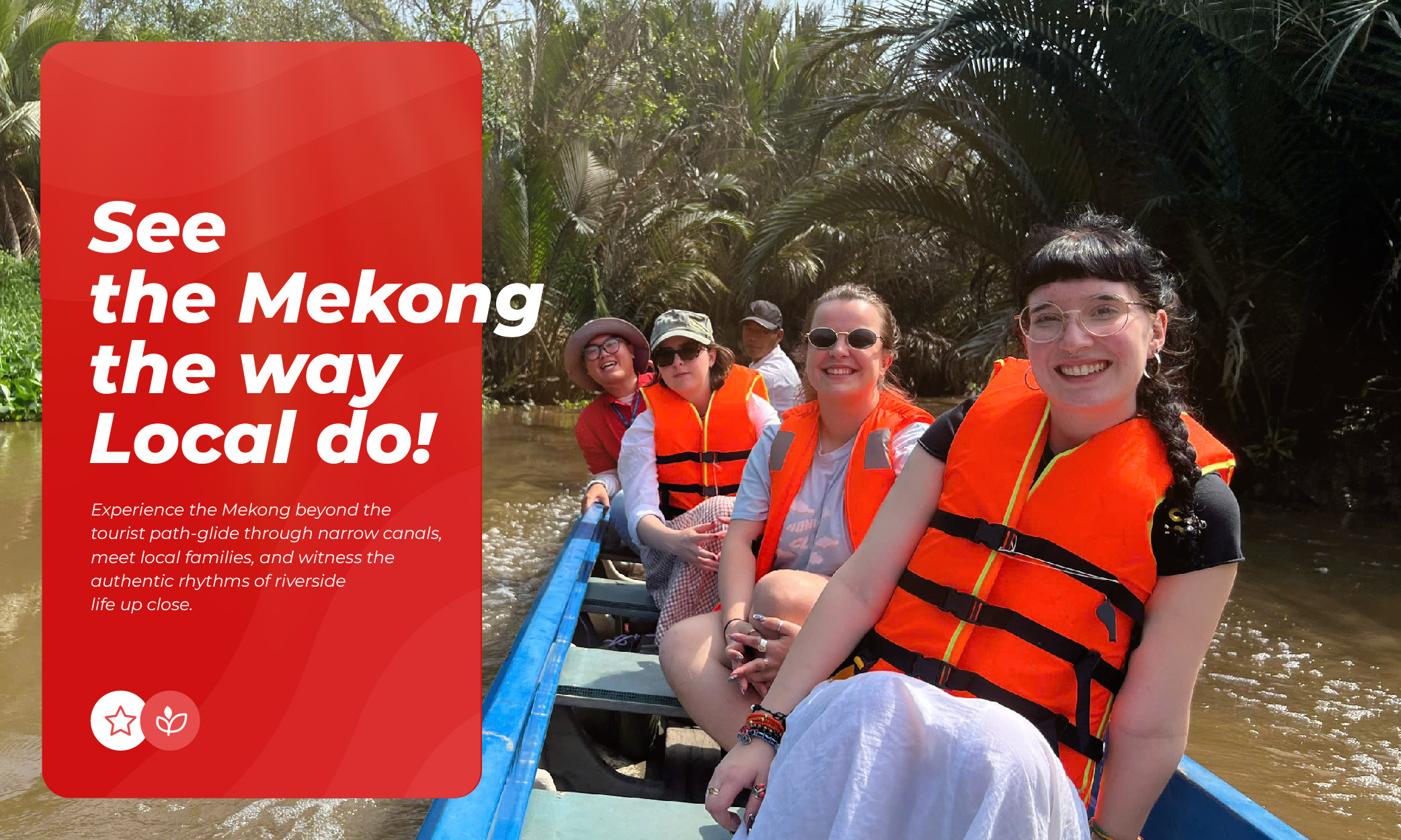
In rural areas, especially in regions like the Mekong Delta, mornings begin even earlier. Daily life often starts before sunrise, shaped by agricultural work and natural conditions.
These differences show how the same habit adapts to different environments.
How travelers naturally adapt
One of the most interesting things about traveling in Vietnam is how quickly people adapt to this early rhythm.
At the beginning of a trip, many travelers keep their usual habits, waking up later and missing the early part of the day.
But after a few days, something changes.
The sounds of the city, the movement outside, and the curiosity to see what happens in the morning begin to influence behavior.
Travelers start waking up earlier, sometimes without even planning to.
They go outside, walk through the streets, and discover a version of the city that feels completely different from what they experienced before.
What you experience when you wake up early
Waking up early in Vietnam gives you access to moments that are otherwise easy to miss.
You see how the city prepares itself for the day. Vendors set up their stalls, ingredients are delivered, and the first customers arrive.
You notice how people interact without the pressure of a busy schedule.
You experience the transition from quiet to activity.
These moments are not dramatic, but they are meaningful.
They provide insight into daily life that cannot be found in guidebooks or typical itineraries.
The relationship between routine and comfort
After spending more time in Vietnam, early mornings begin to feel familiar.
Returning to the same café, seeing the same street vendor, or walking the same route creates a sense of routine.
This routine builds comfort.
Even in a foreign environment, small repeated experiences make the place feel more approachable.
This is one of the reasons why waking up early becomes more appealing over time.
It is not just about the time of day, but about the familiarity that comes with it.
Why this habit stays with you
For many travelers, the habit of waking up early does not end when the trip ends.
Experiencing mornings in Vietnam changes how people think about time.
They realize that starting the day earlier creates more opportunities to experience things without rushing.
They remember how calm and productive mornings felt.
And sometimes, they try to bring that habit back with them.
This lasting effect shows how travel can influence not only where you go, but how you live.
The deeper meaning behind early mornings
At a deeper level, waking up early reflects a broader cultural mindset.
It shows a connection between people and their environment, where daily routines are shaped by climate, work, and community rather than rigid schedules.
It reflects a balance between activity and rest, where different parts of the day serve different purposes.
It also highlights the importance of shared experiences, where mornings become a time for connection rather than isolation.
These elements combine to create a lifestyle that feels both practical and meaningful.
Final thoughts on why Vietnamese people wake up so early

Waking up early in Vietnam is not just about starting the day sooner.
It is about how the day is experienced.
It allows people to move with the rhythm of their environment, to make time for both productivity and connection, and to create routines that feel natural rather than forced.
For travelers, understanding this habit offers a deeper insight into Vietnamese culture.
It shows that what may seem unusual at first is often part of a larger system that makes sense over time.
And sometimes, the best way to understand a place is not by asking questions, but by waking up early and seeing it for yourself.