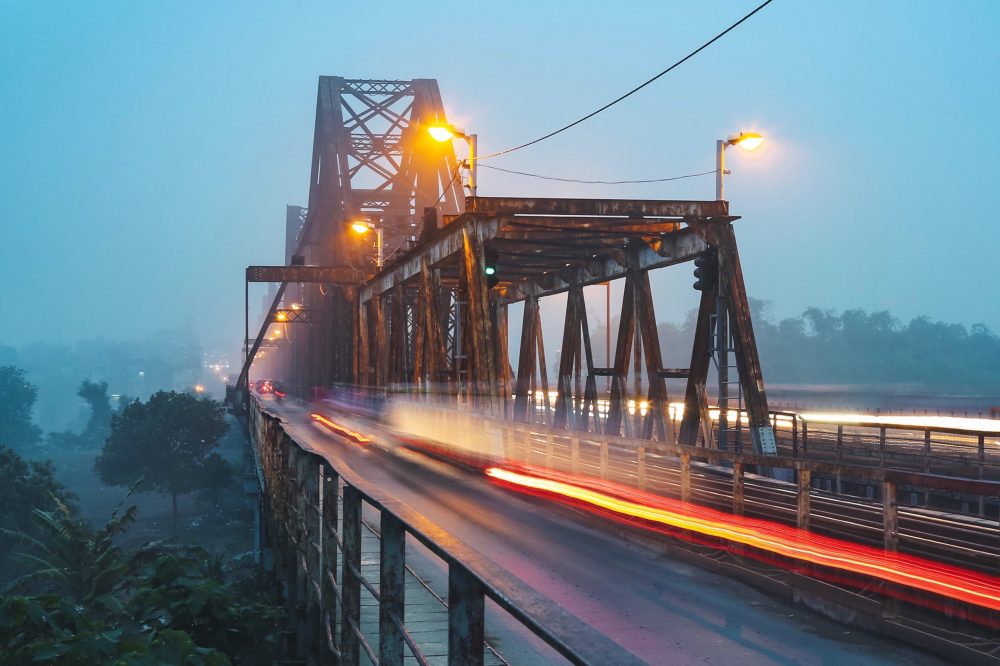
Hanoi is a city that reveals itself slowly.
At first, visitors notice the movement. Motorbikes flow through intersections, street vendors balance baskets of fruit along narrow sidewalks, and cafés spill onto every corner. Yet beneath the energy lies a city shaped by more than a thousand years of history, culture, and tradition.
As Vietnam’s capital, Hanoi combines ancient temples, colonial architecture, historic landmarks, and vibrant neighborhoods in a way few cities in Southeast Asia can match. It is a destination where a centuries-old pagoda may stand only minutes away from a modern café, and where quiet lakes offer moments of calm amid the city’s constant motion.
For first-time visitors, deciding where to go in Hanoi can feel overwhelming. The city offers far more than a simple checklist of attractions. Each place tells part of Hanoi’s story and helps visitors understand why the capital remains one of Vietnam’s most fascinating destinations.
Hoan Kiem Lake: the heart of Hanoi
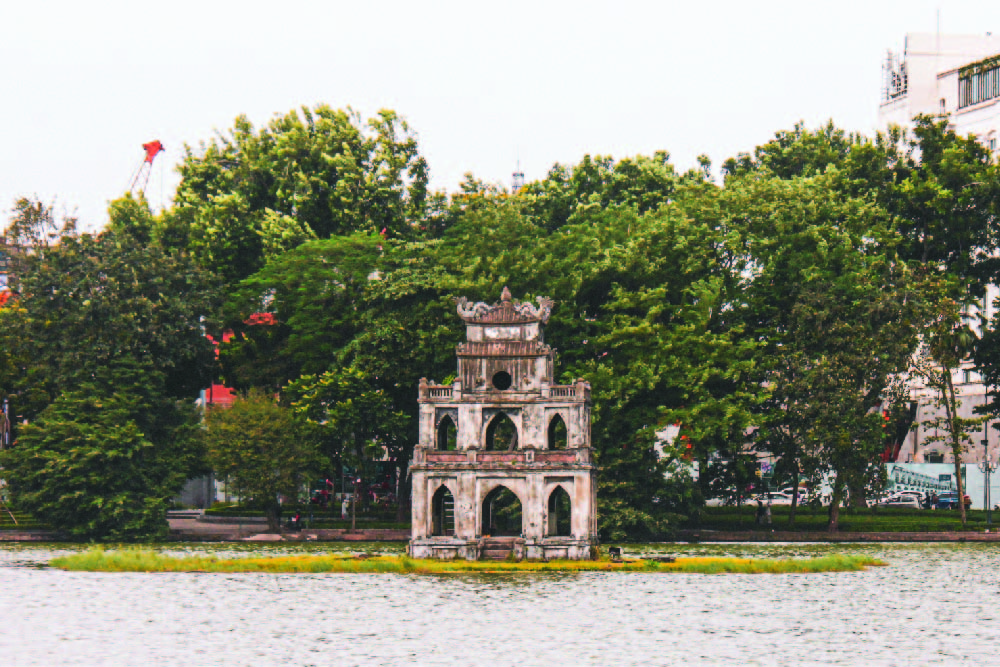
If there is one place that defines Hanoi, it is Hoan Kiem Lake.
Located in the center of the city, the lake serves as both a cultural landmark and a daily gathering place for locals. Early in the morning, residents arrive for exercise, tai chi, and walking groups. In the evening, the lake becomes a social space filled with families, students, and travelers enjoying the cooler air.
The lake is also connected to one of Hanoi’s most famous legends. According to local folklore, a magical sword was returned to a giant turtle in the lake after helping Vietnam achieve victory against foreign invaders.
Today, Hoan Kiem Lake remains one of the best places to experience the rhythm of Hanoi. Whether you visit at sunrise or after sunset, the atmosphere feels uniquely local.
Explore the Old Quarter
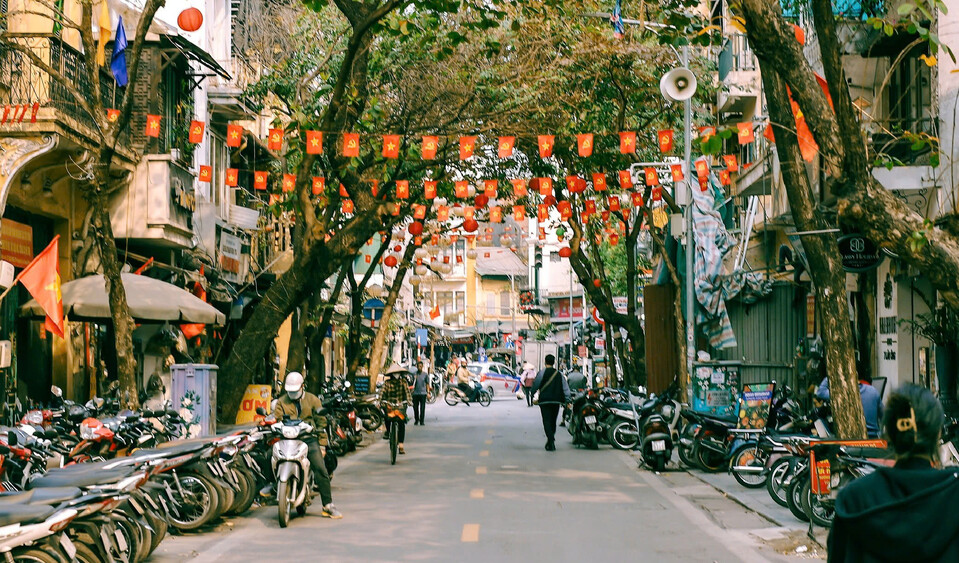
No trip to Hanoi feels complete without wandering through the Hanoi Old Quarter.
This historic neighborhood has been the commercial center of Hanoi for centuries. Narrow streets weave through an intricate maze of shops, cafés, street food stalls, temples, and traditional homes. Many of the streets still carry names linked to historic trades and crafts that once dominated the area.
Walking through the Old Quarter is not about reaching a destination. The experience comes from observing daily life itself. The scent of pho drifts from street kitchens, incense escapes from hidden temples, and locals gather on tiny plastic stools for coffee and conversation.
The district also offers some of Hanoi’s best opportunities for street photography, local food experiences, and people-watching.
Ho Chi Minh Mausoleum
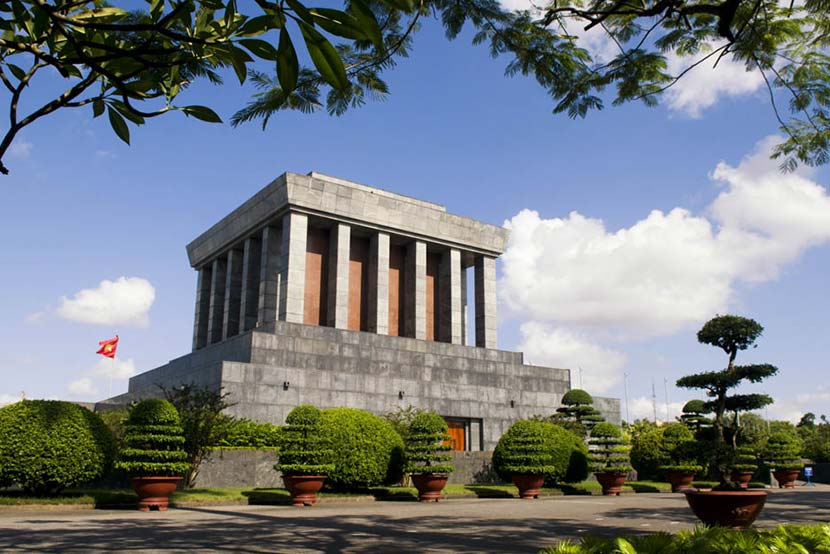
One of Hanoi’s most important historical landmarks is the Ho Chi Minh Mausoleum.
Built between 1973 and 1975, the mausoleum houses the preserved body of Ho Chi Minh, the revolutionary leader who played a central role in Vietnam’s modern history. Visitors from across Vietnam and around the world come here to pay their respects.
The surrounding complex includes large ceremonial squares, gardens, and additional historical sites connected to Ho Chi Minh’s life.
Even travelers with only a casual interest in history often find the experience meaningful because of its importance to Vietnamese culture and national identity.
One Pillar Pagoda
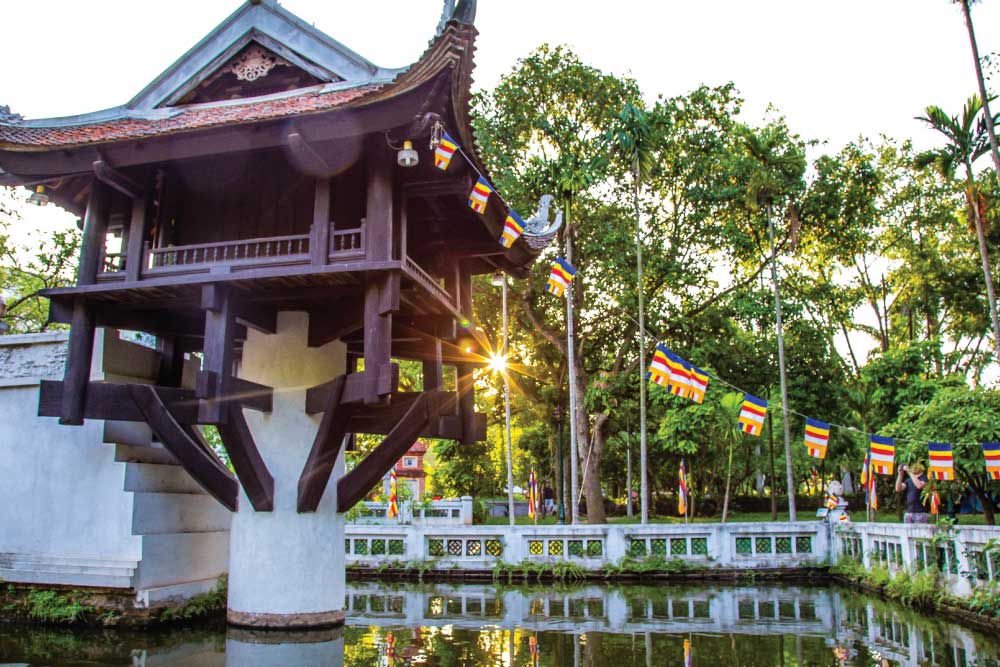
Located near the Ho Chi Minh Mausoleum is the iconic One Pillar Pagoda.
Originally built in the 11th century, the pagoda is one of Vietnam’s most recognizable religious structures. Its unique design resembles a lotus flower rising from the water, symbolizing purity in Buddhist philosophy.
Although relatively small in size, the pagoda remains one of Hanoi’s most photographed landmarks and offers insight into Vietnam’s spiritual traditions.
Temple of Literature
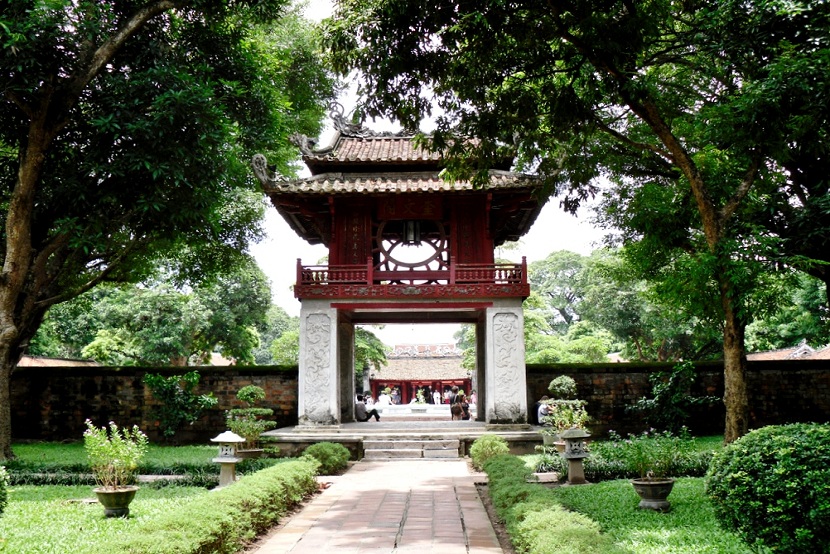
For travelers interested in history, education, and traditional architecture, the Temple of Literature is one of the city’s essential stops.
Built in 1070, the complex served as Vietnam’s first national university and became a symbol of scholarship and Confucian learning. Today, visitors can explore peaceful courtyards, ancient stone steles, gardens, and beautifully preserved architecture.
The atmosphere feels very different from the busy streets outside. Many visitors describe the Temple of Literature as one of the most peaceful places in Hanoi.
Imperial Citadel of Thang Long
The Imperial Citadel of Thang Long provides a fascinating look into Vietnam’s royal history.
Recognized as a UNESCO World Heritage Site, the citadel served as the political center of Vietnam for centuries. Archaeological discoveries here have revealed layers of dynasties, cultures, and historical periods that helped shape the nation.
Walking through the site allows visitors to explore ancient gates, historical relics, and remains of royal structures that once stood at the heart of imperial Vietnam.
St. Joseph’s Cathedral
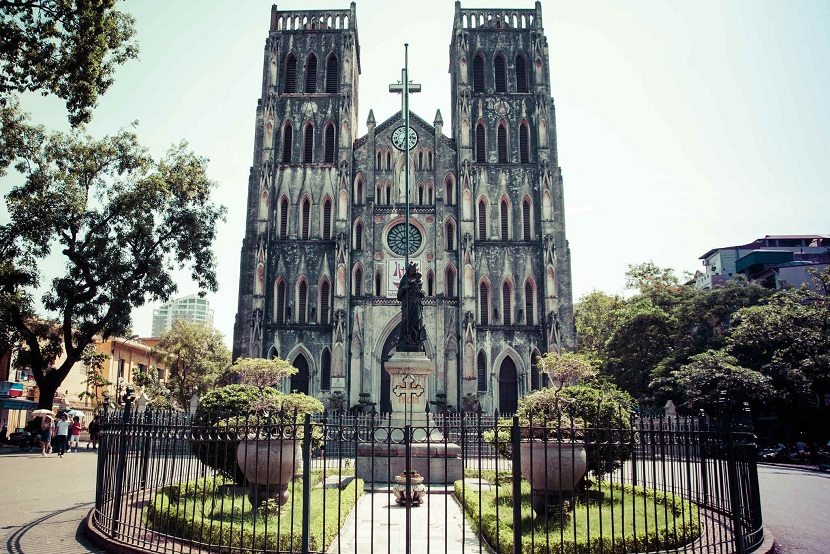
The St. Joseph’s Cathedral showcases another side of Hanoi’s architectural identity.
Built during the French colonial period, the cathedral features Gothic Revival architecture inspired by European churches. Its tall towers, stained glass windows, and weathered stone façade create a striking contrast against the surrounding Vietnamese streets.
The area around the cathedral has become one of Hanoi’s most popular gathering places, filled with cafés, restaurants, and young locals enjoying the atmosphere.
Hanoi Opera House
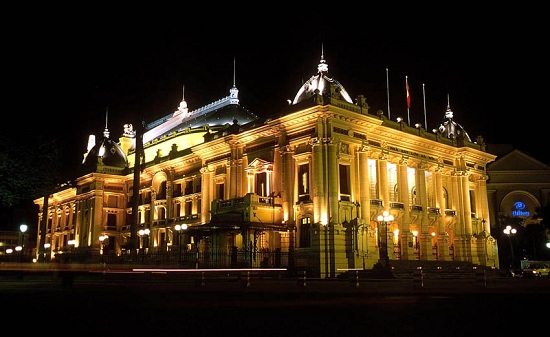
One of the finest examples of French colonial architecture in Vietnam is the Hanoi Opera House.
Inspired by the famous Palais Garnier in Paris, the opera house reflects a period when Hanoi was heavily influenced by French urban design. Today, the building continues to host cultural performances, concerts, and artistic events.
Even for travelers who do not attend a performance, the exterior architecture alone makes it worth visiting.
Vietnamese Women’s Museum
One of Hanoi’s most underrated cultural attractions is the Vietnamese Women’s Museum.
Unlike many traditional museums that focus on wars or political history, this museum tells the story of Vietnamese women through family life, fashion, religion, work, and social change. Exhibits showcase traditional costumes, personal stories, photographs, and artifacts that highlight the important role women have played throughout Vietnam’s history.
Visitors often leave surprised by how engaging and personal the museum feels. Rather than presenting history through dates and events alone, it focuses on the experiences of real people and everyday life.
For travelers looking to understand Vietnamese culture beyond major historical landmarks, this museum offers valuable insight.
Hoa Lo Prison
Few places in Hanoi provide such a powerful look into Vietnam’s complex history as Hoa Lo Prison.
Originally built by the French colonial government in the late 19th century, the prison was used to hold Vietnamese political prisoners. During the Vietnam War, it later housed American prisoners of war, leading to its famous nickname, the “Hanoi Hilton.”
Today, the prison serves as a museum where visitors can learn about both periods of its history through preserved cells, historical documents, photographs, and exhibitions.
While the subject matter can be emotional, Hoa Lo Prison remains one of the most important historical sites in Hanoi for understanding the country’s modern history.
Watch a traditional water puppet show
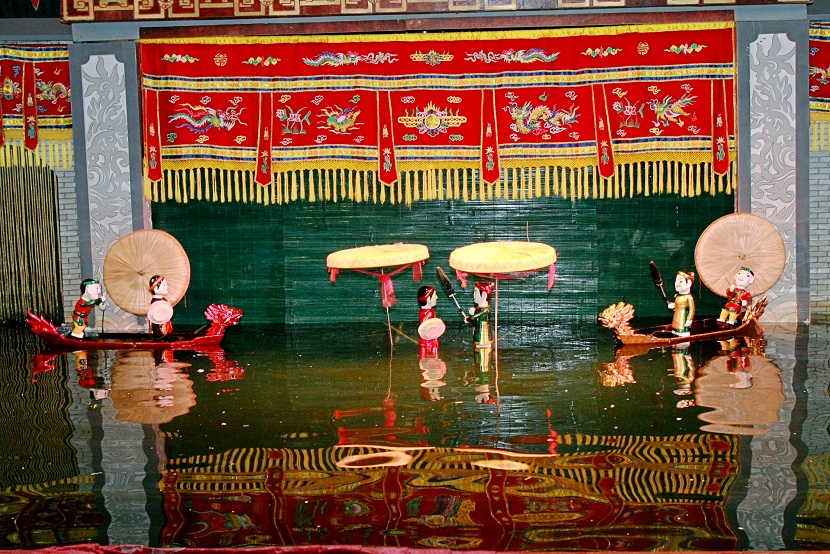
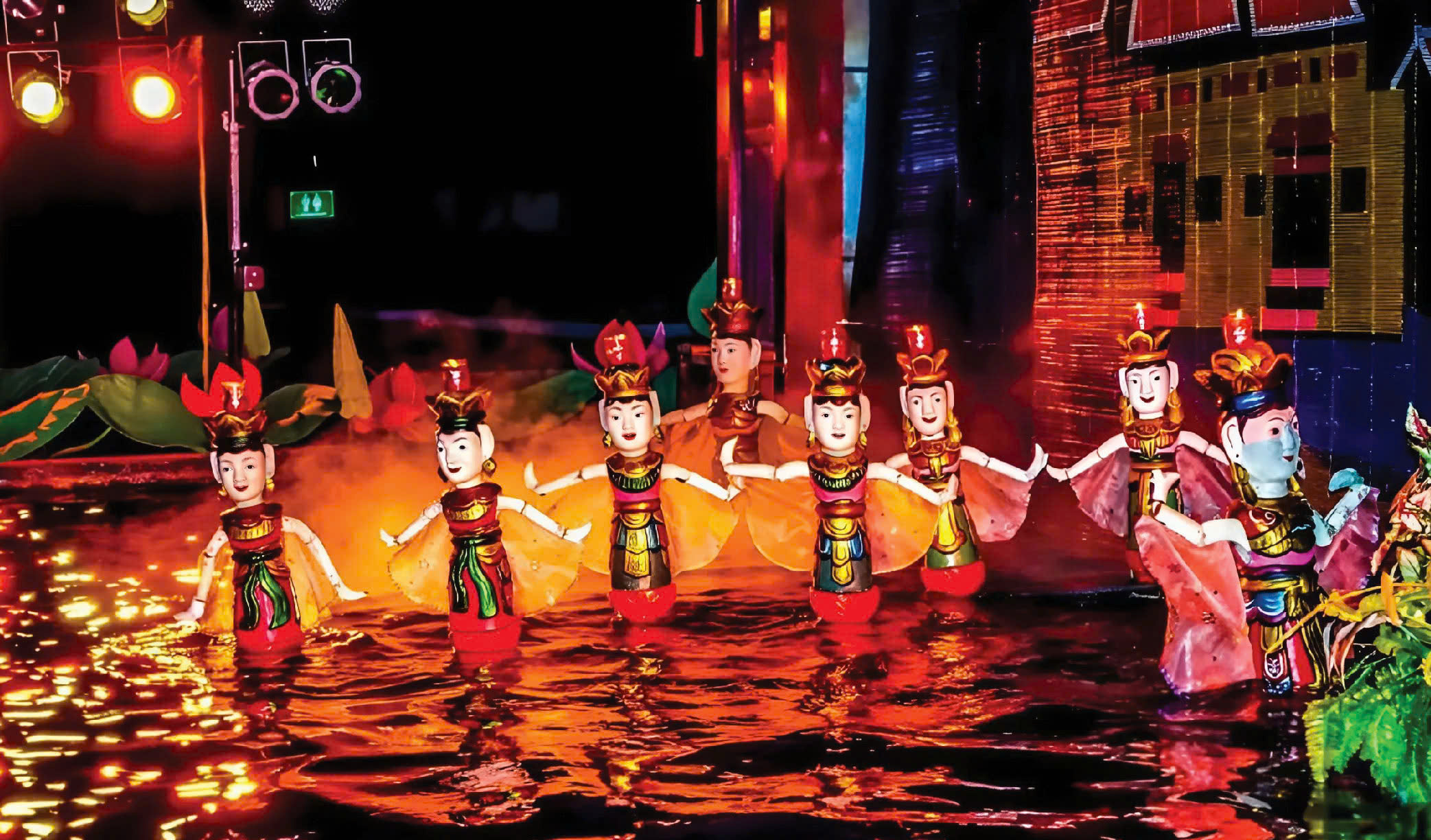
One of the most uniquely Vietnamese experiences in Hanoi is attending a traditional water puppet performance.
Water puppetry originated in the rice-growing villages of northern Vietnam nearly a thousand years ago. Farmers would perform puppet shows in flooded rice fields, using water as both a stage and part of the performance itself.
Today, the tradition continues through professional performances that combine puppetry, live music, folklore, and storytelling.
For many travelers, a water puppet show becomes one of the most memorable cultural experiences in Hanoi because it introduces a form of art found nowhere else in the world.
Experience Hanoi Train Street
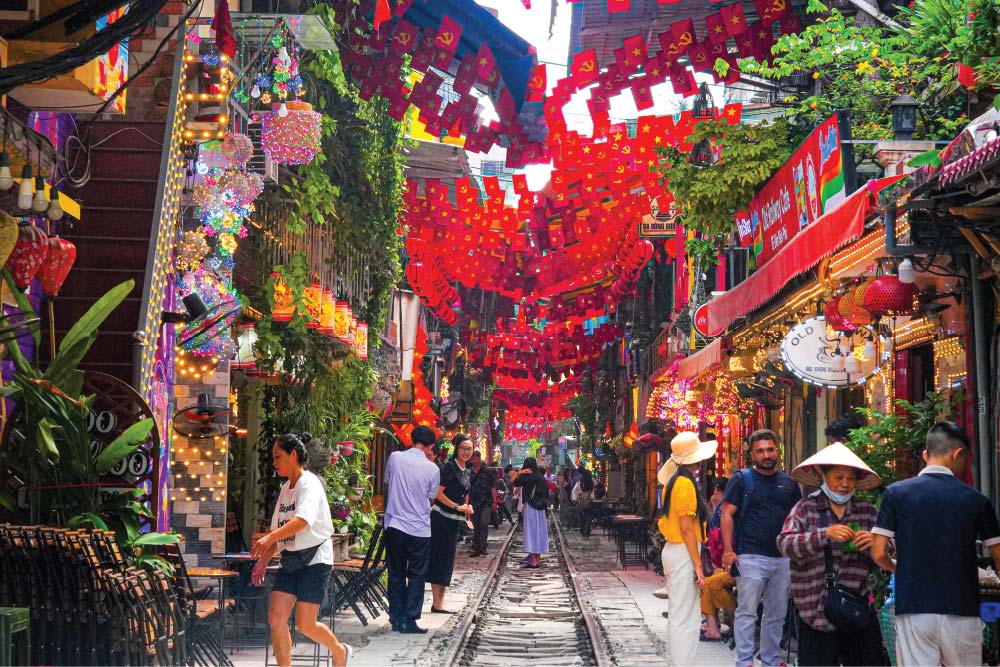
Few places have become as famous on social media as Hanoi Train Street.
This narrow residential lane gained international attention because trains pass just inches away from homes, cafés, and businesses. Watching a train move through such a tight space creates a surreal experience that feels uniquely Hanoi.
Although access rules change periodically for safety reasons, the area remains one of the city’s most talked-about attractions.
Even when trains are not passing, the neighborhood offers a fascinating glimpse into how local communities adapt to urban life in unexpected ways.
Discover Hanoi’s café culture
Hanoi’s café culture deserves a place among the city’s top attractions.
Coffee is not simply a drink in Hanoi. It is part of daily life.
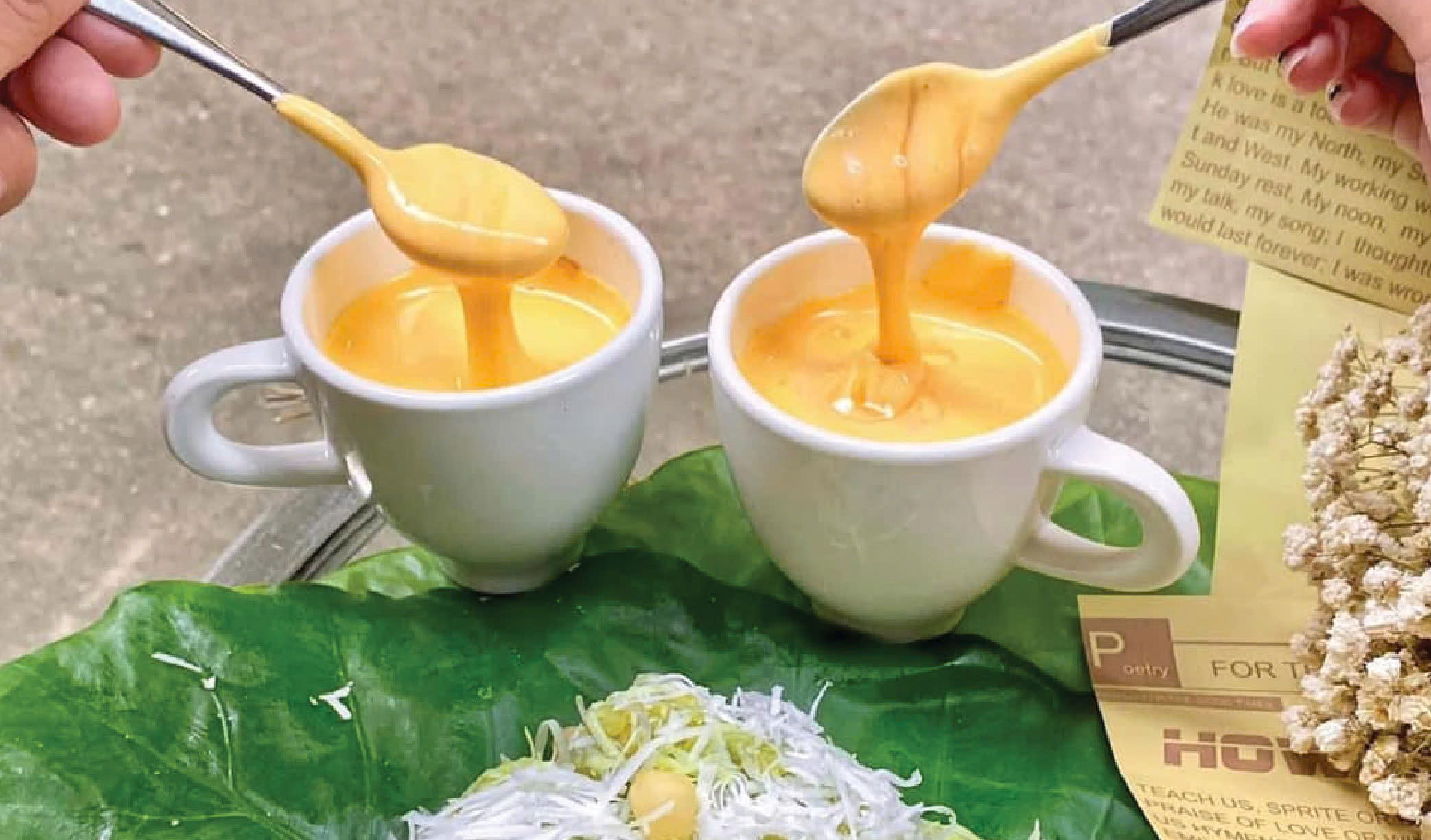
The city is famous for its traditional coffee houses, hidden courtyard cafés, and creative coffee drinks. One of the most well-known is egg coffee, a rich mixture of coffee, whipped egg yolk, and sweetened condensed milk that originated in Hanoi.
Many travelers arrive expecting to visit famous landmarks but leave talking about afternoons spent sitting in quiet cafés overlooking old streets and hidden alleyways.
Some of Hanoi’s best experiences happen while doing very little at all.
Taste Hanoi’s street food
Hanoi is widely regarded as one of the best food cities in Asia.
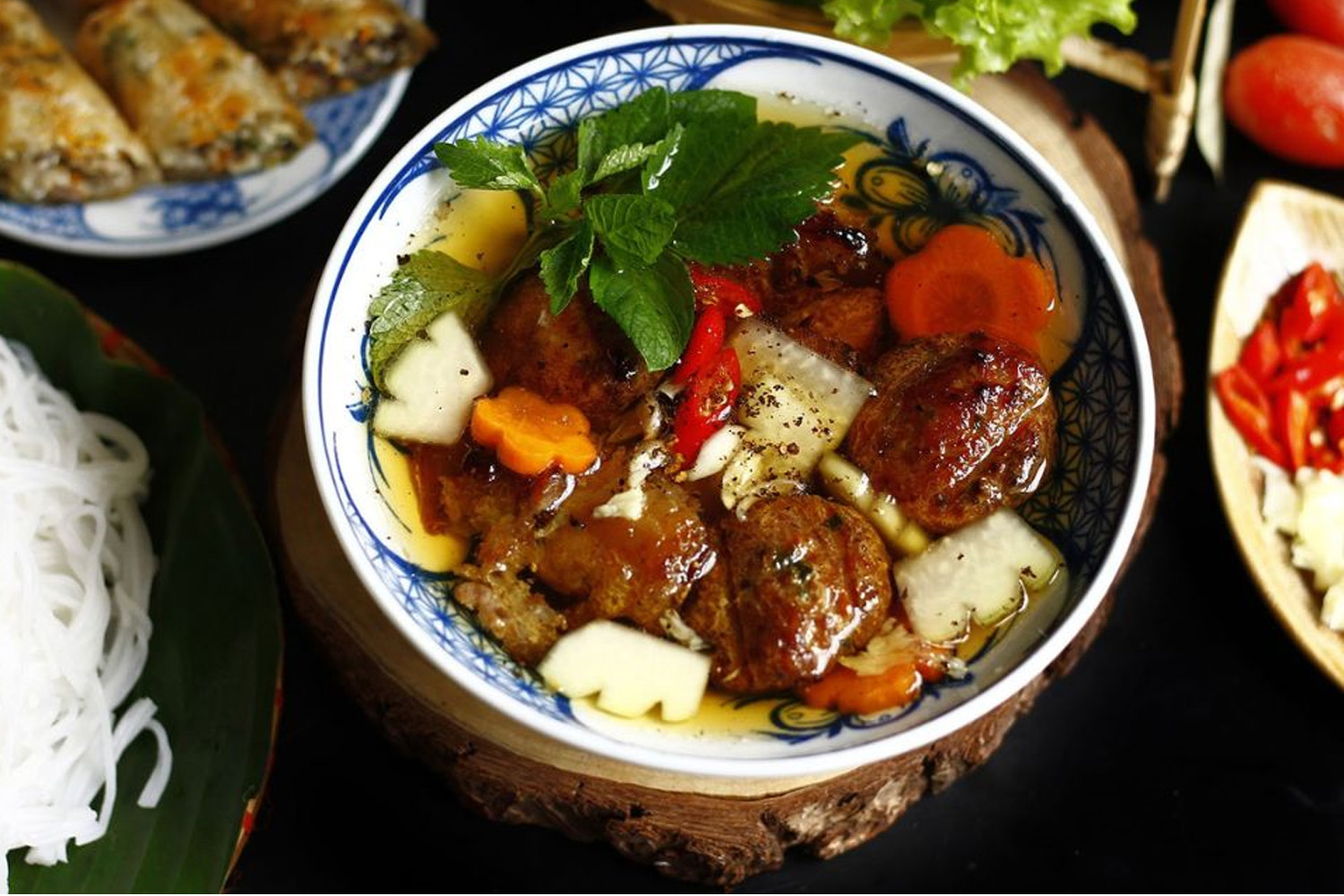
The city’s street food scene offers everything from steaming bowls of pho and bun cha to sticky rice, fresh spring rolls, grilled meats, and countless local snacks.
What makes Hanoi special is not only the food itself but the atmosphere surrounding it. Meals are often enjoyed on small plastic stools along busy sidewalks, creating a dining experience that feels deeply connected to the city’s daily rhythm.
Food is one of the most direct ways to understand Hanoi, and many travelers find that their favorite memories come from simple meals rather than famous attractions.
Walk around West Lake
While Hoan Kiem Lake sits at the center of Hanoi’s historic district, West Lake offers a completely different side of the city.
As the largest lake in Hanoi, West Lake feels more spacious, relaxed, and residential. The area surrounding the lake is known for cafés, restaurants, temples, cycling routes, and lakeside views.
Many expatriates and long-term travelers choose to spend time here because the atmosphere feels calmer compared to the busy Old Quarter.
Sunset around West Lake is especially beautiful, as the changing light reflects across the water and creates one of Hanoi’s most peaceful urban landscapes.
Visit Long Bien Bridge
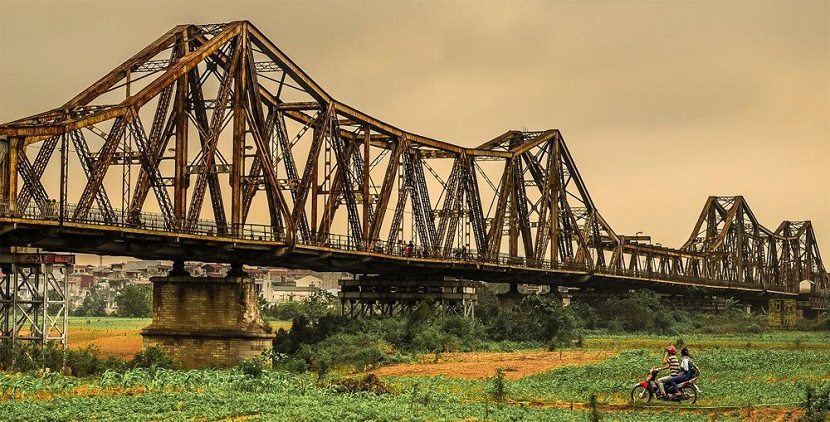
Long Bien Bridge is much more than a transportation structure.
Built during the French colonial period, the bridge has survived wars, political change, and more than a century of history. Today, trains, motorbikes, bicycles, and pedestrians continue crossing the bridge daily.
Walking along Long Bien Bridge provides a different perspective of Hanoi, with views of the Red River, local neighborhoods, and agricultural land surrounding the city.
Its weathered appearance tells a story of resilience and survival that many visitors find surprisingly moving.
Why Hanoi feels different from other cities in Vietnam
Many destinations in Vietnam impress visitors with natural beauty.
Hanoi leaves an impression for a different reason.
The city feels layered.
Ancient temples exist beside French colonial buildings. Street food vendors operate next to luxury hotels. Historic landmarks stand only minutes away from modern cafés and shopping districts.
This combination creates a city that never feels defined by a single era.
Instead, Hanoi feels like multiple centuries existing together at the same time.
Suggested itinerary for first-time visitors
For travelers visiting Hanoi for the first time, a balanced itinerary might include:
Day 1
- Hoan Kiem Lake
- Old Quarter
- St. Joseph’s Cathedral
- Water puppet show
- Street food dinner
Day 2
- Ho Chi Minh Mausoleum
- One Pillar Pagoda
- Temple of Literature
- Imperial Citadel of Thang Long
- Hanoi Opera House
Day 3
- Hoa Lo Prison
- Vietnamese Women’s Museum
- West Lake
- Café hopping
- Long Bien Bridge at sunset
This combination allows visitors to experience Hanoi’s history, culture, food, and daily life without feeling rushed.
Frequently asked questions about visiting Hanoi
What are the best places to visit in Hanoi?
Some of the most popular attractions in Hanoi include:
- Hoan Kiem Lake
- Hanoi Old Quarter
- Ho Chi Minh Mausoleum
- Temple of Literature
- Imperial Citadel of Thang Long
- St. Joseph’s Cathedral
- Hanoi Opera House
- Hoa Lo Prison
- West Lake
These landmarks offer a mix of history, culture, architecture, and local life.
How many days do you need in Hanoi?
Most travelers should spend at least 2 to 3 days in Hanoi. This allows enough time to explore the city’s major attractions, experience its food scene, and enjoy the unique atmosphere of the Old Quarter.
Is Hanoi worth visiting?
Absolutely. Hanoi is one of Southeast Asia’s most fascinating capitals, offering over 1,000 years of history, vibrant street food, colonial architecture, and rich cultural traditions.
What is Hanoi most famous for?
Hanoi is famous for its Old Quarter, Hoan Kiem Lake, street food culture, egg coffee, historic temples, French colonial architecture, and its role as Vietnam’s political and cultural capital.
What is the number one attraction in Hanoi?
For many visitors, Hoan Kiem Lake is considered the heart of Hanoi and one of the city’s most iconic attractions. The lake combines history, local culture, and beautiful scenery in the center of the city.
Is the Hanoi Old Quarter worth visiting?
Yes. The Old Quarter is one of Hanoi’s most atmospheric neighborhoods. Its narrow streets, local markets, cafés, street food stalls, and historic architecture make it a must-visit destination for first-time travelers.
What cultural experiences should I try in Hanoi?
Popular cultural experiences include:
- watching a traditional water puppet show
- trying egg coffee
- exploring local markets
- joining a street food tour
- visiting historical museums
- walking through the Old Quarter
These activities provide a deeper understanding of Vietnamese culture and daily life.
What food should I try in Hanoi?
Some must-try dishes include:
- Pho
- Bun Cha
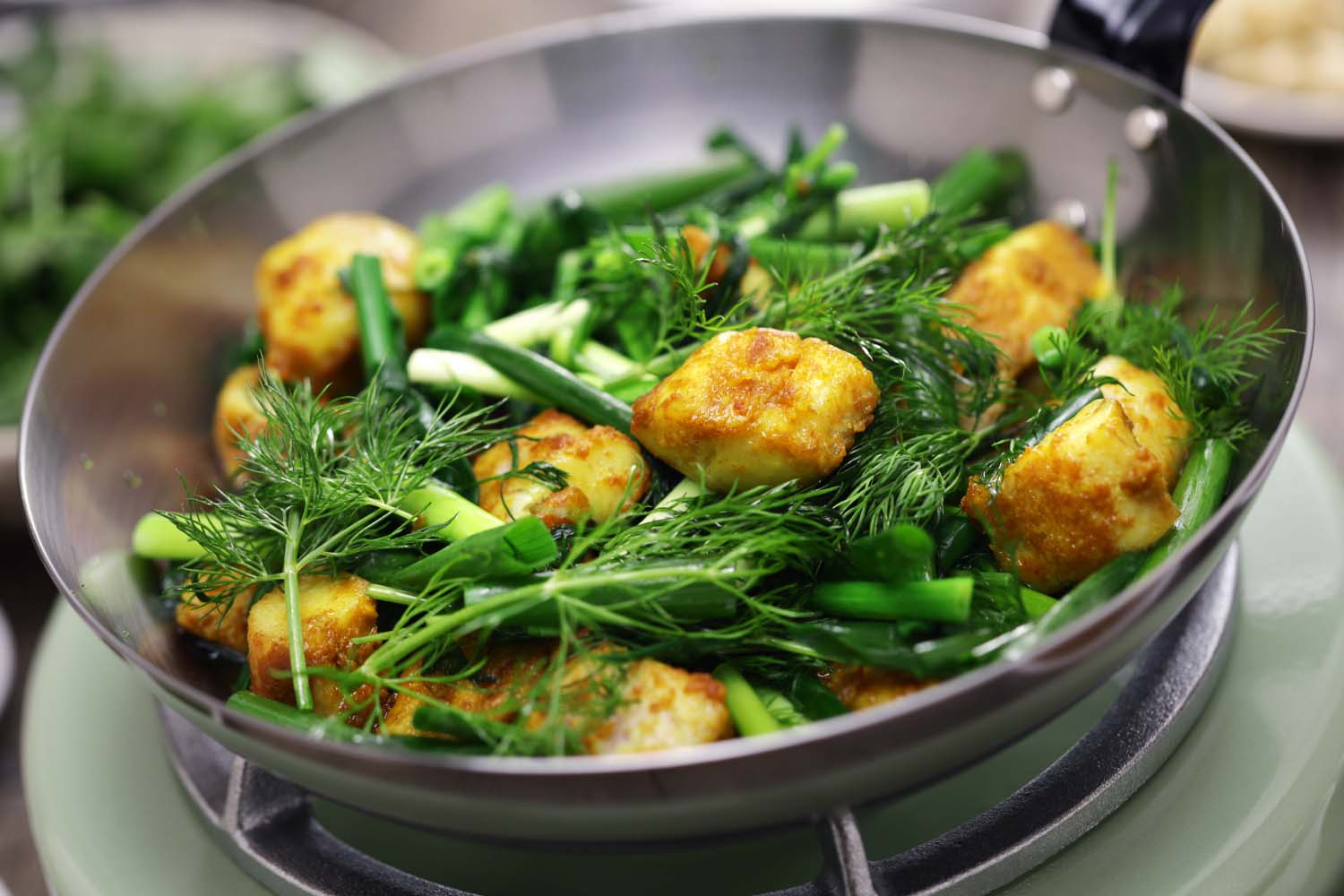
- Cha Ca
- Banh Cuon
- Egg Coffee
- Sticky Rice
- Fresh Spring Rolls
Hanoi is widely considered one of Vietnam’s best food destinations.
What is the best time to visit Hanoi?
The most comfortable months are generally from October to April, when temperatures are cooler and humidity is lower. However, Hanoi offers unique experiences throughout the year.
Can I explore Hanoi on foot?
Yes. Many attractions in central Hanoi are located relatively close together. Walking is one of the best ways to experience the Old Quarter, Hoan Kiem Lake, and surrounding neighborhoods.
What should first-time visitors not miss in Hanoi?
If it’s your first time in Hanoi, don’t miss:
- Hoan Kiem Lake
- Hanoi Old Quarter
- Temple of Literature
- Ho Chi Minh Mausoleum
- A traditional water puppet show
- Hanoi’s street food scene
- A local egg coffee experience
Together, these attractions provide an excellent introduction to the history, culture, and atmosphere of Vietnam’s capital city.