You notice it before you’ve even left the airport: someone waves you over, insists you take the seat with the fan pointed at it, and pours you tea you didn’t order. That’s the thing people don’t tell you about Vietnam. The scenery is unreal — but it’s the way the country folds you into daily life that you remember once you’re home.
This isn’t a country you tick off. It’s one you keep finding reasons to come back to. Here’s an honest look at why.
A country that changes every few hours on the road
Vietnam is shaped like a long, narrow S, and that geography does something rare: it stacks wildly different landscapes close together. You can have breakfast in the limestone karst country of Ninh Bình, be hiking rice terraces in Sapa by the next afternoon, and be barefoot on a beach in Da Nang the day after.
The numbers back up the variety. Vietnam packs more than 3,000 kilometres of coastline, thousands of islands, a chain of northern mountains, the river maze of the Mekong Delta in the south, and a cool highland interior — all inside a country smaller than most travelers expect. Each region has its own dialect, its own food, and often its own ethnic communities, like the Tày, Thái, Mường, and H’Mông, who still live in mountain villages and farm the way their grandparents did.
What makes it work for a trip is how easy it is to move between all of it. Most domestic flights take an hour or two. The Reunification Express railway runs the full spine of the country if you’d rather watch the coast slide past your window. And for the ones who want the road to be the point, renting a motorbike and riding the Hà Giang Loop in the far north is the kind of thing people plan whole trips around.
Nine UNESCO sites — and yes, that number just changed
Vietnam now holds nine UNESCO World Heritage Sites, the second-most in Southeast Asia. If you read that the country has eight, that source is out of date: in July 2025, UNESCO added the Yen Tu–Vinh Nghiem–Con Son, Kiep Bac complex in the north, a sprawling network of pagodas and mountain landscapes tied to Vietnam’s homegrown Truc Lam school of Zen Buddhism.
The other eight are the ones that probably put Vietnam on your list in the first place:
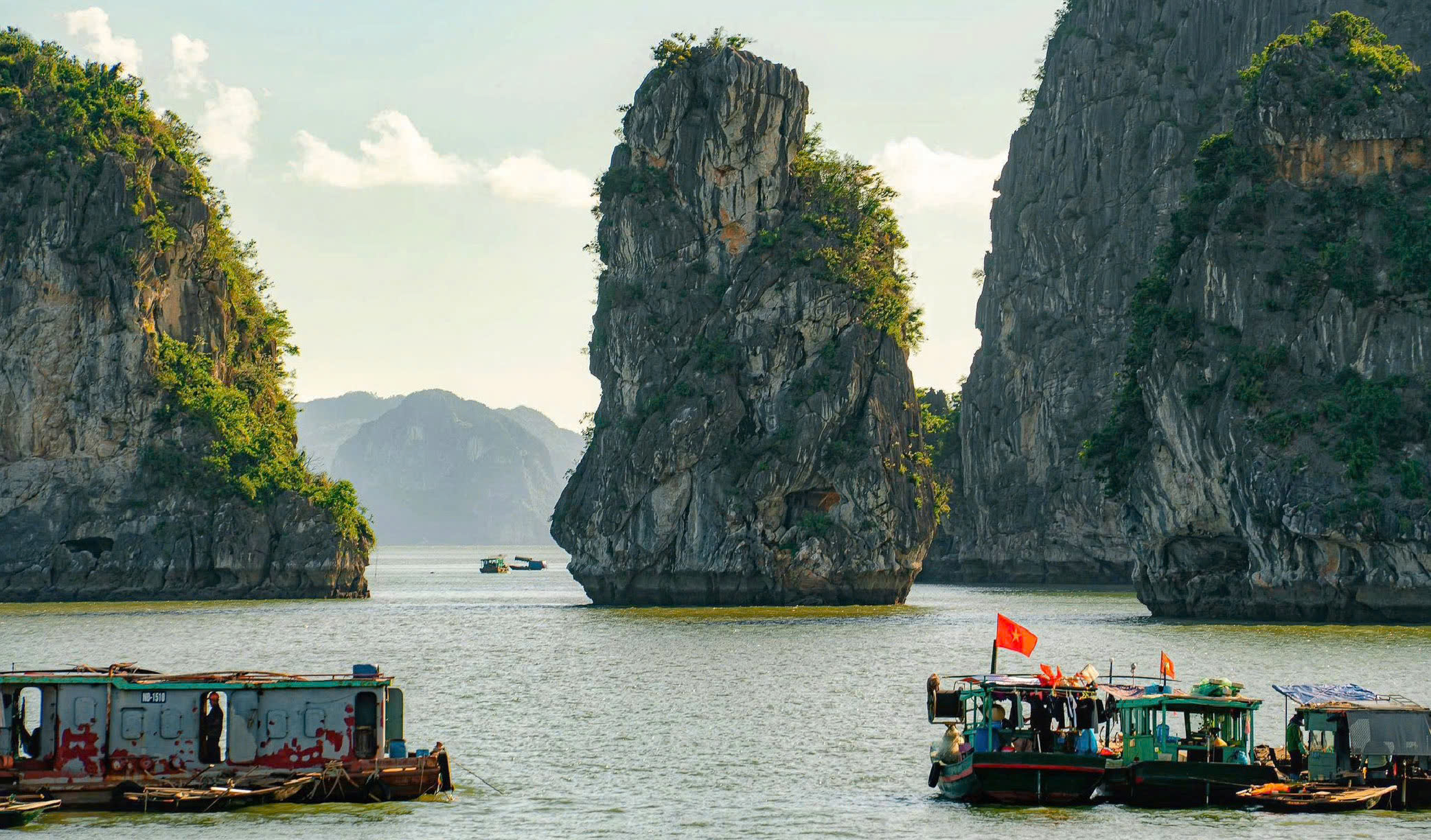
- Ha Long Bay–Cát Bà Archipelago — emerald water and 1,600-odd limestone islands
- Hoi An Ancient Town — a lantern-lit former trading port, best at dusk
- Complex of Hue Monuments — the old imperial capital
- My Son Sanctuary — Hindu temple ruins from the Champa civilization
- Phong Nha–Ke Bang National Park — home to some of the largest caves on Earth
- Trang An Landscape Complex — the “Ha Long Bay on land” near Ninh Bình
- Imperial Citadel of Thang Long — a thousand years of Hanoi’s history in one site
- Citadel of the Ho Dynasty — a quiet, overlooked stone fortress
You could build an entire two-week itinerary just connecting these, and most people do exactly that.
The food is reason enough to come
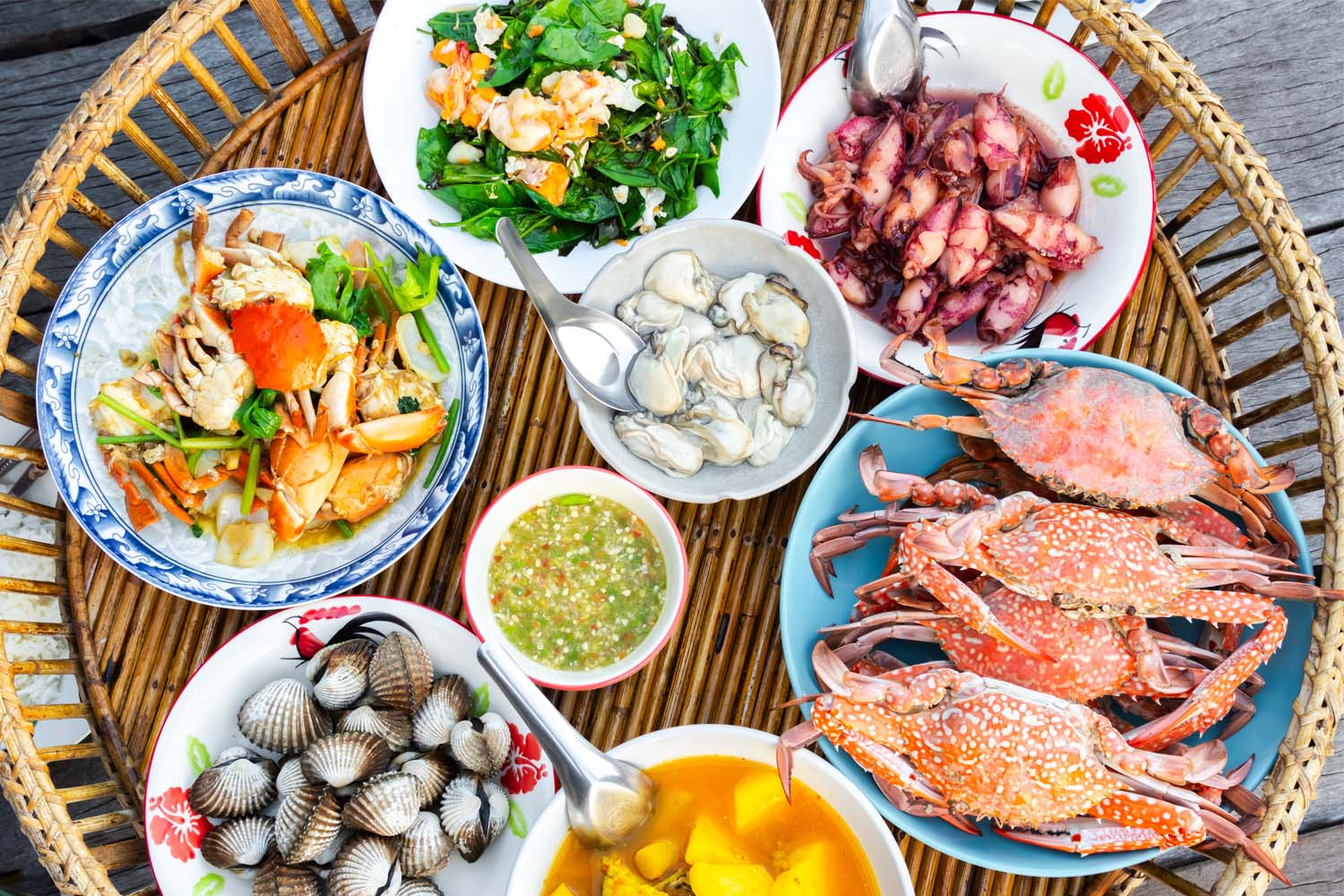
Vietnamese food has a logic to it: fresh ingredients, light hand, big flavour, almost nothing wasted. Fish comes off local boats, vegetables and herbs come from gardens down the road, and even the street stalls are working with produce bought that morning.
A few things worth ordering by name:
- Phở — the beef or chicken noodle soup that needs no introduction, best from a vendor who only makes that one thing
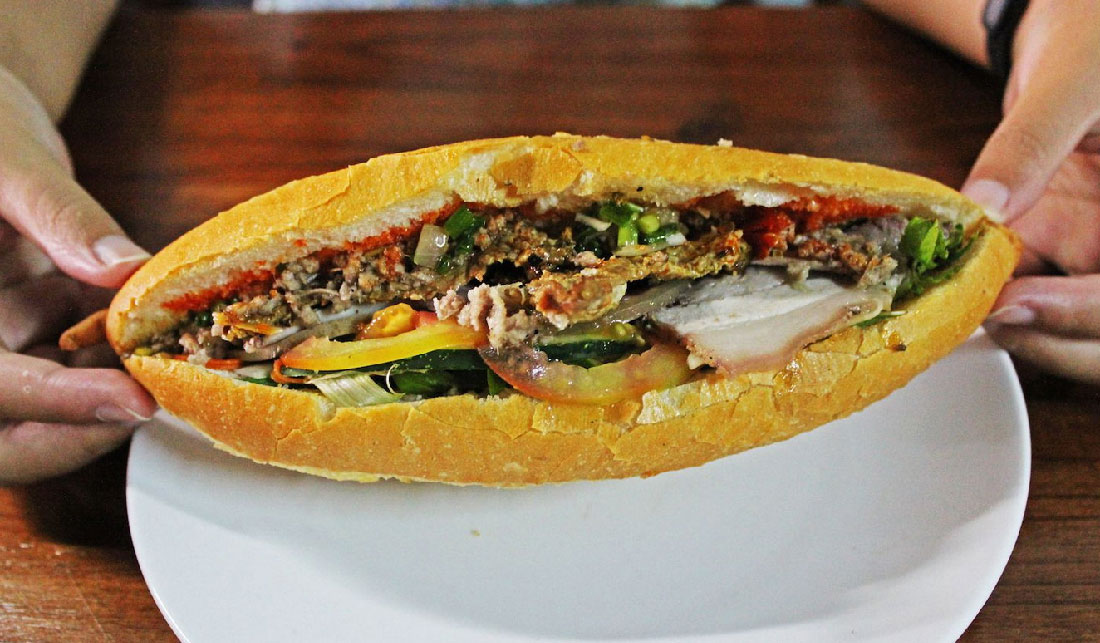
- Bánh mì — the baguette sandwich that turned French colonial bread into something better than the original
- Bún chả — grilled pork and noodles, a Hanoi specialty
- Cao lầu and mì Quảng — noodle dishes you’ll basically only find done right around Hoi An and Da Nang
- Cà phê sữa đá — iced coffee with condensed milk, strong enough to reset your whole day
And the part that surprises first-timers: a street bowl of phở rarely costs more than a couple of dollars. Eating exceptionally well in Vietnam is cheap, which is a large part of why budgets stretch so far here.
North, centre, south: three countries in one
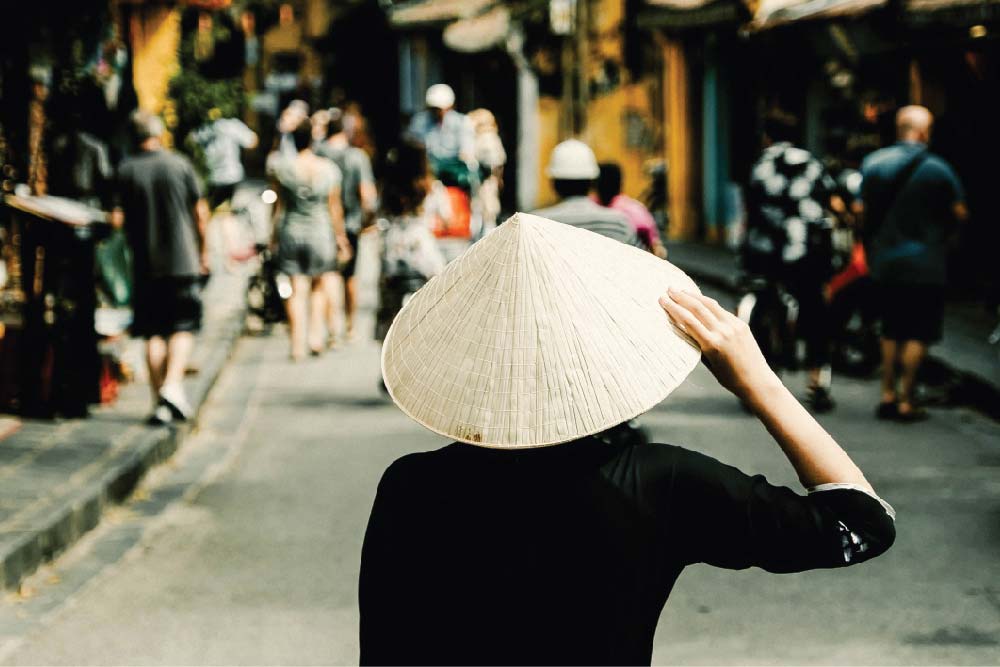
Vietnam rewards travelers who think of it in thirds, because each region feels like its own destination.
The north is the dramatic one — misty limestone, terraced hillsides, and the country’s deepest cultural roots. Hanoi is the anchor: older, slower, and more atmospheric than Ho Chi Minh City, with a thousand-year-old Old Quarter you can lose an afternoon in. From there it’s easy to reach the karst islands of Ha Long–Cát Bà, the inland version at Ninh Bình, and the high mountain country of Sapa and Hà Giang, where ethnic minority communities still run the markets.
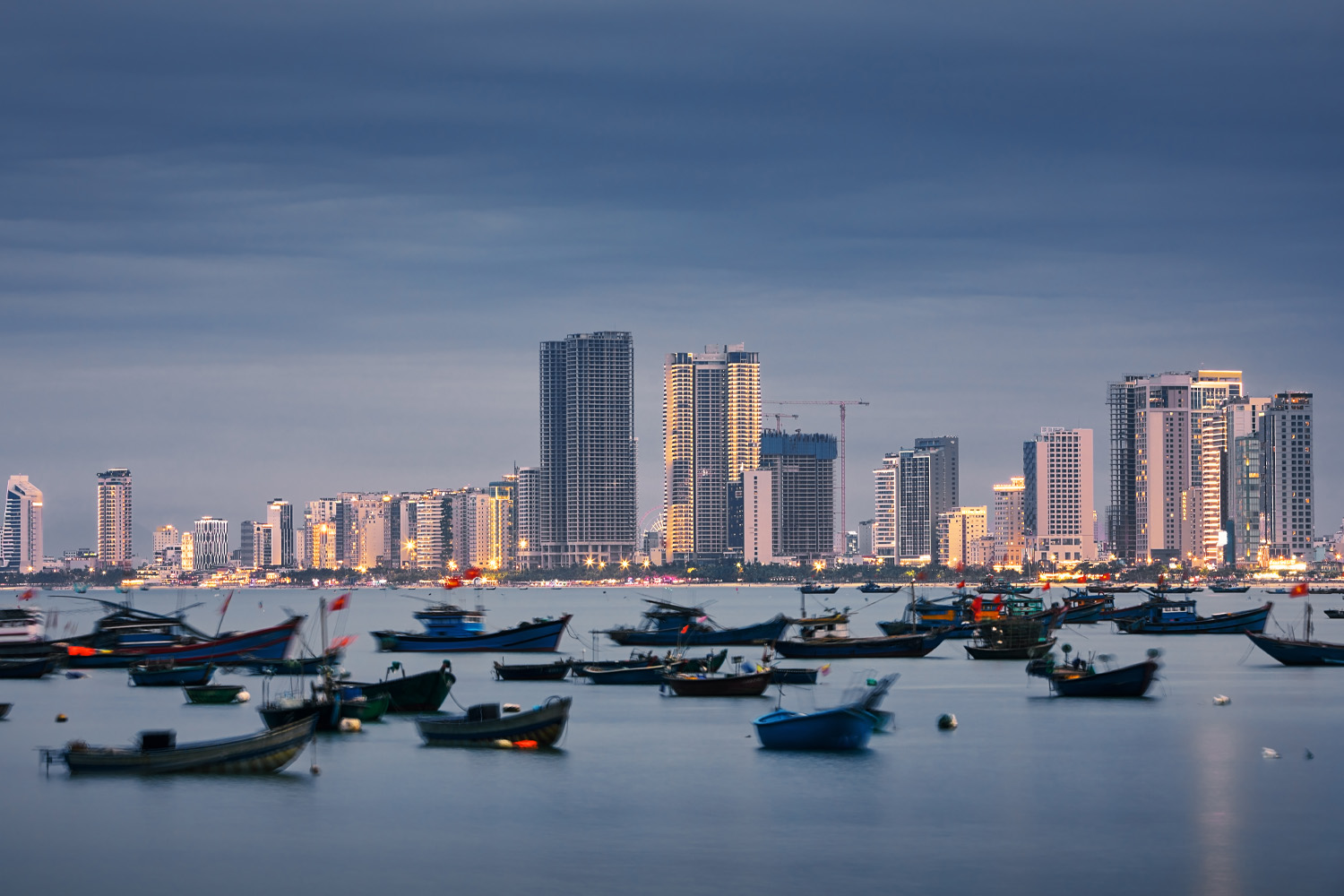
The centre is Vietnam’s heritage corridor. In a single stretch you get the imperial city of Hue, the lantern-lit old port of Hoi An, the beaches and modern energy of Da Nang, and the colossal cave systems of Phong Nha–Ke Bang. If you only have time for one region, this is the one that packs the most variety into the shortest distances.
The south runs at a different tempo. Ho Chi Minh City is fast, loud, and creative — the country’s commercial heart. Just beyond it, the Mekong Delta slows everything down to the pace of the river, with floating markets and homestays among the orchards. Off the coast, Phu Quoc and Con Dao offer the beach-and-island half of a trip, with some of Vietnam’s clearest water.
It’s genuinely affordable — and that lets you do more
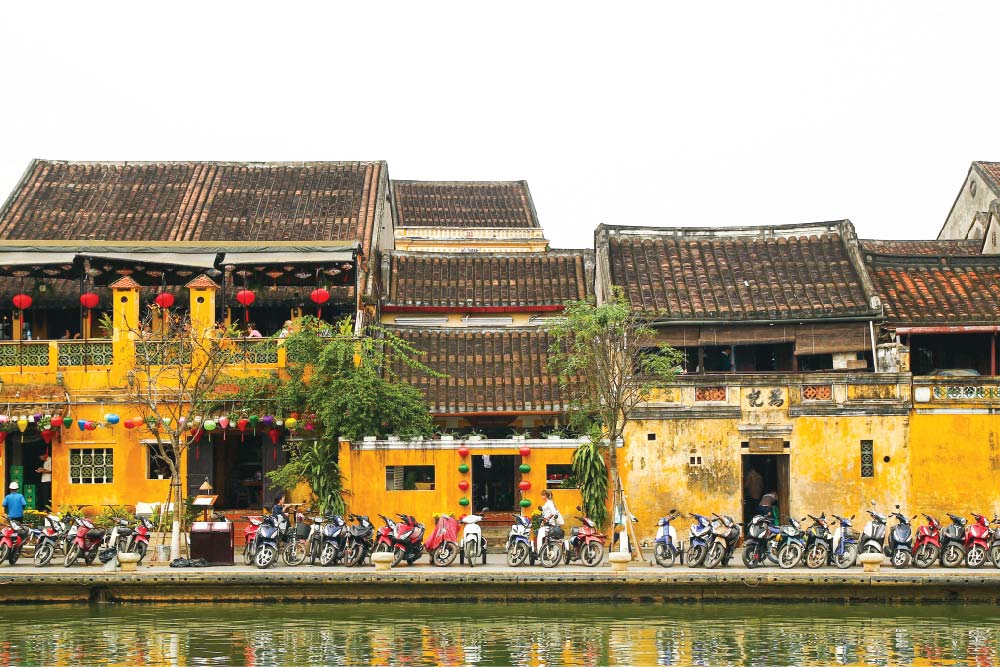
Foreign currencies go a long way in Vietnam. Between low day-to-day costs and a favourable exchange rate, a mid-range budget here buys what would be a luxury trip elsewhere in Asia. That’s not just a nice-to-have — it changes how you travel. You stay an extra night because you can. You book the cooking class, the boat, the guide. You say yes more often.
For a lot of travelers, that’s the difference between seeing a country and actually spending time in it.
Cities that don’t make you choose between old and new
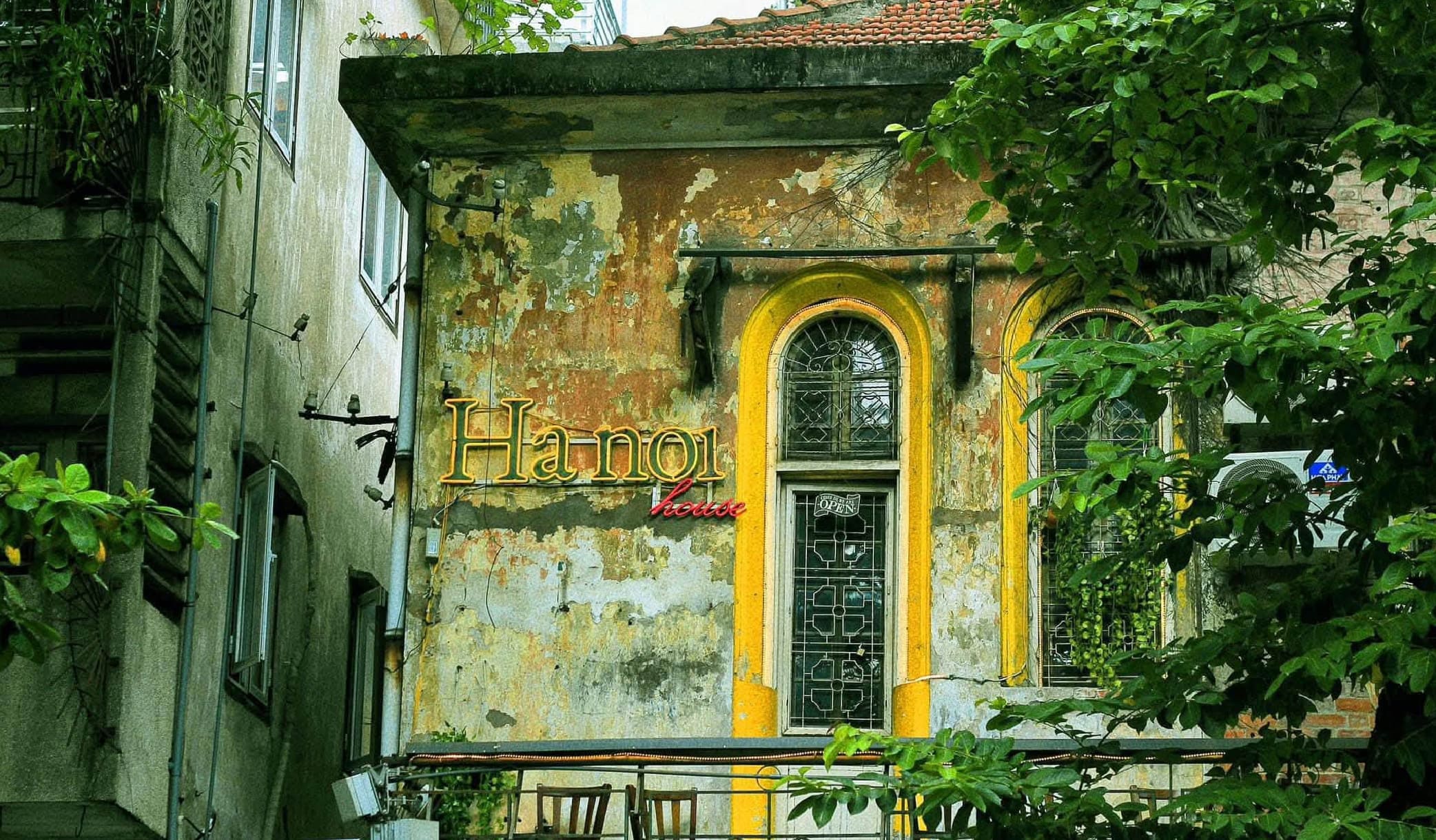
Vietnam’s cities pull off a balancing act. In Hanoi, you can have egg coffee in a French-era building, then walk ten minutes into a Old Quarter alley that’s looked the same for generations. Ho Chi Minh City runs at full throttle — rooftop bars, design studios, motorbike rivers at rush hour — and still has temples tucked between the towers. Da Nang has turned into one of the country’s most liveable beach cities almost overnight.
The point isn’t that Vietnam is modern or traditional. It’s that you cross between the two within a single afternoon, and that contrast is half the experience.
The experiences that actually stay with you
The postcard sights are real, but the moments people talk about afterwards tend to be smaller and more personal:
- Staying in a homestay with a Tày or H’Mông family in the northern hills — sharing a meal, learning how the rice terraces are farmed, waking up to fog burning off the valley.
- Taking a cooking class in Hoi An that starts at the morning market, where you learn to tell good fish sauce from cheap and come home able to actually recreate the food.
- Riding through the Mekong Delta at dawn to reach the Cai Rang floating market before the day-trippers, when it’s still working boats trading produce, not a show.
- Caving in Phong Nha — from easy day trips into Paradise Cave to the multi-day expedition into Hang En, one of the largest caves on the planet.
- Sitting at a tiny plastic stool on a Hanoi sidewalk with an egg coffee, watching the city move. Vietnam is one of the world’s biggest coffee producers, and its café culture is a destination in itself.
These are the kinds of things that fit the “travel like you belong” idea better than any monument can — and they’re usually the cheapest part of the trip.
There’s always something happening
Vietnamese culture runs on festivals. There’s Tết, the Lunar New Year, when the whole country slows down and goes home — the biggest holiday of the year. There’s Reunification Day, and a near-endless calendar of smaller celebrations: lantern festivals, harvest festivals, temple days. Whenever you land, the odds are good you’ll stumble into something. Ask a local what’s on that week — the answer is rarely “nothing.”
So, why visit Vietnam?
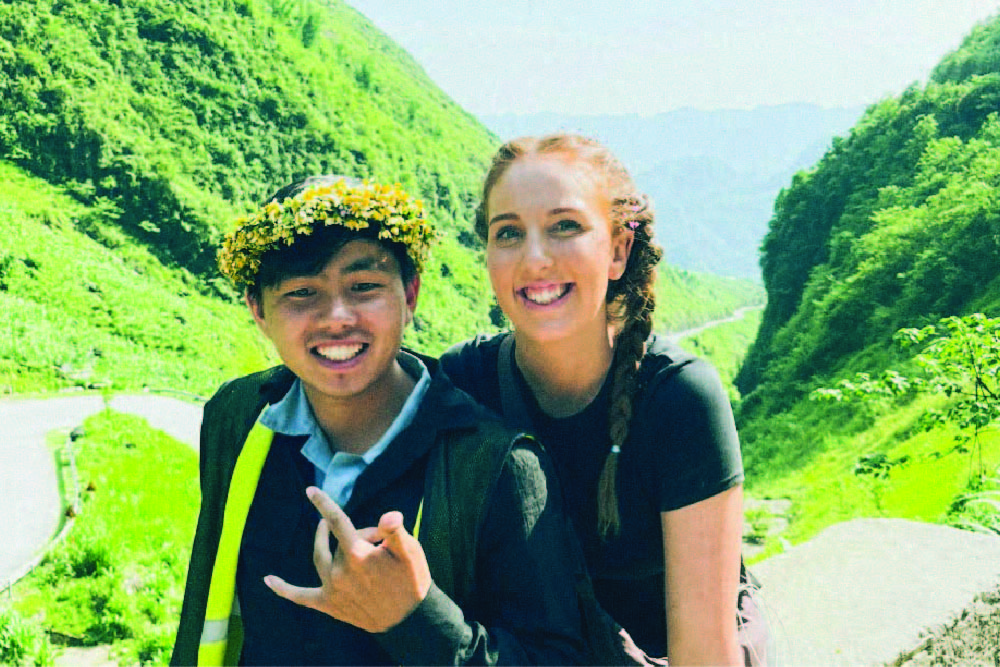
Because it’s one of the few places where the logistics are easy, the food is extraordinary, the money goes far, and the people make you feel less like a tourist and more like a guest. You can fit mountains, cities, caves, beaches, and a thousand years of history into a single trip — and still leave with a list of things you didn’t get to.
That list is the reason most people come back.
A two-week route that covers the country
If you have around 14 days, this is the classic north-to-south loop most travelers settle into:
- Days 1–4 — The north: Hanoi, then a couple of nights at Ha Long–Cát Bà or Ninh Bình.
- Days 5–6 — The mountains (optional): Sapa or the Hà Giang Loop, if you want the highlands.
- Days 7–10 — The centre: Fly to Da Nang, then split your time between Hue, Hoi An, and the beach.
- Days 11–14 — The south: Fly to Ho Chi Minh City, spend a day or two in the Mekong Delta, then finish on the beach in Phu Quoc.
With a week instead of two, pick one region and go deep rather than racing the length of the country. Vietnam punishes the over-packed itinerary and rewards the unhurried one.
Travel that gives back
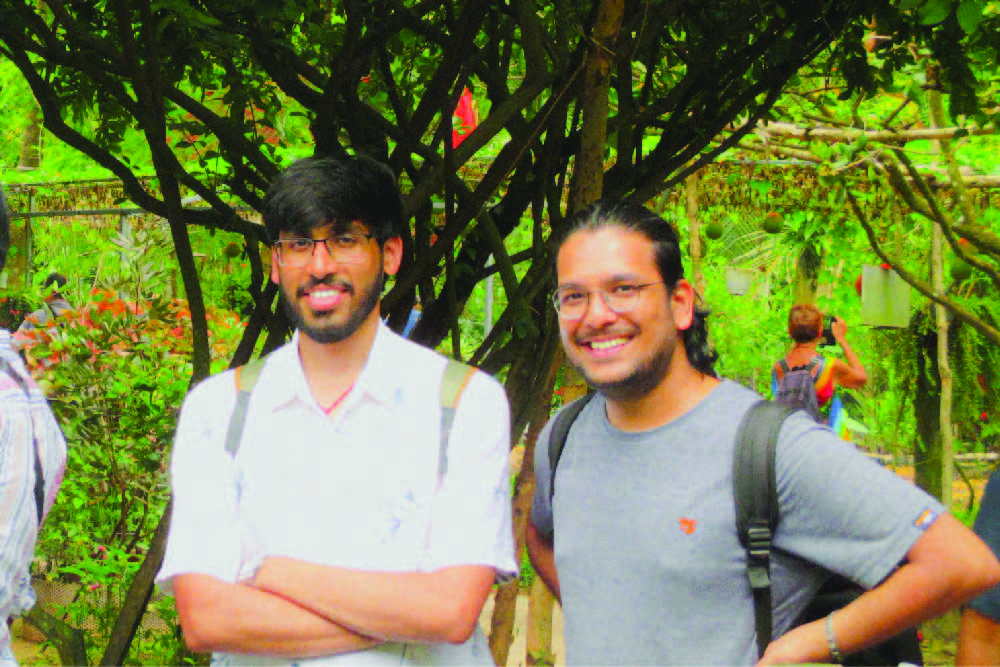
Vietnam’s best experiences are tied to its communities and landscapes, which makes responsible travel less of a duty and more of a better trip. A few easy choices: stay in family-run homestays instead of chains, eat where locals eat, choose smaller-group operators in the caves and on the bays, and skip single-use plastic by refilling water where you can. In the northern villages and on the islands, a little respect — asking before photographing people, dressing modestly at temples — goes a long way. The payoff is the kind of access and welcome that mass tourism never gets.
Before you go: the practical bit
Vietnam has made arriving easier than it’s ever been. Most travelers now apply online for a 90-day e-visa, available to citizens of every country, with single- and multiple-entry options. More than two dozen nationalities — including the UK, much of the EU, Japan, and South Korea — can enter visa-free for up to 45 days, and Phu Quoc allows 30 days visa-free for travelers flying straight to the island. Apply only through the official government portal, and well before you fly.
On the ground: cash is still king at street stalls and markets, though cards and apps work in cities. Getting around is cheap and easy — domestic flights between regions, the Reunification Express for slower coastal travel, and ride-hailing apps in every major city. A local SIM or eSIM costs a few dollars and keeps you connected the whole trip.

Frequently asked questions
How many days do you need in Vietnam? Ten to fourteen days lets you cover the classic north-to-south route — Hanoi and the north, the central coast around Hue and Hoi An, and the south around Ho Chi Minh City and the Mekong. A week works if you focus on one or two regions instead of rushing the whole country.
Is Vietnam expensive to travel? No. It’s one of the better-value destinations in Asia. Street food, local transport, and guesthouses are inexpensive, and even comfortable mid-range travel costs far less than equivalents in much of the region.
What is Vietnam best known for? Its food, its UNESCO landscapes like Ha Long Bay and Hoi An, its coffee culture, and the warmth of its people. It now has nine UNESCO World Heritage Sites, the second-most in Southeast Asia.
When is the best time to visit Vietnam? It depends where you go — the country spans several climate zones. Broadly, spring (March–April) and autumn (September–November) offer the most reliable weather across the most regions.