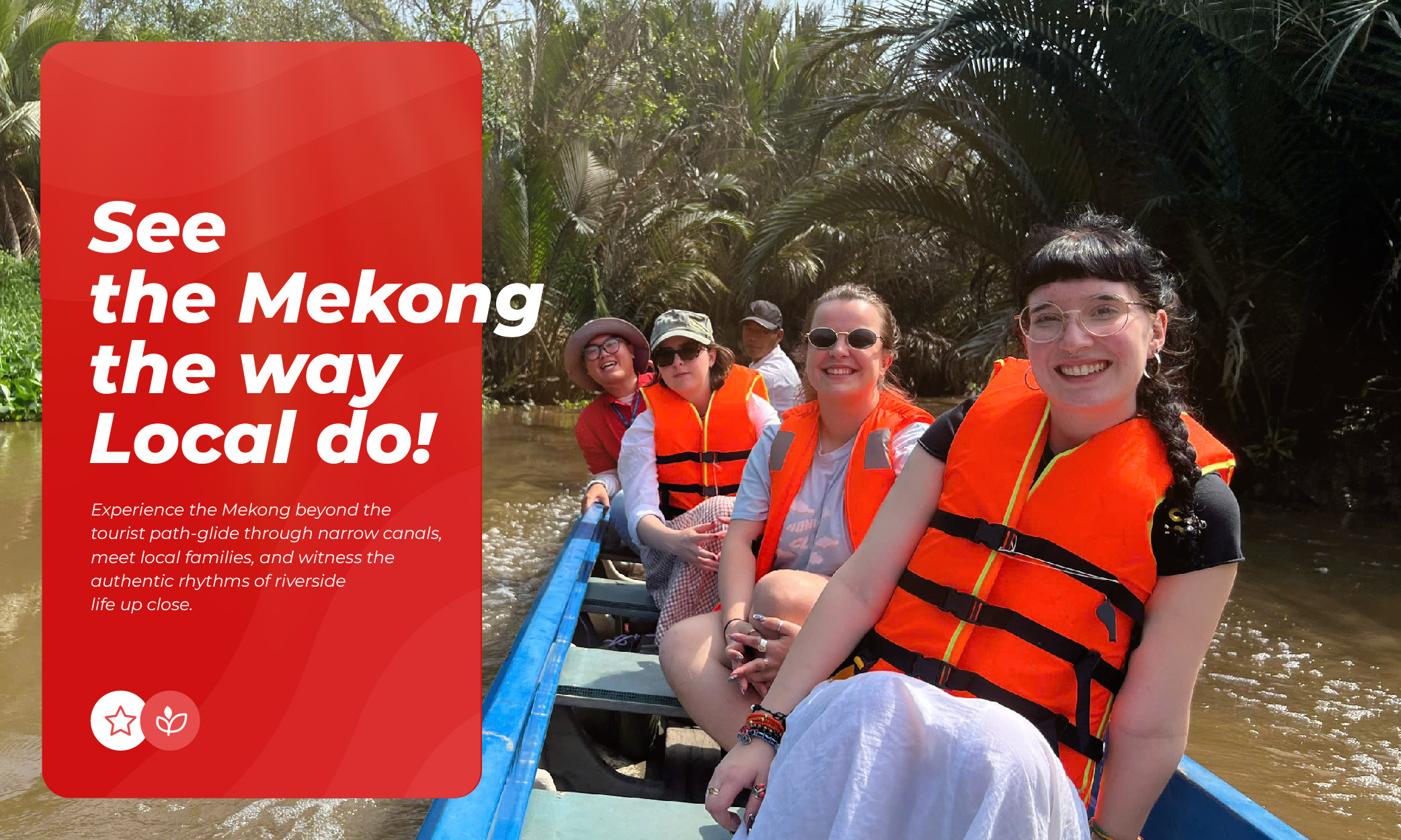
From the busy streets of Ho Chi Minh City to the quiet waterways of the Mekong Delta, food is everywhere amongst the culture of Southern folk. It is not hidden in restaurants or reserved for special occasions, food lives on sidewalks, in markets, on boats, and inside family kitchens.
Traveling through southern Vietnam becomes a kind of culinary diary, where each meal tells a story about the land, the people, and the rhythm of daily life.
Where the journey begins: Ho Chi Minh City
For many travelers, southern Vietnam begins in Ho Chi Minh City.
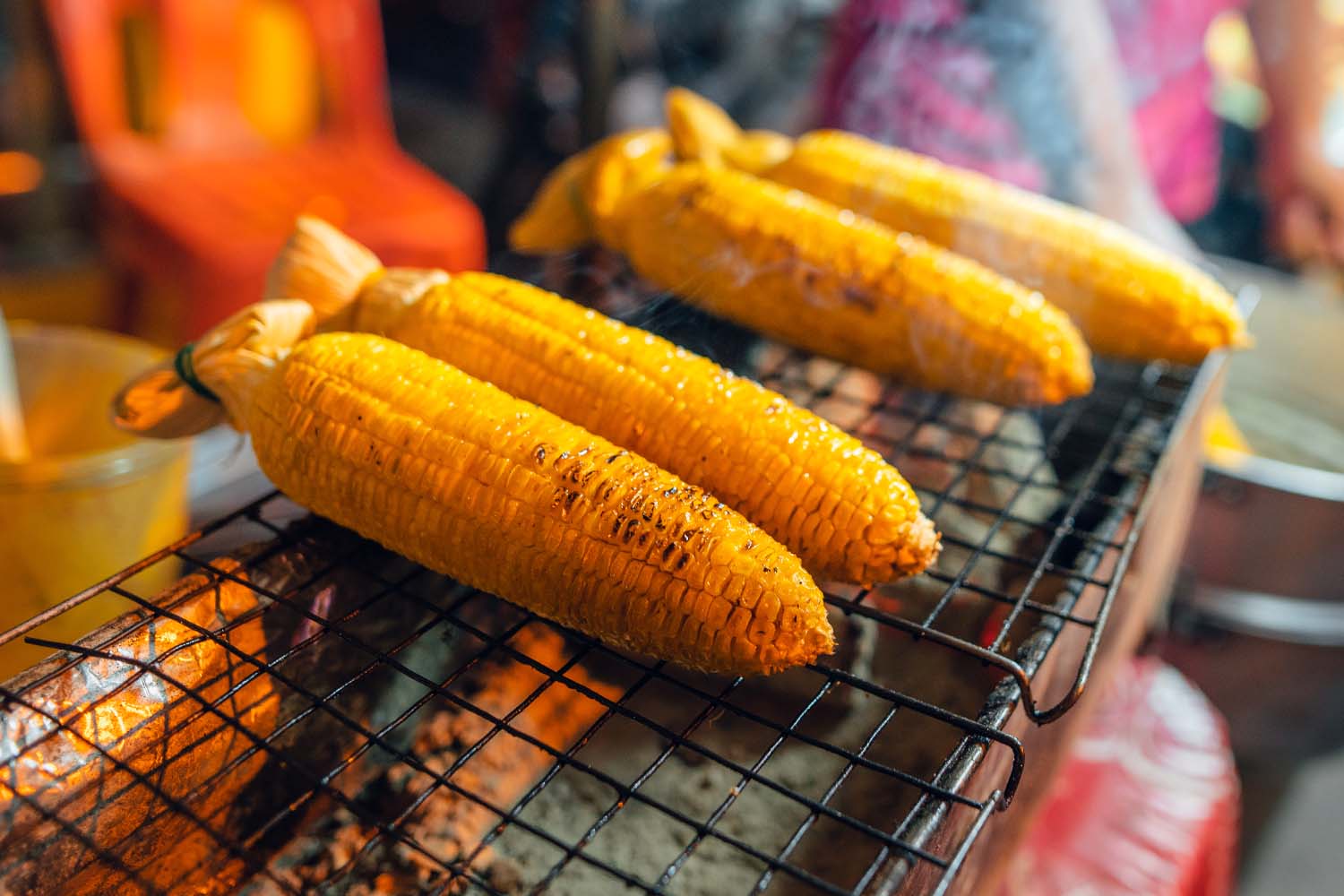
The city feels fast, crowded, and constantly moving, but within that energy lies one of the most diverse food scenes in the country. Street food stalls line nearly every street, offering everything from simple noodle dishes to complex regional specialties.
What makes the food here unique is its adaptability. Influences from different regions of Vietnam, along with traces of French and Chinese heritage, come together in a way that feels natural rather than forced.
Eating in Ho Chi Minh City is less about planning and more about discovery. You find something because you smell it, see a crowd around it, or simply happen to walk past it at the right moment.
The balance of flavors in the South
Southern Vietnamese cuisine is known for its balance of flavors.
Compared to the north, food in the south tends to be slightly sweeter and more generous with herbs and fresh ingredients. Coconut milk, palm sugar, and tropical fruits often appear in both savory and sweet dishes.
This reflects the region itself. The South is fertile, rich in agriculture, and shaped by rivers that provide a constant source of fresh produce.
Meals are often built around contrast. Sweet and salty, soft and crunchy, fresh and cooked all appear in the same dish.
This balance is what makes southern Vietnamese food feel both complex and approachable.
Street food as daily life
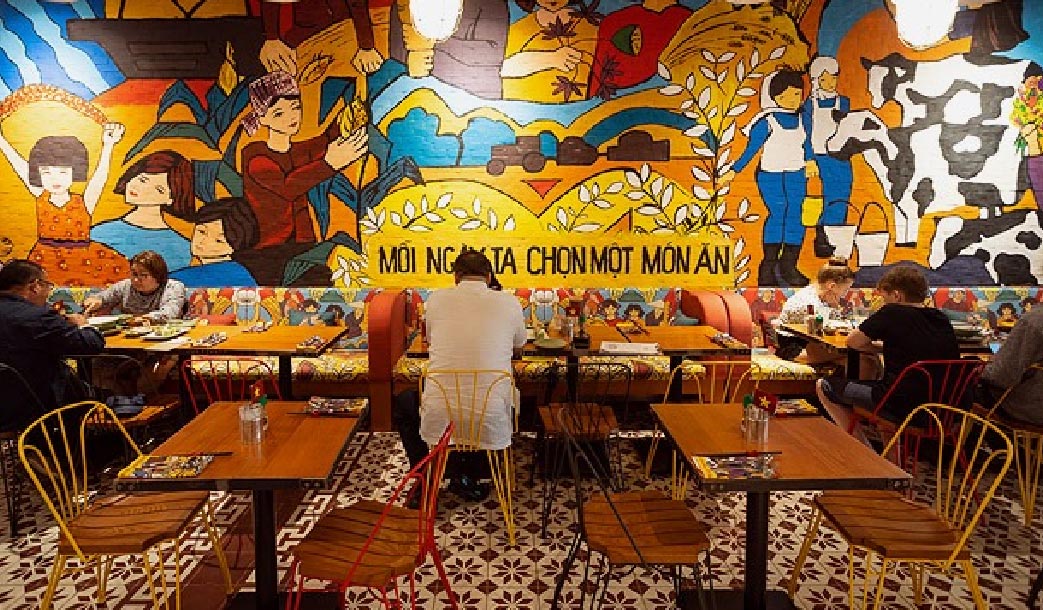
One of the most defining aspects of southern Vietnam is how closely food is tied to everyday life.
In many places, cooking does not happen behind closed doors. It happens on the street.
Small plastic stools, low tables, and open kitchens create an environment where eating becomes part of the city’s movement. People stop for a quick meal, sit for longer conversations, or return to the same stall every day.
Street food is not just about convenience. It is about familiarity and routine.
For travelers, joining this rhythm offers a deeper understanding of how people live.
Morning flavors and local routines
Mornings in southern Vietnam begin early.
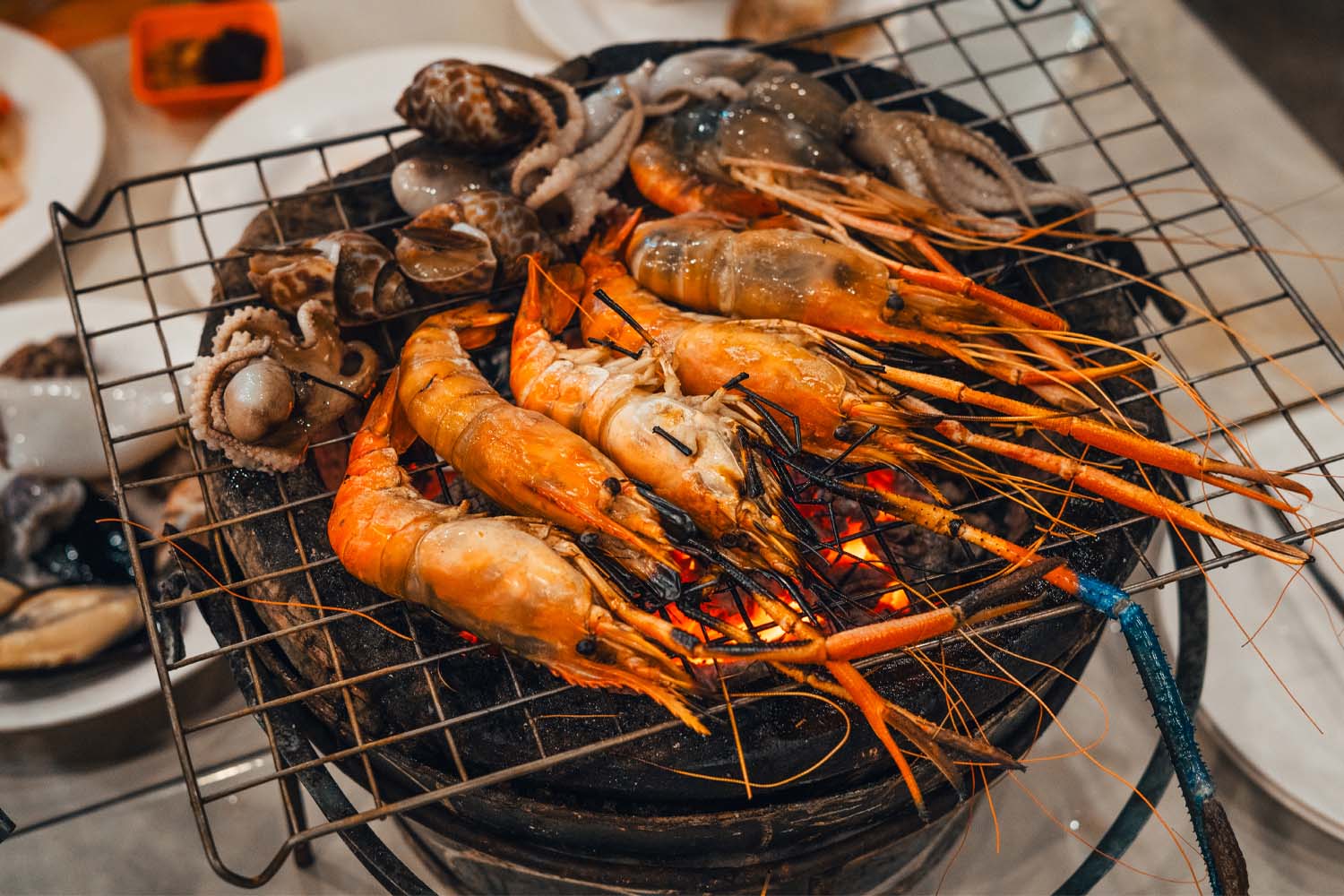
As the sun rises, streets slowly fill with vendors preparing breakfast. Steam rises from large pots of broth, and the smell of grilled meat begins to spread through the air.
This is when the city feels most local.
People gather before work, sitting quietly with a bowl of noodles or a cup of coffee. There is a sense of routine that feels steady and grounded.
For travelers, waking up early and eating breakfast alongside locals provides a glimpse into daily life that is often missed.
Coffee culture in the south
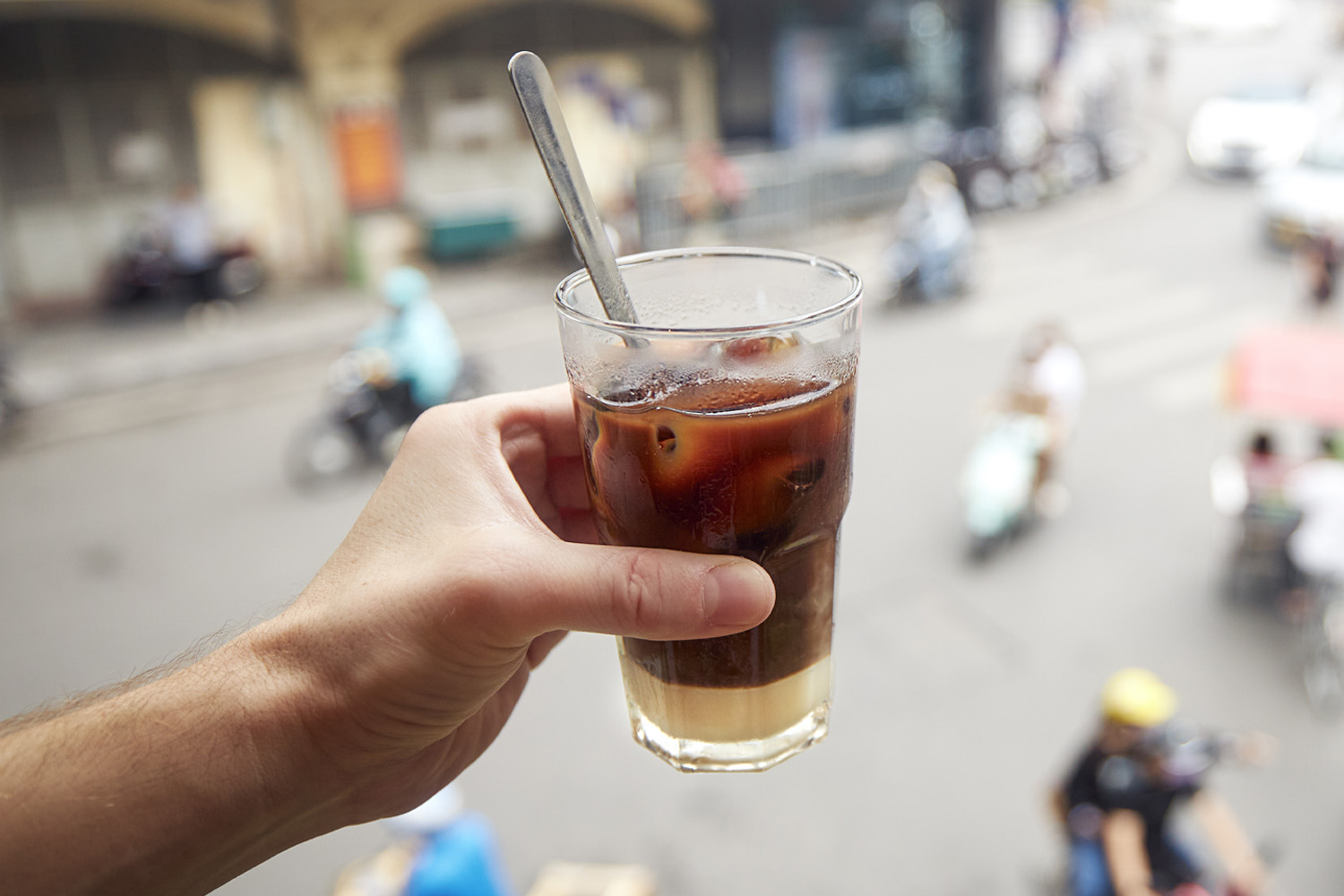
Coffee is an essential part of life in southern Vietnam.
Unlike in many countries, coffee here is not rushed. It is something people sit with.
Cafés range from simple roadside setups to carefully designed spaces filled with plants and natural light. Regardless of the setting, the experience remains the same.
People sit, talk, observe, and take their time.
Vietnamese coffee, often strong and rich, reflects this slower approach. Whether served with condensed milk or brewed black, it is meant to be enjoyed slowly.
This culture of pause contrasts with the fast pace of the city and creates a balance that defines daily life.
Moving into the Mekong Delta
Leaving the city and entering the Mekong Delta changes the culinary experience completely.
In places shaped by water, food becomes even more connected to nature.
Fish, fruits, vegetables, and herbs are often sourced locally, sometimes just hours before they are prepared. Meals feel fresher, simpler, and more grounded.
Eating in the Mekong Delta is not about variety. It is about connection.
Meals are often shared in homes or small local kitchens, where recipes have been passed down through generations.
Food as a reflection of the land
The Mekong Delta is one of the most fertile regions in Vietnam.
Rivers flow through the landscape, creating conditions where agriculture thrives. This abundance is reflected directly in the food.
Dishes often highlight freshness rather than complexity. Ingredients are allowed to speak for themselves.
A simple meal might include freshly caught fish, herbs picked from a nearby garden, and vegetables grown in the same village.
This connection between land and food creates a sense of authenticity that is difficult to replicate elsewhere.
Eating slowly, living slowly
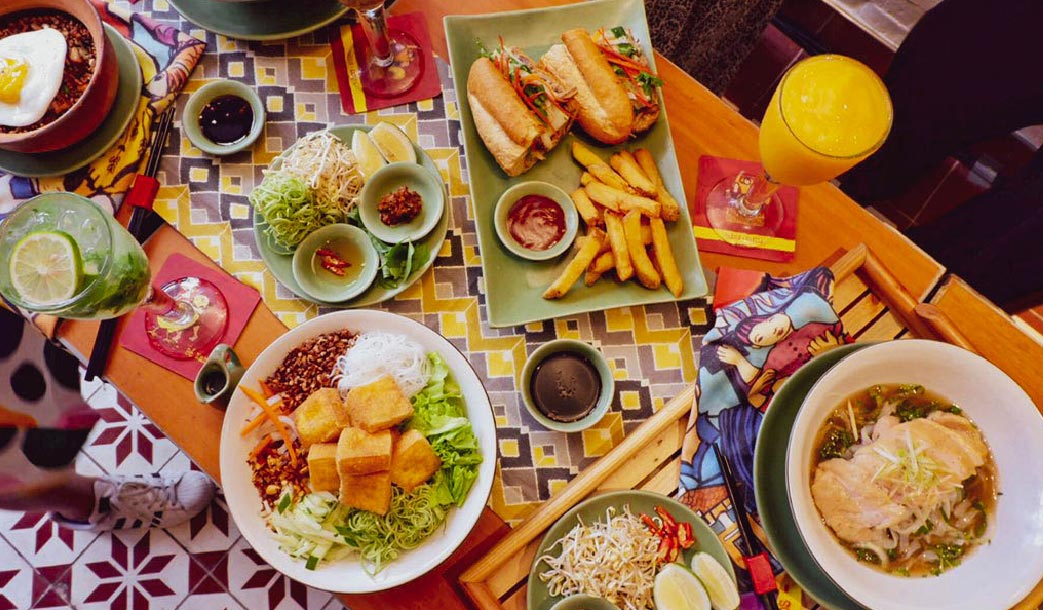
In contrast to the fast pace of Ho Chi Minh City, life in the Mekong Delta moves more slowly.
Meals are not rushed. Conversations last longer. People sit together and take their time.
This slower rhythm changes the way food is experienced.
Instead of eating between activities, meals become part of the day itself. They are moments to pause, connect, and reflect.
For travelers, this shift can feel unfamiliar at first, but it often becomes one of the most memorable parts of the journey.
The difference between tasting and understanding
Traveling through southern Vietnam reveals an important difference.
You can taste the food, or you can understand it.
Tasting is immediate. You try dishes, recognize flavors, and move on.
Understanding takes time. It requires seeing where the food comes from, how it is prepared, and how it fits into daily life.
This is what transforms a culinary trip into a culinary diary.
Each meal becomes a chapter, connected not only by taste but by experience.
Signature dishes that define the south
Southern Vietnam is home to some of the most recognizable dishes in the country, but their meaning goes beyond taste.
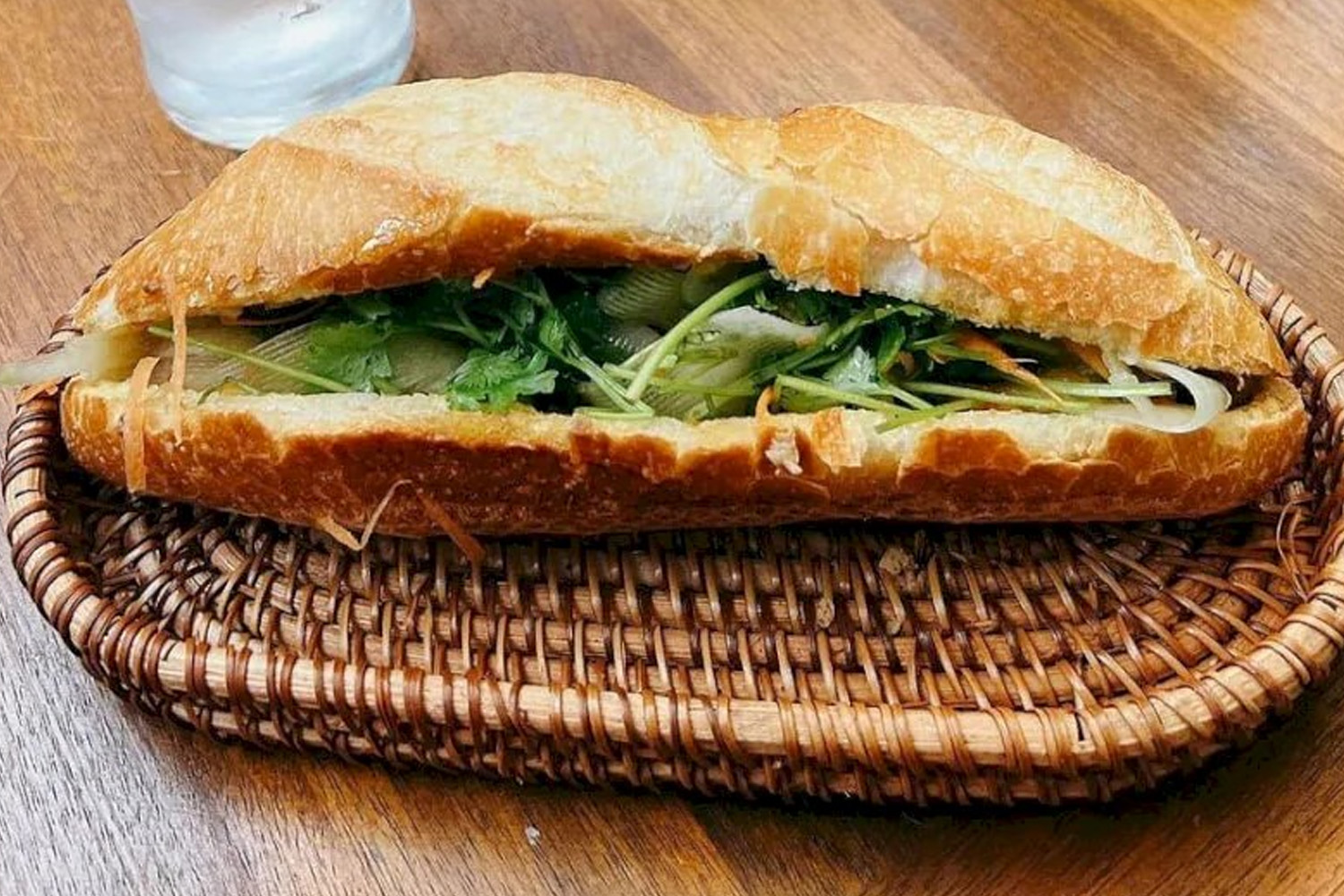
One of the most iconic is Bánh mì, often found throughout Ho Chi Minh City. At first glance, it seems simple, just bread filled with meat and vegetables. But the combination of French influence and Vietnamese ingredients creates something unique. The crisp baguette, pickled vegetables, herbs, and sauces come together in a way that reflects both history and everyday convenience.
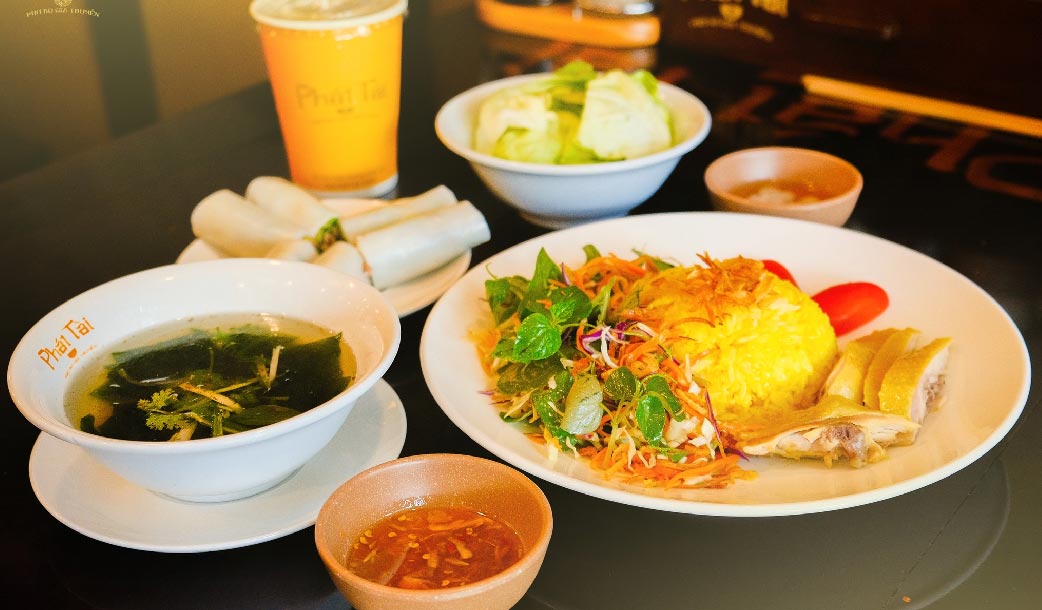
Another well-known dish is Cơm tấm. Originally made from broken rice grains that were considered lower quality, it has become one of the most popular meals in the south. Served with grilled pork, egg, and fish sauce, it represents how simple ingredients can turn into something deeply satisfying.
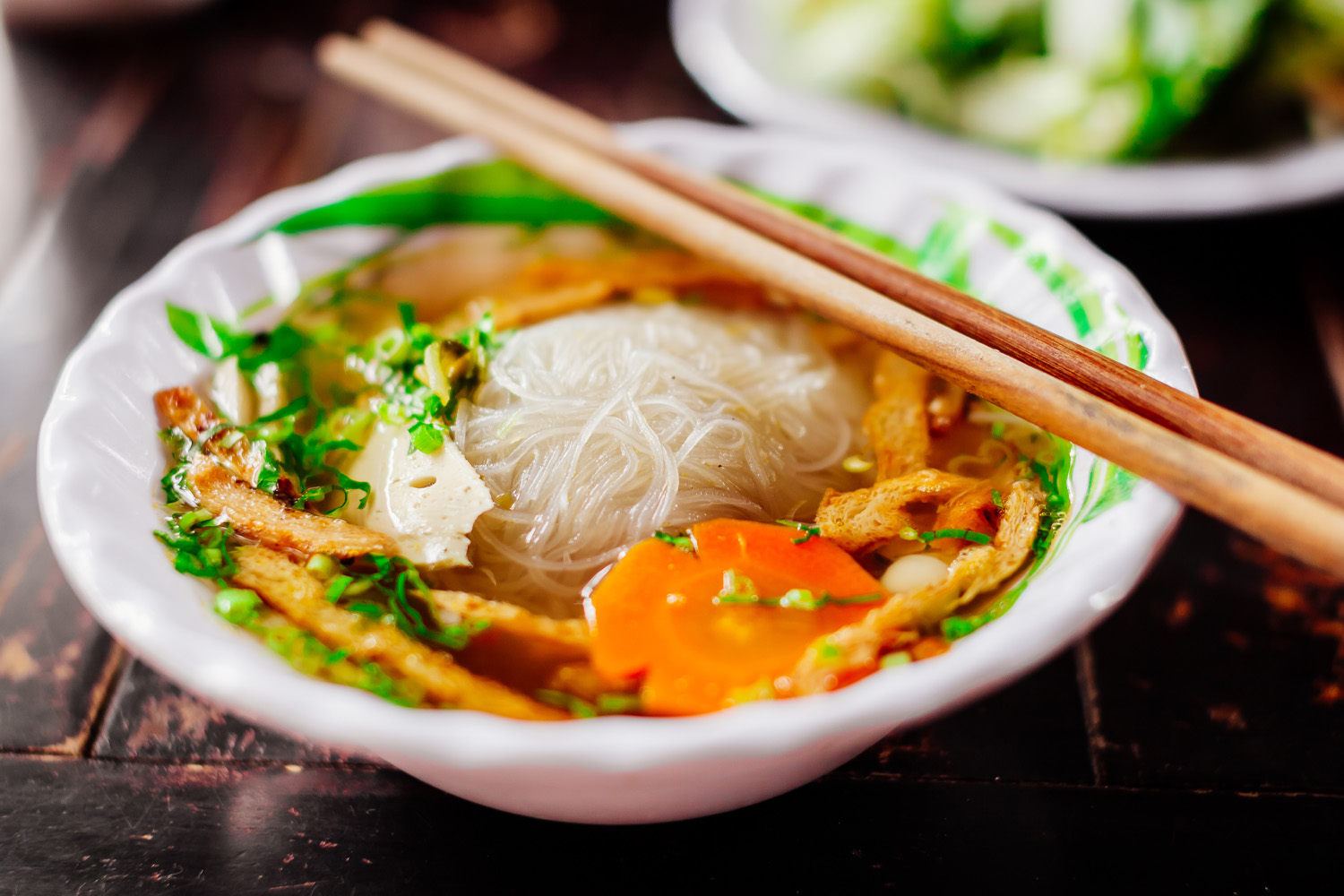
Then there is Hủ tiếu, a dish that varies from place to place. In some areas, it is served with a clear broth and seafood, while in others it comes dry with sauce and a separate bowl of soup. This flexibility reflects the diversity of southern cuisine.
The influence of the Mekong Delta
As you move deeper into the Mekong Delta, food becomes even more connected to the land and water.
Dishes here often feature freshwater fish, seasonal vegetables, and ingredients that are sourced locally. One example is Cá kho tộ, a dish cooked slowly in clay pots with fish sauce, sugar, and pepper. The flavor is rich, slightly sweet, and deeply comforting.
Another common dish is Canh chua, which combines fish, pineapple, tomatoes, and herbs in a light, tangy broth. The balance of sour and sweet flavors reflects the overall style of southern cuisine.
Meals in the Delta often feel more home-based than restaurant-focused. Eating in a local house or small family-run kitchen reveals a different side of Vietnamese food, one that is less about presentation and more about connection.
Floating markets and food on the water
One of the most unique culinary experiences in southern Vietnam happens on the water.
Floating markets, such as those near Can Tho, offer a glimpse into a trading system that has existed for generations. Boats filled with fruits, vegetables, and cooked food move between each other, creating a market that operates entirely on the river.
Breakfast here might be a bowl of noodles prepared on a small boat, served directly to you as you sit on another boat nearby.
The experience is not only about the food itself, but about how it is delivered. It shows how daily life adapts to the environment.
Tropical fruits and local abundance
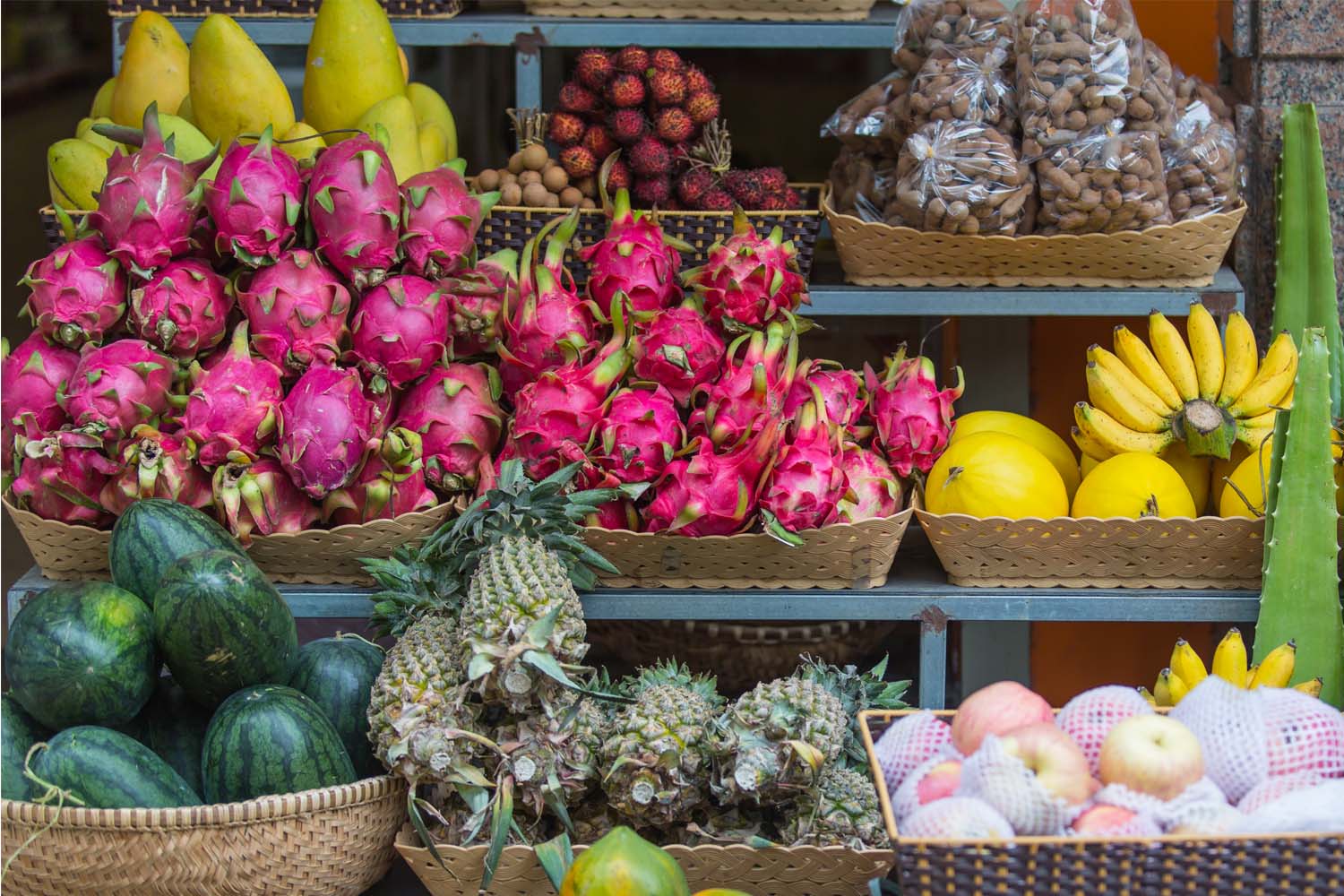
Southern Vietnam is also known for its abundance of tropical fruits.
In the Mekong Delta, fruits are not just desserts. They are part of daily life.
Travelers may encounter fruits such as mango, rambutan, longan, and dragon fruit, often picked fresh from nearby orchards. These fruits are typically eaten simply, without added preparation, allowing their natural flavors to stand out.
Visiting fruit gardens and tasting produce directly from the source adds another dimension to the culinary journey.
It connects the experience of eating with the place where the food comes from.
The role of home cooking
While street food and markets are highly visible, home cooking remains at the heart of southern Vietnamese cuisine.
Meals prepared at home often involve multiple dishes shared among family members. Rice is placed at the center, accompanied by vegetables, fish, meat, and soup.
This style of eating emphasizes balance and variety, rather than focusing on a single main dish.
For travelers who have the chance to eat in a local home, the experience often becomes one of the most memorable parts of their trip.
It reveals not only the flavors of the food, but also the warmth of Vietnamese hospitality.
Food as memory
As the journey continues, food begins to take on a different meaning.
It is no longer just about trying new dishes. It becomes tied to moments and places.
A simple bowl of noodles might remind you of a quiet morning in a small town. A cup of coffee might bring back the feeling of sitting on a busy street corner watching life pass by.
These associations turn food into memory.
And those memories often stay with travelers long after they leave Vietnam.
Why southern Vietnam feels different
Southern Vietnam’s culinary identity is shaped by openness and abundance.
The region has historically been influenced by trade, migration, and agriculture. This has created a food culture that is flexible, diverse, and welcoming.
Compared to other regions, the south feels less formal and more relaxed. This is reflected in the way food is prepared, served, and enjoyed.
Meals are often casual, generous, and shared.
This openness makes the culinary experience feel accessible and easy to connect with.
Final thoughts on a culinary journey through southern Vietnam
Traveling through southern Vietnam is not just about discovering new flavors.
It is about understanding how food connects to land, culture, and daily life.
From the streets of Ho Chi Minh City to the waterways of the Mekong Delta, each meal tells a story that goes beyond the plate.
When you take the time to slow down and pay attention, these stories begin to connect.
And what starts as a simple trip becomes something deeper.
A journey not just through places, but through experiences that are shaped by taste, memory, and human connection.