Vietnam is a country that offers an extraordinary range of experiences within a single journey. From historic cities and cultural landmarks to mountains, rivers, and coastlines, the diversity of destinations can feel overwhelming for first-time travelers.
Many visitors arrive with the same question. Where should I go in Vietnam for my first trip?
The answer depends not only on what you want to see, but also on how you want to experience the country. Vietnam is long and geographically varied, and each region offers something different. Some places introduce you to the country’s history, while others reveal daily life, natural landscapes, or cultural traditions.
For first-time travelers, choosing the right destinations is not about seeing everything. It is about creating a balanced journey that captures the essence of Vietnam.
Hanoi: where your journey begins
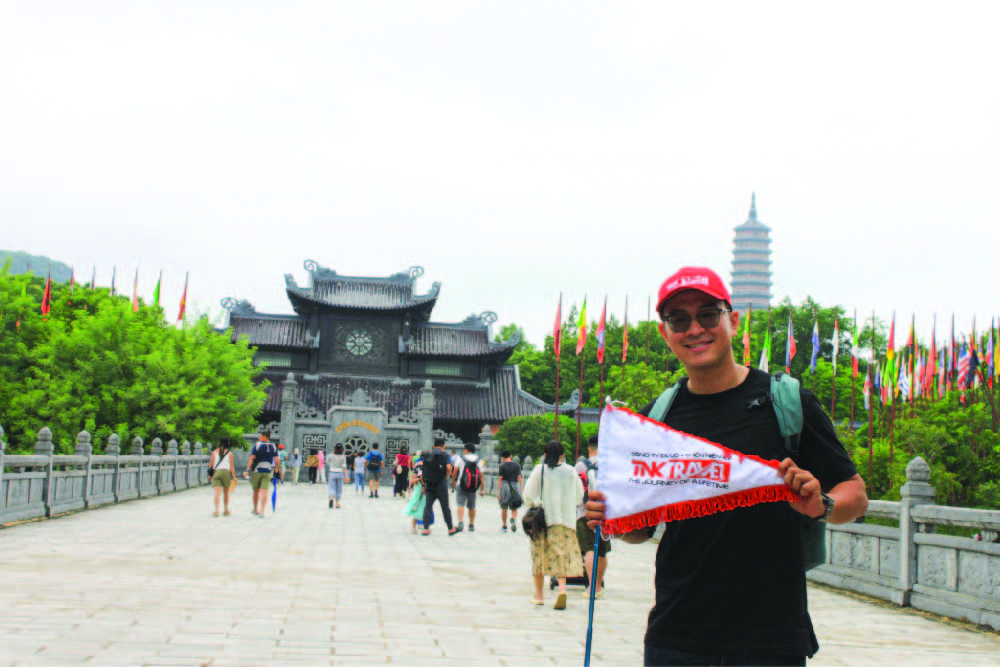
For many travelers, the journey begins in Hanoi.
Hanoi is not a city that immediately feels easy to understand. At first, it can seem chaotic, with motorbikes flowing through narrow streets and daily life unfolding at a fast pace. But beneath this energy lies a structure shaped by history, culture, and routine.
Walking through the Old Quarter reveals a layered environment where traditional shop houses, street food vendors, and small cafés exist side by side. The streets are busy, but they follow a rhythm that becomes more familiar over time.
Around Hoan Kiem Lake, the atmosphere changes. Early mornings bring locals practicing tai chi, jogging, or simply gathering to talk. Evenings create a social space where people walk, eat, and relax.
Hanoi introduces you to Vietnam through contrast. It shows both movement and stillness, tradition and modern life. For first-time travelers, it provides a strong foundation for understanding the country.
Ha Long Bay: Vietnam’s most iconic landscape

A few hours from Hanoi lies one of Vietnam’s most recognizable destinations, Ha Long Bay.
This UNESCO World Heritage Site is known for its limestone formations rising from emerald water. Thousands of islands create a landscape that feels almost unreal.
For first-time visitors, Ha Long Bay offers a completely different perspective compared to the city. The noise and movement of Hanoi are replaced by calm water and open space.
Most travelers experience the bay through an overnight cruise. This allows time to explore caves, kayak through quiet areas, and observe how the scenery changes throughout the day.
What makes Ha Long Bay memorable is not only its beauty, but also the feeling of distance from daily life. It creates a pause in the journey.
Sapa: mountains, culture, and perspective
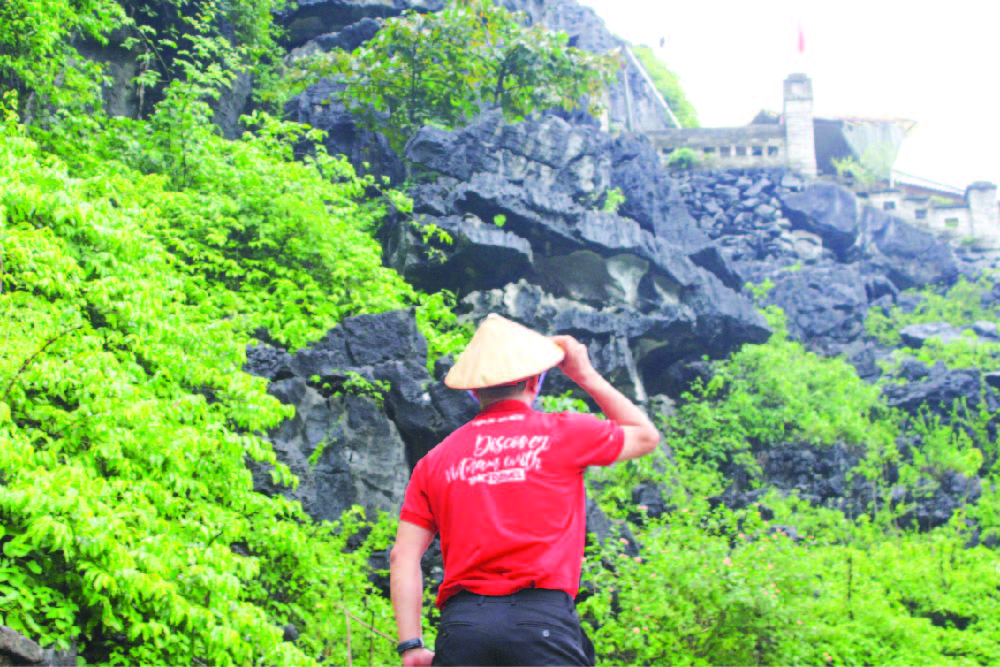
Moving further north, Sa Pa offers one of the most visually striking landscapes in Vietnam.
The region is known for its terraced rice fields, which stretch across hillsides in patterns shaped by generations of farming. These terraces change color throughout the year, reflecting different stages of the agricultural cycle.
Beyond the scenery, Sapa introduces travelers to ethnic minority communities. Villages in the area maintain traditions, clothing, and ways of life that differ from urban Vietnam.
Trekking through these villages provides insight into how people live in the mountains. It is not only about walking through nature, but also about observing a lifestyle connected to the land.
For first-time travelers, Sapa offers a deeper cultural experience alongside its natural beauty.
Ninh Binh: the quieter alternative
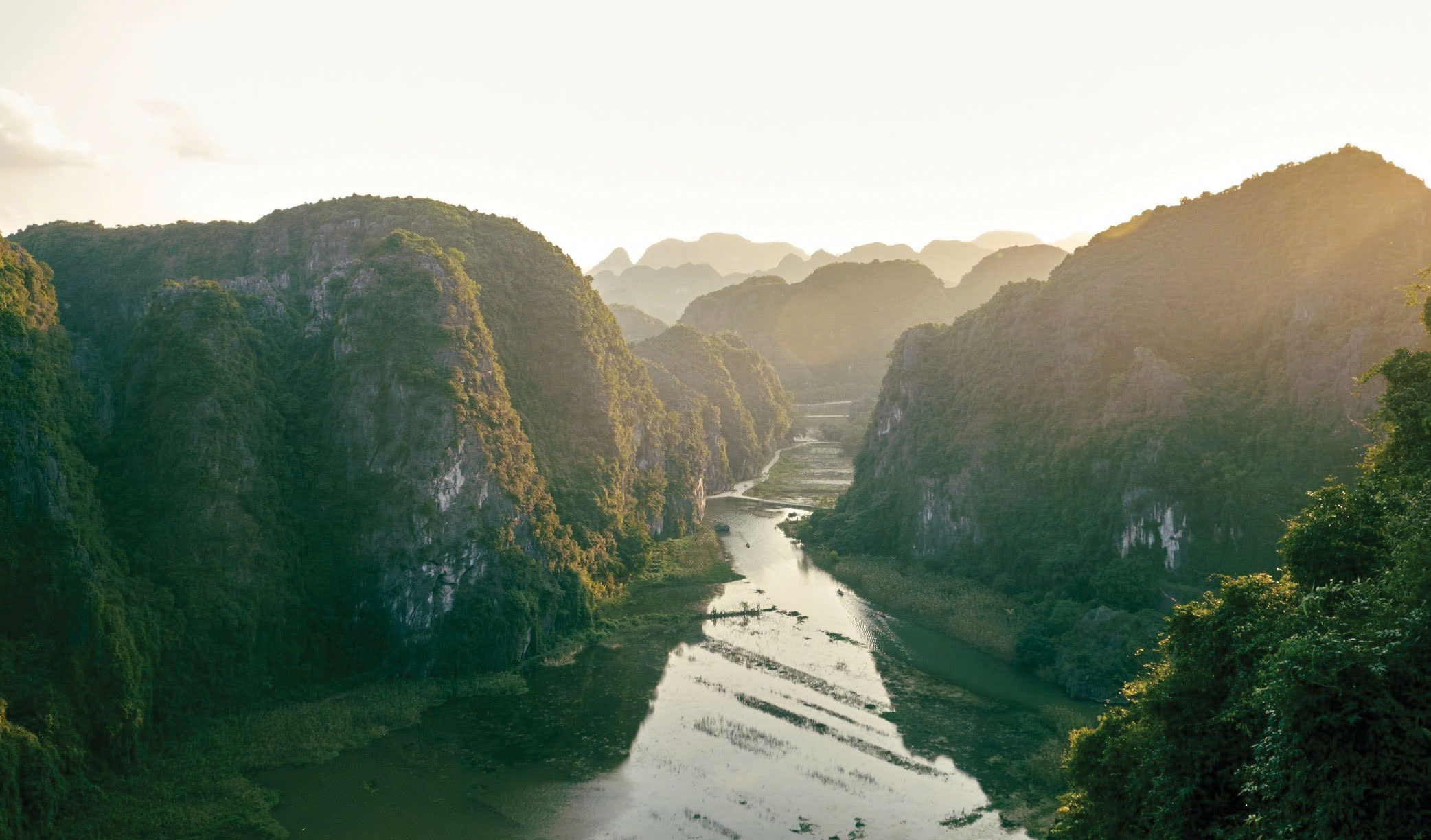
Often compared to Ha Long Bay, Ninh Binh offers a similar landscape without the sea.
Here, limestone mountains rise from rice fields and rivers instead of water. The result is a setting that feels equally dramatic but more grounded.
Boat rides through areas like Tam Coc or Trang An allow travelers to move slowly through this landscape. Passing through caves and along quiet waterways creates a peaceful experience.
Cycling is another common way to explore Ninh Binh. Small roads connect villages, fields, and historical sites, making it easy to experience the countryside at a slower pace.
For first-time travelers, Ninh Binh provides a balance between natural beauty and calm exploration.
Hue: understanding Vietnam’s history
Traveling south, Hue offers a different kind of experience.
As the former imperial capital, Hue is defined by its history. The Imperial City of Hue reflects a time when Vietnam was governed by royal traditions and structured systems.
The atmosphere in Hue is quieter and more reflective compared to Hanoi or Ho Chi Minh City. Streets feel less crowded, and daily life moves at a slower pace.
This creates space for travelers to explore historical sites without feeling rushed.
Hue is not about excitement. It is about understanding the past and how it continues to influence the present.
Hoi An: a town shaped by time
Further south, Hoi An offers one of the most visually recognizable destinations in Vietnam.
The town is known for its preserved architecture, lantern-lit streets, and riverside setting. At night, the entire area takes on a warm, glowing atmosphere.
Unlike larger cities, Hoi An feels compact and easy to explore. Walking becomes the main way of experiencing the town.
Beyond its appearance, Hoi An also reflects a history of trade and cultural exchange. Influences from different regions can be seen in its architecture and cuisine.
For first-time travelers, Hoi An provides a more relaxed and visually appealing environment.
Ho Chi Minh City: energy, contrast, and modern Vietnam
Arriving in Ho Chi Minh City feels very different from arriving in Hanoi.
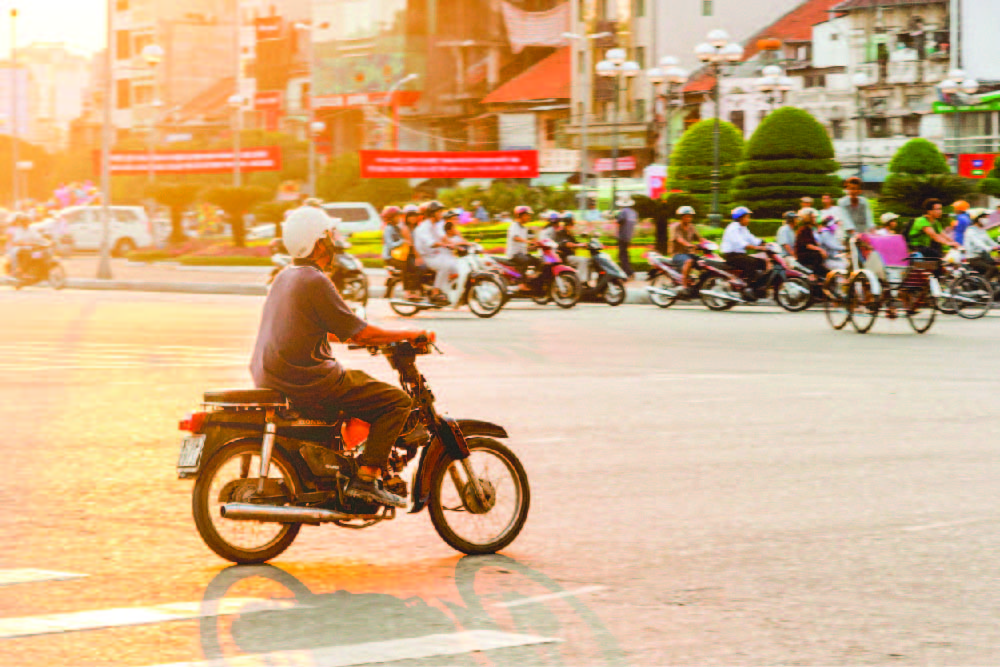
The city moves faster, feels more modern, and carries a different kind of energy. Wide streets, modern buildings, and constant movement create an atmosphere that reflects Vietnam’s economic growth and global connections.
At first, it can feel overwhelming. Traffic is constant, and the pace of life is intense. But within this energy, there is structure.
Street food culture remains strong, small cafés exist alongside high-rise buildings, and traditional markets continue to operate within a modern environment.
Landmarks such as the War Remnants Museum and historical sites from the colonial period provide context for understanding Vietnam’s more recent history.
For first-time travelers, Ho Chi Minh City offers a contrast that completes the picture of Vietnam. It shows how the country has evolved while still maintaining its cultural identity.
The Mekong Delta: where life follows the river
Leaving the city behind, the experience changes again in the Mekong Delta.
Here, life is shaped by water.
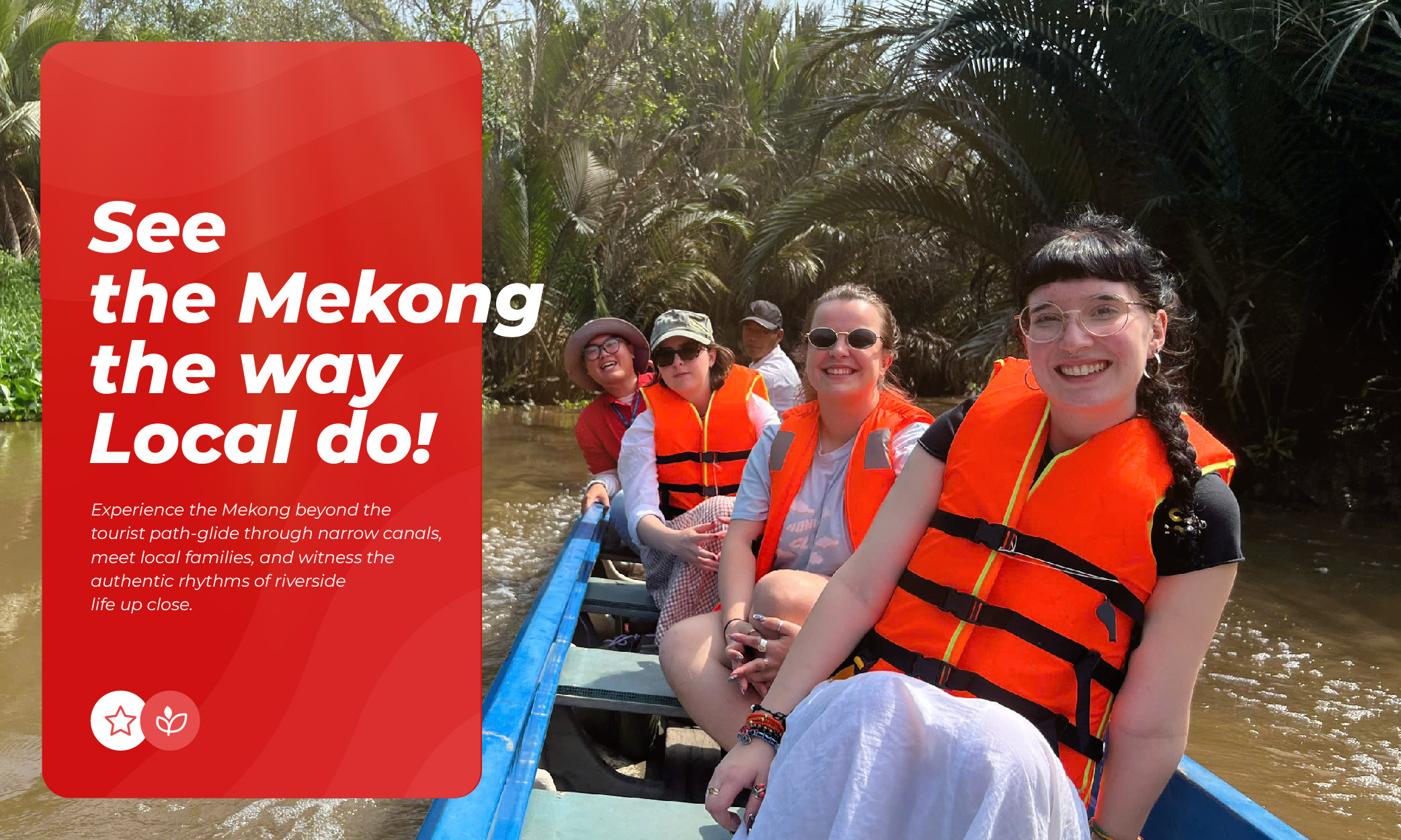
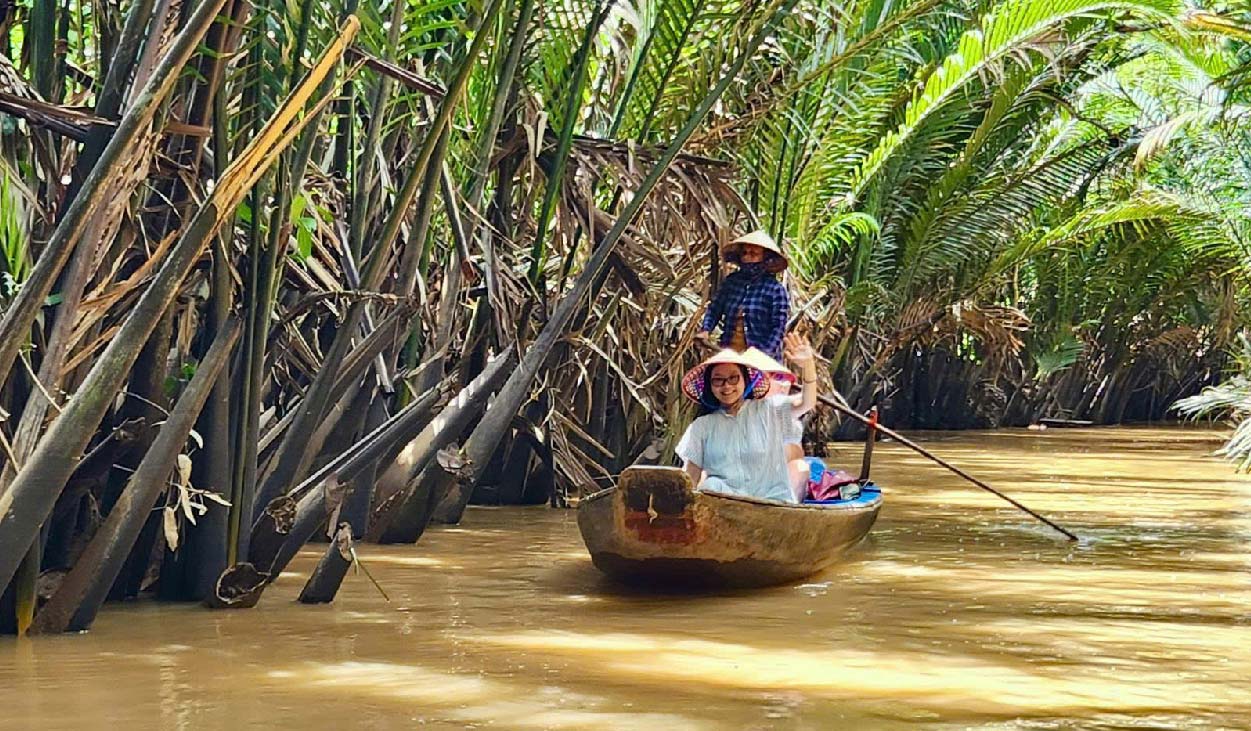
Rivers, canals, and fertile land create an environment where agriculture and daily routines are closely connected. Boats replace roads in some areas, and markets operate directly on the water.
For many travelers, the Mekong Delta is one of the most authentic regions in Vietnam.
However, the experience depends heavily on how you explore it. Quick day tours often show only a surface-level version of the region. Slower, more immersive experiences reveal how people actually live.
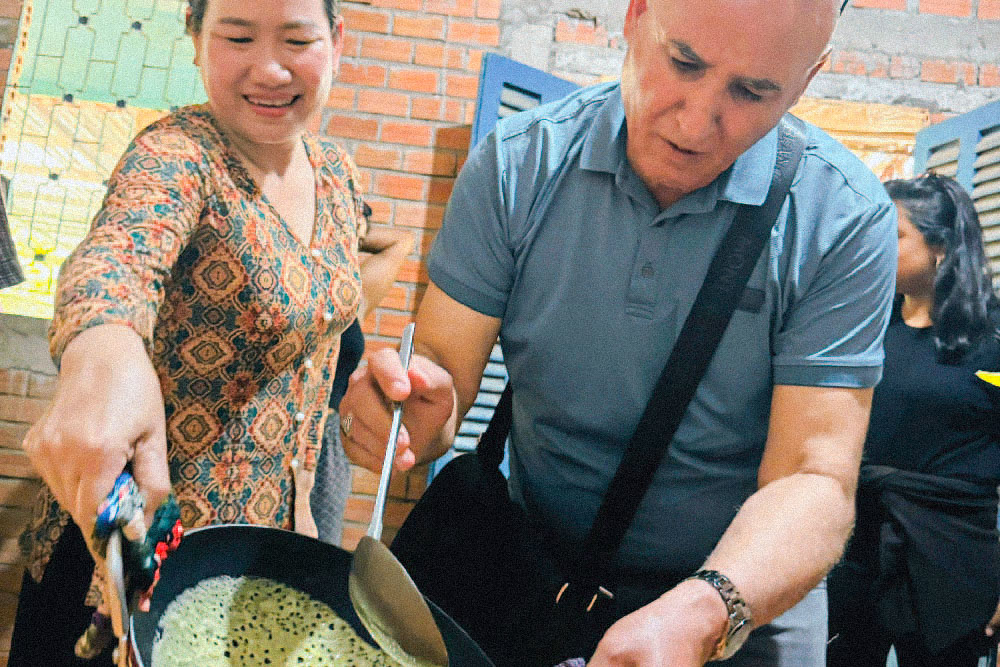
Visiting local homes, sharing meals, and spending time in smaller villages creates a deeper understanding of the Delta.
For first-time travelers, the Mekong Delta offers a glimpse into a way of life that is very different from urban Vietnam.
Da Nang: the balance between city and coast
In central Vietnam, Da Nang provides a balance between urban life and natural scenery.
The city is more modern and less crowded than Hanoi or Ho Chi Minh City, making it feel more relaxed. Wide roads, clean beaches, and organized infrastructure create an environment that is easy to navigate.
Da Nang is often used as a base for exploring nearby destinations, including Hoi An and the Ba Na Hills.
Its coastline offers long stretches of beach where travelers can relax after exploring other parts of the country.
For first-time visitors, Da Nang provides a break from more intense travel experiences.
Phu Quoc: a tropical escape

For those looking to include a beach destination, Phu Quoc offers a completely different setting.
Located in the south, Phu Quoc is known for its clear water, sandy beaches, and resort-style environment.
Unlike the cultural and historical focus of other destinations, Phu Quoc is more about relaxation.
Travelers can spend time swimming, exploring smaller islands, or simply enjoying the slower pace of island life.
Including a destination like Phu Quoc helps balance a trip that might otherwise be focused entirely on cities and inland landscapes.
How to choose where to go in Vietnam
One of the biggest challenges for first-time travelers is deciding how much of Vietnam to include in a single trip.
The country’s length makes it difficult to see everything without rushing.
A better approach is to think in terms of experience rather than geography.
Do you want to focus on culture, nature, food, or relaxation? Each destination offers a different combination of these elements.
Trying to include too many places often leads to constant movement and limited time in each location.
Choosing fewer destinations and spending more time in each one usually creates a more meaningful experience.
Suggested itineraries for first-time travelers
For travelers with limited time, structuring your itinerary carefully makes a big difference.
A 7-day trip might focus on one region, such as northern Vietnam, combining Hanoi, Ha Long Bay, and Ninh Binh.
A 10-day itinerary could include both the north and central regions, adding destinations like Hue and Hoi An.
A 14-day trip allows for a more complete journey, covering north, central, and south Vietnam, including Ho Chi Minh City and the Mekong Delta.
The key is to avoid overloading your schedule.
Vietnam rewards slower travel.
The importance of balance
A well-planned trip to Vietnam includes balance.
Cities provide energy, history, and food culture. Natural landscapes offer space, calmness, and visual contrast. Cultural destinations add depth and understanding.
Combining these elements creates a more complete experience.
For example, pairing Hanoi with Ha Long Bay, or Ho Chi Minh City with the Mekong Delta, allows travelers to see different sides of the country without feeling rushed.
Balance is what turns a trip into a journey.
Common mistakes first-time travelers make
One of the most common mistakes is trying to see everything.
Vietnam is not a country that can be fully experienced in one trip. Attempting to cover too many destinations often leads to fatigue and reduces the quality of each experience.
Another mistake is underestimating travel time. Distances may appear short on a map, but transportation between regions can take longer than expected.
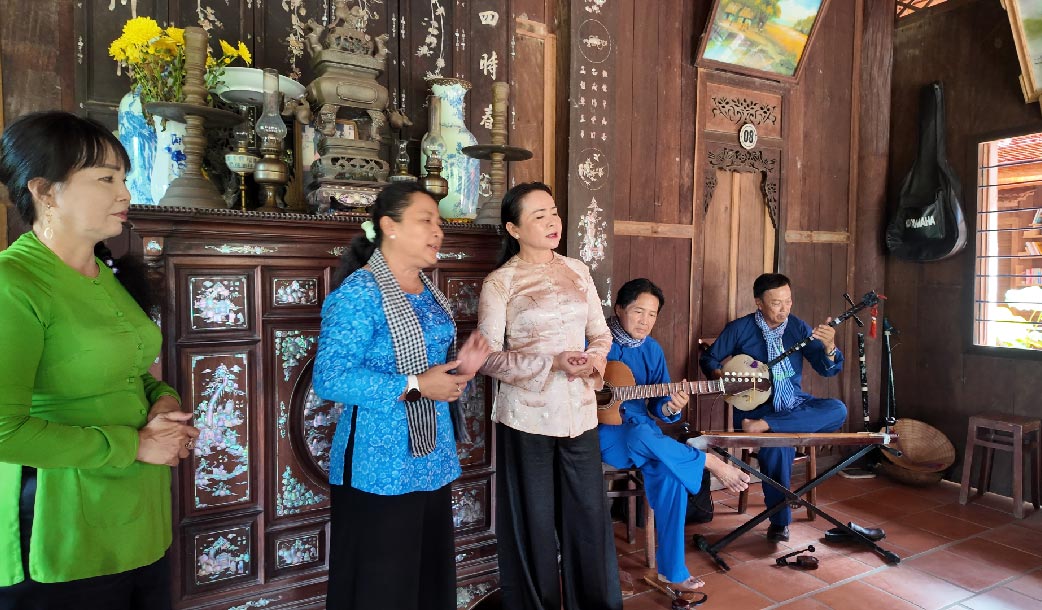
Some travelers also focus too much on famous landmarks and miss everyday experiences, which often provide a deeper understanding of the country.
Being aware of these mistakes helps create a smoother journey.
Why Vietnam feels different from other destinations
Vietnam stands out not only because of its landscapes or attractions, but because of how life is lived.
Street food culture, daily routines, and the interaction between people and their environment create a sense of authenticity that many travelers find memorable.
The country does not feel staged or designed purely for tourism. It feels real.
For first-time visitors, this authenticity can be surprising at first, but it often becomes one of the most meaningful parts of the experience.
Final thoughts on the best places to visit in Vietnam
Choosing the best places to visit in Vietnam is not about finding the most famous destinations.
It is about understanding how different places contribute to the overall experience.
From the historical streets of Hanoi to the natural beauty of Ha Long Bay, from the cultural depth of Hue to the energy of Ho Chi Minh City, each destination adds a different layer to the journey.
For first-time travelers, the goal should not be to see everything, but to experience enough to understand the country.
Vietnam is not a destination that reveals itself all at once.
It unfolds gradually, through places, people, and moments that connect over time.
And that is what makes it worth visiting.