Most people get the Mekong Delta wrong, and it’s not their fault. They book the standard one-day tour out of Ho Chi Minh City, spend more time on the bus than on the water, get herded through a coconut-candy workshop and a honey-tea tasting, and leave thinking the delta is a tourist trap. Then they tell their friends to skip it.
Here’s the truth: the Mekong Delta is one of the most rewarding regions in Vietnam — but only if you do it right. It runs on a slower clock than anywhere else in the country, and it gives nothing to people in a hurry. So this isn’t a checklist of everything you can do. It’s an honest take on what’s actually worth your time, and what to leave off the itinerary.
First, give it more than a day
The single most important decision you’ll make is how long to stay. A day trip from Saigon shows you the delta exists; it doesn’t let you experience it. The drive eats most of the daylight, and you only reach the closest, most touristed edge around My Tho.
Give it two or three days instead, base yourself in Can Tho (about 3.5–4 hours south, the region’s main hub), and the whole thing changes. You get a sunrise on the water, a night in the countryside, and time to reach the quieter canals where the real delta lives. If you only take one piece of advice from this guide, take that one.
Do: sleep in a homestay
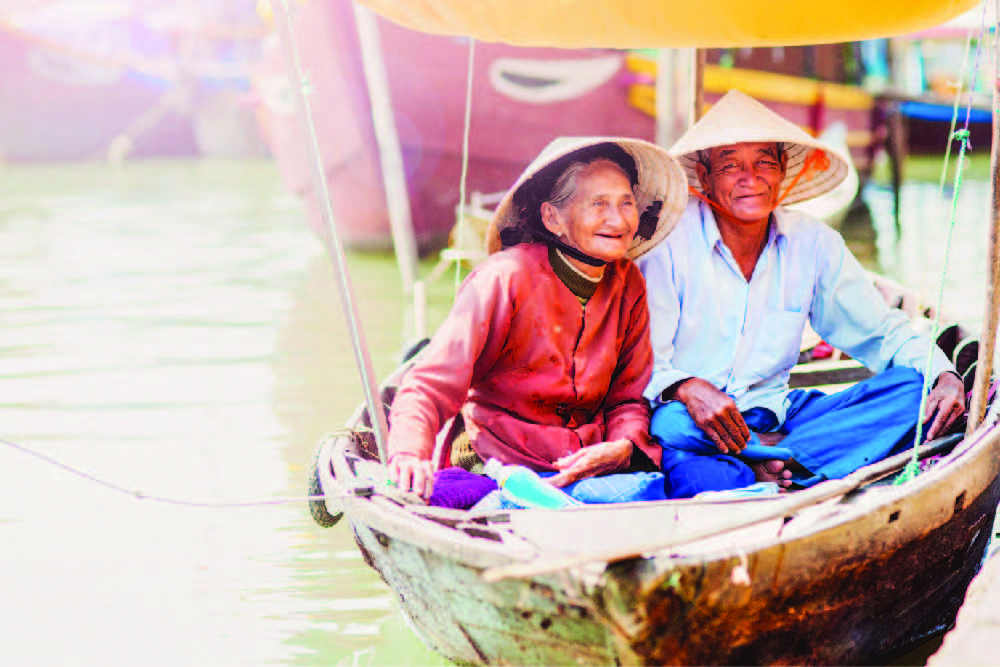
This is the heart of a good Mekong trip. A night in a family-run homestay — out on the islands and along the smaller canals, ringed by fruit orchards — is the difference between watching the delta and living in it for a day.
The rhythm sells itself: cycle the lanes in the cool morning, hide in a hammock through the midday heat, watch the sun drop over the river with a glass of fresh juice, then sit down to a dinner cooked from the garden — crisp elephant-ear fish, clay-pot pork, greens picked that afternoon — and talk late with your hosts. It costs anywhere from a few dollars to around $40, and it’s the part of the trip people remember years later. Look for genuine family homestays around Ben Tre, Vinh Long, and the islands near Can Tho, not the big purpose-built ones near the highway.
Do: catch a floating market at sunrise — with clear eyes
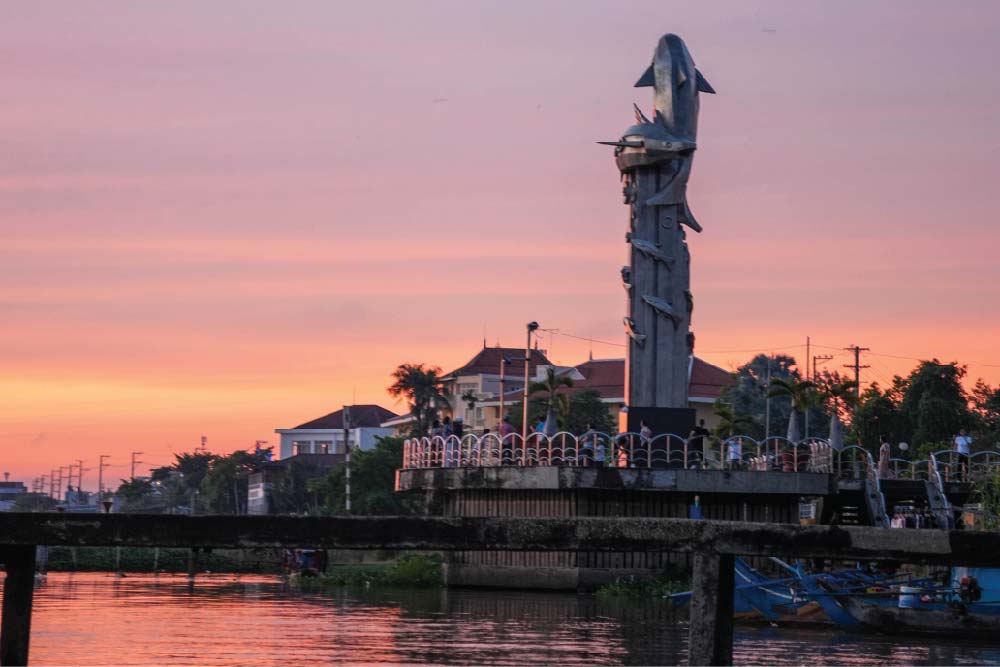
A dawn boat to Cai Rang, the last major floating market, is still worth the early alarm — as long as you know what you’re getting. Set off from Can Tho’s Ninh Kieu Wharf around 5am to arrive while it’s busiest, roughly 5:30 to 6:30.
Be honest with yourself first, though: this is mostly a wholesale market now. You’ll see big wooden boats stacked with a single crop, each flying its goods on a tall bamboo pole, trading in bulk — not the postcard of countless small farmers haggling fruit boat-to-boat. That scene has faded across the delta as roads replaced rivers. Go for what’s actually there: tonnes of produce changing hands on the water at sunrise, beautiful light, and a bowl of noodles cooked on a rocking boat and passed to yours for about a dollar. On those terms, it delivers.
Do: cycle the back lanes
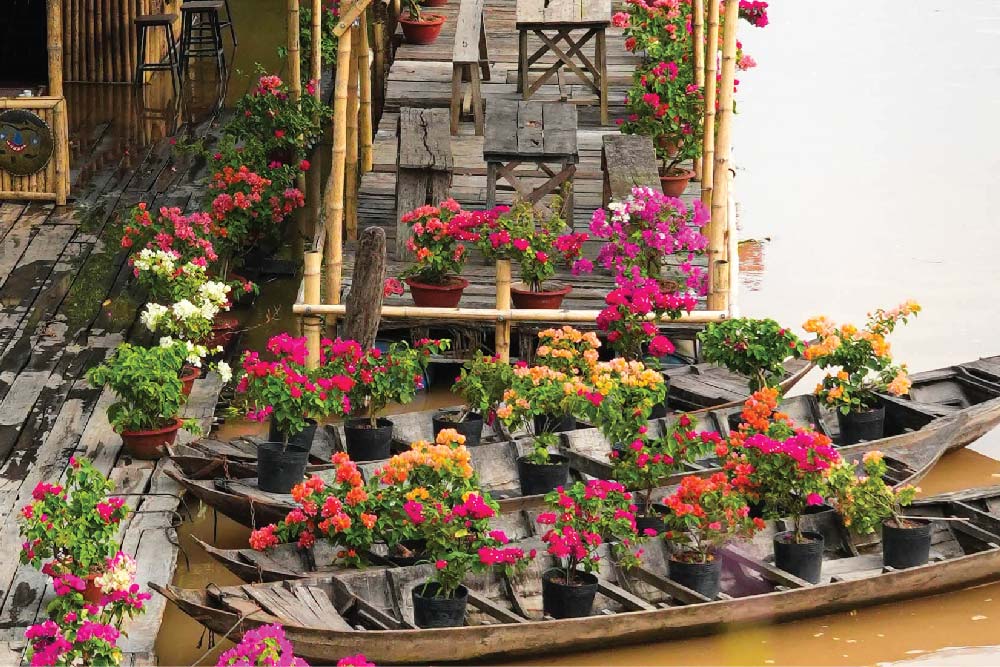
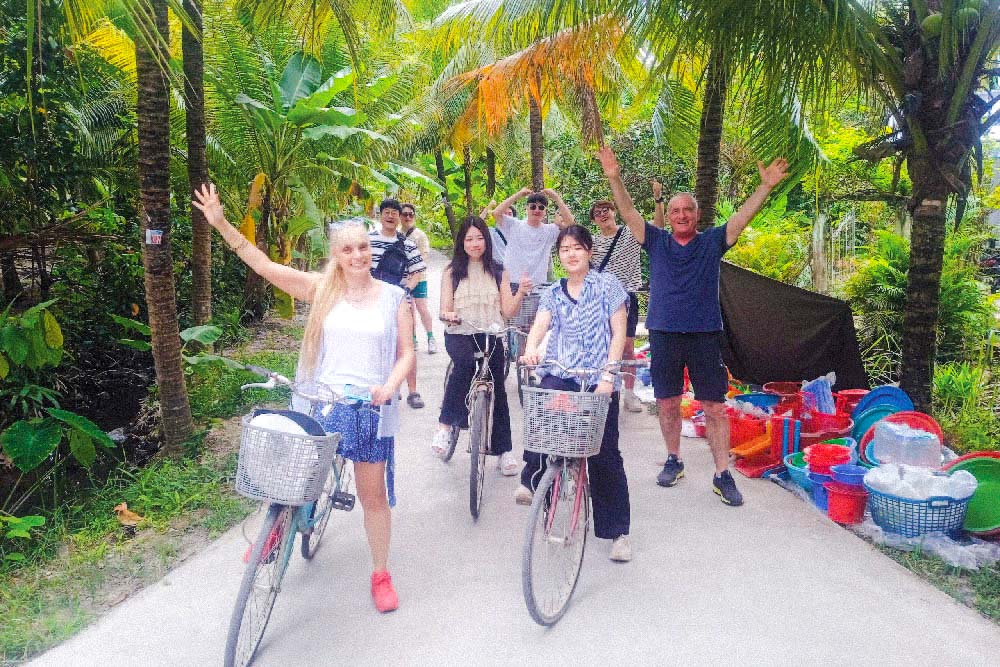
The delta is dead flat, which makes it some of the easiest, most pleasant cycling in Vietnam. Most homestays lend bikes for a few dollars, and an hour spent pedalling the narrow lanes between rice fields and fruit gardens — past farmers, schoolkids, and the odd rickety monkey bridge — resets you completely. Go early or late for the soft light and the cool air. There’s no agenda here; the slowness is the point.
Do: eat everything
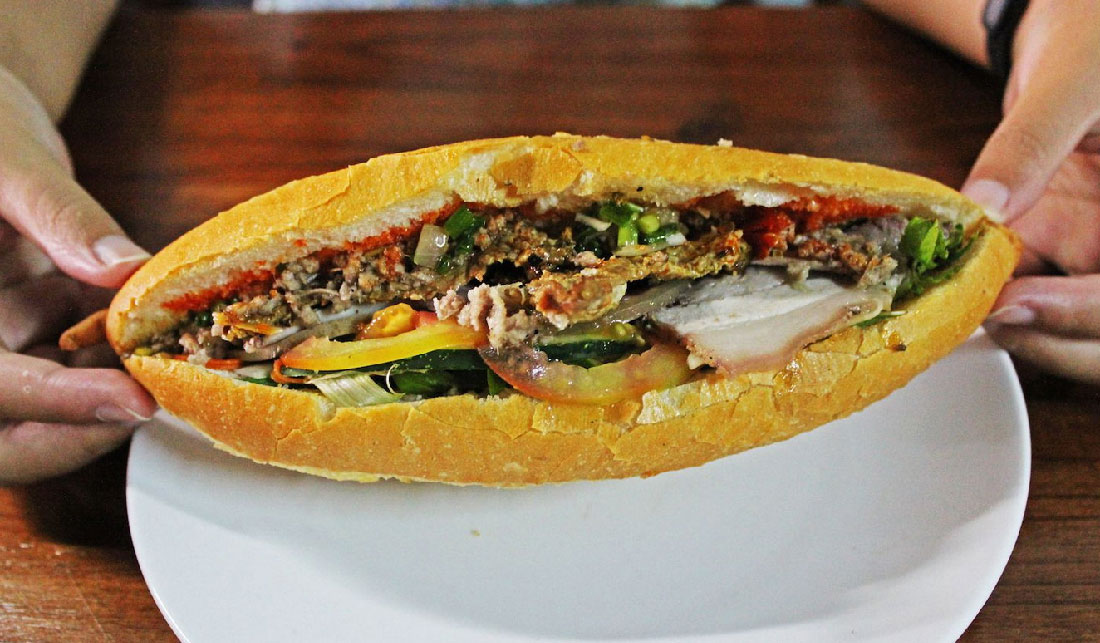
Mekong food is fresh, cheap, and built around whatever came out of the river or the garden that morning. Hunt down hu tieu (the southern noodle soup, often for breakfast), banh xeo (a crackling turmeric rice pancake folded over pork and prawns), bun rieu (tangy tomato-and-crab noodle soup), and whatever fruit is in season — rambutan, mangosteen, longan, durian — eaten in an orchard straight off the tree. Skip the tour-bus lunch hall and eat where the locals do.
Do: take a sampan into the small canals
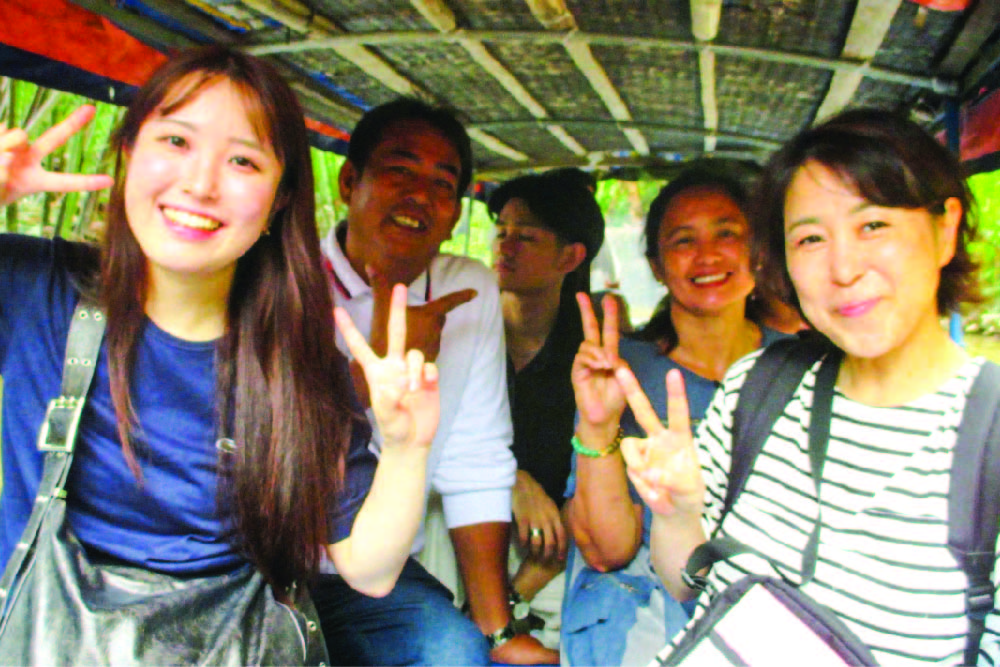
For the quietest, most beautiful hour in the delta, get into a sampan — the little hand-rowed wooden boat — and slip down a channel too narrow for engines, the water palms arching overhead into a green tunnel. The most spectacular version is at the Tra Su flooded forest in An Giang, where you glide across water carpeted in vivid green duckweed beneath the trees, best in the high-water months from roughly September to November. No motor, just the dip of the oar. That silence is the delta at its finest.
How to get there and when to go
The delta is an easy ride south from Ho Chi Minh City — book a tour with transport, hire a private car, or take a comfortable sleeper-style bus. My Tho and Ben Tre are closest (1.5–2 hours), Can Tho is the better overnight base (3.5–4 hours), and Chau Doc out west (around 6 hours) is the gateway if you’re continuing to Cambodia by river.
As for timing: the dry season (December–April) is the easiest, with reliable weather. The wet season (May–November) is hotter and rainier, but the showers come in short afternoon bursts, the landscape is at its greenest, and it doubles as fruit season — so it’s far from a write-off.
Frequently asked questions
How many days should you spend in the Mekong Delta? Two to three days is the sweet spot — enough for a homestay night, a sunrise market, and the quieter canals. A single day trip from Saigon only reaches the busiest edge and feels rushed.
Is the Mekong Delta worth visiting? Yes, if you do it slowly. Done as a rushed day tour of workshops, it disappoints. Done as an overnight trip with a homestay, a back-lane cycle, and time on the water, it’s one of the most rewarding regions in Vietnam.
Are the floating markets still worth seeing? Cai Rang, the last major one, is — go at sunrise and treat it as a working wholesale market rather than a postcard. The smaller markets like Cai Be have largely faded.
What’s the best base for exploring the Mekong Delta? Can Tho. It’s the region’s biggest city, sits right on the river, and is the launch point for the Cai Rang market and the quieter surrounding canals.
The bottom line
The Mekong Delta isn’t a sight you tick off in an afternoon — it’s a pace you settle into. Stay the night, get on the water before sunrise, eat at the busy stalls, and spend an hour doing nothing but watching the river work. Do that, and you’ll understand why the people who slow down for the delta are the ones who tell everyone else to go.