
Vietnam is a warm, welcoming country, and most travelers find that a genuine effort to understand local customs is met with even more warmth in return. That said, Vietnamese etiquette carries a few nuances that aren’t always obvious to first-time visitors — some rooted in Confucian respect for age and hierarchy, others in Buddhist spiritual practice, and others simply in the practical realities of daily life in a fast-changing country.
None of this needs to feel intimidating. Most of what follows comes down to common sense, a little cultural awareness, and a willingness to read the room. Here’s a complete rundown of the do’s and don’ts that will help you travel through Vietnam with confidence and respect.
Top do’s in Vietnam for travelers
1. Greet with a smile
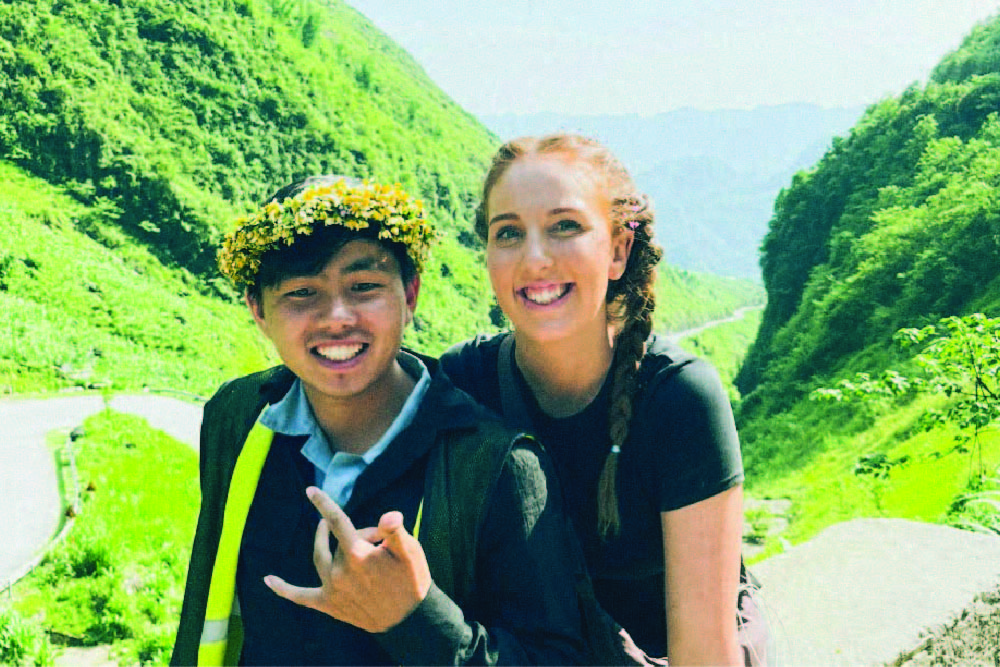
Vietnamese people are widely known for their friendliness, and meeting that warmth with your own goes a long way. A smile isn’t just polite — it’s often the fastest way to break the ice with a vendor, a taxi driver, or someone you’re asking for directions. Language barriers matter far less when a genuine smile does the talking first.
2. Ask before photographing people
It’s tempting to capture every market stall, every weathered face, every candid moment — but many people value their privacy, particularly if you’re photographing their home, their shop, or their livelihood. A quick gesture or a simple “may I?” shows respect and usually gets you a warmer, more natural photo anyway.
3. Dress modestly at religious sites
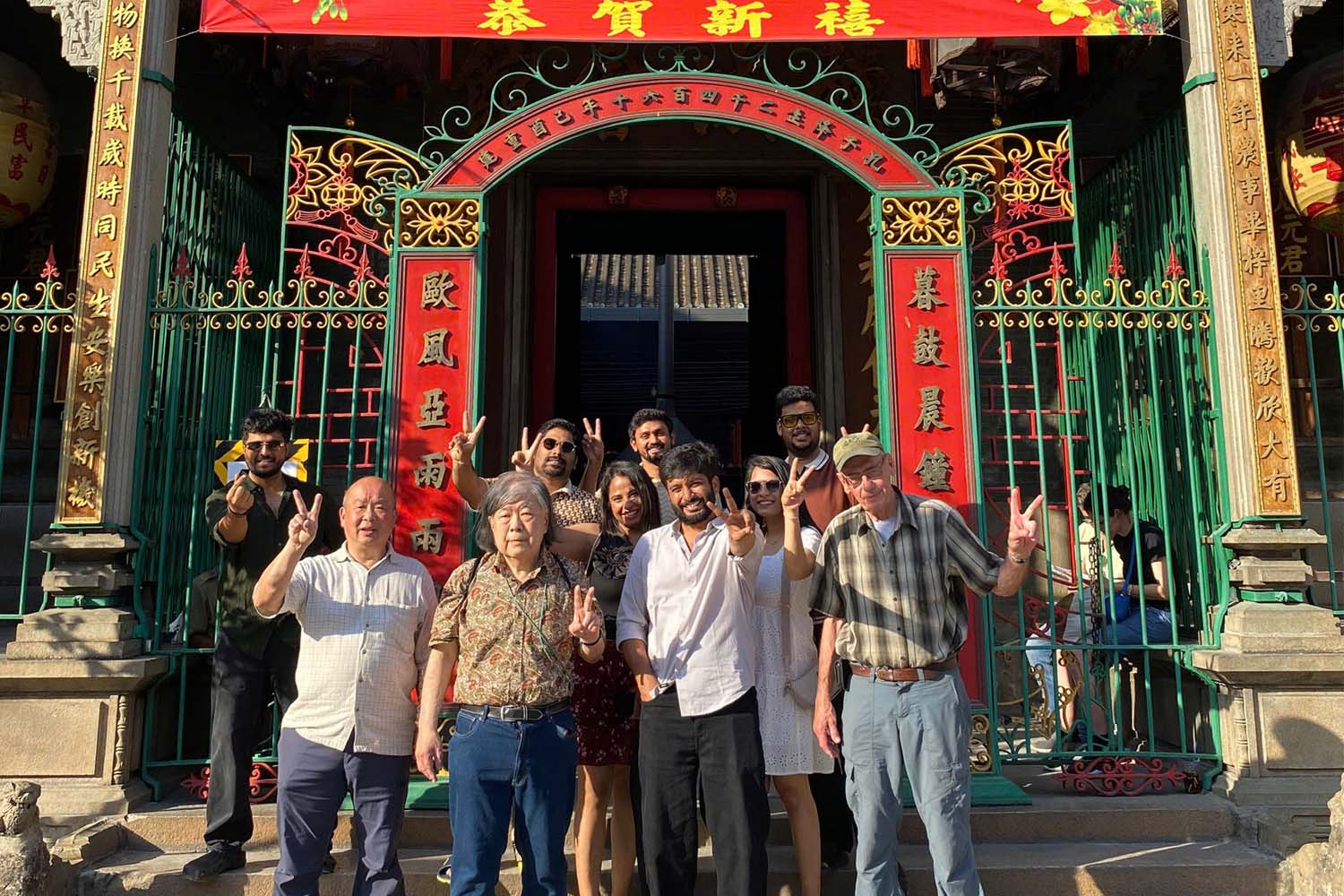
Vietnam’s pagodas and temples hold deep spiritual significance, and dressing modestly — covering shoulders and knees — is expected when visiting. Beyond simply following the rules, dressing appropriately lets you actually settle into the peaceful, contemplative atmosphere these places are built for, rather than feeling like an outsider looking in.
4. Remove your shoes before entering homes or temples
This is one of the most consistent customs across Vietnam: shoes come off before stepping into someone’s home, a pagoda, or a temple. It’s a small gesture, but it signals respect for both sacred spaces and the effort locals put into keeping their homes clean.
5. Practice proper table etiquette
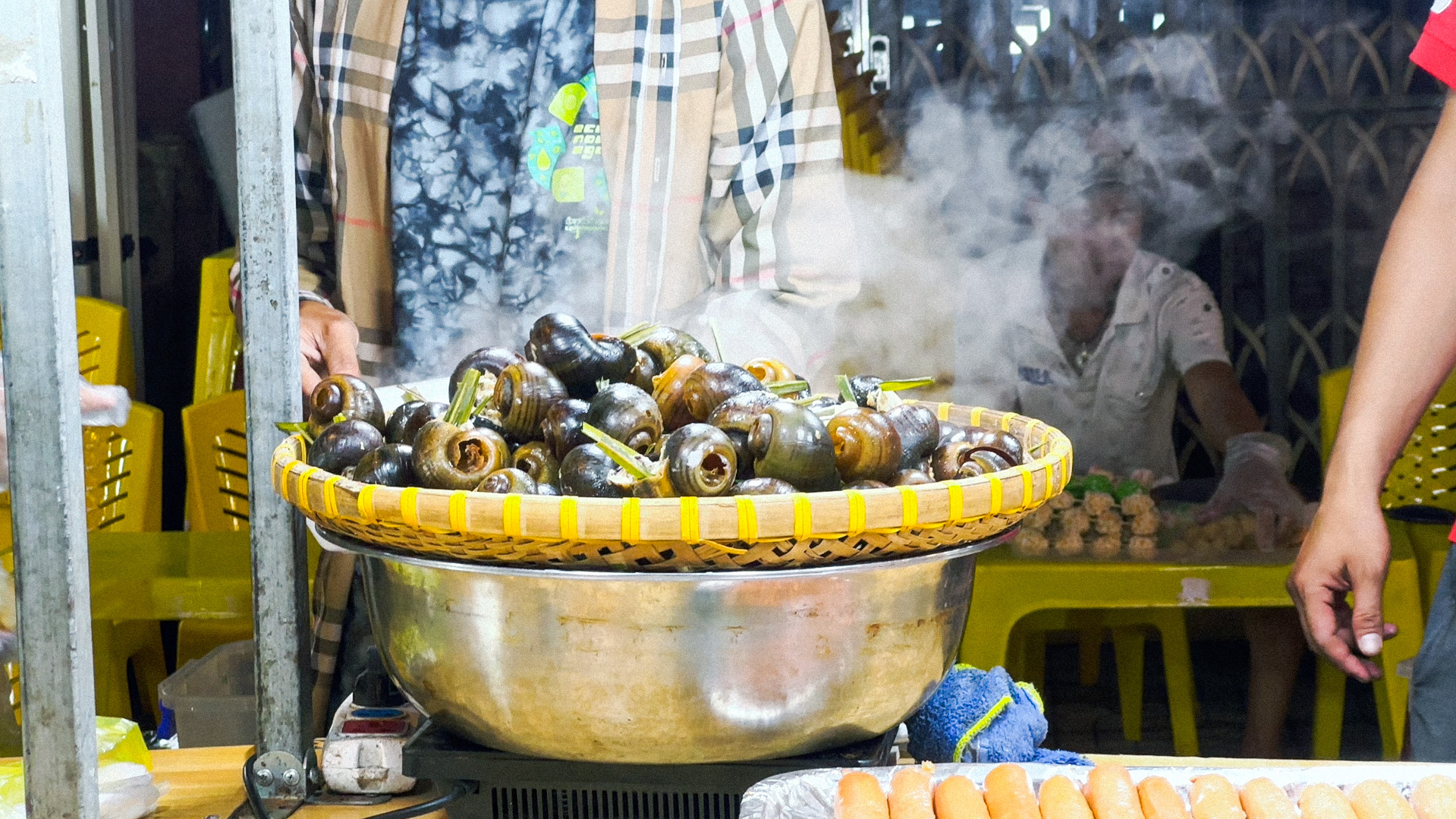
If you’re invited into someone’s home for a meal, a few small habits make a strong impression:
- Wait for the host to begin eating before you take your first bite.
- Mind your chopsticks — never point with them, and never leave them standing upright in a bowl of rice, which resembles a funeral ritual.
- Try a little of everything that’s offered, even in small portions.
- Use the shared serving utensils rather than your own chopsticks when taking food from communal dishes.
- Finish chewing before speaking, which matters in Vietnam just as much as it does almost anywhere else.
6. Use your hands thoughtfully
Avoid pointing directly at people with your index finger, and be gentle with handshakes, particularly with someone older than you. Vietnamese communication also tends to be more physically restrained than in some Western cultures, so overly animated gestures while speaking can come across as a little brash.
7. Learn a few basic Vietnamese phrases
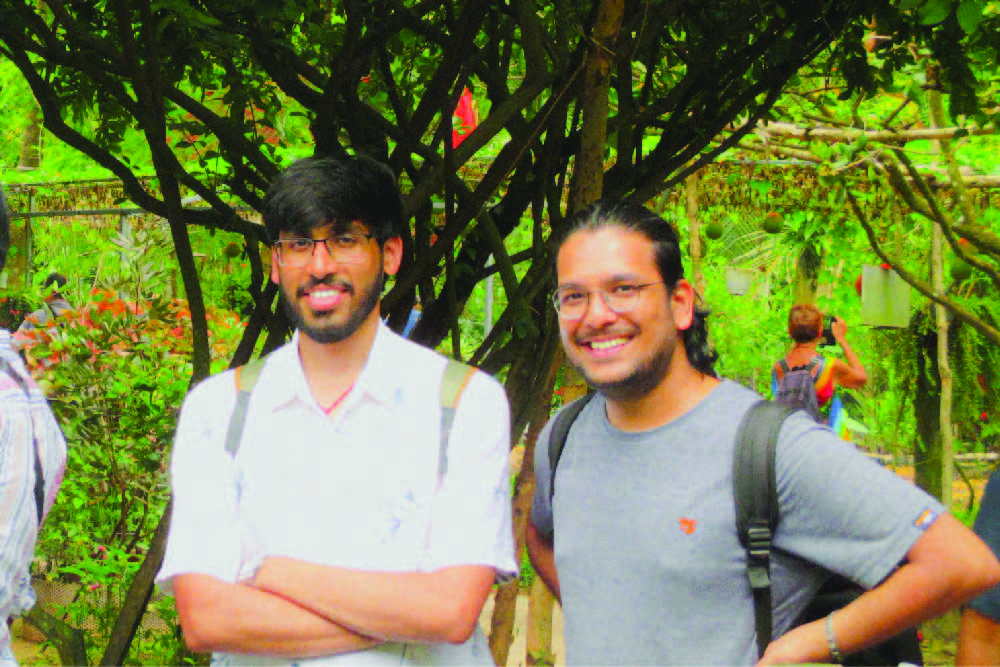
You don’t need fluency — a handful of words like “Xin chào” (hello), “Cảm ơn” (thank you), and “Xin lỗi” (sorry) go a remarkably long way. Locals consistently appreciate the effort, and it tends to open the door to friendlier, more genuine interactions than English alone would.
8. Respect local traditions and diversity
Vietnam is home to 54 recognized ethnic groups, each with distinct customs, dress, and traditions, particularly in the northern highlands and central regions. You’re not expected to know every nuance, but approaching unfamiliar customs with curiosity rather than judgment makes for a far richer travel experience — and a more respectful one.
9. Bargain politely
Bargaining is a normal, expected part of shopping at markets across Vietnam, and it can genuinely be fun when approached the right way. Keep your tone light, treat it as a friendly back-and-forth rather than a battle, and remember that a fair price for you is still meaningful income for the vendor. Aggressive haggling tends to sour the interaction for everyone.
10. Show proper respect to elders
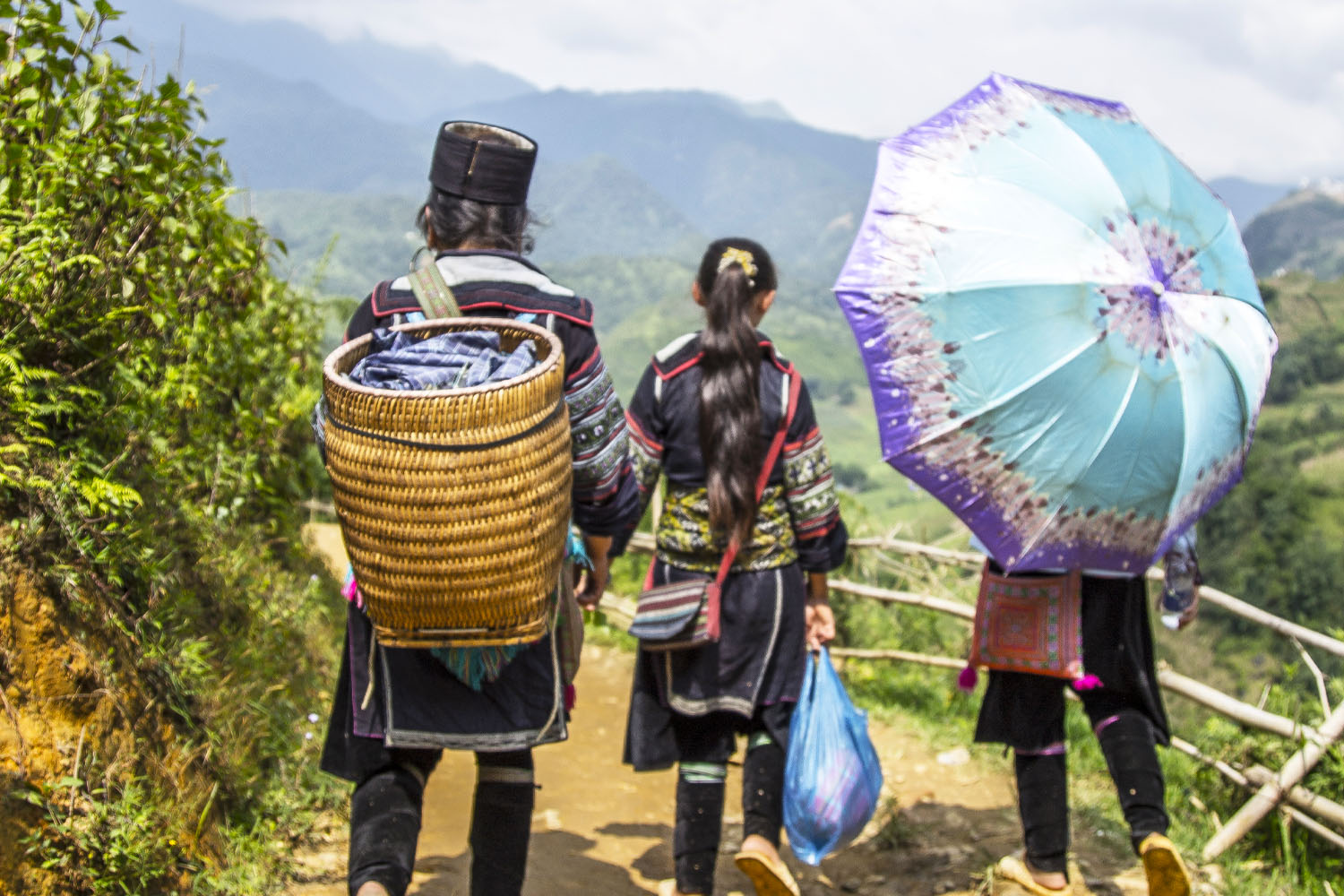
Respect for age is deeply woven into Vietnamese culture, not just as etiquette but as genuine social value. Small gestures matter: greet older people first when entering a room, use respectful terms like “Ông” for men and “Bà” for women, and a slight nod or warm smile communicates respect even across a language barrier.
11. Be mindful of personal space
Vietnamese social norms around physical contact and personal space differ somewhat from Western defaults. A handshake is fine among acquaintances, but more physical gestures — draping an arm around someone’s shoulder, for instance — can feel like too much, too soon. Reading body language matters here, since discomfort isn’t always voiced directly.
12. Stay calm in traffic
Traffic in Vietnam’s major cities can be genuinely chaotic, especially around Ha Noi and Ho Chi Minh City. Motorbikes weave, lanes are more of a suggestion than a rule, and jams are common. Getting visibly frustrated won’t speed anything up — staying calm, going with the flow, and trusting that it moves eventually is the far less stressful approach.
Must-know don’ts in Vietnam
1. Don’t show excessive affection in public

Vietnamese culture leans toward subtlety when it comes to public displays of affection. A photo with your partner at a scenic spot is perfectly normal, but more overt affection in public spaces can draw unwanted attention and feel out of step with local norms.
2. Don’t bring up sensitive topics casually
Politics, religion, and deeply personal questions about income or relationship status are generally best avoided in casual conversation, especially with people you’ve just met. Neutral, easy topics — food, travel, hobbies — tend to make for much more pleasant exchanges.
3. Don’t litter or damage the environment
Littering is one of the more visible ways travelers unintentionally show disrespect. Use designated bins, recycle where possible, and consider small habits like carrying a reusable water bottle. Vietnam’s natural landscapes — from Ha Long Bay’s karsts to Sa Pa’s terraces — depend on travelers treating them with care.
4. Don’t disrespect national symbols
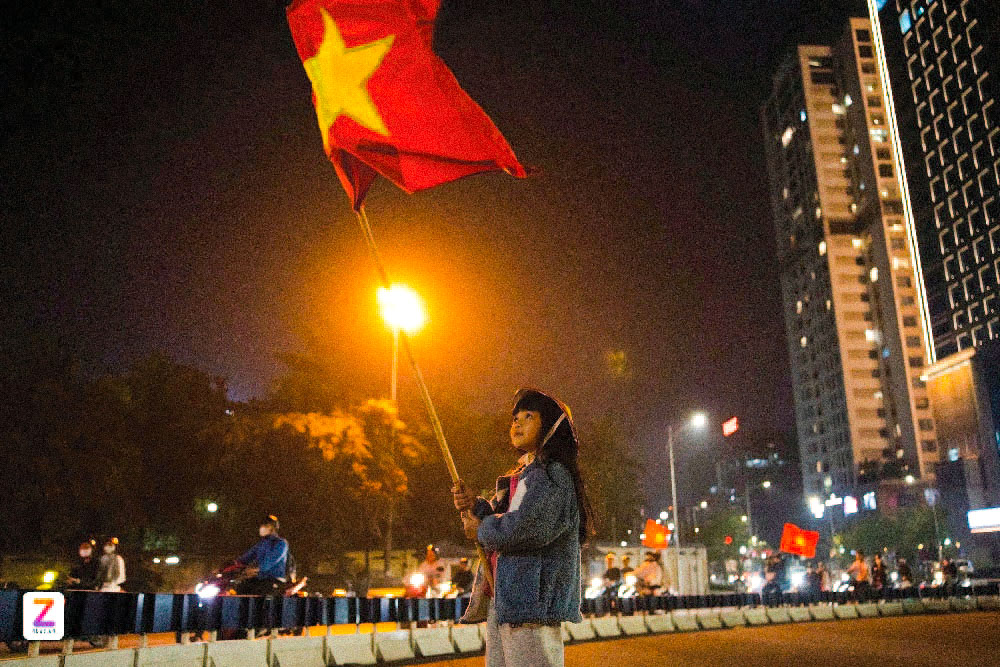
Vietnam’s flag, national anthem, and monuments carry deep significance. If the national anthem plays while you’re present, standing quietly is the respectful response. Dismissive comments or gestures toward national symbols are taken seriously and can create real friction.
5. Don’t touch someone’s head
Even a friendly, well-intentioned pat on the head can be misread as disrespectful in Vietnam, unless it comes from a close family member. This is a small but important cultural difference worth keeping in mind, especially around children.
6. Don’t raise your voice or show anger publicly
Vietnamese society generally values composure, and loud arguments or visible frustration in public tend to be seen as a loss of face — for you, not just the situation. If something goes wrong, a calm, measured response gets better results than an angry one, almost every time.
7. Don’t ignore local traffic rules
Vietnam’s roads, especially in cities, demand real attention. Wear a helmet if you’re on a motorbike, follow traffic signals where they exist, and cross streets at designated points and with steady, predictable movement rather than sudden stops or sprints. Traffic safety isn’t just etiquette here — it’s genuinely important for your wellbeing.
8. Don’t criticize the local cuisine
Vietnamese food carries deep cultural pride, and some dishes — balut, certain organ meats, fermented specialties — may be unfamiliar or challenging to some foreign palates. If something isn’t for you, a polite “I’d love to try something else” goes over far better than an openly negative reaction.
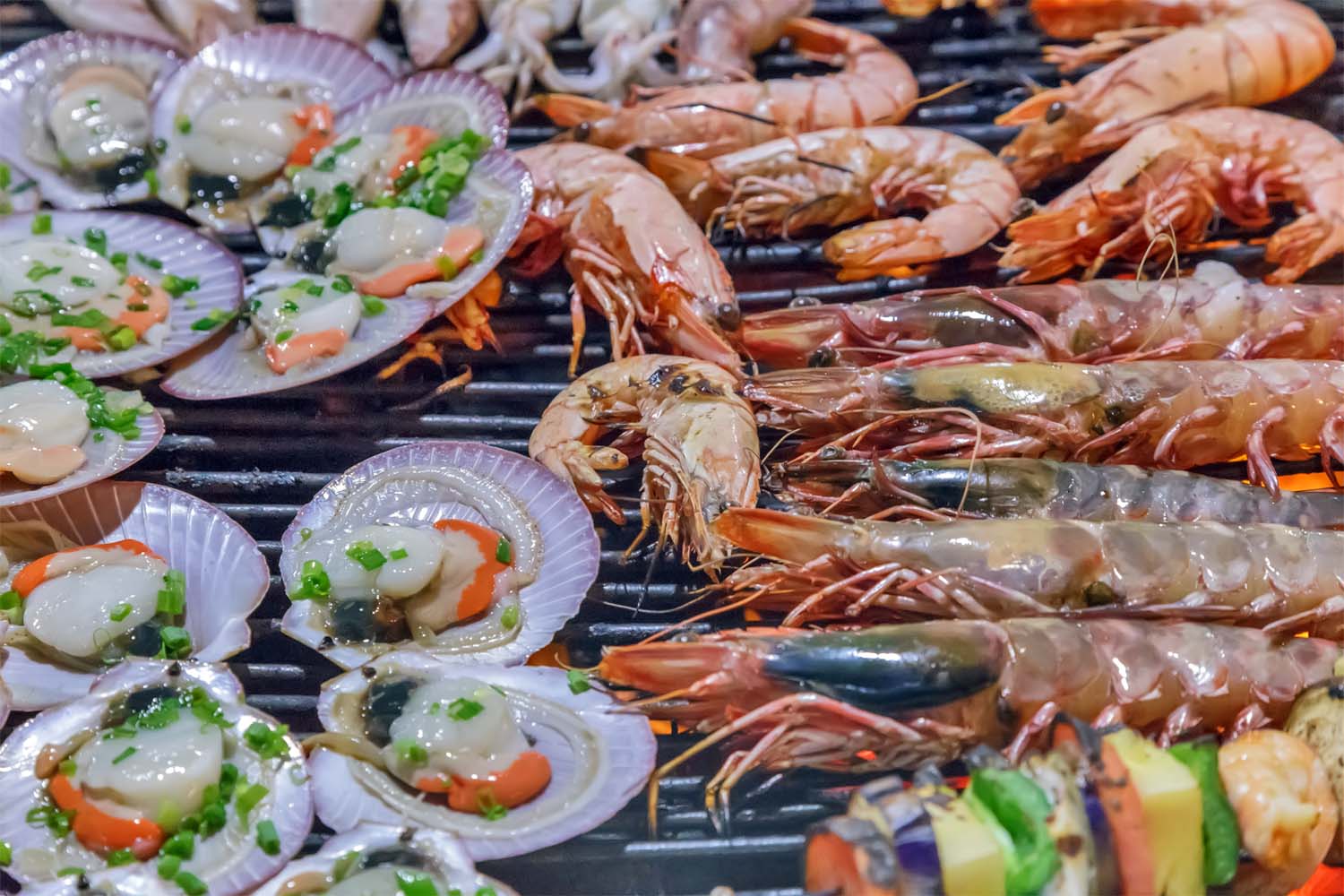
9. Don’t drink tap water
Tap water in Vietnam isn’t safe for direct drinking. Stick to bottled or filtered water throughout your trip, including for brushing your teeth if you’re being cautious, to avoid unnecessary stomach trouble that can derail a trip.
10. Don’t flaunt valuables in public
Expensive jewelry, visible cash, and flashy electronics can draw unwanted attention, including from opportunistic pickpockets in busier tourist areas. Keeping valuables low-key and secured is simple, practical advice that applies well beyond Vietnam, but it’s worth repeating here.
11. Don’t point at people with your feet
Feet are considered the “lowest,” least respectful part of the body in Vietnamese culture, so pointing at someone — or anything, really — with your foot is a more serious breach of etiquette than it might seem to a foreign visitor. It’s an easy habit to avoid once you’re aware of it.
Why these customs matter more than they might seem
None of these customs exist in isolation — most trace back to deeper cultural threads: Confucian respect for hierarchy and age, Buddhist mindfulness and restraint, and a strong collective emphasis on harmony over individual expression. Understanding the “why” behind the etiquette tends to make it easier to remember and easier to genuinely embrace, rather than treating it as an arbitrary checklist.
It’s also worth noting that Vietnam is a large, diverse country, and norms can shift meaningfully between regions. What feels natural in cosmopolitan Ho Chi Minh City may read differently in a rural village in the northern highlands or a fishing community along the central coast. When in doubt, watching how locals around you behave — and following their lead — is usually the safest approach.
A few extra tips for first-time visitors
- Ask before entering someone’s private space, even if a door or gate looks open — this applies to homes, family shops, and sometimes even fields or orchards.
- Tipping isn’t traditionally expected in Vietnam, though it’s increasingly appreciated in tourist-facing businesses like restaurants and tour services, particularly for good service.
- Cover up appropriately, even in hot weather, when visiting temples or pagodas — carrying a light scarf or sarong in your bag solves this problem without much inconvenience.
- Be patient with bureaucracy and paperwork, whether it’s a hotel check-in or a border crossing — frustration rarely speeds things up, and patience is generally well received.
- Observe before you participate in unfamiliar situations, whether that’s a local ceremony, a market transaction, or a shared meal — a moment of quiet observation often tells you everything you need to know about how to engage respectfully.
FAQ
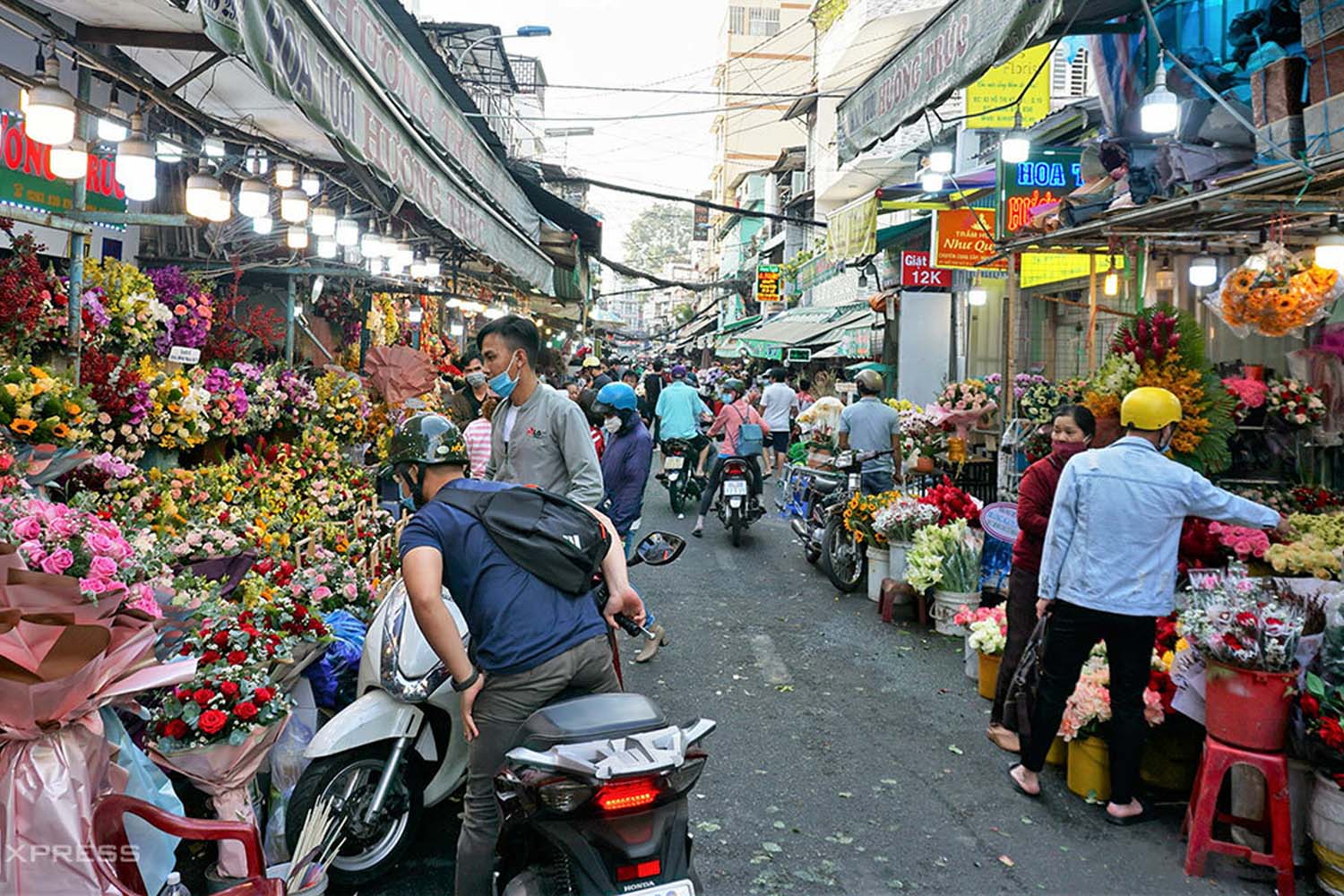
Is it rude to bargain aggressively at Vietnamese markets? Yes — while bargaining itself is expected and normal, doing so aggressively or disrespectfully is considered poor etiquette. A friendly, good-humored back-and-forth is the cultural norm, not a hard-nosed negotiation.
Do I need to remove my shoes everywhere in Vietnam? Not everywhere, but it’s expected in private homes, temples, and pagodas. Restaurants, shops, and public spaces generally don’t require it, though it’s worth watching for shoe racks at entrances as a cue.
Is public affection completely forbidden in Vietnam? No, but it’s generally more reserved than in many Western countries. Holding hands or a quick hug is fine; more overt displays of affection are best kept private.
What’s the biggest etiquette mistake tourists make in Vietnam? Raising their voice or showing visible frustration in public, particularly during minor disagreements over price or service. It tends to escalate situations rather than resolve them, and it doesn’t align with local norms around composure.
Are these customs the same throughout Vietnam? The core principles hold nationwide, but regional and ethnic diversity means specific customs can vary, especially among Vietnam’s 54 ethnic groups and between urban and rural areas.
Traveling with cultural awareness
A little cultural awareness transforms a trip from simply visiting a country to genuinely connecting with it. None of this etiquette is about rigid rule-following — it’s about approaching Vietnam with the same respect and openness you’d hope for as a guest in someone’s home, because in a real sense, that’s exactly what traveling through the country is.
The good news is that Vietnamese hospitality tends to meet you more than halfway. Even imperfect attempts at etiquette — a mispronounced greeting, an unfamiliar chopstick habit corrected mid-meal, a bargaining exchange that ends in laughter rather than a deal — are usually met with patience and warmth rather than judgment. Most locals recognize the effort behind the mistake, and that effort is often what people remember and appreciate most. Traveling well in Vietnam isn’t about getting every custom perfectly right from day one; it’s about staying observant, staying humble, and letting that awareness deepen naturally as your trip goes on.





