At 2am in Ho Chi Minh City, a coffee shop that should have closed hours ago is standing room only. A projector throws a football match onto a bedsheet nailed to the wall. Plastic stools spill off the pavement and into the alley. Two dozen strangers lean in over glasses of iced coffee and warm beer, and when a goal goes in, the whole street erupts — car horns, motorbike revs, a grandmother banging a pot from a balcony above.
Here’s the strange, wonderful part: neither team on that screen is Vietnam. Vietnam isn’t at the World Cup. Vietnam has never been at the men’s World Cup. And somehow, that doesn’t dampen the fever by a single degree.
If you’re in the country right now — with the 2026 tournament deep into its knockout rounds — you’re witnessing one of the most misunderstood love affairs in world football.
A whole nation on Americas time
This year the games are being played across the United States, Canada, and Mexico, which means something brutal for Vietnamese fans: the football happens in the middle of the night. Kickoffs land somewhere between midnight and dawn, Vietnam time. A prime evening match in New York is a 7am alarm here.
So the country splits into two tribes. There are the ones who set alarms for 2am, watch on their phones under the blanket, and stumble into work bleary-eyed. And there are the ones who simply don’t sleep — who move from dinner to a café to a bia hơi corner and ride the night through to sunrise on caffeine and adrenaline. For a few weeks every four years, the whole nation runs on a shared sleep debt. Offices know it. Productivity quietly dips. Nobody really minds.
It helps that this is a coffee country. The all-night match is practically what Vietnamese iced coffee was built for.
The art of adopting a country
When your own flag isn’t in the tournament, you borrow someone else’s. And Vietnam borrows with total conviction.
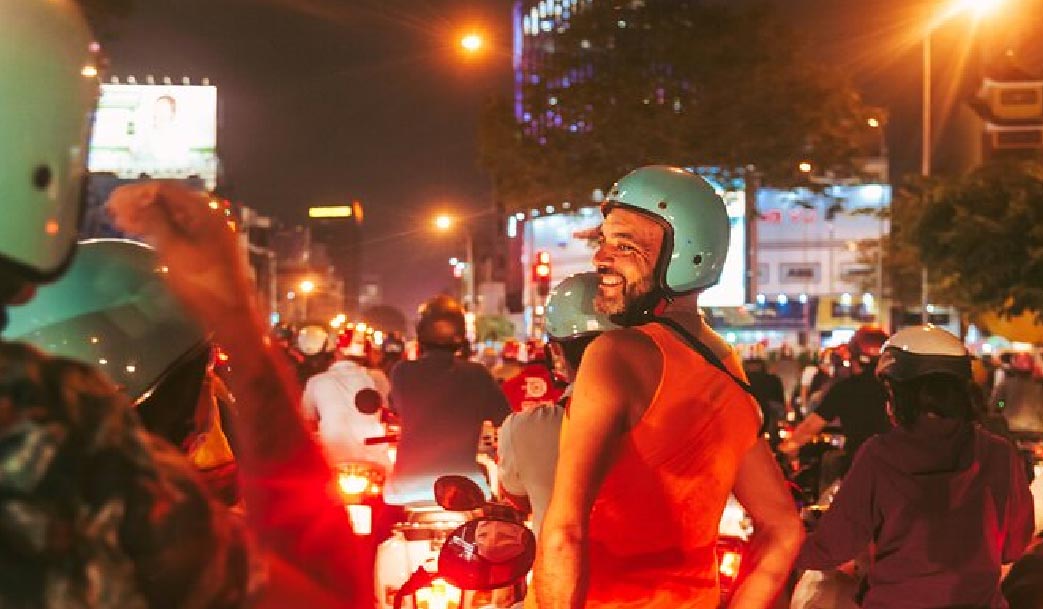
Walk through any city during World Cup season and you’ll see the jerseys: Brazil yellow, Argentina stripes, the names of players stitched across shoulders — Messi, Ronaldo, Mbappé, whoever the current god happens to be. Older fans hold decades-long loyalties, often to Brazil or Germany, passed down like family recipes. Younger ones follow the stars more than the flags. The result is that a single café can hold four or five “national” allegiances, and the arguments between them are half the entertainment.
These loyalties are real enough to break friendships for ninety minutes and mend them over the next round of beers. When Argentina and Messi won it all in 2022, parts of Saigon and Hanoi poured into the streets as if Vietnam itself had lifted the trophy. That’s the thing about football here — the passion doesn’t need a home team to attach itself to. It just needs a match.
“Đi bão” — when the streets become the celebration
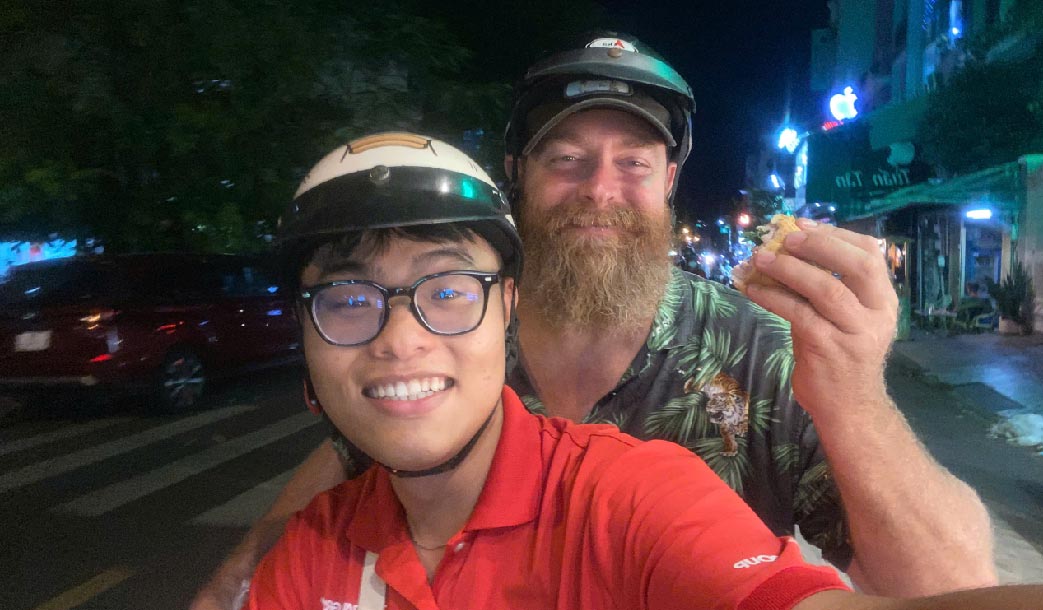
To understand Vietnamese football, you have to understand đi bão — literally “going into the storm.” It’s the mass motorbike celebration that floods the streets after a big win: thousands of riders, red flags snapping in the wind, horns and drums and flares, the yellow star everywhere.
Đi bão belongs, first and most fiercely, to Vietnam’s own team. It was born at full force in 2018, when a young Vietnamese under-23 side reached the final of the Asian championship, playing the last minutes in a snowstorm in China and losing in the dying seconds — and the country erupted anyway, in pride, all night. The wins that followed under coach Park Hang-seo, and the ASEAN title in early 2025 under Kim Sang-sik, turned these red-flag street storms into a national ritual.
During the World Cup, without a Vietnamese team to chase, the storms are rarer and looser — but let a beloved adopted side win a final, and the motorbikes still come out. The instinct to take joy into the street, together, is baked deep.
The women got there first
There’s a detail proud Vietnamese fans will correct you on: Vietnam has been to a World Cup. In 2023, the women’s national team qualified for the FIFA Women’s World Cup for the first time in history, walking out against the likes of the United States on the sport’s biggest stage. They didn’t win a game, but that was never the point. A country that had only ever watched the World Cup finally had someone of its own to watch. It mattered more than the scoreline ever could.
The dream that’s getting closer
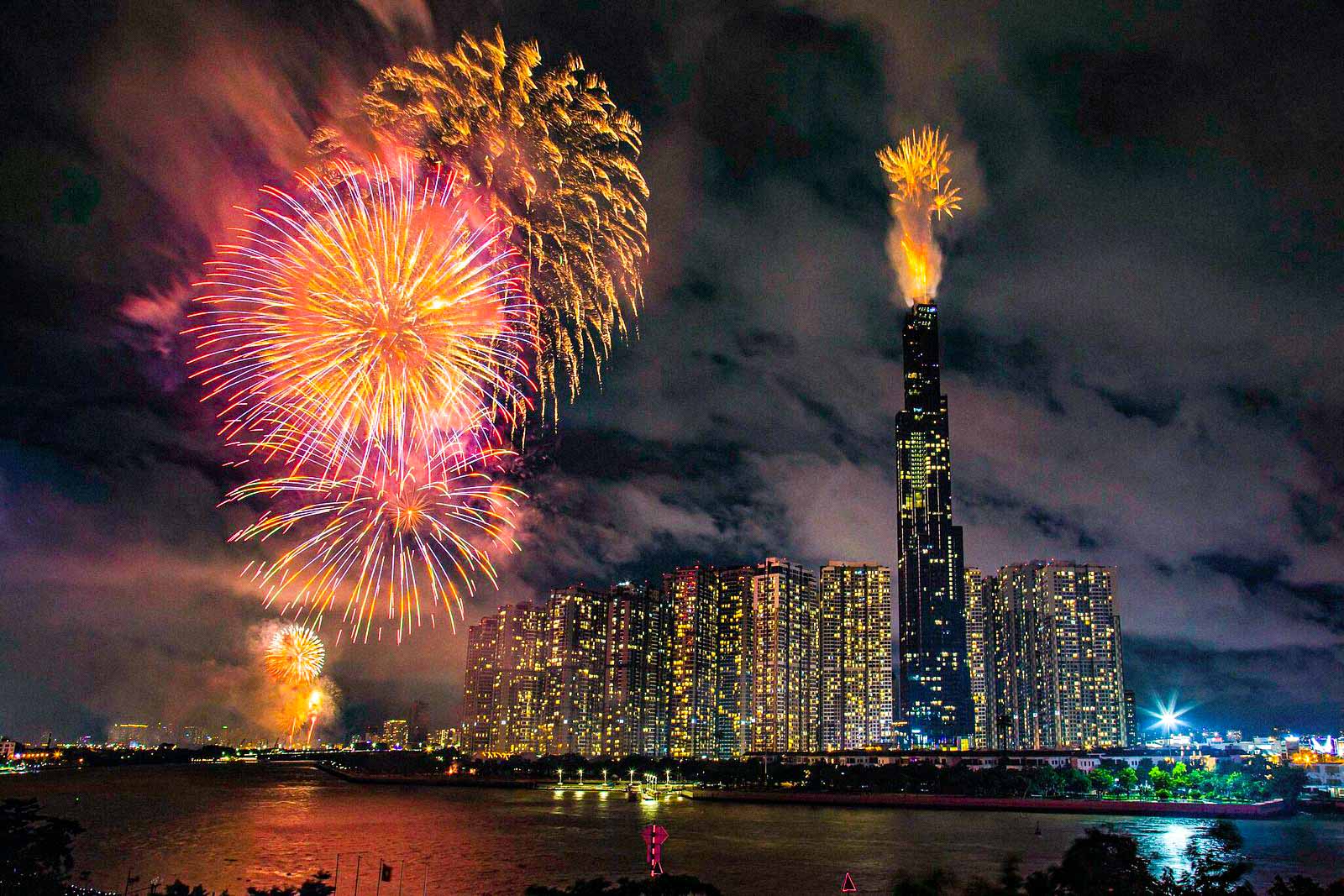
For years, the men’s World Cup felt like something that happened to other countries. That’s changing. The tournament has expanded to 48 teams, and with it, Asia’s share of places has grown — which means, for the first time, qualifying feels less like a fantasy and more like a target.
Vietnam isn’t in the 2026 edition. But the Park Hang-seo era rewired what fans believe is possible, and the conversation now openly includes words that once felt absurd: maybe 2030, maybe 2034. Every all-night café session during this World Cup is, in some quiet way, rehearsal for the tournament people here genuinely believe is coming.
The honest side
It’s not all romance. World Cup season also drives a wave of illegal betting, and every four years brings its share of quiet ruin — debts, arrests, families strained by a bad night’s gamble. Locals know this shadow well; it runs alongside the joy rather than cancelling it. A real portrait of football here includes both.
Why it’s worth staying up for
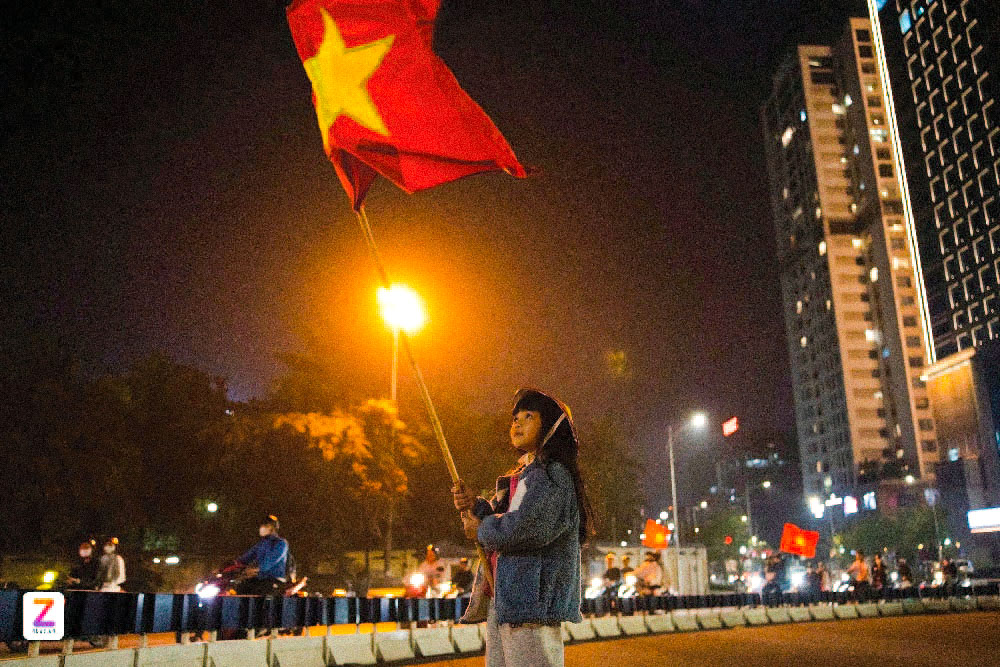
If you’re travelling in Vietnam during these weeks, don’t hide from the noise — walk into it. Pull up a plastic stool at a packed café at midnight. Order the coffee. Pick a team, any team, and let the person next to you argue you out of it. You don’t need to understand every chant or follow every loyalty to feel what’s happening: a country that loves this game so completely it will lose a whole night’s sleep for a match between two nations on the other side of the planet.
Vietnam doesn’t play in the World Cup. It just refuses to sit it out. And honestly, that might be the purest form of football love there is.