Introduction
Traveling to Vietnam is often described as exciting, chaotic, beautiful, and unpredictable all at once, which is exactly what makes it such a memorable destination, but also why preparing properly before your trip can make a significant difference in how you experience it.
Unlike destinations where everything follows a familiar pattern, Vietnam requires a bit more awareness and flexibility, not because it is difficult, but because it operates on its own rhythm, where culture, climate, logistics, and daily life come together in ways that may feel new at first.
Preparing in advance does not mean overplanning every detail, but rather understanding the key things that will help you move through the country more comfortably, avoid common mistakes, and make the most of your time once you arrive.
This guide will walk you through everything you should prepare before traveling to Vietnam, from documents and money to packing, connectivity, and cultural awareness, so that your trip starts smoothly and stays that way.
Travel documents and entry requirements
One of the first things you need to prepare before traveling to Vietnam is your documentation, as entry requirements can vary depending on your nationality and the purpose of your visit.
Most travelers will need a visa, which can be obtained through an e-visa system or through a visa agency, depending on your situation, and it is important to apply in advance to avoid any delays at the airport.
Your passport should be valid for at least six months from your arrival date, and it is always a good idea to keep both digital and printed copies of important documents, including your visa approval, flight details, and hotel bookings.
Having everything ready before departure ensures a smoother immigration process, especially at busy airports like Tan Son Nhat International Airport or Noi Bai International Airport.
Visa on arrival and airport procedures
For travelers entering Vietnam, understanding how the visa process works at the airport can save a significant amount of time and confusion, especially after a long flight when energy is low and queues can feel overwhelming.
Vietnam no longer widely uses the traditional “visa on arrival” system in the same way it did in the past, as most travelers are now required to apply for an e-visa before departure, which simplifies the process and reduces waiting time upon arrival.
However, in certain cases, particularly for business visas or specific arrangements through agencies, travelers may still receive a visa approval letter that requires processing at the airport, and in these situations, it is important to prepare the necessary documents in advance.

Upon arrival at airports such as Tan Son Nhat International Airport or Noi Bai International Airport, travelers using this method will first proceed to the visa landing counter before heading to immigration, where they will submit their approval letter, passport, completed entry form, passport-sized photos, and visa stamping fee in cash.
The process itself is straightforward, but waiting times can vary depending on the number of arrivals, which is why having all documents prepared and easily accessible can make a noticeable difference in how smoothly you move through the airport.
For those using an e-visa, the process is simpler, as you can go directly to the immigration counter, present your printed or digital visa along with your passport, and proceed without the additional step.
Regardless of the method, it is always recommended to double-check your visa details before departure, ensure that your passport validity meets requirements, and keep both printed and digital copies of all documents, so that your arrival in Vietnam feels like the beginning of your journey rather than a stressful administrative step.
Money, currency, and payments
Vietnam uses the Vietnamese Dong (VND), and while cash is still widely used, especially in local markets and smaller establishments, card payments are becoming more common in cities.
It is recommended to carry a mix of cash and cards, withdrawing money from ATMs once you arrive rather than exchanging large amounts in advance, as local rates are often better.
Understanding the currency is important, as the denominations can feel confusing at first due to the number of zeros, so taking a moment to familiarize yourself can help avoid mistakes when paying.
In major cities like Hanoi and Ho Chi Minh City, digital payments and QR code systems are increasingly popular, but cash remains essential for everyday transactions.
Packing for Vietnam’s climate
Vietnam’s climate varies depending on the region and time of year, but in general, you should prepare for warm temperatures, humidity, and occasional rain.
Lightweight, breathable clothing is essential, especially if you are visiting during warmer months, while a light jacket can be useful for air-conditioned spaces or cooler evenings in the north.
A compact rain jacket or umbrella is important, as rain showers can appear suddenly, particularly during the wet season.
Comfortable walking shoes are necessary for exploring cities, markets, and natural sites, while sandals or lighter footwear can be useful for more relaxed settings.
Sun protection, including sunscreen, sunglasses, and a hat, is also highly recommended, as the sun can be strong even on cloudy days.
Health and travel insurance
Before traveling to Vietnam, it is important to consider basic health preparations, including travel insurance, which can cover unexpected situations such as medical issues, trip cancellations, or lost luggage.
While Vietnam is generally safe for travelers, having insurance provides peace of mind and ensures that you are prepared for any unforeseen circumstances.
You may also want to bring a small personal medical kit with essentials such as pain relievers, motion sickness tablets, and any prescription medication you require.
Staying hydrated is important, and while bottled water is widely available, it is best to avoid drinking tap water directly.
Connectivity and internet access
Staying connected in Vietnam is relatively easy, with affordable SIM cards and strong mobile networks available throughout most of the country.
You can purchase a local SIM card at the airport or in the city, which provides data for navigation, communication, and online services.
Wi-Fi is widely available in hotels, cafés, and restaurants, especially in urban areas, making it easy to stay connected even without a local SIM.
Using apps for maps, transportation, and translation can greatly improve your travel experience, helping you navigate unfamiliar environments more confidently.
Transportation and getting around
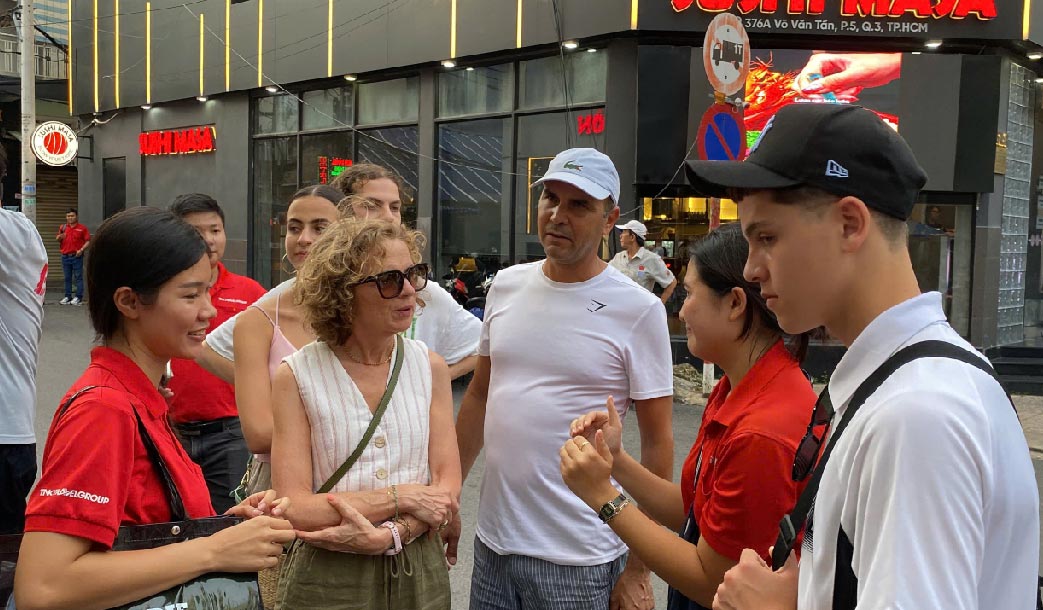
Transportation in Vietnam can feel overwhelming at first, particularly in large cities where traffic is busy and motorbikes dominate the streets, but once you understand the flow, it becomes easier to navigate.
Ride-hailing apps are widely used and offer a convenient way to get around, providing clear pricing and reducing the need for negotiation.
For longer distances, domestic flights, trains, and buses connect major destinations, allowing you to travel between regions efficiently.
In cities like Hanoi, walking is often the best way to explore smaller areas, while in Ho Chi Minh City, short rides are usually more practical due to the scale and traffic.
Cultural awareness and etiquette
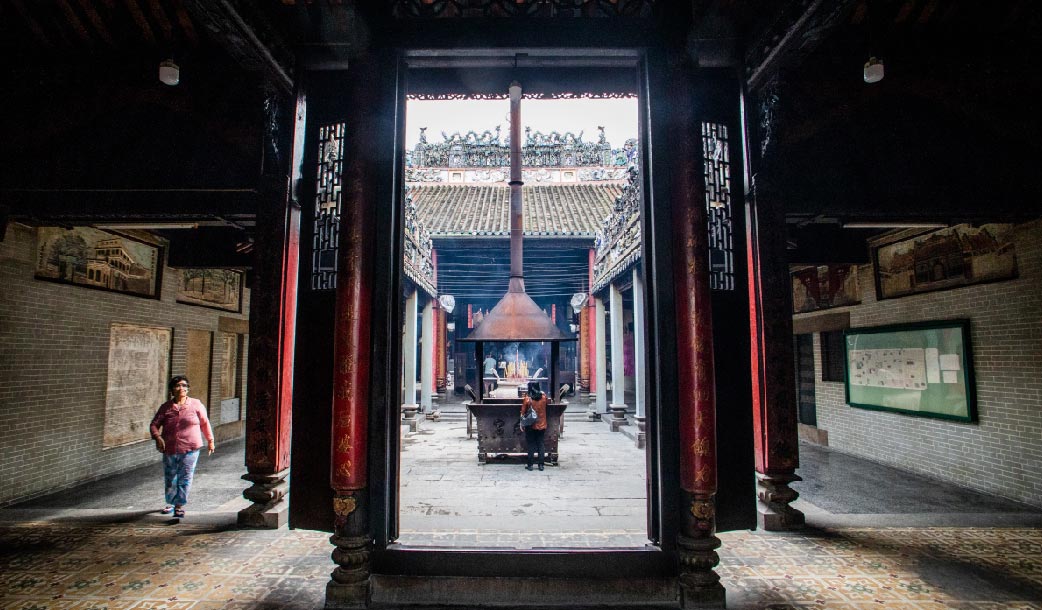
Understanding basic cultural etiquette can enhance your experience in Vietnam and help you connect more respectfully with local people.
Simple gestures, such as greeting politely, dressing modestly when visiting temples, and showing respect in cultural sites, go a long way.
Removing shoes before entering someone’s home or certain indoor spaces is common, and using both hands when giving or receiving something is considered polite.
Vietnamese culture values respect and harmony, so maintaining a calm and friendly attitude is important, especially in situations where misunderstandings may occur.
Food and dining preparation
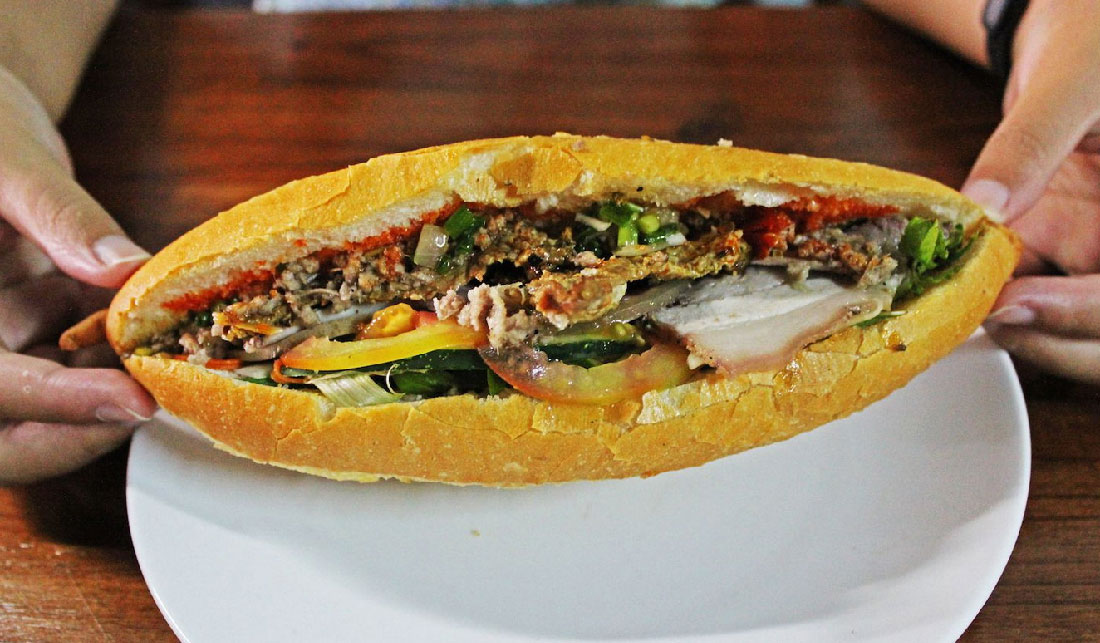
Vietnamese cuisine is one of the highlights of traveling in the country, and being open to trying local dishes will greatly enrich your experience.
Street food is widely available and often safe, especially in busy areas where turnover is high, but it is still important to choose places that look clean and well-maintained.
If you have dietary restrictions, learning a few basic phrases or using translation apps can help communicate your needs more effectively.
Exploring local markets, small restaurants, and street vendors allows you to experience authentic flavors that are an essential part of Vietnamese culture.
Common mistakes to avoid before traveling to Vietnam

Many travelers arrive in Vietnam without fully understanding the climate, leading to overpacking or bringing unsuitable clothing.
Another common mistake is underestimating travel distances within the country, as moving between regions can take time despite relatively short distances on a map.
Some visitors also rely entirely on cards and forget to carry cash, which can create inconvenience in smaller locations.
Finally, not preparing basic travel tools such as maps, apps, or local SIM cards can make navigation more difficult than necessary.
Final thoughts on preparing for Vietnam
Preparing for a trip to Vietnam is not about controlling every detail, but about understanding the key elements that will help you adapt once you arrive.
With the right preparation, the country becomes much easier to navigate, allowing you to focus on the experience rather than the logistics.
Vietnam rewards travelers who are open, flexible, and curious, and by taking the time to prepare properly, you give yourself the best chance to fully enjoy everything it has to offer.