
Introduction
Traveling to Northern Vietnam in May often comes with mixed expectations, because it sits right at the edge of a seasonal transition, where the cool, dry months begin to fade and the warmer, more humid summer slowly takes over, creating a travel experience that feels less predictable on paper but often more interesting in reality.
Unlike peak seasons where weather conditions are more consistent, May introduces variation, not just from day to day, but from region to region, which means that the experience you have in Hanoi can feel completely different from what you encounter in the mountains of Sapa or along the limestone coast of Ha Long Bay.
This is exactly what makes Northern Vietnam weather in May worth understanding properly, because if you approach it with the right expectations and a flexible mindset, it becomes one of the most rewarding times to explore the region, offering a mix of changing landscapes, fewer crowds, and a more authentic rhythm of daily life.
In this guide, you will find a complete breakdown of what Northern Vietnam weather in May actually feels like, how it affects your itinerary, and how to plan your trip so that you can make the most of this transitional but surprisingly beautiful month.
Overview of Northern Vietnam weather in May

May marks the beginning of early summer in Northern Vietnam, bringing warmer temperatures, increasing humidity, and the first signs of the rainy season, although it is important to understand that rain during this time is not constant, but instead appears in short, intense bursts that often come later in the day.
Temperatures typically range between 26°C and 34°C, but what defines the experience is not just the number itself, but the combination of heat and humidity, which can make the air feel heavier, especially in urban areas where movement and activity amplify the sensation.
Despite this, mornings remain relatively comfortable, often starting with soft light and calmer air, making them ideal for outdoor exploration, while afternoons tend to feel warmer and more intense before rain showers arrive and reset the atmosphere.
Evenings, after the rain, often become one of the most enjoyable parts of the day, as temperatures drop slightly and the air feels fresher, creating a slower and more relaxed environment that contrasts with the busier daytime rhythm.
What the weather feels like throughout the day
Understanding Northern Vietnam weather in May requires looking at how the day unfolds rather than focusing only on averages, because the experience changes gradually from morning to night.
Early mornings often feel calm and manageable, with softer sunlight and lower humidity, which makes it the best time for walking, sightseeing, or exploring cultural sites without feeling overwhelmed by the heat.
By late morning and early afternoon, temperatures rise and humidity becomes more noticeable, particularly in cities, where the density of buildings and traffic creates a heavier atmosphere that can feel more tiring if you are not pacing your activities properly.
Rain showers typically arrive in the late afternoon, often suddenly but not for long, and instead of disrupting your plans entirely, they tend to create a natural pause in the day, cooling the environment and preparing the city for a more comfortable evening.
Nights in May are often surprisingly pleasant, especially after rainfall, offering a more relaxed setting where you can enjoy street food, walk through local neighborhoods, or simply observe daily life at a slower pace.
Regional differences in Northern Vietnam
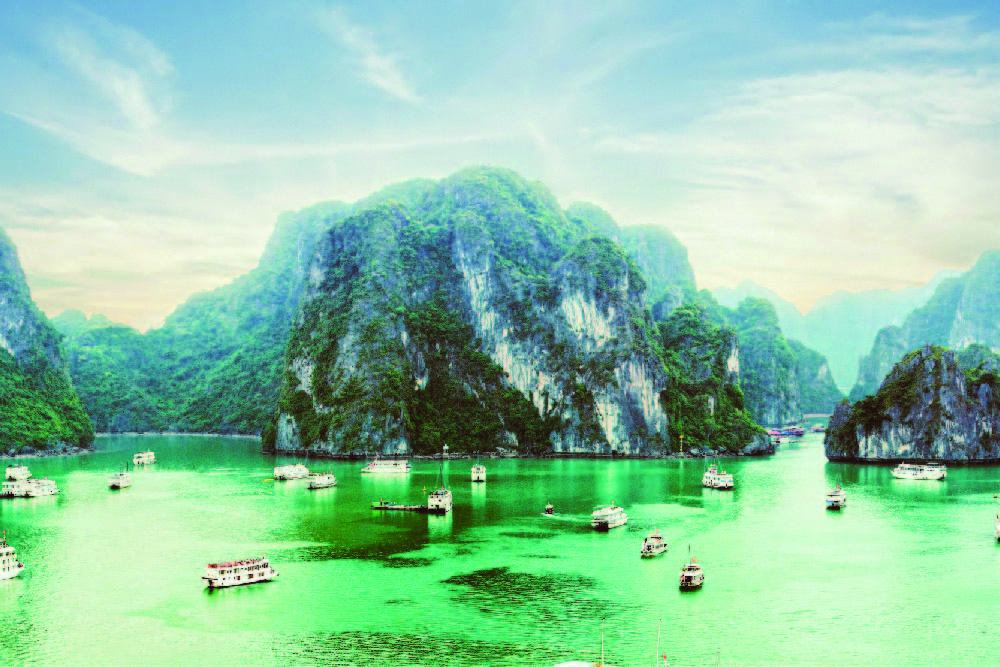
One of the most important aspects of planning a trip in May is understanding how weather varies across Northern Vietnam, because the region includes cities, mountains, and coastal areas, each with its own microclimate.
Hanoi and the Red River Delta
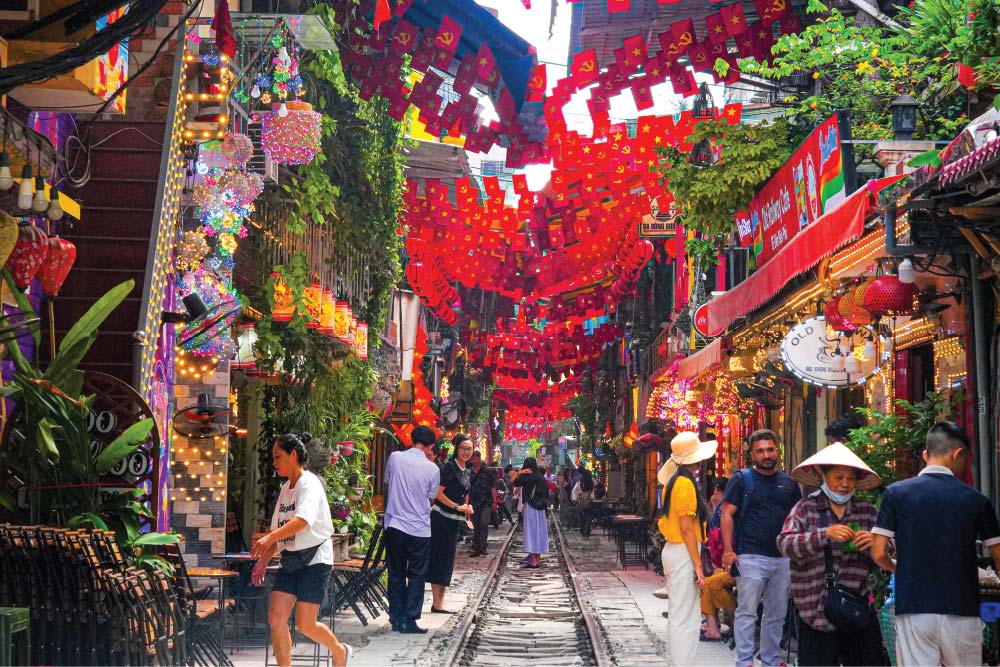
In Hanoi, May brings a noticeable shift toward summer, with warmer days, rising humidity, and occasional afternoon rain, creating an atmosphere that feels more energetic but also more demanding if you are not used to tropical climates.
The city remains highly active during this time, and while the heat can be intense in the middle of the day, mornings and evenings offer excellent opportunities to explore the Old Quarter, visit historical landmarks, and experience local street life.
Rainfall is usually short and manageable, often adding a reflective quality to the streets and creating a different kind of visual experience, especially in areas with lakes and tree-lined roads.
Mountain regions like Sapa and Ha Giang
In the northern mountains, including Sapa and Ha Giang, the weather feels cooler compared to Hanoi, but it also becomes more unpredictable as May marks the start of increased rainfall in higher elevations.
Temperatures generally range between 18°C and 26°C, which makes trekking more comfortable than in peak summer, although trails can become slippery after rain, requiring more careful planning and appropriate footwear.
What makes May particularly special in these regions is the transformation of the landscape, as rice terraces begin to fill with water in preparation for planting season, creating reflective surfaces that mirror the sky and surrounding mountains, offering a completely different visual experience compared to the golden fields of autumn.
Mist and clouds are more common, especially in the early morning, but they often lift during the day, revealing dramatic views that feel more dynamic and atmospheric rather than perfectly clear.
Ha Long Bay and coastal areas

In coastal destinations like Ha Long Bay, May offers warm temperatures, calm seas, and a mix of sunshine and light rain, making it a good time for cruises, especially overnight ones that allow you to experience different moods of the bay.
The water may not always appear as bright turquoise as in peak summer months, but the softer lighting and occasional mist create a more atmospheric and cinematic environment that many travelers find equally appealing.
Activities such as kayaking, swimming, and cave exploration remain accessible, although it is important to stay flexible, as weather conditions can shift throughout the day.
Is May a good time to visit Northern Vietnam
May is a good time to visit Northern Vietnam if you are open to adapting your plans and understanding that the experience will be shaped by changing conditions rather than perfect weather.
It offers a balance between accessibility and authenticity, where you can still explore key destinations without the heavy crowds of peak season, while also experiencing landscapes that are beginning to transform into their summer state.
For travelers who value variety and are willing to adjust their schedule around weather patterns, May can provide a richer and more dynamic experience than more predictable months.
Best things to do in Northern Vietnam in May
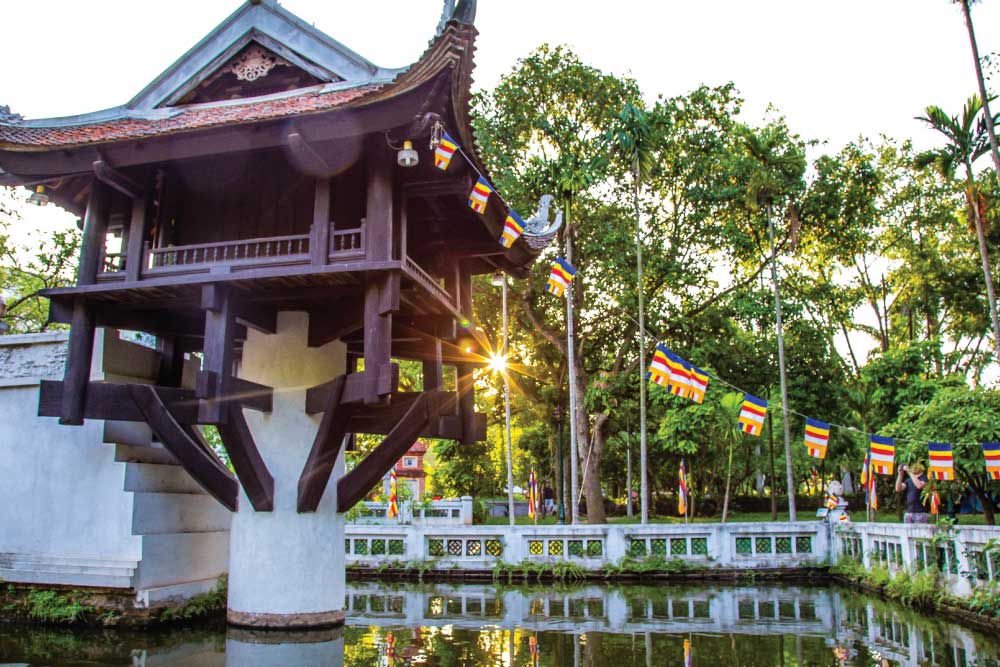
The weather in May supports a wide range of activities, as long as you plan them according to the time of day and regional conditions.
In Hanoi, early morning walking tours, street food experiences, and visits to cultural sites work well, while afternoons are better suited for indoor activities such as museums or cafés.
In mountain areas, trekking remains popular, especially in the morning, when conditions are cooler and visibility is better, while the changing landscape adds visual interest to the journey.
In Ha Long Bay, cruising continues to be one of the highlights, with the added benefit of fewer crowds compared to peak summer months, allowing for a more relaxed and immersive experience.
How the landscape changes in May
May is a turning point in Northern Vietnam, not just in terms of weather, but in how the landscape begins to shift from the softer tones of spring into the richer, more saturated colors of early summer, creating a visual experience that feels more alive and constantly evolving.
In the mountains, rice terraces enter their “water season,” where farmers begin preparing the fields for planting, and instead of solid green or golden layers, you see reflective surfaces that mirror the sky, clouds, and surrounding hills, giving the landscape a fluid and almost painterly quality that changes depending on the light and time of day.
In lower regions and countryside areas, vegetation becomes denser and greener as the first rains nourish the soil, while rivers appear fuller and more active, adding movement and energy to the scenery.
In Hanoi, trees grow thicker and streets feel more shaded, although the humidity increases, creating a contrast between the vibrant greenery and the intensity of the urban environment.
These gradual changes mean that traveling in May is less about chasing perfect views and more about experiencing how the landscape transitions, which often creates a more dynamic and memorable journey.
Pros and cons of visiting Northern Vietnam in May
Pros

Traveling in May allows you to avoid the peak tourist crowds that usually arrive later in summer, which means popular destinations feel less congested and more accessible, especially in places like Ha Long Bay and Sapa.
The changing landscape provides unique visual experiences that you cannot see in other months, particularly the reflective rice terraces and the deepening green tones across the region.
Prices for accommodation and tours are often more flexible compared to high season, giving you better value and more choices when planning your trip.
The rhythm of daily life feels more local, as tourism is present but not overwhelming, allowing for more authentic interactions and experiences.
Cons
The increase in heat and humidity can make midday activities more tiring, especially in cities, where the environment amplifies the sensation of warmth.
Rain becomes more frequent, although it is usually short, but it still requires flexibility in your daily schedule.
Mountain trekking conditions can become more challenging due to wet and slippery trails, particularly after rainfall.
Visibility in mountainous areas can sometimes be affected by mist, which may limit panoramic views at certain times.
Best 7 to 10 day itinerary for Northern Vietnam in May
Planning your itinerary carefully is key to making the most of Northern Vietnam weather in May, as it allows you to balance different climates and experiences within one trip.
Day 1–2: Hanoi
Start your journey in Hanoi, where you can explore the Old Quarter, visit historical landmarks, and experience local food culture, focusing on early morning and evening activities to avoid the peak heat.
Take advantage of quieter mornings to walk around Hoan Kiem Lake, visit temples, and observe daily life as the city gradually comes to life.
Day 3–5: Sapa or Ha Giang

Head to the mountains for a cooler environment and a completely different landscape, where rice terraces begin to transform and the atmosphere feels more open and natural.
In Sapa, you can explore local villages and enjoy moderate trekking routes, while Ha Giang offers a more adventurous experience with dramatic mountain roads and remote scenery.
Be prepared for occasional rain and plan your activities with flexibility, focusing on mornings when conditions are usually clearer.
Day 6–7: Ha Long Bay or Lan Ha Bay
End your trip with a cruise experience in Ha Long Bay or Lan Ha Bay, where you can enjoy calm waters, scenic views, and a slower pace that contrasts with the busier parts of your journey.
An overnight cruise is highly recommended, as it allows you to experience the bay at different times of day, including early morning and sunset, when conditions are often at their best.
Optional extension: Ninh Binh
If you have extra time, adding Ninh Binh to your itinerary provides a peaceful countryside experience, where boat rides and cycling routes allow you to explore the landscape at a slower pace.
What to pack for Northern Vietnam in May
Packing for May requires a balance between preparing for heat and being ready for rain, without overcomplicating your luggage.
Lightweight and breathable clothing is essential for daytime comfort, while a light jacket or long-sleeve layer can be useful for cooler mornings or air-conditioned environments.
A compact umbrella or a light rain jacket is important for handling short rain showers, which can appear unexpectedly.
Comfortable walking shoes are necessary, especially if you plan to explore cities or trek in mountain areas, where conditions can vary.
Sunscreen, sunglasses, and a hat help protect against strong sunlight, while insect repellent is recommended for rural and mountainous regions.
Common travel mistakes in May
One of the most common mistakes travelers make is assuming that rain in May means constant bad weather, which often leads to unnecessary concern or overly cautious planning.
Another mistake is not adjusting daily schedules to match weather patterns, such as planning outdoor activities during midday instead of early morning or late afternoon.
Some travelers underestimate the impact of humidity, which can make moderate temperatures feel much warmer, especially in urban environments.
Failing to consider regional differences is another issue, as conditions can vary significantly between Hanoi, the mountains, and coastal areas.
April vs May: what changes and why it matters
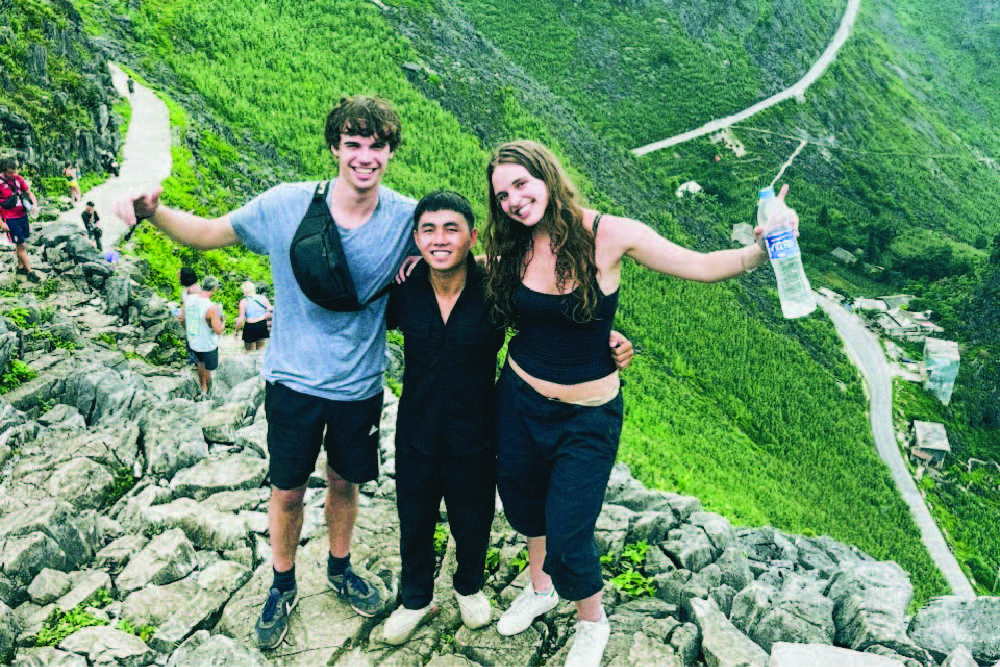
Compared to April, May feels warmer and more humid, with a higher chance of rain, although it still remains manageable for travel with proper planning.
The landscape becomes greener and more vibrant, particularly in agricultural areas, while the atmosphere feels more dynamic and less predictable.
Traveling in April offers more stable conditions, while May provides more variety and a stronger sense of seasonal transition.
Who should travel to Northern Vietnam in May
May is ideal for travelers who enjoy flexibility and are open to adapting their plans based on weather conditions, rather than expecting perfect, predictable days.
It is particularly suitable for those who value unique landscapes, fewer crowds, and a more local atmosphere.
Photographers and slow travelers often appreciate this time of year, as it offers changing light, evolving scenery, and opportunities to experience the region in a less commercialized way.
Final thoughts on Northern Vietnam weather in May

Northern Vietnam in May is not defined by perfect conditions, but by its balance between change and opportunity, where each day can feel slightly different, and each region offers its own version of the season.
It is a time when the landscape begins to transform, daily life adjusts to the rhythm of rain and heat, and travel becomes less about following a fixed plan and more about responding to the environment.
For those who approach it with the right mindset, May offers a deeper and more engaging experience, one that reveals not only the beauty of Northern Vietnam, but also its ability to shift, adapt, and remain compelling in every season.