How to deal with the heat in Vietnam

Traveling in Vietnam during the hotter months can feel far more intense than many visitors expect. The first thing most travelers realize is that the heat here behaves differently from dry climates. In Vietnam, humidity becomes part of the physical experience of travel itself. Walking for only a few minutes in cities like Ho Chi Minh City or Hanoi can suddenly feel exhausting because the air itself feels heavy. Even experienced travelers are often surprised by how quickly energy disappears in the middle of the day. However, despite the tropical climate, millions of travelers continue exploring Vietnam comfortably every year because the key is not avoiding the weather, but learning how to adapt to it properly.


Why Vietnam’s heat feels more intense than expected    
One of the biggest misunderstandings travelers have before arriving in Vietnam is assuming the country is simply “hot.” In reality, humidity changes everything. In dry climates, sweat evaporates quickly and the body cools naturally. In Vietnam, especially during summer or rainy-season periods, moisture remains trapped in the air. This makes the body feel warmer for longer periods, even in shaded areas. Travelers often notice that activities such as walking, climbing stairs, or carrying backpacks become much more physically demanding than expected.

The heat also changes depending on where you are in the country. Northern Vietnam experiences stronger seasonal changes, while southern Vietnam remains tropical for most of the year. Central Vietnam often experiences intense sunlight and dry heat during the peak summer months. Understanding these regional differences helps travelers prepare more realistically instead of assuming the entire country has the same climate.


The importance of adjusting your travel rhythm

Many first-time visitors make the mistake of trying to explore Vietnam at the same pace they would use in cooler countries. Travelers often schedule long walking days filled with attractions between late morning and afternoon, only to become completely exhausted after a few hours.

Vietnam works differently because daily life itself is shaped around the climate. Streets become busiest early in the morning and later in the evening because locals naturally avoid unnecessary movement during peak heat hours. Cafés fill up during midday, shaded restaurants become gathering spaces, and outdoor activity slows noticeably once temperatures rise.

Travelers who adapt to this rhythm almost always enjoy Vietnam more comfortably. Instead of trying to constantly maximize every hour of the day, experienced visitors often structure their schedule around the weather itself: exploring early, slowing down during midday, then continuing later in the evening when temperatures become more manageable again.


Why waking up early changes the entire experience
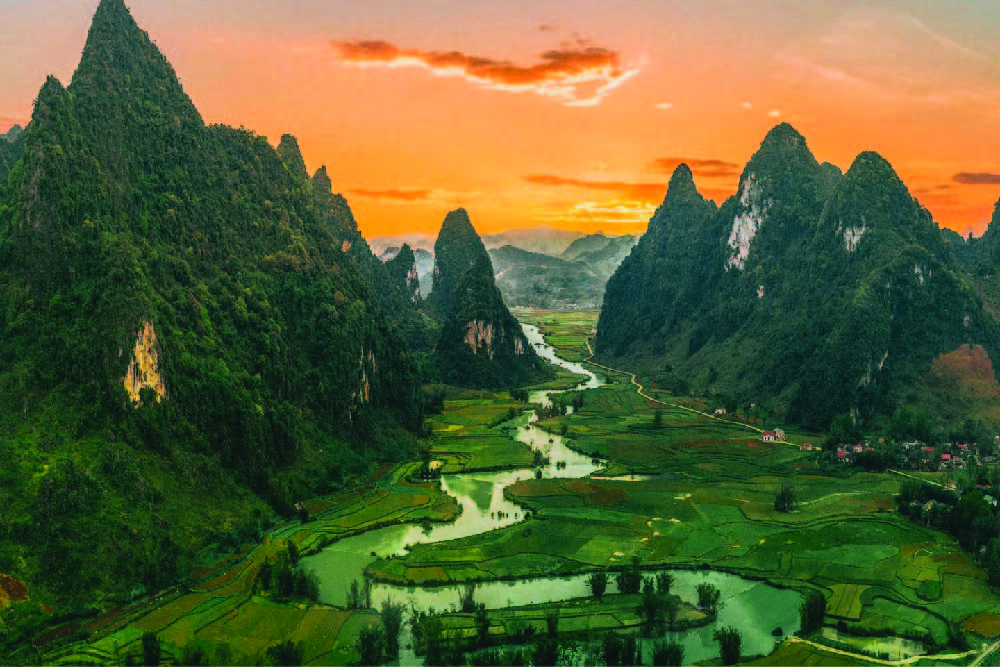
One of the best travel decisions you can make in Vietnam is simply waking up earlier. Before around 9 AM, the atmosphere feels completely different. The air remains cooler, sunlight feels softer, and local life begins appearing gradually across streets, parks, and markets. Boat rides, walking tours, cycling, and outdoor sightseeing all become significantly more comfortable during these early hours.

Many travelers eventually realize that some of Vietnam’s most beautiful moments happen in the morning anyway. In places like Hoi An or Ninh Binh, early morning creates a calmer atmosphere before tourist crowds fully appear. The combination of softer light and lower temperatures completely changes how destinations feel. By contrast, attempting to do intense outdoor activities during midday heat often turns travel into physical endurance rather than enjoyment.


Midday heat and why slowing down matters

Between around 11 AM and 3 PM, temperatures and humidity often become strongest across many parts of Vietnam. During these hours, direct sunlight reflects strongly from roads, sidewalks, buildings, and concrete surfaces, making cities feel even hotter than the actual temperature. This is why experienced travelers stop trying to constantly move during midday. Instead, they use this time differently:

  • relaxing at cafés
  • eating slower lunches
  • visiting museums
  • resting at hotels
  • sitting in shaded areas
  • using air-conditioned spaces strategically

One important thing travelers gradually understand is that slowing down during the hottest part of the day does not reduce the quality of the trip. In many cases, it actually improves it. Vietnam naturally rewards slower travel because many of its best experiences happen through observation rather than rushing between attractions.
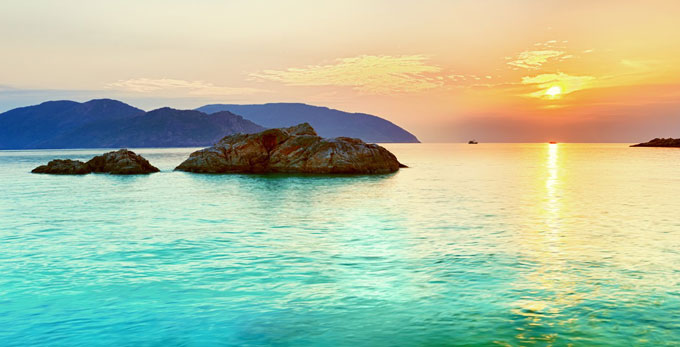
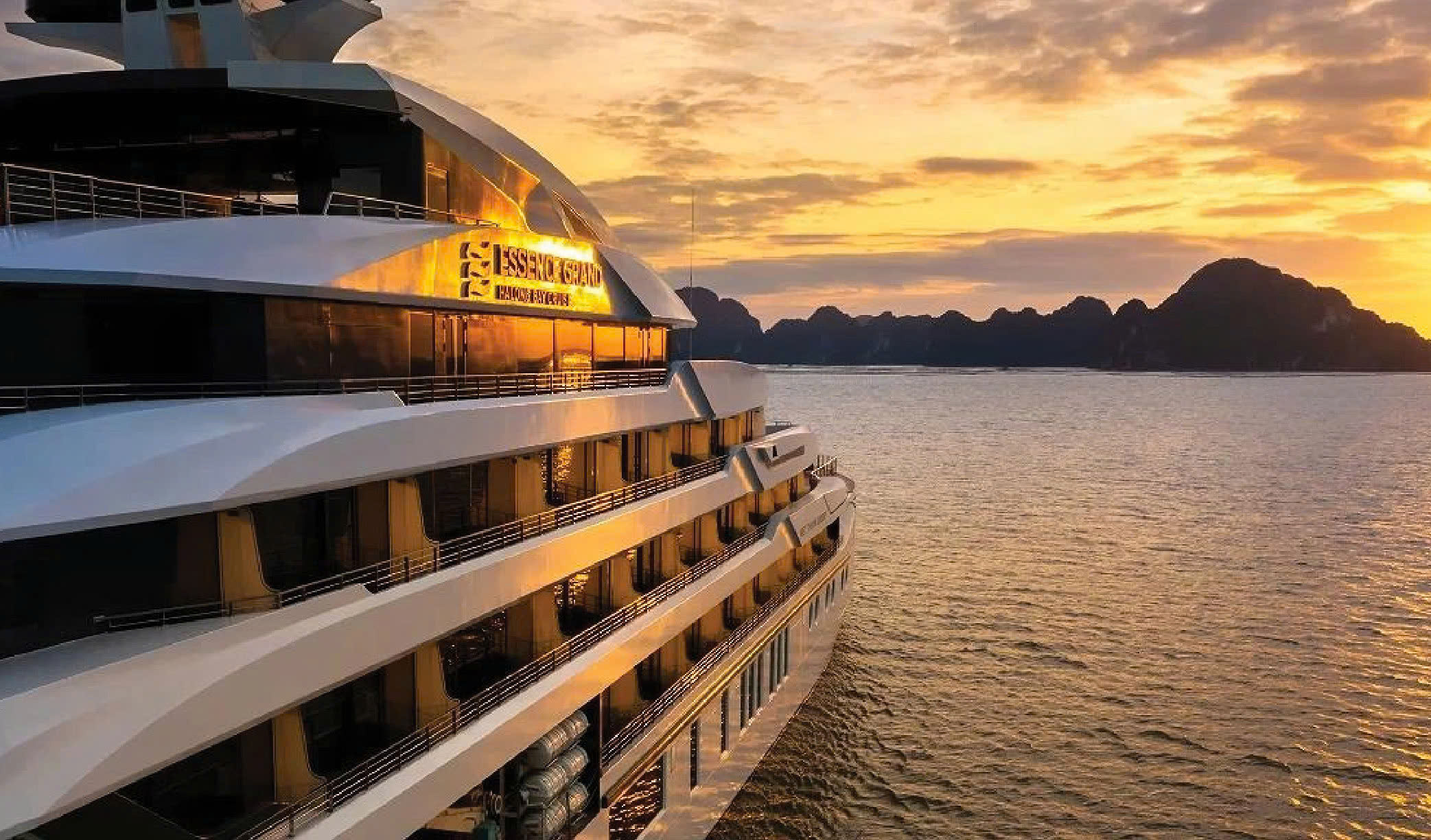
4 Best Vietnam islands you must visit in summer vacation


Hydration becomes more important than travelers expect

Humidity causes the body to lose water constantly, even when travelers are not doing physically demanding activities. Because of this, dehydration happens much faster than many visitors realize.Feeling suddenly exhausted, dizzy, irritated, or mentally drained during hot days is often connected more to dehydration than actual physical fatigue.

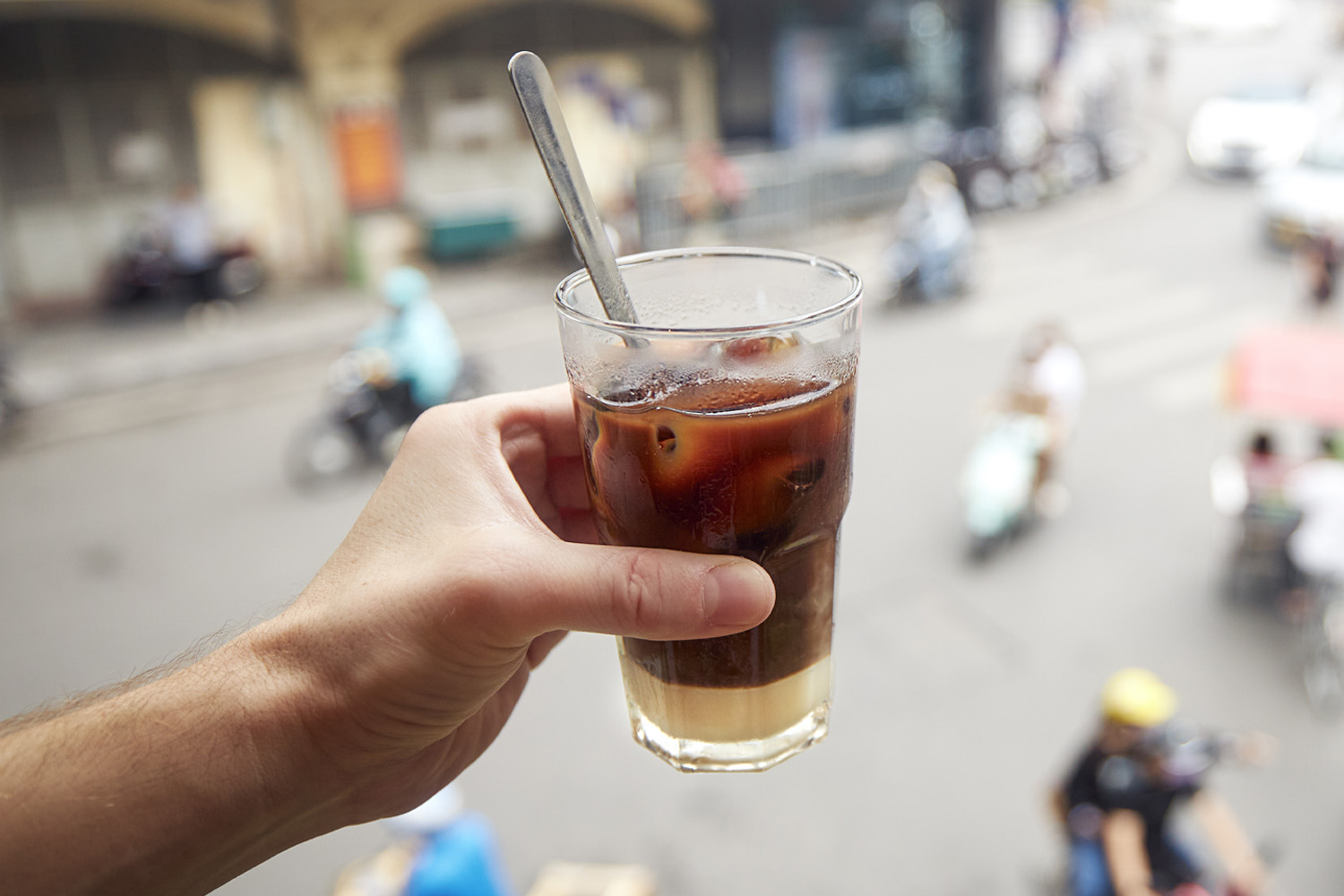
This is one reason cold drinks become such an important part of daily life in Vietnam. Fresh coconut water, sugarcane juice, iced tea, smoothies, and Vietnamese iced coffee are available almost everywhere because they help people cool down and recover energy throughout the day. Travelers who hydrate consistently throughout the day usually handle the heat much better than those who only drink water occasionally once they already feel thirsty.


Choosing the right clothing for tropical weather
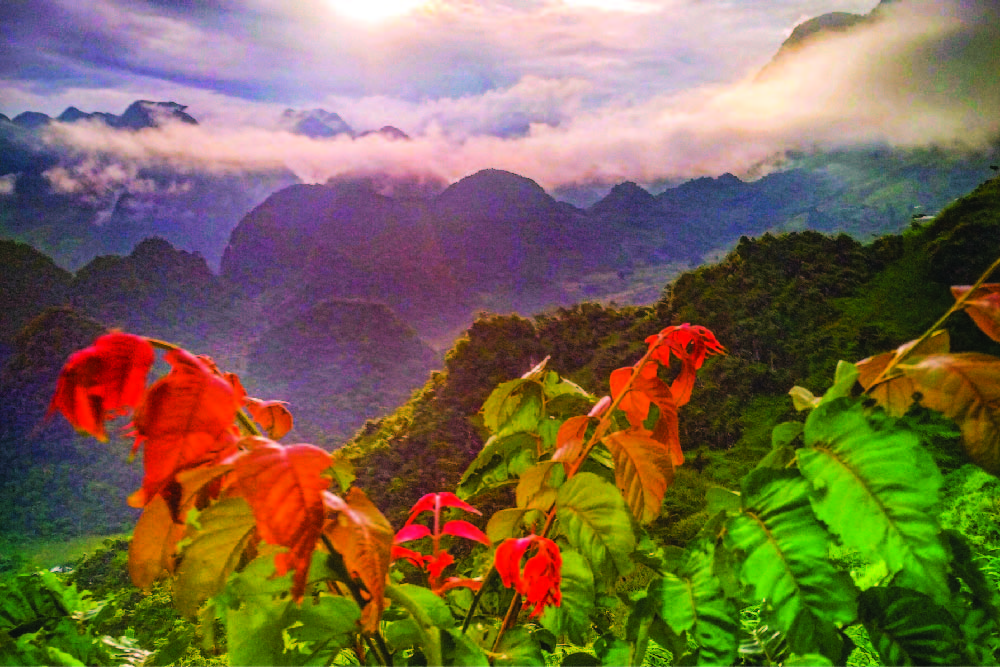
The way travelers dress in Vietnam also makes a significant difference. Many first-time visitors wear heavy fabrics or dark clothing without realizing how uncomfortable those materials become in humid conditions. Lightweight and breathable fabrics such as linen, thin cotton, or quick-dry athletic materials are usually much more practical.

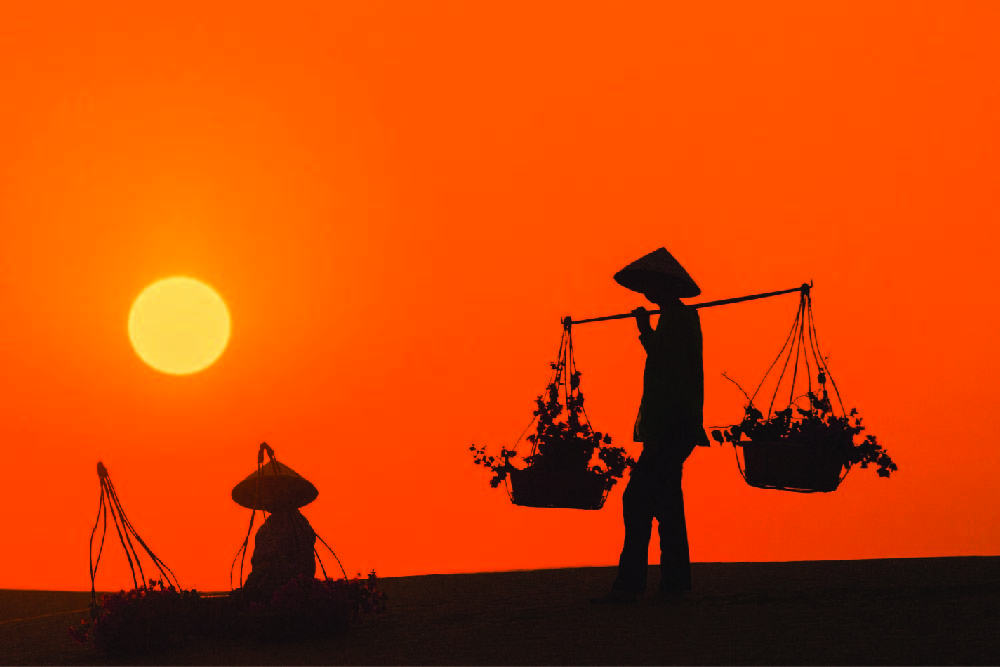
Interestingly, many locals actually wear long sleeves, hats, gloves, and face coverings while outdoors. At first this seems strange to visitors, but it reflects an important reality of tropical climates: direct sunlight often feels worse than wearing thin protective layers.Protecting skin from harsh sun exposure can actually help reduce overall heat exhaustion during long outdoor days.


Why cafés become part of the travel experience

Vietnam’s café culture is deeply connected to the climate. Throughout the country, cafés provide shaded spaces where people can rest, cool down, hydrate, and slow their pace temporarily. Travelers quickly realize that stopping for iced coffee or fresh juice becomes part of surviving the heat rather than simply a casual activity. These breaks also become some of the most memorable parts of traveling in Vietnam. Sitting inside a quiet café while watching tropical rain outside, listening to street sounds from shaded windows, or cooling down after walking through humid streets all become experiences connected directly to the atmosphere of the country itself.
Transportation choices can save your energy

One of the easiest ways travelers accidentally exhaust themselves in Vietnam is by underestimating distances in the heat.

In many cities, what appears to be a short walk on the map can suddenly feel much longer once humidity and direct sunlight are added. This is especially true in larger urban areas like Ho Chi Minh City, where heat reflects strongly from roads, buildings, and traffic-heavy streets.

Experienced travelers quickly become more strategic about transportation. Instead of walking everywhere during midday, they often:

  • use short taxi rides
  • rely on ride-hailing apps
  • rest between destinations
  • group nearby attractions together
  • avoid unnecessary backtracking

This helps preserve energy throughout the day instead of burning it all during a single afternoon.

Interestingly, many travelers initially resist using transportation for short distances because they want to “experience the city properly.” But over time, they realize that conserving energy actually allows them to enjoy destinations more fully once they arrive.


The heat feels completely different in each region

Vietnam’s climate changes significantly from north to south, and this often surprises travelers.

Northern Vietnam experiences stronger seasonal variation. Summers in Hanoi can feel intensely humid, while winters become cooler and much more comfortable. During hot months, the combination of humidity and urban density makes the capital feel physically heavy, especially during afternoons.

Central Vietnam often experiences harsher dry heat. Destinations such as Da Nang or Hue can feel extremely sunny during summer, with very strong direct sunlight and limited cloud cover.

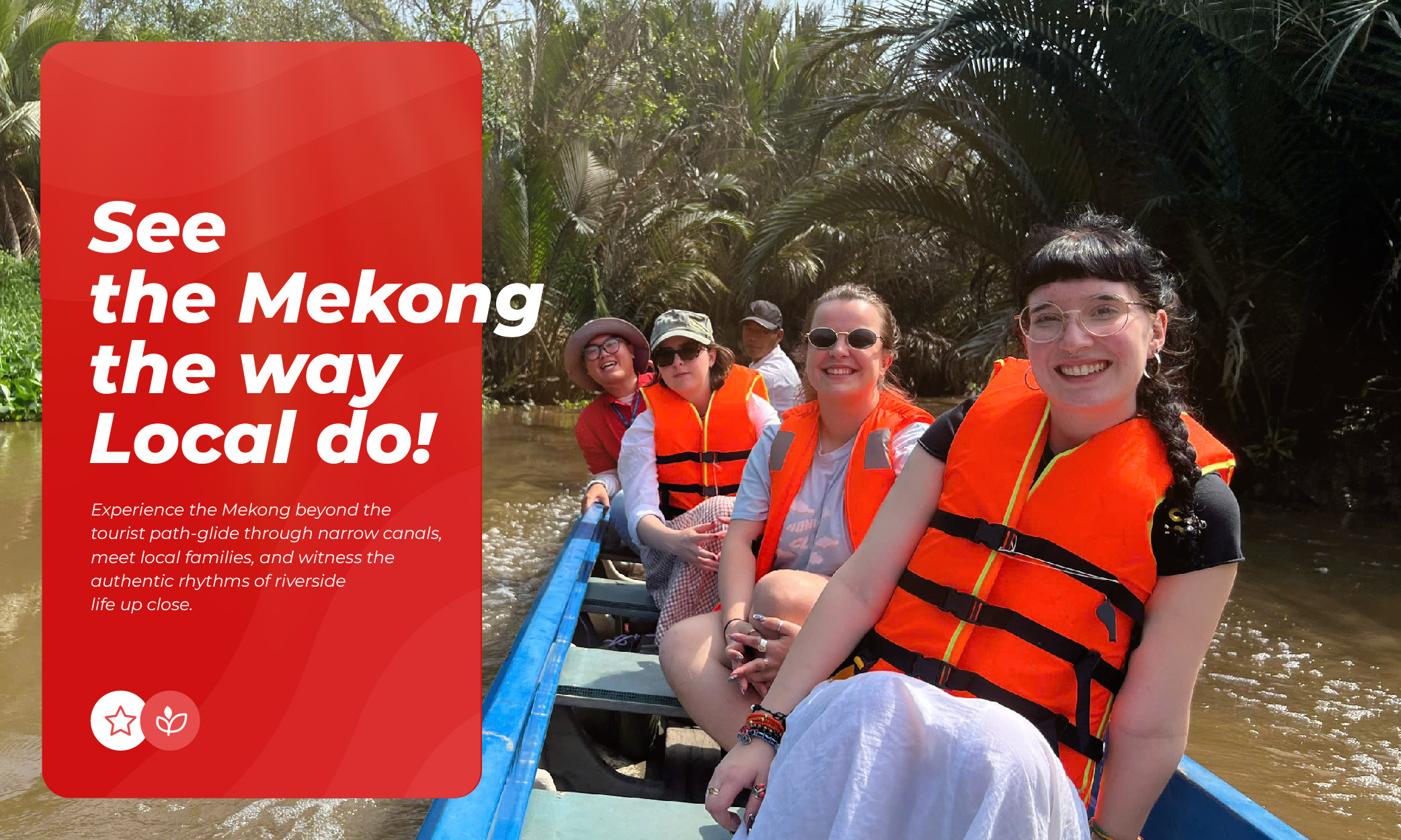
Southern Vietnam, including Ho Chi Minh City and the Mekong Delta, remains tropical for most of the year. Temperatures stay relatively stable, but humidity remains constant. Afternoon rainstorms are common during rainy season and often cool the atmosphere temporarily.

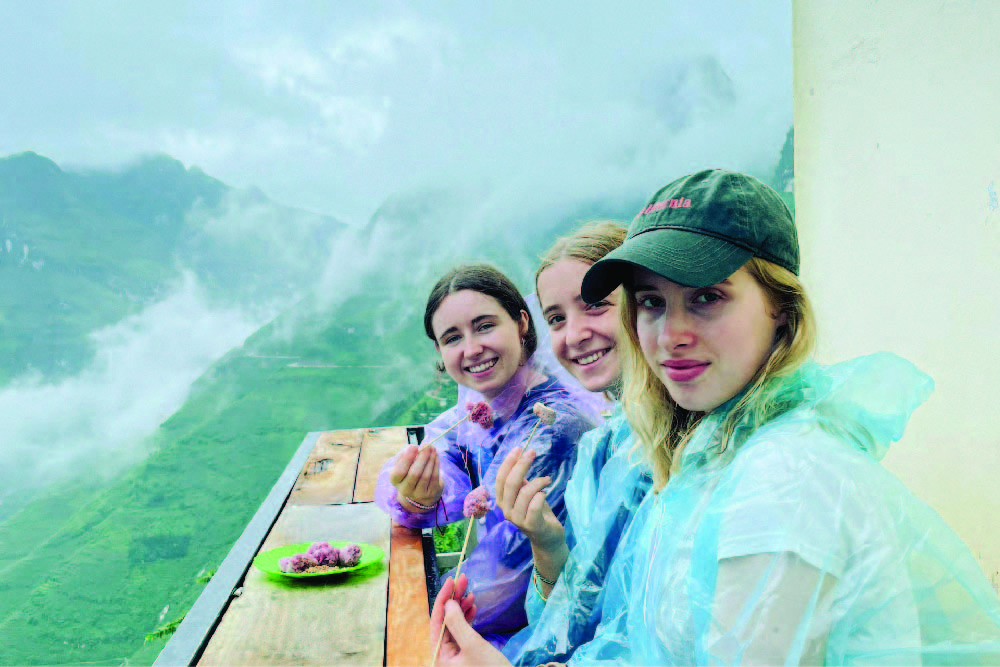
Mountain regions provide the biggest contrast. Destinations such as Sa Pa or Da Lat feel significantly cooler because of elevation. Many travelers naturally include these places in longer itineraries partly to escape the heat for a few days.


Tropical rain becomes part of daily life

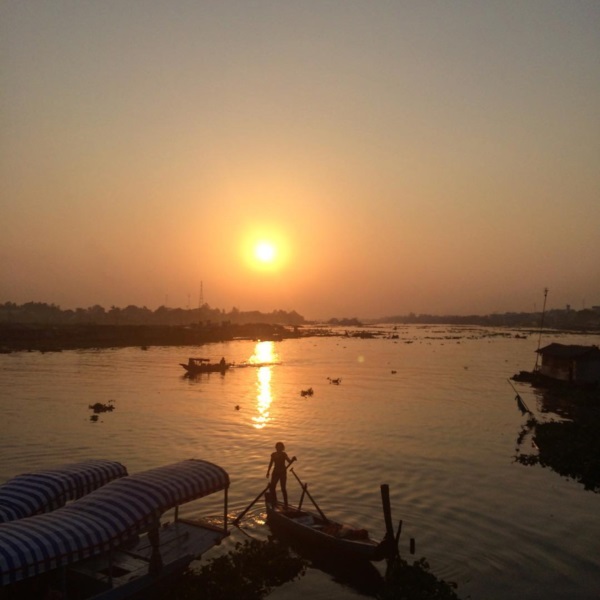
Chau Doc Floating Village at sunrise

One thing many travelers learn quickly is that heat in Vietnam is often followed by sudden rain.

Especially during rainy season months, afternoons may shift rapidly from intense sunlight to dark clouds and short tropical storms. For first-time visitors, this can feel inconvenient at first. But over time, travelers often begin appreciating these sudden weather changes because rain cools the air dramatically.

Some of Vietnam’s most atmospheric moments actually happen during or after rain:

  • steam rising from streets
  • reflections on old buildings
  • quieter alleyways
  • cooler evening temperatures
  • cafés filling with people escaping storms

Rather than treating rain as something that ruins the day, experienced travelers usually adapt by carrying small umbrellas or light rain jackets and remaining flexible with their schedule.


Why air conditioning becomes part of survival

Many travelers eventually realize they begin planning their days around cooling spaces.

Museums, cafés, shopping centers, hotels, and restaurants often become temporary recovery points between outdoor activities. In tropical climates, cooling down regularly is not weakness or laziness. It is simply practical.

One important thing many visitors misunderstand is that locals themselves also avoid excessive exposure during peak heat hours. Vietnam’s daily rhythm naturally includes pauses from the climate.

Travelers who constantly try pushing through midday heat without breaks usually become exhausted much faster across multi-day trips.


Food choices and eating in hot weather

The heat also changes how many travelers eat in Vietnam.

Heavy meals during midday often feel uncomfortable in extreme humidity, which is one reason Vietnamese cuisine includes many lighter dishes, fresh herbs, soups, and cold drinks.

Street food culture itself is partly shaped around weather and timing. Morning noodle soups, late-evening grilled food, iced coffee breaks, and fresh fruit stands all fit naturally into tropical daily life.

Many travelers notice that they begin eating smaller meals more frequently rather than sitting down for large heavy lunches during the hottest part of the day.


One of the biggest mistakes: overpacking clothing

Another common problem travelers face in Vietnam is bringing the wrong clothing.

Heavy fabrics, thick jeans, or large layered outfits quickly become uncomfortable in tropical humidity. Travelers who pack mostly lightweight and breathable clothing usually adjust much faster to the environment.

Laundry services are also widely available across Vietnam and often inexpensive, which means travelers do not need to carry excessive amounts of clothing. This becomes especially important for longer trips during hotter months.


The psychological side of tropical heat

Heat affects more than the body.

Many travelers become mentally tired without realizing the climate itself is contributing to it. Humidity and dehydration can lower energy, reduce patience, and make cities feel more overwhelming than they actually are.

This is why slowing down matters psychologically as much as physically.

Travelers who allow themselves more rest, café breaks, flexible schedules, and slower pacing often enjoy Vietnam much more deeply than those trying to maximize every hour of the trip.


How locals actually deal with the heat

One of the easiest ways to understand how to handle Vietnam’s climate is simply observing local behavior.

People avoid unnecessary walking during midday. They seek shade naturally. They stop frequently for drinks and coffee. They move slower outdoors during hotter hours.

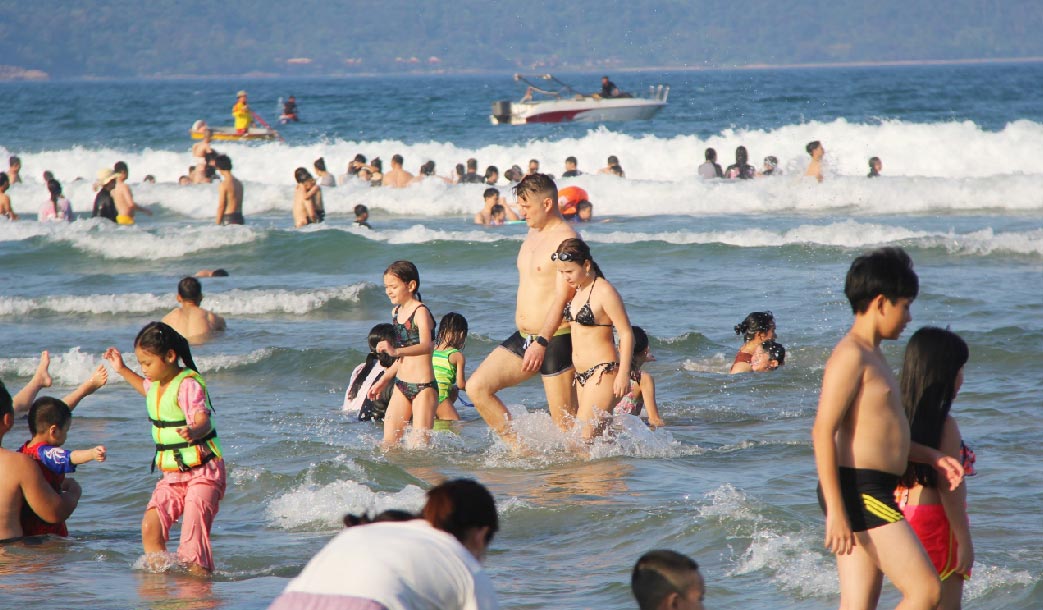
Vietnamese cities are not designed around aggressive movement under the sun. Your best option for travel should include coastal city and their cool beaches.

The climate itself teaches people how to pace daily life, and travelers who follow those patterns usually adapt much more comfortably.


The heat eventually becomes part of the atmosphere

At first, the heat in Vietnam can feel overwhelming. But after enough time, something changes.

Travelers begin associating the climate with the atmosphere of the country itself:

  • condensation dripping from iced coffee glasses
  • warm tropical nights filled with motorbike sounds
  • afternoon rain cooling old streets
  • fans spinning slowly inside cafés
  • humid air carrying the smell of street food after sunset

These details become inseparable from the memory of traveling in Vietnam.

The weather stops feeling like an obstacle and starts becoming part of the experience itself.

Frequently asked questions about dealing with the heat in Vietnam

Is Vietnam too hot for traveling?

Vietnam can feel very hot and humid, especially during summer months, but most travelers can still travel comfortably by adjusting their schedule, staying hydrated, and avoiding intense outdoor activities during midday.


Why does the heat in Vietnam feel stronger than expected?

The main reason is humidity. In many parts of Vietnam, the air holds a large amount of moisture, making the body feel hotter and making physical activity more exhausting compared to dry climates.


What is the hottest time of day in Vietnam?

The hottest period is usually between 11 AM and 3 PM, especially in cities and open outdoor areas. This is why many locals slow down, rest indoors, or stay in cafés during these hours.


What should I wear in Vietnam’s hot weather?

Lightweight and breathable clothing works best. Linen, thin cotton, and quick-dry fabrics help travelers stay more comfortable in humid conditions. Hats, sunglasses, and sunscreen are also highly recommended.


How do locals deal with the heat in Vietnam?

Locals often avoid unnecessary walking during midday, move more slowly outdoors, drink cold beverages frequently, and structure daily activities around cooler hours in the morning and evening.


Is it better to travel early in the morning in Vietnam?

Yes. Early morning is usually the most comfortable time for sightseeing because temperatures are cooler, sunlight is softer, and outdoor activities feel much less exhausting.


Does it rain often during hot weather in Vietnam?

In many regions, especially during rainy season, hot afternoons are often followed by short tropical rainstorms. These rains usually cool the air and rarely last all day.


Which places in Vietnam are cooler?

Mountain destinations such as Sa Pa and Da Lat are noticeably cooler because of higher elevation.


How much water should travelers drink in Vietnam?

Travelers should hydrate constantly throughout the day, even before feeling thirsty. Humidity causes the body to lose water faster than many people realize.


What is the best way to survive Vietnam’s heat?

The best approach is to adapt to the local rhythm: wake up earlier, slow down during midday, use transportation strategically, take café breaks often, and avoid rushing through your itinerary.


x

You can pay for your booking now securely with PayPal ® by using your credit card or Paypal account.